Skip to content
WAnimals
  • Map
  • Species
  • Parks
  • Diving
Log inCreate account
WAnimals

The guide for travellers and animal lovers: discover, plan and share your wild adventures around the world.

Discover wildlife

  • Species
  • Ecosystems
  • Glossary
  • Tags

Explore places

  • Map
  • Countries
  • Parks
  • Diving

Plan experiences

  • Guides

Learn

  • Blog

Resources

  • About us
  • How we build our profiles
  • Help centre
  • Contact
  • Install the app

Follow us

Account

  • Log in
  • Create account

© 2026 WAnimals. All rights reserved.

Terms of servicePrivacyCookiesLegal notice
MapSpeciesParksDiving
  1. Home
  2. Species
  3. Willow Ptarmigan

One of the 2 ptarmigans on WAnimals

Willow Ptarmigan (Lagopus lagopus)

Birds · Galliformes · Phasianidae

Willow Ptarmigan

Lagopus lagopus

Least Concern

The species is abundant and widely distributed; it faces no significant short-term risk.

Spotted something wrong?

The willow ptarmigan is the most widespread grouse in the northern hemisphere, found on the tundra and moorland of Eurasia and North America. It changes plumage with the season: pure white in winter and reddish brown in summer, except for the British subspecies, which never turns fully white. Its populations fluctuate in marked cycles tied to intestinal parasites and to the abundance of lemmings and their predators.

Weight

580 g – 720 g

Size

35 cm – 43 cm

Life expectancy

8 years
Diet

Herbivore

Feeds mainly on plants.

Activity

Diurnal

Active mainly during the day.

Social structure

In pairs

Usually lives in pairs, sometimes for life.

MountainTundraPolar
11countries14parks21same family

AI-generated images: illustrations, not photographs.

Fun facts

  • The British subspecies is the only one in the world that does not turn white in winter: on islands where lasting snow is rare, white camouflage would be counterproductive.
  • Its populations fluctuate in cycles of several years driven by an intestinal nematode, a mechanism demonstrated experimentally and a classic case of population regulation by parasites.
  • The heather moors of Scotland are managed by burning them in patches to maximise grouse density for shooting, a practice that shapes the landscape of large parts of the Highlands and that generates permanent environmental controversy.

Life cycle and biology

Skeleton type
Vertebrate - internal bony skeleton (bird)
Habitat and environment
Tundra, peat bogs, heather moorland and willow scrub of the northern hemisphere
Sexual maturity
12 months
Gestation / incubation
21 days
Litter / clutch size
6

Sources consulted: Wikipedia (es): Lagopus lagopus

Where to find it

Loading map…

The pins mark the parks where its presence is documented.

Where to see it

Parks and dive sites where this species has been documented — showing 10 of 14.

Related species

Other species in the catalogue with the most in common with Willow Ptarmigan — same habitat, park, country, tags or family.

Same taxonomic family

Keep exploring

Based on what we already know about willow ptarmigan.

Share an experience, a fun fact or a tip for seeing the willow ptarmigan.
See full glossary
This page in other languages: Español · Deutsch · Français · Português · Italiano
See its range on the interactive map→
Lake DistrictUnited Kingdom
CairngormsUnited Kingdom
Snowdonia (Eryri)United Kingdom
Peak DistrictUnited Kingdom
DartmoorUnited Kingdom
ExmoorUnited Kingdom
Loch Lomond and The TrossachsUnited Kingdom
Yorkshire DalesUnited Kingdom
NorthumberlandUnited Kingdom
Bannau Brycheiniog (Brecon Beacons)United Kingdom
See all 14 parks
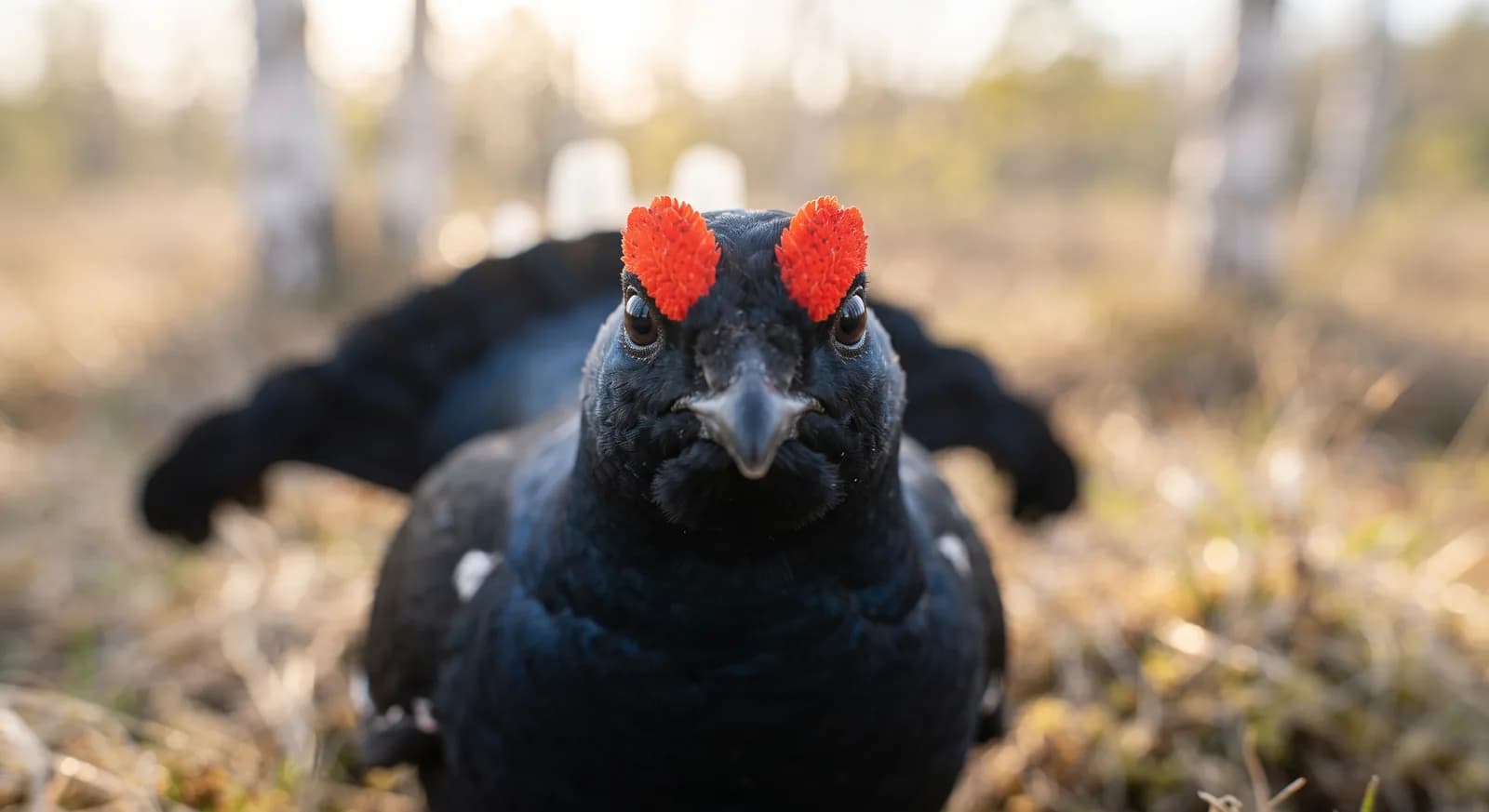
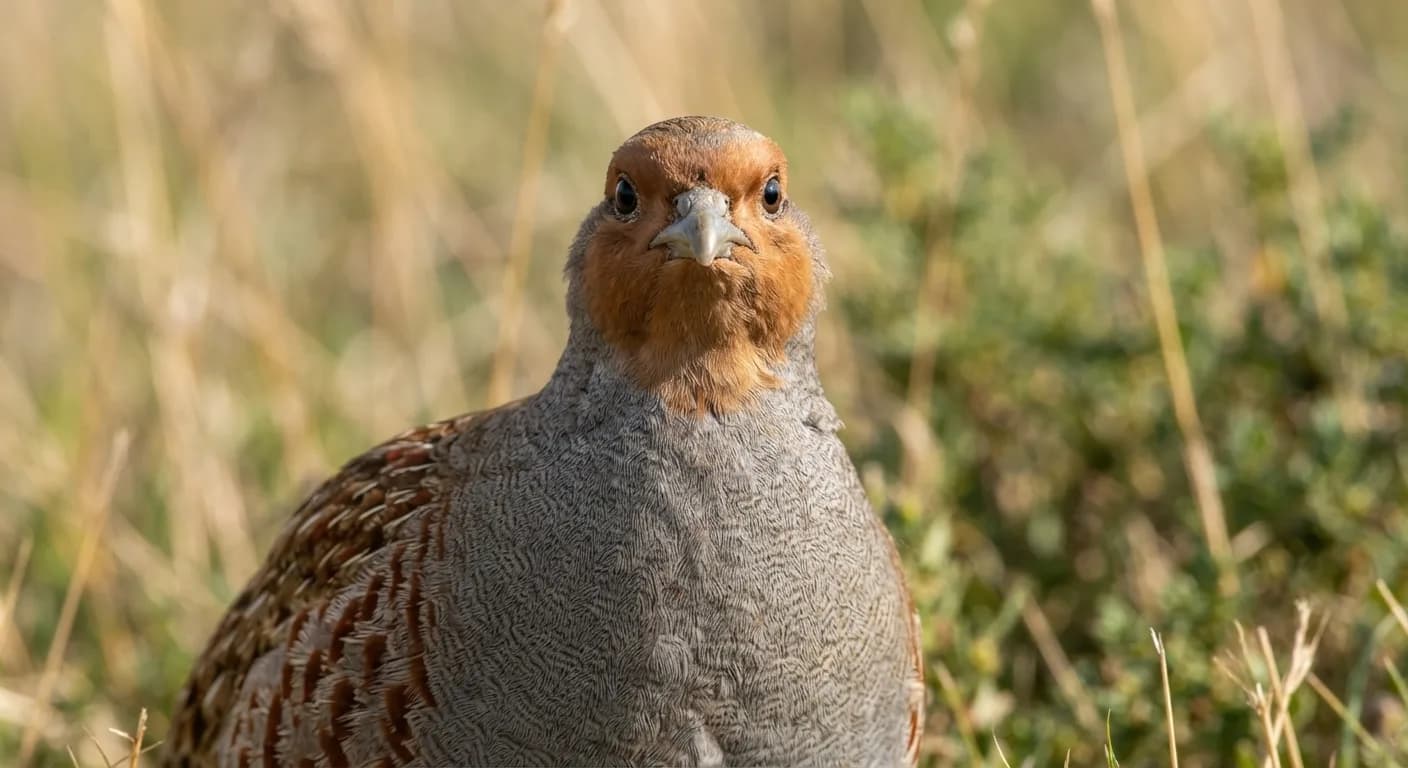
Grey PartridgeLeast Concern

Grey Partridge

Perdix perdix

Western CapercaillieLeast Concern

Western Capercaillie

Tetrao urogallus

Black GrouseLeast Concern

Black Grouse

Lyrurus tetrix

Vulnerable

Red-legged Partridge

Alectoris rufa

Golden PheasantLeast Concern

Golden Pheasant

Chrysolophus pictus

Least Concern

Common Quail

Coturnix coturnix

CountriesUnited Kingdom
ParksLake DistrictUnited Kingdom
TagsHerbivore
Herbivore
Diurnal
In pairs
Bird
Mountain
Tundra
Polar

Europe5

Asia3

North America3

United Kingdom
Ireland
Canada
Finland
Greenland
Kazakhstan
Finland
Ireland
Norway
Sweden
United Kingdom
Kazakhstan
Mongolia
Russia
Canada
Greenland
United States