One of the 9 wasps on WAnimals
Insects · Hymenoptera · Vespidae
Asian Hornet
Vespa velutina
It has not yet been assessed against the IUCN criteria. See full glossary
The yellow-legged Asian hornet, darker than the European hornet and with a broad orange band on the abdomen. It reached France around 2004 in a consignment from China and has spread across much of western Europe, including the Cantabrian coast of Spain. It hunts insects and systematically attacks honeybee hives.
Size
up to 3 cm
Diet
Carnivore
Feeds mainly on other animals.
Activity
Diurnal
Active mainly during the day.
Social structure
Colony
Lives in large concentrations, often for breeding reasons.
Sighting difficulty
Unknown
Fun facts
- GeneralIt preys on honeybees at the hive entrance and is one of the main threats to European beekeeping.
- It hovers in front of the hive entrance and seizes in mid-air the bees coming and going, a technique the European honeybee has no answer to.
- Its secondary nests, the size of a beach ball or larger, hang high in the trees and only become visible when the leaves fall in autumn.
- Asian honeybees, which have coevolved with it, kill it by forming a ball around the hornet and raising the temperature until it cooks; European bees have no such behaviour.
- It reached Europe in 2004, in a container of pottery from China unloaded at the port of Bordeaux, and by 2010 it was already in Navarre.
- The adult feeds on ripe fruit and nectar; it is the larvae that eat meat, which is why the workers hunt bees to take back to them.
- The Asian honeybee Apis cerana knows how to defend itself by forming balls of workers that kill the hornet with heat, a behaviour the European honeybee does not have.
- Its nests far exceed those of the European hornet: several thousand individuals against rarely more than a thousand.
- As well as preying on them, it keeps hives under constant stress: the workers stop foraging, use up their stores and the colony collapses more readily in winter.
Life cycle & biology
- Habitat & environment
- Woodland, farmland and damp suburban areas
Sources consulted: CREAF; Gobierno Vasco, Manual para la gestión de la avispa asiática (2016); Fundación Amigos de las Abejas
Where to find it
See its range on the interactive mapBest time: Summer to autumn, when the colony is at its peak
Related species
Other species in the catalogue with the most in common with Asian Hornet — same habitat, park, country, tags or family.
German Wasp
Vespula germanica
Asian Giant Hornet
Vespa mandarinia
Hornet
Vespa crabro
 Least Concern
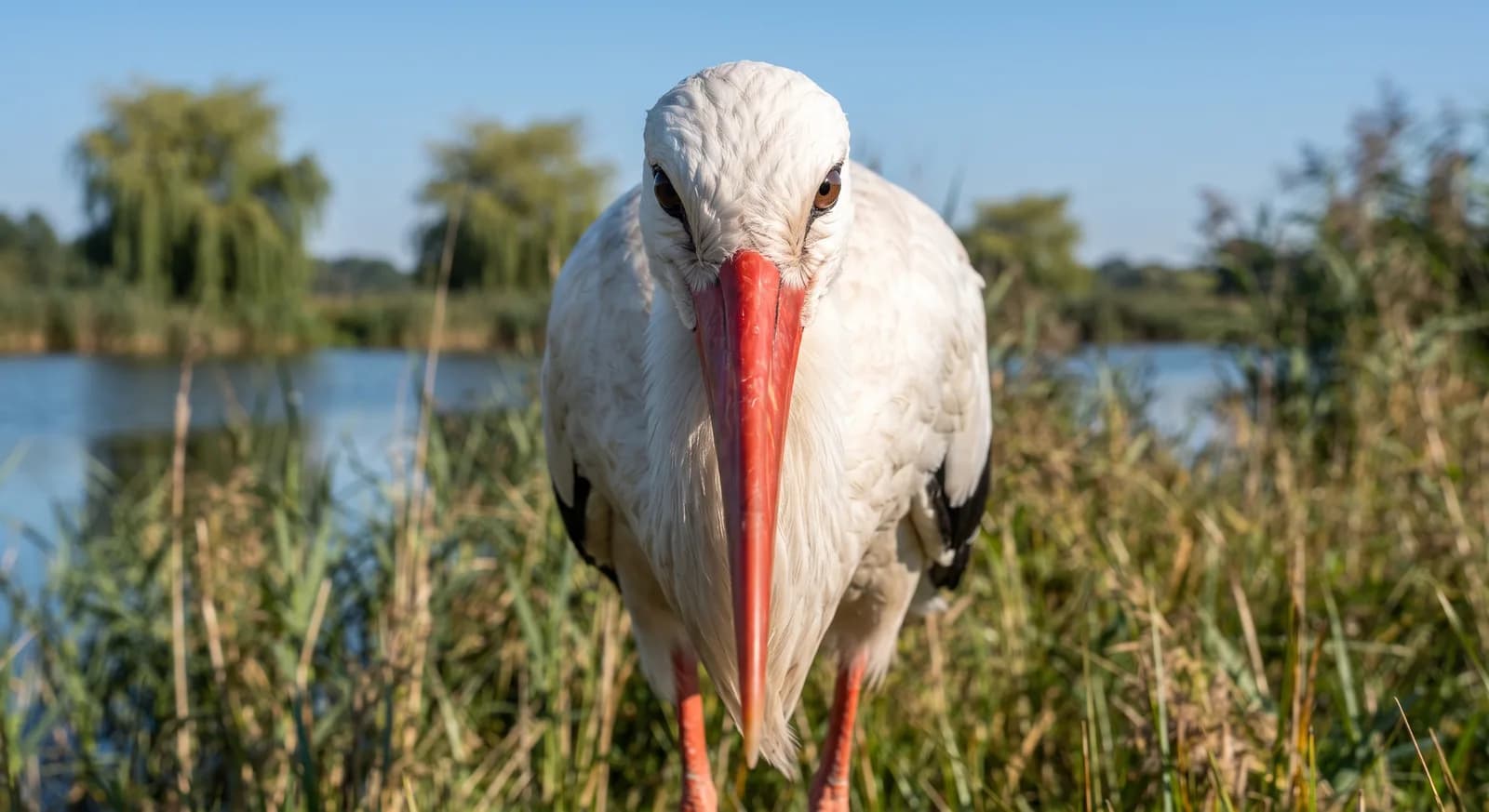
White Stork
Ciconia ciconia
 Not Evaluated
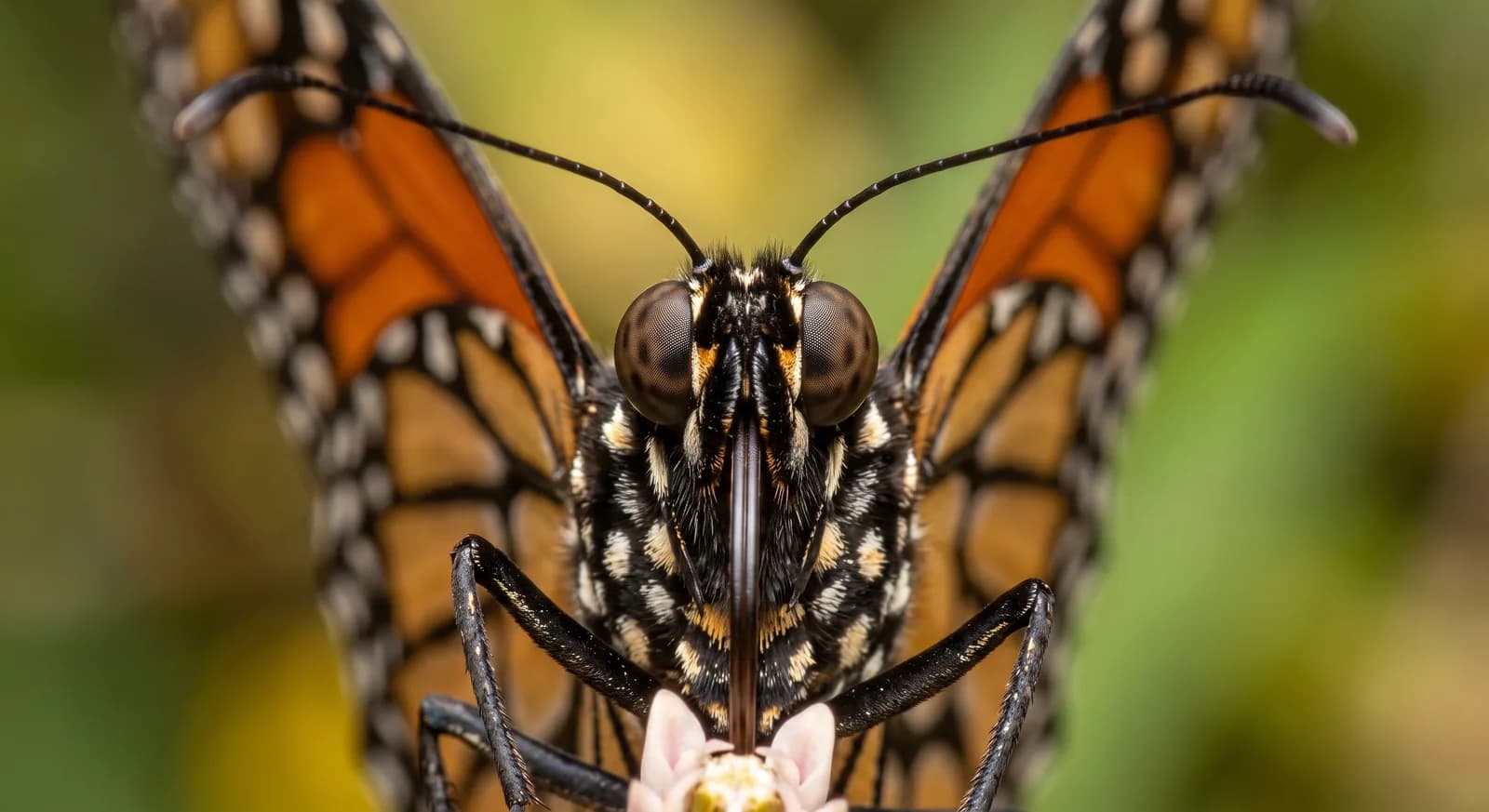
Monarch
Danaus plexippus
Keep exploring
Based on what we already know about asian hornet.
Comments
Share an experience, a fun fact or a tip for seeing the asian hornet.
Be the first to comment.