Malacostracans · Decapoda · Nephropidae
Norway Lobster
Nephrops norvegicus
The species is abundant and widely distributed; it faces no significant short-term risk. See full glossary
The Norway lobster is a decapod crustacean of the family Nephropidae, similar to the European lobster, which is also a nephropid. It is an edible species much prized for its flavour.
Size
up to 25 cm
Diet
Carnivore
Feeds mainly on other animals.
Social structure
Solitary
Lives and hunts alone, joining others only to breed.
Sighting difficulty
Easy
Fun facts
- GeneralIt lives in burrows it digs in the mud and comes out to hunt only at dusk.
- It is one of the most valuable fishery resources in Europe. It is also sold as Dublin Bay prawn or scampi.
- It lives in burrows it digs in the mud, and that makes it possible to survey without fishing: surveys count burrows using underwater television cameras, applying the rule of one animal per burrow.
- That method has its margin of error, because not all the animals are out at once: some act as doorkeepers waiting at the mouth of the tunnel and others emerge completely, depending on the time of day.
- Mediterranean males produce sperm all year round, and the smallest mature individual on record had a carapace of 18.3 mm.
Life cycle & biology
- Skeleton type
- Invertebrate - articulated calcareous exoskeleton (crustacean)
- Habitat & environment
- Mud and sand bottoms from 20 to 800 m
Sources consulted: https://es.wikipedia.org/wiki/Nephrops_norvegicus
Where to find it
See its range on the interactive mapWhere to watch it
Parques y spots de buceo donde se ha documentado esta especie — se muestran 20 de 65 documentados.
Related species
Other species in the catalogue with the most in common with Norway Lobster — same habitat, park, country, tags or family.
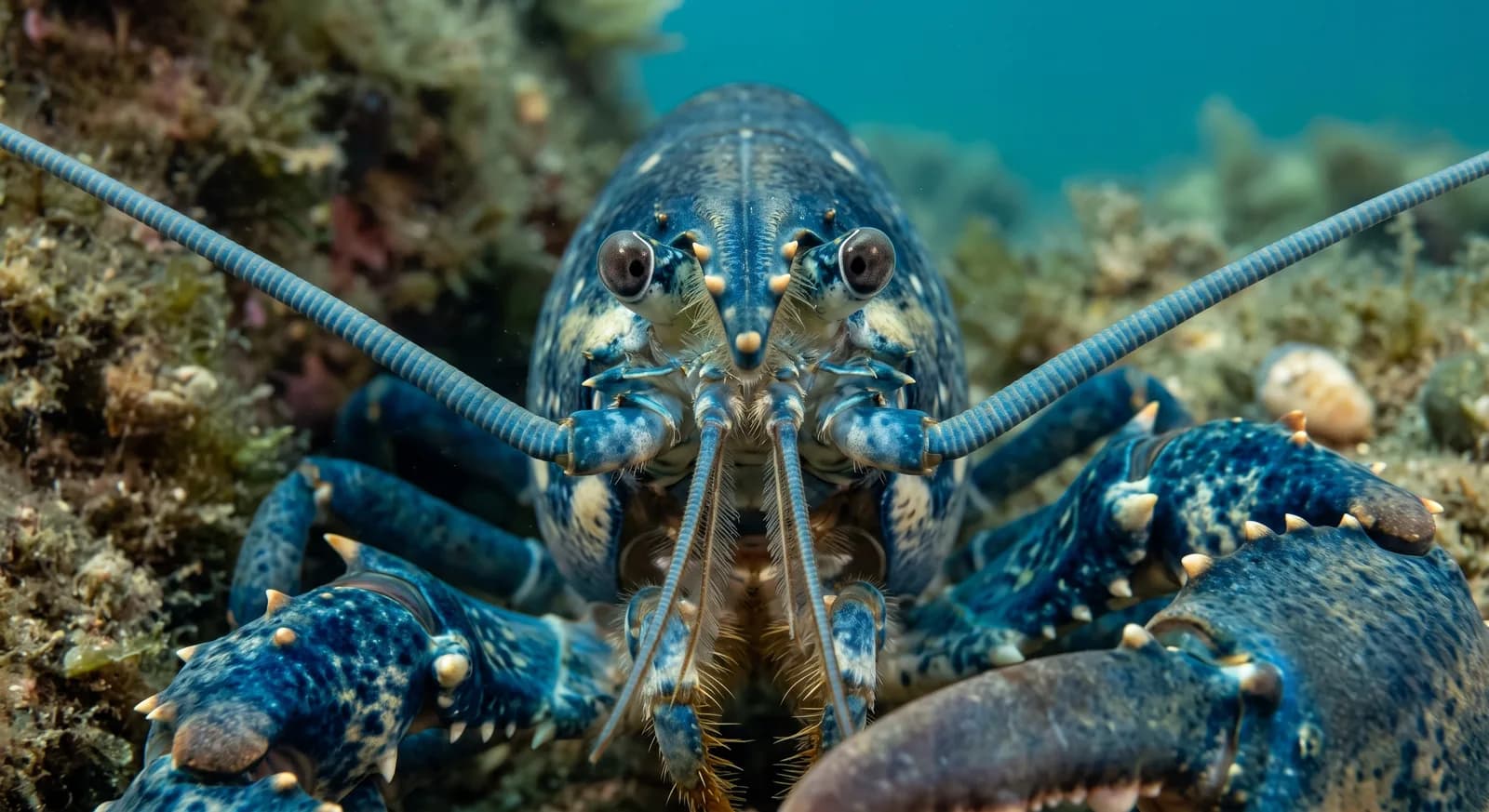 Least Concern
Common Lobster
Homarus gammarus
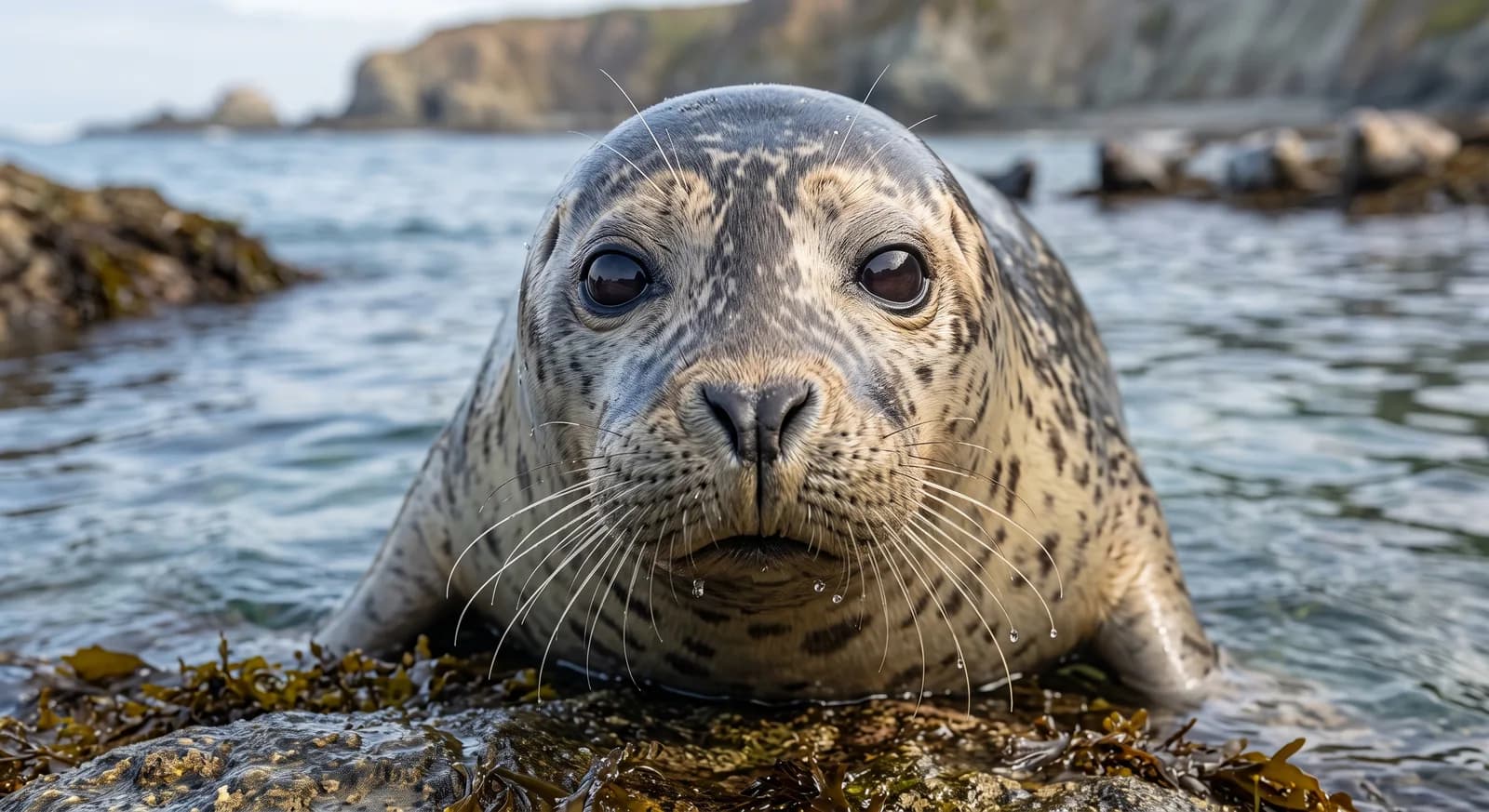 Least Concern
Harbor Seal
Phoca vitulina
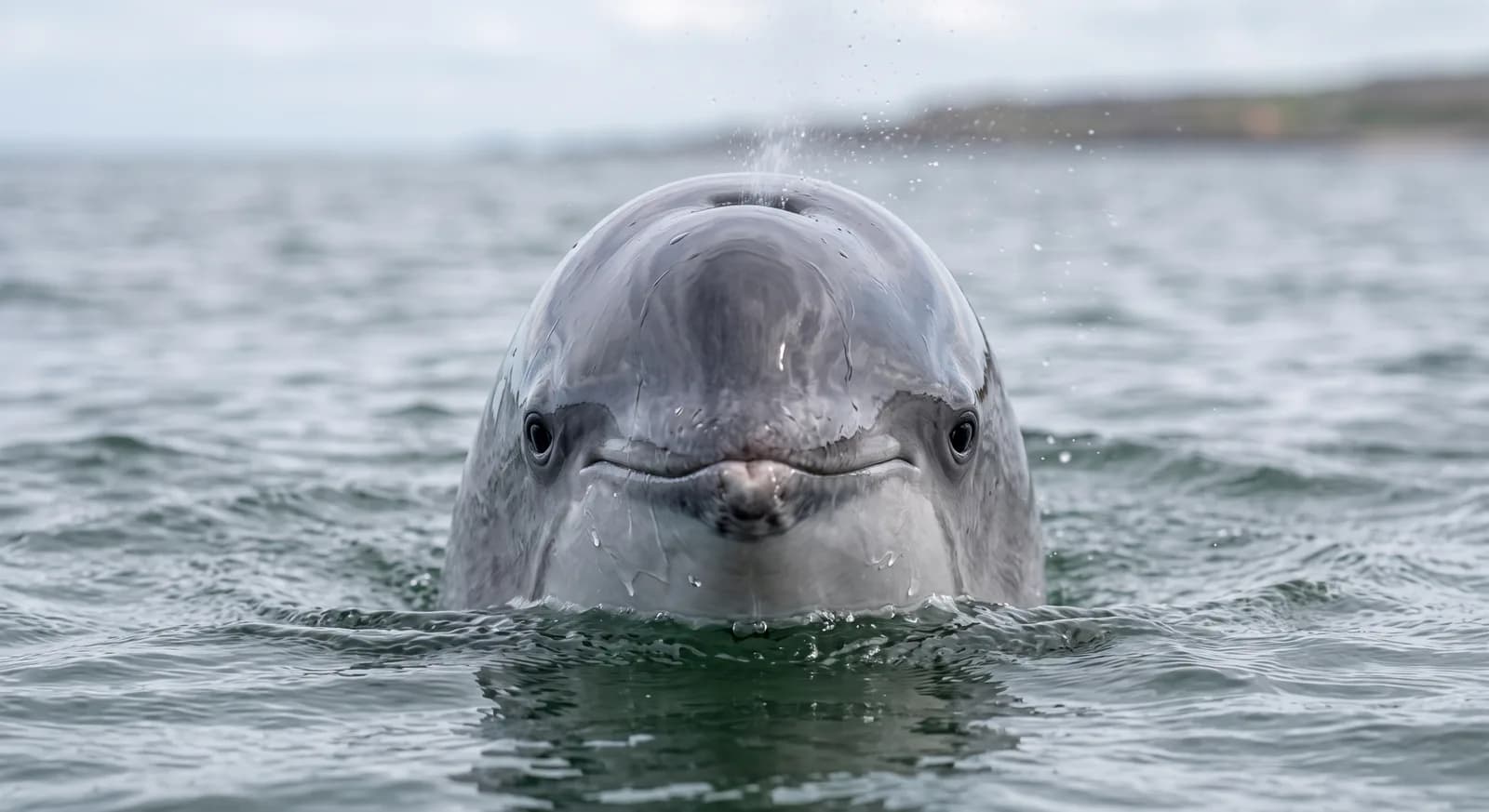 Least Concern
Harbor Porpoise
Phocoena phocoena
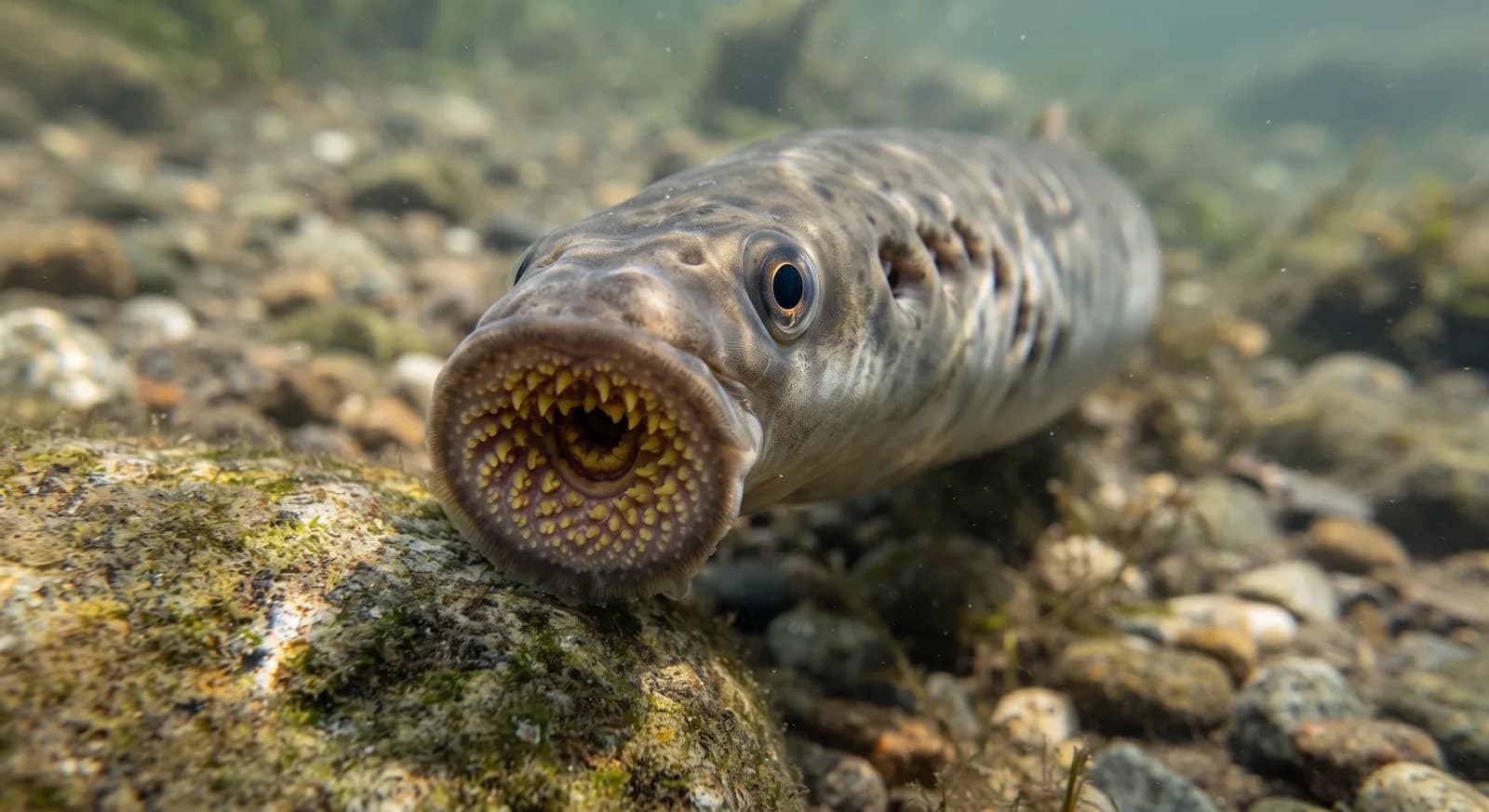 Least Concern
Sea Lamprey
Petromyzon marinus
Moray Eel
Muraena helena
European Hake
Merluccius merluccius
Keep exploring
Based on what we already know about norway lobster.
Comments
Share an experience, a fun fact or a tip for seeing the norway lobster.
Be the first to comment.