One of the 2 lobsters on WAnimals
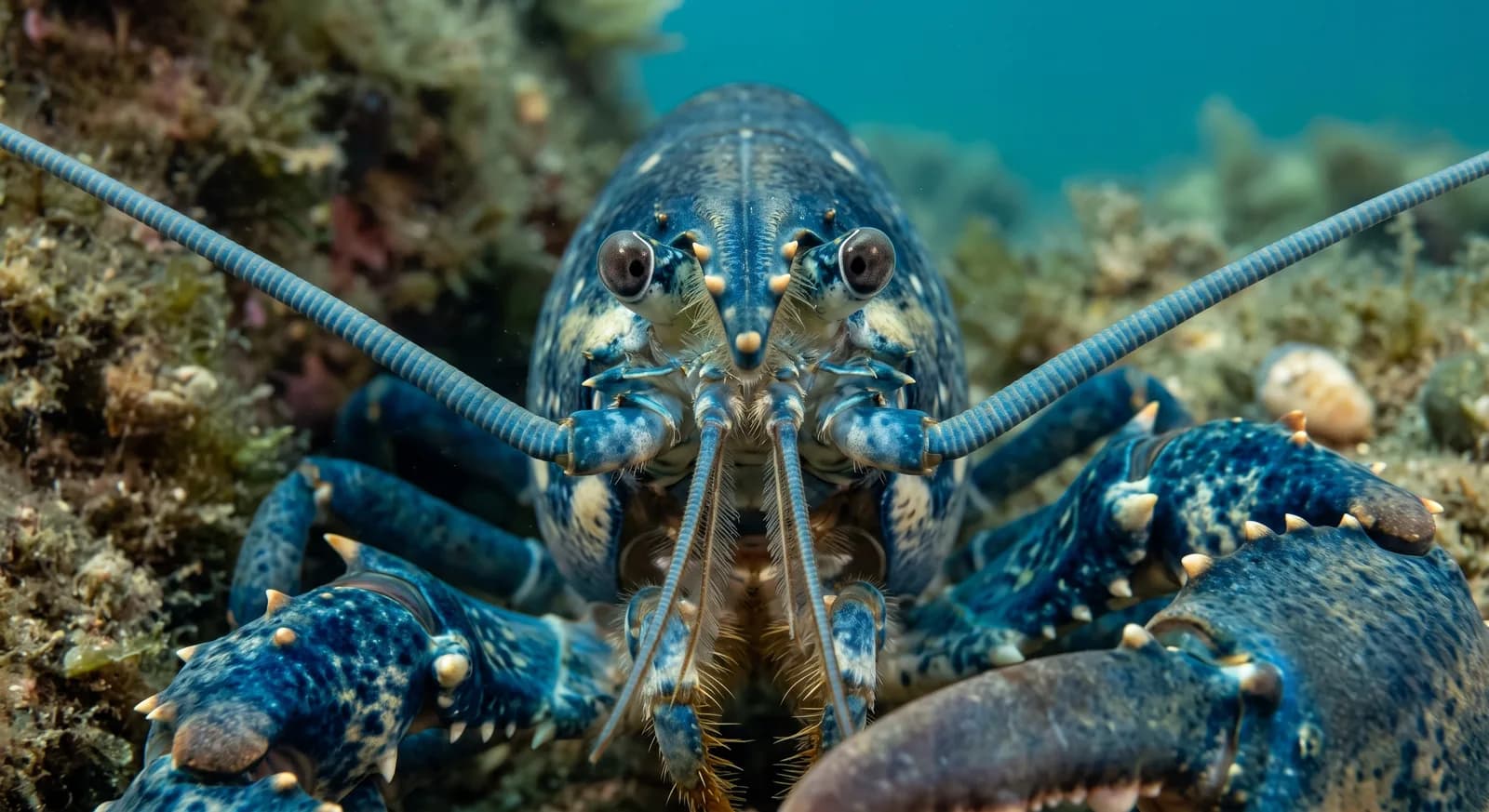
Malacostracans · Decapoda · Nephropidae
Common Lobster
Homarus gammarus
The species is abundant and widely distributed; it faces no significant short-term risk. See full glossary
Unlike most animals it shows no clear sign of functional ageing: it goes on growing, breeding and regenerating limbs throughout its life.
Weight
up to 6 kg
Size
up to 65 cm
Lifespan
42 years
Diet
Carnivore
Feeds mainly on other animals.
Activity
Nocturnal
Active mainly at night.
Social structure
Solitary
Lives and hunts alone, joining others only to breed.
Sighting difficulty
Easy
Fun facts
- It shows no clear sign of functional ageing: it goes on growing and breeding all its life.
- It can regrow lost limbs.
- Only 0.005% of the planktonic larvae survive to the juvenile bottom-dwelling stage.
Life cycle & biology
- Skeleton type
- Invertebrate - calcified chitin exoskeleton, renewed periodically by moulting
- Habitat & environment
- Rocky and firm mud bottoms of the continental shelf of the eastern Atlantic, the Mediterranean and the Black Sea, down to 150 m
- Birth weight
- A microscopic planktonic larva on hatching from the egg
- Size at birth
- A planktonic larva; only 0.005% survive to the juvenile bottom-dwelling stage
- Sexual maturity
- Female: at a carapace length of 80-96 mm (varying by region)
- Gestation / incubation
- Up to 12 months of gestation (the eggs are carried attached to the female's abdomen)
- Litter / clutch size
- Thousands of eggs per clutch, carried by the female
Sources consulted: SeaLifeBase; Cambridge Core (maturity and fecundity study); bioRxiv (reference genome study); Animalia.bio; National Lobster Hatchery
Where to find it
See its range on the interactive mapWhere to watch it
Parques y spots de buceo donde se ha documentado esta especie — se muestran 20 de 121 documentados.
Related species
Other species in the catalogue with the most in common with Common Lobster — same habitat, park, country, tags or family.
Norway Lobster
Nephrops norvegicus
 Least Concern
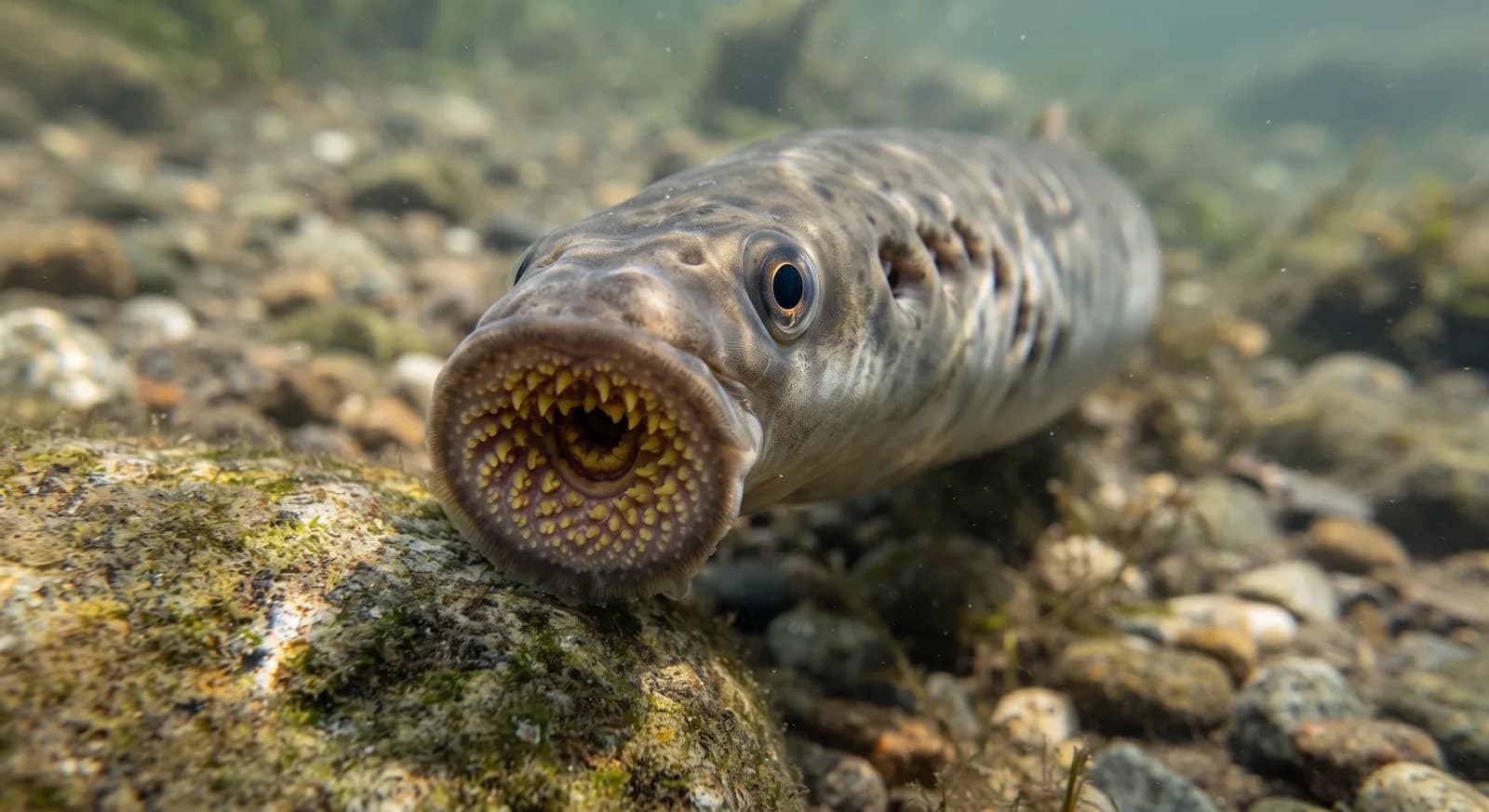
Sea Lamprey
Petromyzon marinus
Moray Eel
Muraena helena
European Hake
Merluccius merluccius
Plaice
Pleuronectes platessa
Lesser Spotted Dogfish
Scyliorhinus canicula
Keep exploring
Based on what we already know about common lobster.
Comments
Share an experience, a fun fact or a tip for seeing the common lobster.
Be the first to comment.