Sponges · Haplosclerida · Callyspongiidae
Azure Vase Sponge
Callyspongia plicifera
It has not yet been assessed against the IUCN criteria. See full glossary
The blue tube sponge, shaped like a vase or a thick-walled, deeply folded bowl, violet-pink but throwing off electric blue reflections under the light of the water. It filters the water entering through thousands of tiny pores and expels it through the large opening at the top.
Size
15 cm – 45 cm
Diet
Omnivore
Combines animal and plant food depending on availability.
Social structure
Solitary
Lives and hunts alone, joining others only to breed.
Sighting difficulty
Unknown
Fun facts
- Its iridescent blue is not a pigment but an optical effect of the structure of its surface, and it vanishes the moment the animal is taken out of the water.
- A sponge of this size filters several thousand litres of water a day, which makes it an essential purifier of the reef.
- Its body hosts enormous communities of symbiotic bacteria, which can account for a good part of its mass and from which compounds of pharmacological interest are extracted.
- Its electric blue underwater is not pigment but fluorescence: it absorbs short-wavelength light and re-emits it as blue and green, which makes it stand out in the dimness of the reef.
- It filters enormous volumes of water. A sponge this size can process thousands of litres a day, capturing bacteria and particles that no other animal on the reef makes use of.
- That role is central to the so-called sponge loop: it turns dissolved organic matter, useless to almost everything, into detritus that does feed other reef animals.
- It has no true organs or tissues. Water enters through minute pores, passes through chambers lined with flagellated cells and leaves by the opening at the top, the osculum.
Life cycle & biology
- Habitat & environment
- Caribbean reefs and walls, from 3 to 50 m
Sources consulted: Lamarck (1814); de Goeij et al. (2013), Science; Smithsonian Marine Station
Where to find it
See its range on the interactive mapWhere to watch it
Parques y spots de buceo donde se ha documentado esta especie — se muestran 20 de 122 documentados.
Related species
Other species in the catalogue with the most in common with Azure Vase Sponge — same habitat, park, country, tags or family.
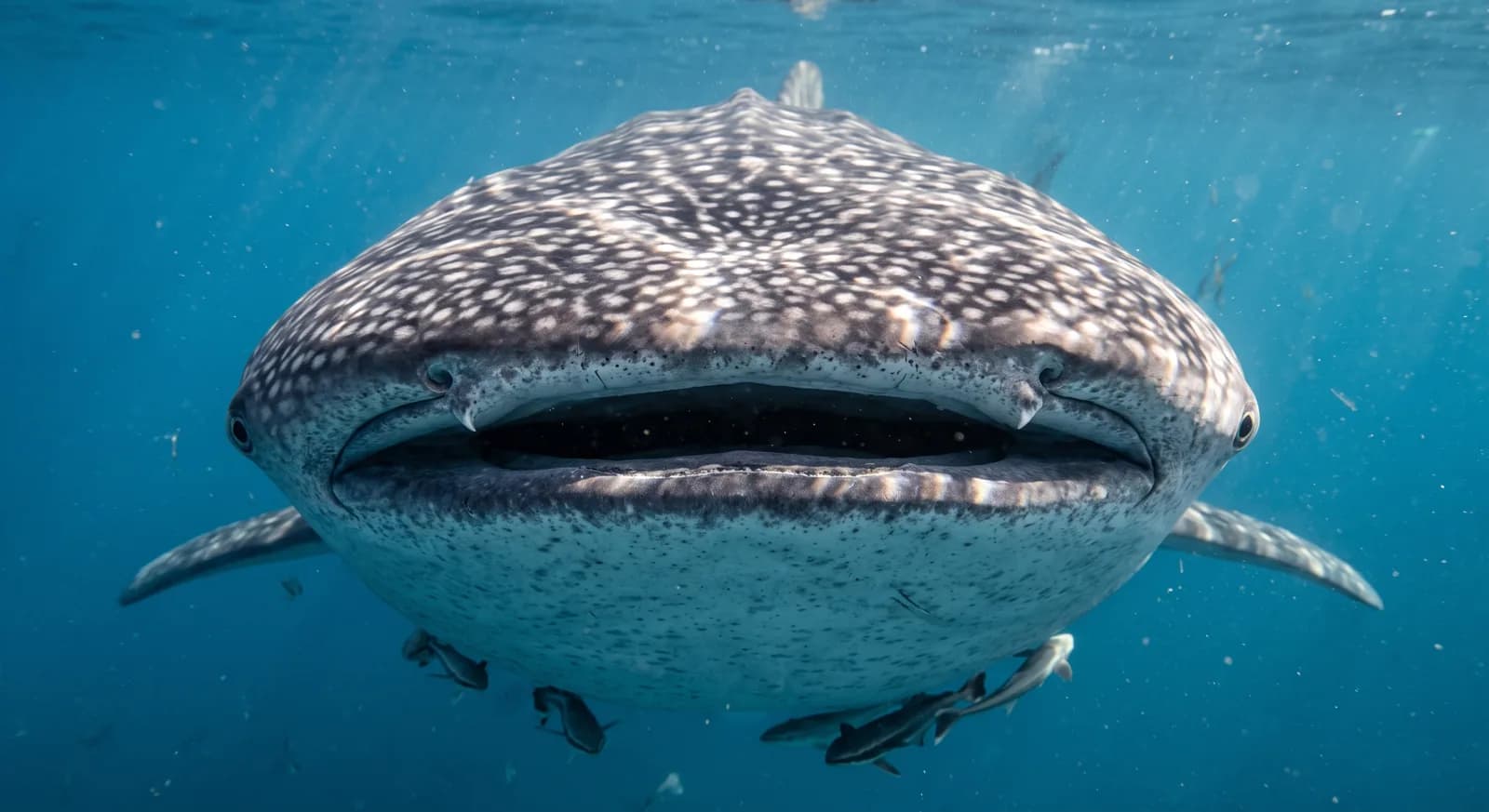 Endangered
Whale Shark
Rhincodon typus
Blue Crab
Callinectes sapidus
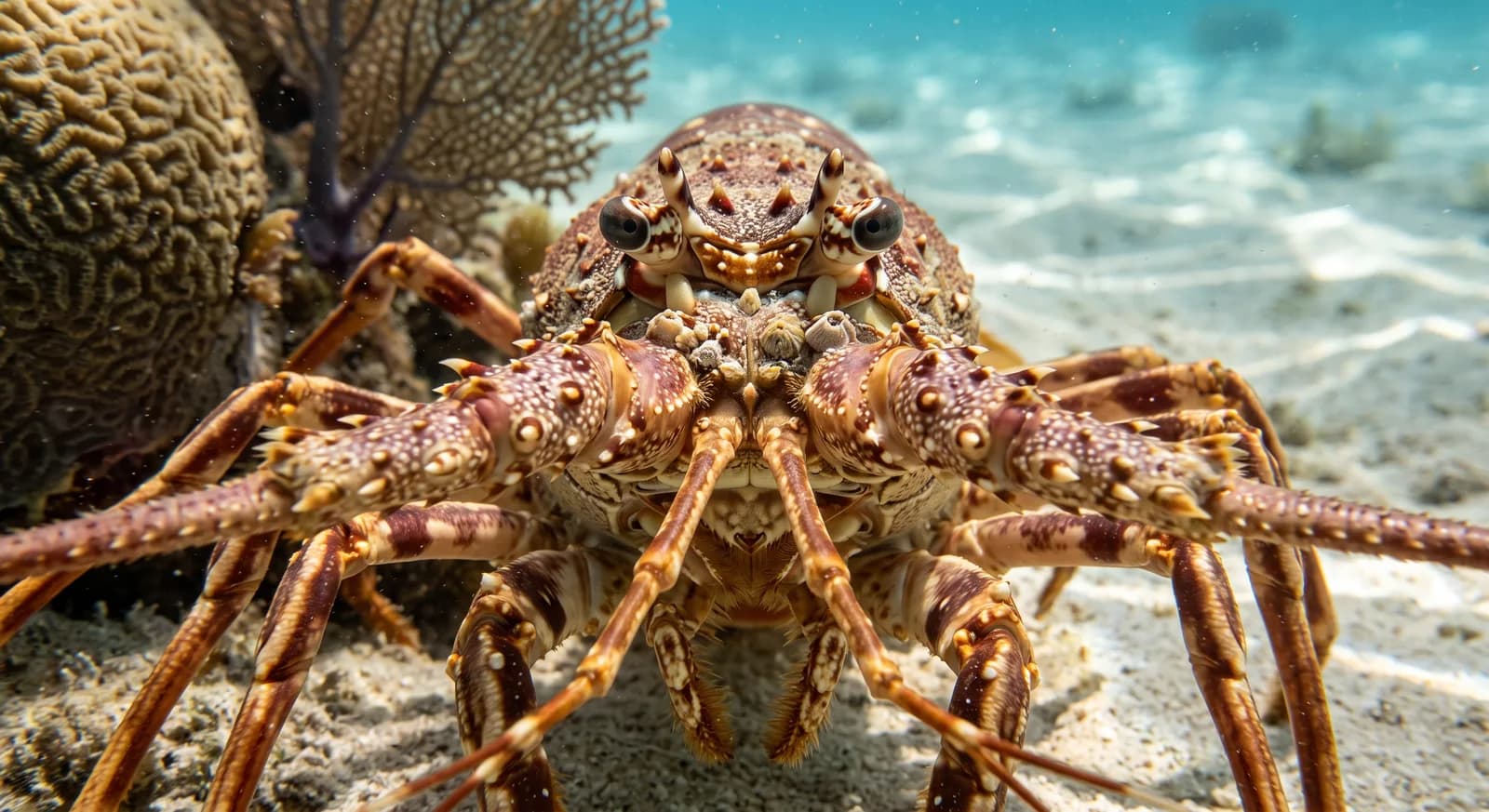 Data Deficient
Caribbean Spiny Lobster
Panulirus argus
Kemp's Ridley
Lepidochelys kempii
West Indian Manatee
Trichechus manatus
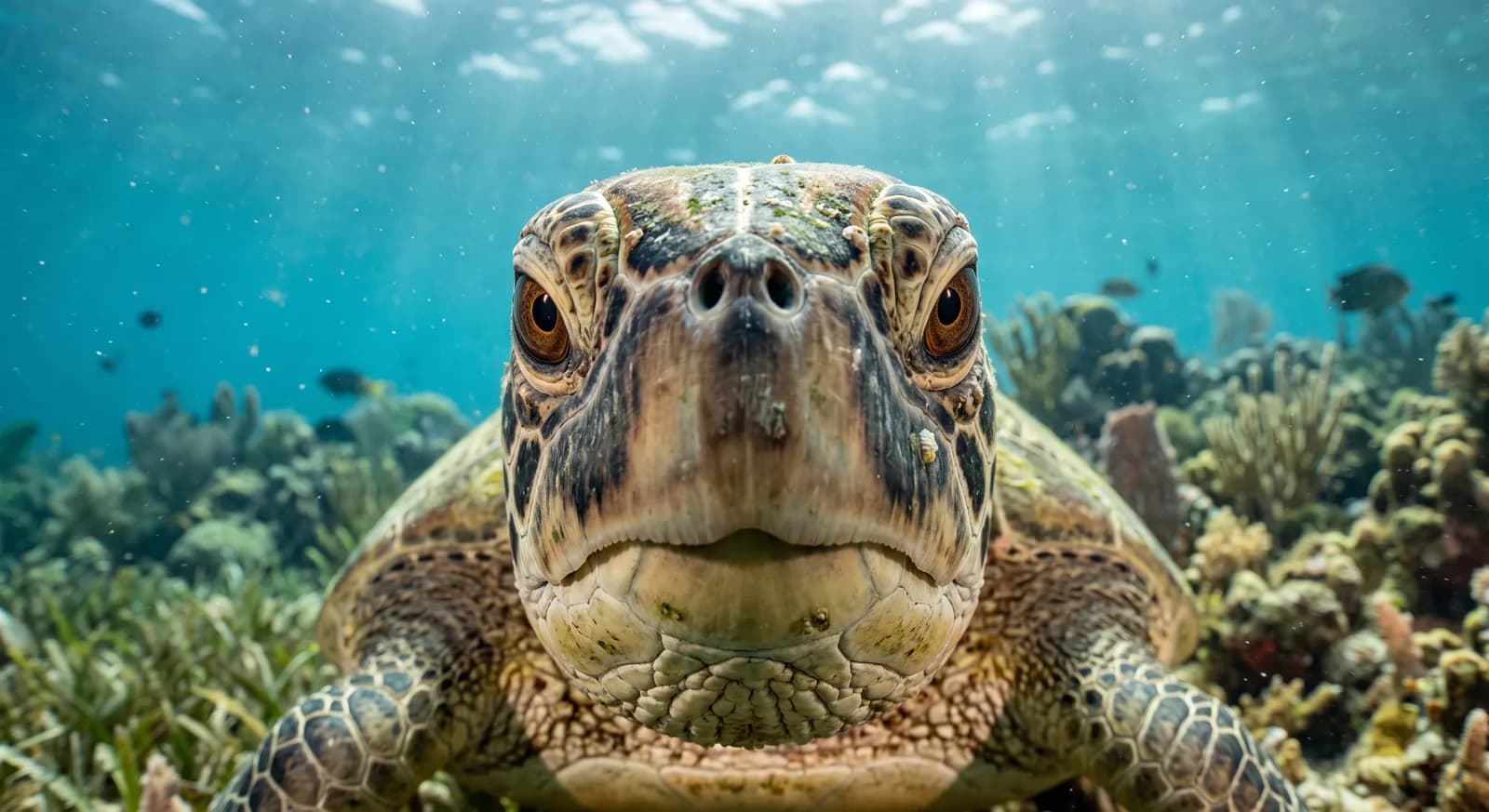 Endangered
Green Turtle
Chelonia mydas
Keep exploring
Based on what we already know about azure vase sponge.
Comments
Share an experience, a fun fact or a tip for seeing the azure vase sponge.
Be the first to comment.