One of the 4 spiny lobsters on WAnimals
Malacostracans · Decapoda · Palinuridae
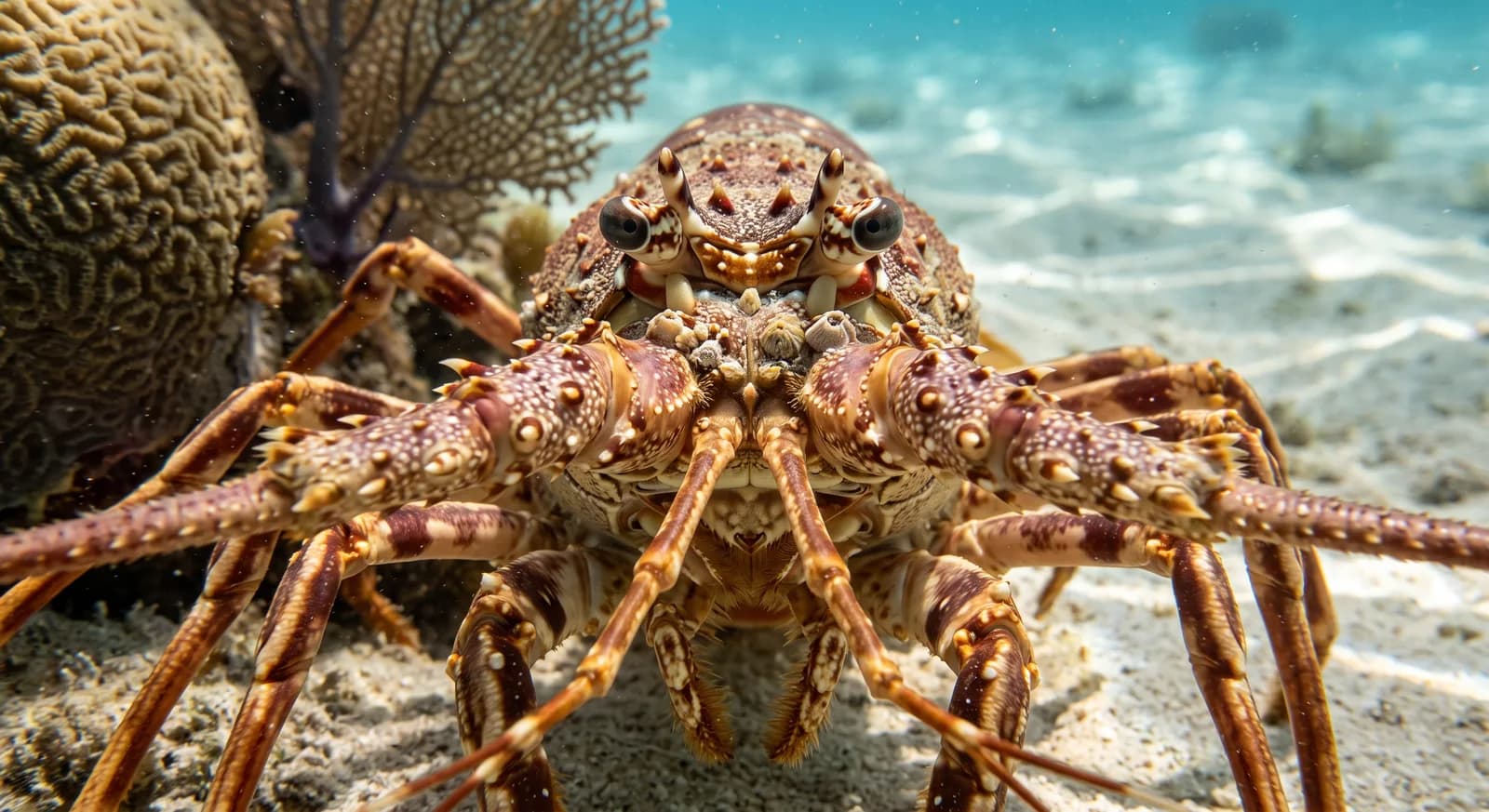
Caribbean Spiny Lobster
Panulirus argus
There is not enough information to assess its risk of extinction. See full glossary
Its complex life cycle runs through six distinct phases across three different habitats — the open ocean, shallow vegetated coastal waters and coral reefs — going from under a gram as a larva to as much as 5 kilograms as an adult.
Weight
500 g – 5 kg
Size
20 cm – 45 cm
Lifespan
13 years
Diet
Omnivore
Combines animal and plant food depending on availability.
Activity
Nocturnal
Active mainly at night.
Social structure
Solitary
Lives and hunts alone, joining others only to breed.
Sighting difficulty
Unknown
Fun facts
- Its life cycle runs through six phases across three different habitats, from the open ocean to the reef.
- It communicates by rasping a spine on its antennae against plates beneath its eyes to produce a creaking sound.
- It can lay up to 2,000,000 eggs in a single clutch.
- comportamientoIt migrates in long queues of dozens of animals nose to tail, navigating partly by sensing magnetic fields.
- sentidosIt can detect subtle changes in the Earth's magnetic field, an ability it uses alongside chemical cues to navigate during its mass single-file migrations.
Life cycle & biology
- Skeleton type
- Invertebrate - calcified exoskeleton (crustacean)
- Habitat & environment
- Coral reefs, seagrass beds and mangroves of the Caribbean, the Gulf of Mexico and the subtropical western Atlantic
- Birth weight
- A transparent, flattened phyllosoma larva at hatching, weighing less than 1 gram
- Size at birth
- A phyllosoma larva with a long pelagic life, moulting up to 11 times over 6-12 months
- Sexual maturity
- 2 years (70-80 mm of carapace length)
- Gestation / incubation
- About 1 month beneath the female's abdomen after external fertilisation
- Litter / clutch size
- 500,000 to 2,000,000 eggs per clutch, once or twice a season
Sources consulted: SeaLifeBase; Animal Diversity Web; Fish Consulting Group; CRFM Regional Overview; Florida State University (life history synopsis); PMC (egg predator reproductive performance study)
Where to find it
See its range on the interactive mapWhere to watch it
Parques y spots de buceo donde se ha documentado esta especie — se muestran 20 de 122 documentados.
Related species
Other species in the catalogue with the most in common with Caribbean Spiny Lobster — same habitat, park, country, tags or family.
Blue Crab
Callinectes sapidus
Florida Stone Crab
Menippe mercenaria
Atlantic Ghost Crab
Ocypode quadrata
 Endangered
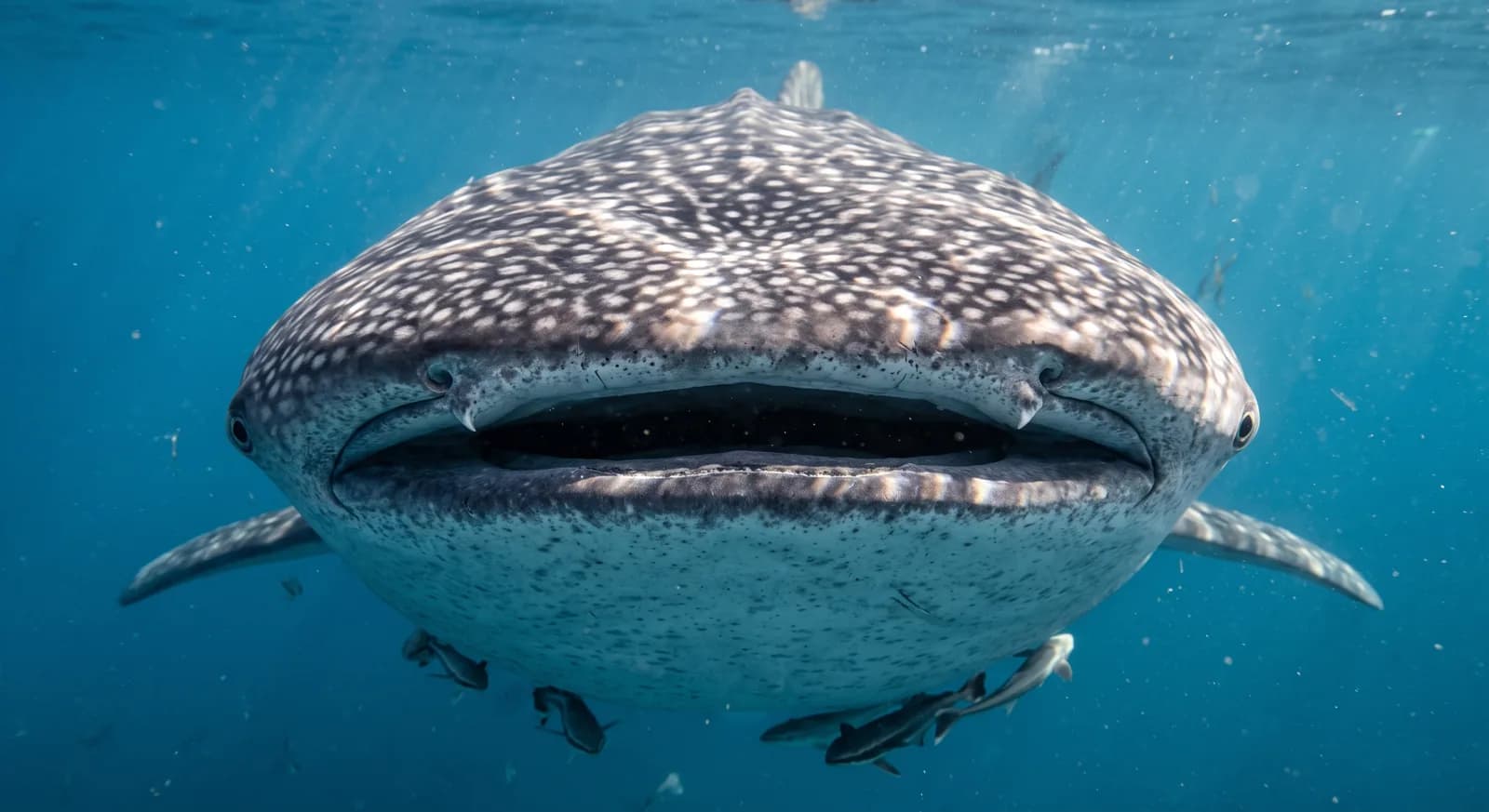
Whale Shark
Rhincodon typus
 Vulnerable
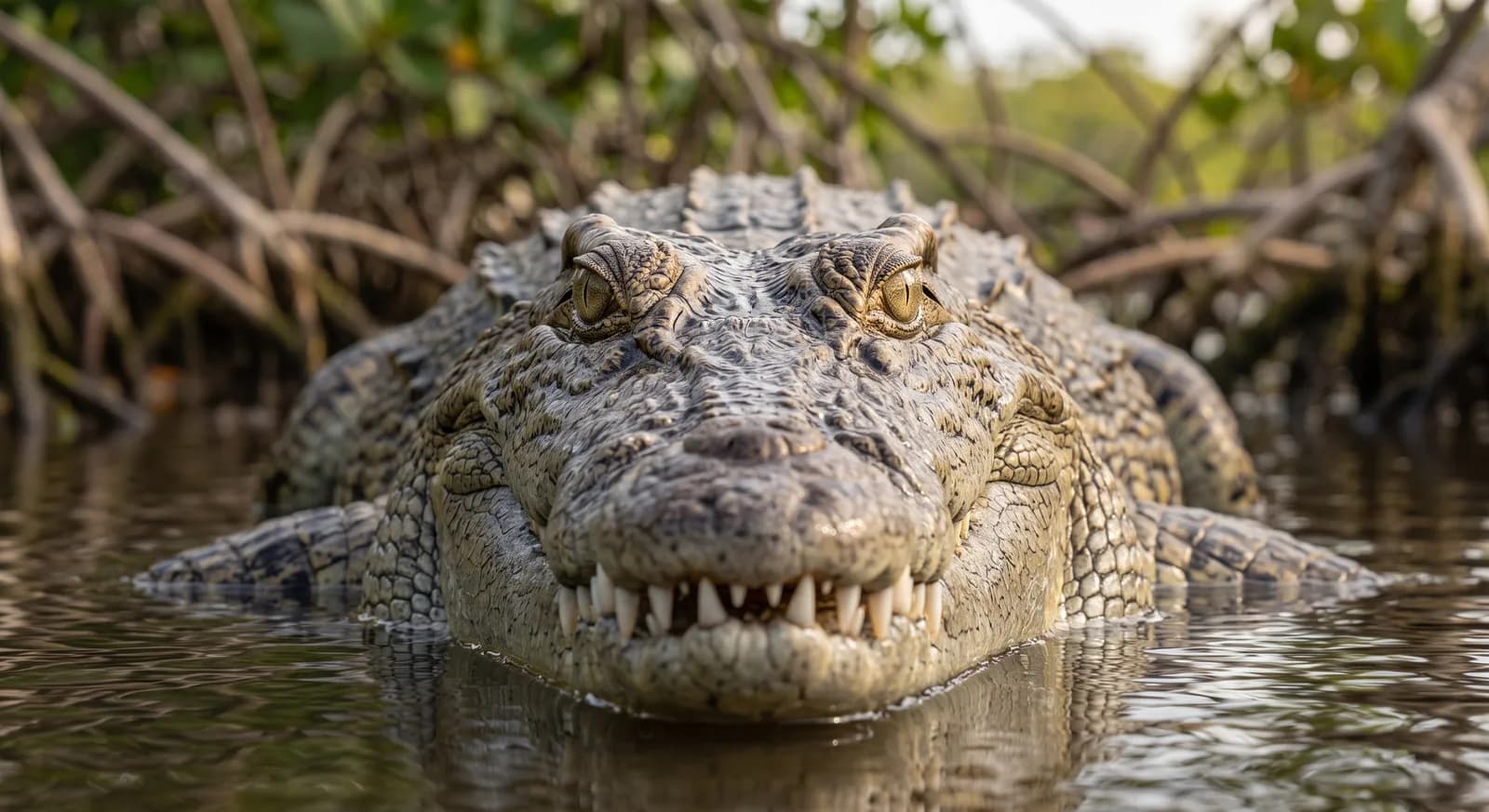
American Crocodile
Crocodylus acutus
Southern Stingray
Hypanus americanus
Keep exploring
Based on what we already know about caribbean spiny lobster.
Comments
Share an experience, a fun fact or a tip for seeing the caribbean spiny lobster.
Be the first to comment.