One of the 22 crabs on WAnimals
Malacostracans · Decapoda · Ocypodidae
Atlantic Ghost Crab
Ocypode quadrata
It has not yet been assessed against the IUCN criteria. See full glossary
The Atlantic ghost crab is a decapod crustacean of the family Ocypodidae. The features of the genus include one claw larger than the other. The typical life expectancy of O. quadrata is about 3 years.
Size
4 cm – 6 cm
Lifespan
3 years
Diet
Carnivore
Feeds mainly on other animals.
Activity
Nocturnal
Active mainly at night.
Social structure
Solitary
Lives and hunts alone, joining others only to breed.
Sighting difficulty
Unknown
Fun facts
- Its eyes, on movable stalks, give it a 360-degree field of view without having to turn its head.
- It produces sounds by rubbing a rough patch of its claw against its leg, a mechanism called stridulation, to communicate inside the burrow.
- It is one of the most widely used indicators of human impact on beaches: the density of its burrows falls as soon as there is vehicle traffic or mechanical cleaning of the sand.
- It runs at about 4 metres per second, which makes it one of the fastest animals among the crustaceans, and it changes direction without braking.
- It is terrestrial but still needs the sea: it moistens its gills by wetting itself at the shoreline or by drawing water from damp ground with bristles on its legs, and the females go down to release their eggs into the water.
- Its eyes sit on long stalks and give it 360-degree vision, with a horizontal band of high resolution adapted to a beach horizon.
- It stridulates by rubbing a file on the inner side of its claw against its leg, producing an audible sound it uses to defend its burrow.
- Its abundance is used as an indicator of beach health: it is very sensitive to vehicle traffic, trampling and light pollution, and its burrows are counted as a measure of tourist impact.
- Light pollution disorients it, just as it does hatchling sea turtles.
Life cycle & biology
- Skeleton type
- Invertebrate - chitin exoskeleton (crustacean)
- Habitat & environment
- Dunes and dry sand of the upper beach of the western Atlantic
Sources consulted: https://es.wikipedia.org/wiki/Ocypode_quadrata
Where to find it
See its range on the interactive mapWhere to watch it
Parques y spots de buceo donde se ha documentado esta especie — se muestran 20 de 133 documentados.
Related species
Other species in the catalogue with the most in common with Atlantic Ghost Crab — same habitat, park, country, tags or family.
Mud Fiddler Crab
Uca pugnax
 Vulnerable
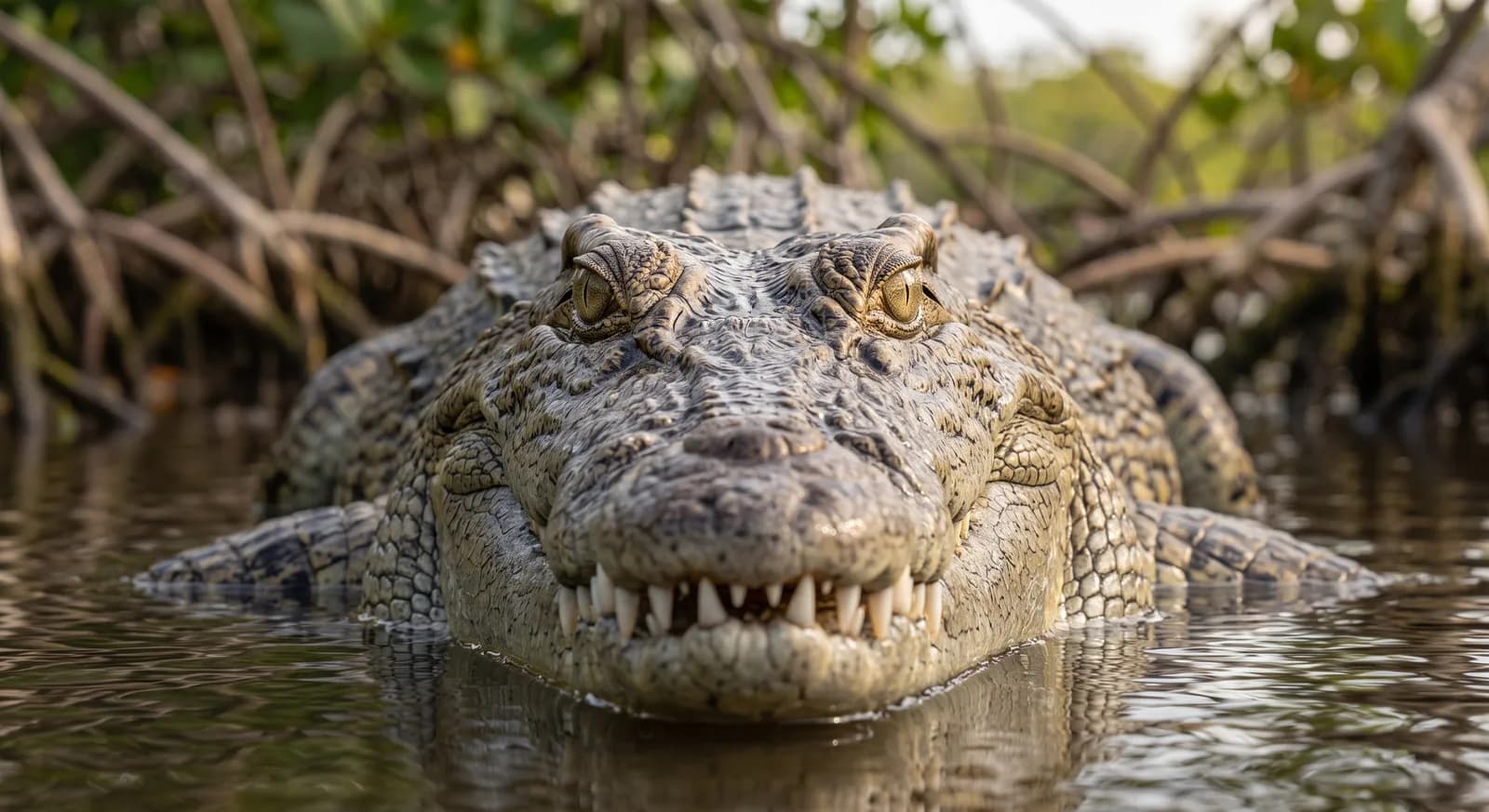
American Crocodile
Crocodylus acutus
Southern Stingray
Hypanus americanus
 Least Concern
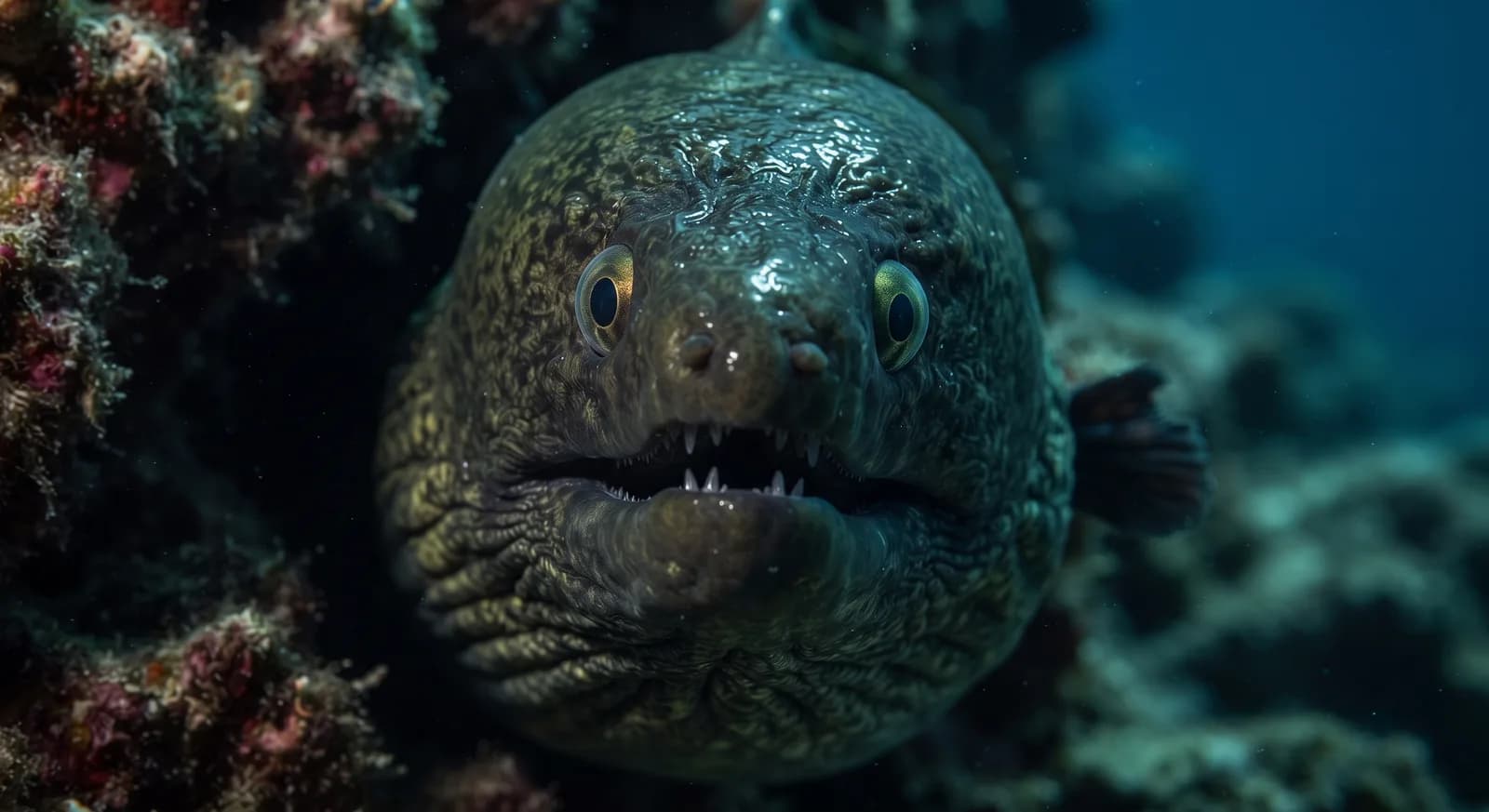
Green Moray
Gymnothorax funebris
Red Lionfish
Pterois volitans
Spot-fin Porcupinefish
Diodon hystrix
Keep exploring
Based on what we already know about atlantic ghost crab.
Comments
Share an experience, a fun fact or a tip for seeing the atlantic ghost crab.
Be the first to comment.