One of the 22 crabs on WAnimals
Malacostracans · Decapoda · Xanthidae
Florida Stone Crab
Menippe mercenaria
It has not yet been assessed against the IUCN criteria. See full glossary
The Florida stone crab — known in Spanish as cangrejo moro or jaiba mora — is a crustacean belonging to the order Decapoda. It is distributed along the coasts of the western North Atlantic, from Connecticut to Belize, including the Gulf of Mexico, the Bahamas and the east coast of the United States. They can also be found in the salt marshes of South Carolina and Georgia. It is a species of gastronomic interest, frequently caught for food.
Size
8 cm – 13 cm
Lifespan
7 years
Diet
Carnivore
Feeds mainly on other animals.
Activity
Nocturnal
Active mainly at night.
Social structure
Solitary
Lives and hunts alone, joining others only to breed.
Sighting difficulty
Unknown
Fun facts
- Its fishery is unique in the world: only one of the claws is taken and the animal is returned alive to the sea, where it regrows it over several moults.
- Its claws are among the most powerful in the crustacean world and allow it to crack thick oyster shells.
- Juveniles and individuals that have lost a claw switch diet until they have regrown it.
- Its fishery is unique in the world: the animal is not taken — one claw is removed and the crab is returned to the sea alive, because it can regenerate it over successive moults.
- Florida's regulations set a minimum claw size and allow at most both claws to be taken, though the recommended practice is to leave it one.
- The sustainability of that system has been studied and qualified: mortality after the mutilation is high, above all if both claws are removed, and regeneration takes several moults to restore the original size.
- Its claw is extraordinarily powerful: it can exert several hundred newtons and is adapted to crushing oyster and snail shells.
- The two claws are asymmetrical: one, slimmer, for holding, and the other, massive, for crushing.
- It lives in burrows that it defends aggressively, and the big males monopolise the best refuges.
Life cycle & biology
- Skeleton type
- Invertebrate - chitin exoskeleton (crustacean)
- Habitat & environment
- Hard bottoms, seagrass beds and crevices of the south-eastern United States and the Caribbean
Sources consulted: https://es.wikipedia.org/wiki/Menippe_mercenaria
Where to find it
See its range on the interactive mapWhere to watch it
Parques y spots de buceo donde se ha documentado esta especie — se muestran 15 de 27 documentados.
Related species
Other species in the catalogue with the most in common with Florida Stone Crab — same habitat, park, country, tags or family.
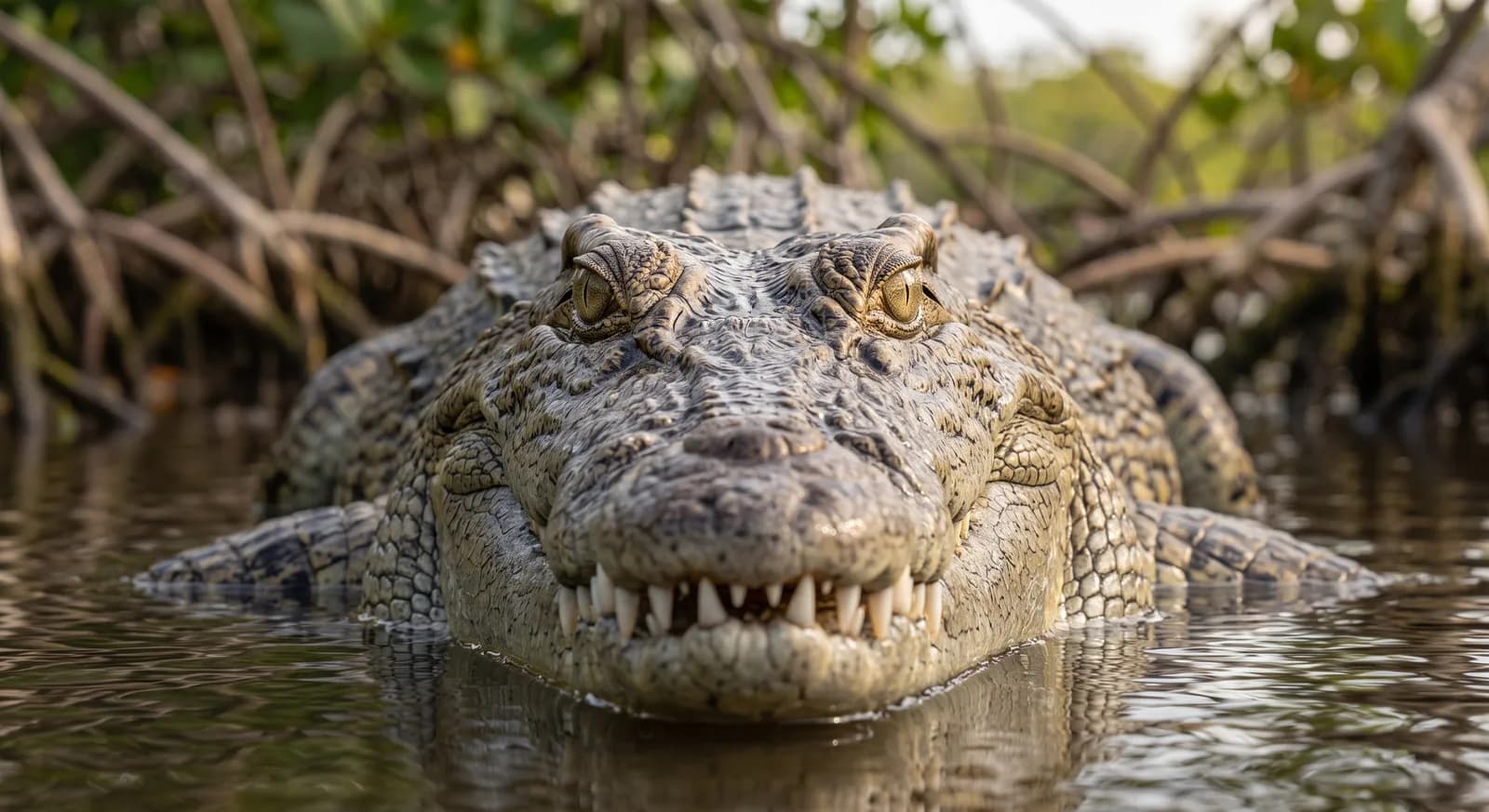 Vulnerable
American Crocodile
Crocodylus acutus
Southern Stingray
Hypanus americanus
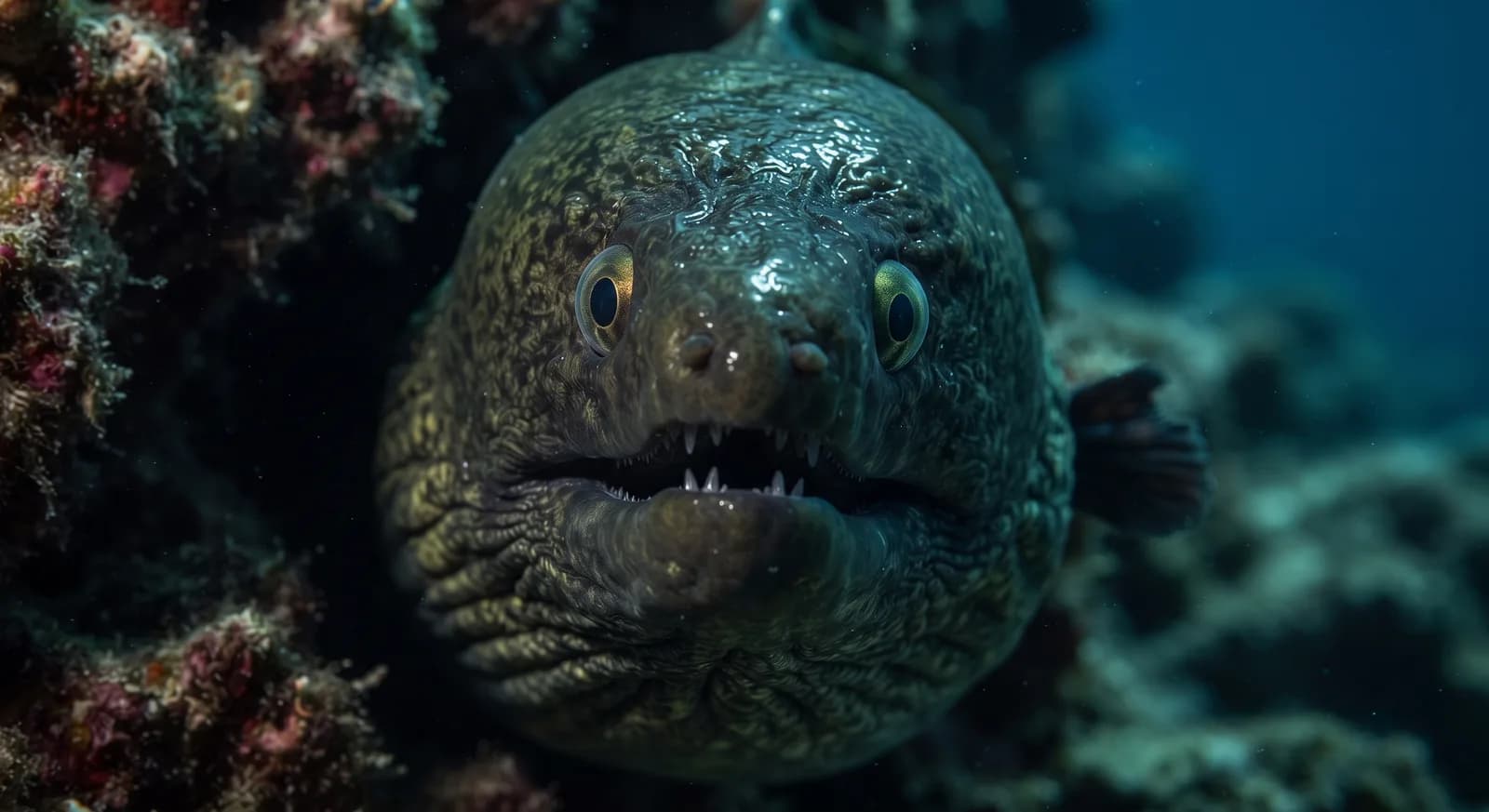 Least Concern
Green Moray
Gymnothorax funebris
Red Lionfish
Pterois volitans
Spot-fin Porcupinefish
Diodon hystrix
Atlantic Ghost Crab
Ocypode quadrata
Keep exploring
Based on what we already know about florida stone crab.
Comments
Share an experience, a fun fact or a tip for seeing the florida stone crab.
Be the first to comment.