Species group · Birds
Terns
WAnimals has 6 species of tern, all in the family Laridae.
- 6 species
- 1 family
- 165 countries
- 64 parks
- Weight
- 90 g – 500 g
- Length
- 25 cm – 50 cm
- Lifespan
- 10 – 32 years
Ranges calculated from the entries that record the figure, not from all 6.
All 6 species of terns on WAnimals
Each one has its own full entry. This group does not replace them: it brings them together.
 Least Concern
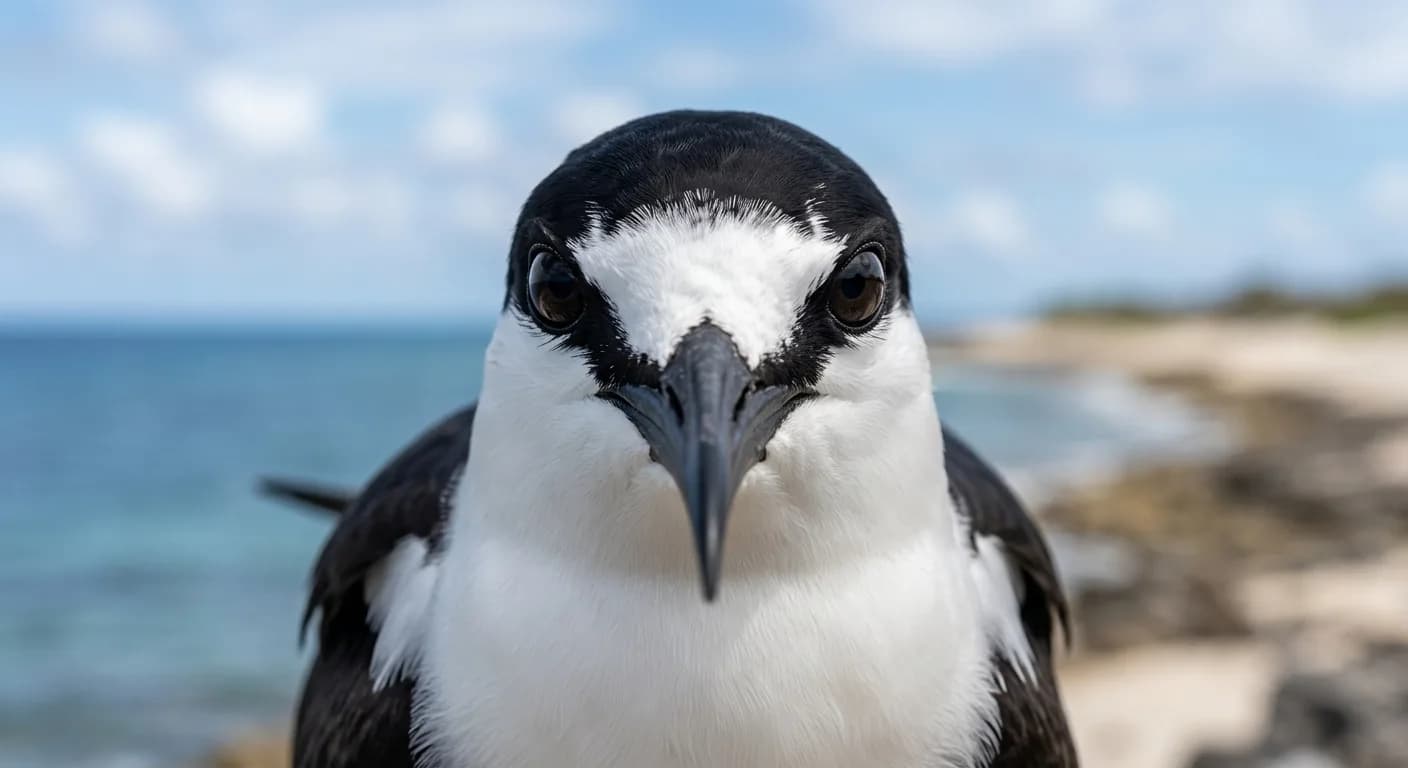
Sooty Tern
Onychoprion fuscatus
 Least Concern
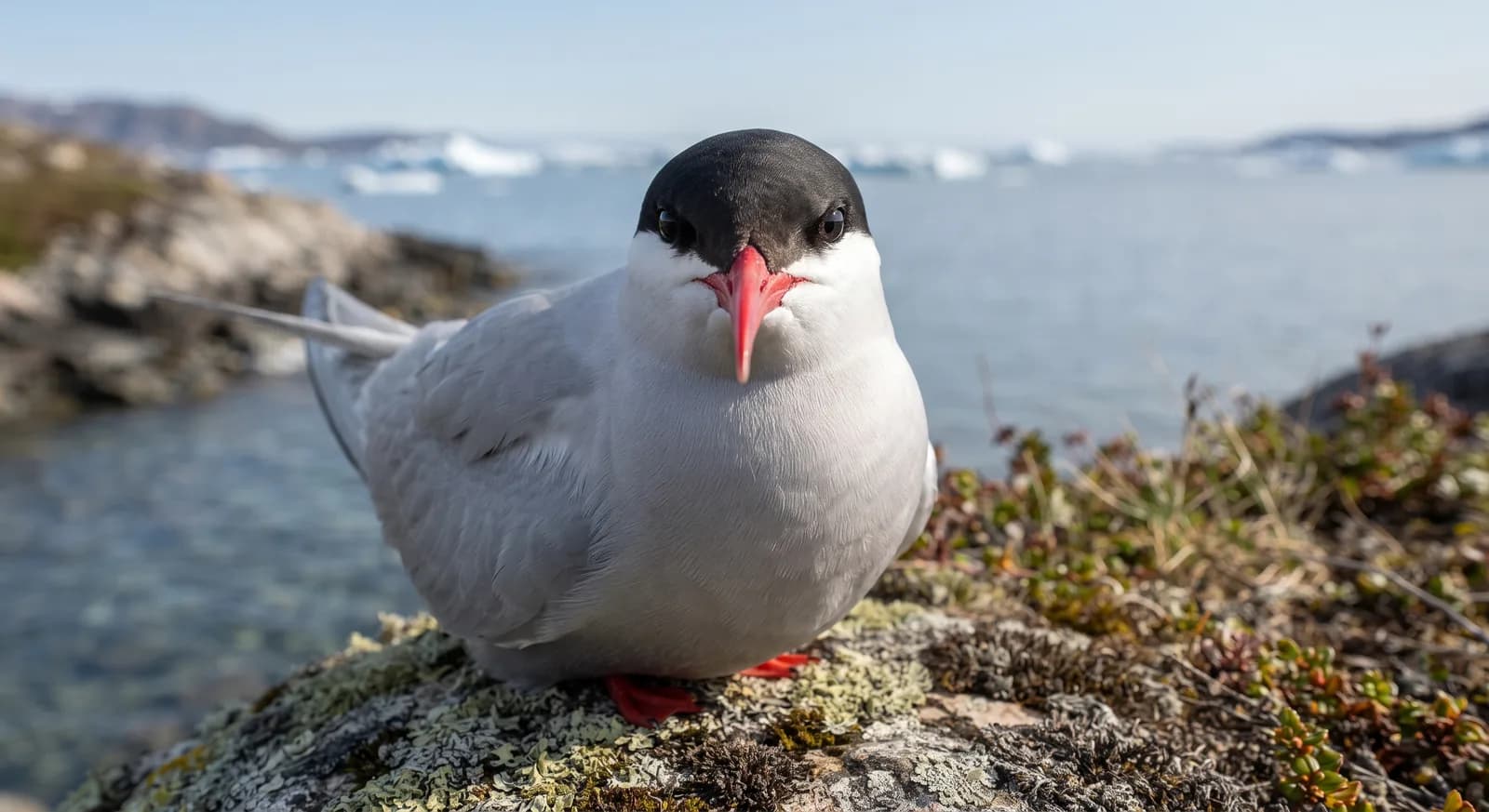
Arctic Tern
Sterna paradisaea
 Least Concern
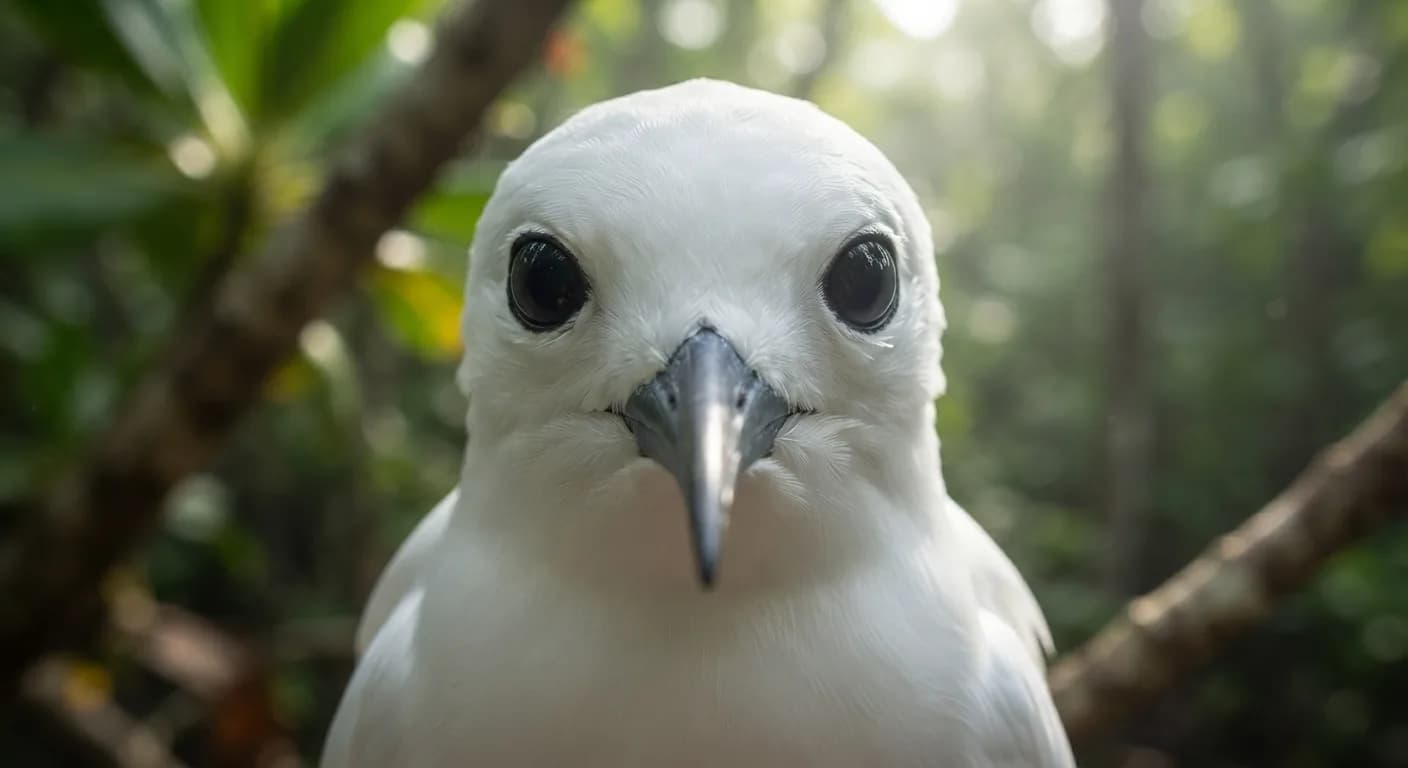
Atlantic White Tern
Gygis alba
 Least Concern
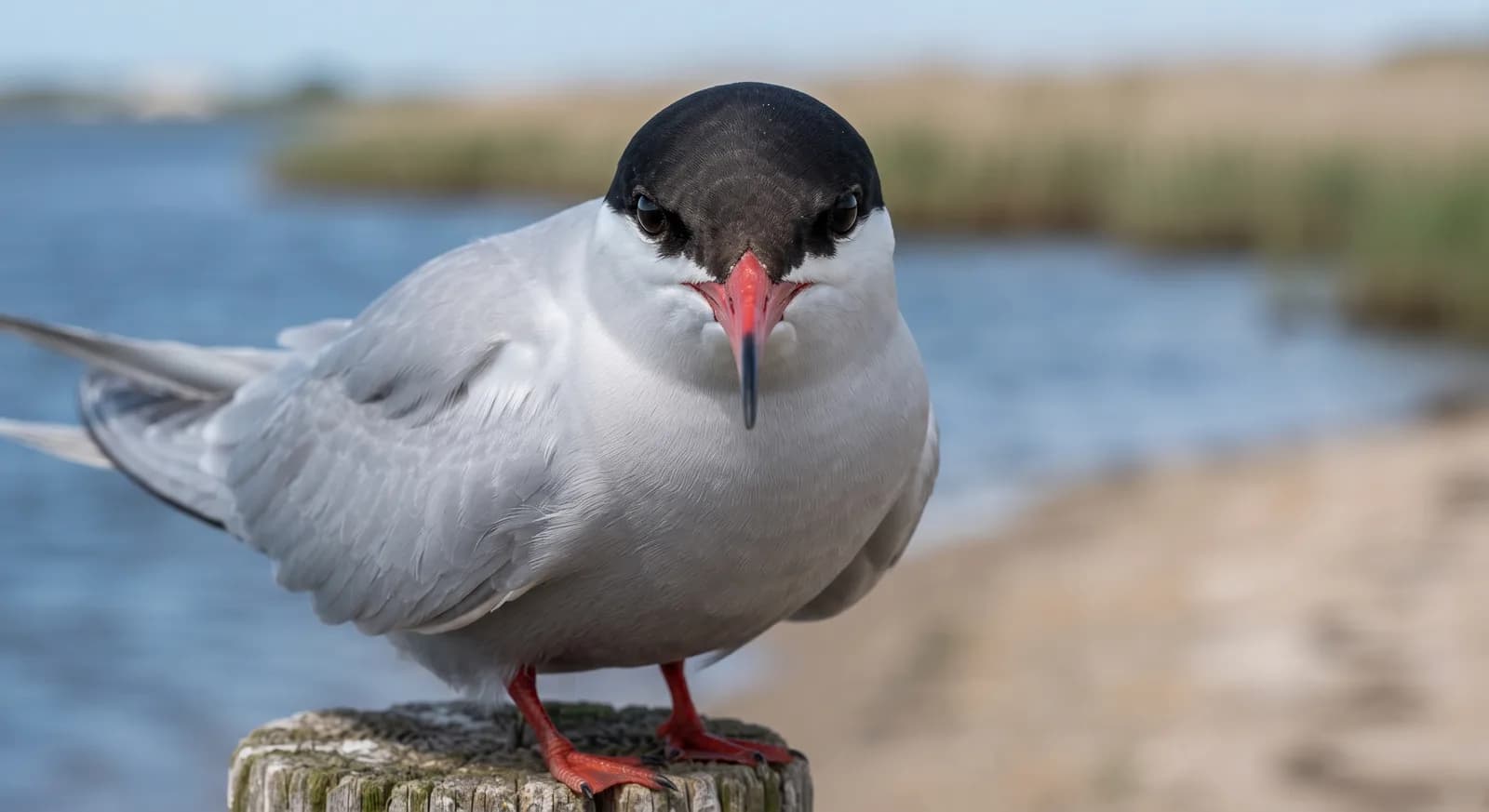
Common Tern
Sterna hirundo
Sandwich Tern
Thalasseus sandvicensis
Royal Tern
Thalasseus maximus
Conservation status
No species documented in this group is genuinely at risk according to the IUCN, with the data available today.
See the global conservation statusWhere they live
Recorded in 165 countries. The ones with the most species in the group:
Where to see them
- Banc d'Arguin2 species
- Biscayne2 species
- Cape Cod2 species
- Delta del Ebro2 species
- Diawling2 species
- Dry Tortugas2 species
- Fakarava2 species
- Los Roques2 species
- Mar de Wadden2 species
- Northumberland2 species
- Parque Nacional del Mar de Wadden2 species
- Santuario de Aves de Djoudj2 species
- Isla Ascensióndiving
- Parque Natural de Tubbatahadiving
Did you know…
Juveniles can spend three to five years in practically continuous flight over the ocean, settling neither on water nor on land: they sleep on the wing and only come down when they return to breed.
From Sooty Tern
Its tropical colonies are deafening and its ceaseless call has earned it the English nickname wideawake, the one that keeps you up.
From Sooty Tern
GPS tracking studies have shown it can cover up to 90,000 km a year by following favourable wind patterns.
From Arctic Tern
It eats small fish such as herring and capelin, and crustaceans such as krill.
From Arctic Tern
It lives on open tundra, boreal forest and rocky coasts of the circumpolar Arctic.
From Arctic Tern
It makes no nest: it lays the egg balanced directly on a bare branch, and many are lost to the wind. The chick hatches with disproportionately large claws that let it grip the bark from its first day.
From Atlantic White Tern
It is the unofficial city bird of Honolulu, where an urban colony nests in the street trees and where it is protected by municipal ordinance.
From Atlantic White Tern
It can plunge from several metres up to snatch small fish just below the surface.
From Common Tern