Species group · Birds
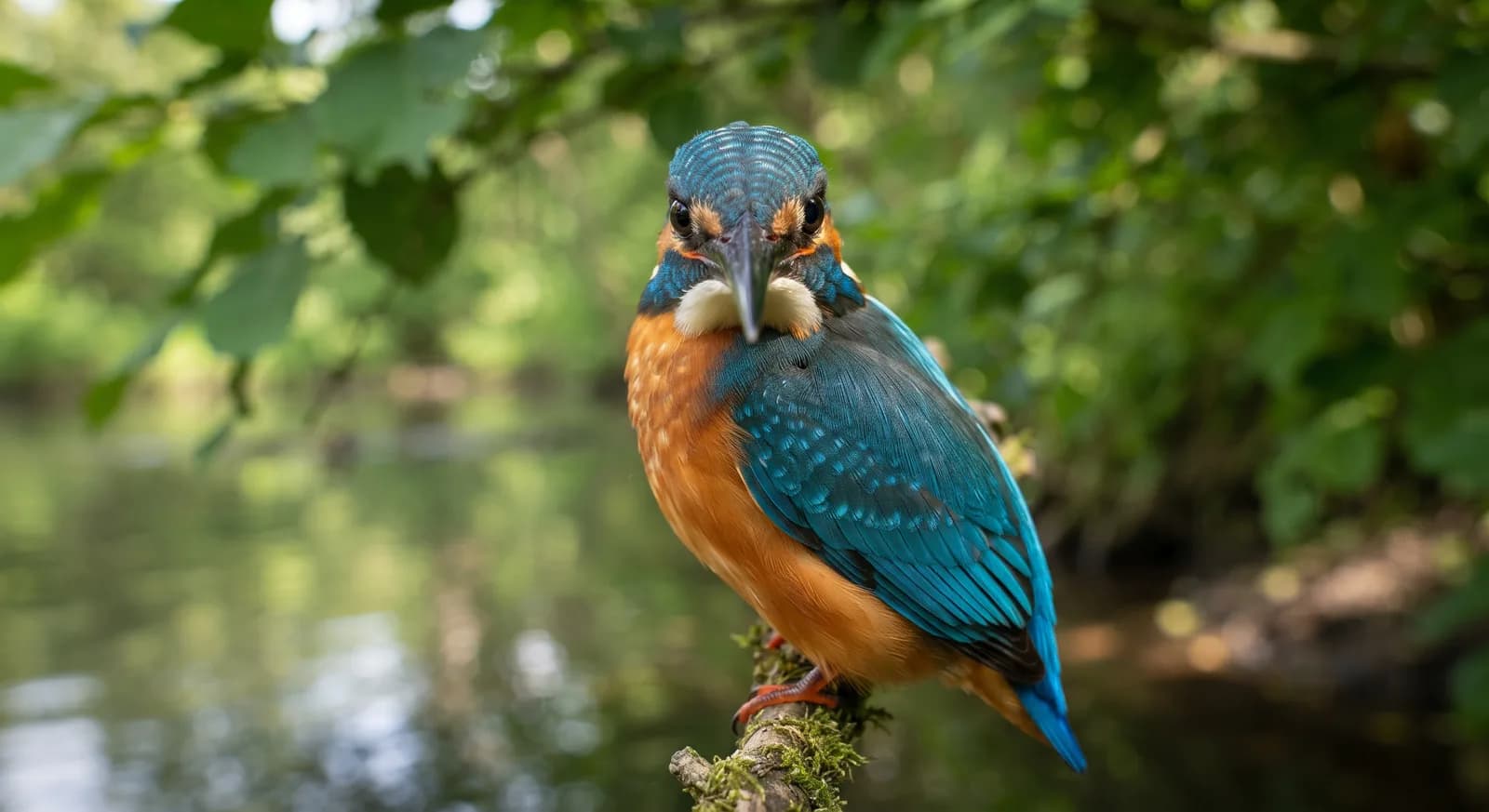
Kingfishers
WAnimals has 3 species of kingfisher, all in the family Alcedinidae.
- 3 species
- 1 family
- 77 countries
- 63 parks
- Weight
- 30 g – 350 g
- Length
- 16 cm – 42 cm
- Lifespan
- 2 – 15 years
Ranges calculated from the entries that record the figure, not from all 3.
All 3 species of kingfishers on WAnimals
Each one has its own full entry. This group does not replace them: it brings them together.
Conservation status
No species documented in this group is genuinely at risk according to the IUCN, with the data available today.
See the global conservation statusWhere they live
Recorded in 77 countries. The ones with the most species in the group:
Where to see them
Did you know…
Each chick goes from barely 3 grams at hatching to around 30 by the time it leaves the nest.
From Common Kingfisher
It is fiercely territorial because of how much it needs to eat each day.
From Common Kingfisher
It catches small fish by diving, supplemented with crustaceans and aquatic insects.
From Common Kingfisher
It digs a horizontal tunnel up to a metre deep into a river or lake bank to nest, rather than nesting in trees as other birds do.
From Belted Kingfisher
The female is more colourful than the male, with an extra chestnut band across the belly: a reversal of the usual pattern found in only a handful of bird families.
From Belted Kingfisher
It digs a tunnel of up to two metres into a bank with its bill and feet, sloping slightly upwards so that water cannot get in and droppings drain out.
From Belted Kingfisher
With its bill and feet it digs a tunnel of up to two and a half metres into an earth bank, ending in a chamber where it lays its eggs straight onto the ground, with no nest.
From Ringed Kingfisher
It beats fish against its perch before swallowing them, always head first, so that the scales and fins do not catch in its throat on the way down.
From Ringed Kingfisher