One of the 3 kingfishers on WAnimals
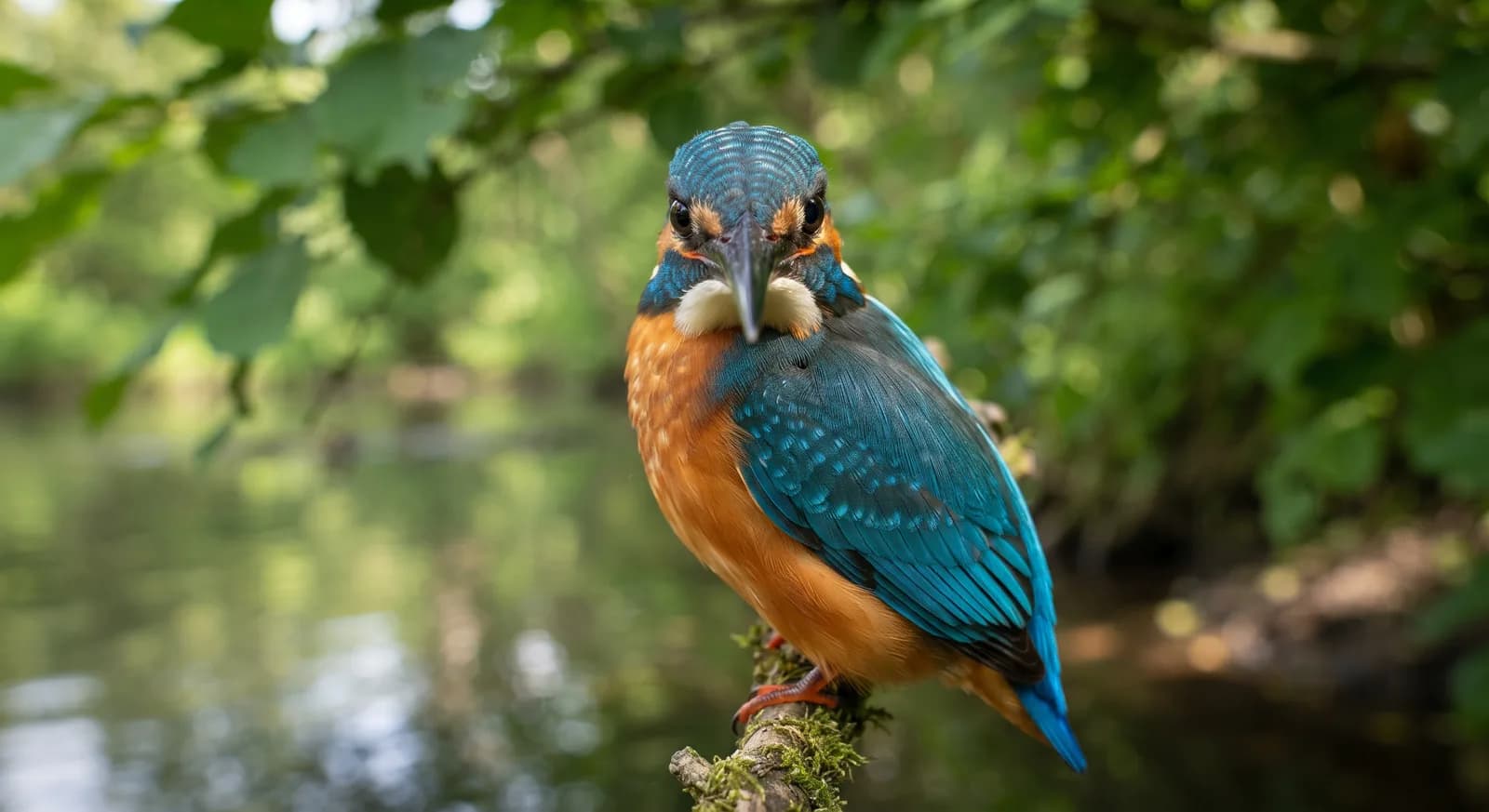
Birds · Coraciiformes · Alcedinidae
Common Kingfisher
Alcedo atthis
The species is abundant and widely distributed; it faces no significant short-term risk. See full glossary
A single brood of 7 chicks can get through around 1,000 fish while they are still in the nest.
Weight
30 g – 45 g
Size
16 cm – 17 cm
Lifespan
2 years
Diet
Piscivore
Feeds mainly on fish.
Activity
Diurnal
Active mainly during the day.
Social structure
Solitary
Lives and hunts alone, joining others only to breed.
Sighting difficulty
Easy
Fun facts
- Each chick goes from barely 3 grams at hatching to around 30 by the time it leaves the nest.
- It is fiercely territorial because of how much it needs to eat each day.
- It catches small fish by diving, supplemented with crustaceans and aquatic insects.
- comportamientoAs it dives from its perch it corrects for the way refraction shifts a fish's apparent position before it strikes.
Life cycle & biology
- Skeleton type
- Vertebrate - pneumatised bony skeleton (bird)
- Habitat & environment
- Banks of clear rivers, lakes and wetlands across Europe, Asia and North Africa
- Birth weight
- ~3 g at hatching, blind and naked
- Size at birth
- ~3 g at hatching
- Sexual maturity
- 1 year
- Gestation / incubation
- 19-21 days
- Litter / clutch size
- 2 to 10 eggs per clutch (most commonly 5-7), with 2-3 broods a year
Sources consulted: Via Pontica; AnAge (genomics.senescence.info); Animal Diversity Web; EBSCO Research Starters; Woodland Trust; The Animal Facts; Wikipedia (Common kingfisher)
Where to find it
See its range on the interactive mapWhere to watch it
Parks and dive sites where this species has been documented.
Related species
Other species in the catalogue with the most in common with Common Kingfisher — same habitat, park, country, tags or family.
 Least Concern
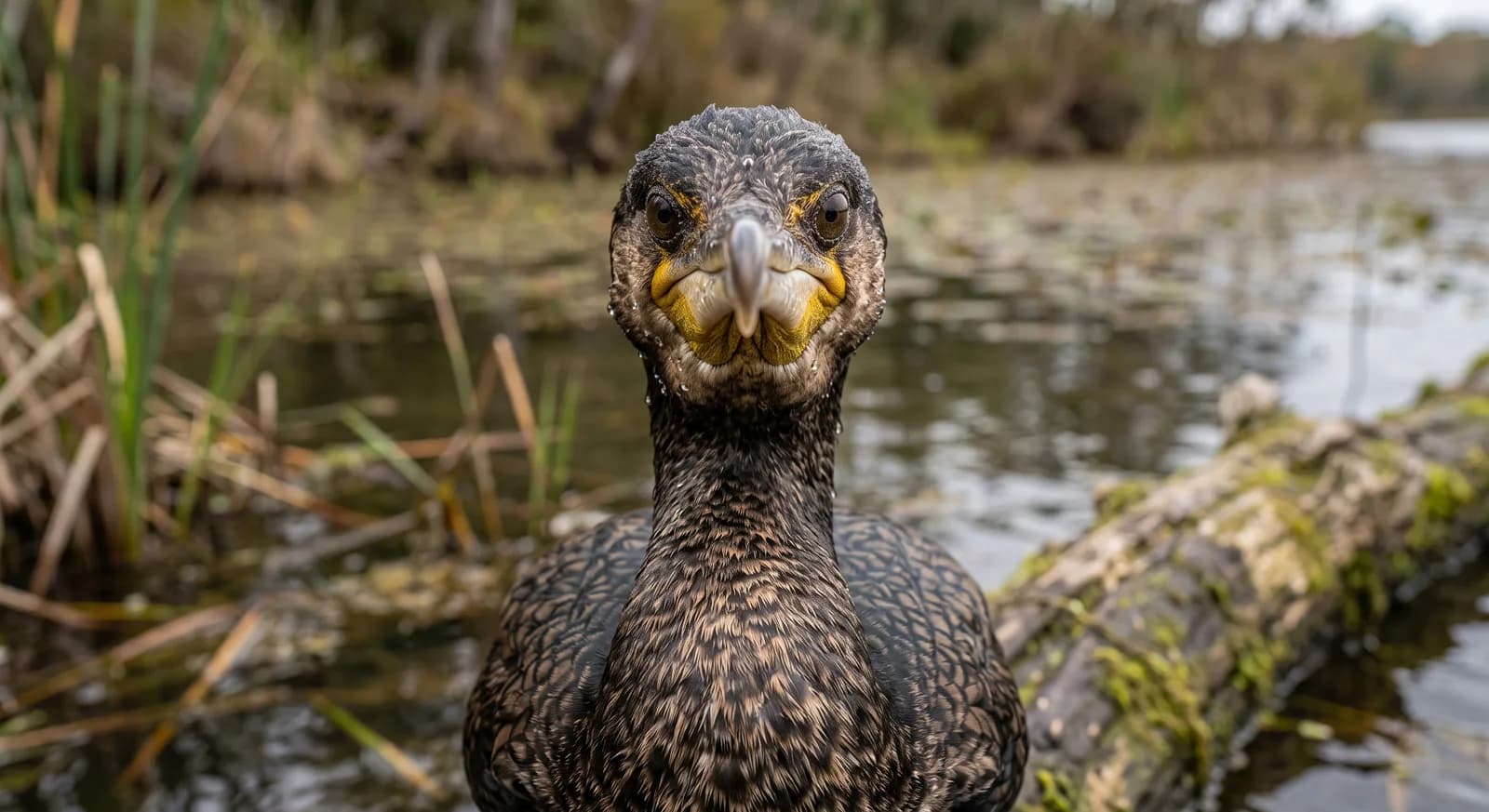
Great Cormorant
Phalacrocorax carbo
 Least Concern
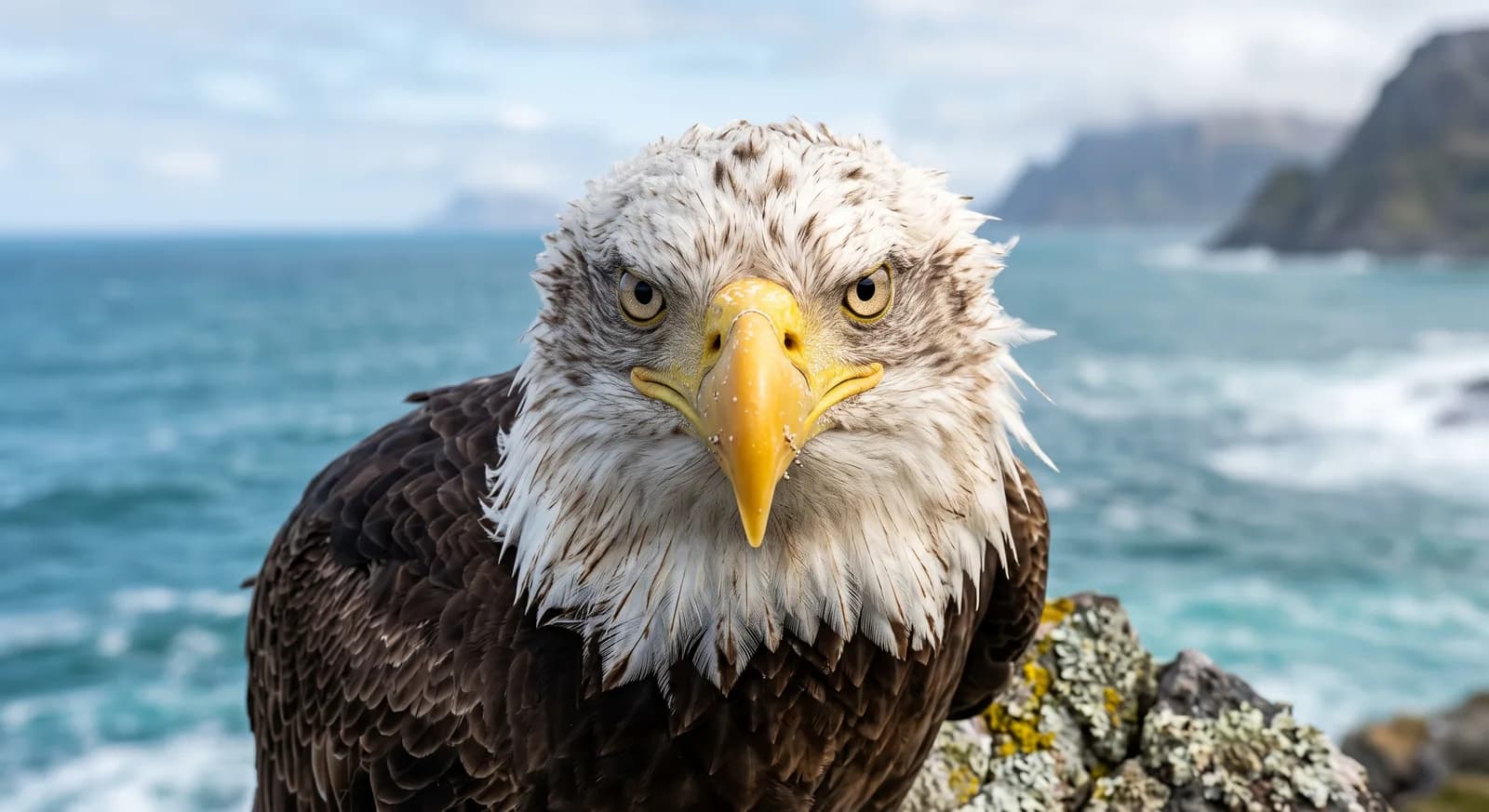
White-tailed Eagle
Haliaeetus albicilla
 Least Concern
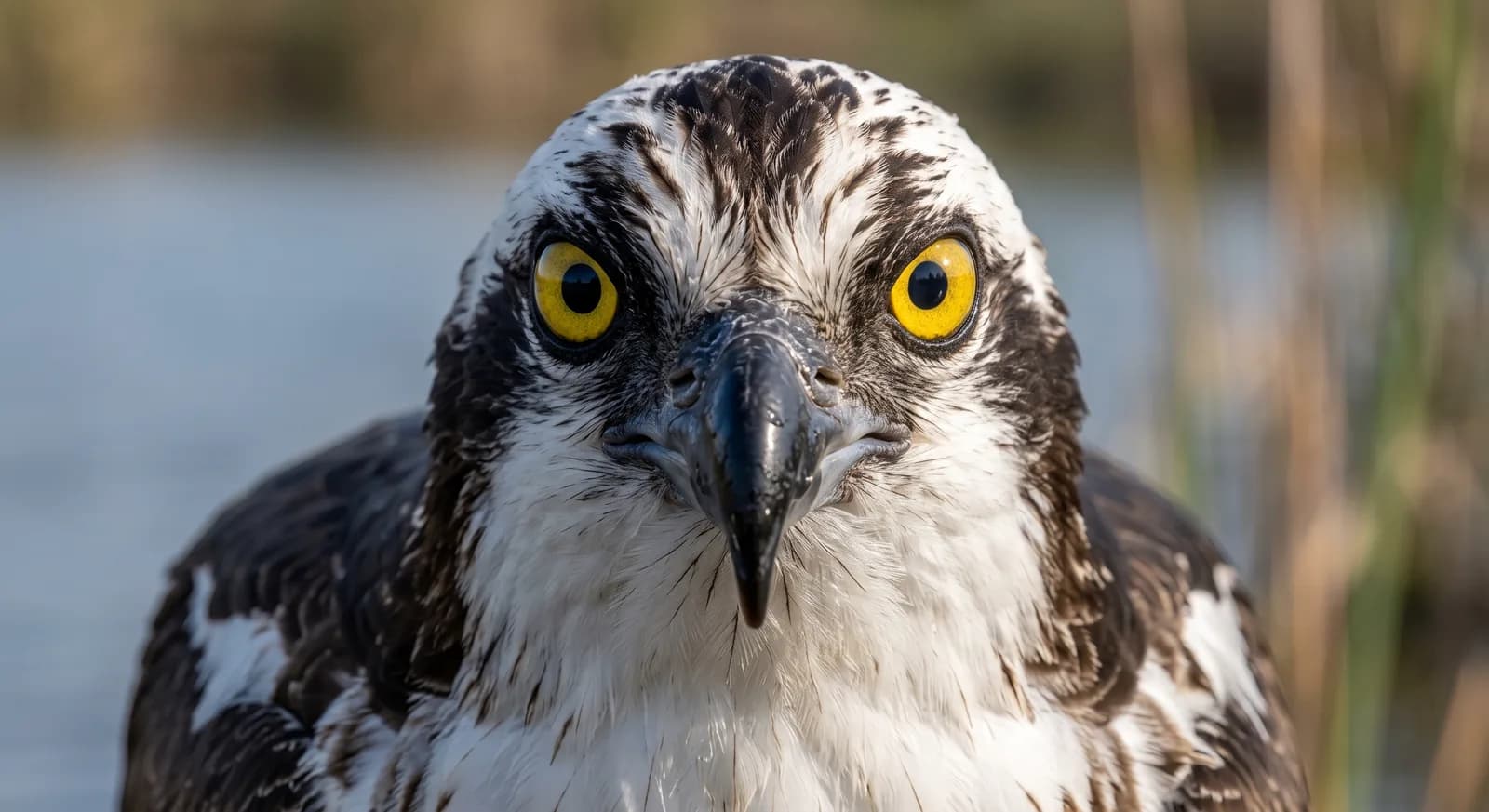
Osprey
Pandion haliaetus
Common Grasshopper Warbler
Locustella naevia
Common Sandpiper
Actitis hypoleucos
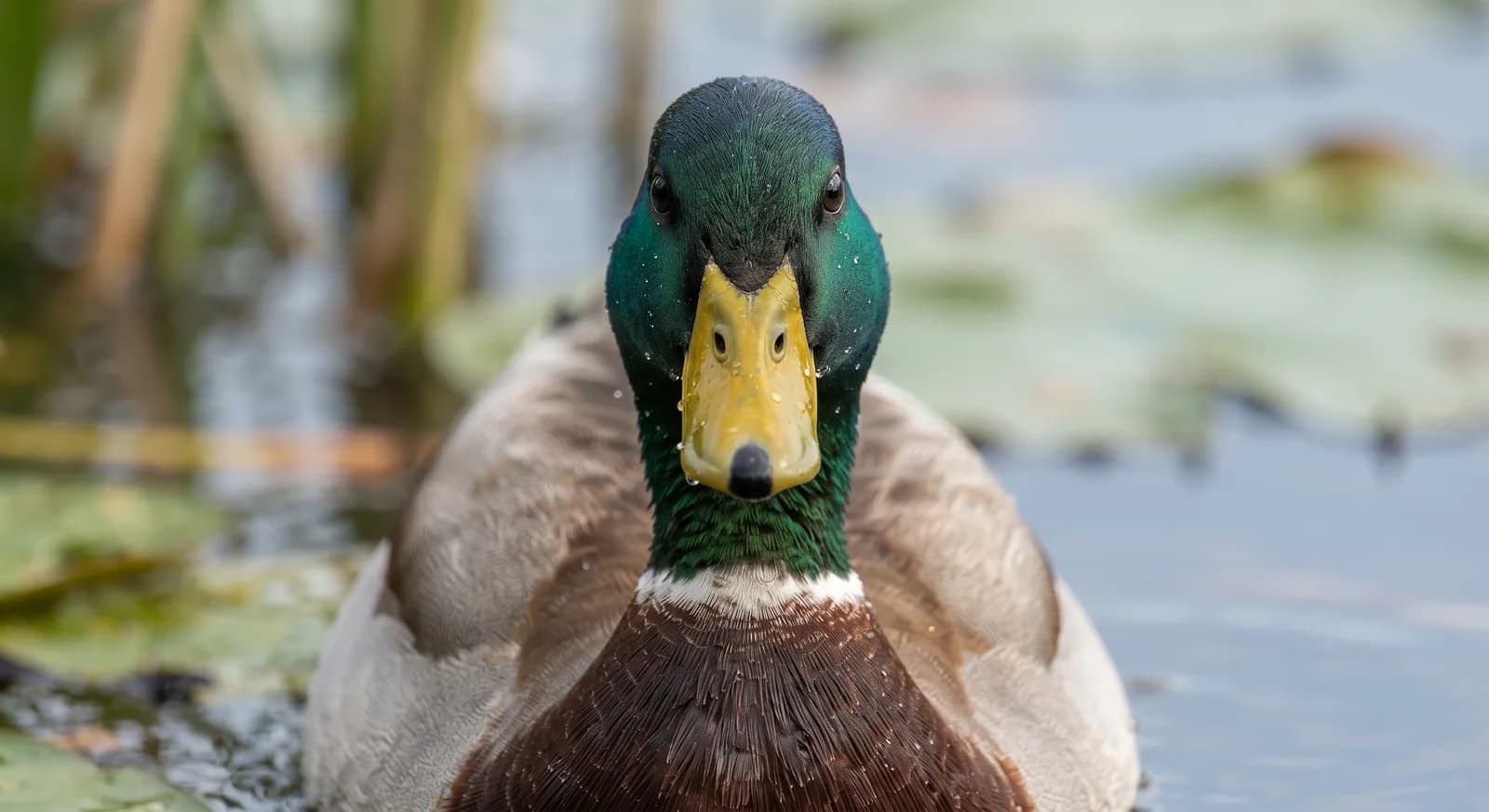 Least Concern
Mallard
Anas platyrhynchos
Keep exploring
Based on what we already know about common kingfisher.
Comments
Share an experience, a fun fact or a tip for seeing the common kingfisher.
Be the first to comment.