Birds · Passeriformes · Locustellidae
Common Grasshopper Warbler
Locustella naevia
The species is abundant and widely distributed; it faces no significant short-term risk. See full glossary
A small bird, olive brown on the back with broad black streaks formed by the centres of the feathers, and a conspicuous white chin and throat. It has no marked eyebrow. The tail is rounded and graduated, and the undertail coverts, very long, carry large dark central spots.
Weight
13 g on average
Size
12.5 cm – 13 cm
Lifespan
3 years
Diet
Insectivore
Feeds mainly on insects and other invertebrates.
Activity
Diurnal
Active mainly during the day.
Social structure
Solitary
Lives and hunts alone, joining others only to breed.
Sighting difficulty
Easy
Fun facts
- Its song is a long, high, monotonous reeling that sounds like a cicada or the reel of a fishing rod, and can go on from a few seconds to two or three minutes with almost no pause for breath.
- It sings with its bill wide open and its whole body vibrating.
- It is one of the hardest birds to see in the Iberian avifauna: it is almost always detected by ear and rarely comes out into the open.
Life cycle & biology
- Skeleton type
- Vertebrate - internal bony skeleton (bird)
- Habitat & environment
- Damp grassy scrub, heathland and rough grassland with bushes, often near water. In Spain it is restricted to the Eurosiberian Cantabrian belt, concentrated in the Basque Country, Cantabria and Asturias, with residual numbers in northern Navarre and Galicia
- Birth weight
- Altricial: born blind, naked or with sparse down and entirely dependent
- Size at birth
- Altricial: born blind, naked or with sparse down and entirely dependent
- Sexual maturity
- 12 months
- Gestation / incubation
- 12-15 days of incubation
- Litter / clutch size
- 4-6 eggs per clutch
Sources consulted: SEO/BirdLife (ficha y III Atlas de las aves en época de reproducción en España); IUCN Red List; Asturnatura; Carrera Buergo 2022, III Atlas; De Juana y García 2015, The Birds of the Iberian Peninsula; MITECO; Hagemeijer y Blair 1997, EBCC Atlas; Keller et al. 2020
Where to find it
See its range on the interactive mapBest time: From April to August, at dawn and above all at dusk, when it sings from inside the scrub
Where to watch it
Parques y spots de buceo donde se ha documentado esta especie — se muestran 10 de 160 documentados.
Related species
Other species in the catalogue with the most in common with Common Grasshopper Warbler — same habitat, park, country, tags or family.
Canada Goose
Branta canadensis
 Least Concern
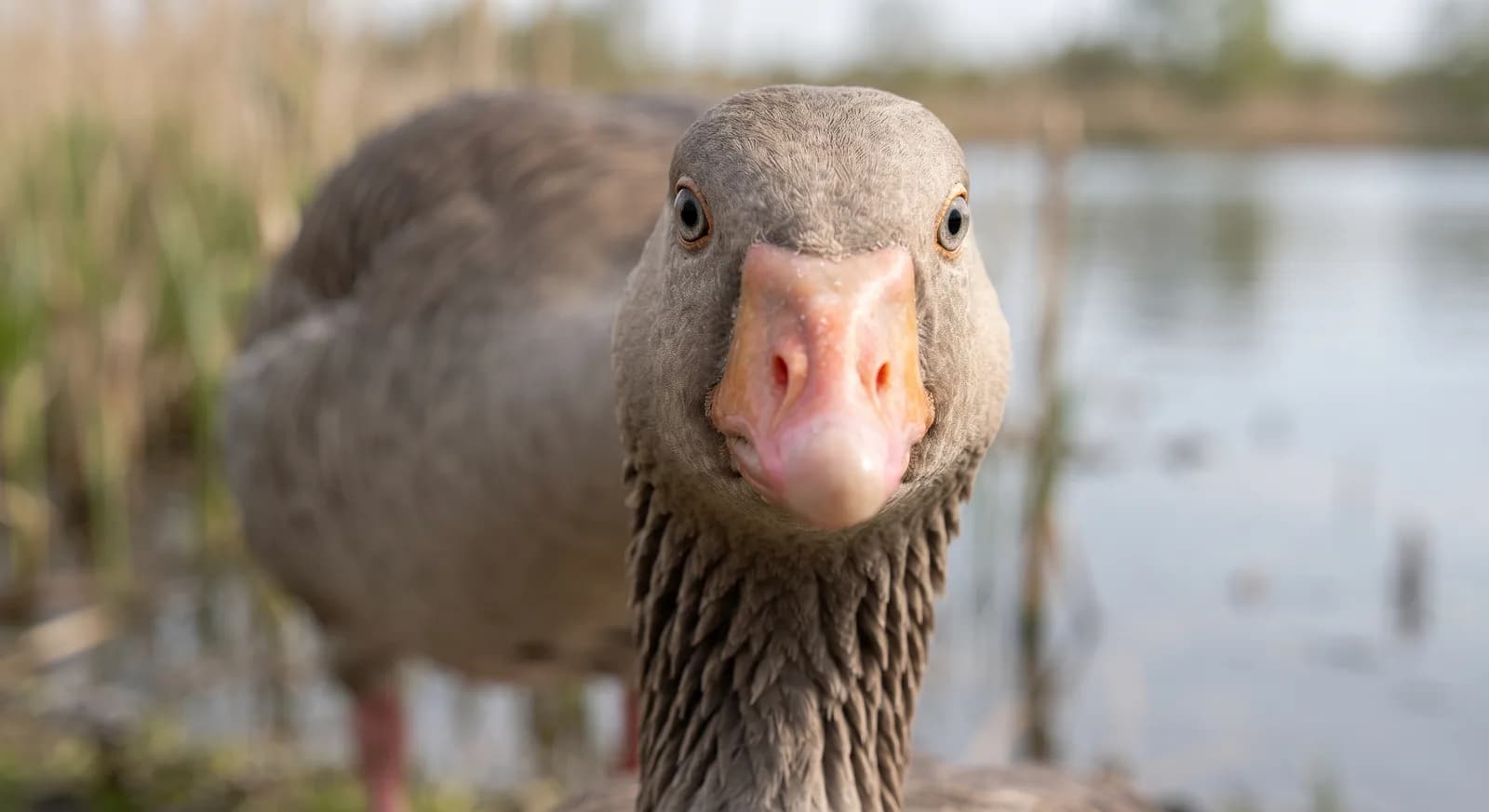
Greylag Goose
Anser anser
Black-winged Stilt
Himantopus himantopus
Common Buzzard
Buteo buteo
 Least Concern
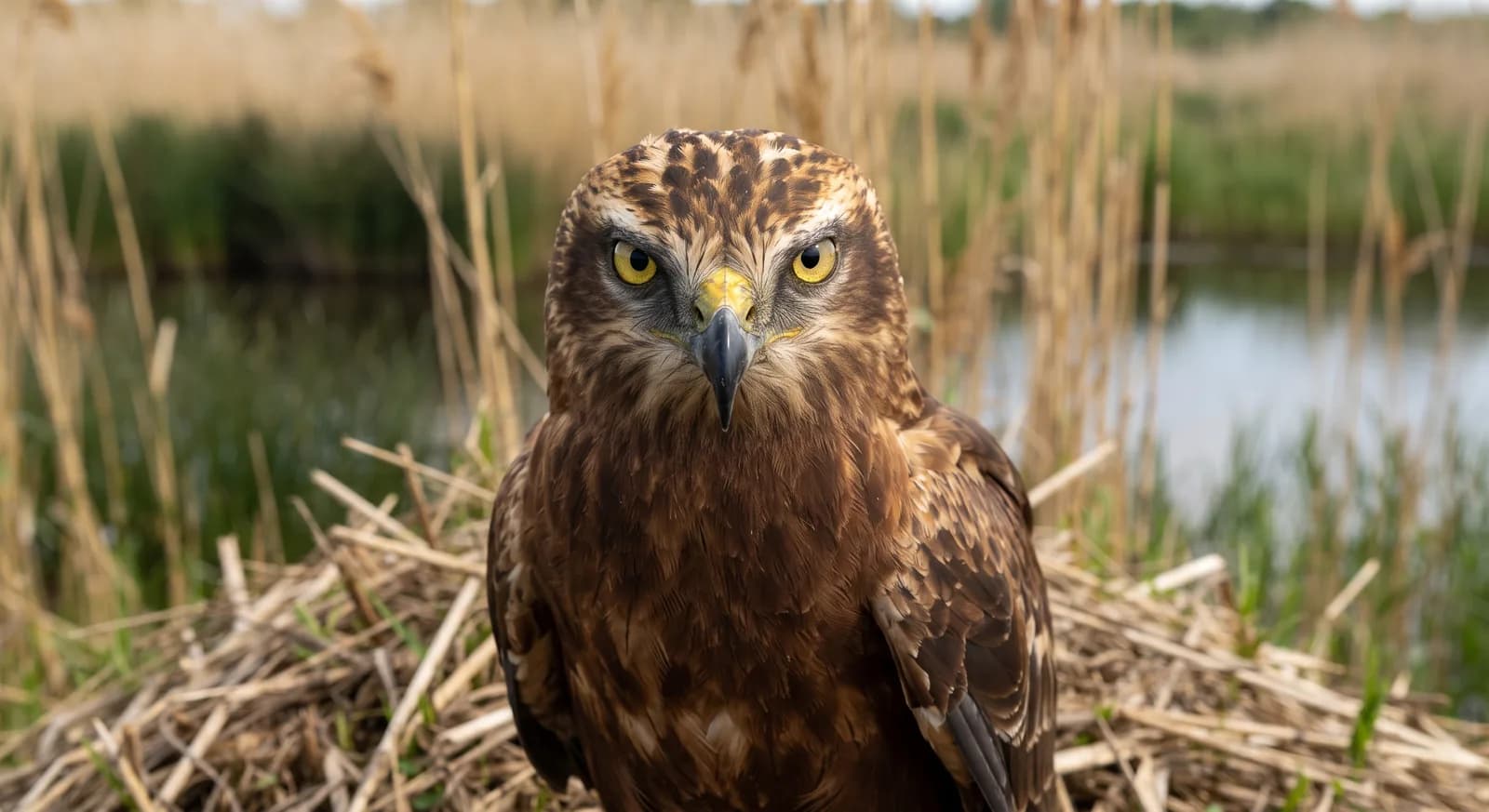
Western Marsh Harrier
Circus aeruginosus
 Least Concern
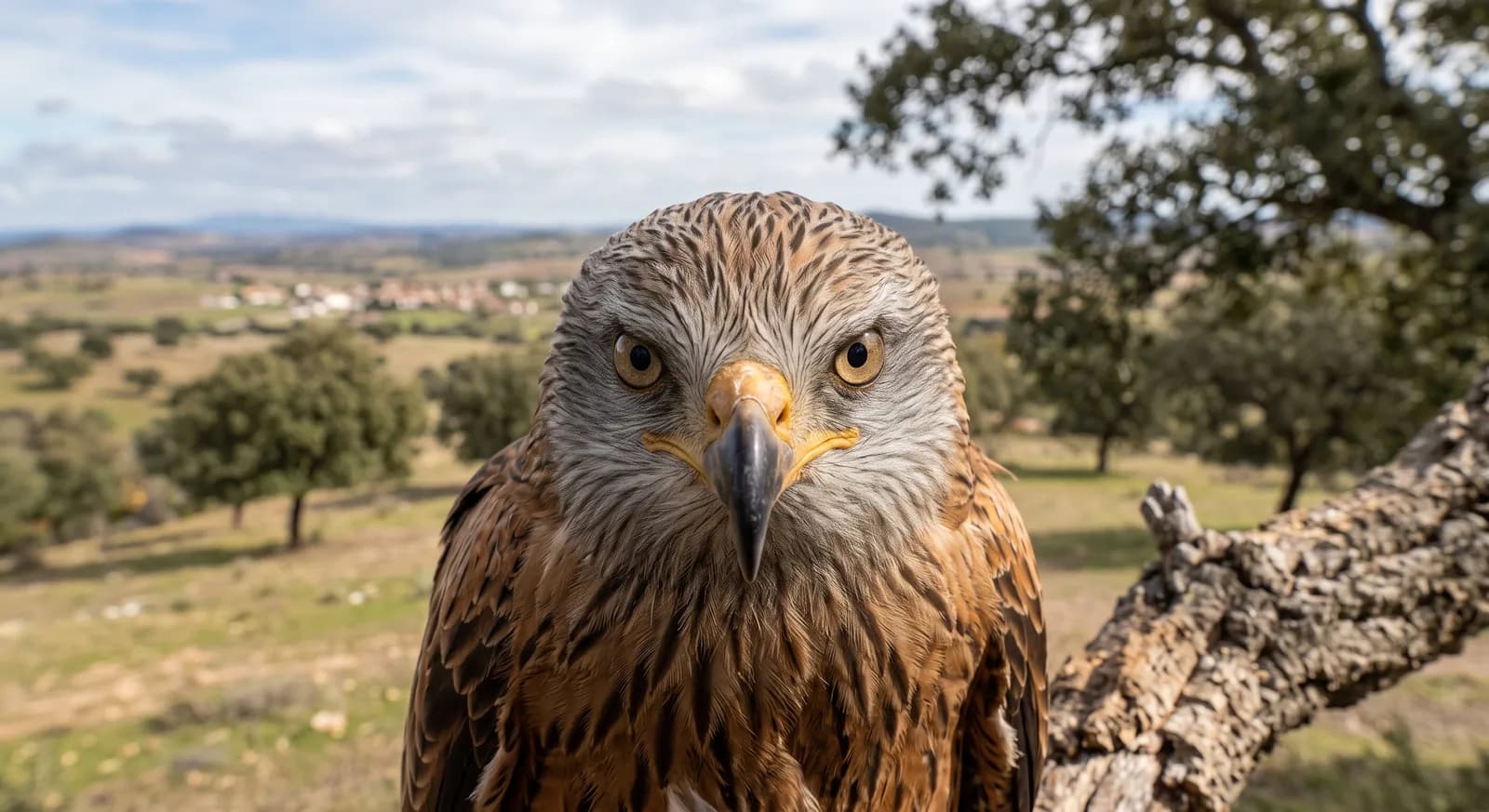
Red Kite
Milvus milvus
Keep exploring
Based on what we already know about common grasshopper warbler.
Comments
Share an experience, a fun fact or a tip for seeing the common grasshopper warbler.
Be the first to comment.