Polychaetes · Amphinomida · Amphinomidae
Bearded Fireworm
Hermodice carunculata
It has not yet been assessed against the IUCN criteria. See full glossary
Its striking white bristles are in fact hollow structures loaded with a potent neurotoxin, which break off easily on contact and cause an intense burning sensation.
Size
5 cm – 15 cm
Lifespan
3 years
Diet
Carnivore
Feeds mainly on other animals.
Activity
Nocturnal
Active mainly at night.
Social structure
Solitary
Lives and hunts alone, joining others only to breed.
Sighting difficulty
Unknown
Fun facts
- It is bioluminescent at night, and quite what that is for is still not fully understood.
- It eats soft and hard corals, anemones and small crustaceans.
- It lives on coral reefs, rock and sandy bottoms of the tropical and subtropical Atlantic, the Caribbean and the Mediterranean.
- It is covered in tufts of hollow, brittle white bristles that pierce the skin at the slightest touch and break off inside, releasing a toxin that causes intense burning for hours. Hence the name fireworm.
- You do not have to handle it for this to happen: brushing it with a glove or a fin is enough.
- It eats live coral, which makes it a serious problem in reef restoration: in the staghorn coral nurseries of the Dominican Republic it was the main cause of death among transplanted fragments.
- And it does something worse: it is a reservoir and vector for the bacterium Vibrio shiloi, which causes coral bleaching. It carries the pathogen between colonies as it feeds.
- It is also a scavenger and is found in large numbers on dead animals.
- It is spreading through the Mediterranean, where it was once scarce, as the water warms.
Life cycle & biology
- Skeleton type
- Invertebrate - no skeleton (polychaete annelid)
- Habitat & environment
- Coral reefs, rock and sandy bottoms of the tropical and subtropical Atlantic, the Caribbean and the Mediterranean
- Birth weight
- A microscopic planktonic larva after external fertilisation
- Size at birth
- Microscopic planktonic larva after fertilisation
- Litter / clutch size
- Numerous eggs and sperm released in synchronised seasonal swarming
Sources consulted: Dimensions.com; A-Z Animals; SeaLifeBase; Reef Guide; Manic Fish; MarineBio; Wikipedia (Hermodice carunculata); UWI Life Sciences
Where to find it
See its range on the interactive mapWhere to watch it
Parques y spots de buceo donde se ha documentado esta especie — se muestran 20 de 122 documentados.
Related species
Other species in the catalogue with the most in common with Bearded Fireworm — same habitat, park, country, tags or family.
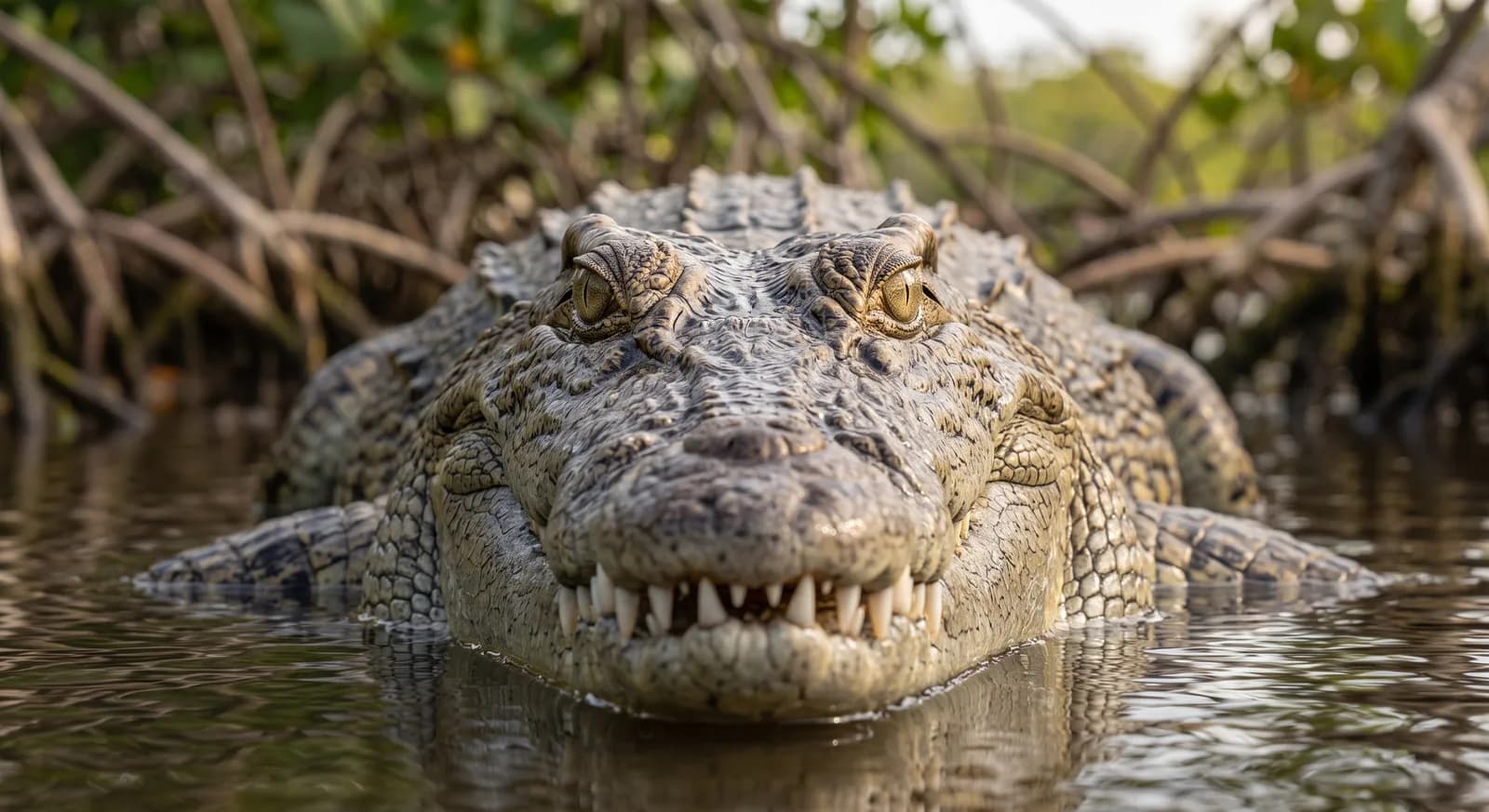 Vulnerable
American Crocodile
Crocodylus acutus
Southern Stingray
Hypanus americanus
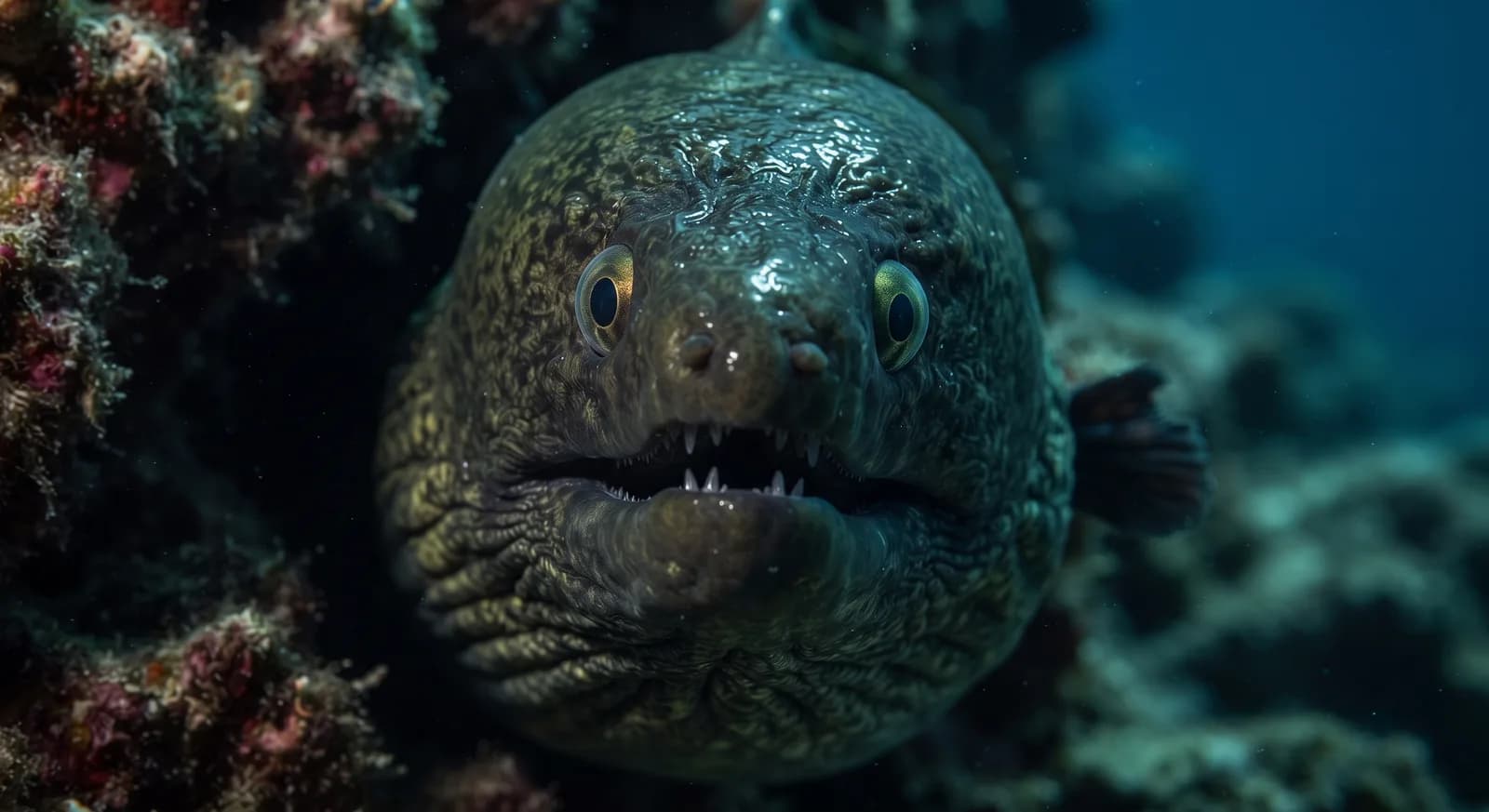 Least Concern
Green Moray
Gymnothorax funebris
Red Lionfish
Pterois volitans
Spot-fin Porcupinefish
Diodon hystrix
Florida Stone Crab
Menippe mercenaria
Keep exploring
Based on what we already know about bearded fireworm.
Comments
Share an experience, a fun fact or a tip for seeing the bearded fireworm.
Be the first to comment.