One of the 2 limpets on WAnimals
Gastropods · Vetigastropoda · Fissurellidae
Common Keyhole Limpet
Diodora graeca
It has not yet been assessed against the IUCN criteria. See full glossary
A limpet with a conical shell pierced by a hole at the apex, clinging to rocks and often under stones. Unlike the true limpets, it does not graze algae: it feeds on encrusting sponges. Water enters beneath the edge of the shell, passes over the gills and leaves through the apical hole along with the waste.
Size
up to 3.5 cm
Diet
Carnivore
Feeds mainly on other animals.
Social structure
Solitary
Lives and hunts alone, joining others only to breed.
Sighting difficulty
Unknown
Fun facts
- The hole at the apex is an outlet for water and waste: a one-way circulation system that keeps the gills from being fouled.
- The mantle can fold back over the edge of the shell and partly cover it.
- It is not a true limpet. Keyhole limpets have a hole at the apex of the shell through which they expel respiratory water and waste, so that intake and outflow are separate.
- Unlike grazing limpets, it eats sponges, above all of the genus Halichondria.
- It is a protandrous hermaphrodite: it matures as a male and changes to female as it grows.
Life cycle & biology
- Habitat & environment
- Lower intertidal and subtidal rocks of the Atlantic and the Mediterranean
Sources consulted: https://en.wikipedia.org/wiki/Diodora_graeca
Where to find it
See its range on the interactive mapWhere to watch it
Parques y spots de buceo donde se ha documentado esta especie — se muestran 20 de 93 documentados.
Related species
Other species in the catalogue with the most in common with Common Keyhole Limpet — same habitat, park, country, tags or family.
Murex
Bolinus brandaris
Blue Glaucus
Glaucus atlanticus
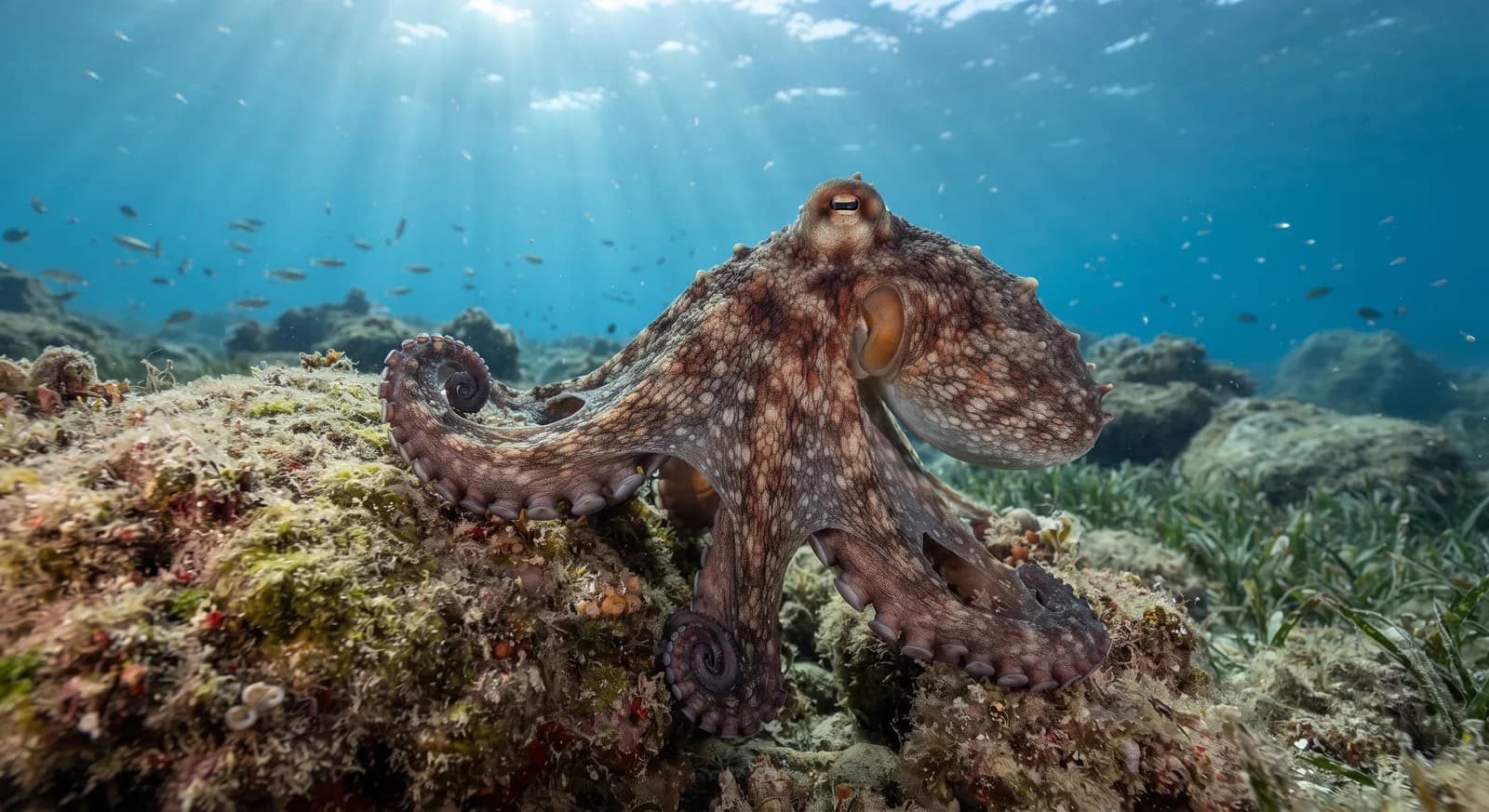 Not Evaluated
Common Octopus
Octopus vulgaris
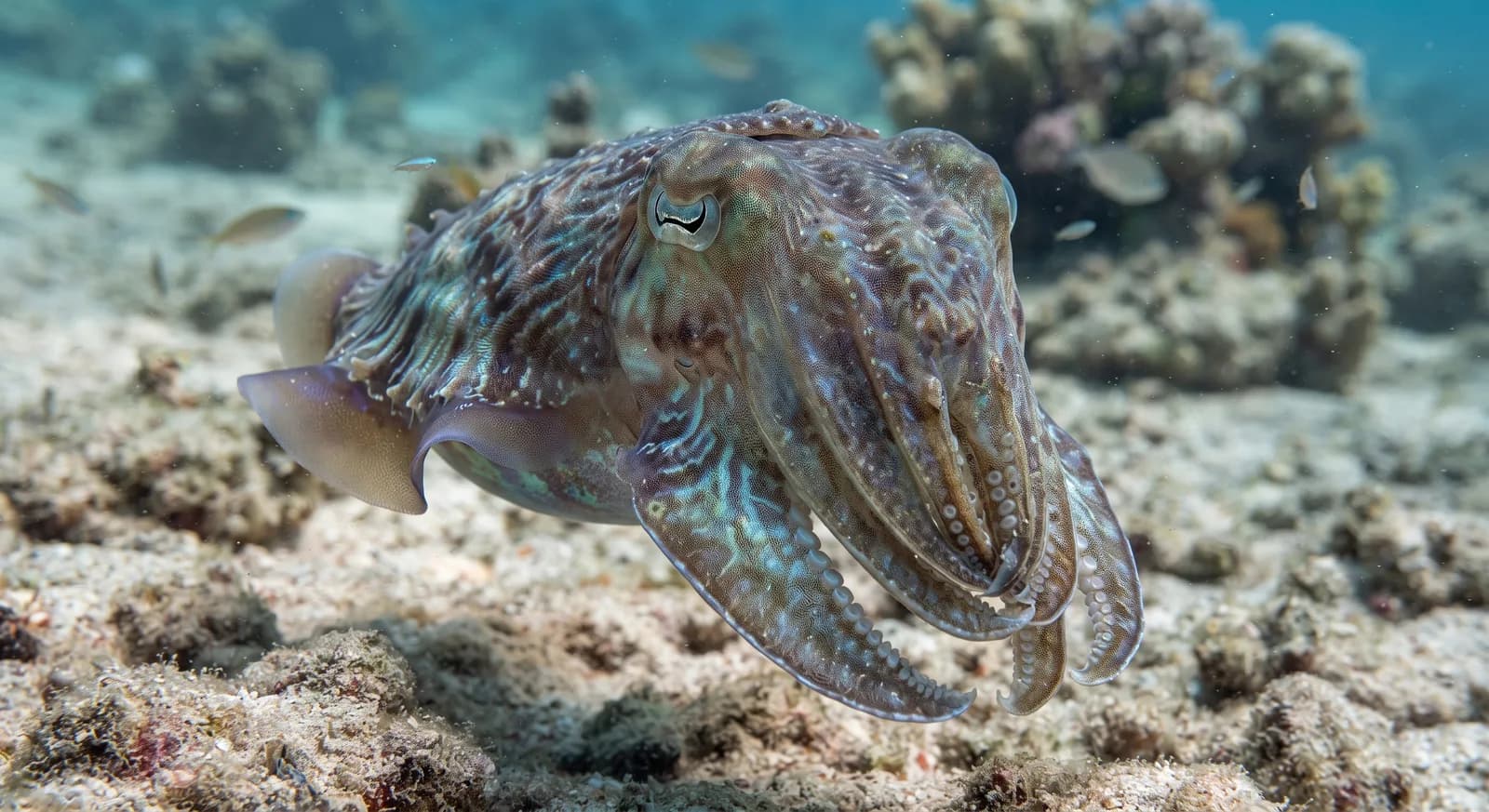 Not Evaluated
Common Cuttlefish
Sepia officinalis
Greater Argonaut
Argonauta argo
Atlantic Bobtail Squid
Sepiola atlantica
Keep exploring
Based on what we already know about common keyhole limpet.
Comments
Share an experience, a fun fact or a tip for seeing the common keyhole limpet.
Be the first to comment.