The largest tropical dry forest restoration project in the world, with a gradient running from the sea to the volcanoes.
Area
1,470 km²
Designated in
1999
Region
Central America
An unbroken gradient from the Pacific to the volcano, with dry forest under restoration
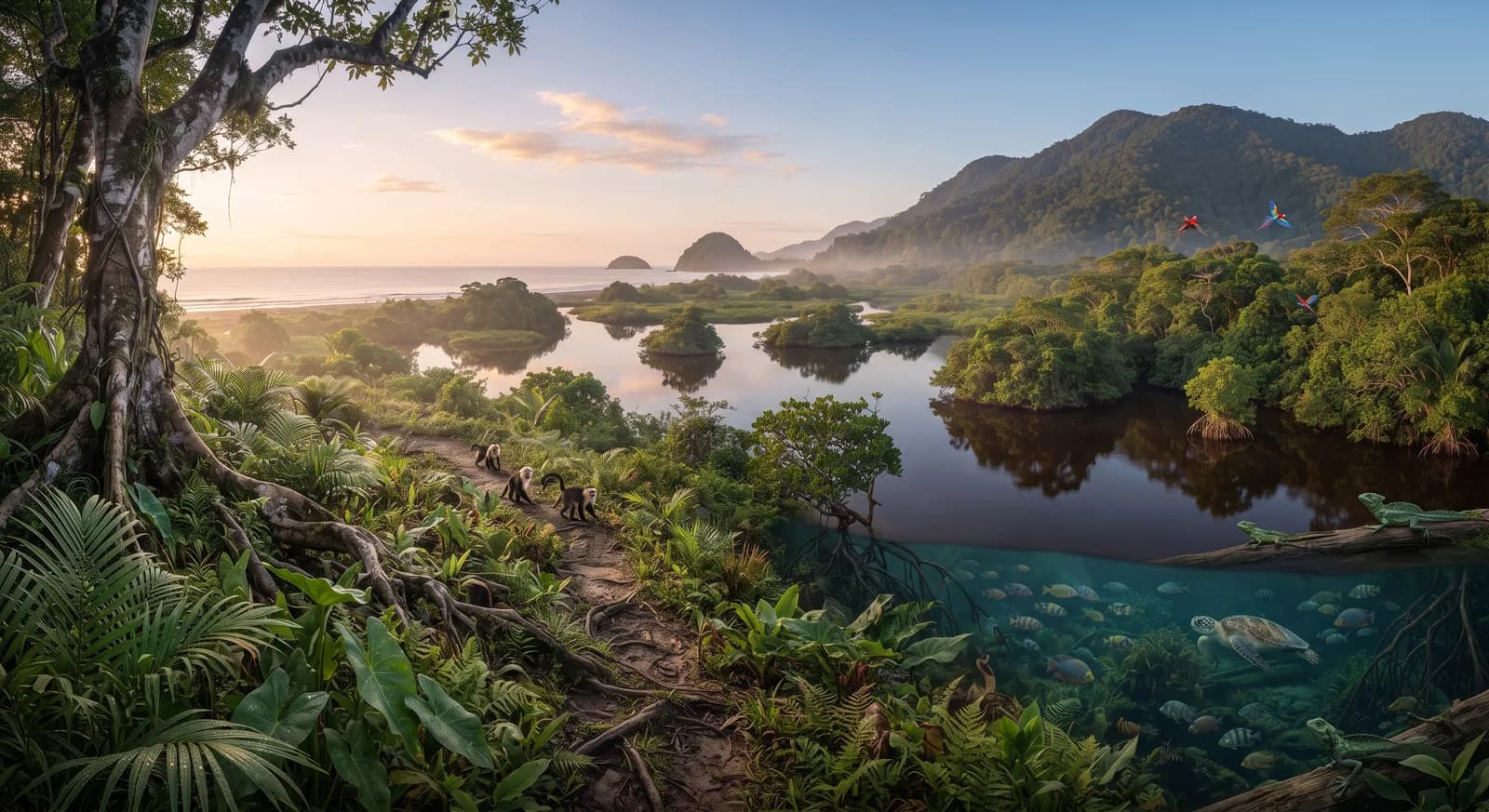
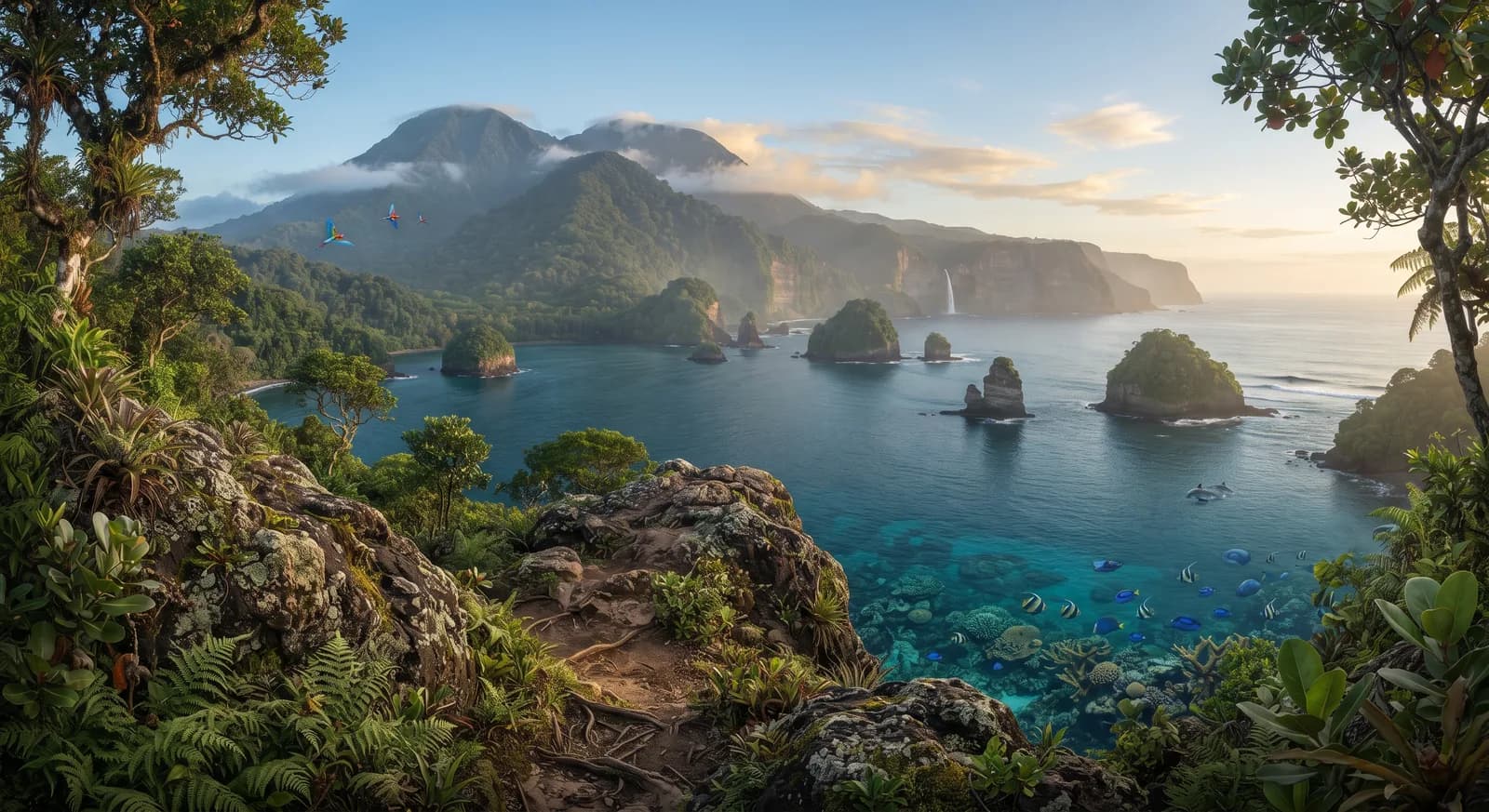
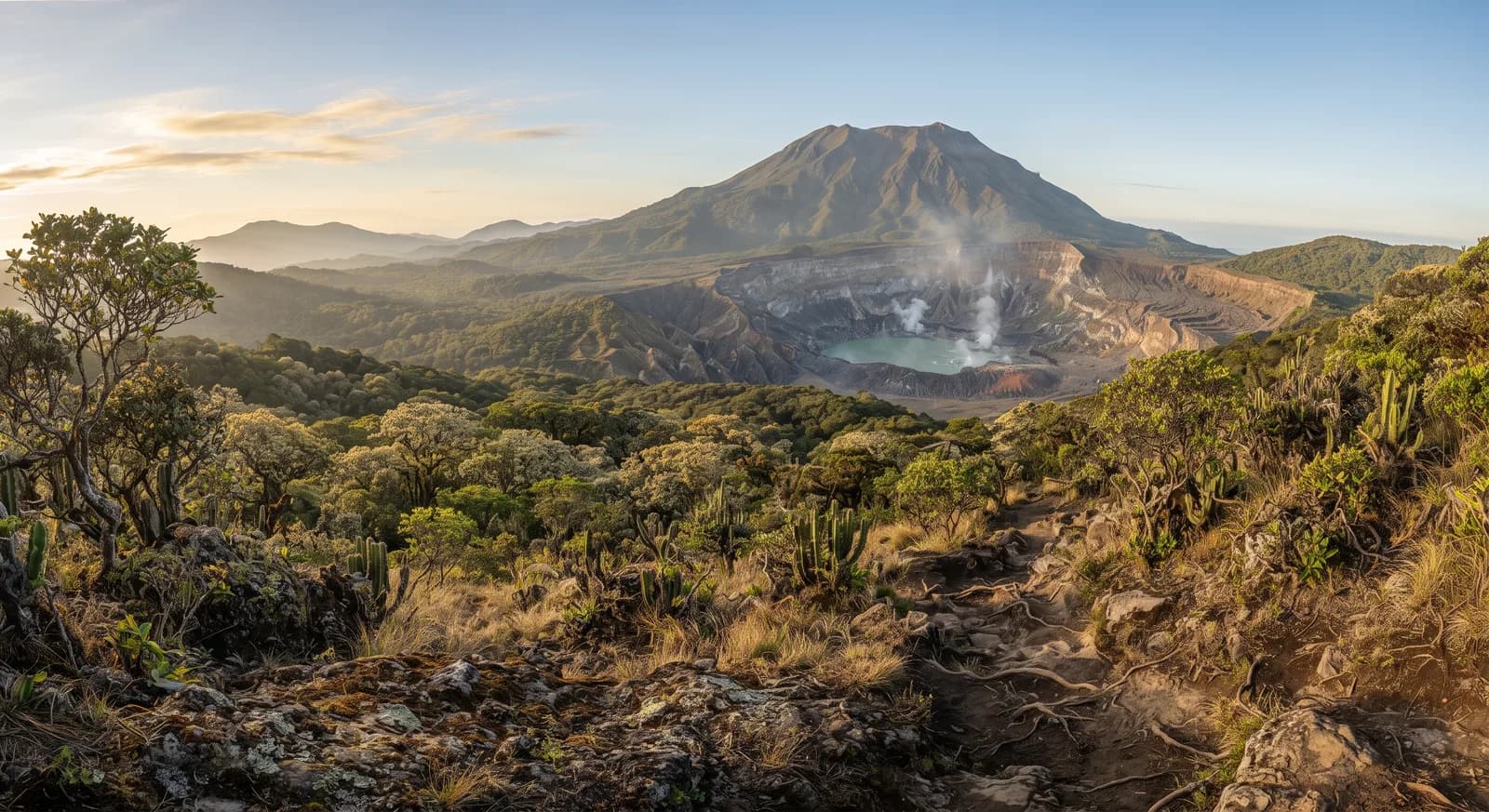
The Área de Conservación Guanacaste was inscribed on the World Heritage List in 1999 and extended in 2004. It protects some 1,470 km² in north-western Costa Rica, in a continuous gradient running from the Pacific Ocean and its reefs to the summits of the Orosí, Rincón de la Vieja and Cacao volcanoes, and then down the Caribbean slope to lowland rainforest.
That altitudinal and climatic continuum, uncommon in Central America, allows species to move seasonally between belts and gives the whole an exceptional resilience. But its greater interest lies elsewhere: here the largest tropical dry forest restoration project in the world has been carried out. The dry forest of the Central American Pacific is one of the most threatened ecosystems on the planet, reduced to minimal fragments by centuries of fire, cattle ranching and ploughing.
Since the 1980s, the project driven by the ecologist Daniel Janzen and by Costa Rican institutions has been buying up degraded cattle ranches, eliminating fire and invasive grasses, and letting the forest regenerate from the remaining fragments and from seed dispersal by wildlife. The result, after decades, is the recovery of tens of thousands of hectares and a model of ecological restoration studied worldwide, with strong involvement of local communities as parabiologists.
Ecosystems found in Costa Rica, where Área de Conservación Guanacaste lies.
What is worth looking out for this month in Costa Rica?
Now is a good time: Olive ridley arribada at Ostional (July to November (largest arribadas; smaller ones occur year-round))
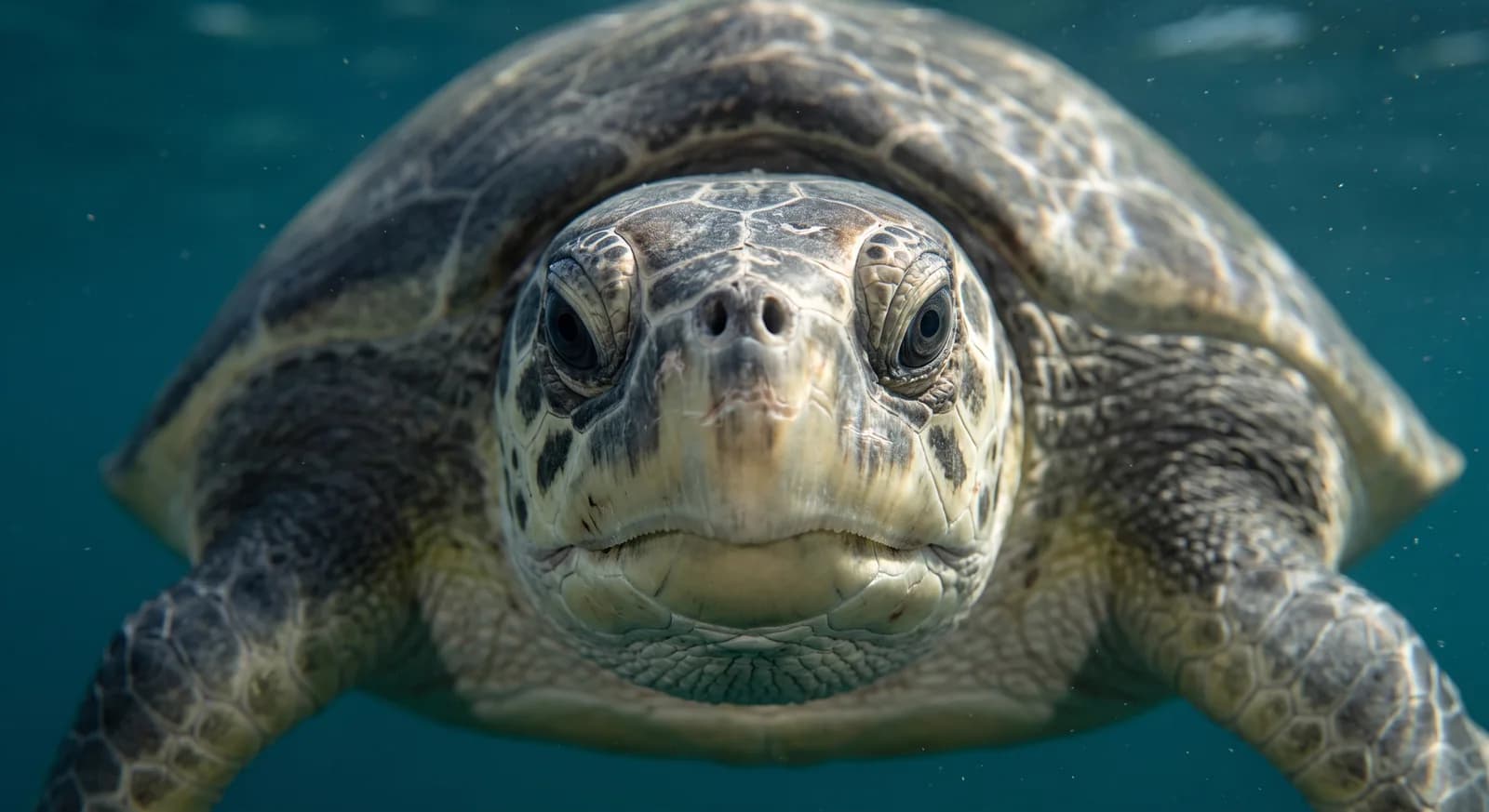
Now is a good time: Sea turtle nesting in Costa Rica (July to October at Tortuguero (peak in August and September); March to July for leatherbacks)
Which other parks are like this one?
Same country: Costa Rica
Based on what we already know about this park.
Share your experience visiting Área de Conservación Guanacaste, or a tip for other travellers.
Be the first to comment.
Climate
Tropical, Temperate, Mountain
Best season
December to April
Threatened:South American Bushmaster,Northern Tiger Cat
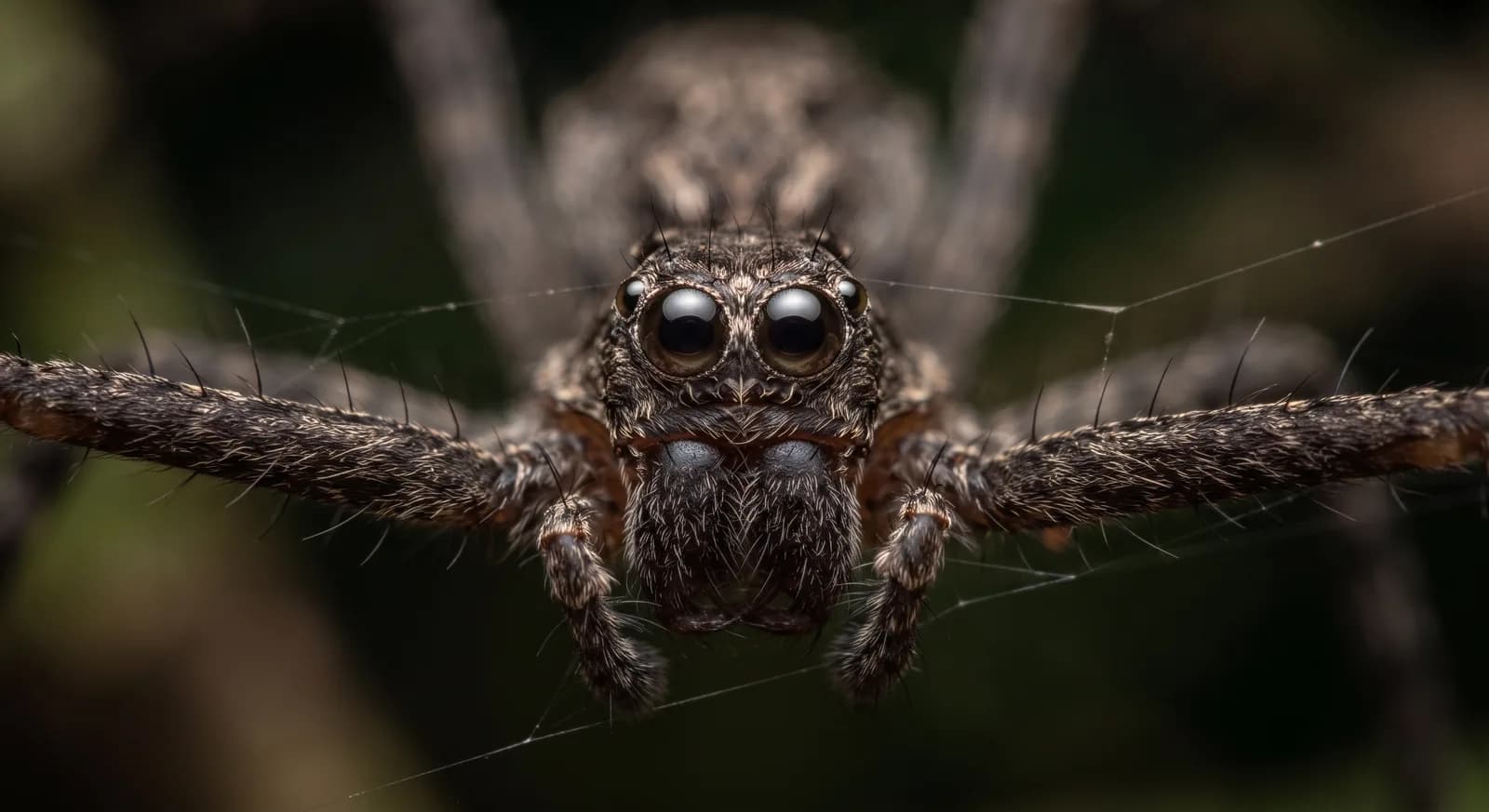
Not EvaluatedOgrefaced Spider
Deinopis spinosa
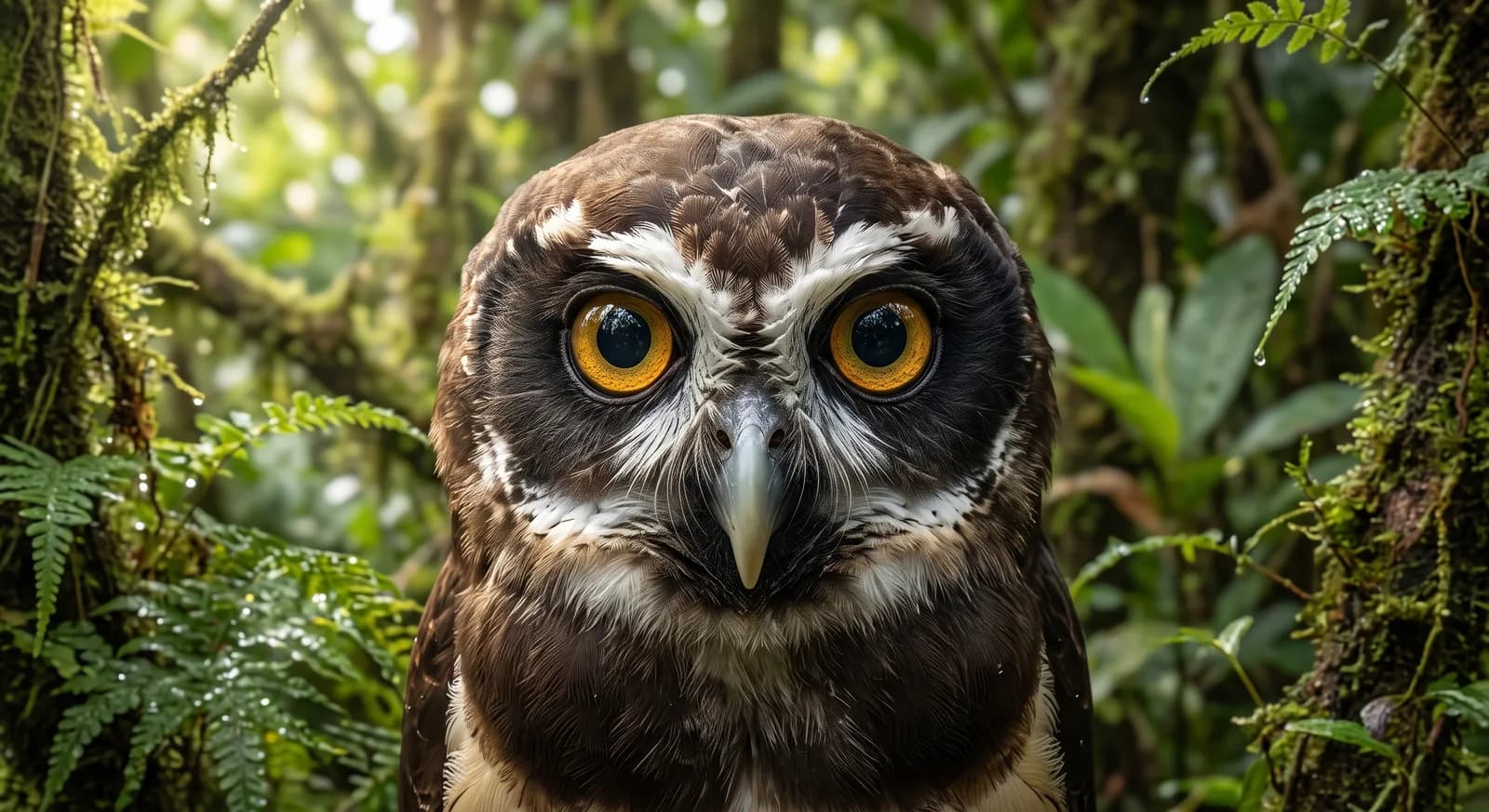
Least ConcernSpectacled Owl
Pulsatrix perspicillata
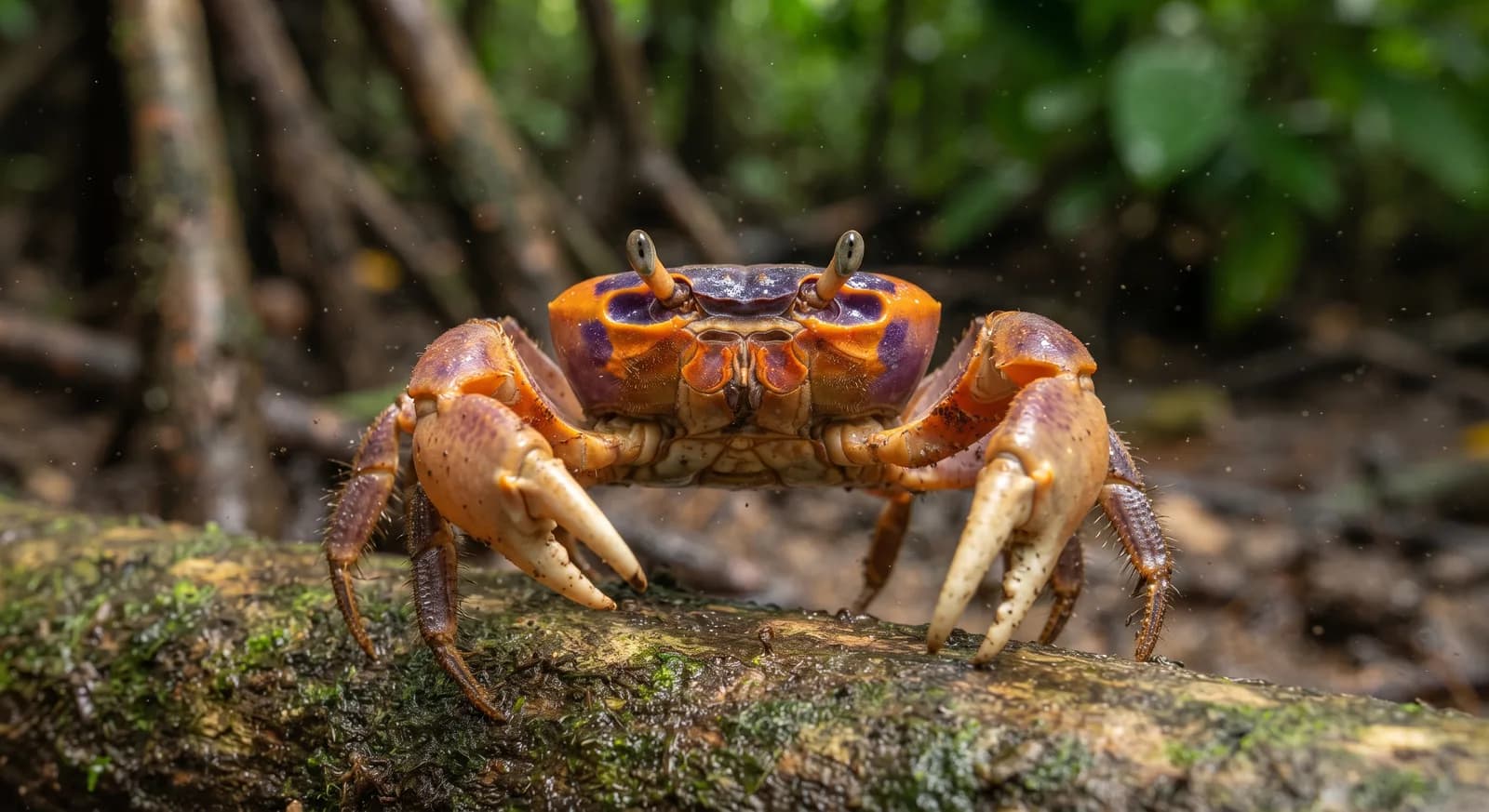
Not EvaluatedMoon Crab
Gecarcinus quadratus
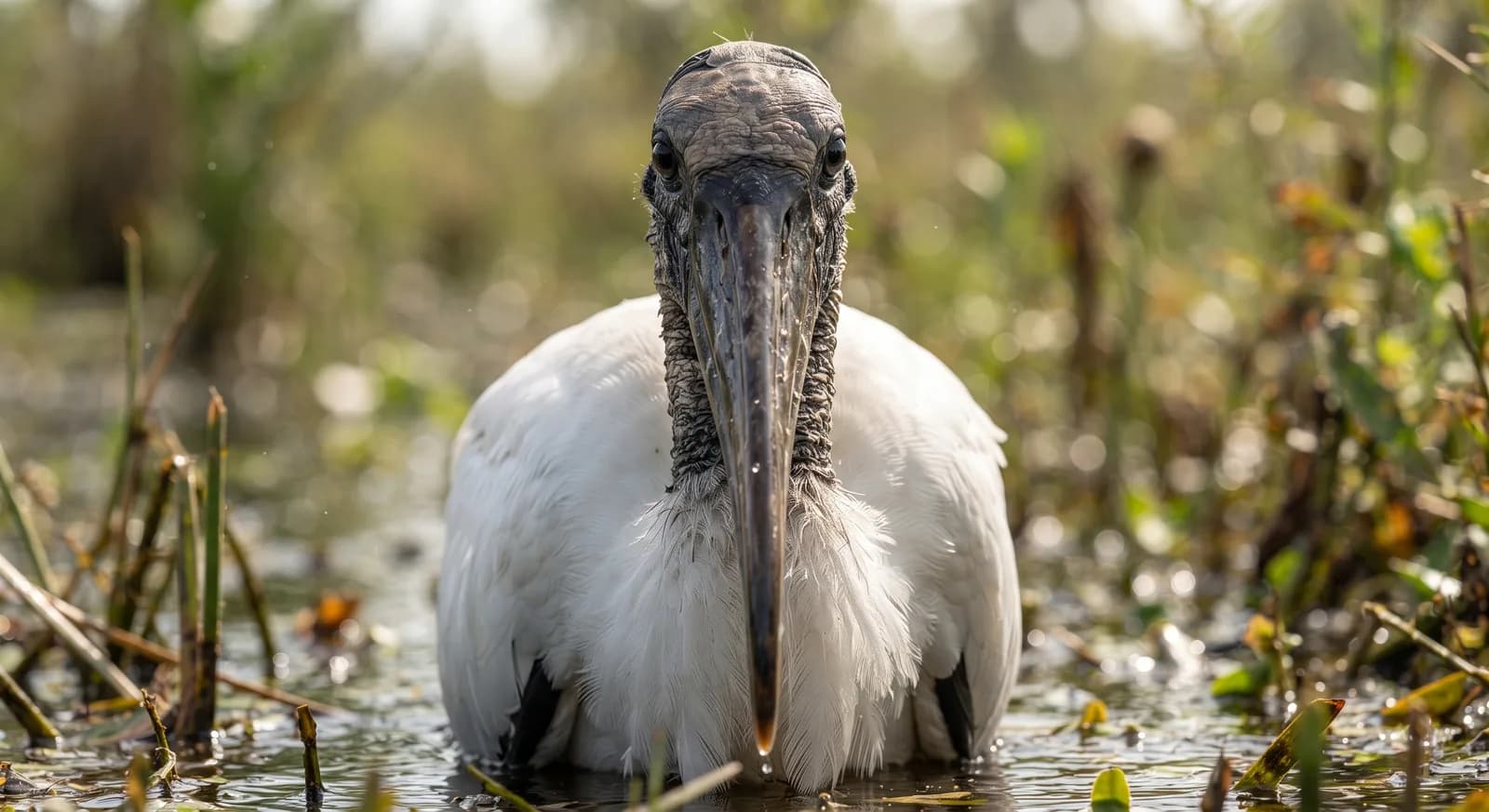
Least ConcernWood Stork
Mycteria americana
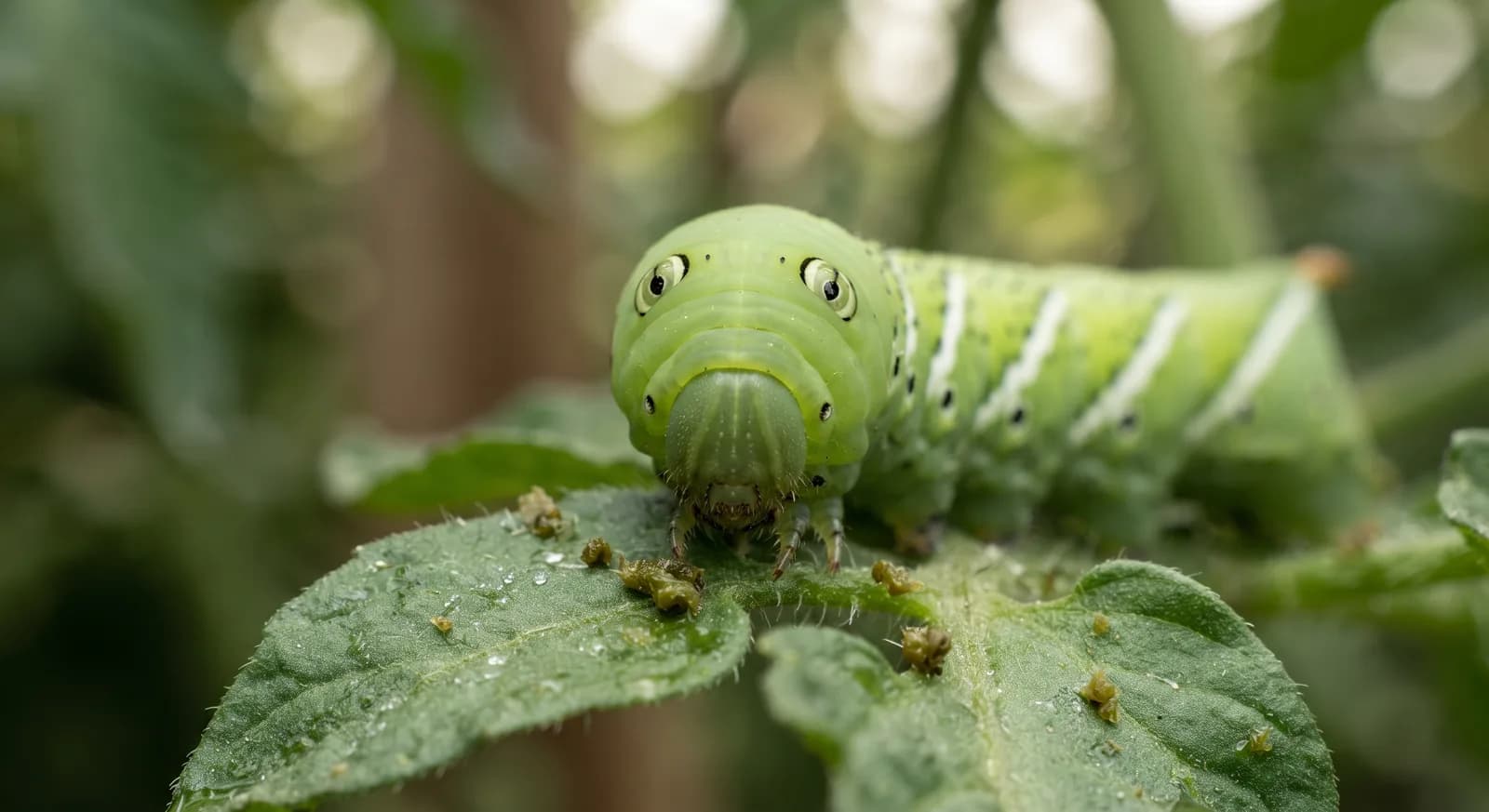
Not EvaluatedCarolina Sphinx
Manduca sexta
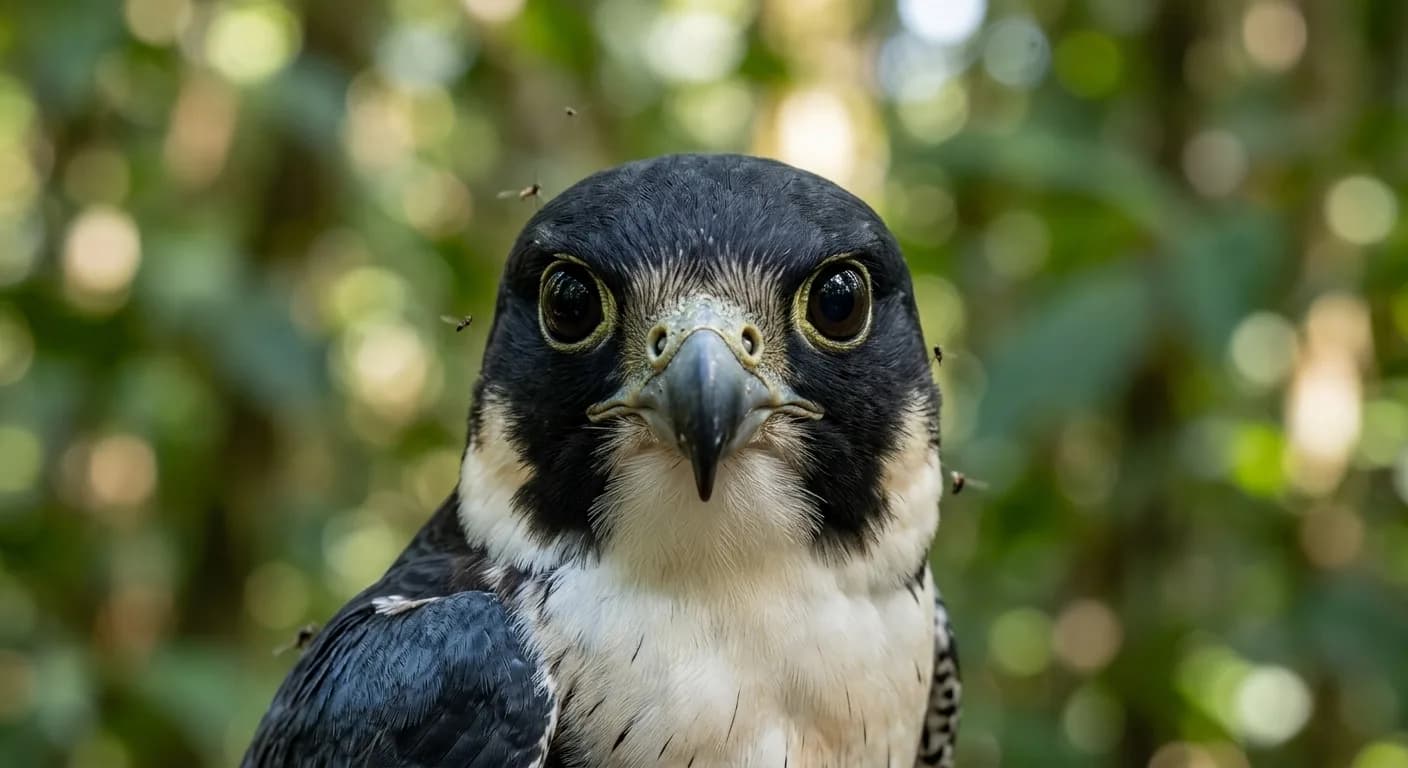
Least ConcernBat Falcon
Falco rufigularis
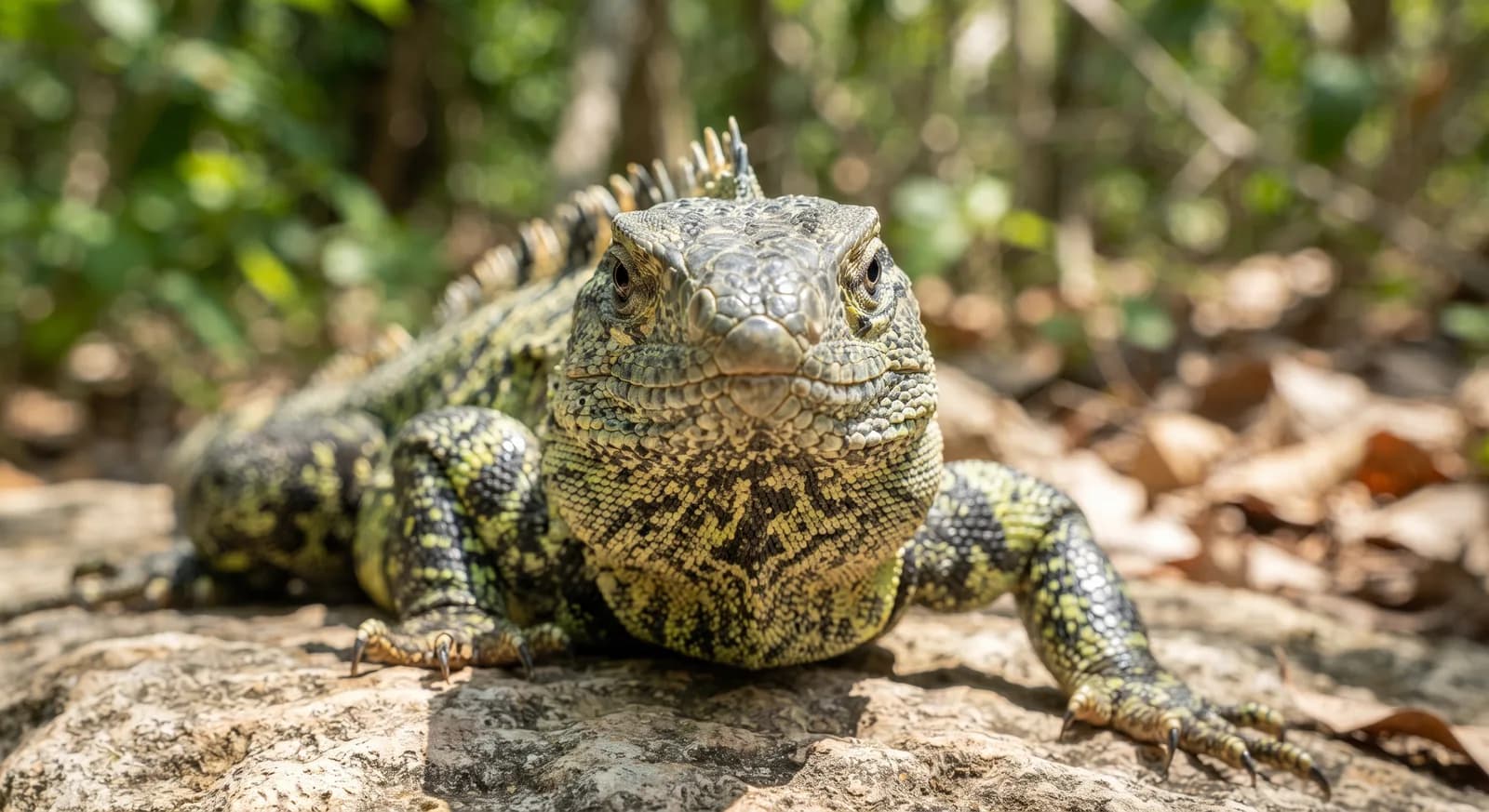
Least ConcernCommon Spiny-tailed Iguana
Ctenosaura similis
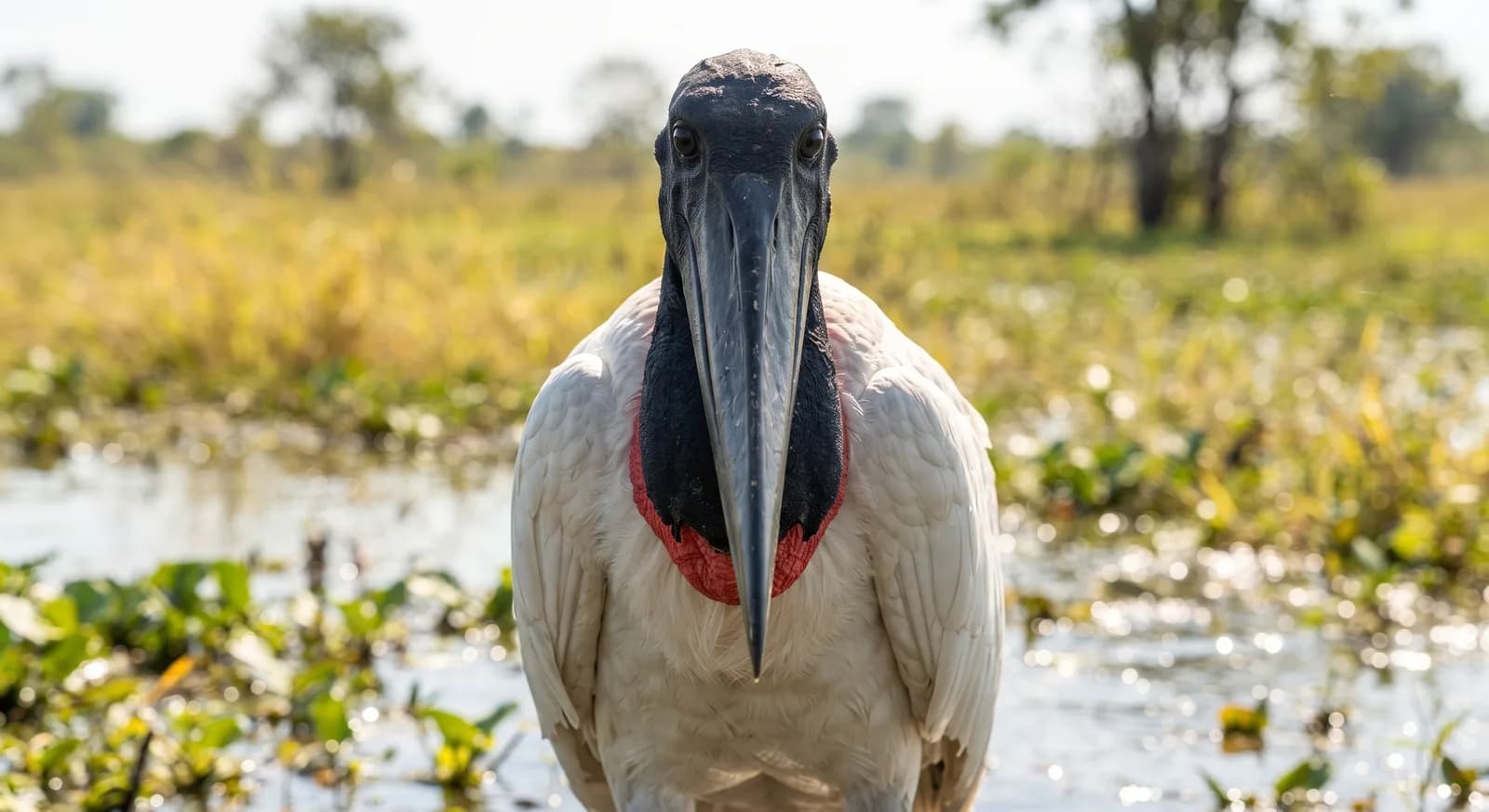
Least ConcernJabiru
Jabiru mycteria
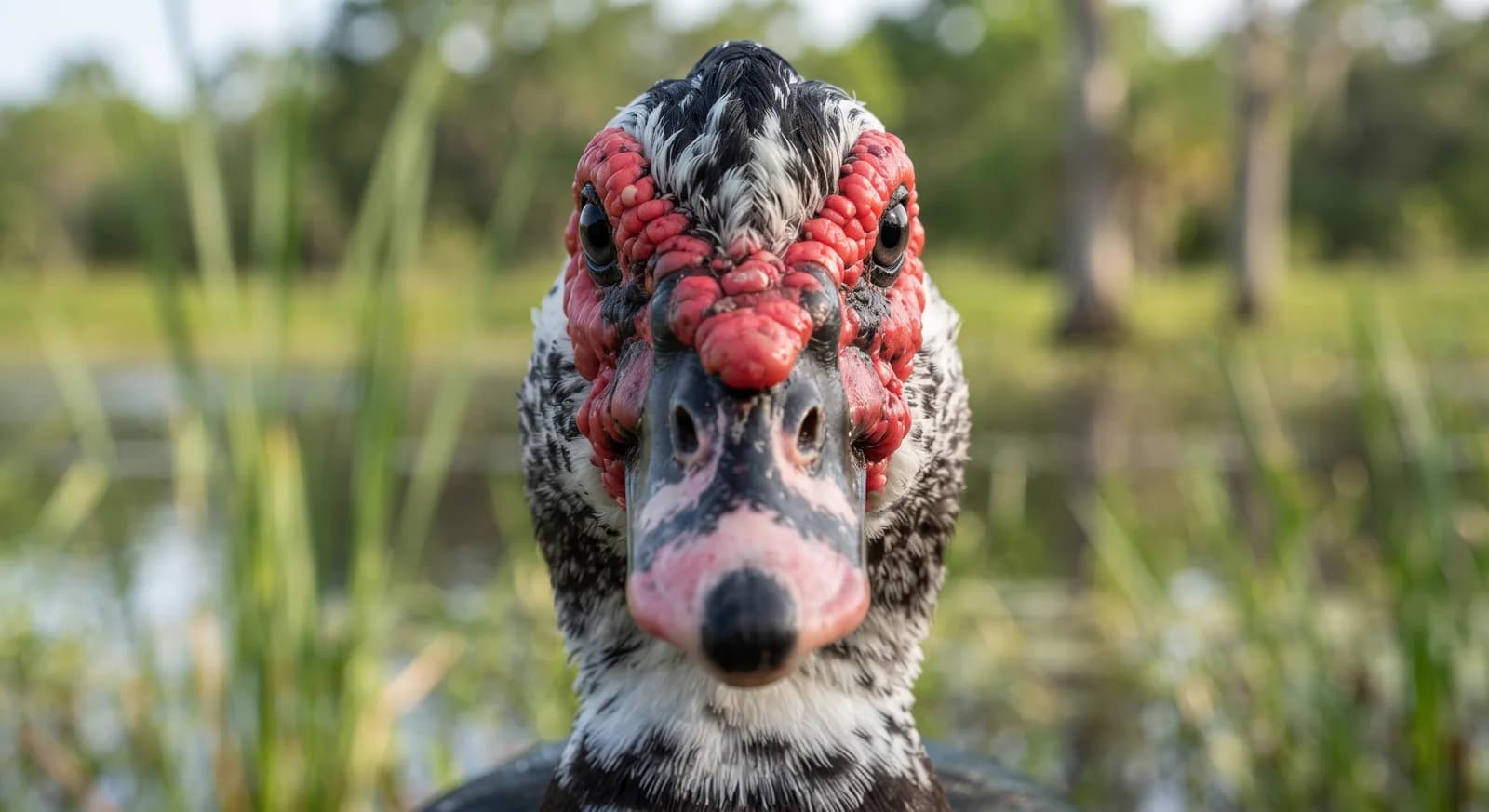
Least ConcernMuscovy Duck
Cairina moschata
Least ConcernCrested Guan
Penelope purpurascens
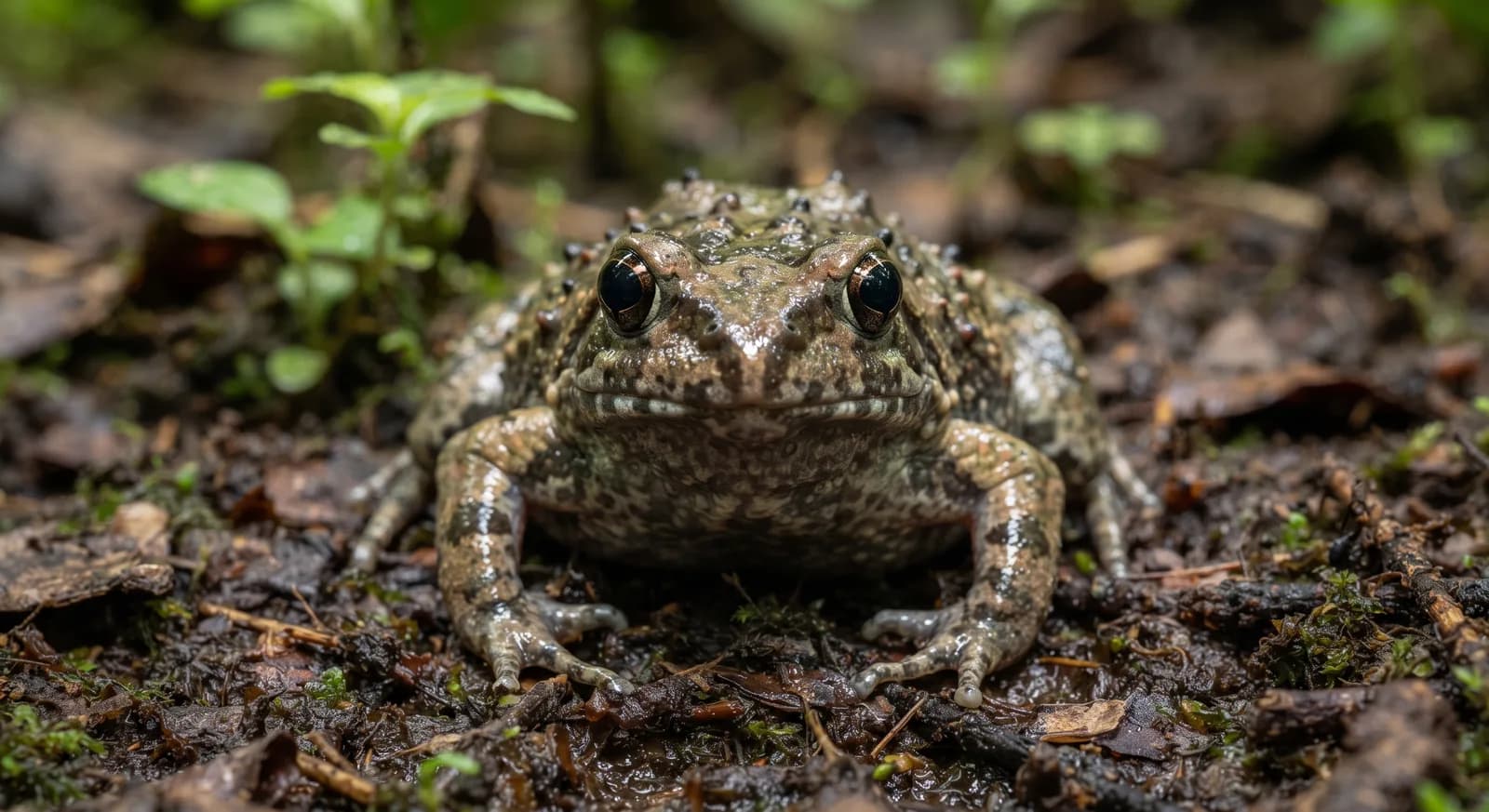
Least ConcernTungara Frog
Physalaemus pustulosus
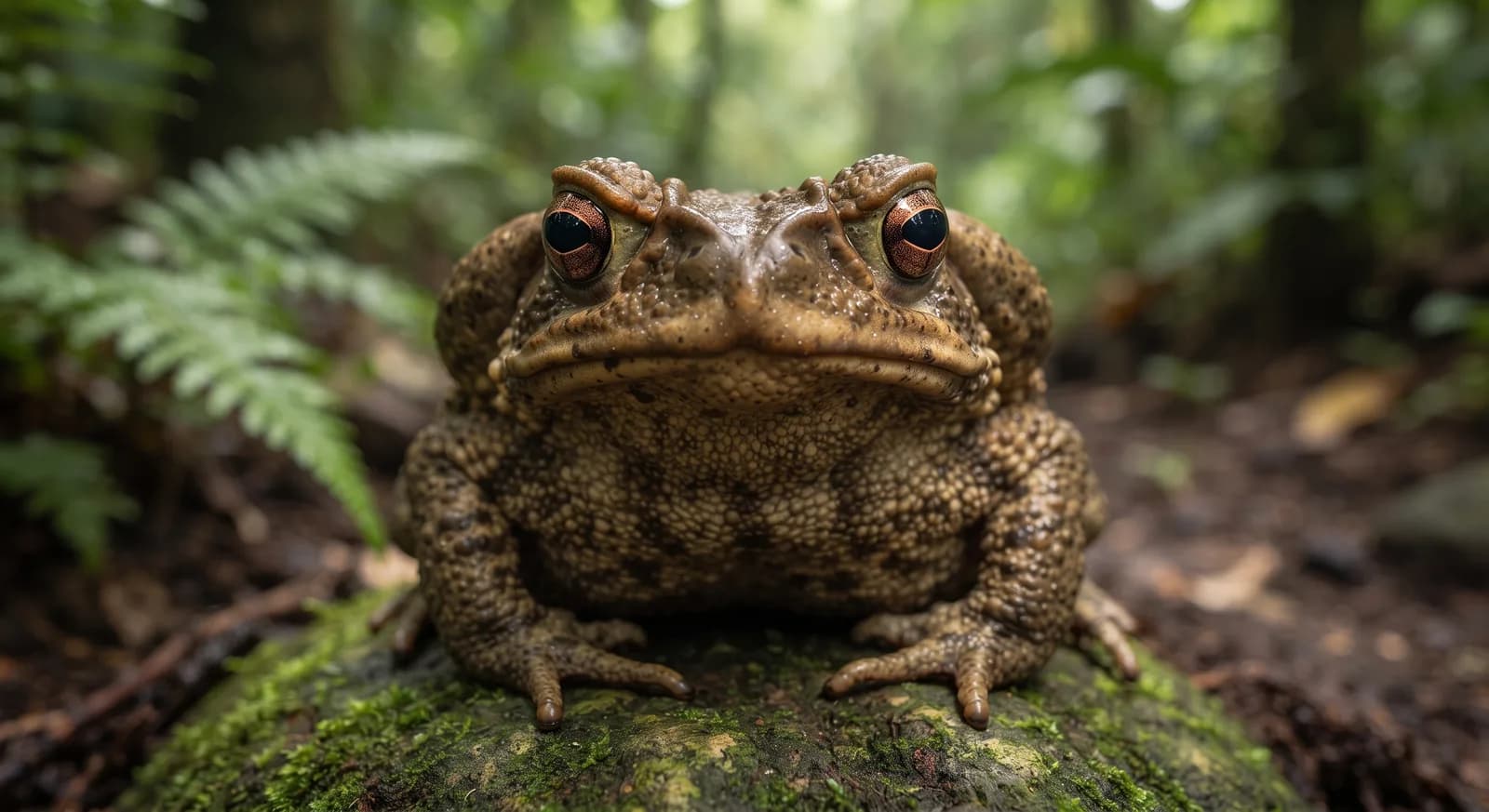
Least ConcernCane Toad
Rhinella marina
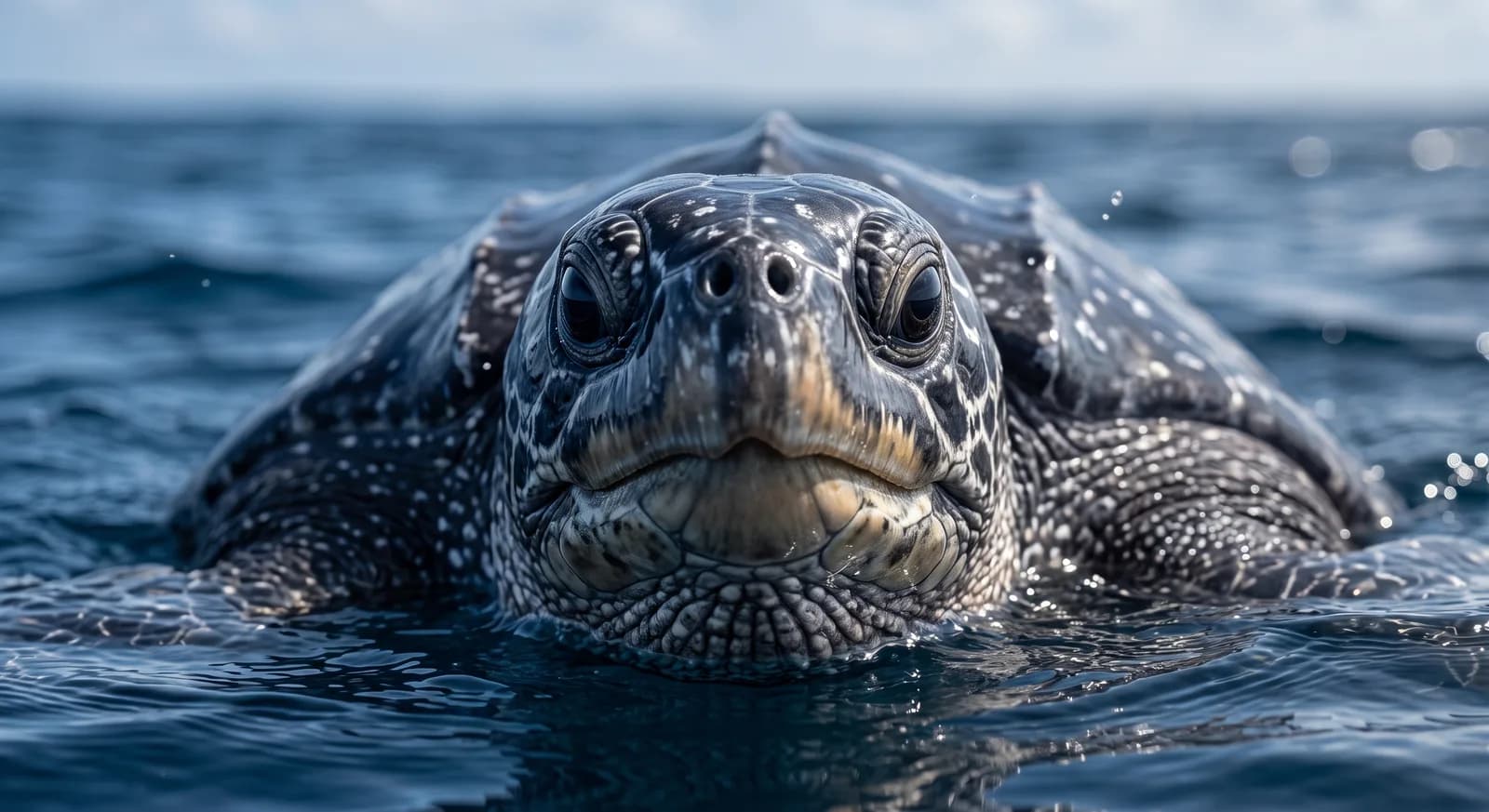
VulnerableLeatherback Sea Turtle
Dermochelys coriacea
Now is a good time: Sea turtle nesting in Costa Rica (July to October at Tortuguero (peak in August and September); March to July for leatherbacks)