Skip to content
WAnimals
  • Map
  • Species
  • Parks
  • Diving
Log inCreate account
WAnimals

The guide for travellers and animal lovers: discover, plan and share your wild adventures around the world.

Discover wildlife

  • Species
  • Ecosystems
  • Glossary
  • Tags

Explore places

  • Map
  • Countries
  • Parks
  • Diving

Plan experiences

  • Guides

Learn

  • Blog

Resources

  • Help centre
  • Contact
  • Install the app

Follow us

Account

  • Log in
  • Create account

© 2026 WAnimals. All rights reserved.

About usHow we build our profilesTerms of servicePrivacyLegal notice
MapSpeciesParksDiving
  1. Home
  2. Parks
  3. United Kingdom
  4. St Kilda
World Heritage Site (Mixed)UNESCO World Heritage

St Kilda

Western EuropeDesignated in 198624 km²
Spotted something wrong?

The United Kingdom's only mixed property: a volcanic archipelago uninhabited since 1930, with the largest seabird colony in Europe.

Area

24 km²

Designated in

1986

Region

Western Europe

Highlight

Cliffs and sea stacks holding more than a million seabirds

St Kilda is a group of remote islands in the North Atlantic some hundred kilometres west of the Scottish coast, beyond the Outer Hebrides. It comprises Hirta, Soay, Boreray, Dun and Levenish, along with numerous sea stacks among which Stac an Armin and Stac Lee stand out.

Its inscription came in three stages. UNESCO declared it a World Heritage Site in 1986 for its natural values, the first Scottish property on the List. In 2004 the property was extended to include the marine environment, practically doubling its area, and a further natural criterion was added. And in 2005 its cultural value was also recognised, making it a mixed property: it is the only one in the United Kingdom with that status and one of the few in the world.

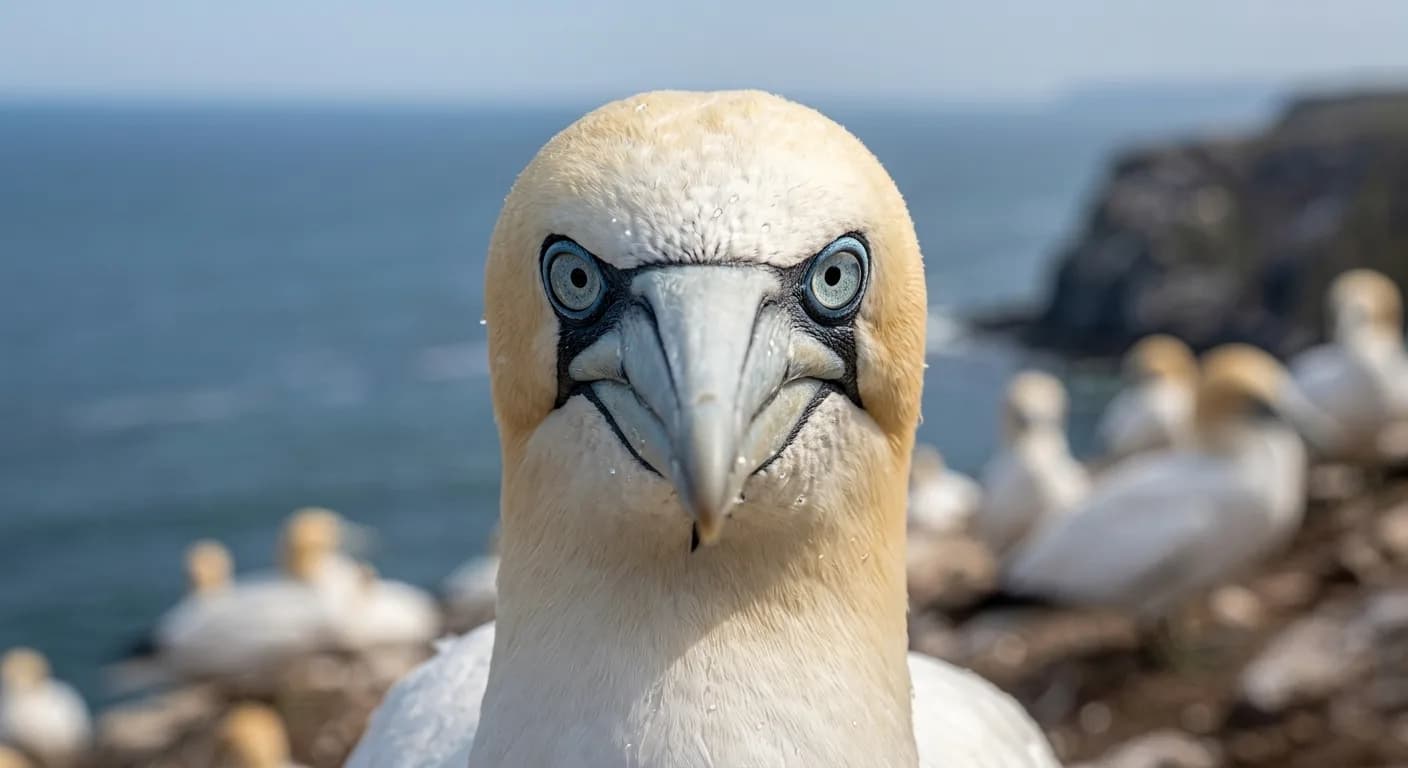
The cliffs hold more than a million seabirds, with the largest colony in Europe and densities exceptional for so small an area, thanks to the variety of ecological niches: gannets, puffins, Leach's storm petrels and fulmars. The last inhabitants were evacuated in 1930, ending some four thousand years of continuous human occupation. They had survived on a subsistence economy based on harvesting seabirds for food, feathers and oil, alongside farming and the Soay sheep, a primitive breed that remains on the islands in a feral state. From that life remain the cleits, thousands of drystone structures used for drying and storage, and the traditional houses of Village Bay.
Location

Loading map…

2 dive sites within 300 km are also shown.

St Kilda: 123 documented species

Mammals5Birds13Cartilaginous fish16

Flora and ecosystems

Ecosystems found in the United Kingdom, where St Kilda lies.

Temperate forestMarine / coastalWetland

Experiences in this park

Diving and snorkellingBirdwatching

Nearby dive sites

Where can I dive near here?

254 km away

283 km away

Wildlife you can see now

What is worth looking out for this month in the United Kingdom?

Now is a good time: Grey seal pupping at Donna Nook (Late October to December (peak in late November))

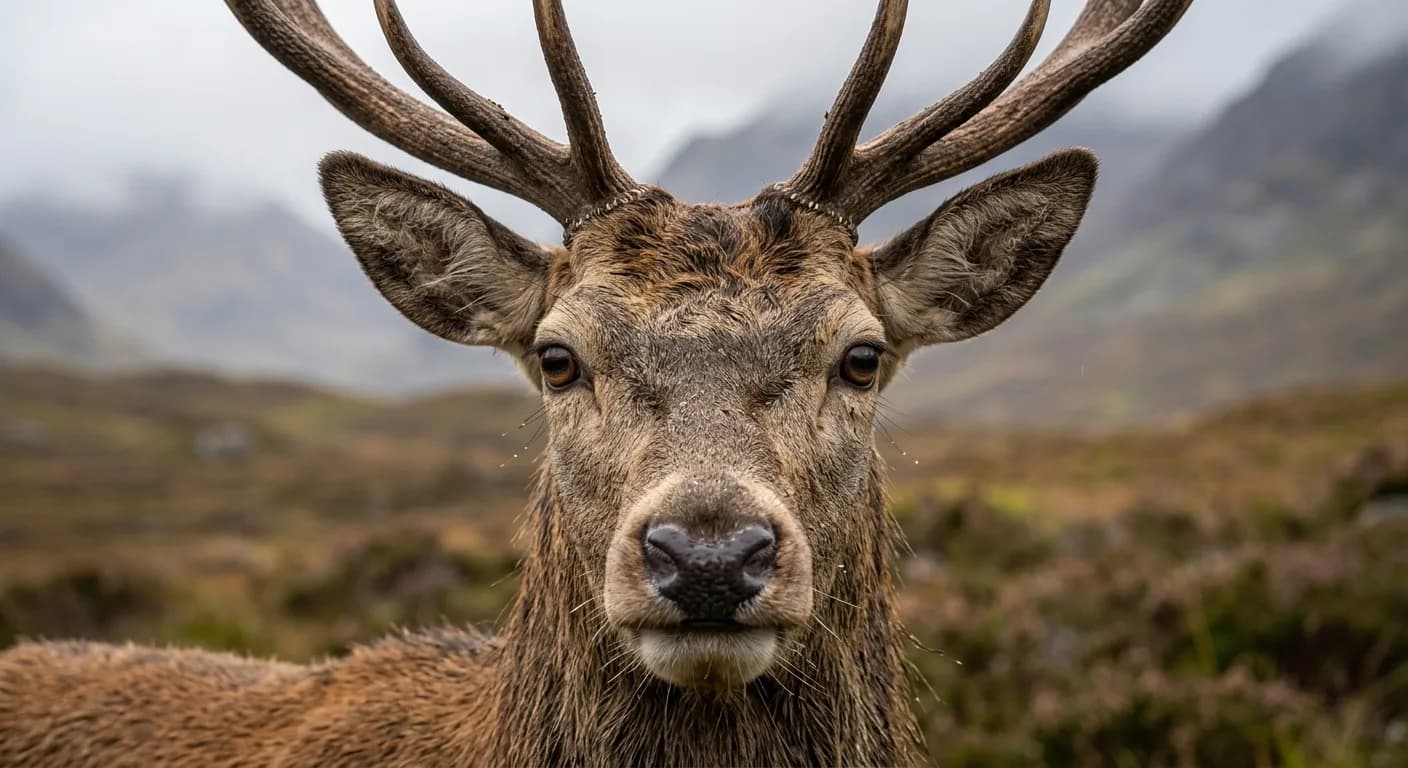
Now is a good time: Red deer rut in Scotland (September to November (peak late Sep-Oct))

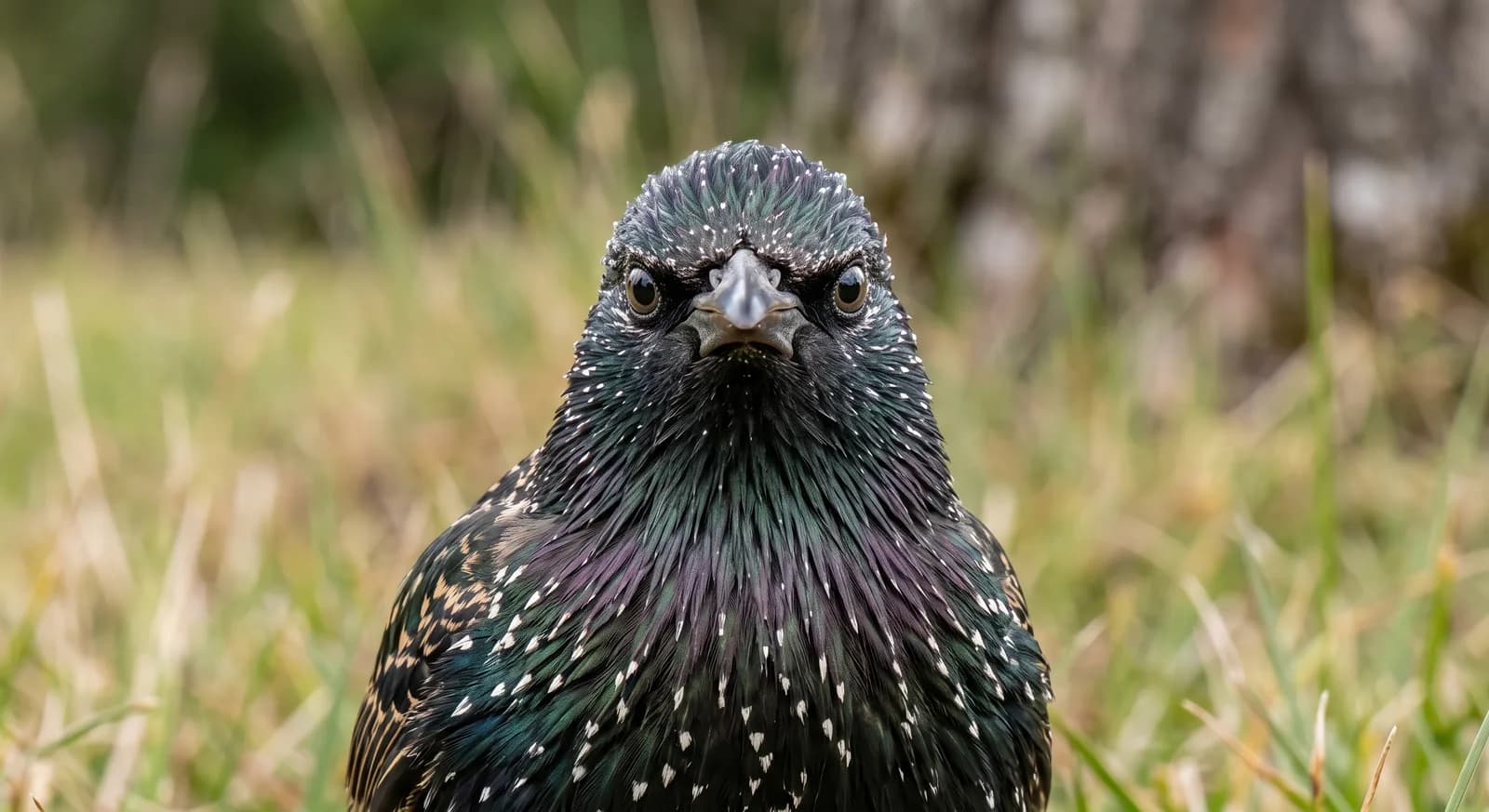
Now is a good time: Starling murmurations in the United Kingdom (October to March (peak Nov-Jan))

Similar parks

Which other parks are like this one?

Same country: United Kingdom

Same country: United Kingdom

Same country: United Kingdom

Same country: United Kingdom

Keep exploring

Based on what we already know about this park.

Comments

Share your experience visiting St Kilda, or a tip for other travellers.

Be the first to comment.

Climate

Temperate

Best season

May to September

Plan your visit

Best season
May to September
Area
24 km²
More places in the United KingdomSee location
Fish37
Bivalvia7
Malacostraca14
Cephalopoda2
Hydrozoa1
Echinoidea2
Asteroidea1
Petromyzontida1
Scyphozoa3
Myxini1
Ophiuroidea2
Cirripedia3
Thaliacea1
Gastropoda5
Anopla1
Polychaeta3
Ascidiacea1
Crinoidea1
Holothuroidea1
Anthozoa2

Threatened:Atlantic Bluefin Tuna,Cod,Atlantic Puffin,Horse Mackerel,Spurdog,Smooth-hound,Ocean Sunfish,Sei Whale,Basking Shark,Grayfish,Bluefish,Topeand 7 more

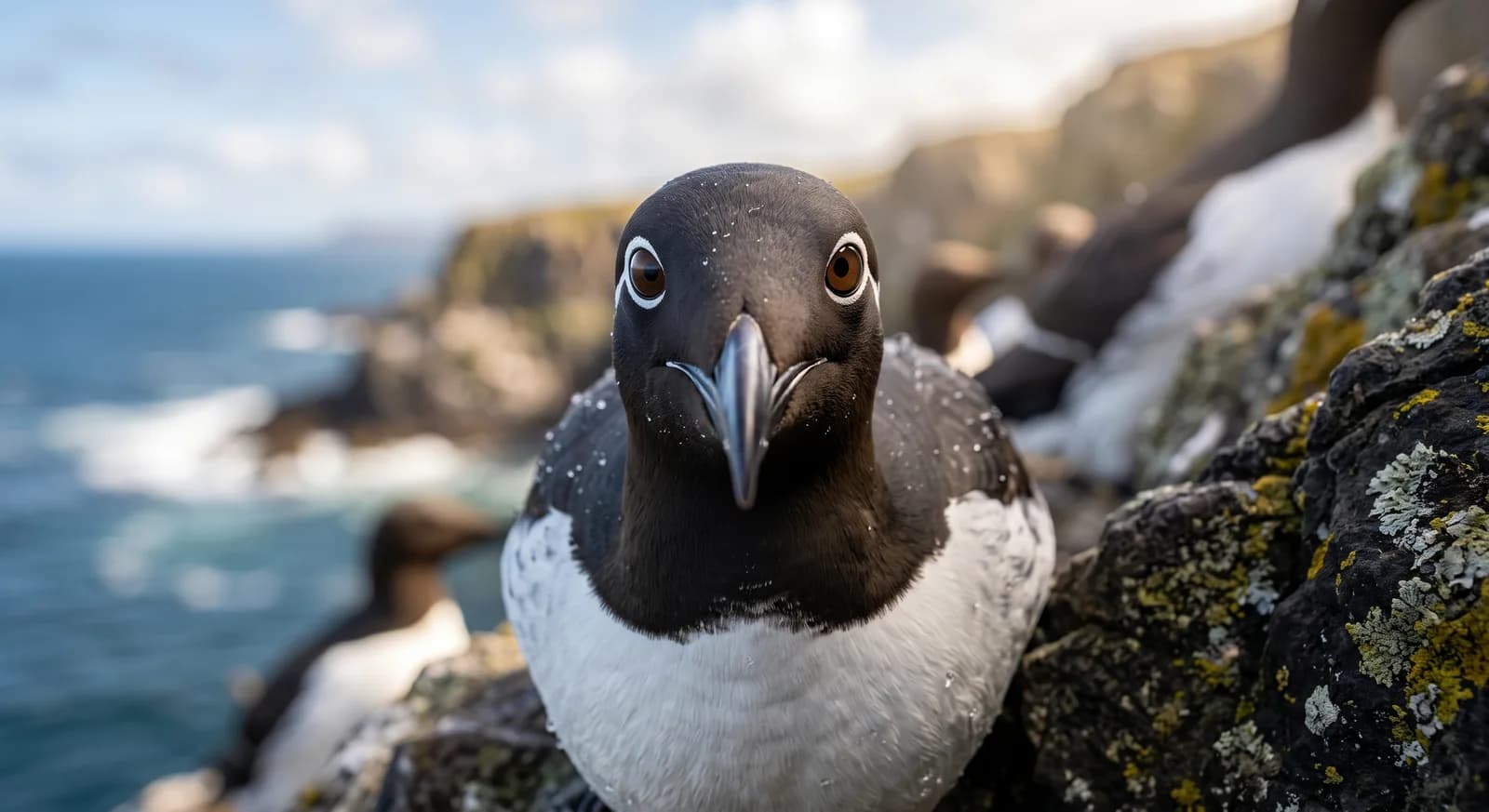
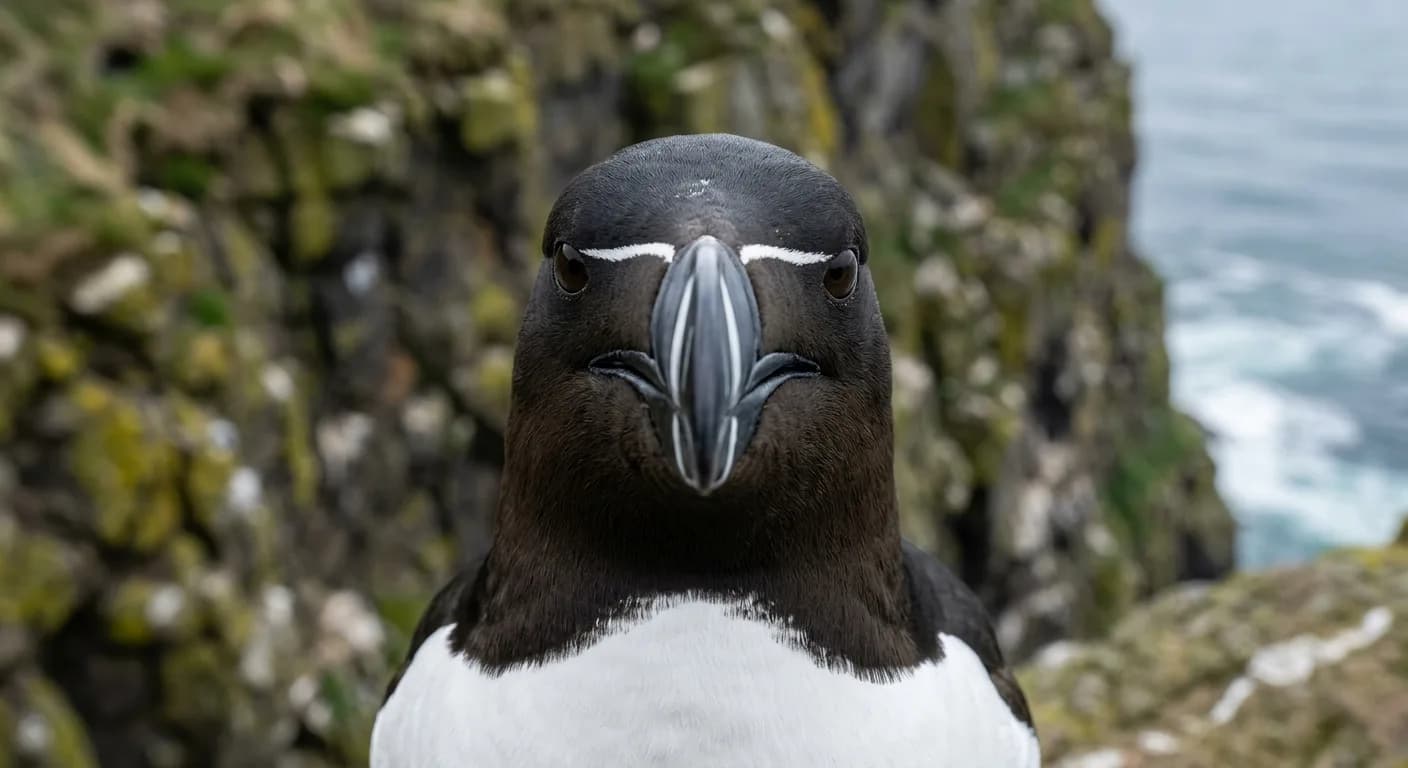
RazorbillLeast Concern

Razorbill

Alca torda

Northern GannetLeast Concern

Northern Gannet

Morus bassanus

Common MurreLeast Concern

Common Murre

Uria aalge

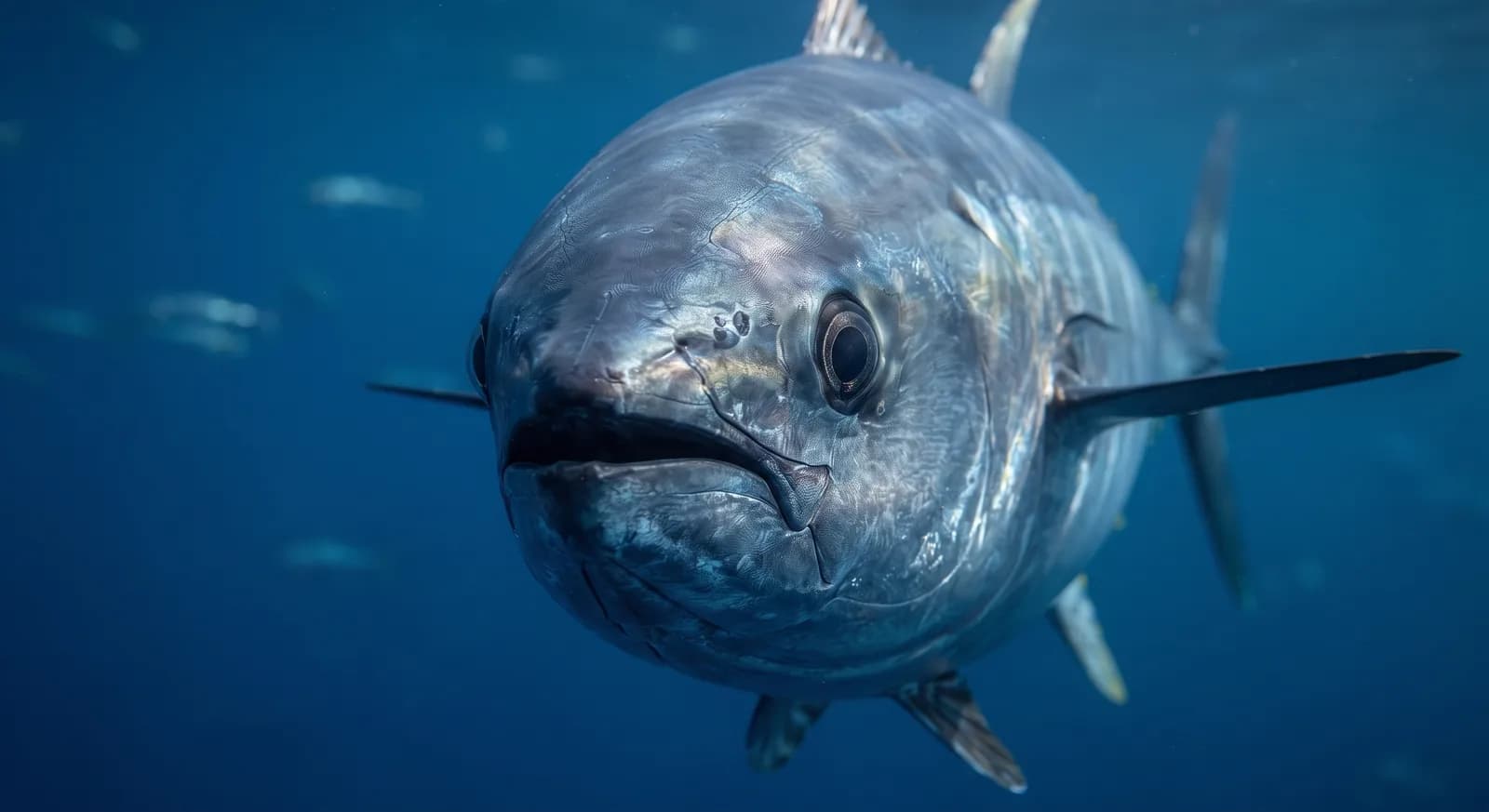
Atlantic Bluefin TunaEndangered

Atlantic Bluefin Tuna

Thunnus thynnus

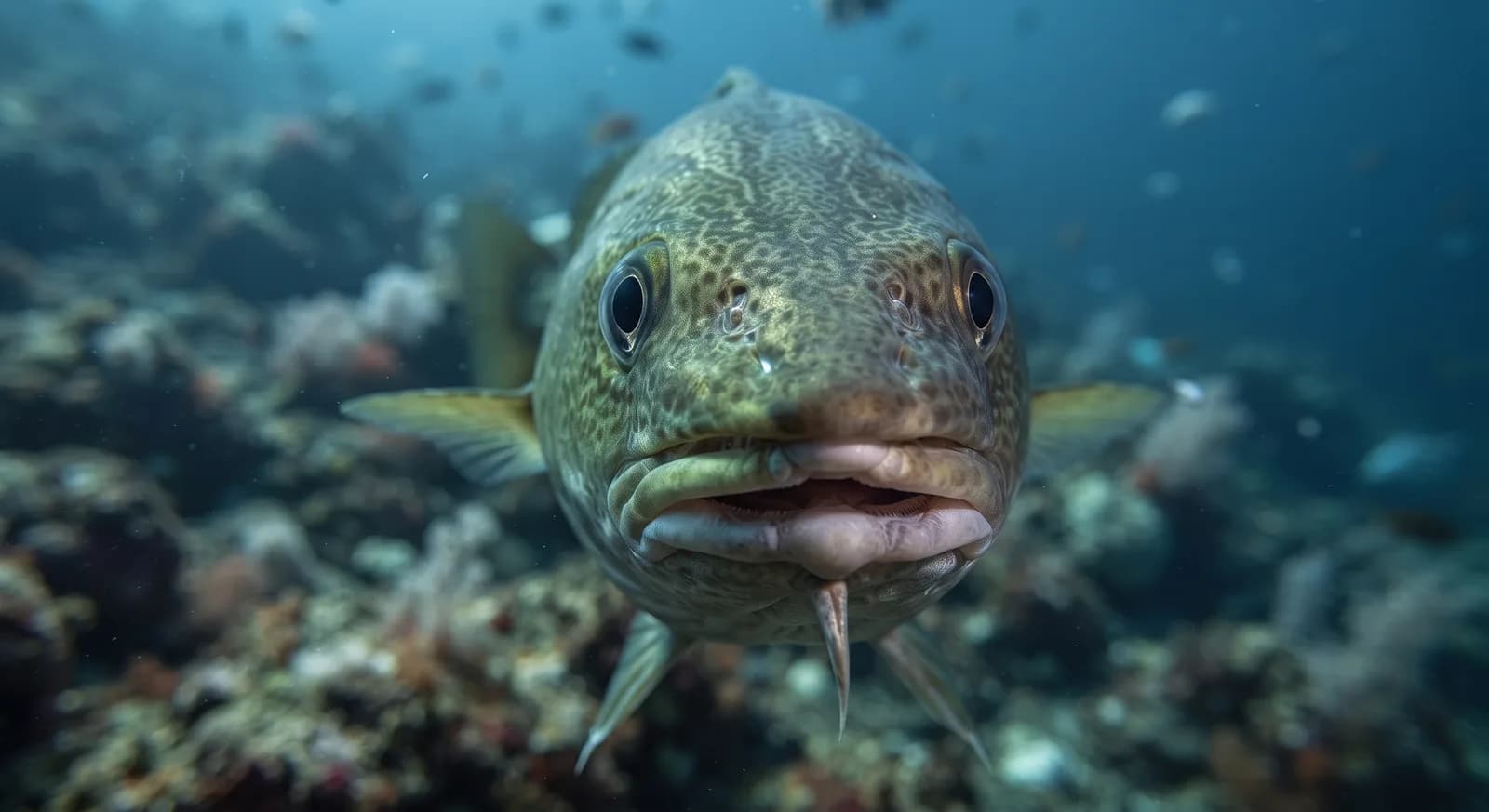
CodVulnerable

Cod

Gadus morhua

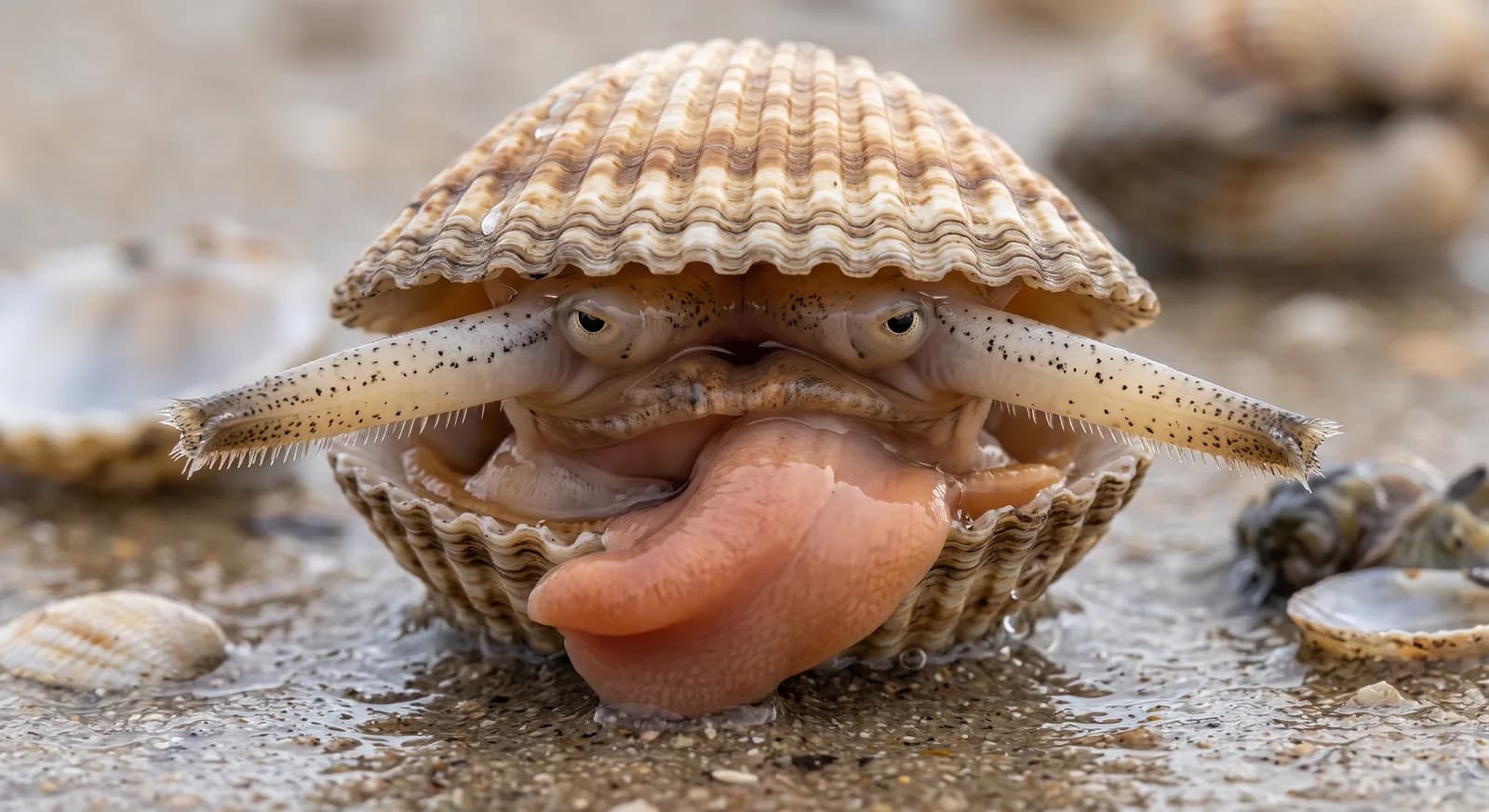
Common CockleNot Evaluated

Common Cockle

Cerastoderma edule

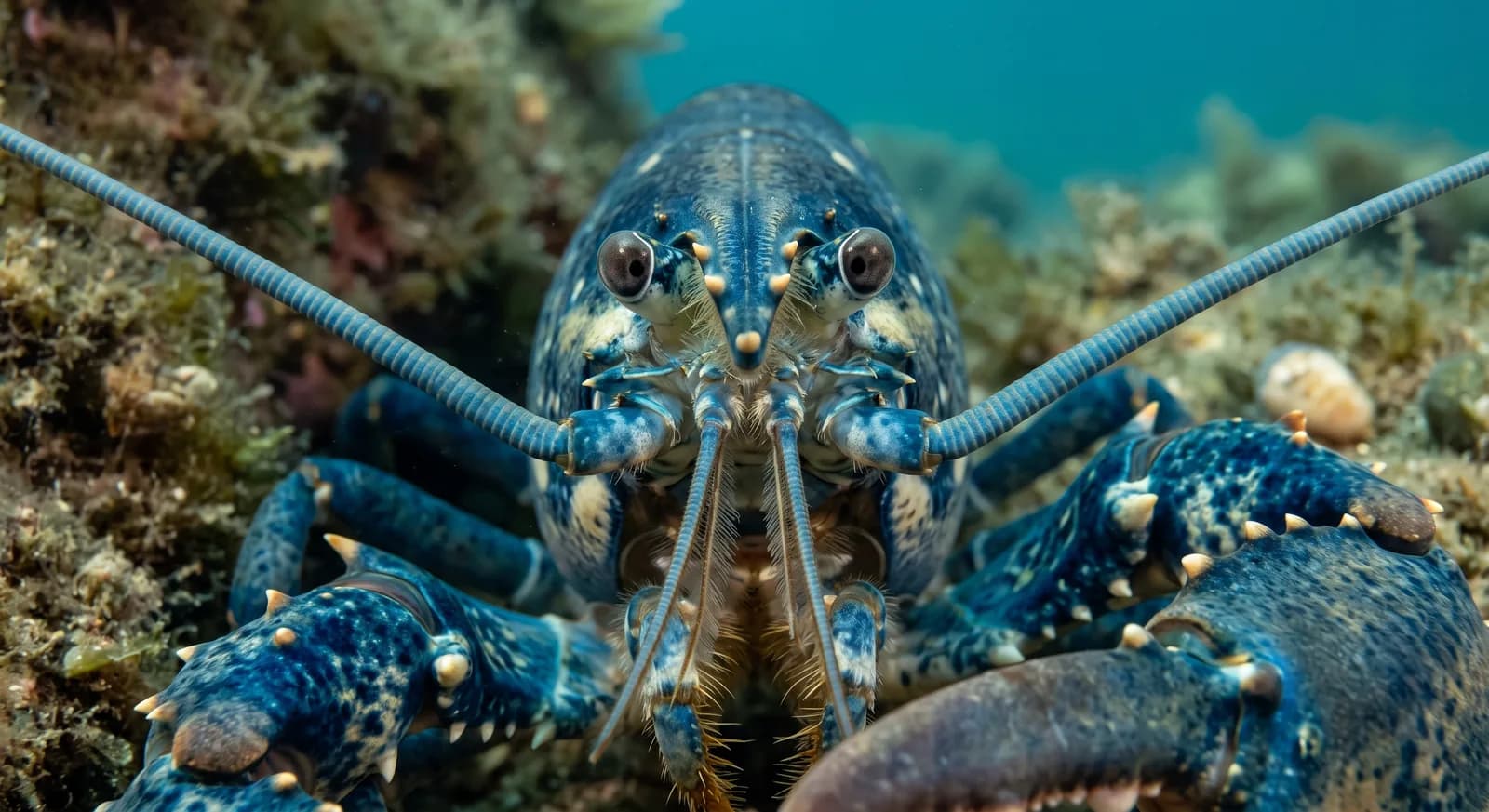
Common LobsterLeast Concern

Common Lobster

Homarus gammarus

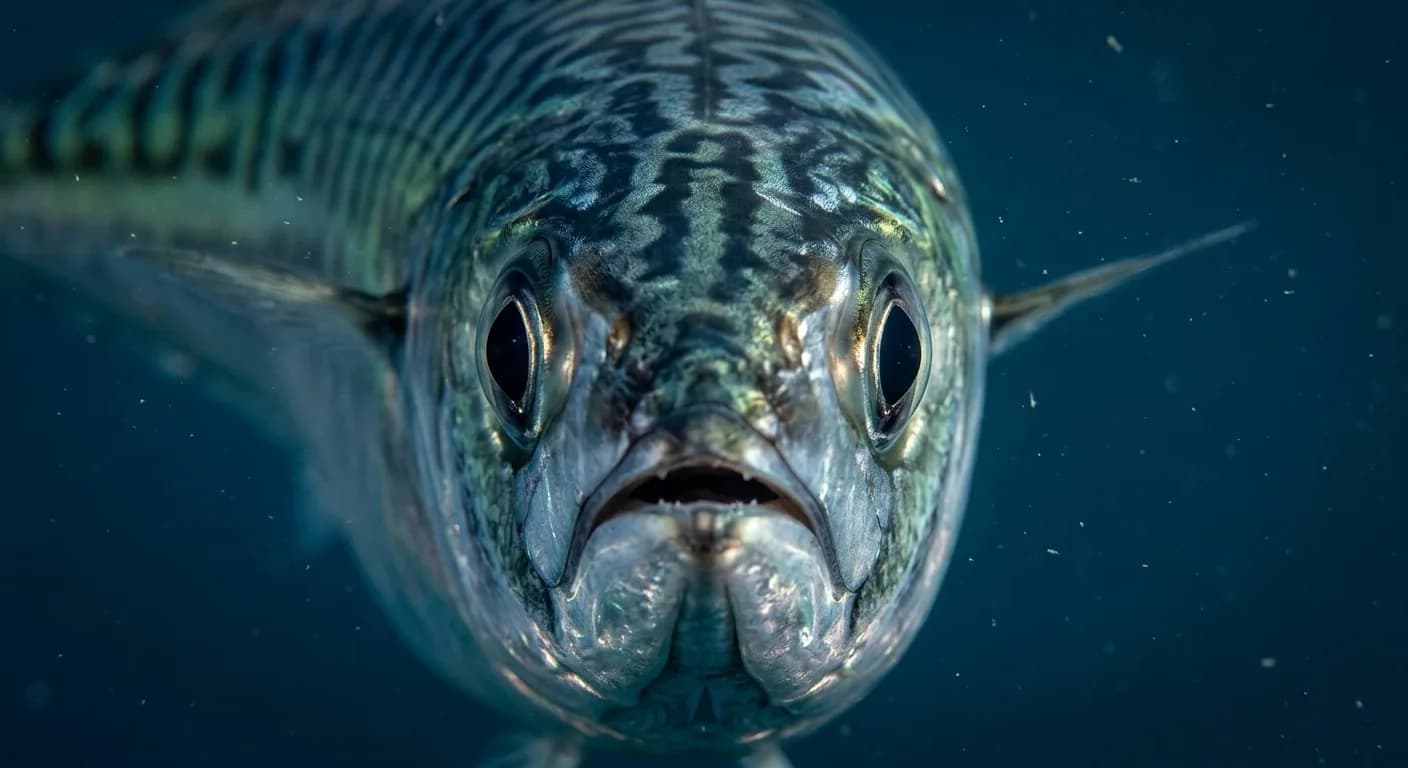
MackerelLeast Concern

Mackerel

Scomber scombrus

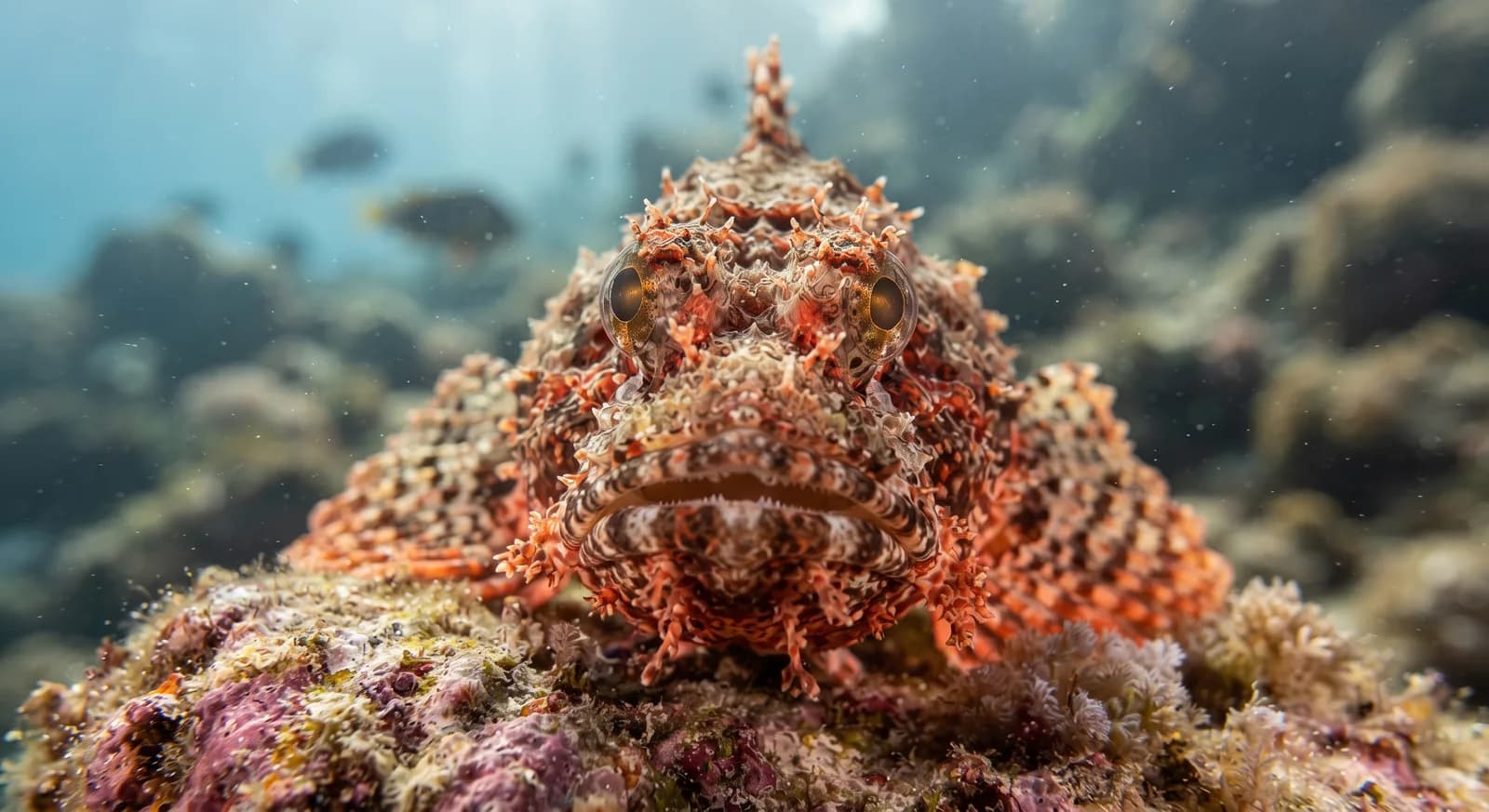
Red ScorpionfishLeast Concern

Red Scorpionfish

Scorpaena scrofa

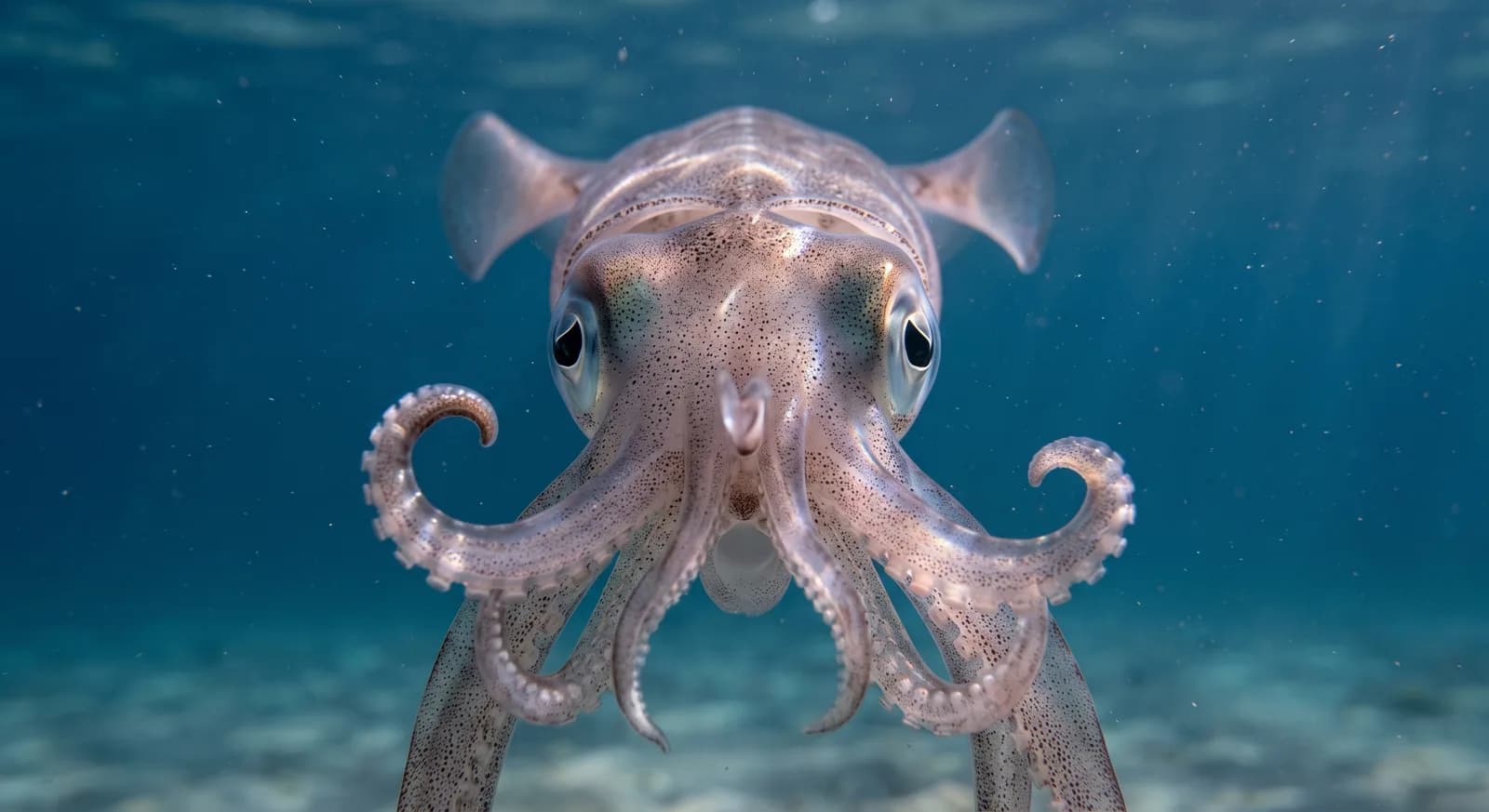
European SquidNot Evaluated

European Squid

Loligo vulgaris

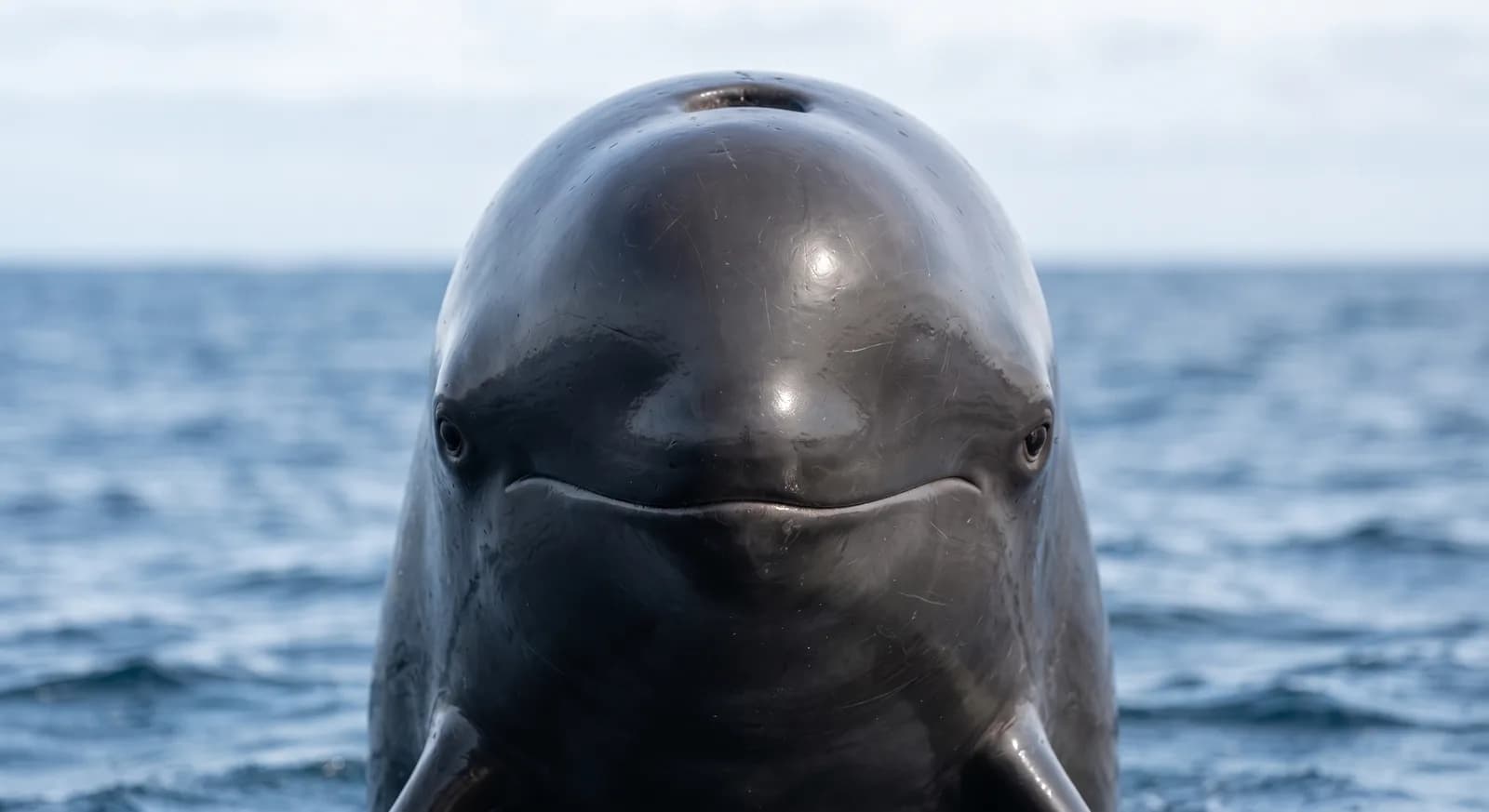
Long-finned Pilot WhaleLeast Concern

Long-finned Pilot Whale

Globicephala melas

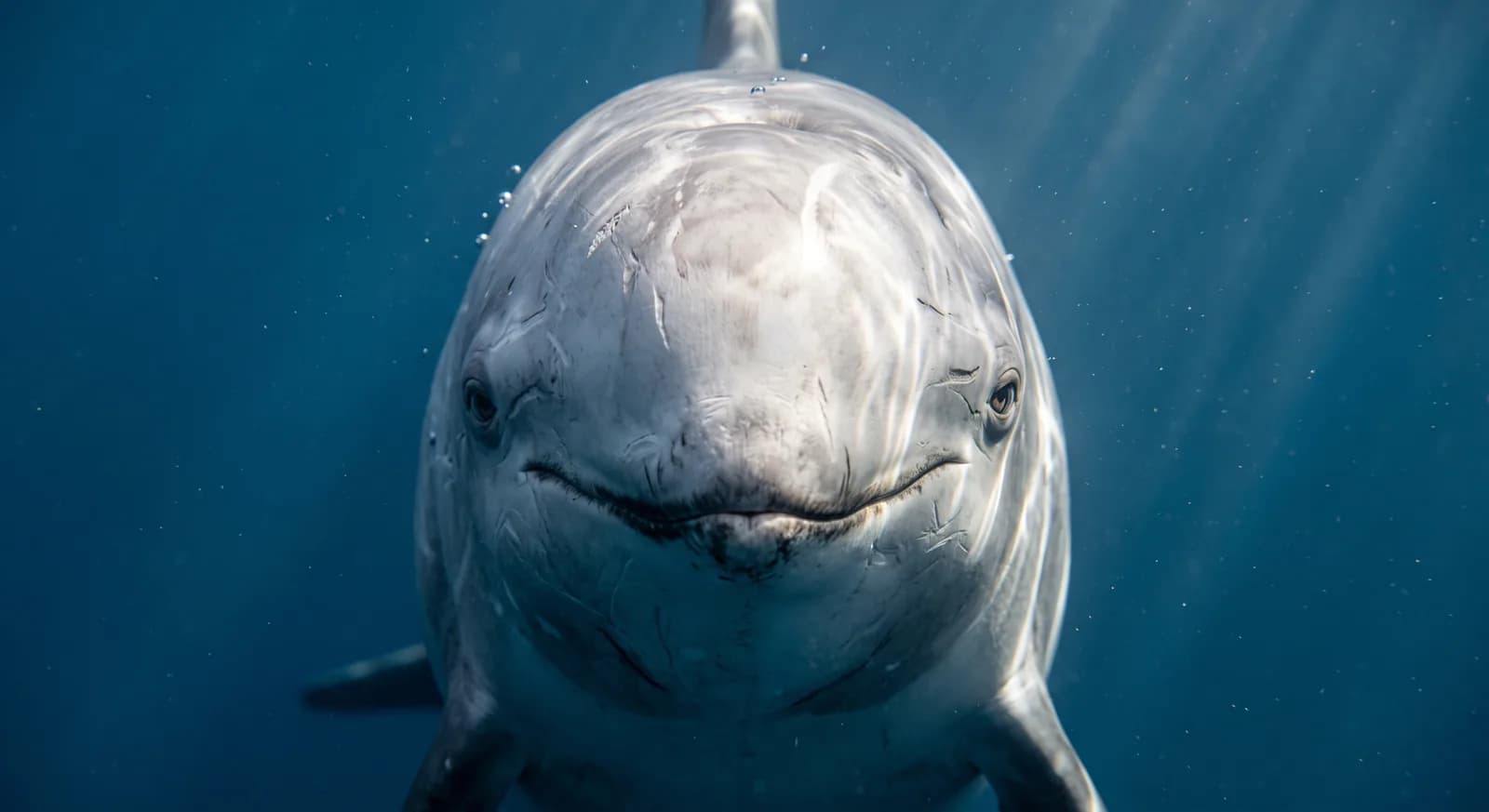
Risso's DolphinLeast Concern

Risso's Dolphin

Grampus griseus

See all 123 species found here

Northern GannetLeast Concern

Northern Gannet

Morus bassanus

Now is a good time: Northern gannet colony on Bass Rock (Late February to October (peak Jun-Aug))

United Kingdom · Western Europe
See on the interactive map→

Loch Ness

Malin Head

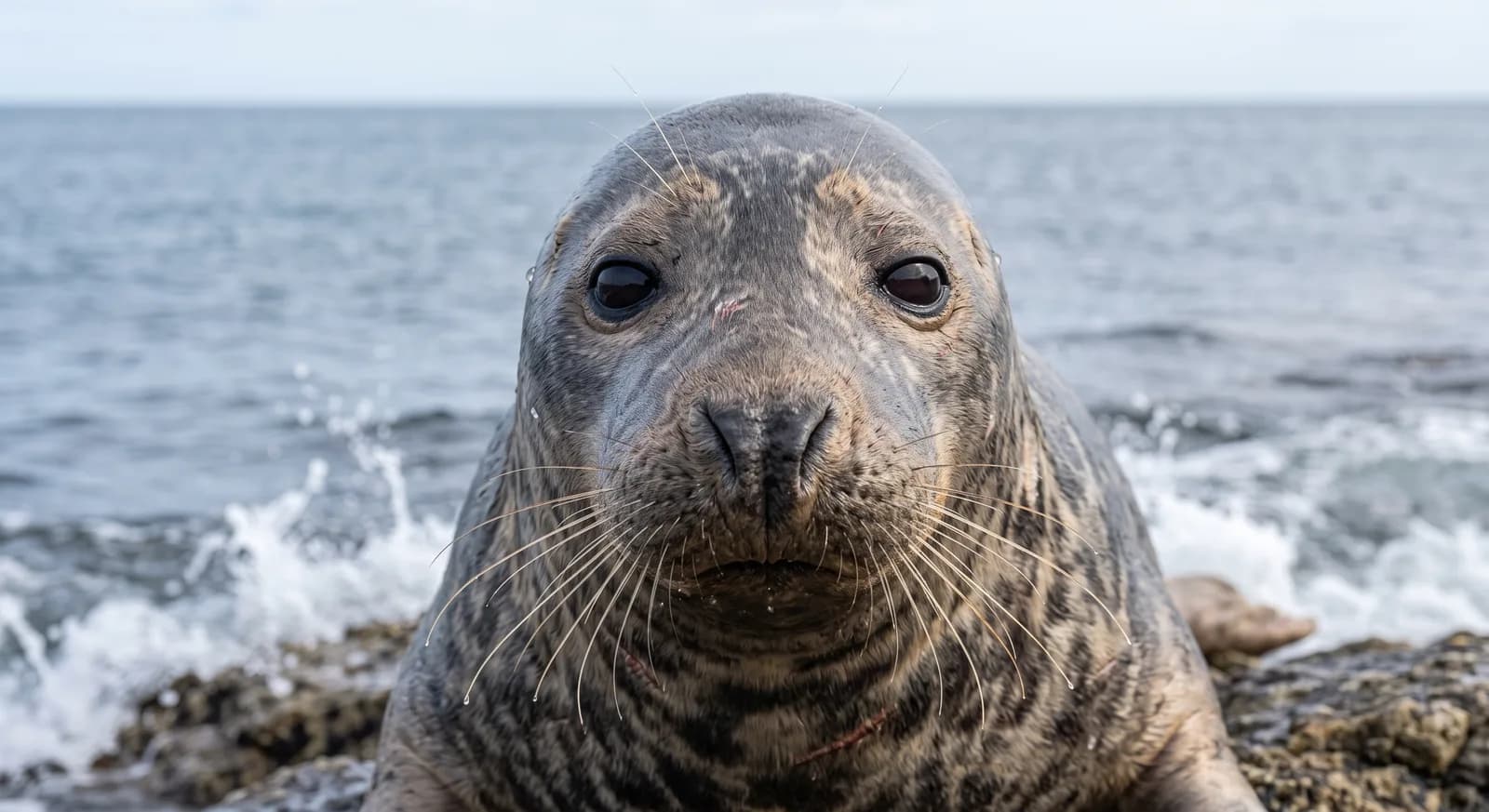
Grey SealLeast Concern

Grey Seal

Halichoerus grypus

Red DeerLeast Concern

Red Deer

Cervus elaphus

Common StarlingLeast Concern

Common Starling

Sturnus vulgaris

National Park (protected landscape)

Snowdonia (Eryri)

United Kingdom

Feral goat

May to September

See park
National Park

The Broads

United Kingdom

British Swallowtail Butterfly · Eurasian Bittern

May to September

See park
National Park

North York Moors

United Kingdom

Willow Ptarmigan · Golden Plover

May to September

See park
UNESCO
World Heritage Site (Natural)

Giant's Causeway

United Kingdom

Fulmar · European Shag

May to September

See park
DivingLoch Ness254 km away
CountryUnited Kingdom
This page in other languages: Español · Deutsch · Français · Português · Italiano
World Heritage