 Not Evaluated
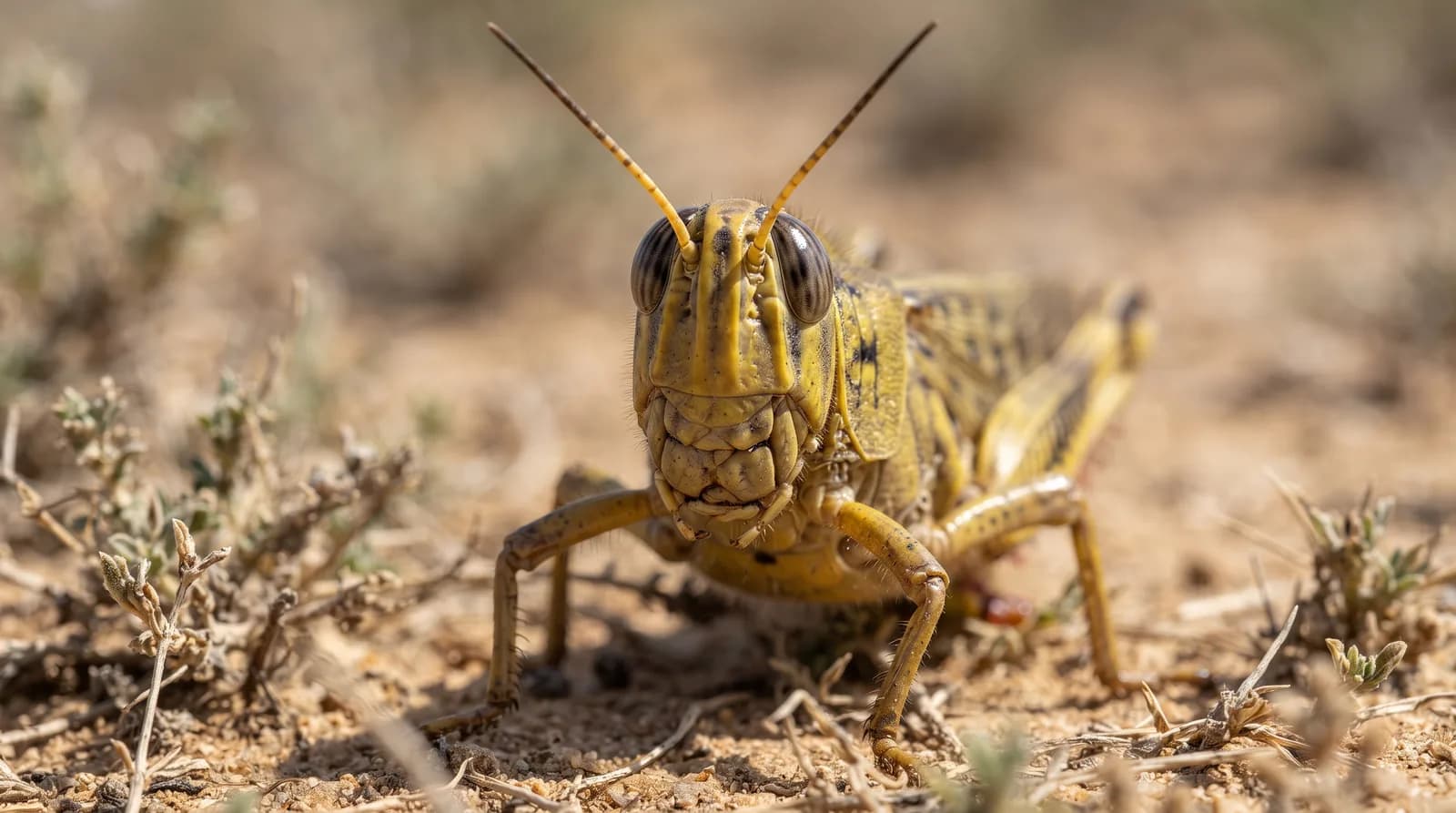
Desert Locust
Schistocerca gregaria
Insects · Hemiptera · Dactylopiidae
Dactylopius coccus
It has not yet been assessed against the IUCN criteria.
The cochineal is a parasitic hemipteran insect of the family Dactylopiidae, whose hosts are plants of the genera Opuntia and Cereus. Carmine, which is extracted from the females, has been used as a textile dye for centuries, and still is today as a food colouring and in cosmetics such as lipsticks. After the invention of synthetic pigments and dyes such as alizarin in the late nineteenth century, the use of natural dyes gradually declined. Concerns about the safety of artificial food additives renewed the popularity of cochineal dyes, and rising demand has made farming the insect profitable again, with Peru the largest producer, followed by Mexico, Chile, Argentina and the Canary Islands.
Size
0.2 cm – 0.6 cm
Diet
Herbivore
Feeds mainly on plants.
Social structure
Solitary
Lives and hunts alone, joining others only to breed.
Sources consulted: Wikipedia (es): Dactylopius coccus · UC IPM, ficha Cochineal scales · Oregon State University, ficha del insecto de la cochinilla · ScienceDirect (Hughes 1989) · Science Advances, How colonial animals evolve · Wikipedia, Zooid · ficha de biologia de Dactylopius coccus
Best time: Visible all year on prickly pear pads (Opuntia) as patches of white wax; crushed, it stains carmine red
Other species in the catalogue with the most in common with Cochineal — same habitat, park, country, tags or family.
Based on what we already know about cochineal.