Skip to content
WAnimals
  • Map
  • Species
  • Parks
  • Diving
Log inCreate account
WAnimals

The guide for travellers and animal lovers: discover, plan and share your wild adventures around the world.

Discover wildlife

  • Species
  • Ecosystems
  • Glossary
  • Tags

Explore places

  • Map
  • Countries
  • Parks
  • Diving

Plan experiences

  • Guides

Learn

  • Blog

Resources

  • About us
  • How we build our profiles
  • Help centre
  • Contact
  • Install the app

Follow us

Account

  • Log in
  • Create account

© 2026 WAnimals. All rights reserved.

Terms of servicePrivacyCookiesLegal notice
MapSpeciesParksDiving
  1. Home
  2. Species
  3. European Storm-Petrel

One of the 2 storm petrels on WAnimals

European Storm-Petrel (Hydrobates pelagicus)

Birds · Procellariiformes · Hydrobatidae

European Storm-Petrel

Hydrobates pelagicus

Least Concern

The species is abundant and widely distributed; it faces no significant short-term risk.

Spotted something wrong?

The European storm petrel is the smallest seabird in Europe: it weighs less than thirty grams, little more than a sparrow, and spends its life on the open sea, flying just above the waves with its legs dangling. It breeds in crevices and scree on islets in the Mediterranean and the Atlantic, and enters the colony only on moonless nights. It lives extraordinarily long for its size: ringed birds have passed thirty years.

Weight

23 g – 29 g

Size

14 cm – 18 cm

Life expectancy

33 years
Diet

Carnivore

Feeds mainly on other animals.

Activity

Irregular activity

Active at irregular times, by day or night depending on circumstances.

Social structure

Colony

Lives in large concentrations, often for breeding reasons.

OceanIslands
21countries19parks1same family

AI-generated images: illustrations, not photographs.

Fun facts

  • It weighs less than thirty grams and can live more than thirty years: one of the greatest mismatches between size and longevity of any bird.
  • It enters the colony only on the darkest nights, and pairs find one another among thousands of identical crevices by smell and by a purring call given from inside the nest for hours on end.

Life cycle and biology

Skeleton type
Vertebrate - internal bony skeleton (bird)
Habitat and environment
The open sea of the eastern Atlantic and the Mediterranean; it breeds in crevices on predator-free rocky islets
Sexual maturity
3 years
Gestation / incubation
35 days
Litter / clutch size
1

Sources consulted: IUCN Red List · Animal Diversity Web · Wikipedia (es)

Where to find it

Loading map…

The pins mark the parks where its presence is documented.

Where to see it

Parks and dive sites where this species has been documented — showing 10 of 19.

Related species

Other species in the catalogue with the most in common with European Storm-Petrel — same habitat, park, country, tags or family.

Shares a park
Shares a park
Shares a park
Shares a park
Shares a park
Shares a park

Keep exploring

Based on what we already know about european storm-petrel.

Share an experience, a fun fact or a tip for seeing the european storm-petrel.
See full glossary
This page in other languages: Español · Deutsch · Français · Português · Italiano
See its range on the interactive map→
VatnajokullIceland
Majjistral ParkMalta
Port-CrosFrance
Pembrokeshire CoastUnited Kingdom
NorthumberlandUnited Kingdom
Cabrera ArchipelagoSpain
Cíes IslandsSpain
Ria FormosaPortugal
UrdaibaiSpain
AsinaraItaly
See all 19 parks
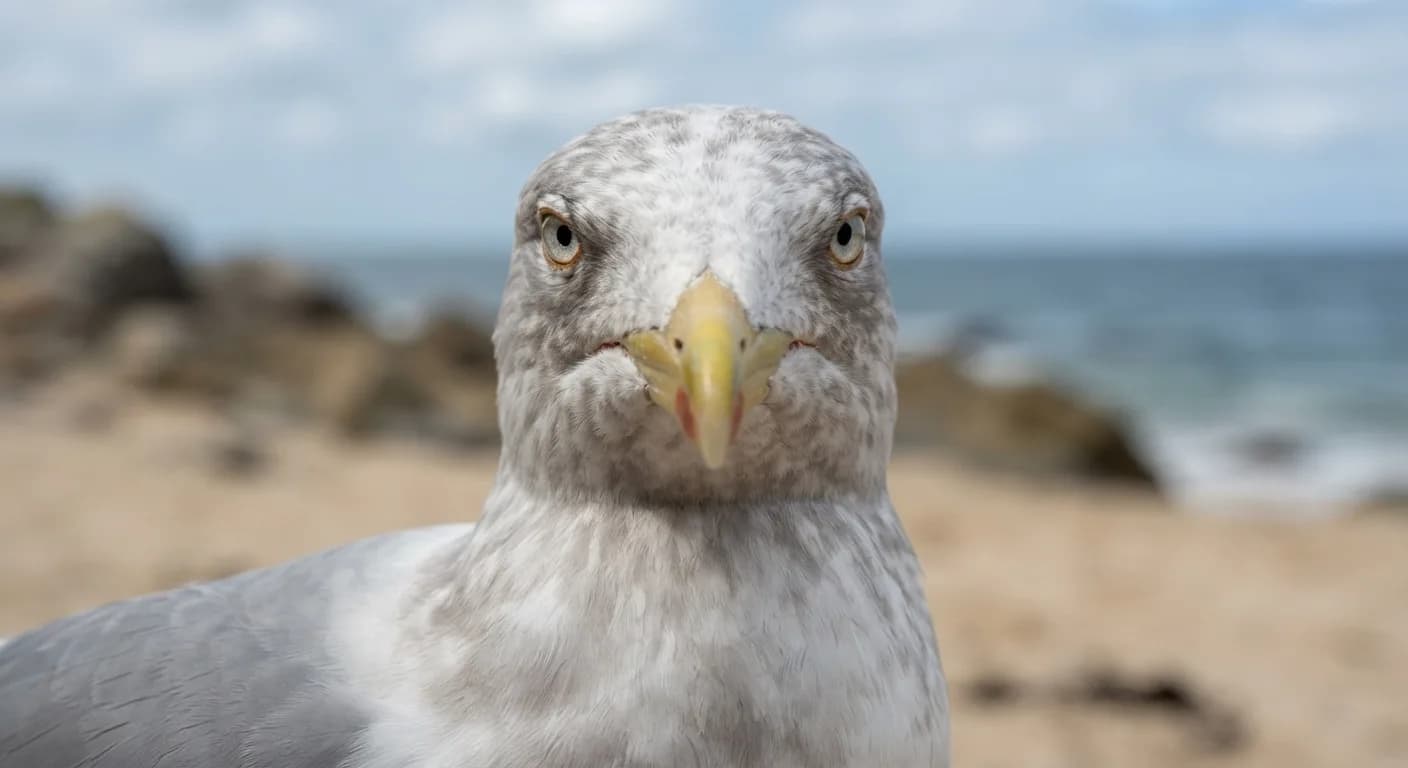
Herring GullLeast Concern

Herring Gull

Larus argentatus

Least Concern

Great Black-backed Gull

Larus marinus

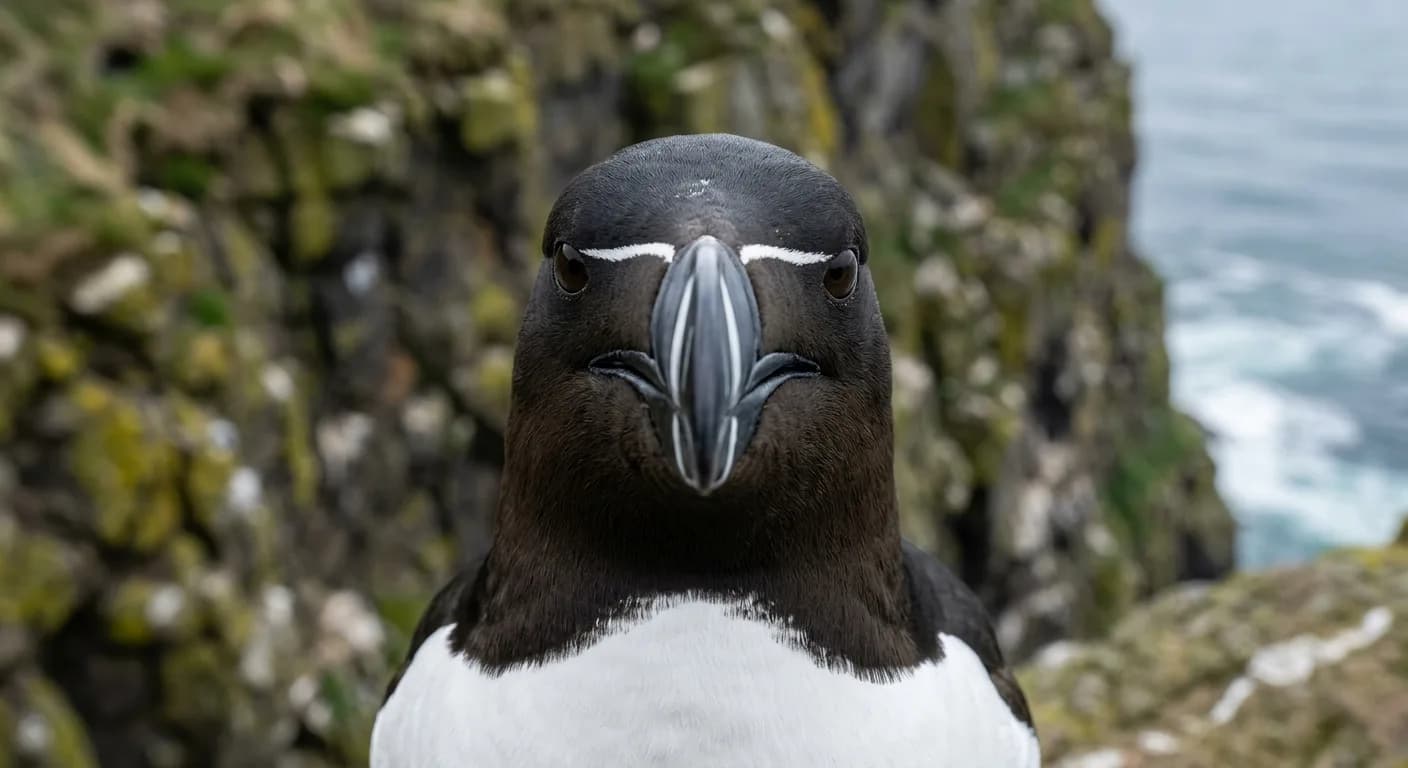
RazorbillLeast Concern

Razorbill

Alca torda

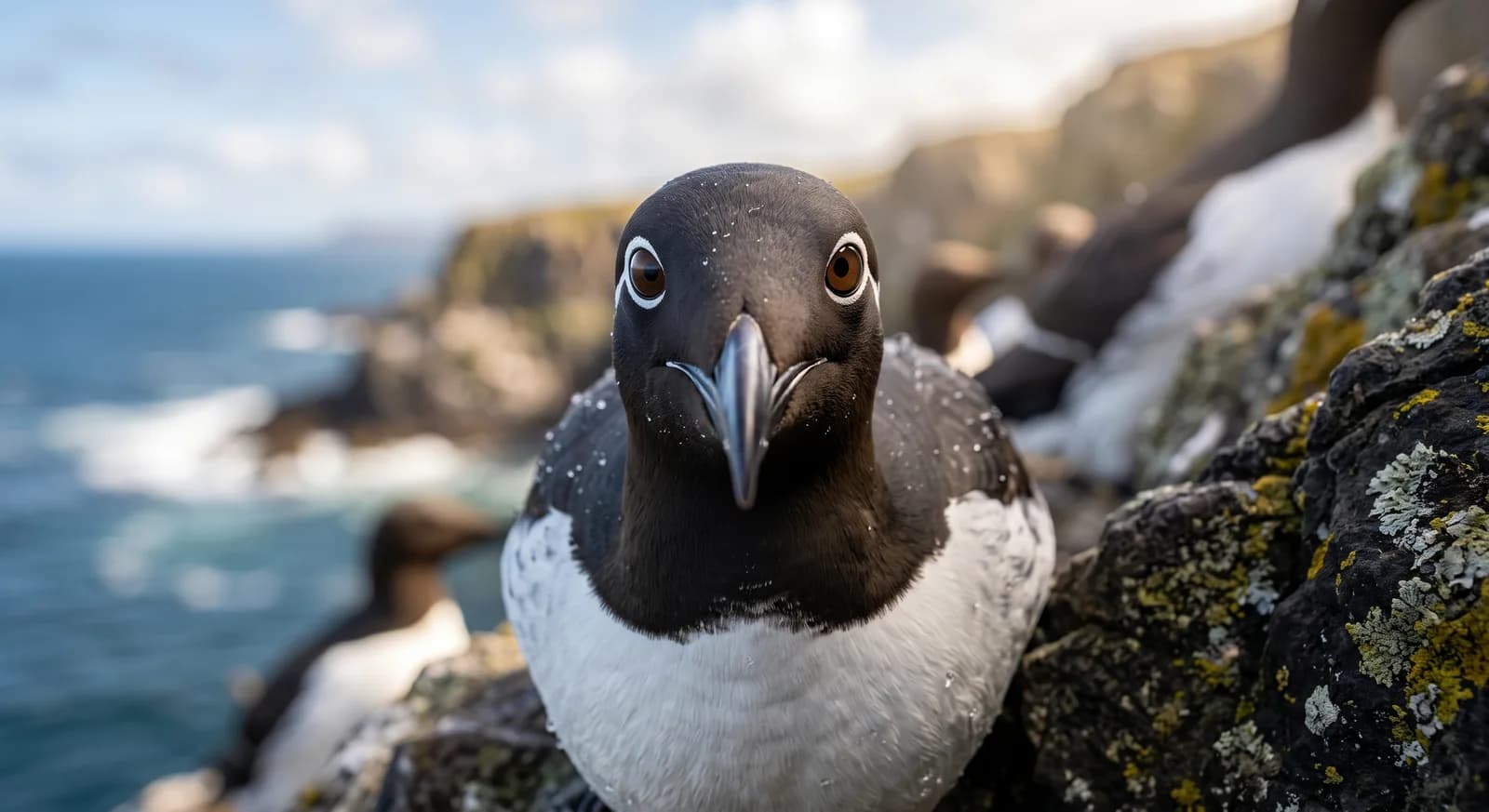
Common MurreLeast Concern

Common Murre

Uria aalge

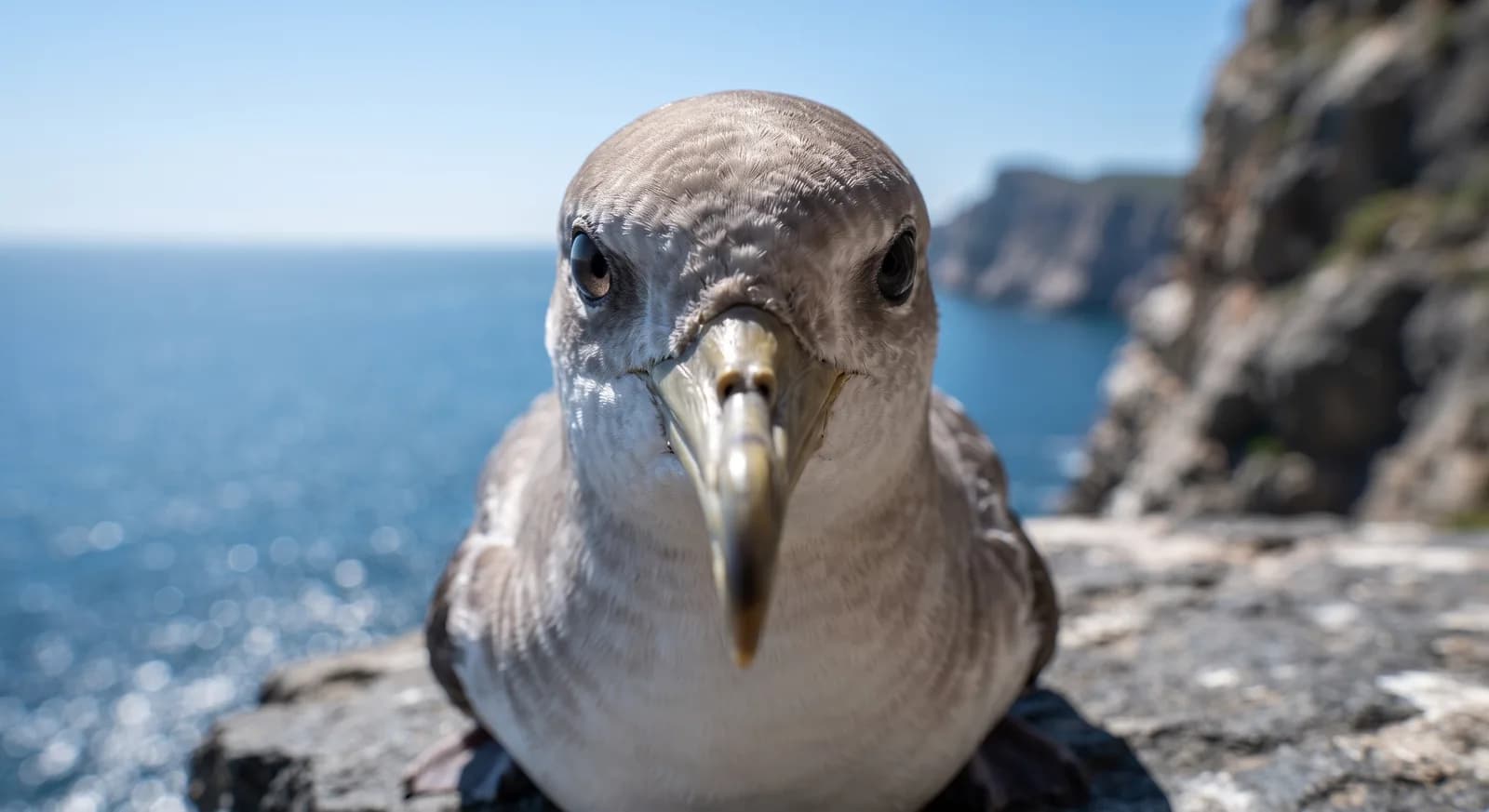
Scopoli's ShearwaterLeast Concern

Scopoli's Shearwater

Calonectris diomedea

Least Concern

Northern Fulmar

Fulmarus glacialis

CountriesUnited Kingdom
ParksVatnajokullIceland
TagsCarnivore
Carnivore
Nocturnal
Variable activity
Colonial
Bird
Ocean
Islands

Europe18

Africa3

United Kingdom
Portugal
Spain
France
Iceland
Ireland
Belgium
Denmark
Estonia
France
Greece
Iceland
Ireland
Italy
Latvia
Lithuania
Malta
Netherlands
Norway
Poland
Portugal
Spain
Sweden
United Kingdom
Morocco
Namibia
South Africa