 Least Concern
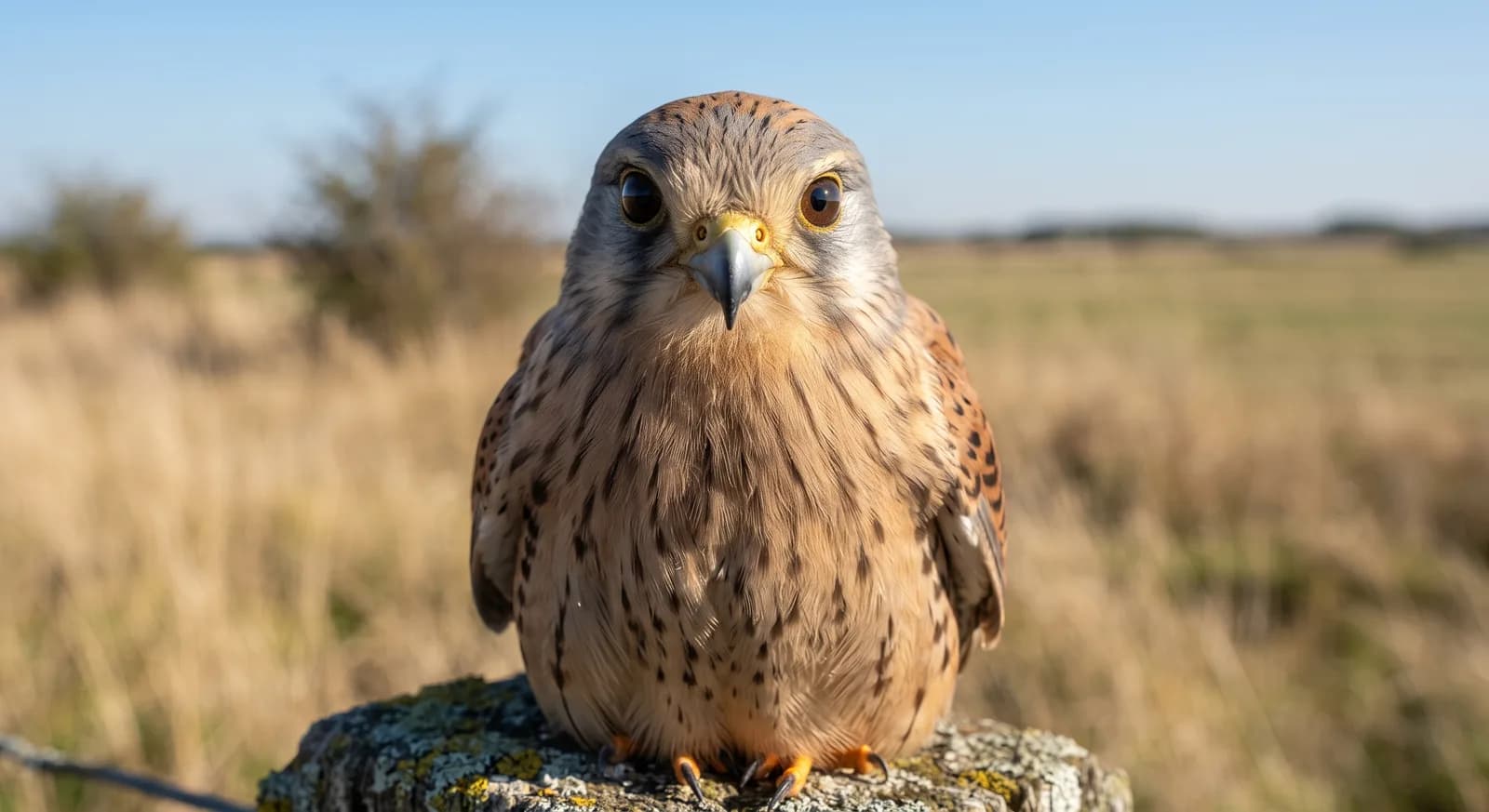
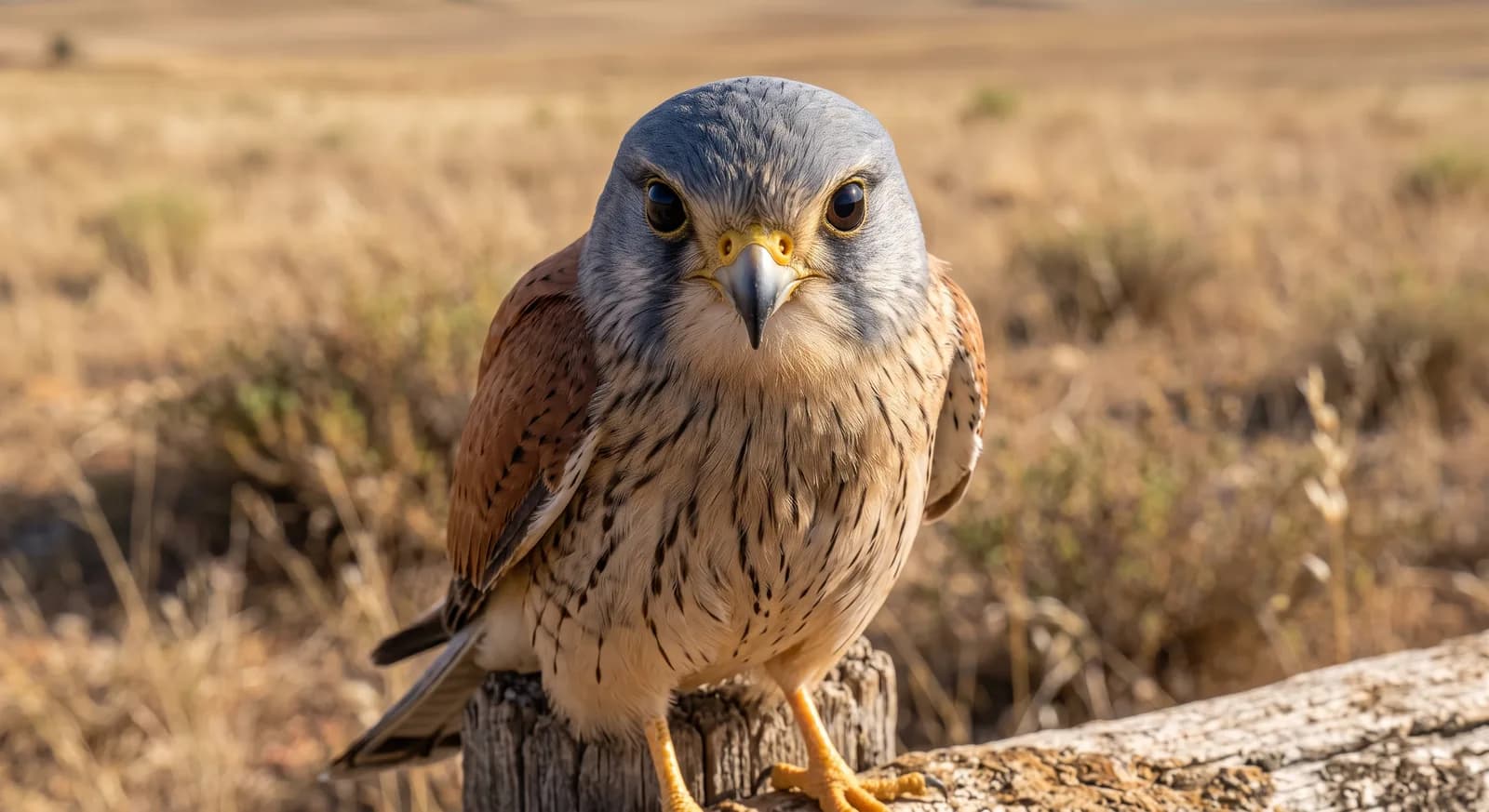
Lesser Kestrel
Falco naumanni
46 countries69 parks
Species group · Birds
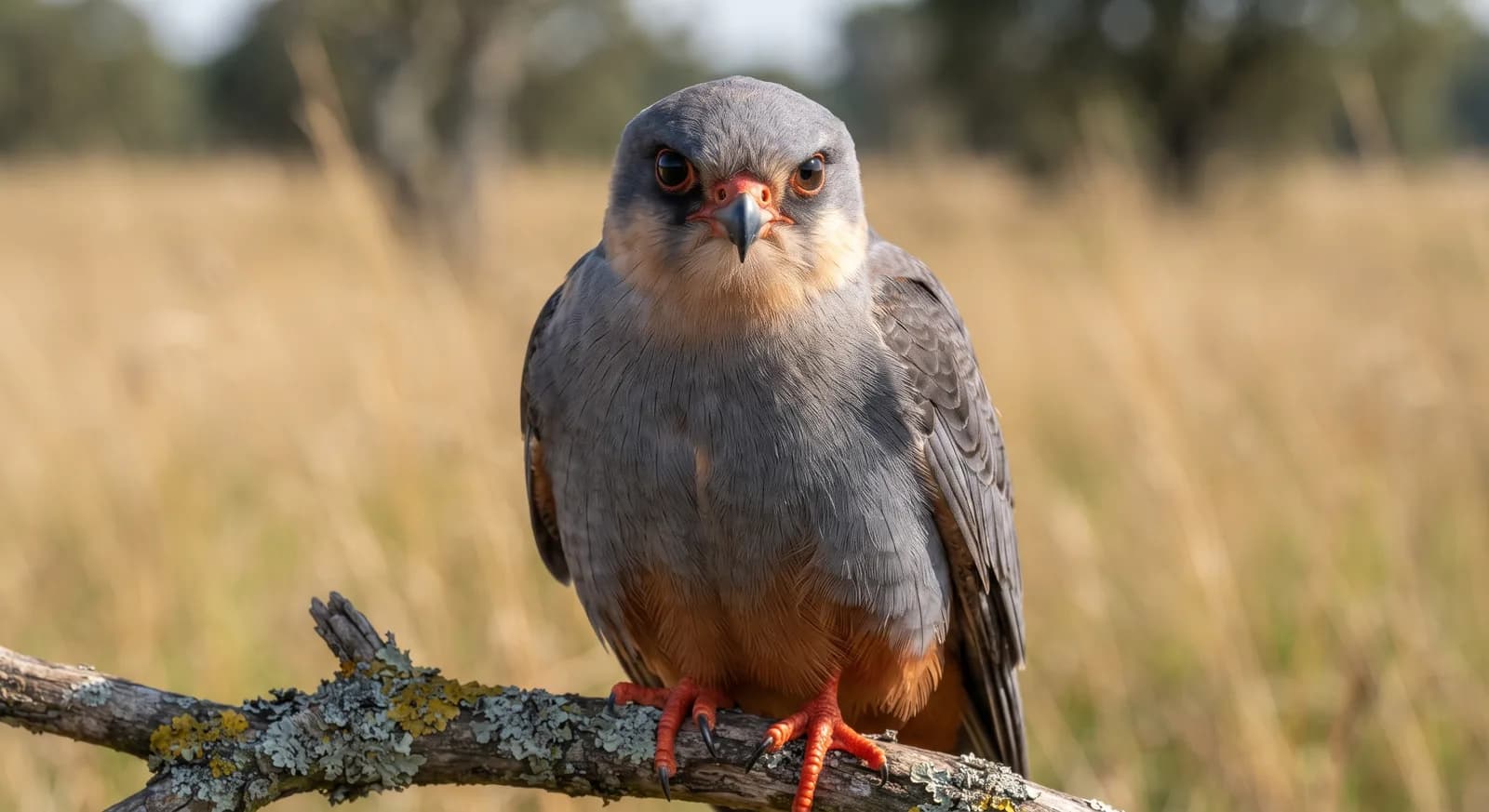
WAnimals has 4 species of kestrel, in the family Falconidae.
Ranges calculated from the profiles that record the figure, not from all 4.
Each one has its own full profile. This group does not replace them: it brings them together.
No species documented in this group is genuinely at risk according to the IUCN, with the data available today.
Recorded in 156 countries. The ones with the most species in the group:
It breeds in colonies under the roof tiles of churches and castles, and eats insects.
From
It breeds in colonies in town centres and historic buildings, one of the few raptors that depends directly on human structures to nest.
From
It breeds inside villages: under the roof tiles of churches, castles and farmsteads in Extremadura, Andalusia and Castile, which is why its conservation depends as much on farming as on how historic buildings are restored.
From
Only 66% of individuals survive their first two years.
From
It feeds mainly on small rodents, supplemented with small birds, lizards and insects.
From
Studies of its ageing have shown the retina deteriorating steadily over the years.
From
It can see rodent urine: the urine of voles and mice reflects ultraviolet light, which the kestrel perceives, so it picks out the busiest trails from the air as though they were marked roads.
From
·
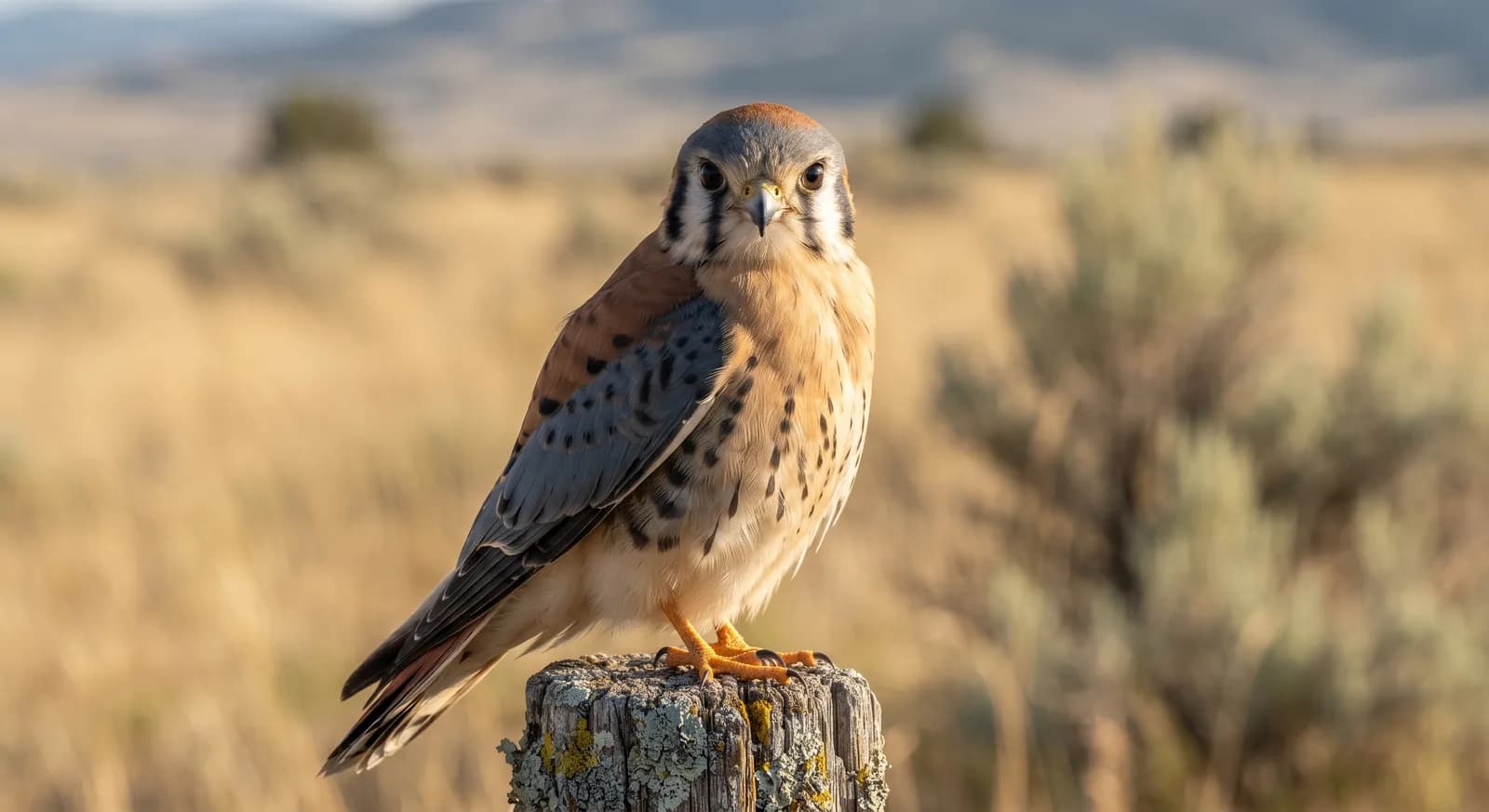
Its decline in North America is an open mystery: the population has fallen by more than half since 1970 without a single cause being identified, and everything from insecticides to the loss of nest cavities is under investigation.
From