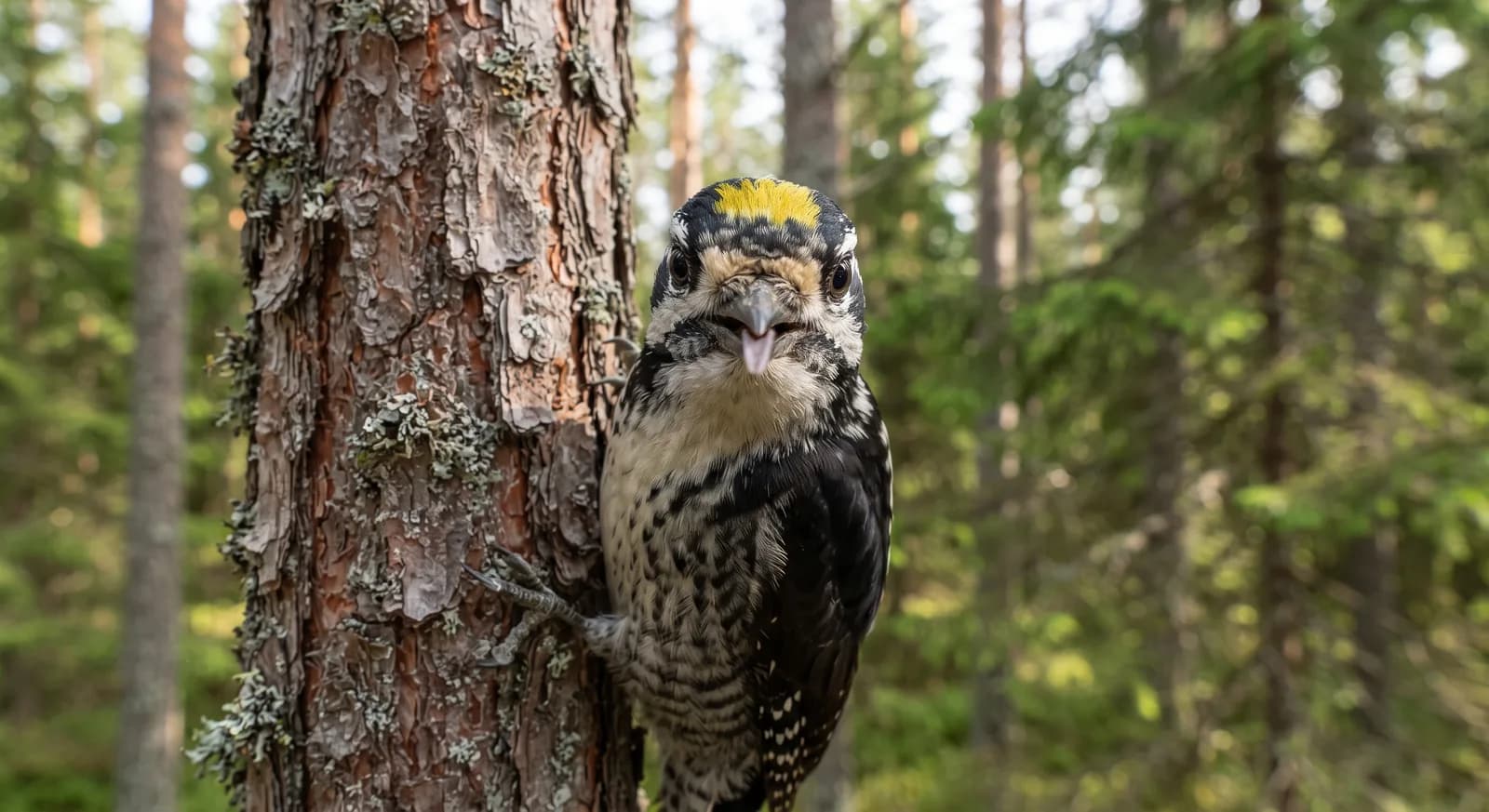
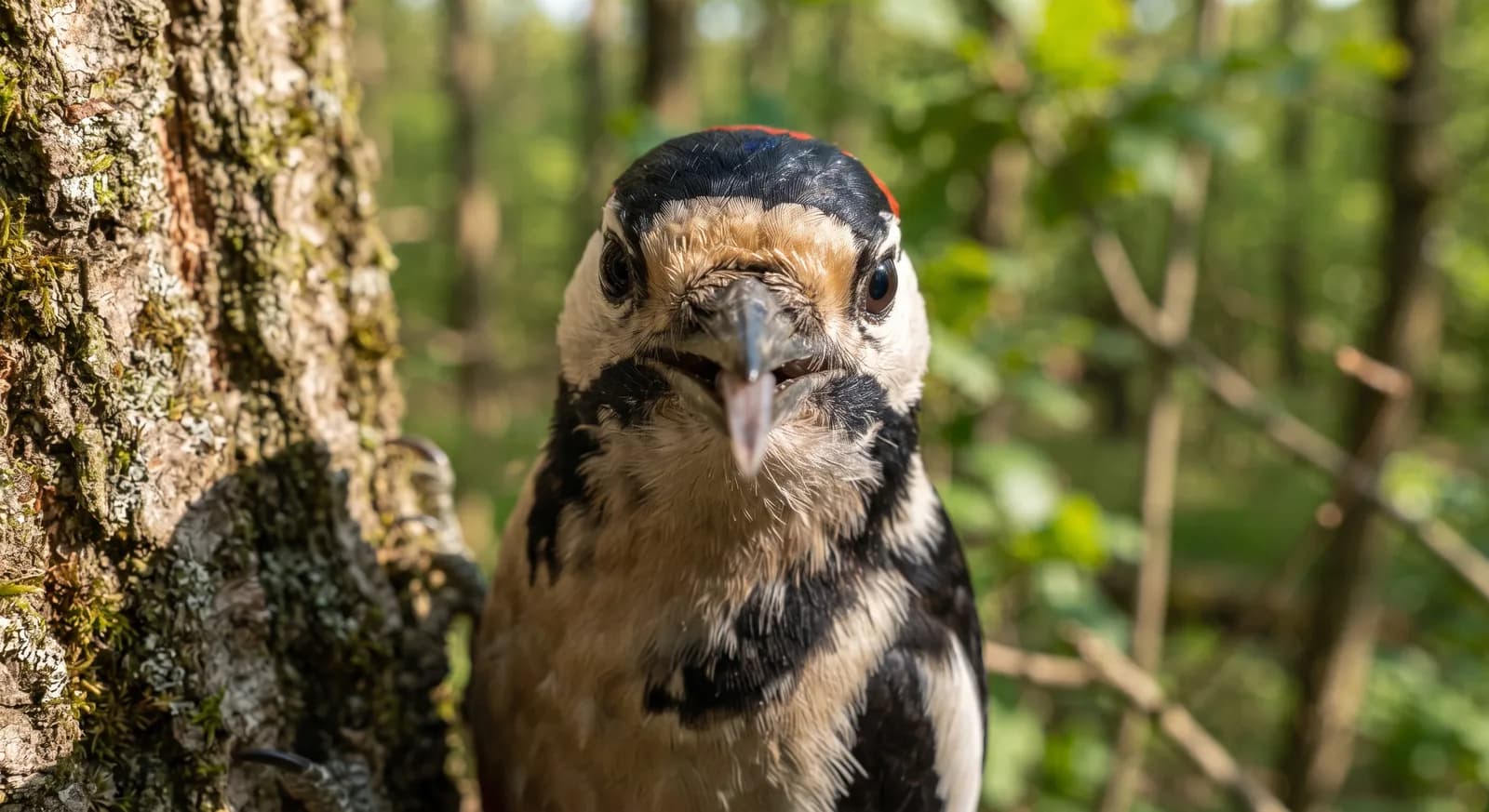
One of the 7 woodpeckers on WAnimals
Birds · Piciformes · Picidae
Dendrocopos leucotos
The species is abundant and widely distributed; it faces no significant short-term risk.
A medium-large woodpecker tied to mature beech woods. Its name refers to a plumage detail of the nominate subspecies leucotos, of northern and eastern Europe; the Iberian subspecies lilfordi has a barred back rather than plain white.
Weight
117 g on average
Diet
Insectivore
Feeds mainly on insects and other invertebrates.
Activity
Diurnal
Active mainly during the day.
Social structure
In pairs
Usually lives in pairs, sometimes for life.
Sighting difficulty
Easy
Estimated population
Barely a hundred breeding pairs in the whole of Spain
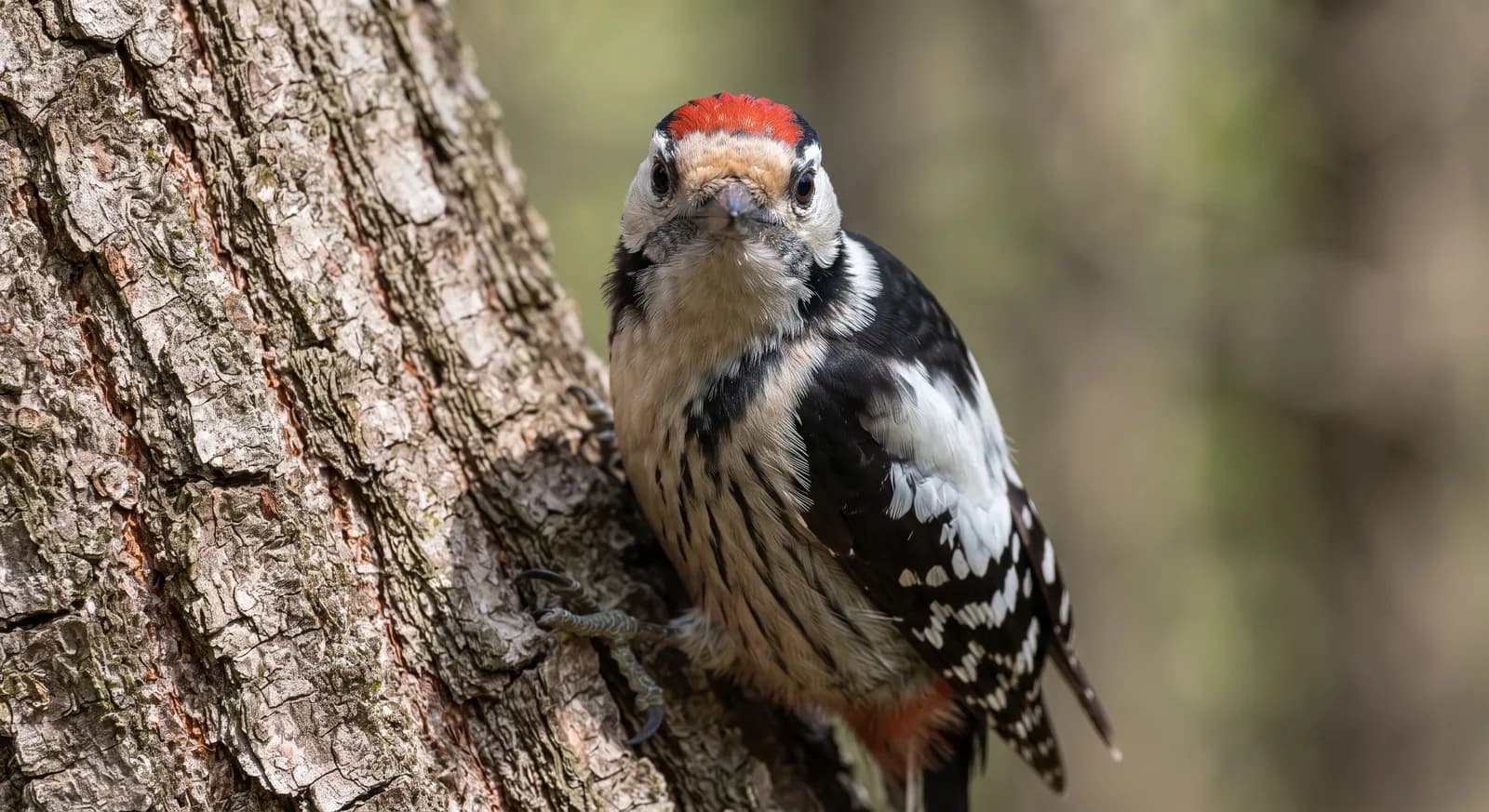
AI-generated images: illustrations, not photographs.
Sources consulted: IUCN Red List; SEO/BirdLife (ficha y III Atlas); Campión et al. 2020, Acta Ornithologica 55; Cárcamo 2006, Pirineos 161; Cárcamo 2016, Le Casseur d'os 16; Cárcamo et al. 2019, Munibe 67; Fernández, Azkona y Lorente 1994, Ardeola 41(2); Garmendia et al. 2006, Biodiversity and Conservation 15; Gorman 2004, Woodpeckers of Europe
Best time: All year round in the beech woods of Irati and Quinto Real
The pins mark the parks where its presence is documented.
Parks and dive sites where this species has been documented.
Other species in the catalogue with the most in common with White-backed Woodpecker — same habitat, park, country, tags or family.
Based on what we already know about white-backed woodpecker.
Share an experience, a fun fact or a tip for seeing the white-backed woodpecker.
Be the first to comment.