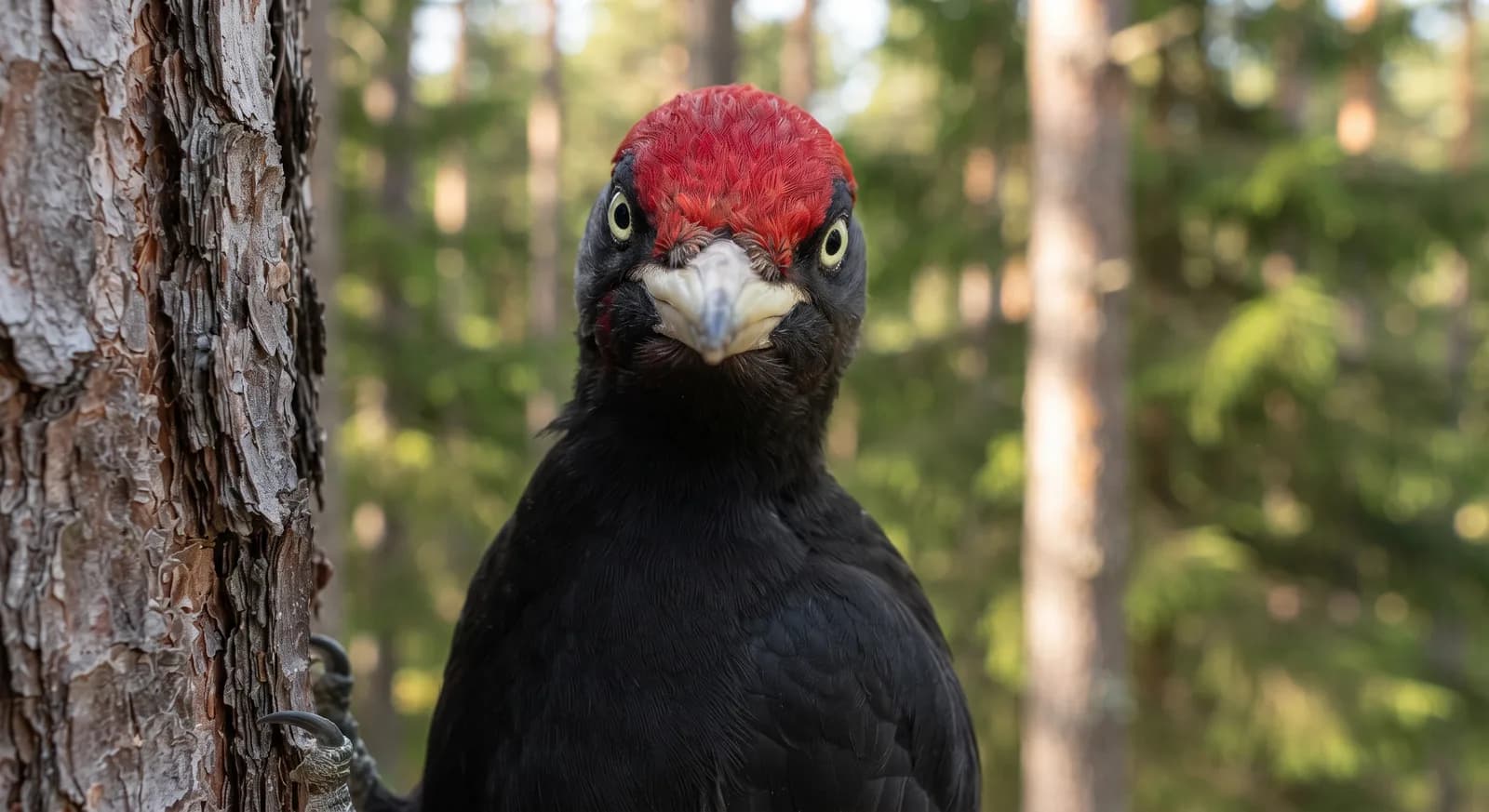
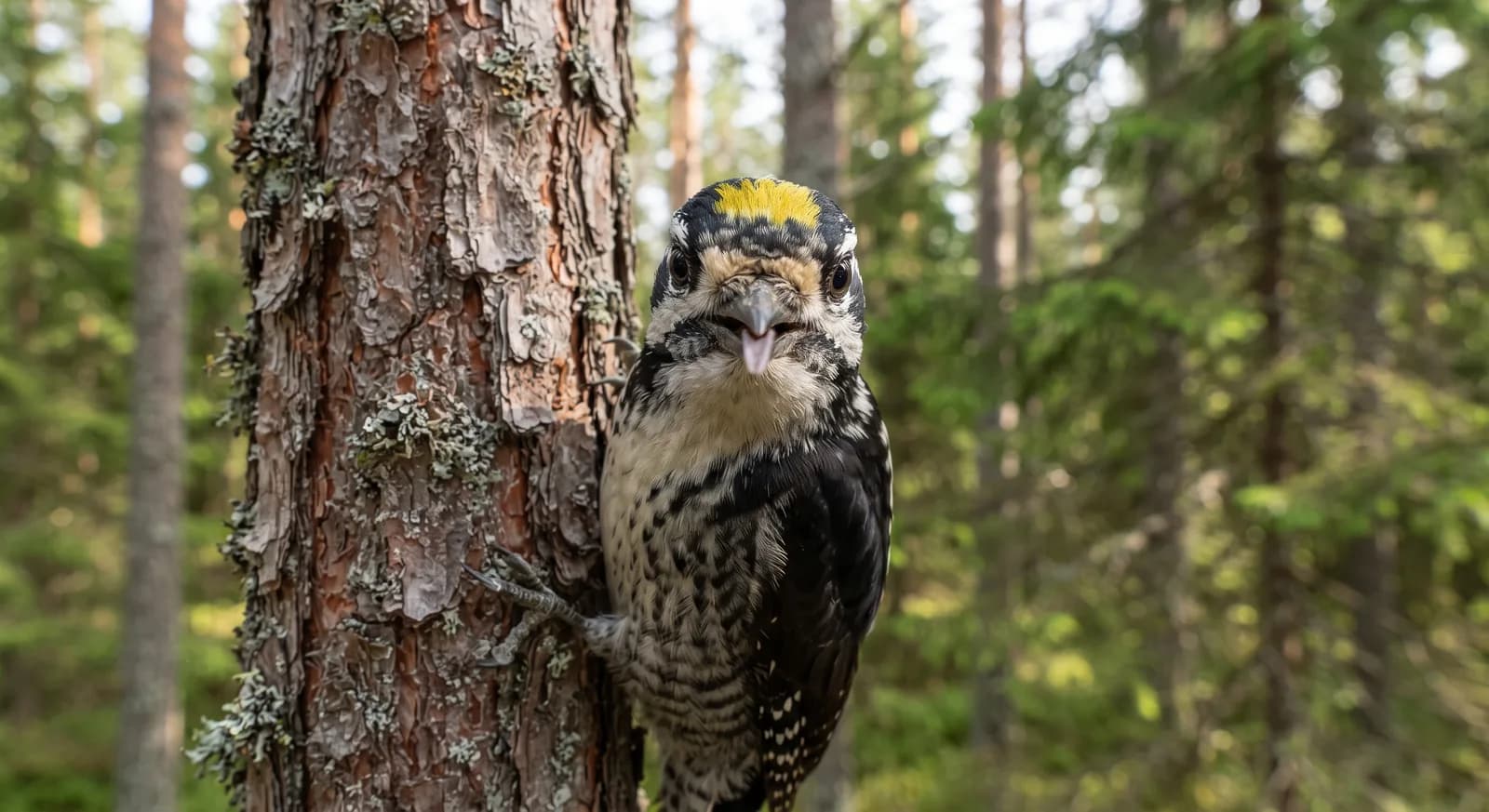
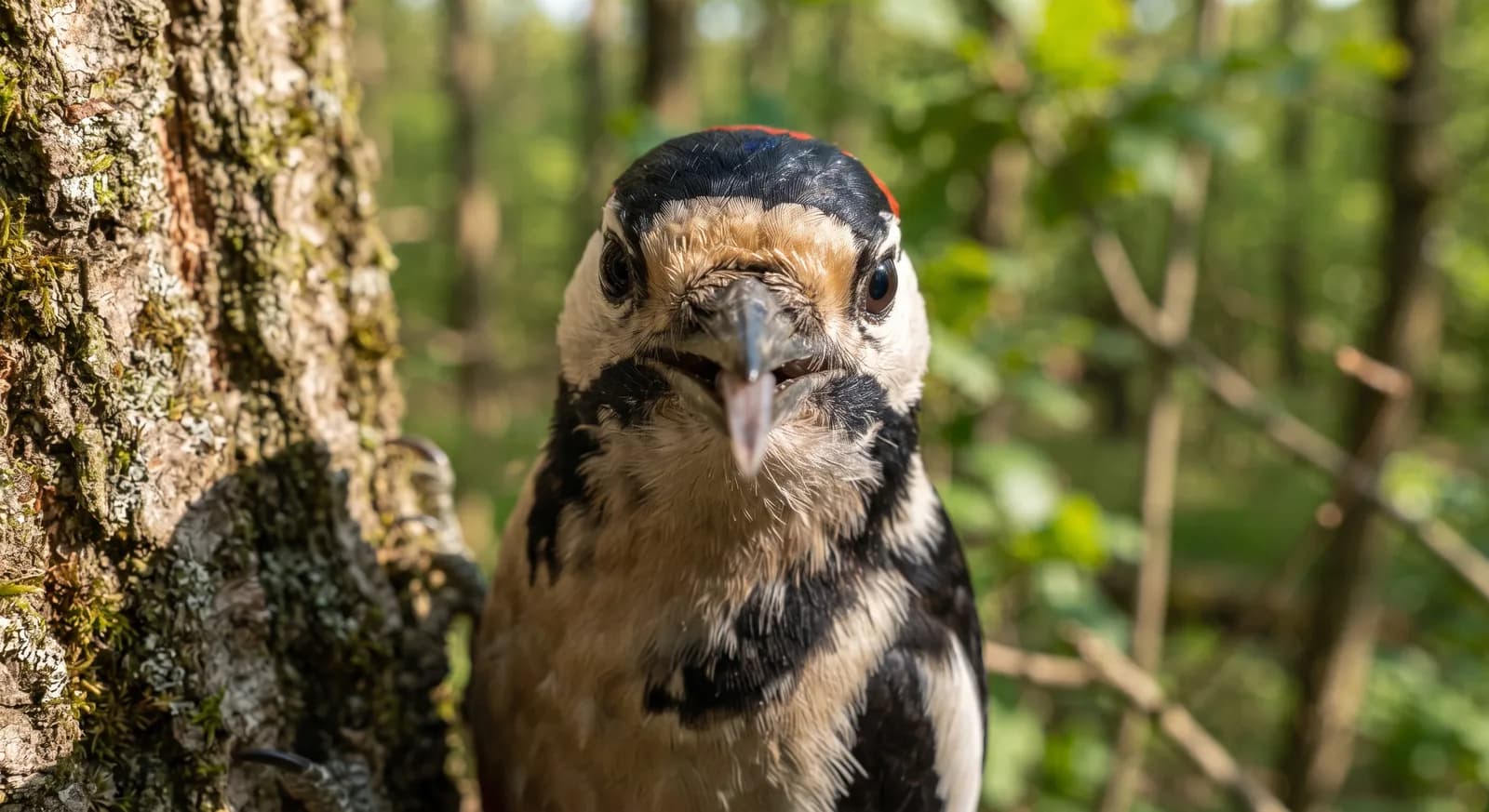
Least Concern
Middle Spotted Woodpecker
Dendrocoptes medius
Birds · Piciformes · Picidae
Jynx torquilla
The species is abundant and widely distributed; it faces no significant short-term risk.
The most atypical of the European woodpeckers. Small and with cryptic greyish-brown plumage marked with dark streaks and bars, it looks more like a passerine than a woodpecker. It is unable to bore into wood and perches crosswise on branches, although it retains the zygodactyl toes and a very long tongue with which it raids anthills.
Weight
35 g on average
Size
16 cm – 18 cm
Life expectancy
3 years
Diet
Insectivore
Feeds mainly on insects and other invertebrates.
Activity
Diurnal
Active mainly during the day.
Social structure
Solitary
Lives and hunts alone, joining others only to breed.
Sources consulted: IUCN Red List · SEO/BirdLife (ficha y III Atlas: López-Jiménez 2022) · Carbonell 2013, Atlas de las aves en invierno en España 2007-2010 · Weisshaupt et al. 2011, Bird Study 58 · Wijk et al. 2013, Ibis 155 · Wijk y Tizón 2016, Ardeola 63(2) · Linnaeus 1758
Best time: Spring and summer in the northern third; post-breeding passage between late August and early October
Parks and dive sites where this species has been documented — showing 10 of 206.
Other species in the catalogue with the most in common with Eurasian Wryneck — same habitat, park, country, tags or family.
Based on what we already know about eurasian wryneck.
The pins mark the parks where its presence is documented.