Ribbon worms · Heteronemertea · Lineidae
Bootlace Worm
Lineus longissimus
It has not yet been assessed against the IUCN criteria. See full glossary
The bootlace worm is a nemertean of the order Heteronemertea. It is one of the longest animals on Earth. Certain specimens found on the shore measure up to about 55 m when unwound. It is considered the longest animal in the world. It has a flaccid, fragile body of a brownish colour, with pale lines running along its length, and it is somewhat slimy. Its mucus is toxic.
Size
5 m – 30 m
Diet
Carnivore
Feeds mainly on other animals.
Social structure
Solitary
Lives and hunts alone, joining others only to breed.
Sighting difficulty
Unknown
Fun facts
- A specimen washed up on a Scottish beach in 1864 was measured at some fifty-five metres, which makes it the longest animal ever recorded, though its body stretches so much that the figure is disputed.
- It hunts with a proboscis it shoots out from its head, separate from the gut, which wraps around or pierces the prey.
- Its mucus contains powerful toxins, among them anabaseine, a compound that has been studied as a basis for neurological drugs and insecticides.
- It is considered the longest animal in the world. Ordinary specimens measure between 5 and 15 metres, 30-metre ones are known, and there is a record of 55, longer than an Olympic swimming pool.
- The record is disputed: it is extraordinarily elastic and reaches those lengths only fully stretched. Its width, by contrast, never exceeds a centimetre.
- Its mucus is the most toxic animal compound found in Sweden. When irritated it releases large amounts of thick slime loaded with peptide neurotoxins.
- Those toxins, named alpha-nemertides, block invertebrate sodium channels. The main one kills green crabs at a microgram per kilo, and cockroaches and varroa mites as well.
- That is why they are being investigated as agricultural insecticides: they are functional relatives of the cone snails' toxins.
- It hunts with an eversible proboscis that it shoots out to seize prey, the feature that gives the ribbon worm phylum its name.
Life cycle & biology
- Habitat & environment
- Under stones and among algae in the intertidal and subtidal of the north-eastern Atlantic
Sources consulted: https://es.wikipedia.org/wiki/Lineus_longissimus
Where to find it
See its range on the interactive mapWhere to watch it
Parques y spots de buceo donde se ha documentado esta especie — se muestran 20 de 39 documentados.
Related species
Other species in the catalogue with the most in common with Bootlace Worm — same habitat, park, country, tags or family.
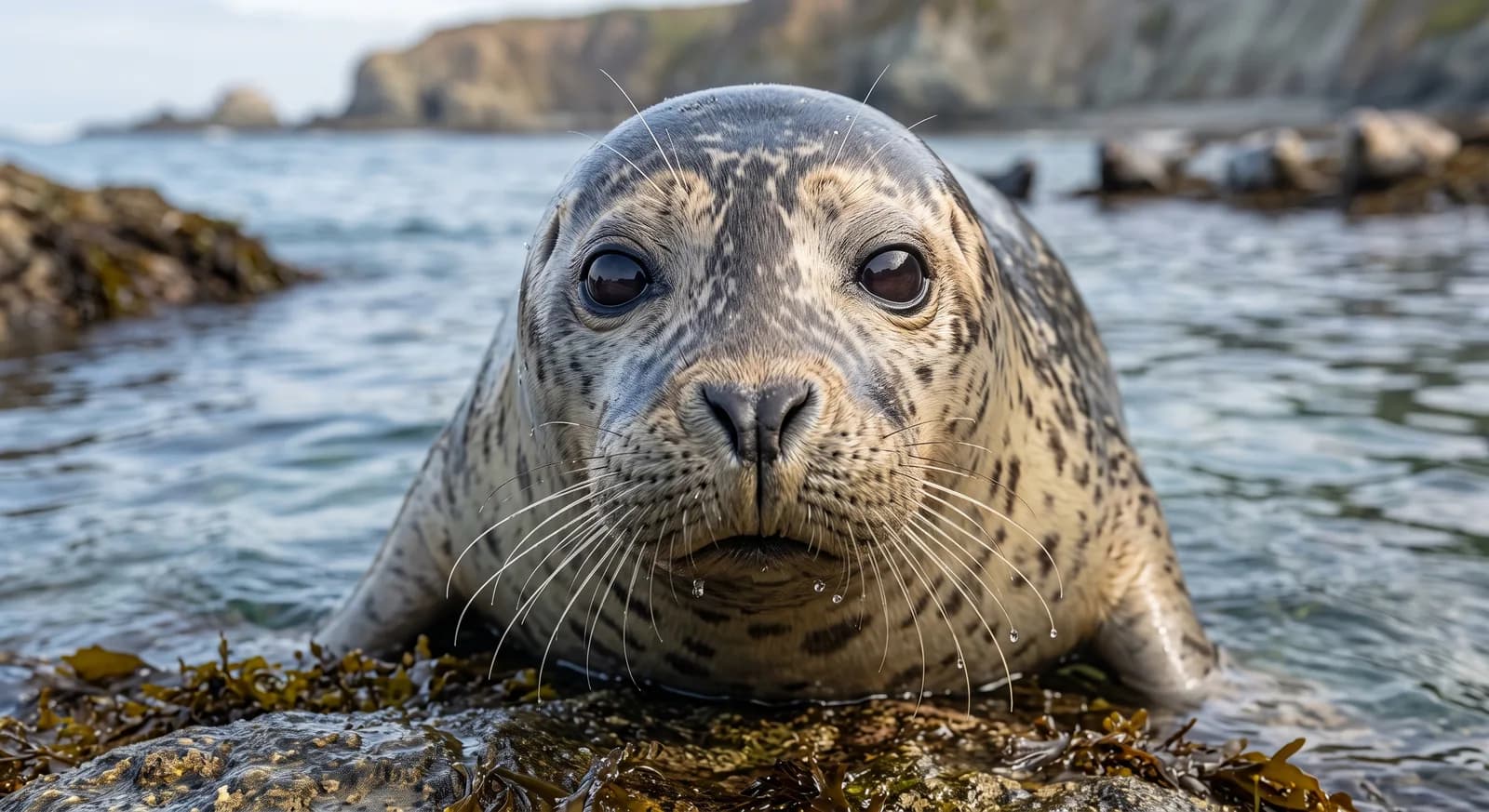 Least Concern
Harbor Seal
Phoca vitulina
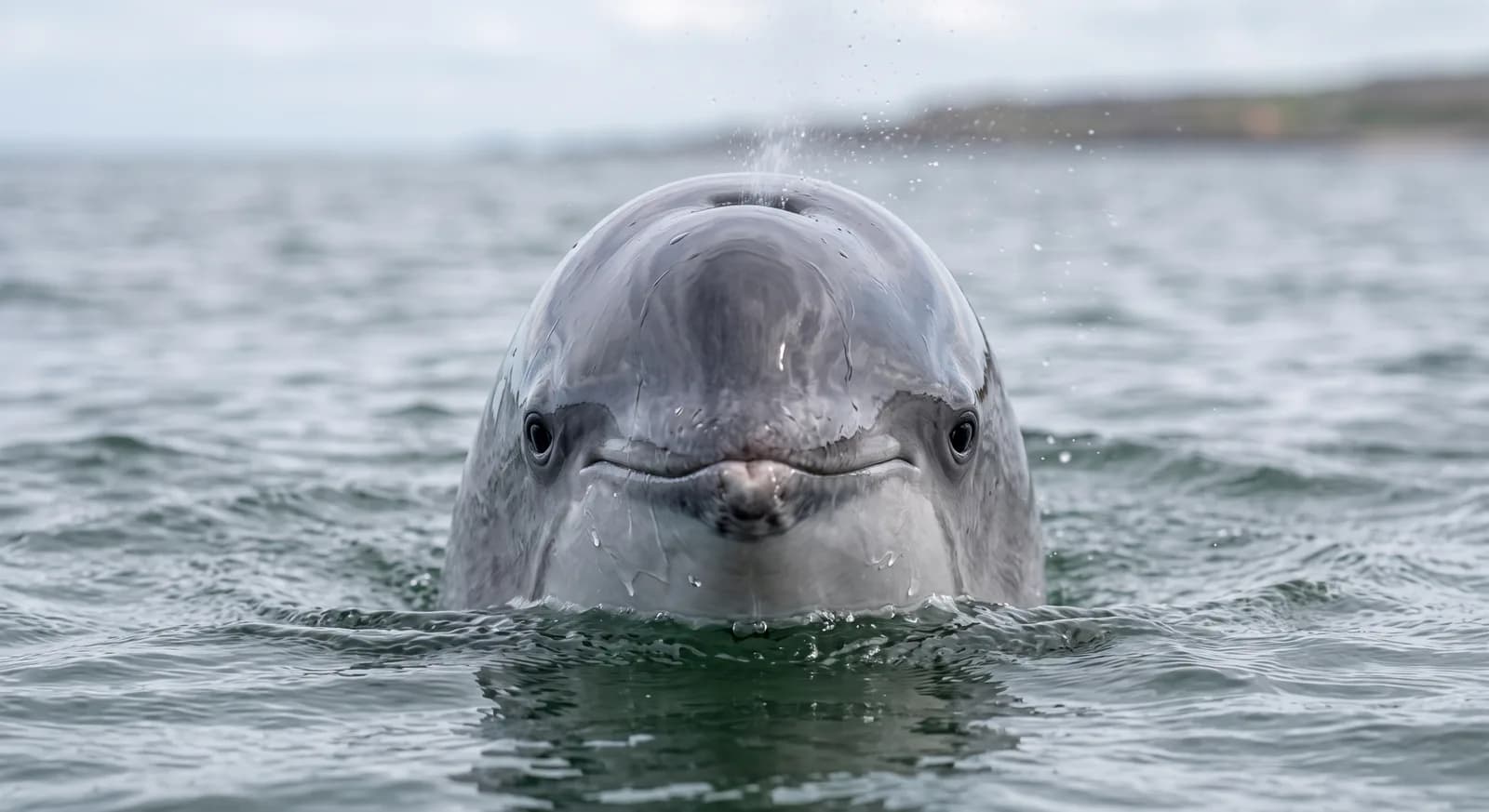 Least Concern
Harbor Porpoise
Phocoena phocoena
Shortfin Mako
Isurus oxyrinchus
Porbeagle
Lamna nasus
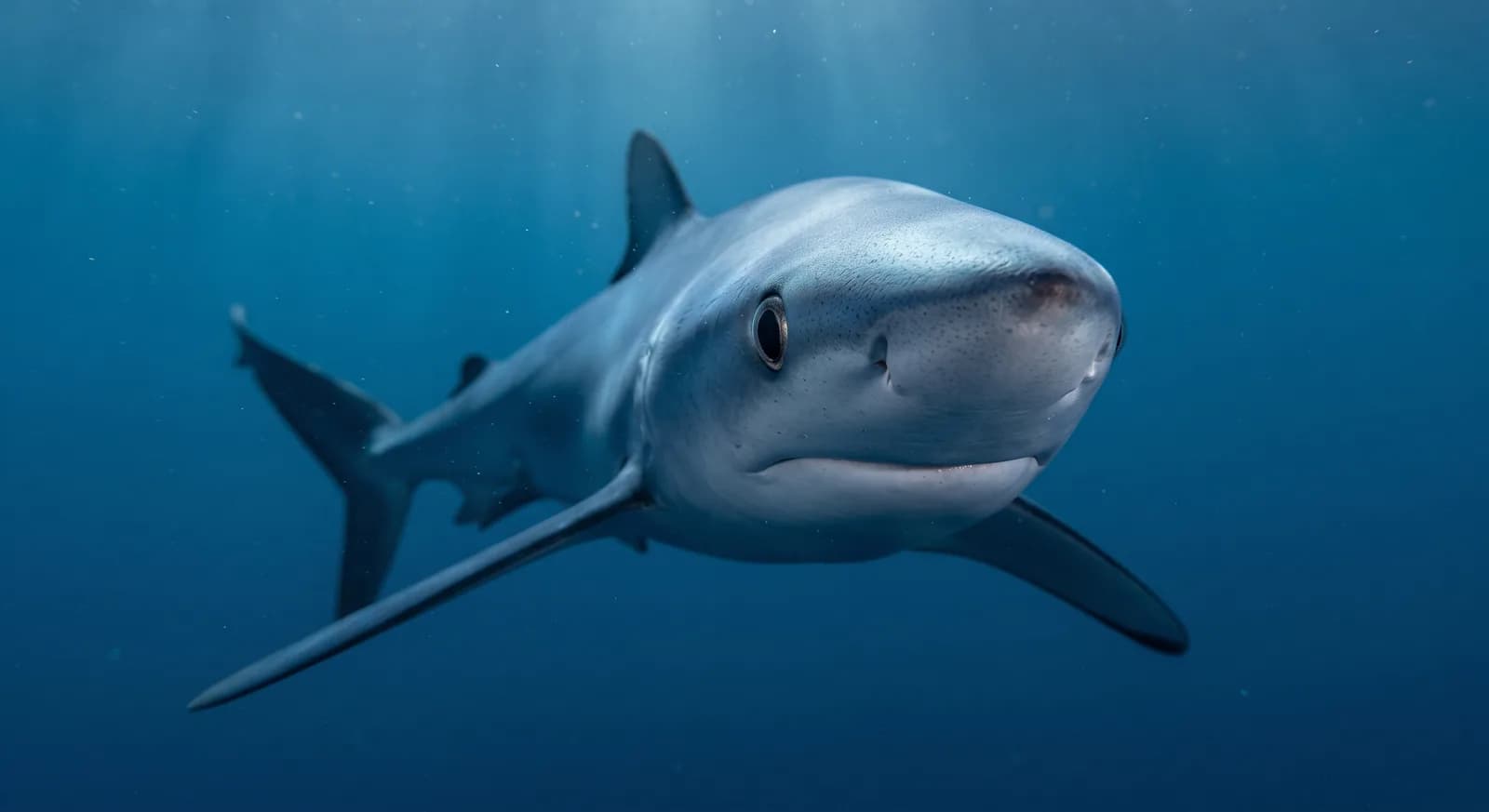 Near Threatened
Blue Shark
Prionace glauca
Greenland Shark
Somniosus microcephalus
Keep exploring
Based on what we already know about bootlace worm.
Comments
Share an experience, a fun fact or a tip for seeing the bootlace worm.
Be the first to comment.