One of the 13 ants on WAnimals
Insects · Hymenoptera · Formicidae
Kerengga Ant
Oecophylla smaragdina
It has not yet been assessed against the IUCN criteria. See full glossary
Oecophylla smaragdina is a tree-dwelling ant of tropical Asia and Australia. It forms colonies with several nests in the trees. Each nest is made of leaves stitched together with silk produced by the larvae.
Size
up to 1 cm
Diet
Omnivore
Combines animal and plant food depending on availability.
Activity
Diurnal
Active mainly during the day.
Sighting difficulty
Unknown
Fun facts
- comportamientoIt builds nests by binding living leaves with silk from its own larvae, which the workers hold and use like weaving shuttles.
- It has been used as biological control in citrus and mango orchards in southern China for some seventeen hundred years, the oldest documented case of biological pest control in history.
- The ants and their larvae are eaten in Thailand and Laos, and the tart larvae are considered a delicacy.
- It sews leaves together with silk it does not produce itself: the workers hold a larva and tap its head to make it secrete silk, using it as a living tool.
- The workers form chains of bodies to pull separate leaves together; even large nests go up in under 24 hours.
- A colony can occupy more than a hundred nests spread across several trees and exceed half a million workers.
- The larger, older workers live in the satellite nests at the edge of the territory, because they are the more expendable.
- It is used as biological pest control in tropical crops, cheaper and cleaner than pesticides.
Life cycle & biology
- Habitat & environment
- Tree crowns in forests and tropical plantations of southern Asia and Australia
Sources consulted: https://es.wikipedia.org/wiki/Oecophylla_smaragdina
Where to find it
See its range on the interactive mapWhere to watch it
Parques y spots de buceo donde se ha documentado esta especie — se muestran 10 de 28 documentados.
Related species
Other species in the catalogue with the most in common with Kerengga Ant — same habitat, park, country, tags or family.
Red Bull Ant
Myrmecia gulosa
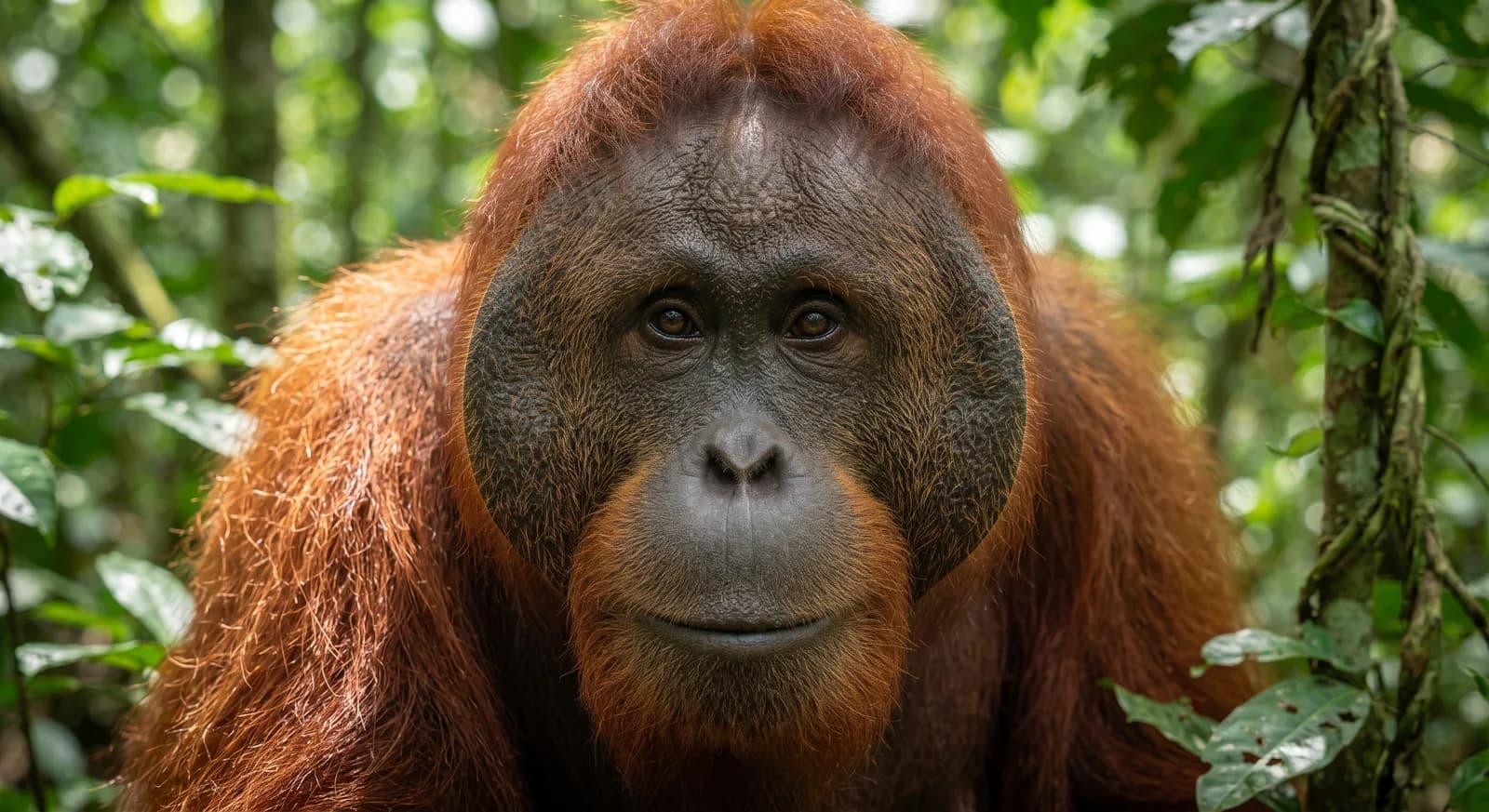 Critically Endangered
Bornean Orangutan
Pongo pygmaeus
Common Treeshrew
Tupaia glis
Lesser Treeshrew
Tupaia minor
Sumatran Orangutan
Pongo abelii
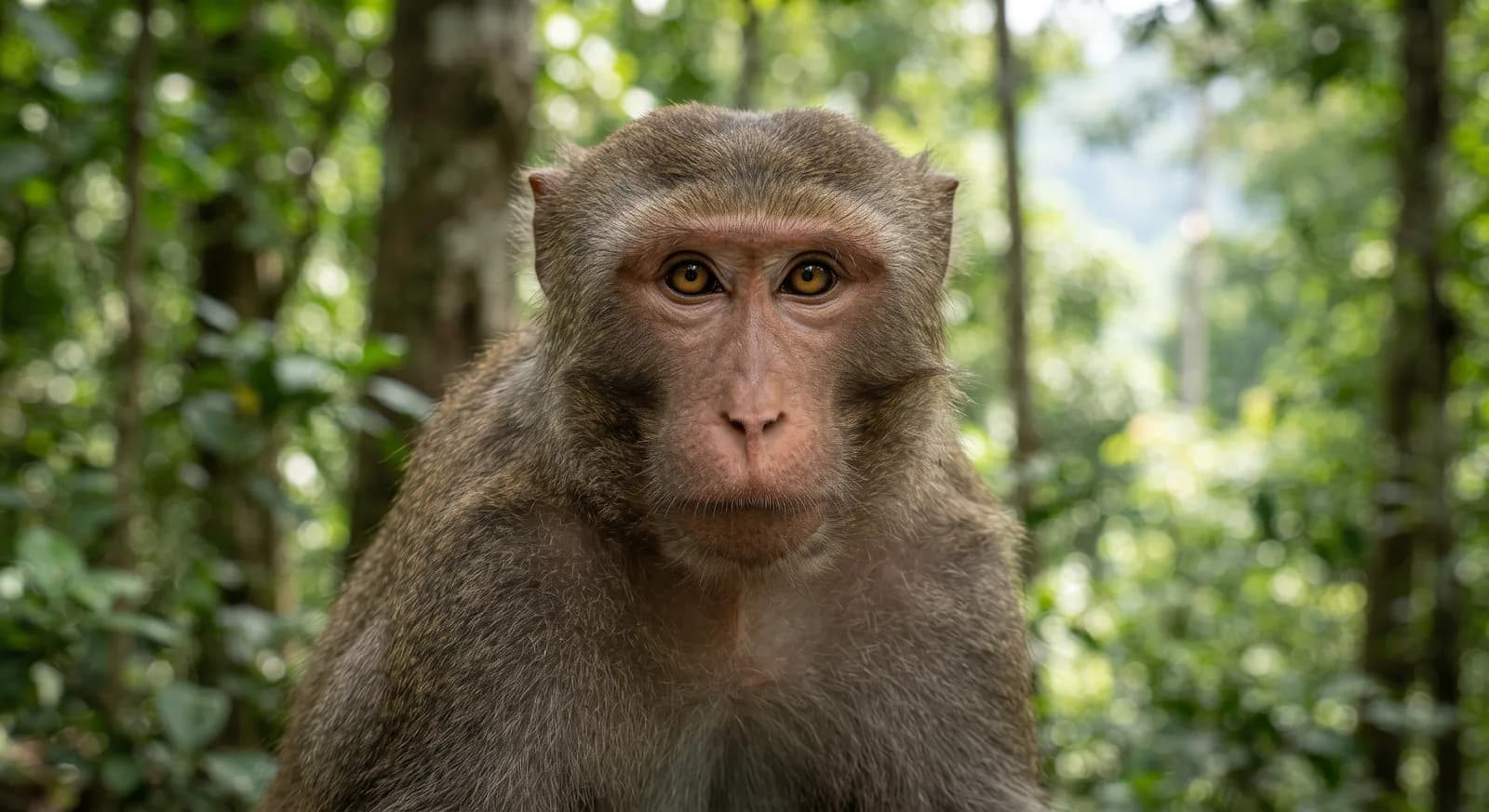 Least Concern
Rhesus Monkey
Macaca mulatta
Keep exploring
Based on what we already know about kerengga ant.
Comments
Share an experience, a fun fact or a tip for seeing the kerengga ant.
Be the first to comment.