One of the 3 slow lorises on WAnimals
Mammals · Primates · Lorisidae
Bengal Slow Loris
Nycticebus bengalensis
It faces a very high risk of extinction in the wild in the near future. See full glossary
The Bengal slow loris is the largest of the slow lorises and the one with the widest range, from north-eastern India to Vietnam. It is a nocturnal primate of deliberate, silent movements, with enormous eyes and a tapetum lucidum that reflects light. It feeds on tree gums and saps, nectar, fruit and insects. Deforestation and above all its capture for the pet trade and for traditional medicine have taken it to the endangered category.
Weight
1 kg – 2.1 kg
Size
26 cm – 38 cm
Lifespan
20 years
Diet
Omnivore
Combines animal and plant food depending on availability.
Activity
Nocturnal
Active mainly at night.
Social structure
Solitary
Lives and hunts alone, joining others only to breed.
Sighting difficulty
Hard
Fun facts
- GeneralIt is one of the few venomous primates: its saliva, mixed with a secretion from its arm, causes severe reactions.
- It is the only venomous primate known: it mixes the secretion of a gland on its elbow with its saliva, and its bite can cause anaphylactic shock in people.
- Animals caught for the pet trade have their teeth pulled out with pliers, which usually condemns them to die of infection.
Life cycle & biology
- Skeleton type
- Vertebrate - internal bony skeleton (mammal)
- Habitat & environment
- Tropical and subtropical evergreen and deciduous forest of South-East Asia
- Sexual maturity
- 20 months
- Gestation / incubation
- 6 months
- Litter / clutch size
- 1
Sources consulted: https://www.iucnredlist.org/ | https://animaldiversity.org/ | https://es.wikipedia.org/
Where to find it
See its range on the interactive mapWhere to watch it
Parques y spots de buceo donde se ha documentado esta especie — se muestran 10 de 15 documentados.
Related species
Other species in the catalogue with the most in common with Bengal Slow Loris — same habitat, park, country, tags or family.
Greater Slow Loris
Nycticebus coucang
Red Slender Loris
Loris tardigradus
 Endangered
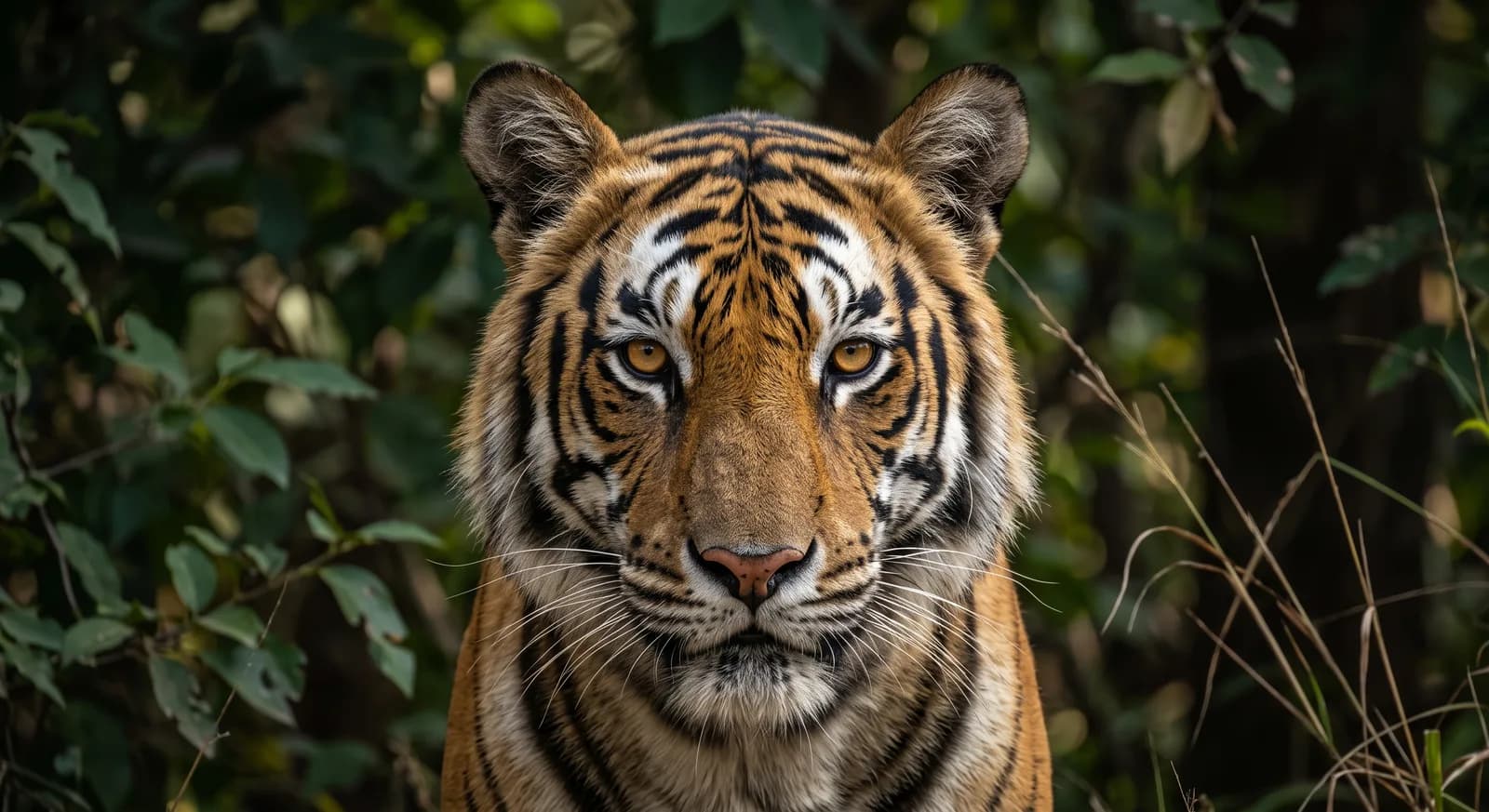
Bengal Tiger
Panthera tigris tigris
 Endangered
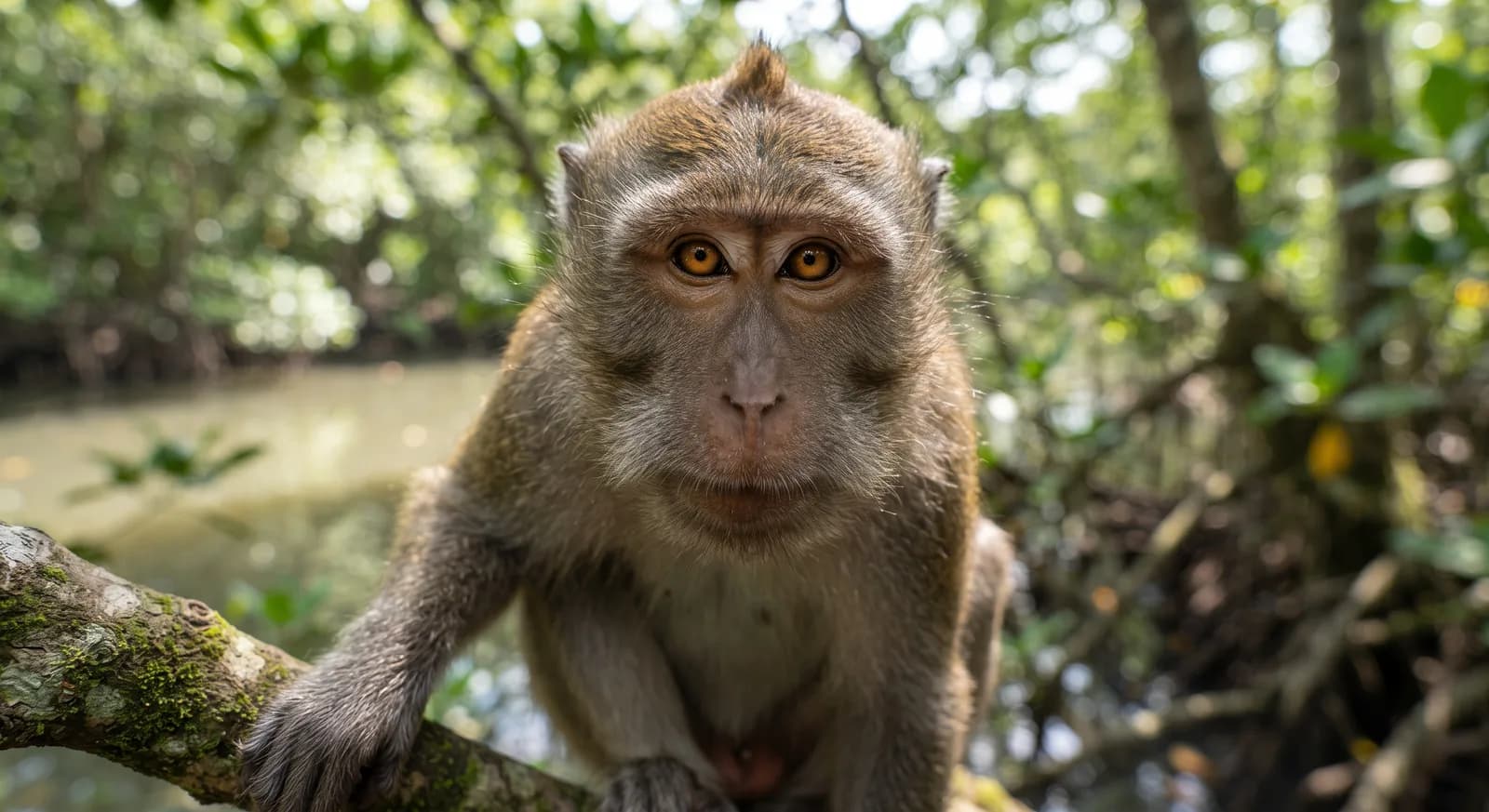
Long-tailed Macaque
Macaca fascicularis
 Endangered
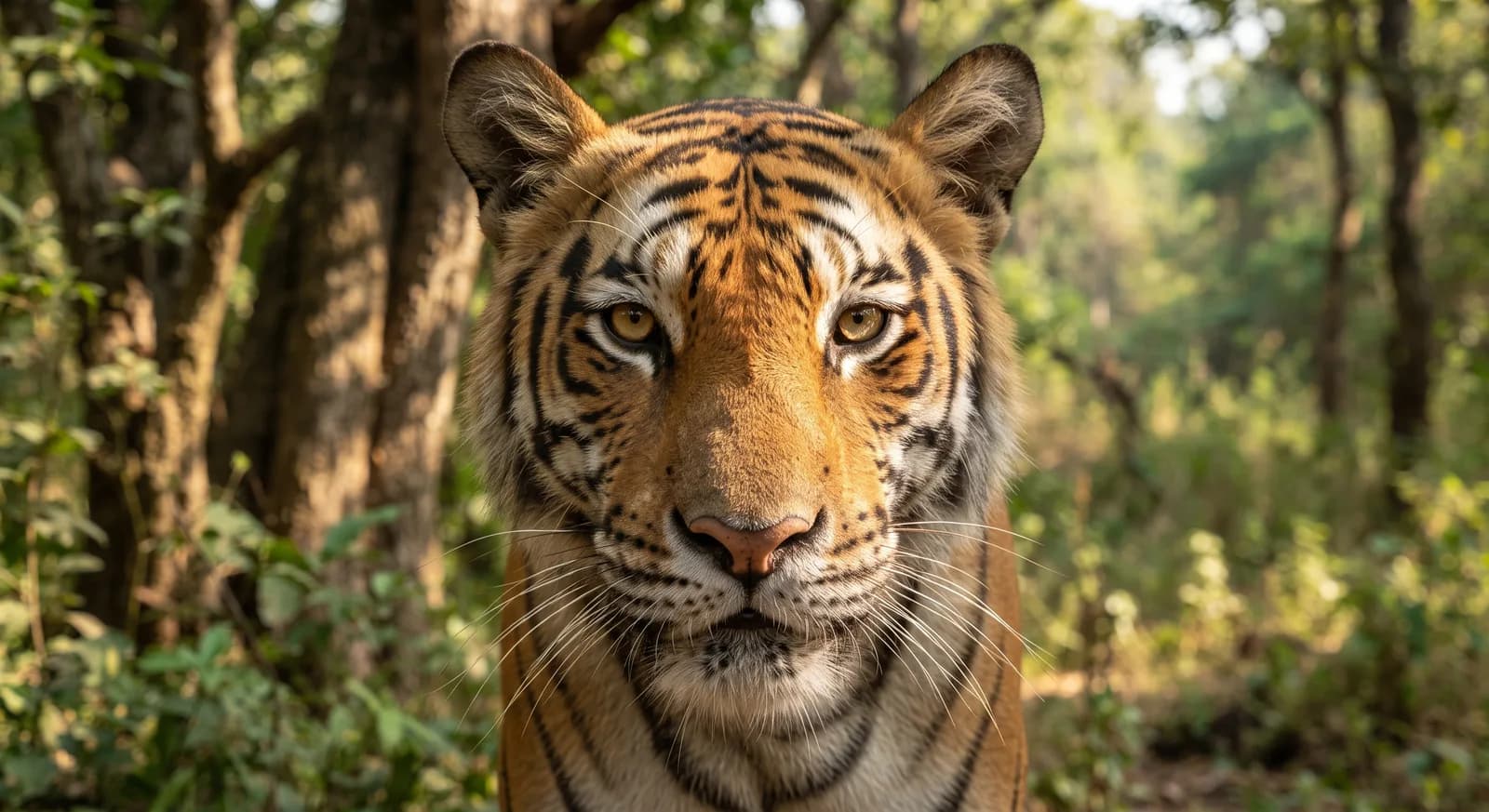
Tiger
Panthera tigris
 Endangered
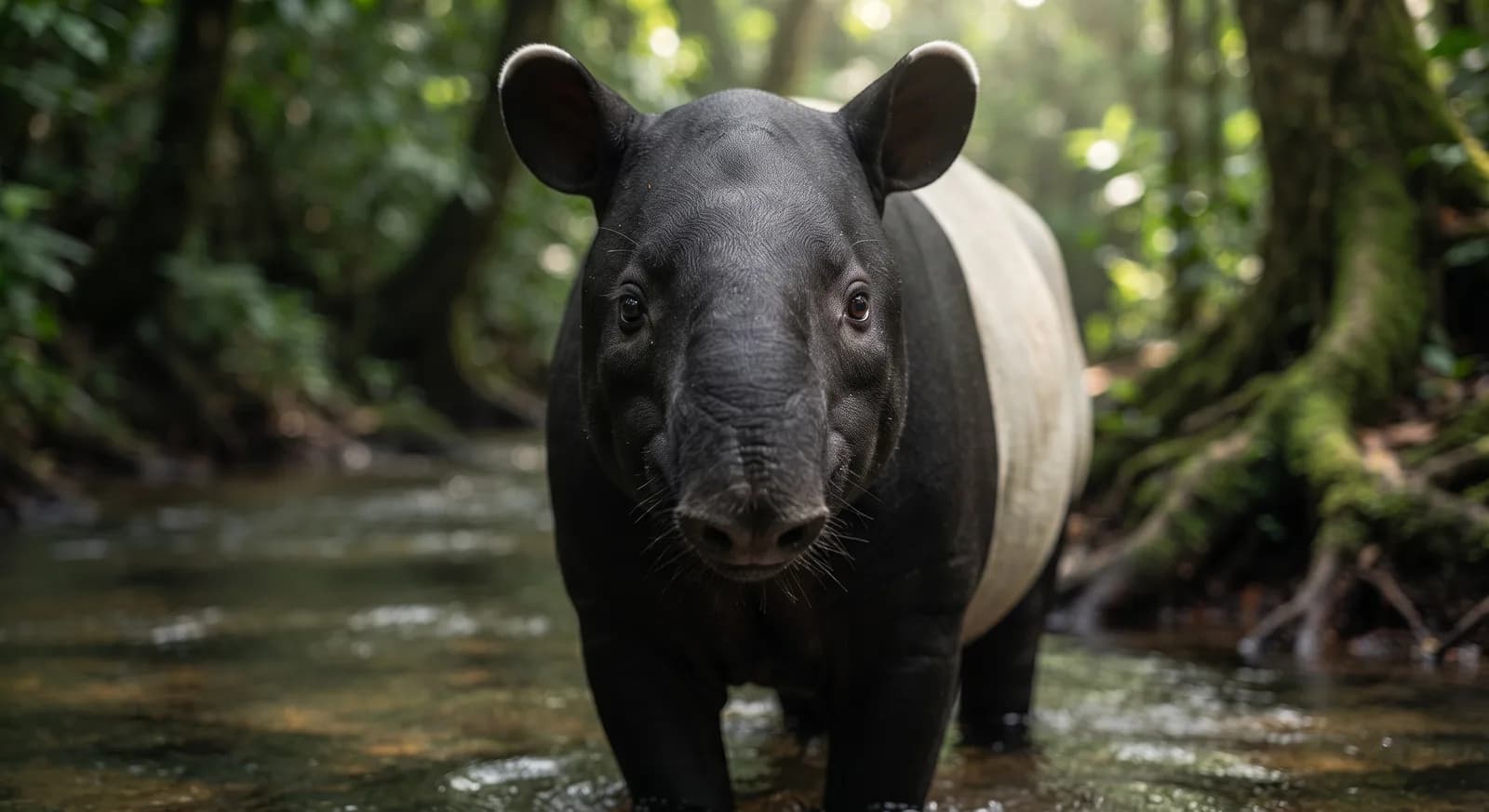
Malayan Tapir
Tapirus indicus
How to help
The bengal slow loris is classified as endangered. Organizations such as UICN, WWF y Wildlife Conservation Society work specifically on its conservation and that of its habitat; looking into their programs is a good starting point if you want to get involved.
It's documented in 8 real protected areas — part of why protecting these places matters for its conservation.
Keep exploring
Based on what we already know about bengal slow loris.
Comments
Share an experience, a fun fact or a tip for seeing the bengal slow loris.
Be the first to comment.