Bony fish · Istiophoriformes · Istiophoridae
Sailfish
Istiophorus platypterus
It faces a high risk of extinction in the wild over the medium term. See full glossary
The Indo-Pacific sailfish lives in the Indian and Pacific oceans, which is why it is also known in Spanish as pez vela del Pacífico y del Índico and pez vela oriental. It is one of the two sailfish species, along with the Atlantic sailfish. The Atlantic sailfish is considered to be smaller. Some hold that they are the same species.
Weight
55.1 kg on average
Size
up to 3.5 m
Lifespan
13 years
Diet
Carnivore
Feeds mainly on other animals.
Social structure
School
Gathers in coordinated schools, typical of fish.
Sighting difficulty
Moderate
Fun facts
- It is regarded as the fastest fish in the sea: bursts of more than 110 km/h over short distances have been timed.
- It can fold its huge sail-like dorsal fin into a groove along its back to cut drag when swimming fast.
- It spawns all year round in tropical waters, with a peak in the local summer; males and females swim in pairs, or two or three males pursue a single female.
Life cycle & biology
- Skeleton type
- Vertebrate - internal bony skeleton (bony fish)
- Habitat & environment
- Oceanic, epipelagic waters of the tropical and temperate Indo-Pacific, between 0 and 200 m and normally above the thermocline; denser near coasts and islands
- Sexual maturity
- At around 150 cm
Sources consulted: https://es.wikipedia.org/wiki/Istiophorus_platypterus
Where to find it
See its range on the interactive mapWhere to watch it
Parques y spots de buceo donde se ha documentado esta especie — se muestran 20 de 54 documentados.
Related species
Other species in the catalogue with the most in common with Sailfish — same habitat, park, country, tags or family.
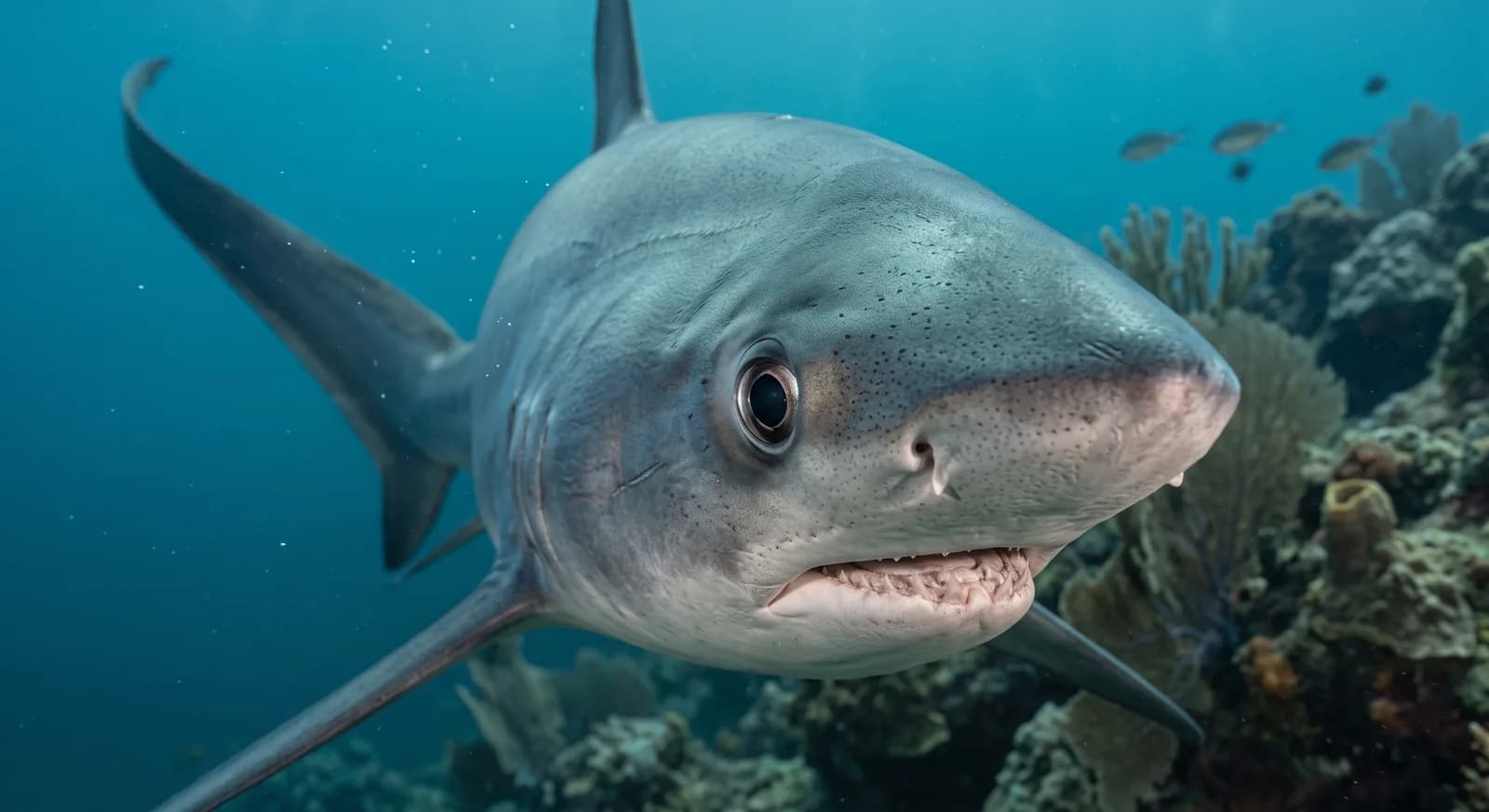 Vulnerable
Grayfish
Alopias vulpinus
Blacktip Reef Shark
Carcharhinus melanopterus
Spotted Seahorse
Hippocampus kuda
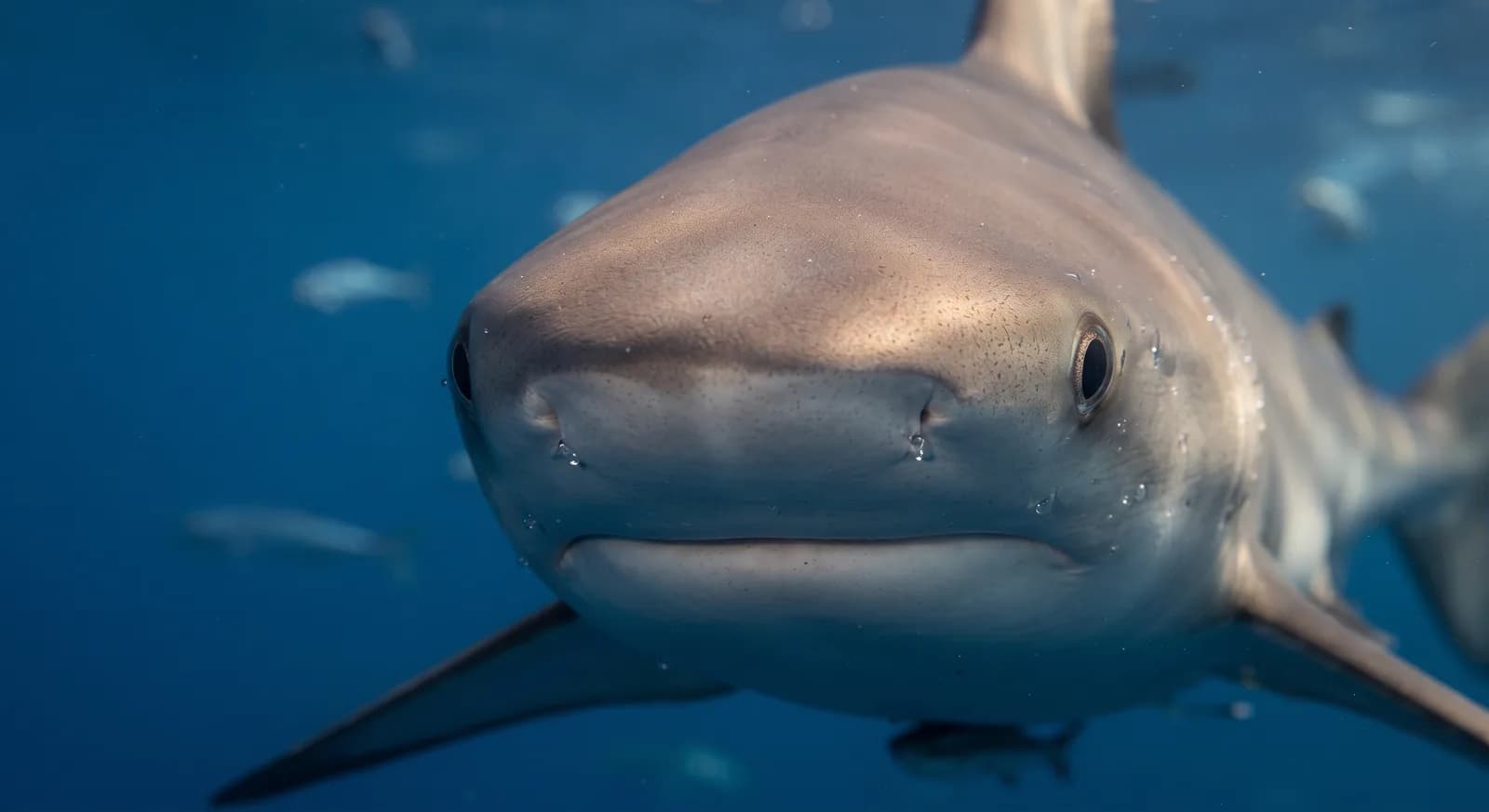 Vulnerable
Silky Shark
Carcharhinus falciformis
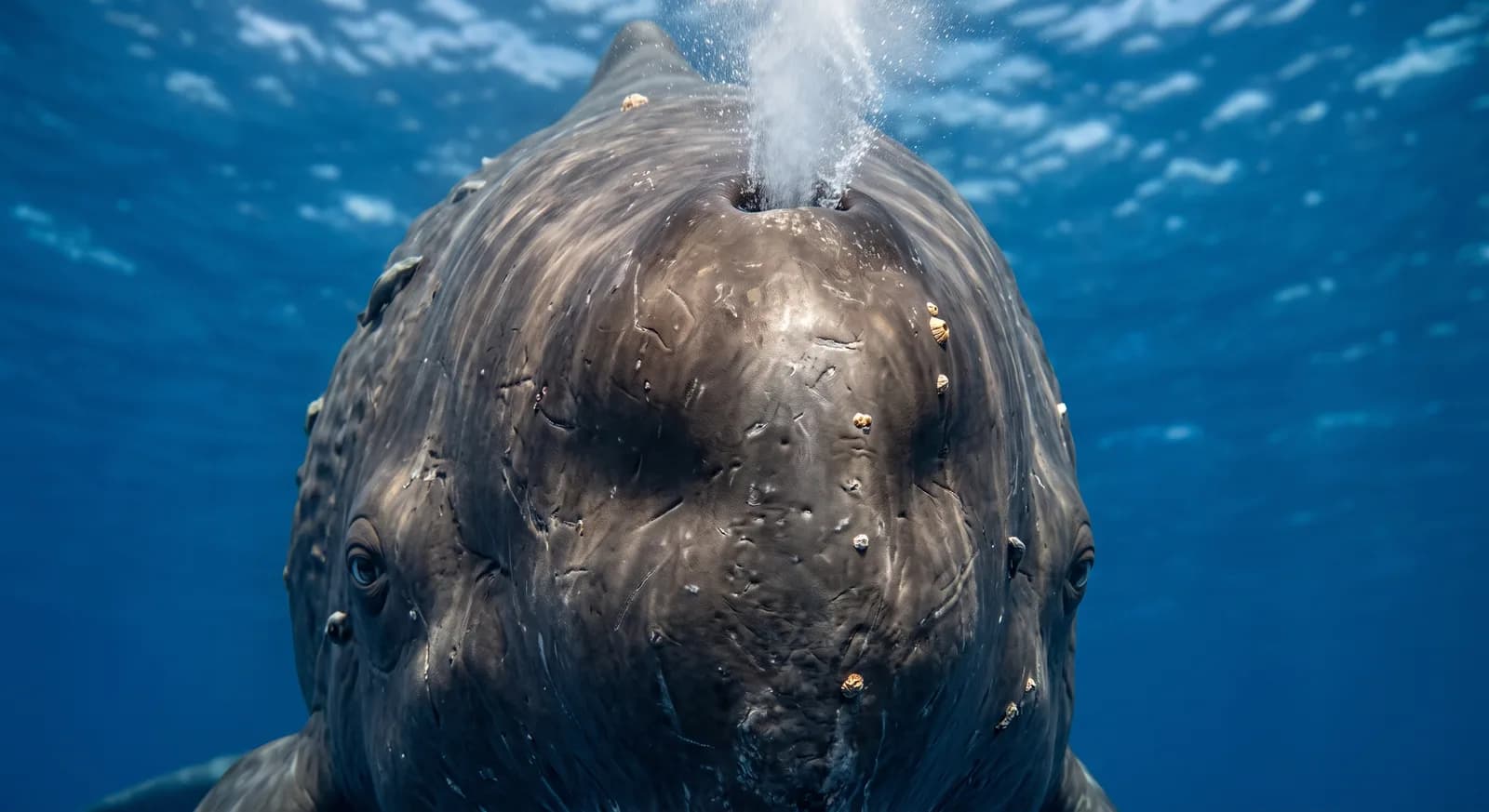 Vulnerable
Sperm Whale
Physeter macrocephalus
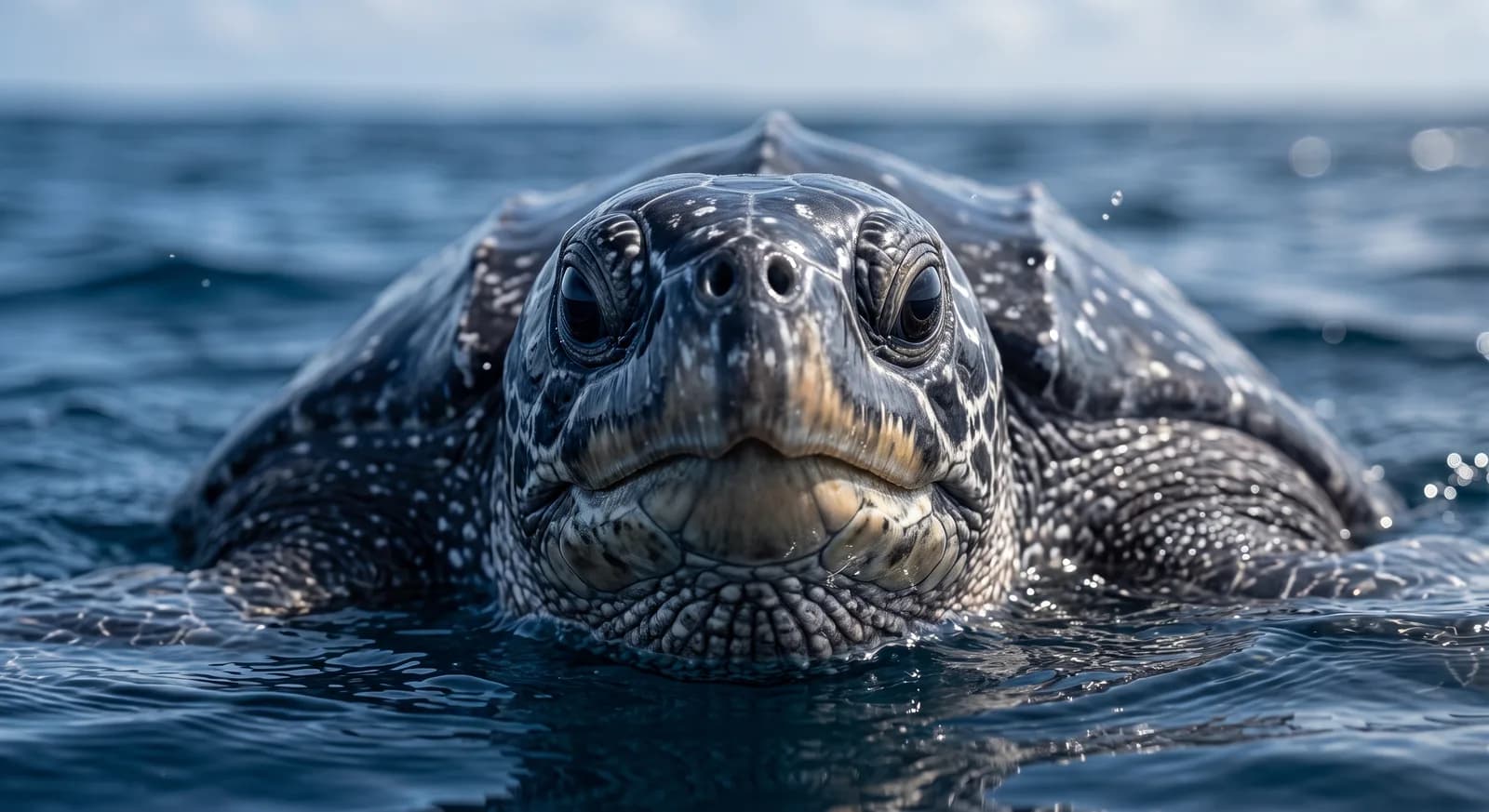 Vulnerable
Leatherback Sea Turtle
Dermochelys coriacea
How to help
The sailfish is classified as vulnerable. Organizations such as UICN, WWF y Wildlife Conservation Society work specifically on its conservation and that of its habitat; looking into their programs is a good starting point if you want to get involved.
It's documented in 19 real protected areas — part of why protecting these places matters for its conservation.
Keep exploring
Based on what we already know about sailfish.
Comments
Share an experience, a fun fact or a tip for seeing the sailfish.
Be the first to comment.