Mammals · Primates · Lorisidae
West African Potto
Perodicticus potto
The species is abundant and widely distributed; it faces no significant short-term risk. See full glossary
The potto is a nocturnal primate of equatorial Africa, the African relative of the Asian lorises. It moves with deliberate slowness and an extraordinarily firm grip, going hand over hand and never letting go with all four limbs at once. It eats fruit, tree gums and insects, including some foul-smelling ones that other animals reject. It is solitary and territorial, and its discretion means it is far commoner than sightings would suggest.
Weight
600 g – 1.6 kg
Size
30 cm – 40 cm
Lifespan
26 years
Diet
Omnivore
Combines animal and plant food depending on availability.
Activity
Nocturnal
Active mainly at night.
Social structure
Solitary
Lives and hunts alone, joining others only to breed.
Sighting difficulty
Easy
Fun facts
- GeneralIt moves very slowly and by night; the vertebrae of its neck form defensive shields.
- It has a defensive shield on the nape: its neck vertebrae carry elongated processes covered in thick skin that it can use to butt a predator head first from a branch.
- Its strategy in the face of danger is not to flee but to freeze: it grips the branch so hard that a human being needs both hands to prise it off, and it can stay motionless for hours.
Life cycle & biology
- Skeleton type
- Vertebrate - internal bony skeleton (mammal)
- Habitat & environment
- Canopy and middle storey of rainforest and gallery forest of equatorial Africa
- Sexual maturity
- 18 months
- Gestation / incubation
- 5.6 months
- Litter / clutch size
- 1
Sources consulted: https://es.wikipedia.org/wiki/Perodicticus_potto
Where to find it
See its range on the interactive mapWhere to watch it
Parques y spots de buceo donde se ha documentado esta especie — se muestran 10 de 16 documentados.
Related species
Other species in the catalogue with the most in common with West African Potto — same habitat, park, country, tags or family.
Northern Giant Pouched Rat
Cricetomys gambianus
 Least Concern
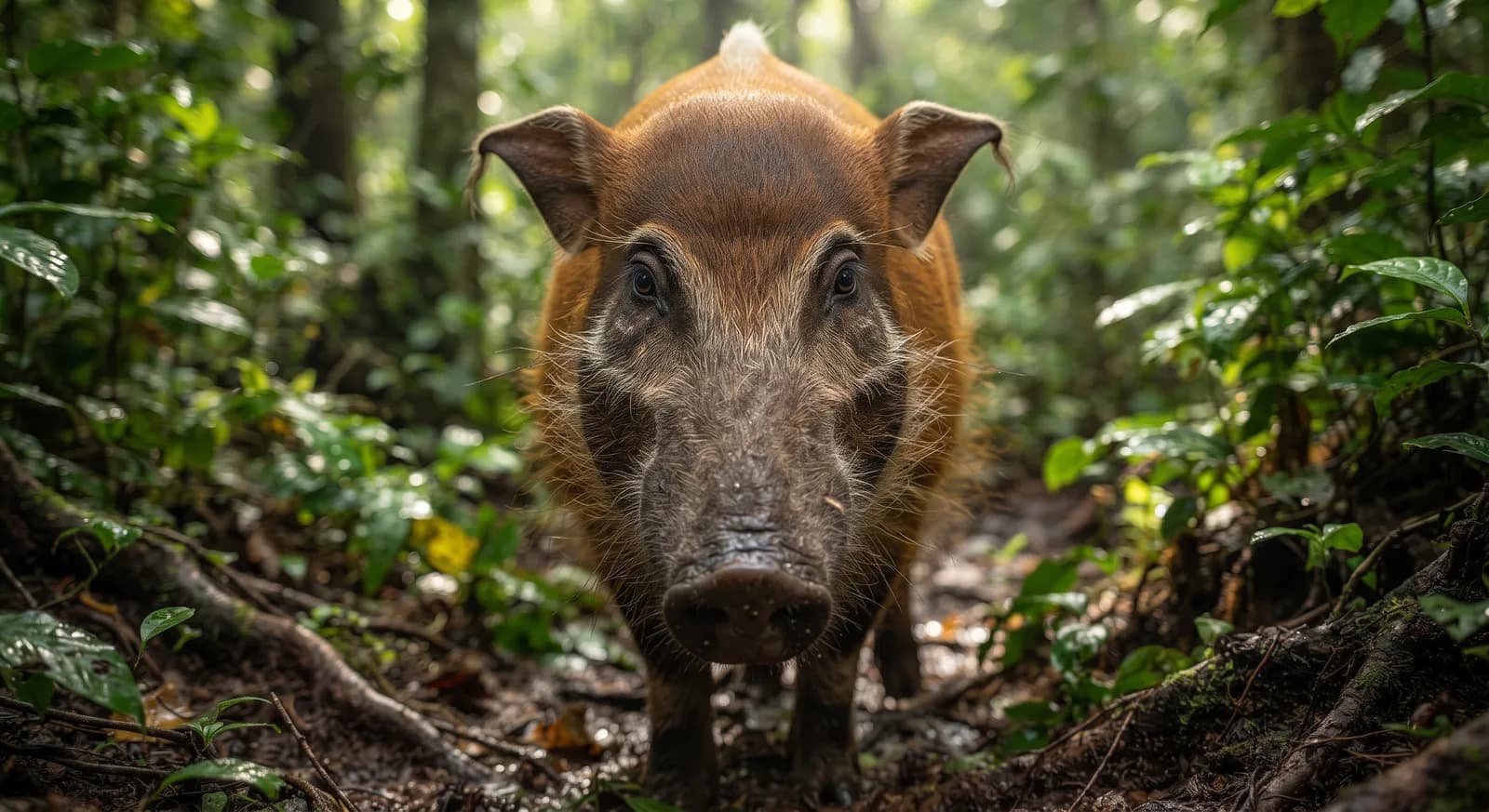
Red River Hog
Potamochoerus porcus
Water Chevrotain
Hyemoschus aquaticus
Egyptian Rousette
Rousettus aegyptiacus
 Vulnerable
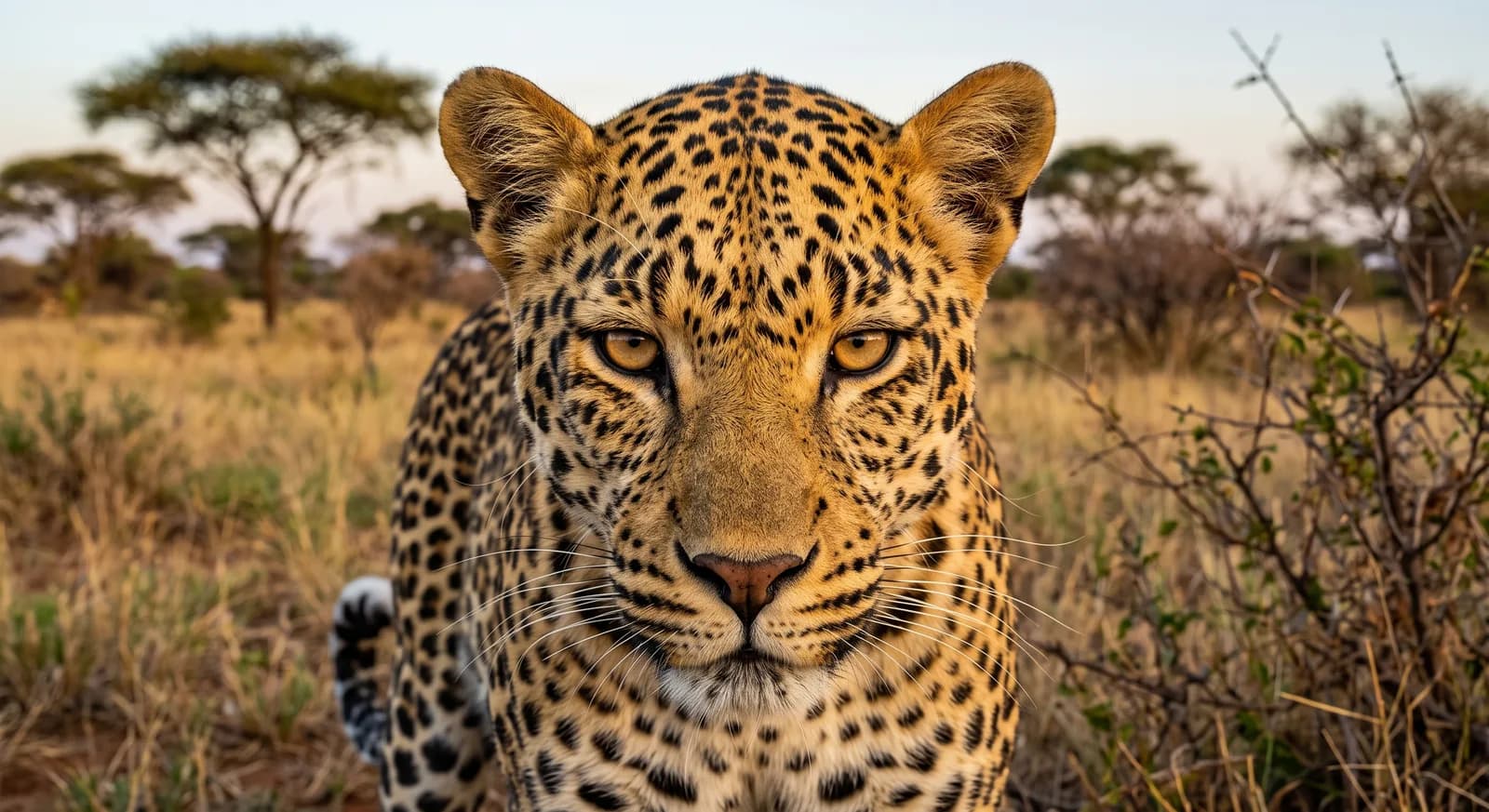
Leopard
Panthera pardus
 Least Concern
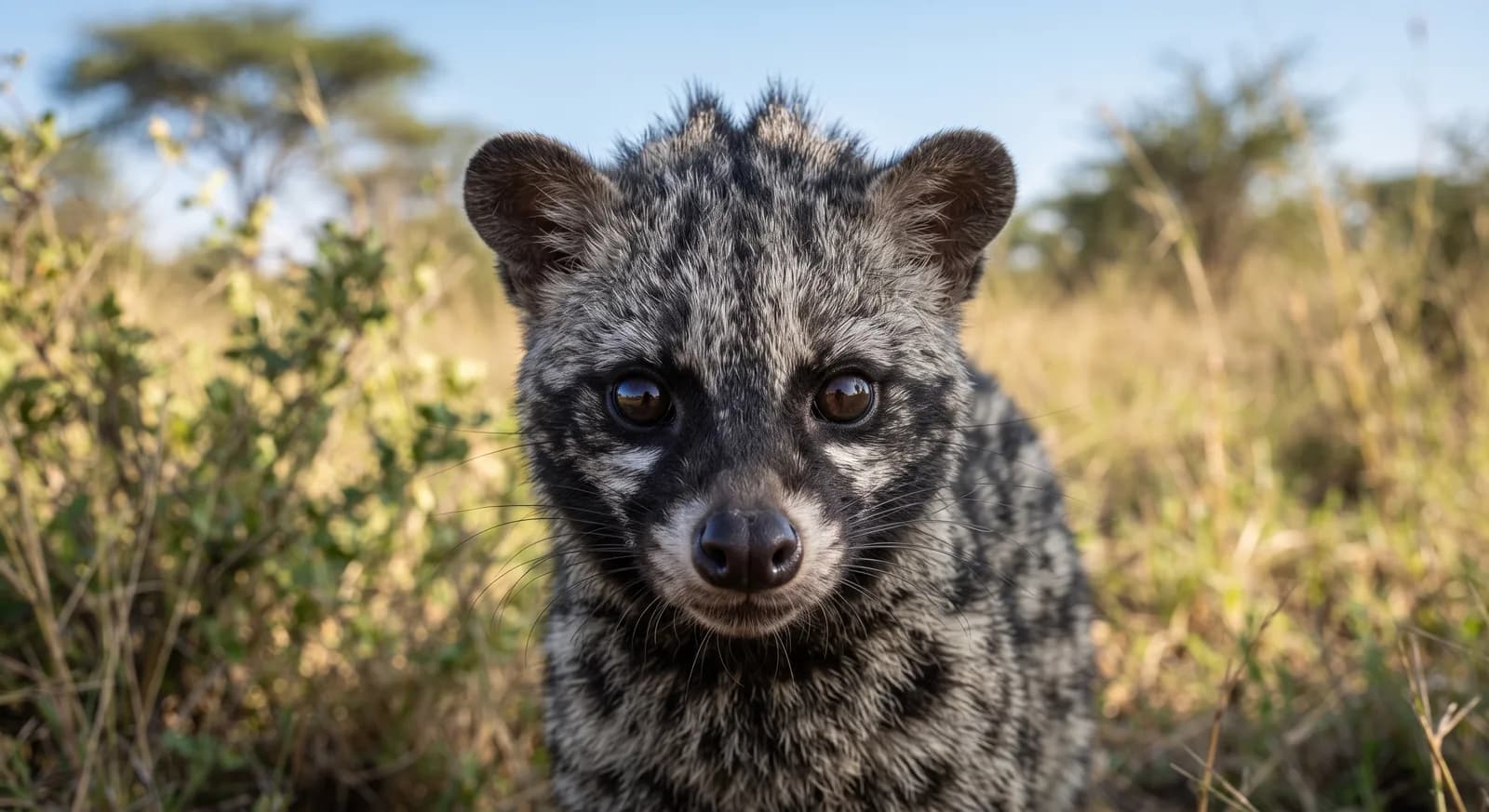
African Civet
Civettictis civetta
Keep exploring
Based on what we already know about west african potto.
Comments
Share an experience, a fun fact or a tip for seeing the west african potto.
Be the first to comment.