Skip to content
WAnimals
  • Map
  • Species
  • Parks
  • Diving
Log inCreate account
WAnimals

The guide for travellers and animal lovers: discover, plan and share your wild adventures around the world.

Discover wildlife

  • Species
  • Ecosystems
  • Glossary
  • Tags

Explore places

  • Map
  • Countries
  • Parks
  • Diving

Plan experiences

  • Guides

Learn

  • Blog

Resources

  • About us
  • How we build our profiles
  • Help centre
  • Contact
  • Install the app

Follow us

Account

  • Log in
  • Create account

© 2026 WAnimals. All rights reserved.

Terms of servicePrivacyCookiesLegal notice
MapSpeciesParksDiving
  1. Home
  2. Species
  3. Barrel Jellyfish

True jellyfish · Rhizostomeae · Rhizostomatidae

Barrel Jellyfish

Rhizostoma pulmo

Not Evaluated

It has not yet been assessed against the IUCN criteria.

Spotted something wrong?

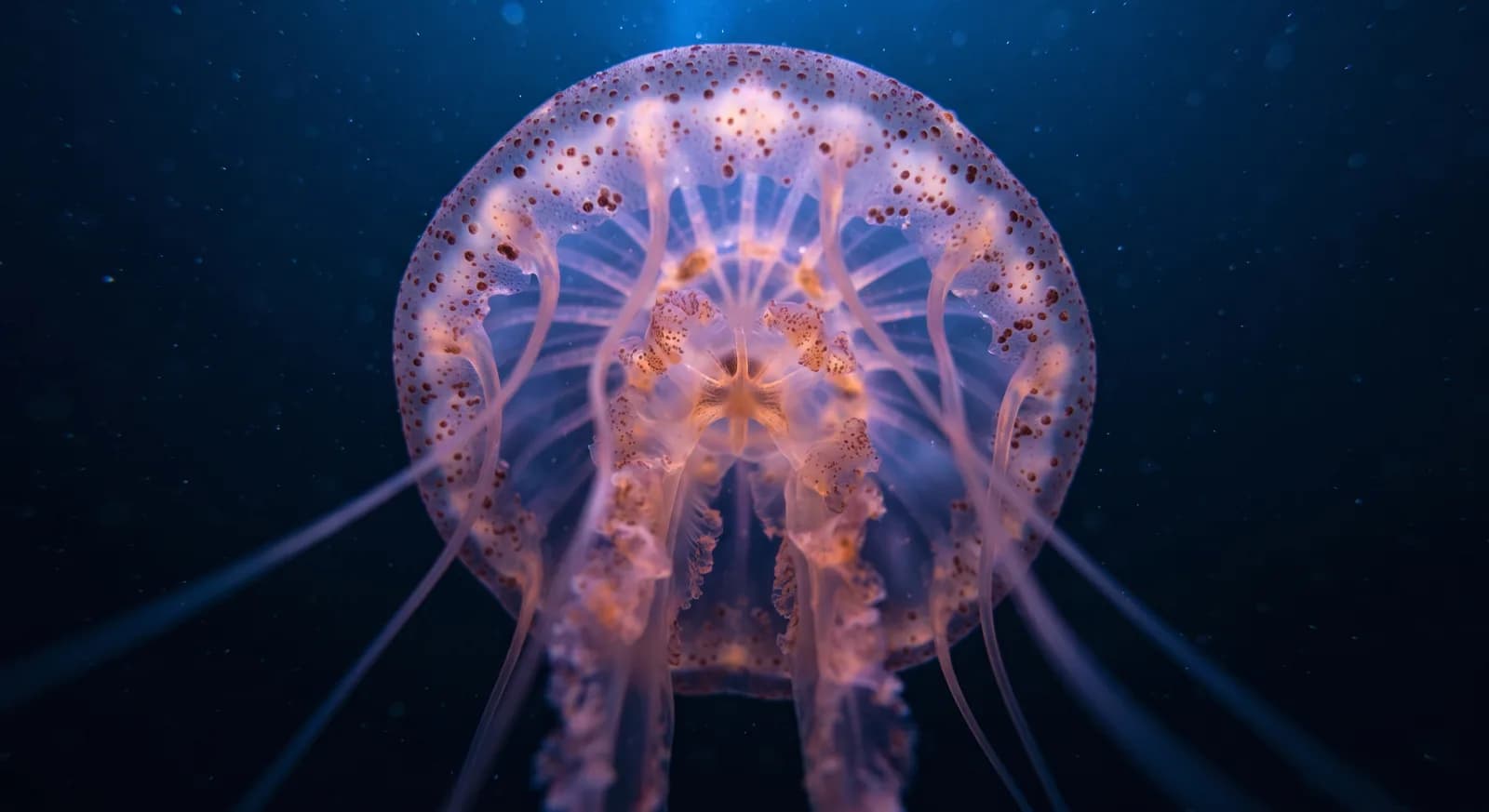
The barrel jellyfish is one of the largest in the Mediterranean, with a firm whitish bell edged in violet and eight thick, branching oral arms. It has no marginal tentacles: it filters plankton through thousands of tiny mouths spread over the arms.

Size

30 cm – 90 cm

Diet

Carnivore

Feeds mainly on other animals.

Social structure

Solitary

Lives and hunts alone, joining others only to breed.

23countries

Fun facts

  • As it has no tentacles, its sting is mild and often barely noticed, which sets it apart from other Mediterranean jellyfish that sting far more sharply.
  • Juvenile horse mackerel and other fish often shelter beneath its bell, making use of the jellyfish's protection while they grow.
  • In Asia it is eaten dried and salted, and commercial fishing for it has begun to be trialled in the Mediterranean too.
  • It has no marginal tentacles. Instead it carries eight fused oral arms riddled with thousands of tiny mouths through which it filters plankton, a design entirely different from that of most jellyfish.
  • It is among the largest in the Mediterranean: the bell reaches 90 cm and it can weigh more than ten kilos.
  • Its sting is mild for people, so its blooms are more of a nuisance to fishing and tourism than to swimmers.
  • Its use is being investigated: its collagen and mucins have biotechnological applications, and related jellyfish are eaten in Asia.
  • Juvenile horse mackerel and other fish often shelter beneath its bell, using it as a mobile hiding place.

Life cycle and biology

Skeleton type
Invertebrate - no skeleton (gelatinous cnidarian)
Habitat and environment
Coastal waters and brackish lagoons of the Mediterranean and the eastern Atlantic

Sources consulted: Macri (1778) · Leone et al. (2015), Marine Drugs · CIESM · ScienceDirect (Hughes 1989) · Science Advances, How colonial animals evolve · Wikipedia, Zooid

Where to find it

Best time: Summer and autumn, when it comes close to the Mediterranean shore

Loading map…

Related species

Other species in the catalogue with the most in common with Barrel Jellyfish — same habitat, park, country, tags or family.

Related to
Related to
Related to
Related to
Related to
Related to

Keep exploring

Based on what we already know about barrel jellyfish.
Share an experience, a fun fact or a tip for seeing the barrel jellyfish.
See full glossary
This page in other languages: Español · Deutsch · Français · Português · Italiano
Ocean
See its range on the interactive map→
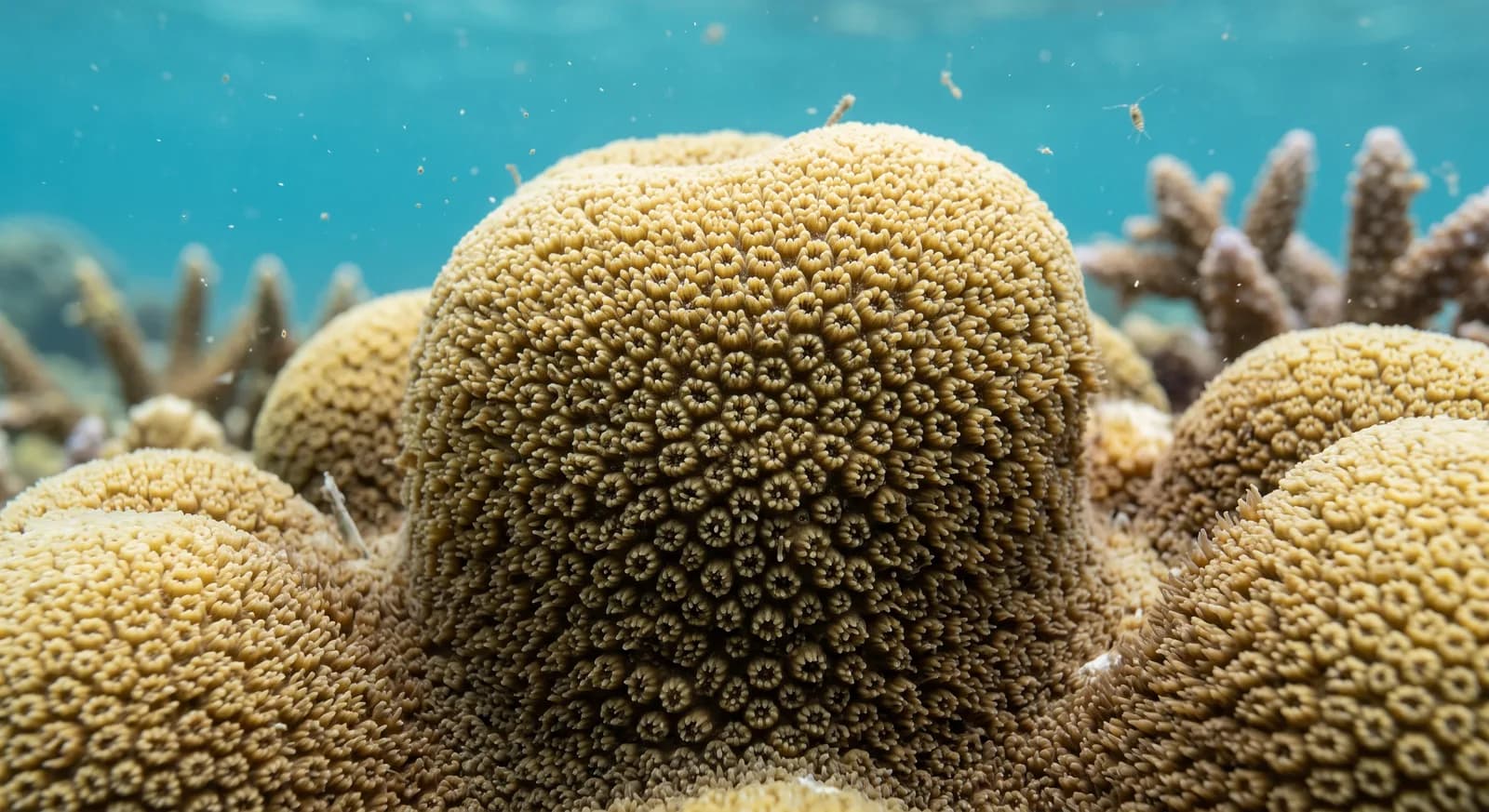
Head CoralNot Evaluated

Head Coral

Favia favus

Mauve StingerNot Evaluated

Mauve Stinger

Pelagia noctiluca

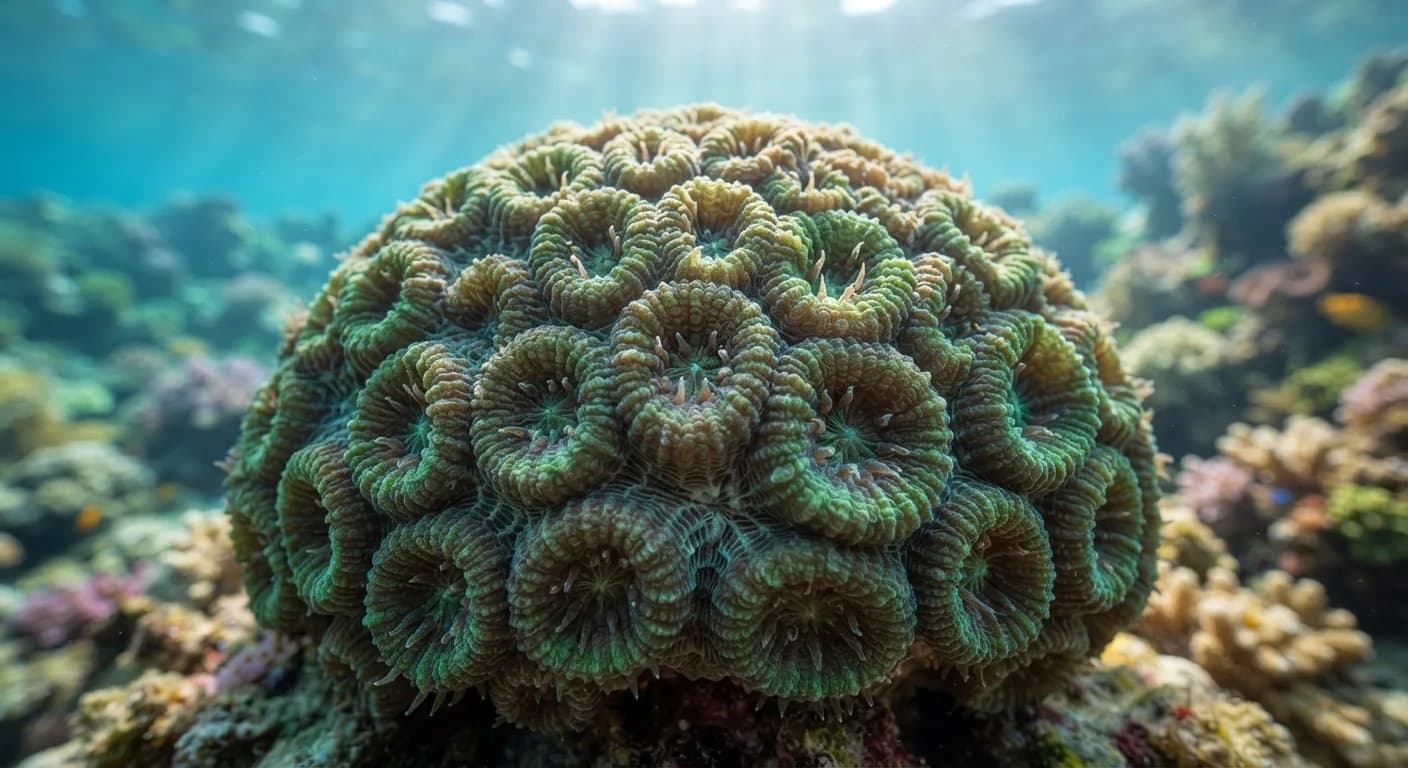
Lobe CoralNear Threatened

Lobe Coral

Porites lobata

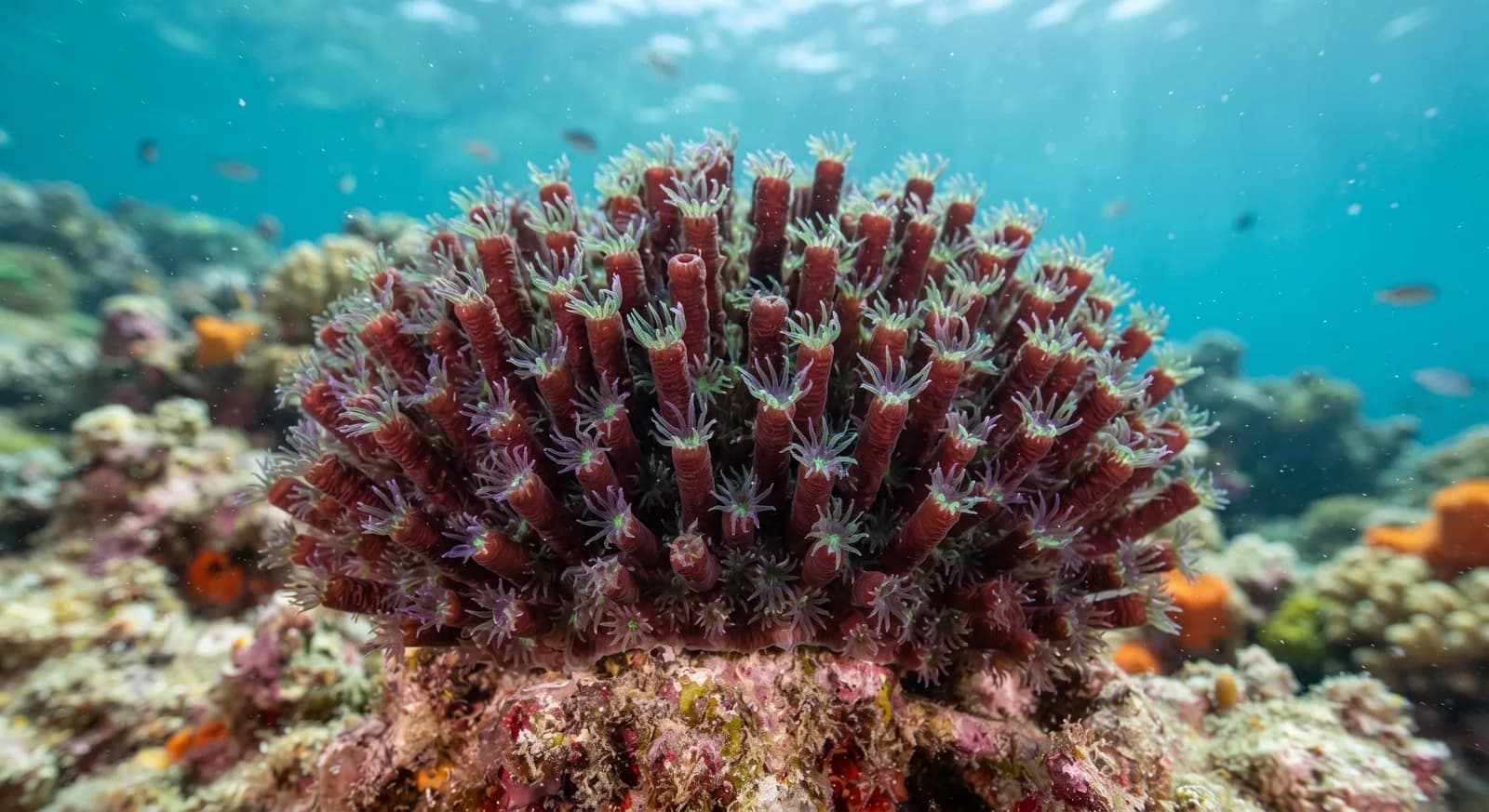
Organ Pipe CoralNot Evaluated

Organ Pipe Coral

Tubipora musica

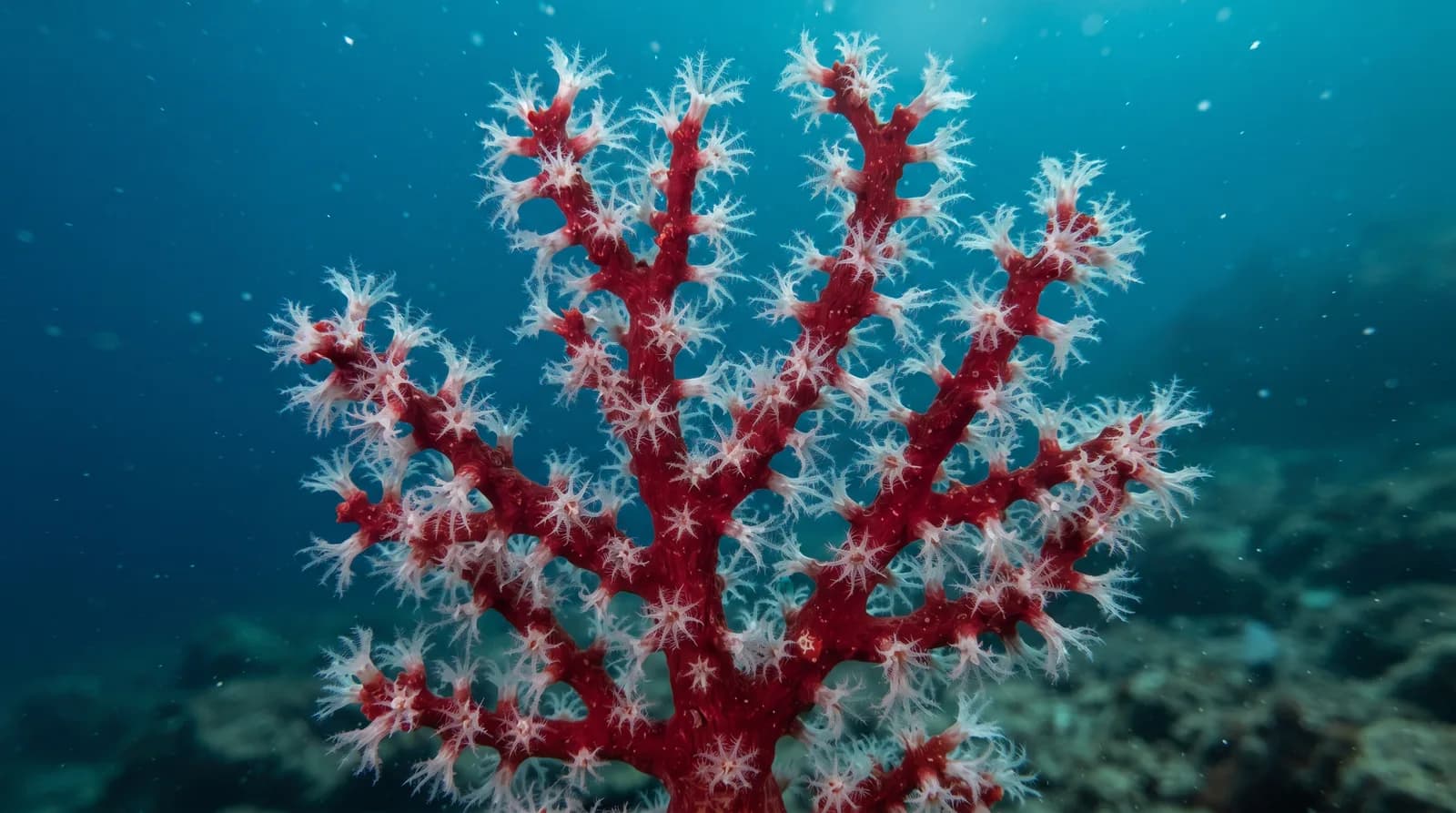
Red CoralEndangered

Red Coral

Corallium rubrum

Not Evaluated

Phosphorescent Sea Pen

Pennatula phosphorea

CountriesAlbania
TagsCarnivore
Carnivore
Colonial
Ocean
Cnidarian

Europe14

Africa5

Asia4

Albania
Algeria
Bosnia and Herzegovina
Croatia
Cyprus
Egypt
Albania
Bosnia and Herzegovina
Croatia
Cyprus
France
Greece
Italy
Malta
Monaco
Montenegro
Portugal
Slovenia
Spain
United Kingdom
Algeria
Egypt
Libya
Morocco
Tunisia
Israel
Lebanon
Syria
Türkiye