Skip to content
WAnimals
  • Map
  • Species
  • Parks
  • Diving
Log inCreate account
WAnimals

The guide for travellers and animal lovers: discover, plan and share your wild adventures around the world.

Discover wildlife

  • Species
  • Ecosystems
  • Glossary
  • Tags

Explore places

  • Map
  • Countries
  • Parks
  • Diving

Plan experiences

  • Guides

Learn

  • Blog

Resources

  • Help centre
  • Contact
  • Install the app

Follow us

Account

  • Log in
  • Create account

© 2026 WAnimals. All rights reserved.

About usHow we build our profilesTerms of servicePrivacyLegal notice
MapSpeciesParksDiving
  1. Home
  2. Species
  3. Species groups
  4. Cobras

Species group · Reptiles

Cobras

WAnimals has 7 species of cobra, in the family Elapidae.

7 species
1 family
88 countries
189 parks
Weight
2 kg – 8.8 kg
Length
90 cm – 4 m
Lifespan

All 7 species of cobras on WAnimals

Each one has its own full profile. This group does not replace them: it brings them together.

Conservation status

5 Least Concern1 Vulnerable1 Not Evaluated

1 species in this group is in a threatened category according to the IUCN.

Where they live

Recorded in 88 countries. The ones with the most species in the group:

Where to see them

Did you know…?

  • It has a single white ring on its hood, rather than the spectacles of the Indian cobra.

    From

  • Its hood carries a single ring with a central dot, like a monocle, as against the pair of rings joined by a line on the hood of the Indian cobra: it is the quickest way to tell them apart.

    From

  • Some populations are able to spit venom as well as bite, an ability that varies geographically within the same species.

    From

  • It sprays venom at the eyes from as far as 3 m, and can do so several times over.

    From

  • It spits venom into the eyes from more than two metres with remarkable accuracy, aiming specifically at the face and following the movement of the aggressor's head.

    From

  • It is the main cause of serious snakebites in several regions of southern Africa, above all because it enters rural homes at night following the rodents and bites people while they sleep.

    From

  • It is identified with the asp of ancient Egypt and with the death of Cleopatra.

    From

Ecosystems

·

20 – 25 years

Ranges calculated from the profiles that record the figure, not from all 7.

  • It is the uraeus of Ancient Egypt: the rearing cobra that crowns the foreheads of the pharaohs, symbol of the goddess Wadjet and of the protection of royalty, present on funerary masks and crowns for three millennia.

    From
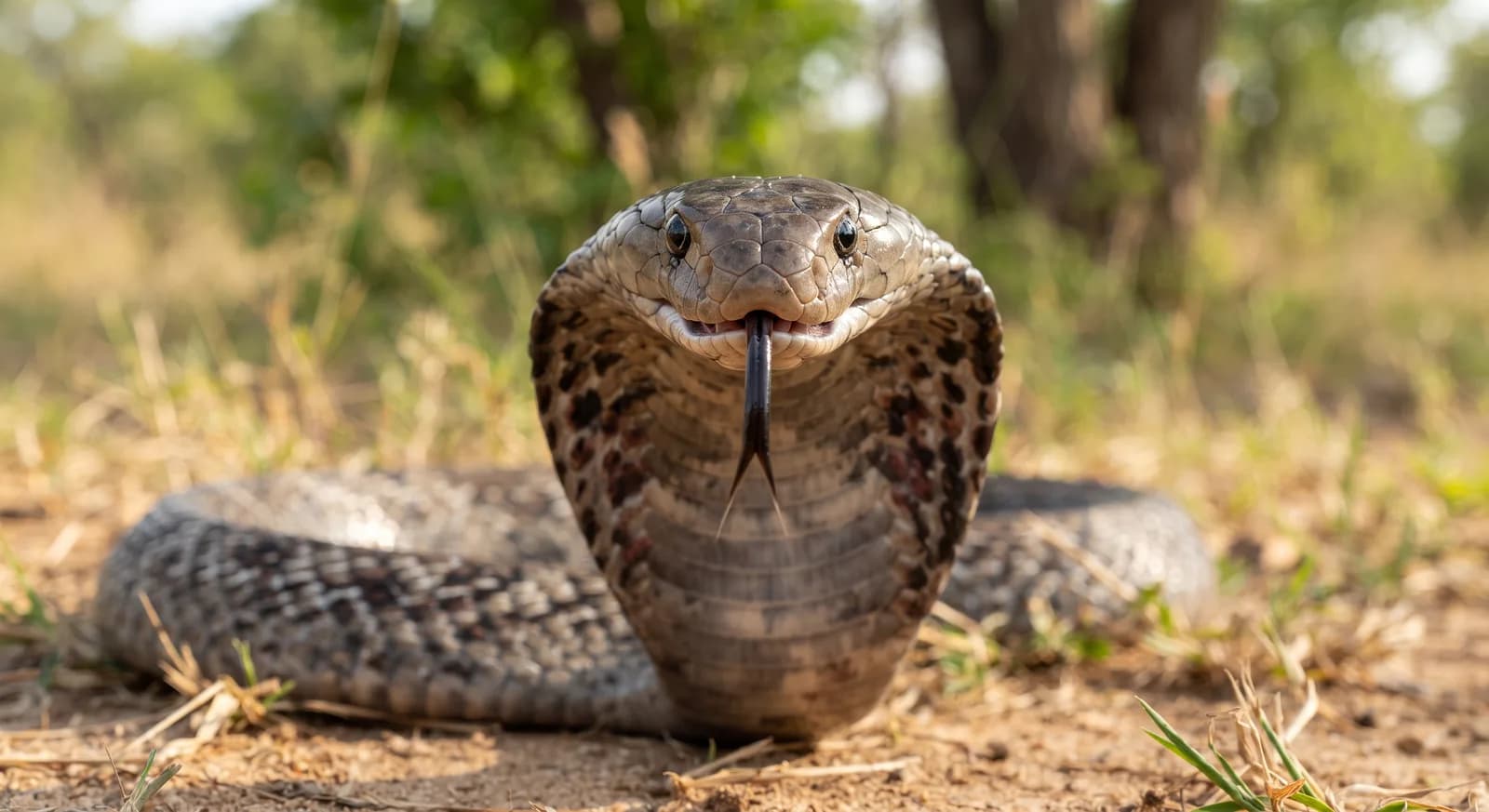
  • Monocled CobraLeast Concern

    Monocled Cobra

    Naja kaouthia

    17 countries20 parks
    Mozambique Spitting CobraLeast Concern

    Mozambique Spitting Cobra

    Naja mossambica

    10 countries33 parks
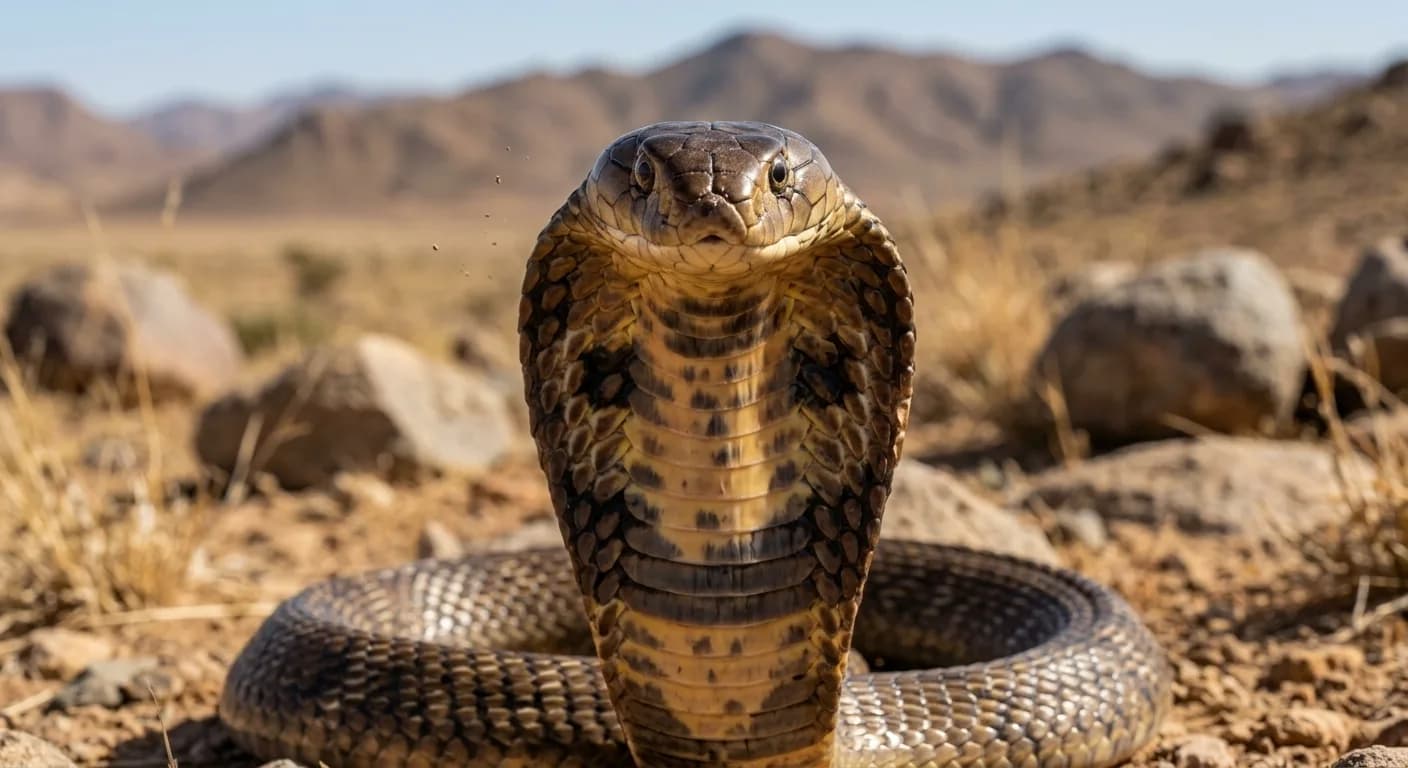
    Egyptian CobraLeast Concern

    Egyptian Cobra

    Naja haje

    68 countries36 parks
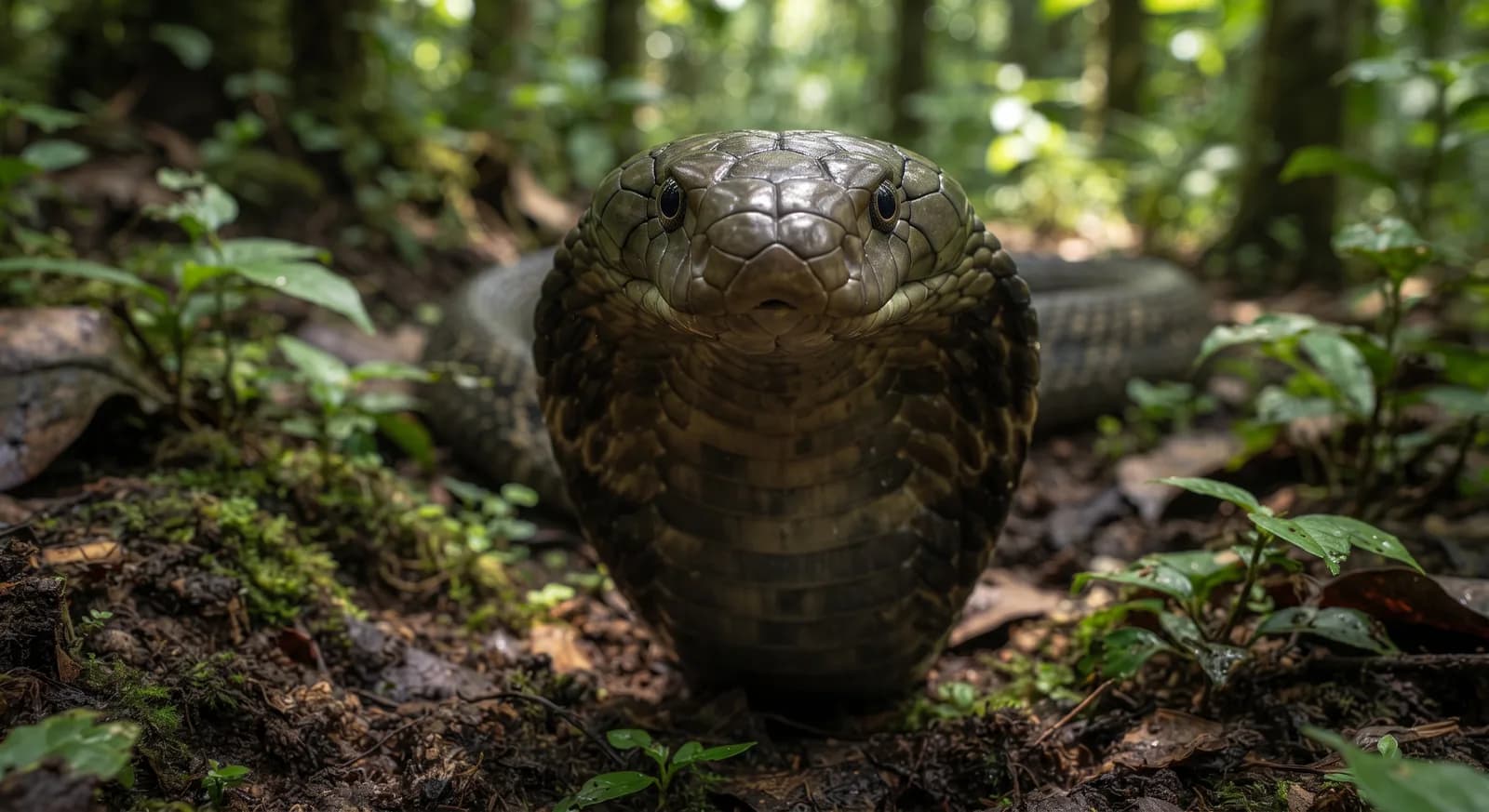
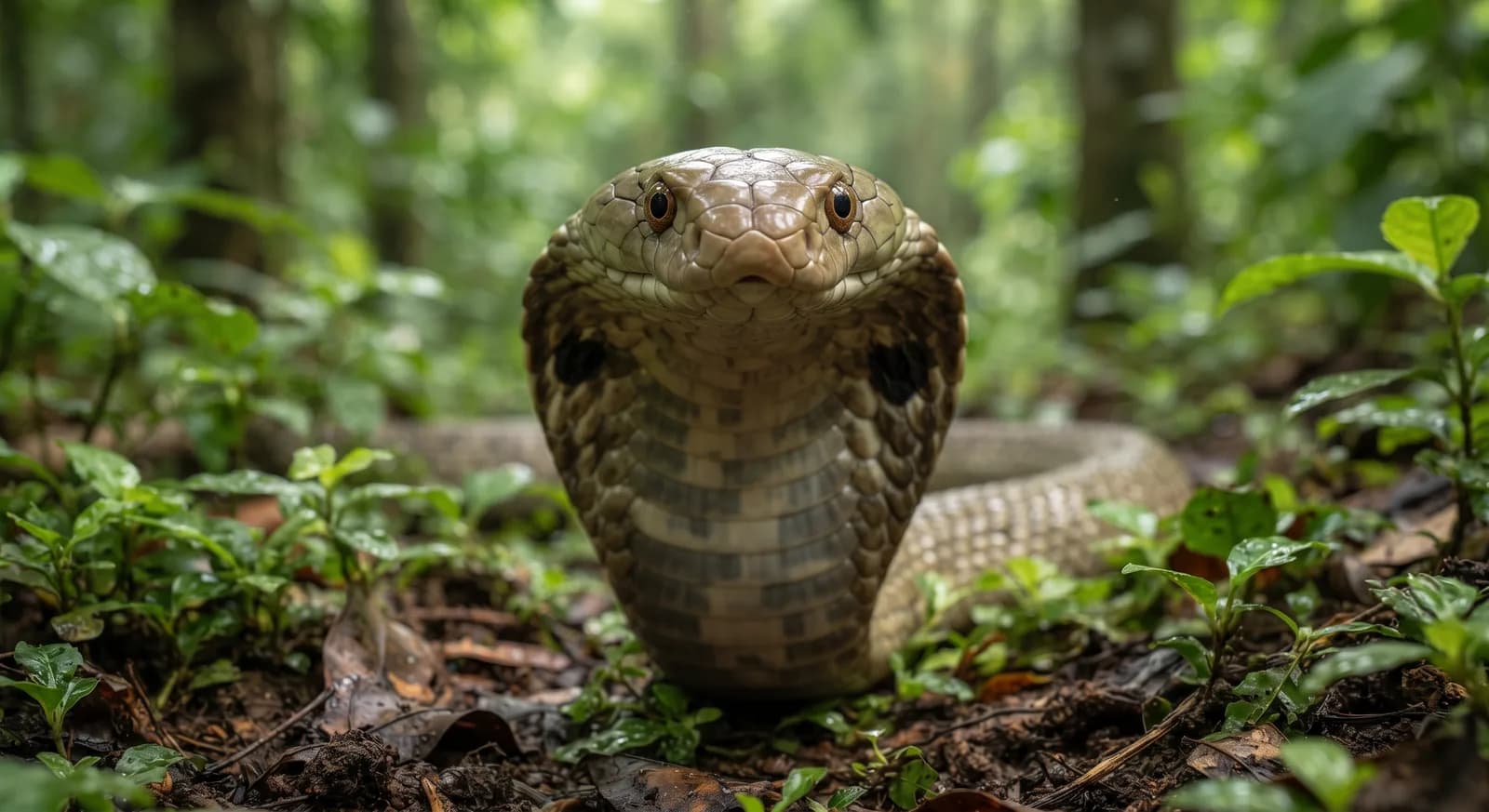
    King CobraVulnerable

    King Cobra

    Ophiophagus hannah

    16 countries57 parks
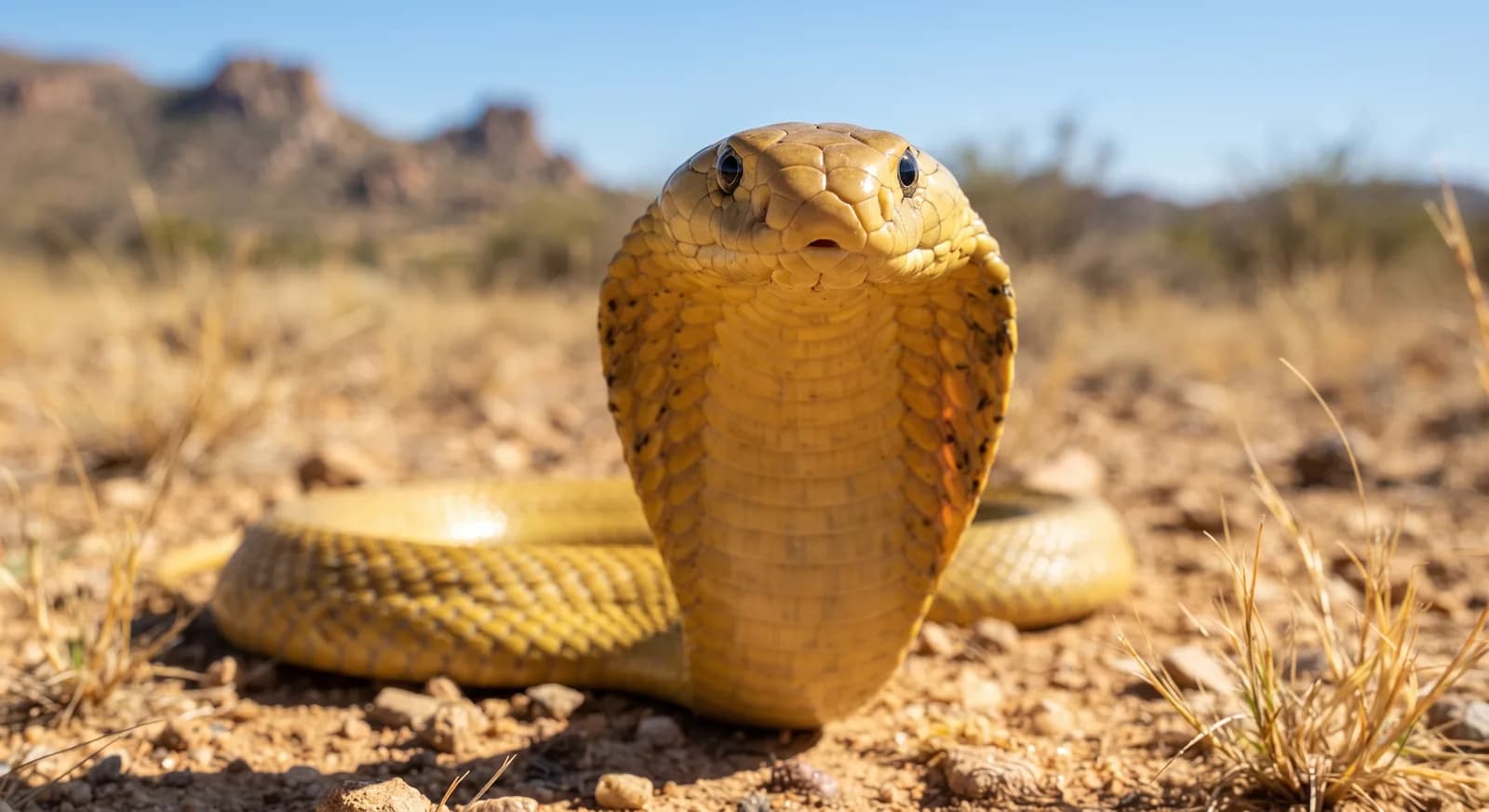
    Cape CobraLeast Concern

    Cape Cobra

    Naja nivea

    10 countries16 parks
    Least Concern

    Black-necked Spitting Cobra

    Naja nigricollis

    43 countries54 parks
    Not Evaluated

    Indian Cobra

    Naja naja

    11 countries37 parks
    Angola4
    Botswana4
    Eswatini4
    Malawi4
    Mozambique4
    Namibia4
    South Africa4
    Zambia4
    Zimbabwe4
    Bangladesh3
    Bhutan3
    India3
    Lesotho3
    Myanmar3
    Tanzania3
    Afghanistan2
    Benin2
    Brunei2
    Burkina Faso2
    Burundi2
    Cambodia2
    Cameroon2
    Central African Republic2
    Chad2
    Bhitarkanika3 species
    Etosha3 species
    Kgalagadi3 species
    Sundarbans3 species
    Alaungdaw Kathapa2 species
    Arly2 species
    Awash2 species
    Bandipur2 species
    Bardiya2 species
    Bokor2 species
    Cat Tien2 species
    Central Kalahari Game Reserve2 species
    Monocled Cobra
    Monocled Cobra
    Monocled Cobra
    Mozambique Spitting Cobra
    Mozambique Spitting Cobra
    Mozambique Spitting Cobra
    Egyptian Cobra
    Grassland6
    Savanna4
    Desert3
    Rainforest2
    Freshwater1
    Temperate forest1
    See every species group
    Explore the species one by one
    This page in other languages: Español · Deutsch · Français · Português · Italiano
    Egyptian Cobra