Skip to content
WAnimals
  • Map
  • Species
  • Parks
  • Diving
Log inCreate account
WAnimals

The guide for travellers and animal lovers: discover, plan and share your wild adventures around the world.

Discover wildlife

  • Species
  • Ecosystems
  • Glossary
  • Tags

Explore places

  • Map
  • Countries
  • Parks
  • Diving

Plan experiences

  • Guides

Learn

  • Blog

Resources

  • About us
  • How we build our profiles
  • Help centre
  • Contact
  • Install the app

Follow us

Account

  • Log in
  • Create account

© 2026 WAnimals. All rights reserved.

Terms of servicePrivacyCookiesLegal notice
MapSpeciesParksDiving
  1. Home
  2. Species
  3. Ocellate Torpedo
Ocellate Torpedo (Torpedo torpedo)

Cartilaginous fish · Torpediniformes · Torpedinidae

Ocellate Torpedo

Torpedo torpedo

Vulnerable

At high risk of extinction in the wild over the medium term.

Spotted something wrong?

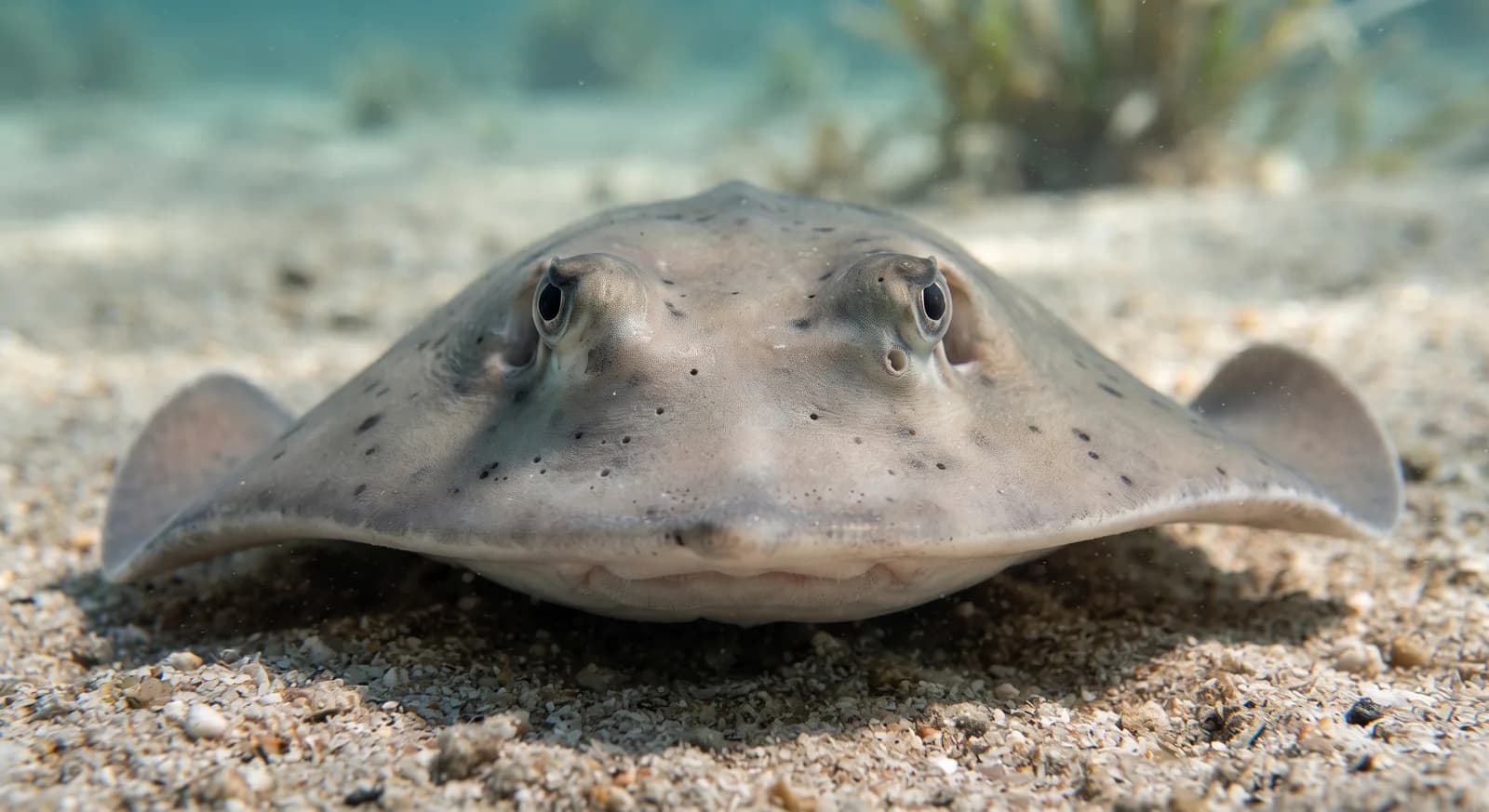
The ocellate torpedo, or common torpedo ray, is a medium-sized cartilaginous fish similar to the electric ray, a name that is also used for this fish itself.

Size

up to 60 cm

Diet

Carnivore

Feeds mainly on other animals.

Activity

Nocturnal

Active mainly at night.
Social structure

Solitary

Lives and hunts alone, joining others only to breed.

Ocean
24countries69dive sites1same family

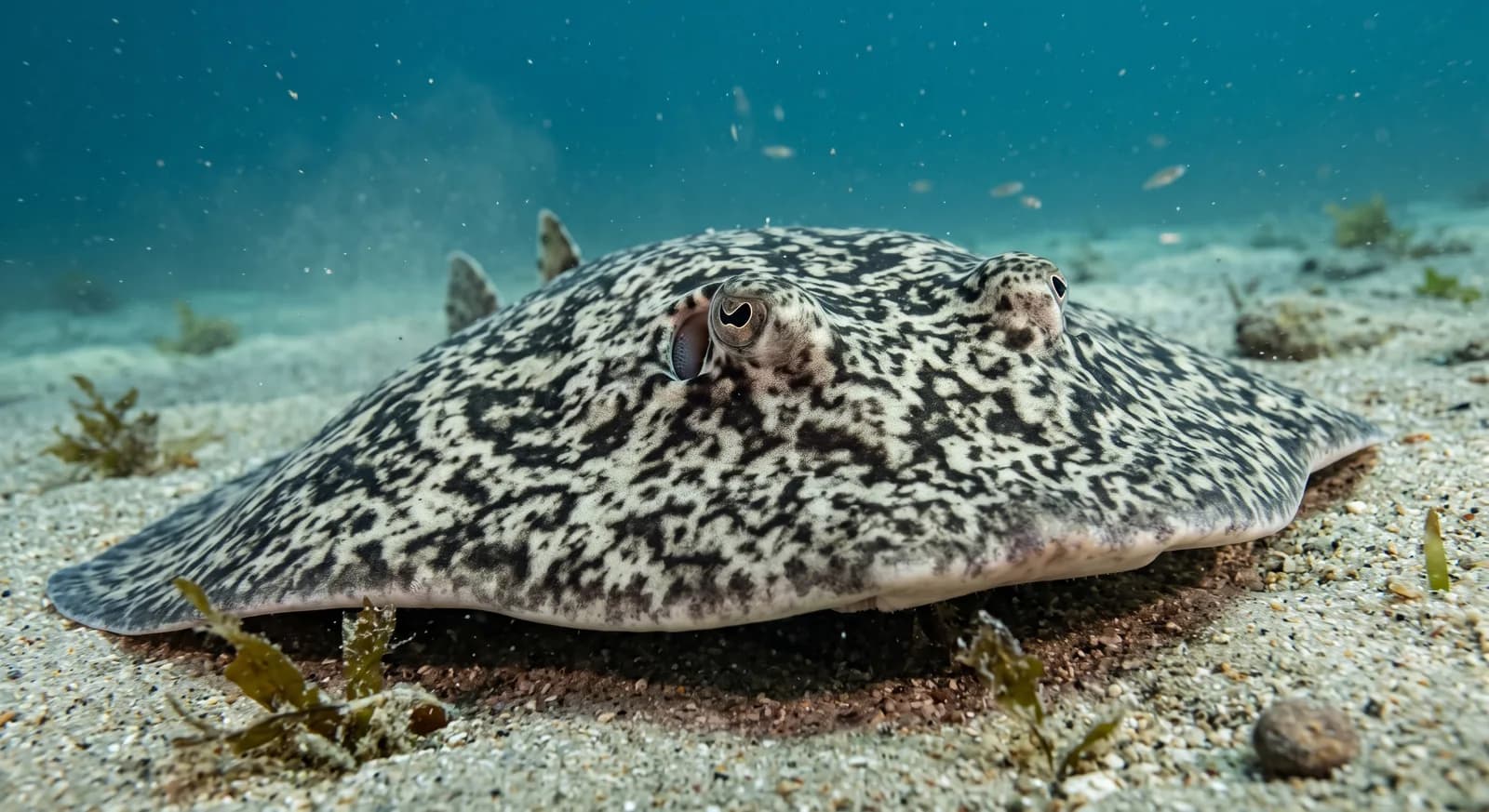
AI-generated images: illustrations, not photographs.

Fun facts

  • It discharges up to 200 volts, both to stun prey and to defend itself. The electric organs, two kidney-shaped masses, show through the skin on either side of the head.
  • It is identified by the blue ocelli on its back, usually five but ranging from none to nine.
  • It ambushes prey at night, lying buried by day with only its eyes and spiracles exposed.
  • In closely related species of the same genus the electric organs work before birth: newborns can already use the discharge to catch prey.

Life cycle and biology

Skeleton type
Vertebrate - cartilaginous skeleton (chondrichthyan fish)
Habitat and environment
Soft coastal bottoms of the eastern Atlantic and the Mediterranean — sandy plains and seagrass meadows — normally between 2 and 70 m, although it has been recorded down to 400 m
Sexual maturity
4 years
Litter / clutch size
3.4 (average)

Sources consulted: Wikipedia (es): Torpedo torpedo

Where to find it

Loading map…

Where to see it

Parks and dive sites where this species has been documented — showing 10 of 69.

Related species

Other species in the catalogue with the most in common with Ocellate Torpedo — same habitat, park, country, tags or family.

Same taxonomic family
Shares a dive site
Shares a dive site
Shares a dive site
Shares a dive site
Shares a dive site

How to help

The ocellate torpedo is classified as vulnerable. Organisations such as the IUCN, WWF and the Wildlife Conservation Society work specifically on its conservation and that of its habitat; looking into their programmes is a good starting point if you want to get involved.

It's documented in 8 protected areas — one reason why protecting these places matters for its conservation.

Keep exploring

Based on what we already know about ocellate torpedo.

Share an experience, a fun fact or a tip for seeing the ocellate torpedo.
See full glossary
This page in other languages: Español · Deutsch · Français · Português · Italiano

The pins mark the dive sites where its presence is documented.

See its range on the interactive map→
Zenobia WreckCyprus
Medes IslandsSpain
Cap de CreusSpain
El Hierro / La RestingaSpain
Museo Atlántico (Lanzarote)Spain
Zakynthos (loggerhead turtle)Greece
Kastellorizo (Blue Cave)Greece
Malta (Blue Hole Gozo / Um El Faroud)Malta
Tavolara (Sardinia)Italy
Plemmirio Marine Reserve (Sicily)Italy
See all 69 dive sites
Marbled Electric RayVulnerable

Marbled Electric Ray

Torpedo marmorata

Vulnerable

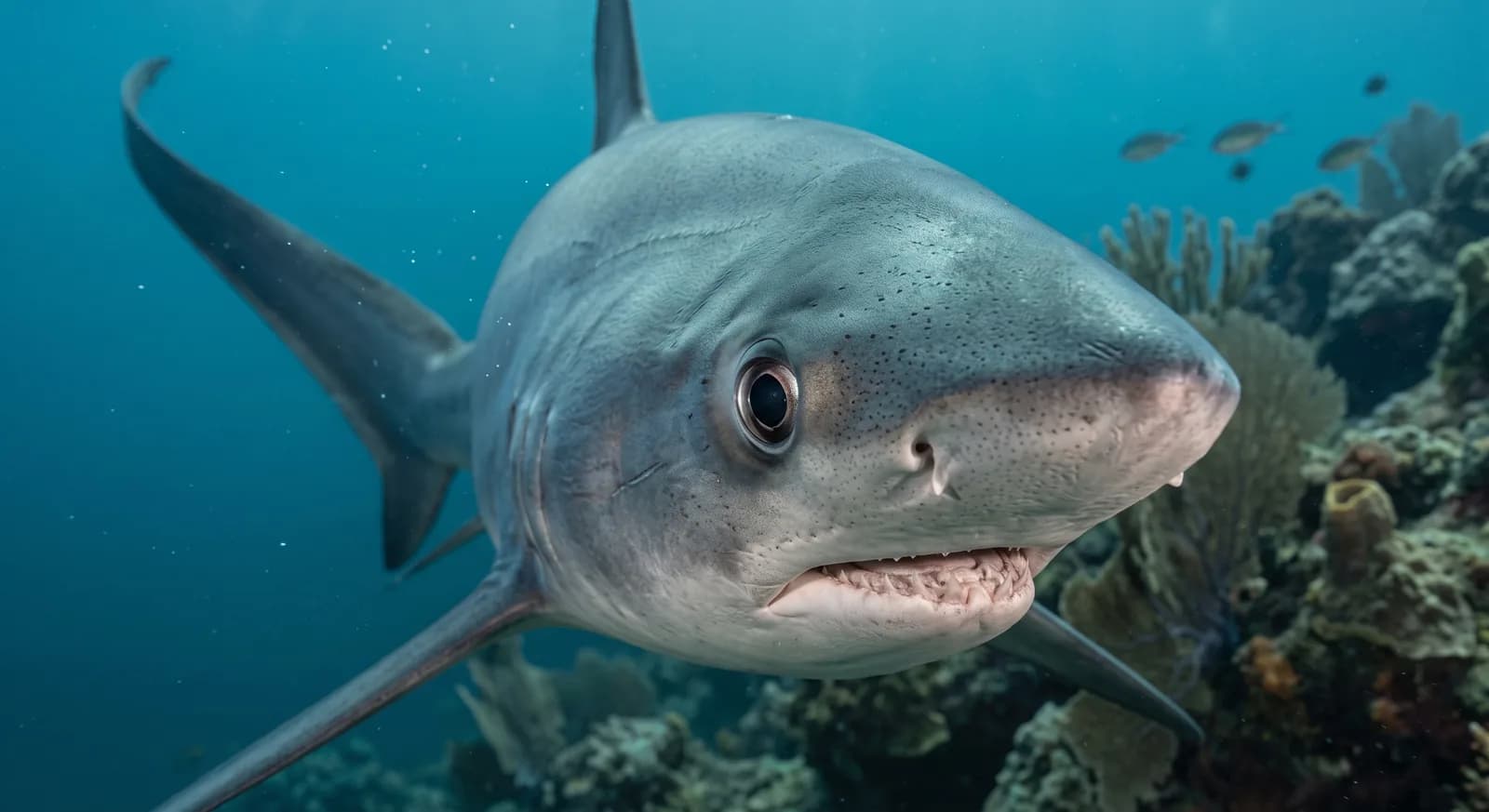
Porbeagle

Lamna nasus

Common Thresher SharkVulnerable

Common Thresher Shark

Alopias vulpinus

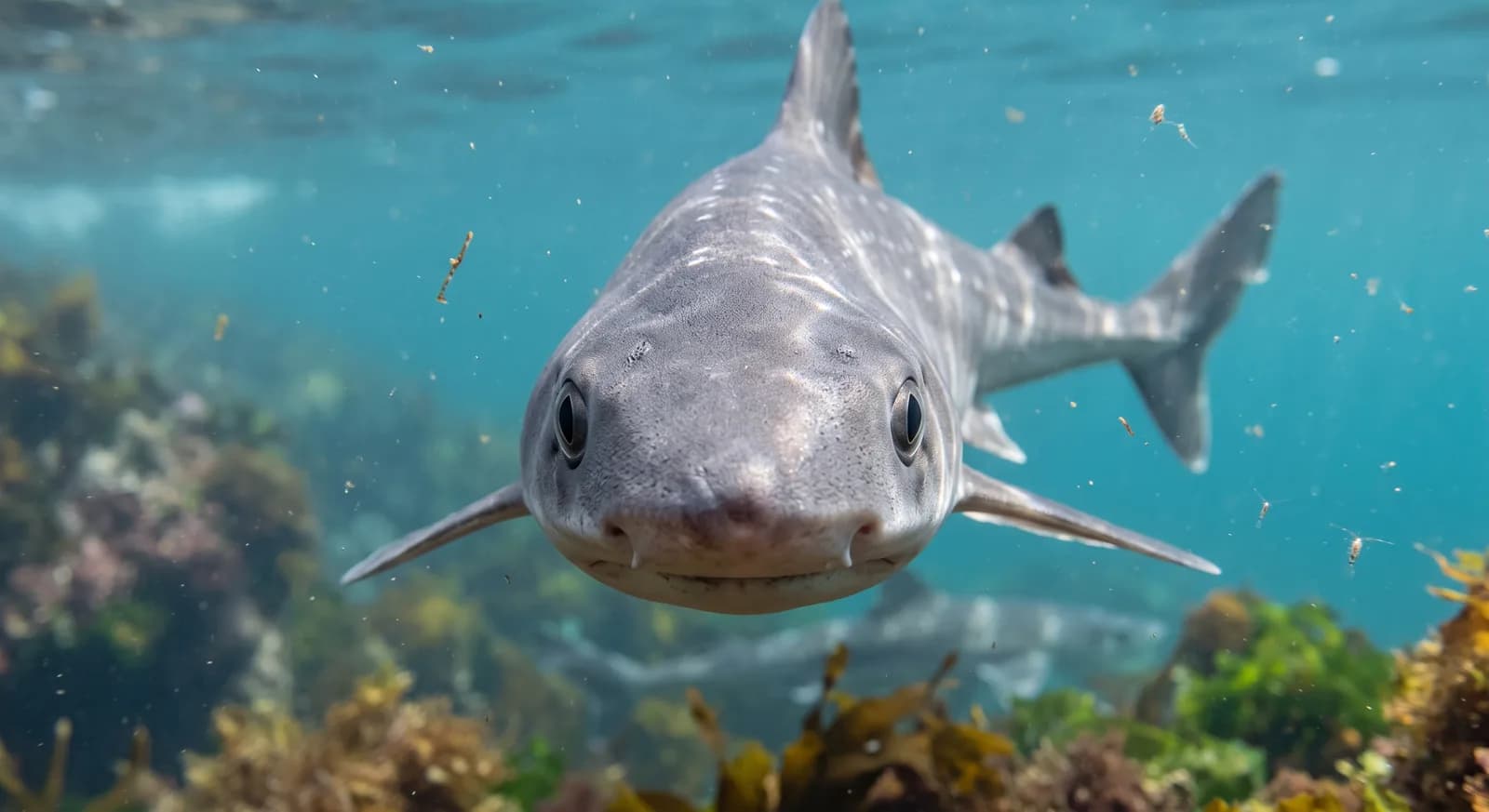
SpurdogVulnerable

Spurdog

Squalus acanthias

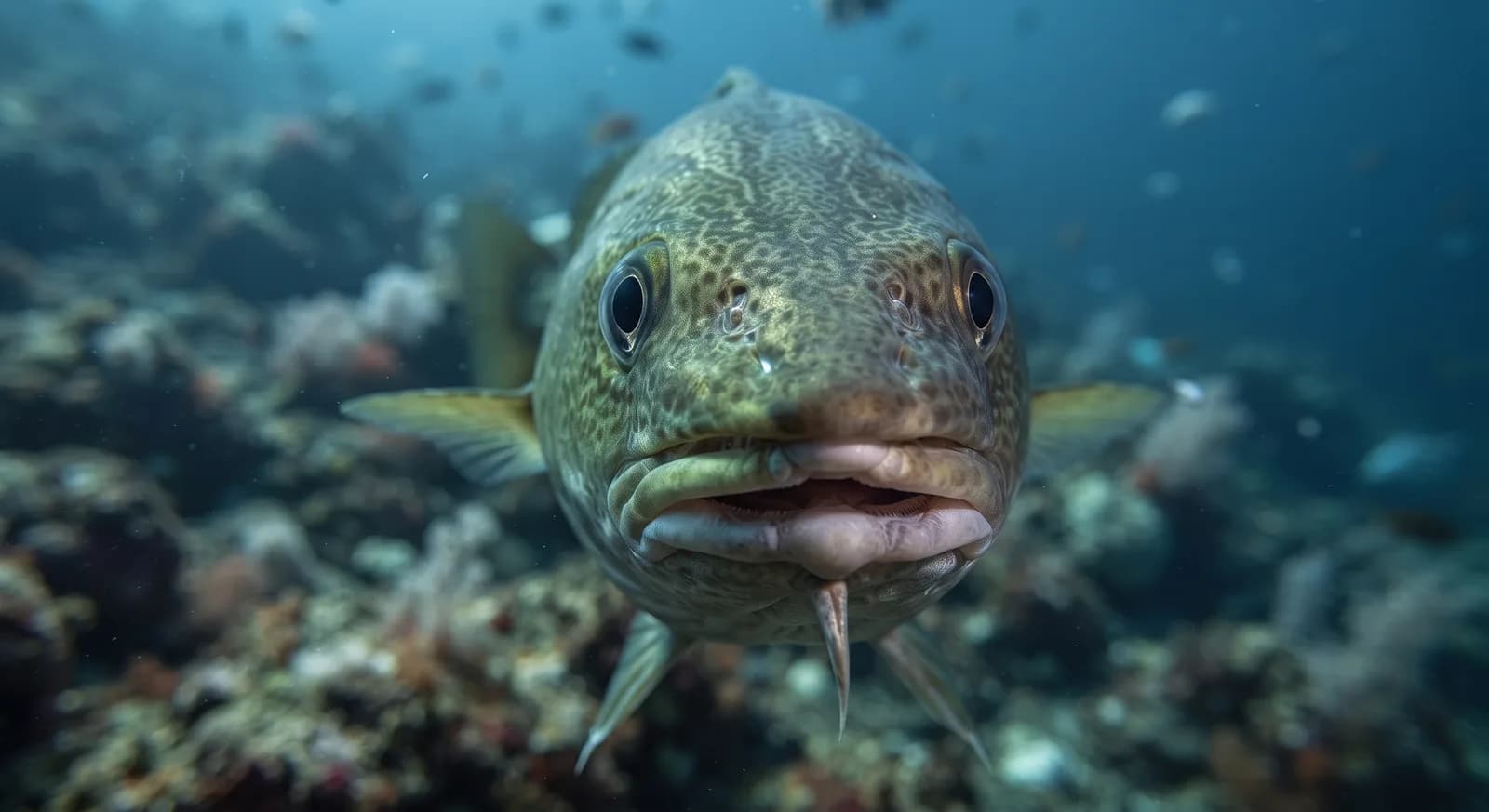
Atlantic CodVulnerable

Atlantic Cod

Gadus morhua

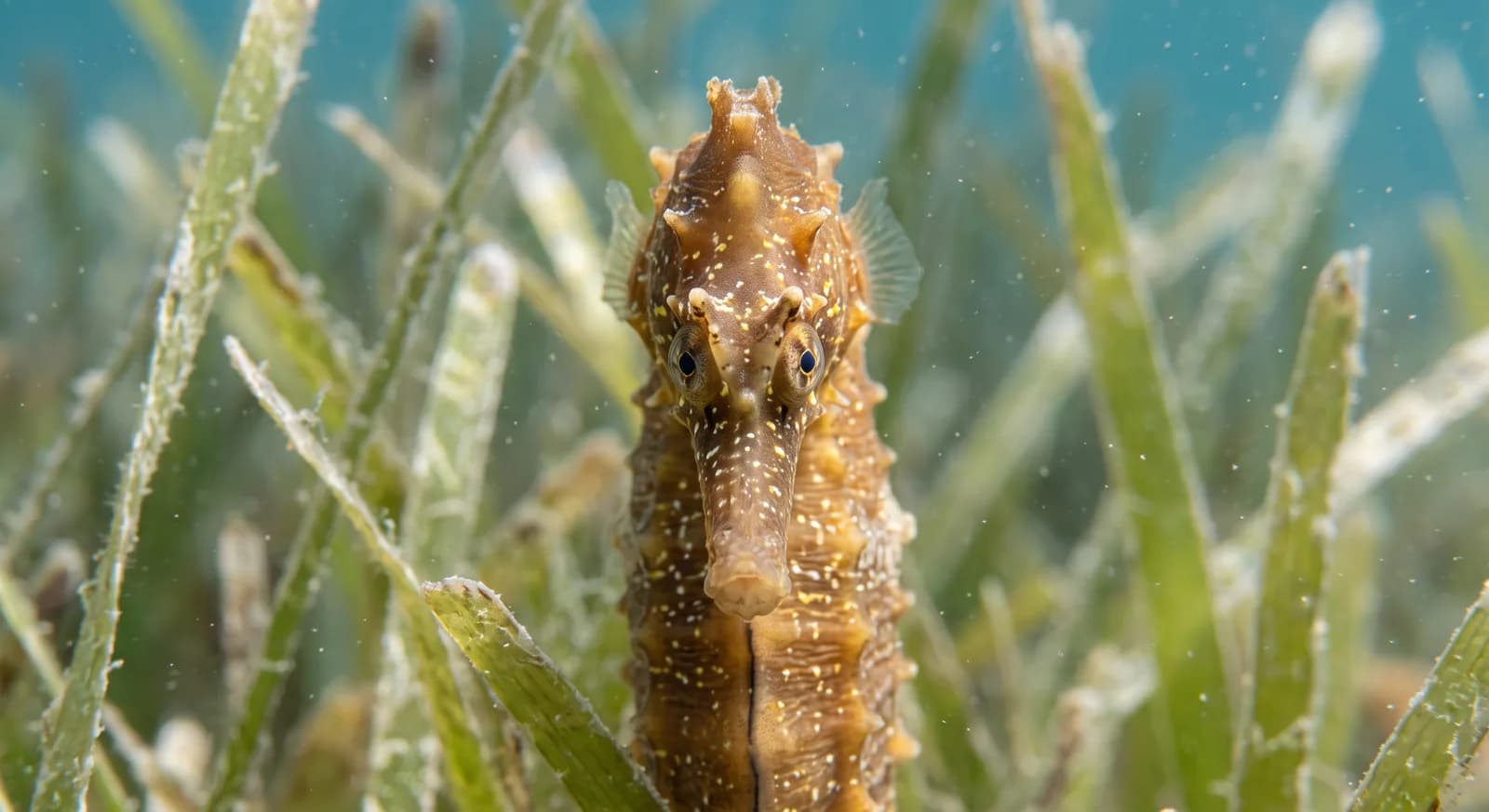
Short-snouted SeahorseVulnerable

Short-snouted Seahorse

Hippocampus hippocampus

CountriesSpain
TagsCarnivore
Carnivore
Nocturnal
Solitary
Vulnerable
Fish
Ocean

Europe12

Africa8

Asia4

Spain
Italy
Greece
Croatia
France
Malta
Albania
Croatia
Cyprus
France
Greece
Italy
Malta
Monaco
Montenegro
Portugal
Slovenia
Spain
Algeria
Angola
Egypt
Libya
Mauritania
Morocco
Senegal
Tunisia
Israel
Lebanon
Syria
Türkiye