Skip to content
WAnimals
  • Map
  • Species
  • Parks
  • Diving
Log inCreate account
WAnimals

The guide for travellers and animal lovers: discover, plan and share your wild adventures around the world.

Discover wildlife

  • Species
  • Ecosystems
  • Glossary
  • Tags

Explore places

  • Map
  • Countries
  • Parks
  • Diving

Plan experiences

  • Guides

Learn

  • Blog

Resources

  • About us
  • How we build our profiles
  • Help centre
  • Contact
  • Install the app

Follow us

Account

  • Log in
  • Create account

© 2026 WAnimals. All rights reserved.

Terms of servicePrivacyCookiesLegal notice
MapSpeciesParksDiving
  1. Home
  2. countries
  3. South Africa

South Africa

Africa

Capital: PretoriaMay to September

434

Documented species

28

Parks and reserves

7

Dive sites

South Africa is one of the most biologically diverse countries on the planet and the only one that contains an entire floral kingdom within its borders: the Cape kingdom, with the fynbos, a humble-looking scrub that brings together thousands of plant species, most of them found nowhere else, in the smallest area of any floral kingdom in the world. To that are added the Kruger and the savannahs of the northeast, the semi-desert of the Karoo, the Drakensberg mountains, the Knysna forest and two oceans meeting at its southern tip, the cold Atlantic and the warm Indian. That confluence generates spectacular marine life, with southern right whales coming close inshore to calve, great white sharks, African penguin colonies and giant kelp forests.

Nature in South Africa

National animal: The springbok is the national animal, the blue crane the national bird and the galjoen the national fish

Did you know?

Every austral winter, billions of sardines move up the east coast of South Africa in shoals that can be several kilometres long and tens of metres deep. Behind them come common dolphins that herd them into tight bait balls, sharks, whales and thousands of Cape gannets diving from the air. It is probably the largest concentration of animal biomass on the move anywhere on the planet.

Biodiversity profile

Conservation

South Africa saved the southern white rhinoceros, reduced to fewer than a hundred animals at the start of the twentieth century, and today holds most of the world population, under very intense poaching pressure. The bontebok and the black wildebeest also recovered from critical lows.

Where and when to watch wildlife

Hermanus and the south coast between June and November for the southern right whale. The KwaZulu-Natal coast in June and July for the sardine run. Kruger between May and September for large mammals.

Natural phenomena in South Africa

  • Southern right whales at Hermanus — June to November (peak August to October)
  • The Sardine Run in South Africa — June to July (sometimes into August)

Parks and reserves

Transfrontier Park

Ai-Ais Richtersveld

One of the few hot deserts in the world inscribed as a UNESCO World Heritage Site, with the greatest diversity of succulent plants on the planet

See park
World Heritage Site (Natural)

Vredefort Dome

The oldest and largest confirmed meteorite impact crater on Earth, 2,023 million years old.

See park
National Park

Drakensberg (uKhahlamba)

The great basalt wall of southern Africa, a mixed property for its landscape and for the largest body of San rock art on the continent.

See park
Wetland Park

iSimangaliso

The first World Heritage Site declared in South Africa after the end of apartheid, in 1999

See park
Nature Park

iSimangaliso Wetland Park

South Africa's first World Heritage property: lagoons, dunes and reefs along the KwaZulu-Natal coast.

See park
National Park

Mapungubwe

Seat of the first and richest pre-colonial kingdom in southern Africa (11th-13th centuries), with gold objects older than Great Zimbabwe

See park
World Heritage Site (Natural)

Barberton Makhonjwa Mountains

The best-preserved rocks from the earliest days of the Earth, between 3,600 and 3,250 million years old.

See park
World Heritage Site (Natural)

Cape Floral Region

One of the six floral kingdoms on the planet, home to the fynbos and to a density of plant species with no equivalent anywhere.

See park
National Park

Table Mountain

It holds the fynbos, vegetation of the Cape Floral Kingdom, one of the six floral kingdoms of the planet and the smallest and richest in species per unit area

See park
National Park

Kruger National Park

One of the largest parks in Africa and a classic place to complete the Big Five in a single trip.

See park
National Park

Addo Elephant

Created to save the region's last 11 elephants after an extermination campaign in 1919-1920; today there are over 600

See park
National Park

Agulhas

The southern tip of the African continent, where the Atlantic and the Indian Ocean meet, with coastal fynbos and wetlands.

See park
National Park

Bontebok

South Africa's smallest national park, created in 1931 to save the bontebok from extinction.

See park
National Park

Camdeboo

A park that completely surrounds the town of Graaff-Reinet, with the dolerite pillars of the Valley of Desolation.

See park
National Park

Augrabies Falls

The Orange River falls 56 metres into a granite gorge; the Khoikhoi called it "the place of great noise"

See park
National Park

Mountain Zebra

Created to save the Cape mountain zebra, which was down to just five animals in the 1930s

See park
National Park

Garden Route

Afromontane forest, lagoons and a cliff coast in the southern Cape, formed by merging three parks.

See park
National Park

Golden Gate Highlands

Golden sandstone formations that change colour with the sunlight, in the foothills of the Maluti mountains

See park
Game Reserve

Hluhluwe-iMfolozi

The oldest game reserve in Africa; it saved the southern white rhinoceros from complete extinction, from barely twenty animals

See park
Special Nature Reserve

Prince Edward Islands

South Africa's only subantarctic territory; a critical refuge for the grey-headed albatross, in steep global decline

See park
National Park

Karoo

One of the richest synapsid fossil beds in the world, more than 250 million years old

See park
Transfrontier Park

Kgalagadi

Africa's first formal transfrontier park (2000), a merger of South Africa's Kalahari Gemsbok and Botswana's Gemsbok

See park
Transfrontier Park

Kgalagadi Transfrontier

Africa's first transfrontier park, a fenceless stretch of Kalahari shared by South Africa and Botswana.

See park
National Park

Marakele

Its name means "place of sanctuary" in Setswana; it holds one of the world's largest colonies of the critically endangered Cape vulture

See park
National Park

Namaqua

The heart of the Succulent Karoo, setting for the most spectacular mass wildflower bloom on the planet.

See park
National Park

Tankwa Karoo

One of the most arid places in South Africa, where three interior Cape biomes converge.

See park
National Park

Tsitsikamma

Its suspension bridge over the mouth of the Storms River is one of the most photographed spots on South Africa's Garden Route

See park
National Park

West Coast

The Langebaan lagoon and its Atlantic coast, with up to 40,000 migratory waders in summer.

See park

Diving and snorkelling

Reef/Sardine Run

Cape Vidal

The access point for the annual Sardine Run, one of the greatest displays of marine biomass on the planet.

See dive site
Tropical reef

Sodwana Bay

South Africa's only genuinely tropical dive site and the southernmost coral reef on the continent. The sites are named by their distance from the launch point: Two Mile, Five Mile, Seven Mile, Nine Mile.

See dive site
Rocky reef

Aliwal Shoal

An ancient sandstone reef with caves, gullies and pinnacles, about 40 minutes from Durban. Its best-known feature is The Cathedral, an amphitheatre-shaped sandy depression where grey nurse sharks gather by the dozen in season. The depth is around 25 m and it is manageable at Open Water level.

See dive site
Deep rocky reef

Protea Banks

A reef on the edge of the continental shelf. It is dived without a cage, which makes it, along with Aliwal Shoal, one of the most direct shark destinations in the world. The area also protects three submarine canyons and a spawning ground for commercial fish.

See dive site
Cold-water kelp forest

Cape Town Kelp Forest

Giant kelp forests in cold Atlantic water, made famous by the documentary My Octopus Teacher.

See dive site
Temperate estuary

Knysna Estuary (seahorses)

The only known habitat of the Knysna seahorse, an endemic and endangered species.

See dive site
Pelagic/Cage

False Bay (great white shark)

Historically one of the finest places in the world to watch great white sharks from a cage.

See dive site

Wildlife you can see now

What is worth looking out for this month in South Africa?
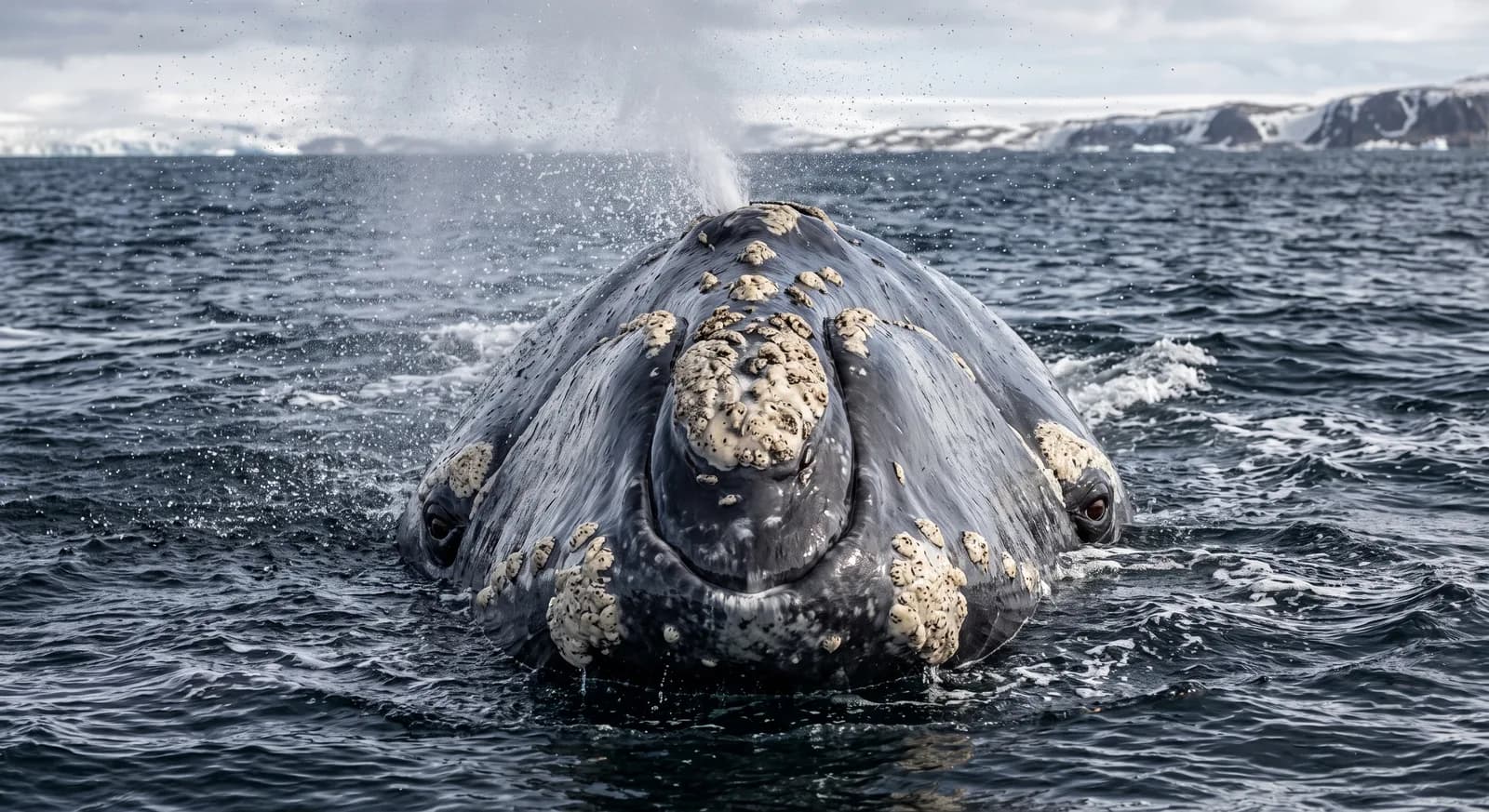
Southern Right WhaleLeast Concern

Southern Right Whale

Eubalaena australis

Now is a good time: Southern right whales at Hermanus (June to November (peak August to October))

Similar countries

Where else might I want to travel?

Namibia

Same region: Southern Africa

Mozambique

Same region: Southern Africa

Angola

Same region: Southern Africa

Botswana

Same region: Southern Africa

Species documented in South Africa

Filter
Class
Family
Habitat
Diet
Conservation

434 species found

Related guides

  • Where to see Eagles in South Africa10 species
  • Where to see Greater Kudu in South Africa10 species
  • Reptiles in South Africa9 species
  • Fish in South Africa6 species

Keep exploring

Based on what we already know about South Africa.
ParkAi-Ais RichtersveldDivingCape Vidal

Explore on the map

Interactive map

This page in other languages: Español · Deutsch · Français · Português · Italiano
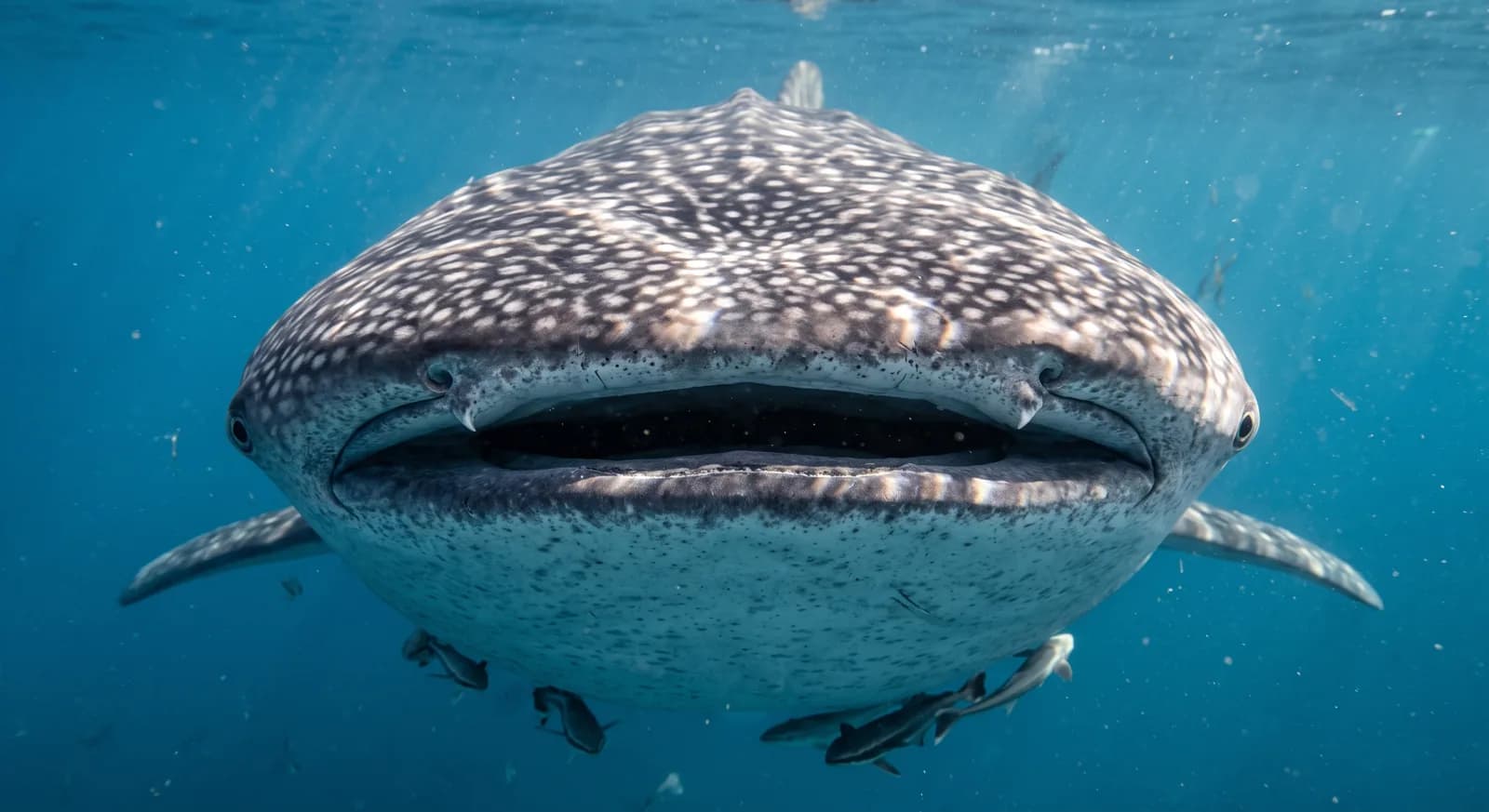
Whale SharkEndangered

Whale Shark

Rhincodon typus

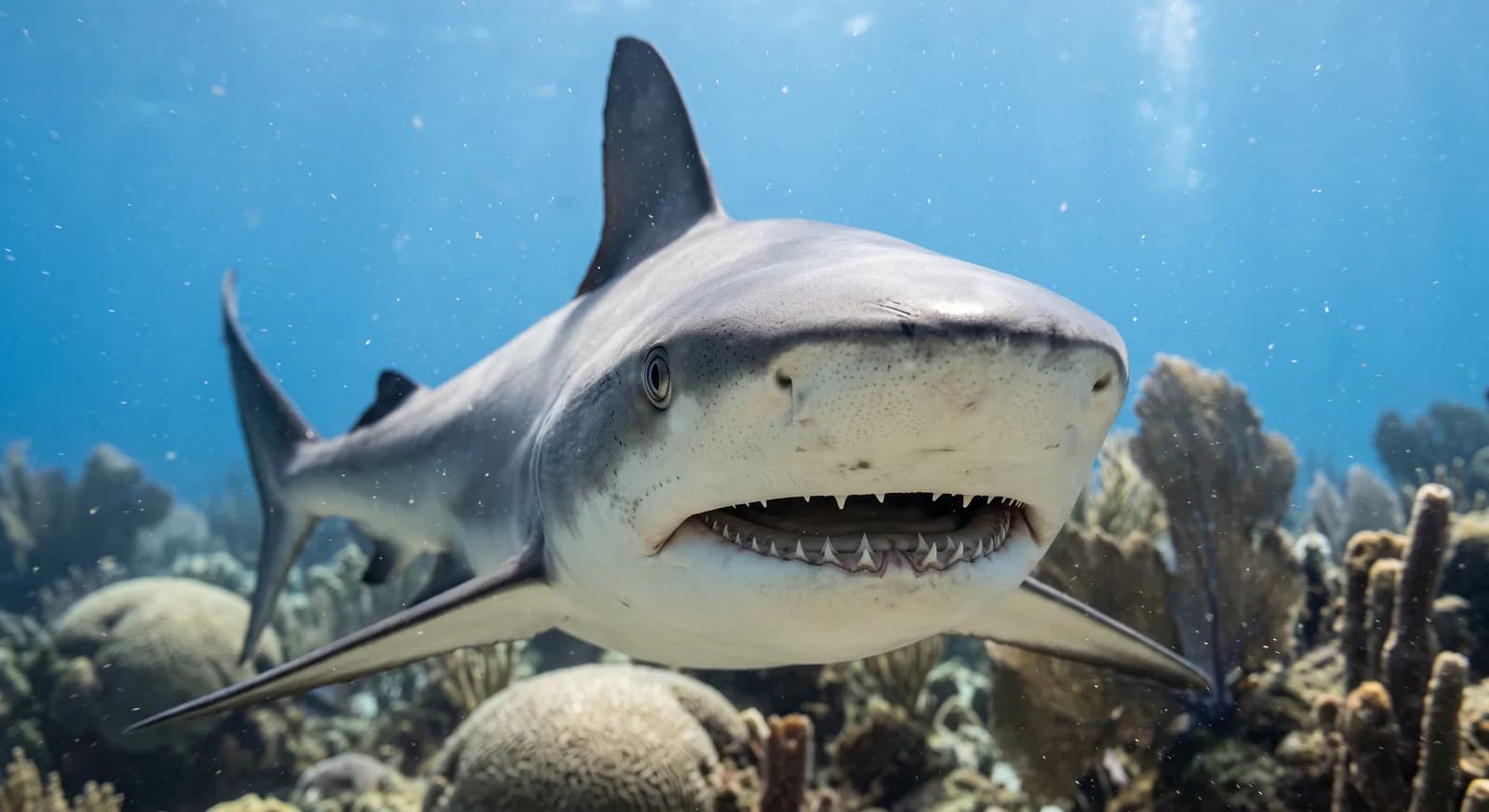
Grey Reef SharkEndangered

Grey Reef Shark

Carcharhinus amblyrhynchos

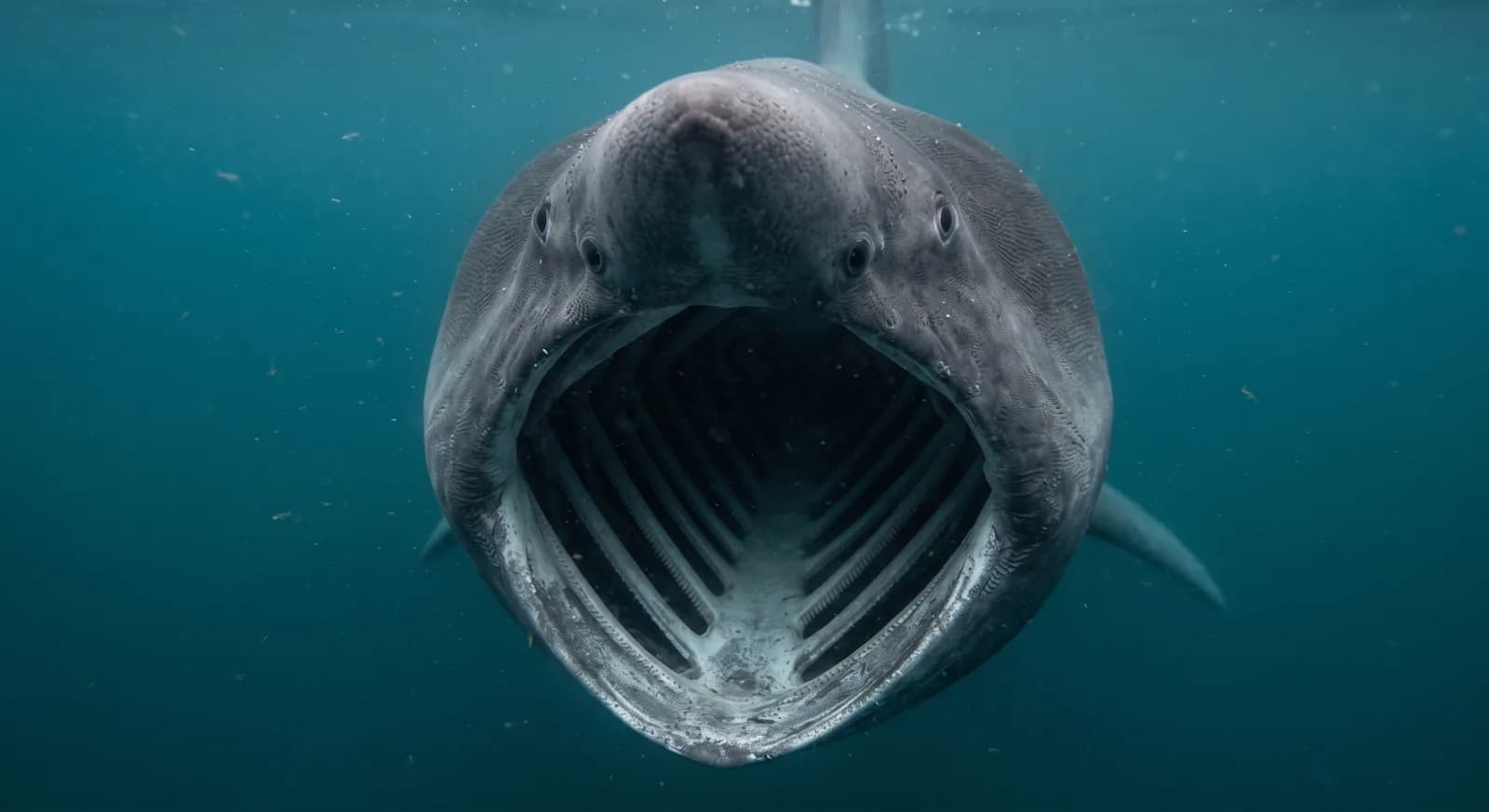
Basking SharkEndangered

Basking Shark

Cetorhinus maximus

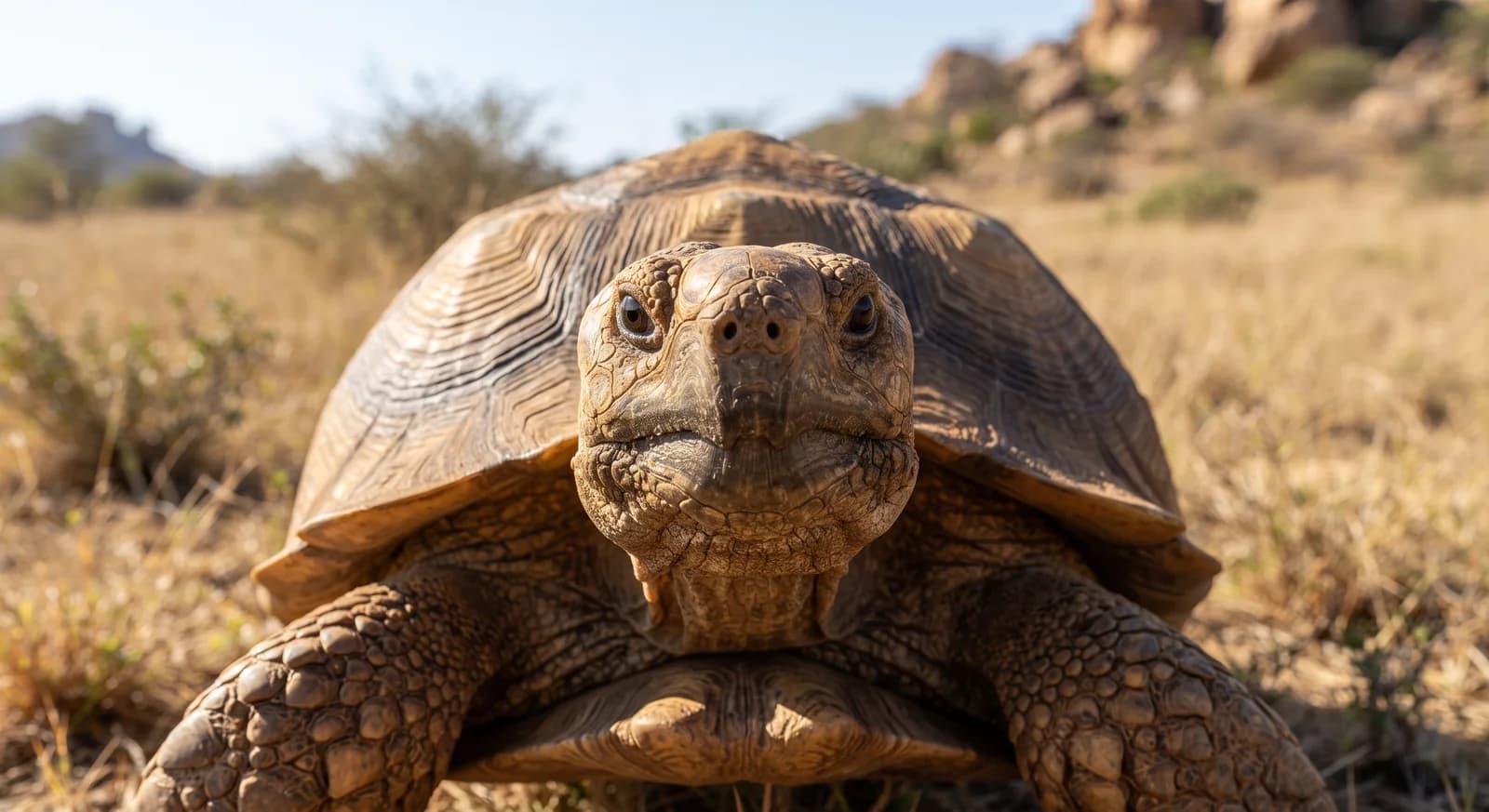
African Spurred TortoiseEndangered

African Spurred Tortoise

Centrochelys sulcata

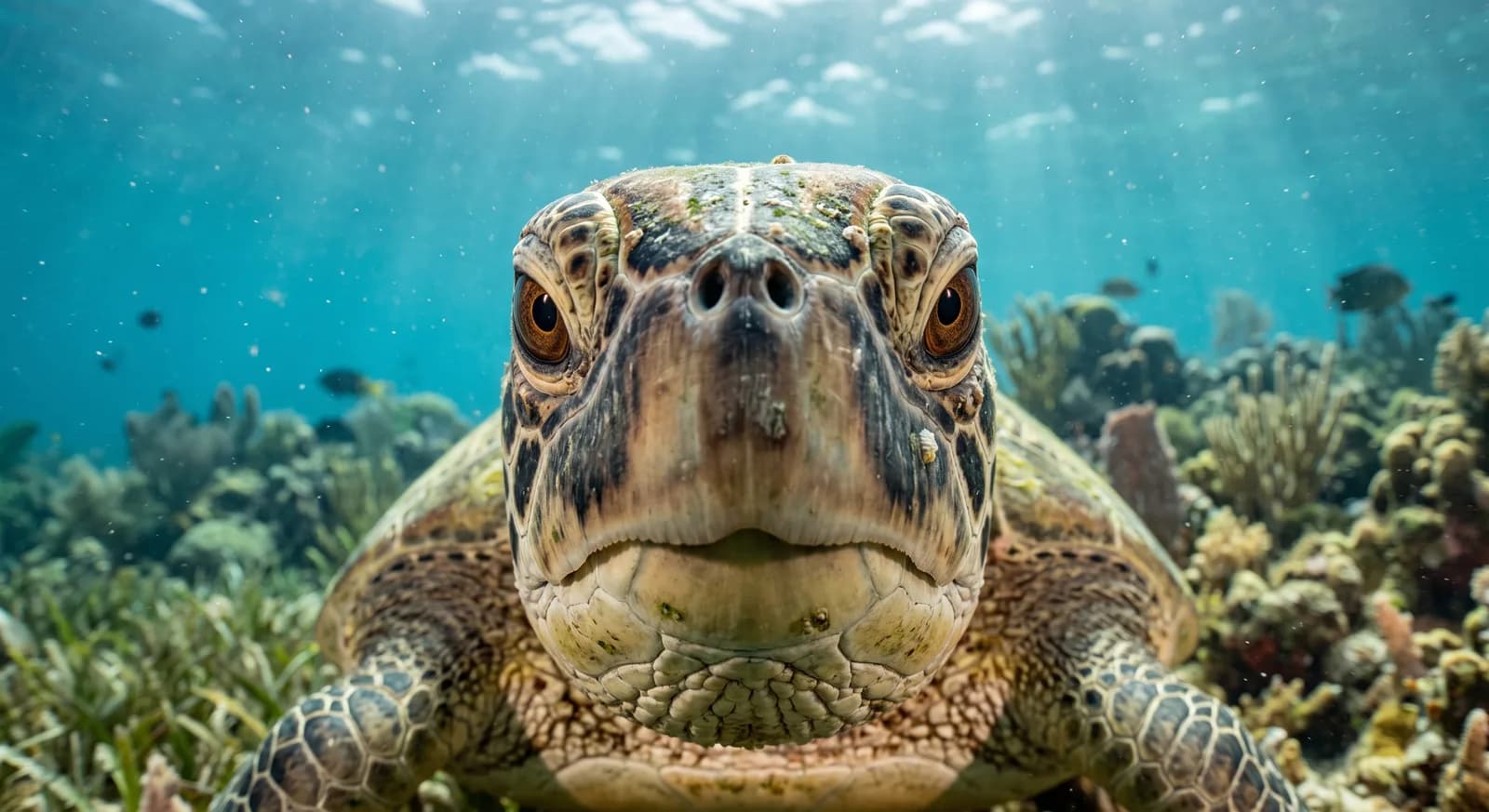
Green TurtleEndangered

Green Turtle

Chelonia mydas

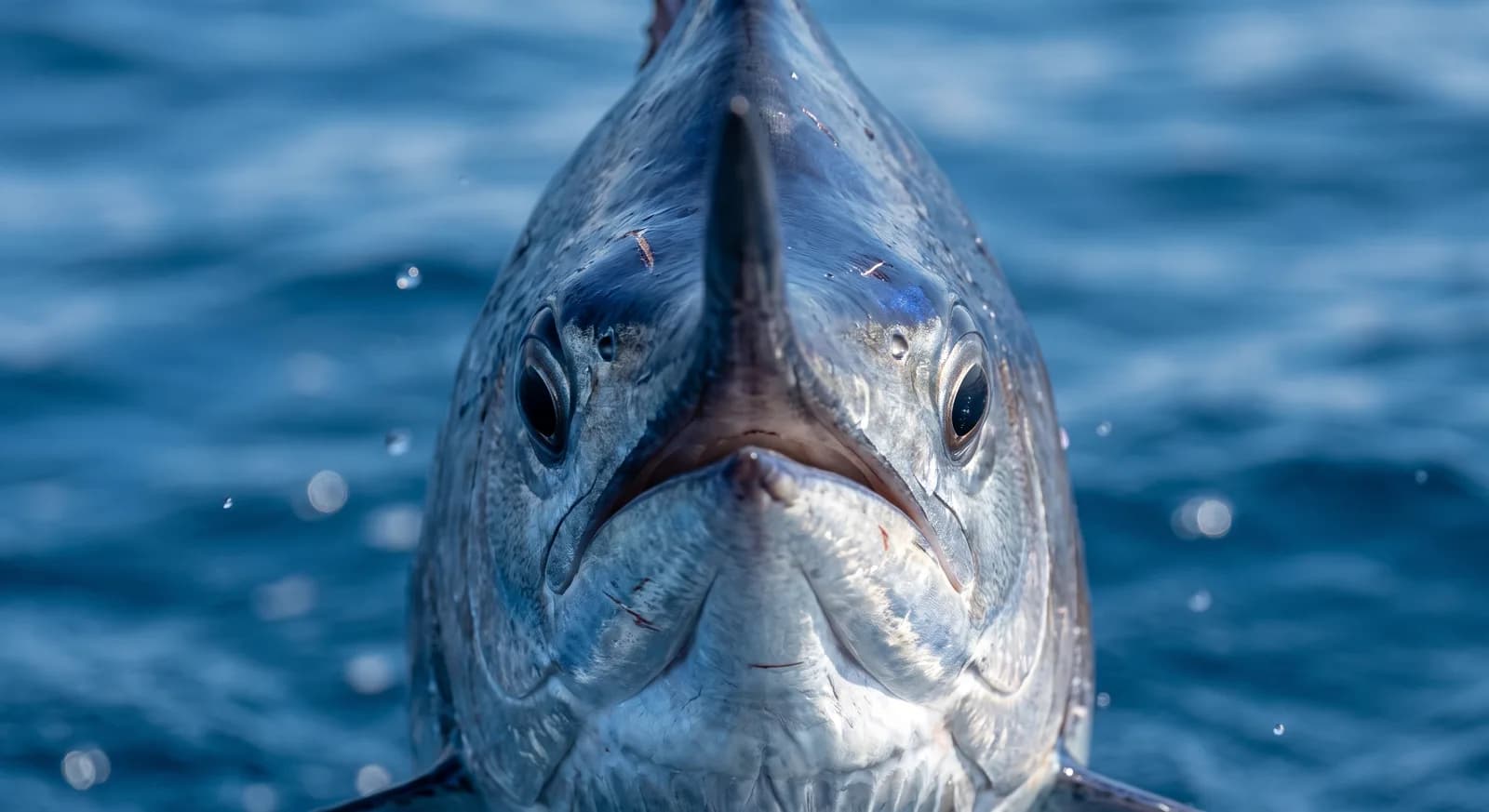
Blue MarlinVulnerable

Blue Marlin

Makaira nigricans

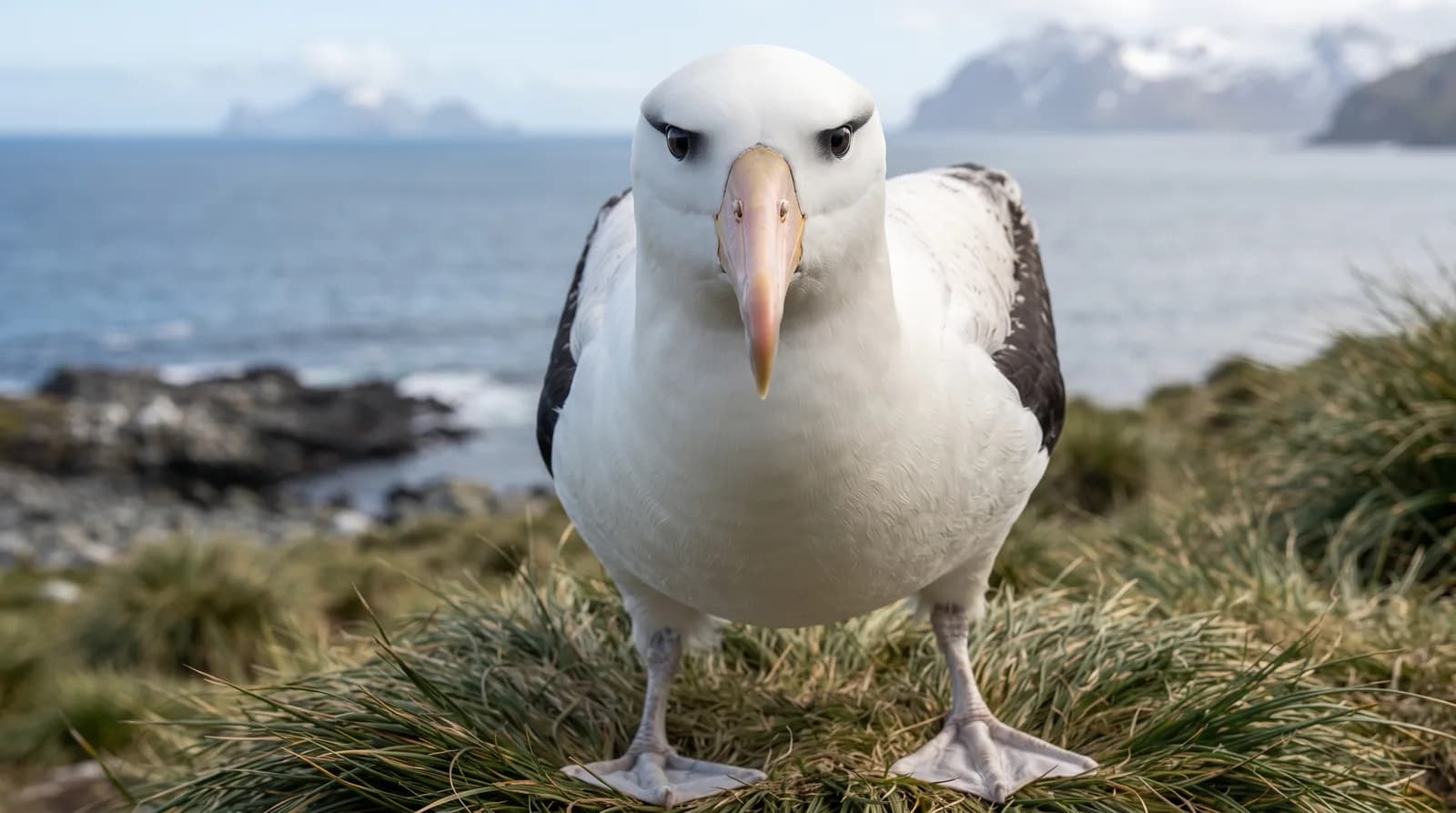
Southern Royal AlbatrossVulnerable

Southern Royal Albatross

Diomedea epomophora

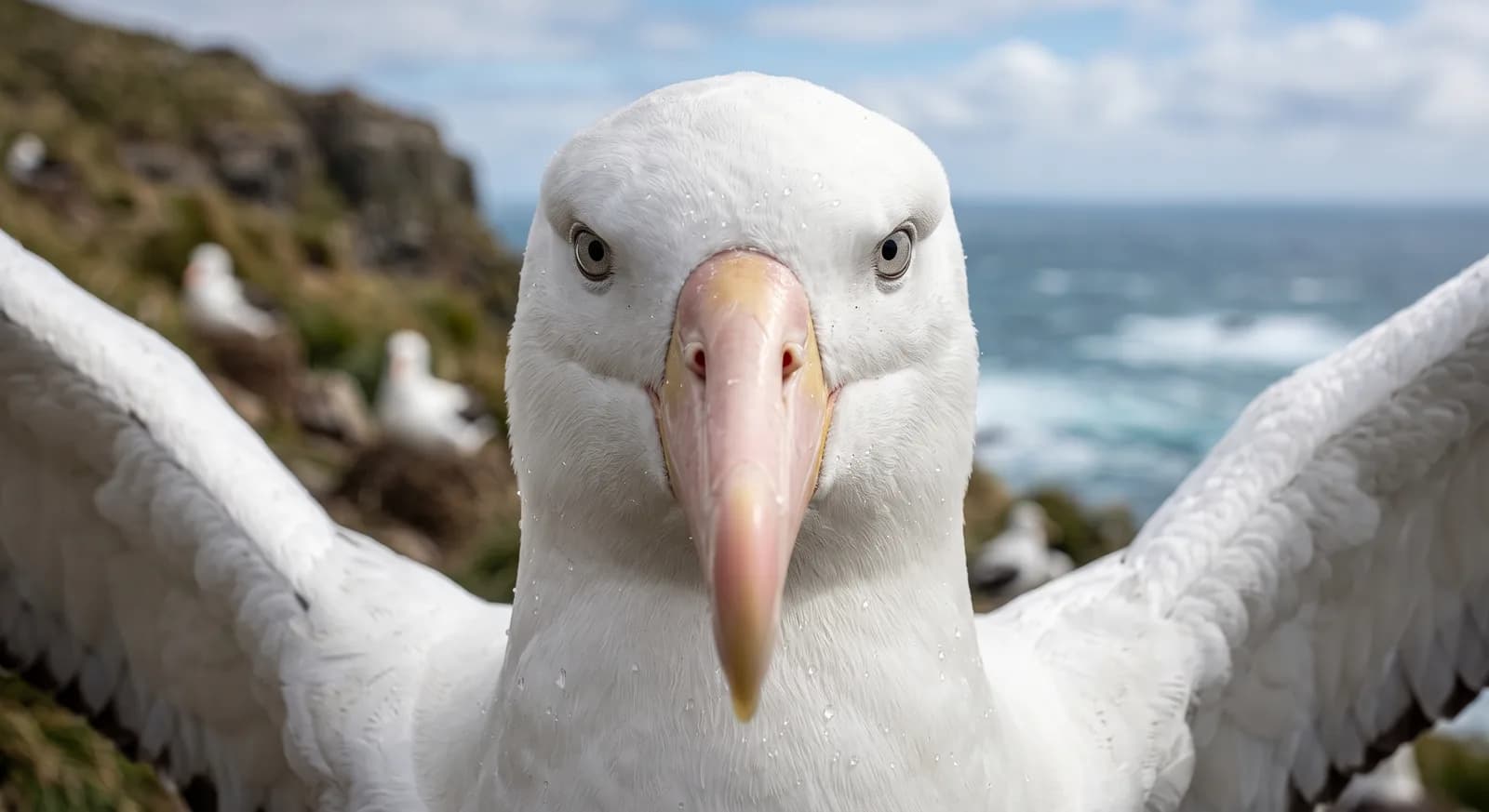
Wandering AlbatrossVulnerable

Wandering Albatross

Diomedea exulans

Cape VultureVulnerable

Cape Vulture

Gyps coprotheres

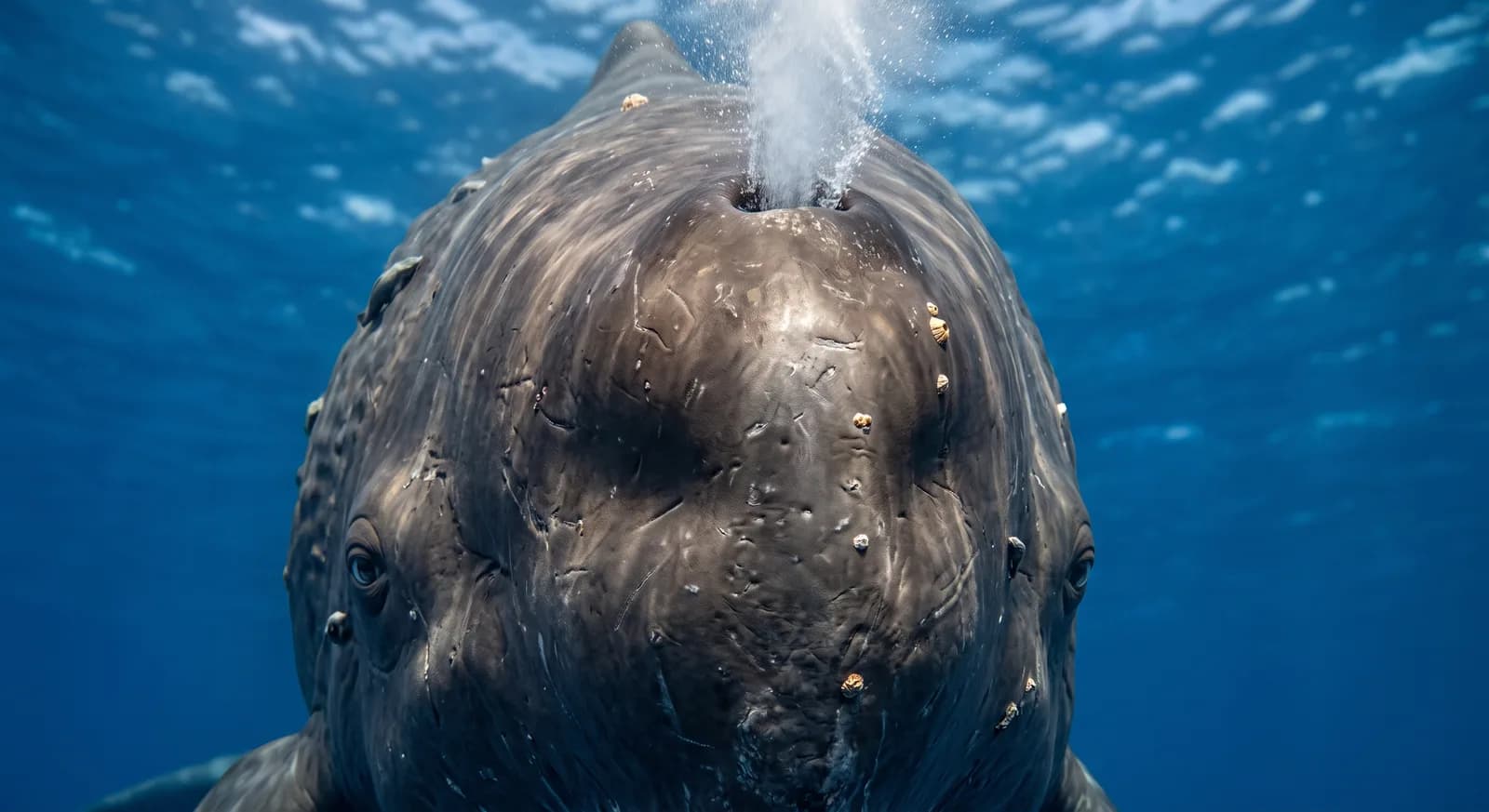
Sperm WhaleVulnerable

Sperm Whale

Physeter macrocephalus

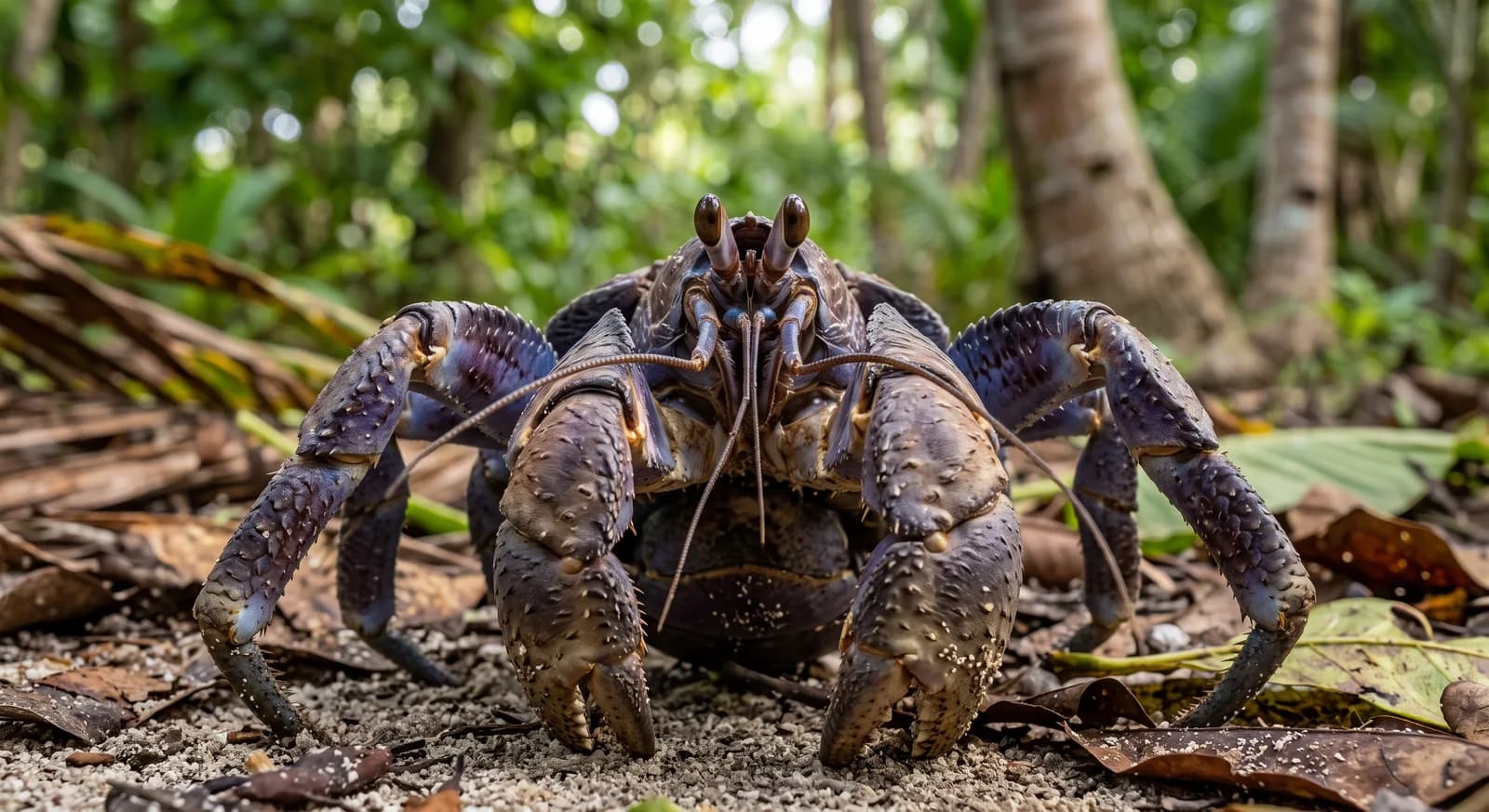
Coconut CrabVulnerable

Coconut Crab

Birgus latro

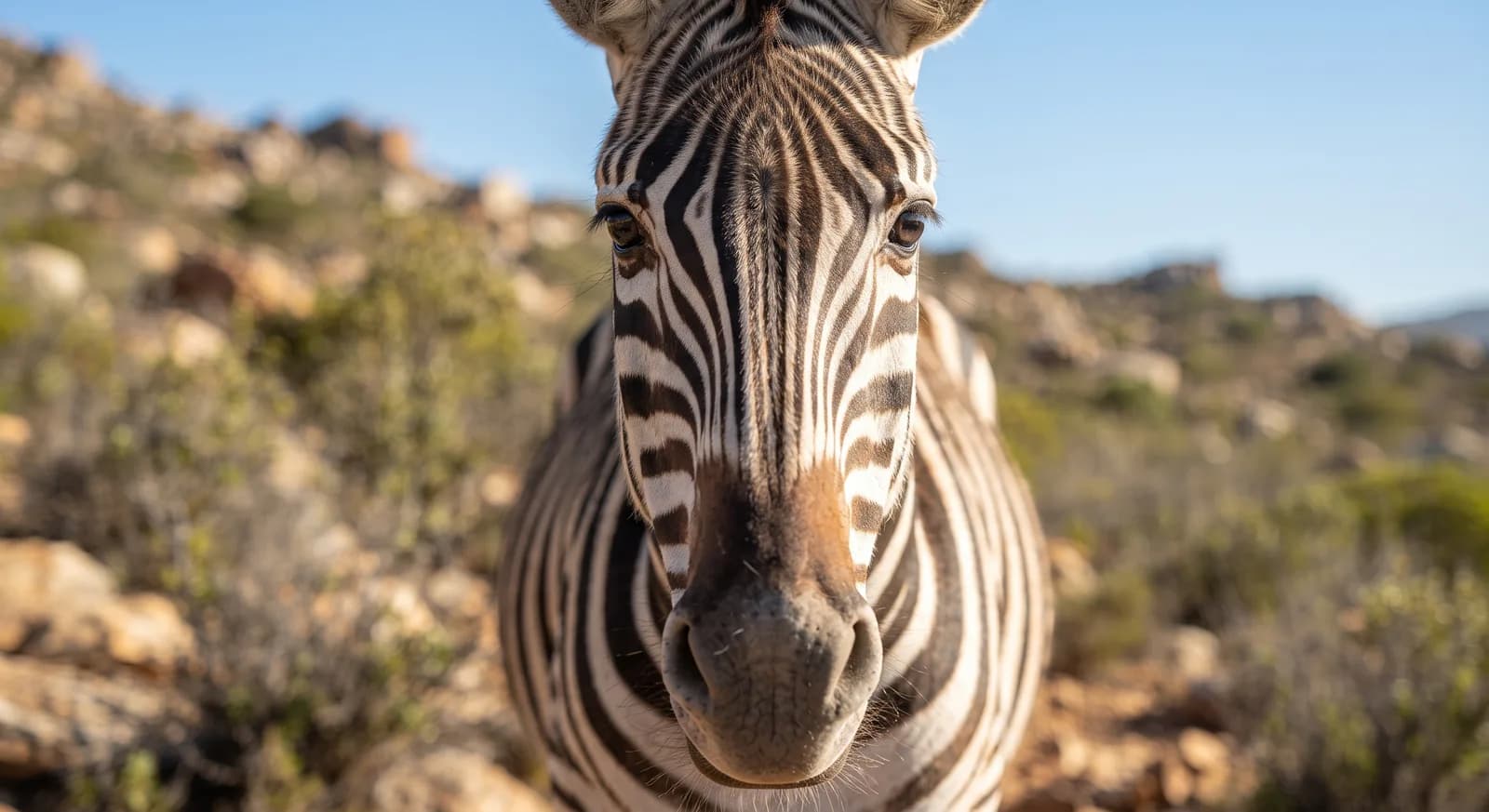
Mountain ZebraVulnerable

Mountain Zebra

Equus zebra

Page 3 of 37
Savanna
Desert
Ocean