One of the 11 snails on WAnimals
Gastropods · Cephalaspidea · Bullidae
Striate Bubble
Bulla striata
It has not yet been assessed against the IUCN criteria. See full glossary
A bubble snail with an oval, thin, mottled shell that the animal can barely fit into. It spends the day buried in the sand and comes out at night to feed on algae. It is hermaphroditic and lays its eggs in gelatinous strings attached to marine plants.
Size
2 cm – 5 cm
Diet
Herbivore
Feeds mainly on plants.
Activity
Nocturnal
Active mainly at night.
Social structure
Solitary
Lives and hunts alone, joining others only to breed.
Sighting difficulty
Unknown
Fun facts
- Its shell has no projecting spire: the final whorl wraps the earlier ones completely and leaves a small pit at the apex.
- Its shell is a fragile, globular bubble into which the animal barely fits: the mantle partly envelops it, and the foot is too big to retract fully inside.
- It is an opisthobranch, the group that includes the sea hares and the nudibranchs, and it represents an intermediate step in the evolutionary reduction of the shell which in those groups ended in its total disappearance.
- It has no operculum, unlike snails with a complete shell.
- It grinds algae with a gizzard fitted with calcareous plates, an internal mill that makes up for the lack of powerful jaws.
- It is a hermaphrodite and lays its eggs in gelatinous strings tangled in the vegetation.
- By day it buries itself in the sand and only betrays its presence by the furrow it leaves as it moves.
Life cycle & biology
- Skeleton type
- Invertebrate - external calcareous shell (mollusc)
- Habitat & environment
- Shallow sandy bottoms and seagrass meadows of the warm Atlantic
Sources consulted: Rudman, Sea Slug Forum; Marine Life Information Network; Malaquias y Reid, revisiones de Bullidae
Where to find it
See its range on the interactive mapWhere to watch it
Parks and dive sites where this species has been documented.
Related species
Other species in the catalogue with the most in common with Striate Bubble — same habitat, park, country, tags or family.
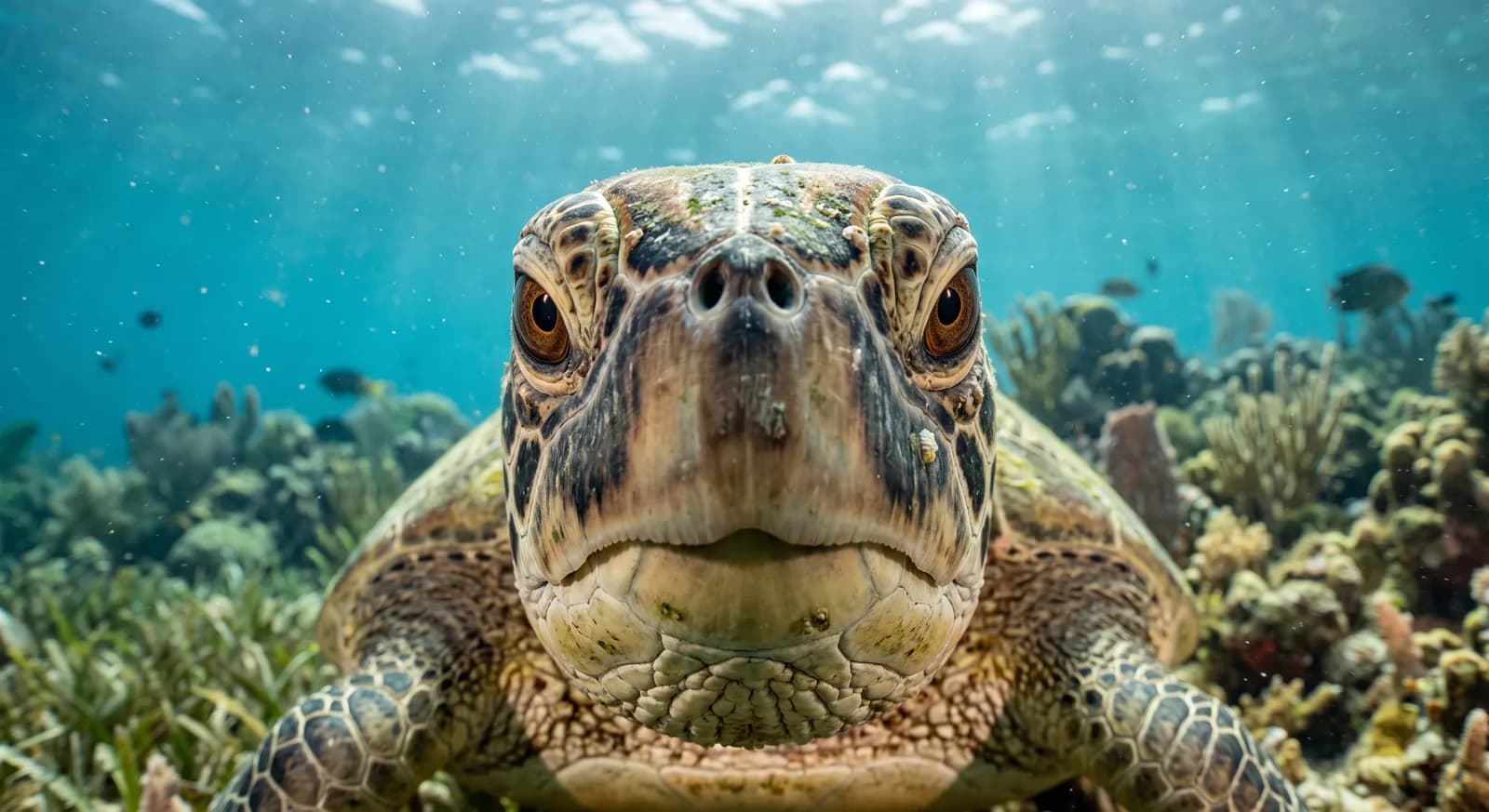 Endangered
Green Turtle
Chelonia mydas
Southern Stingray
Hypanus americanus
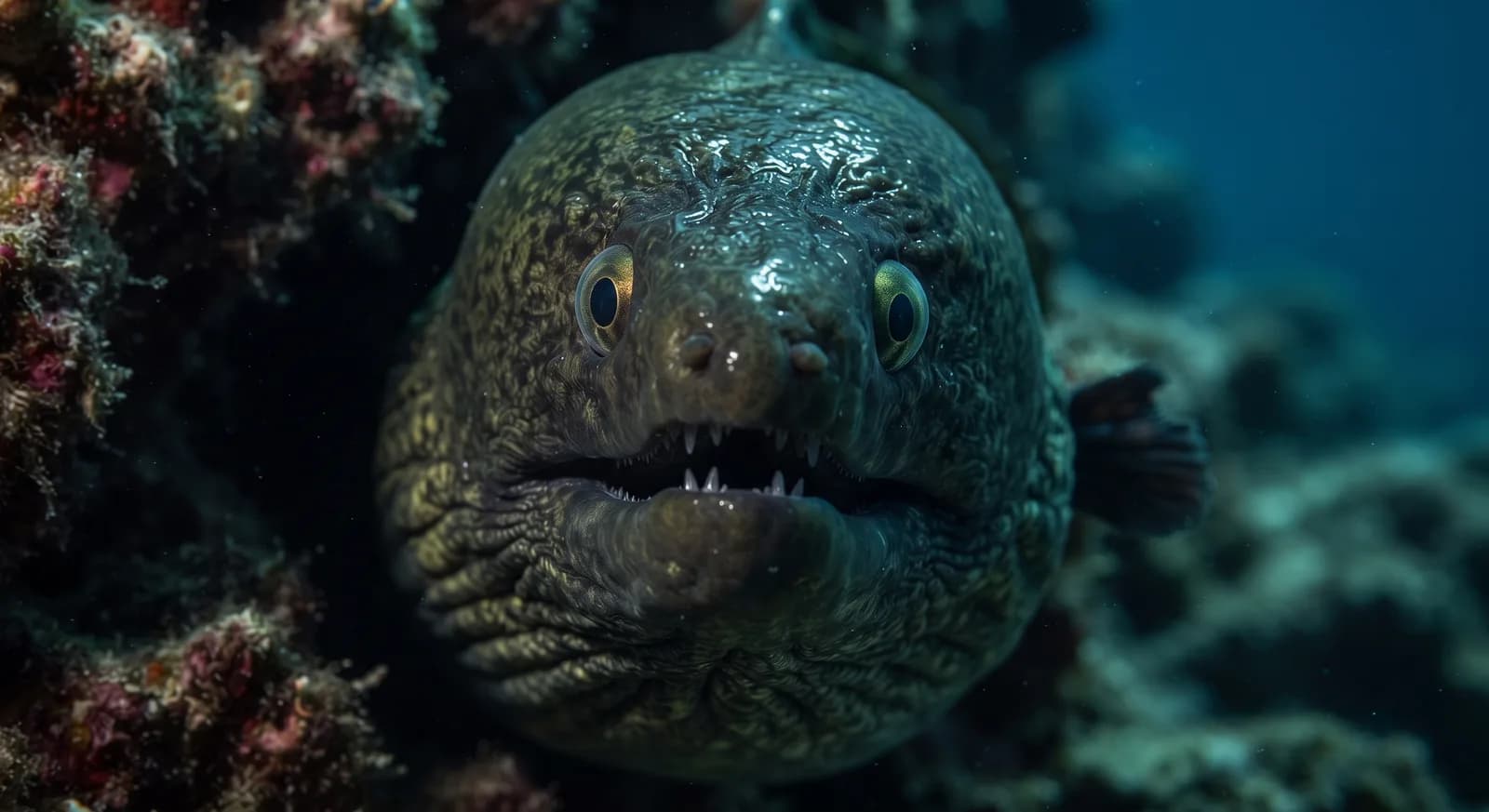 Least Concern
Green Moray
Gymnothorax funebris
Red Lionfish
Pterois volitans
Spot-fin Porcupinefish
Diodon hystrix
Blue Glaucus
Glaucus atlanticus
Keep exploring
Based on what we already know about striate bubble.
Comments
Share an experience, a fun fact or a tip for seeing the striate bubble.
Be the first to comment.