India
Asia
India is one of the seventeen megadiverse countries in the world and contains four biodiversity hotspots: the Himalaya, the Western Ghats, the Indo-Burma region and the Nicobar Islands. From the ice of the Himalayan summits to the reefs of the Indian Ocean, it strings together conifer forests, Terai grasslands, the deserts of the Thar, monsoon forests, laterite plateaux and the largest mangrove in the world, the Sundarbans, where tigers swim between channels and drink brackish water. The country holds most of the planet's wild tigers, two thirds of Indian rhinoceroses and almost all of the wild Asian elephants. The Western Ghats, a range running parallel to the southwest coast, catch the monsoon and concentrate a very high number of amphibians and plants found nowhere else.
The nature of India
National animal: The Bengal tiger is the national animal, the peafowl the national bird, the Asian elephant the national heritage animal and the Ganges river dolphin the national aquatic animal
Did you know?
The Asiatic lion once ranged from Greece to India, but by the start of the twentieth century barely a few dozen were left, all of them in the Gir forest in Gujarat, where the local nawab banned hunting and protected them on his own land. From that handful of survivors descends the only wild population in the world, which today exceeds six hundred animals and is still confined to that same region.
Biodiversity profile
Climate
- •Tropical monzonico (Am/Aw) en la mayor parte del pais
- •Desertico (BWh) en el noroeste (Thar)
- •Alpino y de tundra en el Himalaya
- •Subtropical humedo en el noreste
Main biomes
- •Selva tropical humeda (Ghats Occidentales, noreste)
- •Bosque monzonico deciduo
- •Desierto de Thar
- •Manglares (Sundarbans, mayor bosque de manglar continuo del mundo)
- •Bosque alpino y de coniferas del Himalaya
- •Manglar de los Sundarbans
- •Selva monzónica
- •Pradera del Terai
- •Alta montaña himalaya
- •Desierto del Thar
- •Bosque lluvioso de los Ghats
- •Arrecife de coral
Marine and coastal ecosystems
- •Manglares de Sundarbans (compartidos con Bangladesh)
- •Arrecifes de coral en el Golfo de Mannar y las islas Andaman y Nicobar
Flagship wildlife
- •Tigre de Bengala
- •Elefante asiatico
- •Rinoceronte indio unicornio
- •Leon asiatico (unica poblacion silvestre del mundo, Gir)
- •Delfin del Ganges
- •Rinoceronte indio
- •Pavo real común
- •Leopardo de las nieves
- •Oso bezudo
- •Gaur
- •Cocodrilo gavial
Notable endemic species
- •4 de los 34 hotspots mundiales de biodiversidad presentes en India (Himalaya, Indo-Burma, Ghats Occidentales-Sri Lanka, Sundalandia/Nicobar)
- •Ghats Occidentales con 7.402 especies de plantas, 508 aves (29 endemicas) y 137 mamiferos (16 endemicos)
- •Leon asiatico, unica poblacion mundial en estado silvestre restringida al Bosque de Gir
- •León asiático
- •Rana morada de los Ghats
- •Nilgiritahr
- •Macaco de cola de león
- •Avutarda india
Notable threatened species
- •Delfin del Ganges (En Peligro, poblacion estimada en 2.000 individuos, uno de los 4 delfines de rio del mundo)
- •Rinoceronte indio (Vulnerable, recuperado de un declive historico severo)
- •Leon asiatico (En Peligro, poblacion unica y restringida geograficamente)
Notable protected areas
- •Parque Nacional Kaziranga (rinoceronte indio, Patrimonio Mundial)
- •Bosque de Gir (unico habitat del leon asiatico)
- •Reserva de Tigres de Sundarbans
- •Parque Nacional de Kaziranga
- •Parque Nacional de los Sundarbans
- •Parque Nacional del Bosque de Gir
- •Parque Nacional de Ranthambore
- •Parque Nacional de Keoladeo
- •Parque Nacional del Valle de las Flores
Main conservation threats
- •Presion demografica extrema sobre habitats naturales
- •Fragmentacion de corredores de fauna entre areas protegidas
- •Contaminacion fluvial que amenaza al delfin del Ganges
- •Cambio climatico proyectado a reducir significativamente el rango de la flora endemica de los hotspots indios para 2050-2080
Notable natural phenomena
- •Monzon anual, que estructura los ciclos ecologicos de gran parte del subcontinente
- •India es reconocida como centro global de diversidad de cultivos agricolas
Conservation
Project Tiger, launched in 1973, created a network of reserves that has allowed the tiger population to grow to some three thousand six hundred animals, the largest in the world. The gharial, a crocodile with a very fine snout specialised in fish, remains critically endangered despite the breeding programmes.
Where and when to watch wildlife
Kaziranga between November and April for rhinoceroses. Ranthambore and Bandhavgarh between March and May for tigers at the waterholes. The Western Ghats during the monsoon for amphibians.
Sources: IUCN - India country profile | PMC - Future of Endemic Flora Biodiversity Hotspots India | pmfias.com - Biodiversity Hotspots India | naturesafariindia.com - Biodiversity Hot Spots India
Natural phenomena in India
- Época de apareamiento del leopardo de las nieves — Enero a marzo
Parks and reserves
Sundarbans
The largest mangrove forest in the world, shared with Bangladesh; the only place where tigers swim between islands
View parkWorld Heritage Site (Mixed)Khangchendzonga
India's first mixed property, around the third-highest mountain in the world, with a vertical range of more than seven thousand metres.
View parkNational ParkNanda Devi
Closed to tourism since 1983, after radioactive material from a 1960s CIA surveillance device was found
View parkNational ParkKaziranga
The highest density of tigers in the world and 70% of the planet's Indian one-horned rhinos
View parkNational ParkKeoladeo (Bharatpur)
Once the royal duck-shooting ground of the maharajas of Bharatpur, today one of the finest bird sanctuaries in Asia
View parkNational ParkEravikulam
A refuge for more than a third of the world population of the Nilgiri tahr, a wild goat endemic to the Western Ghats
View parkWorld Heritage Site (Natural)Ghats Occidentales
A mountain range older than the Himalaya and one of the eight most important biodiversity hotspots in the world.
View parkNational ParkGreat Himalayan National Park
A UNESCO World Heritage Site since 2014; it protects four major river basins of the western Himalaya with barely any permanent settlement
View parkNational Park / Tiger ReserveManas
It was on the List of World Heritage in Danger between 1992 and 2011 through a separatist armed conflict that devastated its wildlife
View parkNational ParkValley of Flowers
An alpine valley that bursts into hundreds of species of flower during the monsoon, made known to the West by a British climber in 1931
View parkDiving and snorkelling
Andaman Islands (Havelock)
A remote archipelago in the Bay of Bengal with pristine reefs and good visibility.
View dive siteRocky reef/WreckGrande Island (Goa)
Goa's principal diving destination, with limited visibility but easy access for cheap certifications.
View dive siteCoral atollLakshadweep (Bangaram)
A remote coral archipelago in the Arabian Sea, with permit-restricted access and very well preserved reefs.
View dive siteRocky isletNetrani Island
A crescent-shaped island off the coast of Karnataka, one of the finest spots in mainland India.
View dive sitePaíses similares
¿A dónde más podría interesarme viajar?
Misma región: Sur de Asia
Misma región: Sur de Asia
Misma región: Sur de Asia
Misma región: Sur de Asia
Especies documentadas en India
373 species found
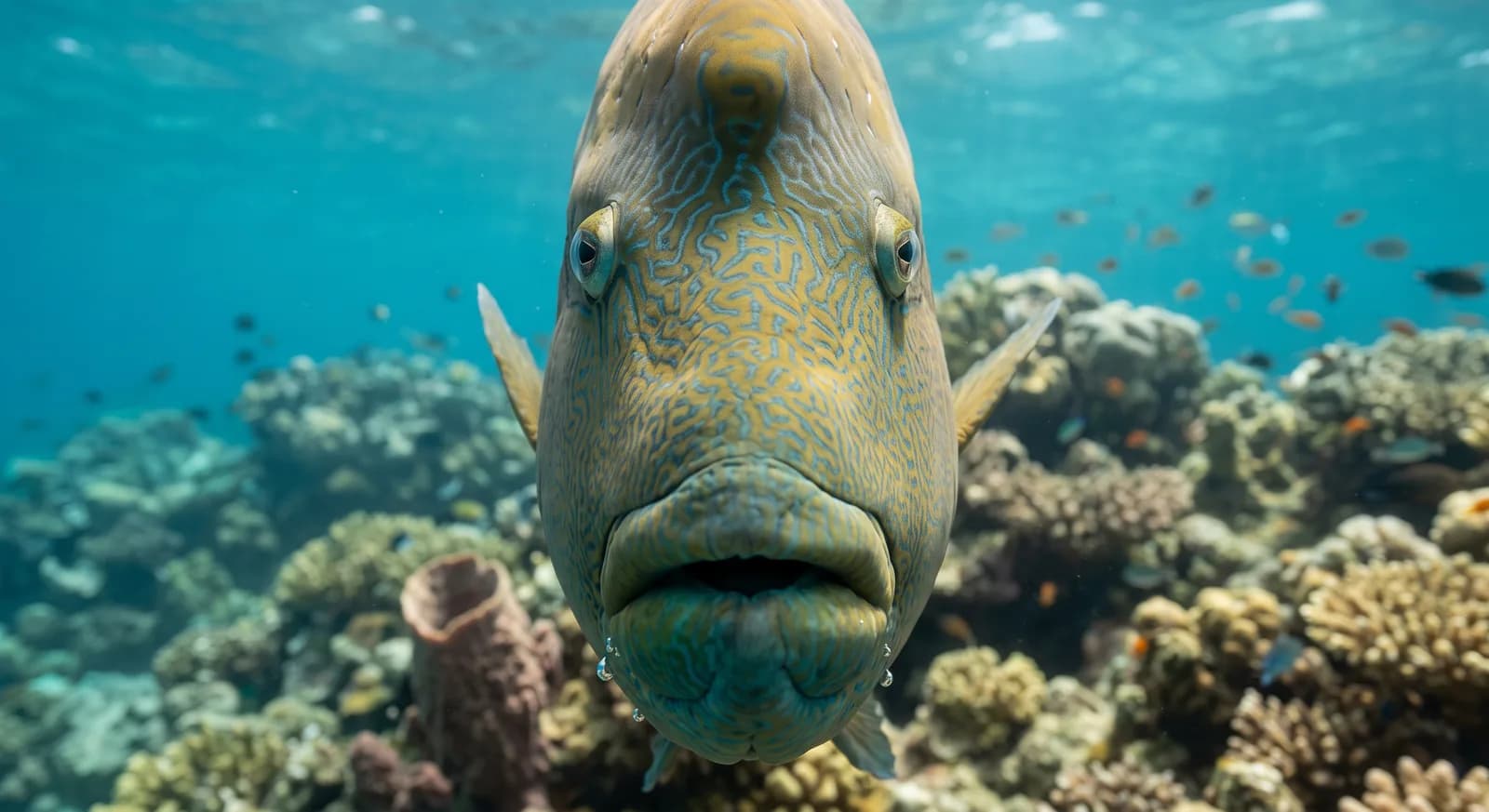 Endangered
Humphead Wrasse
Cheilinus undulatus
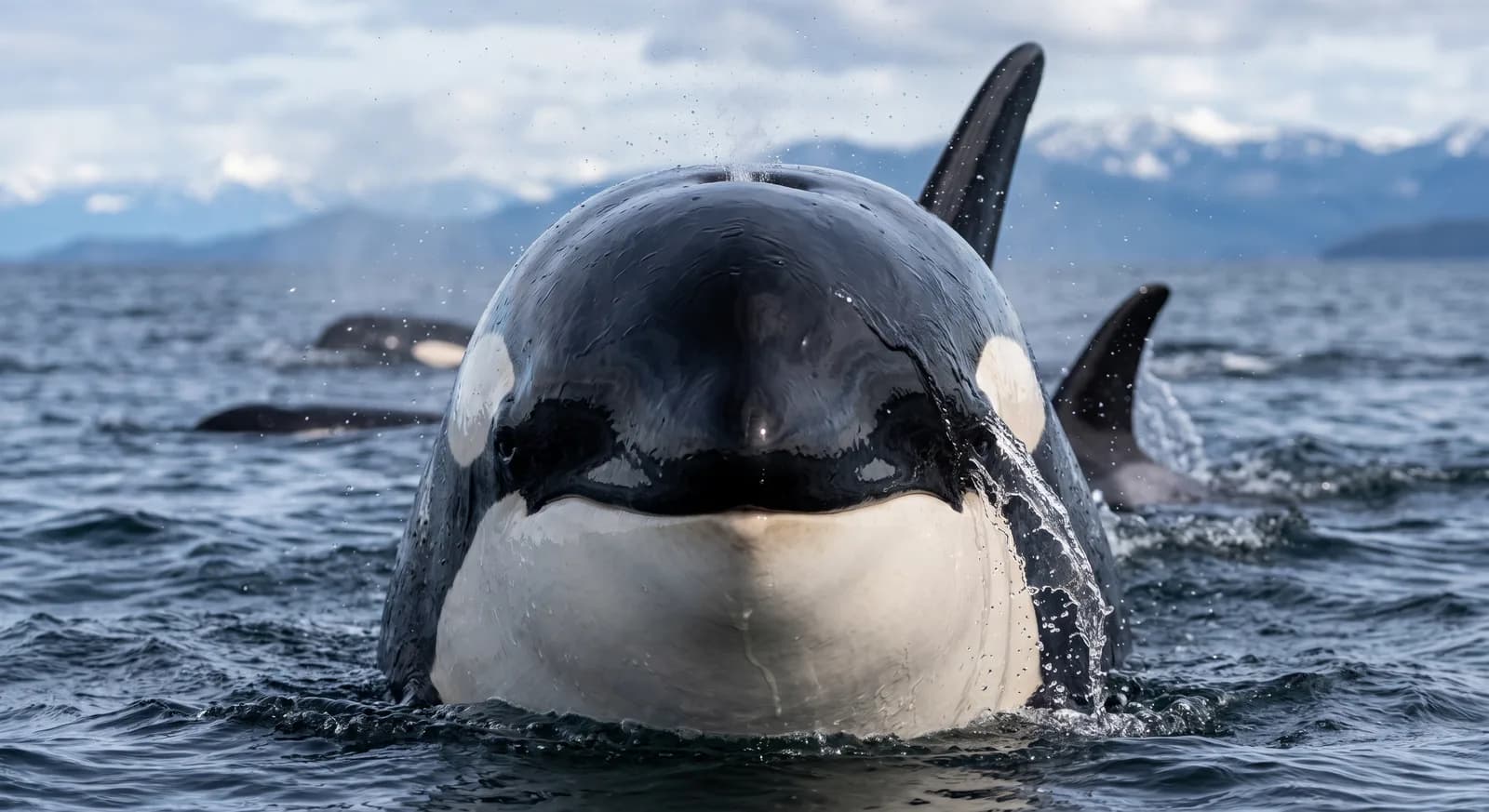 Endangered
Killer Whale
Orcinus orca
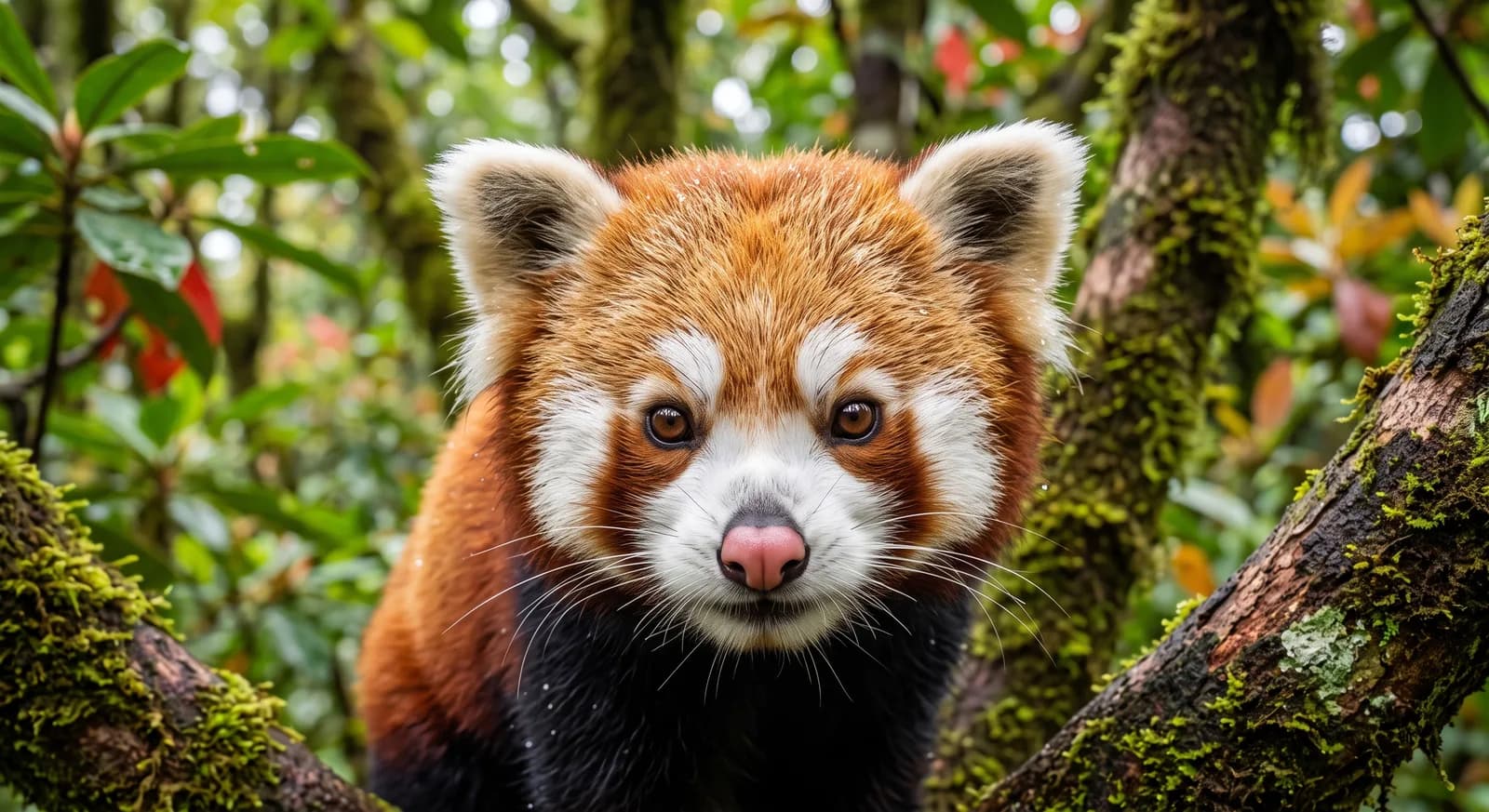 Endangered
Red Panda
Ailurus fulgens
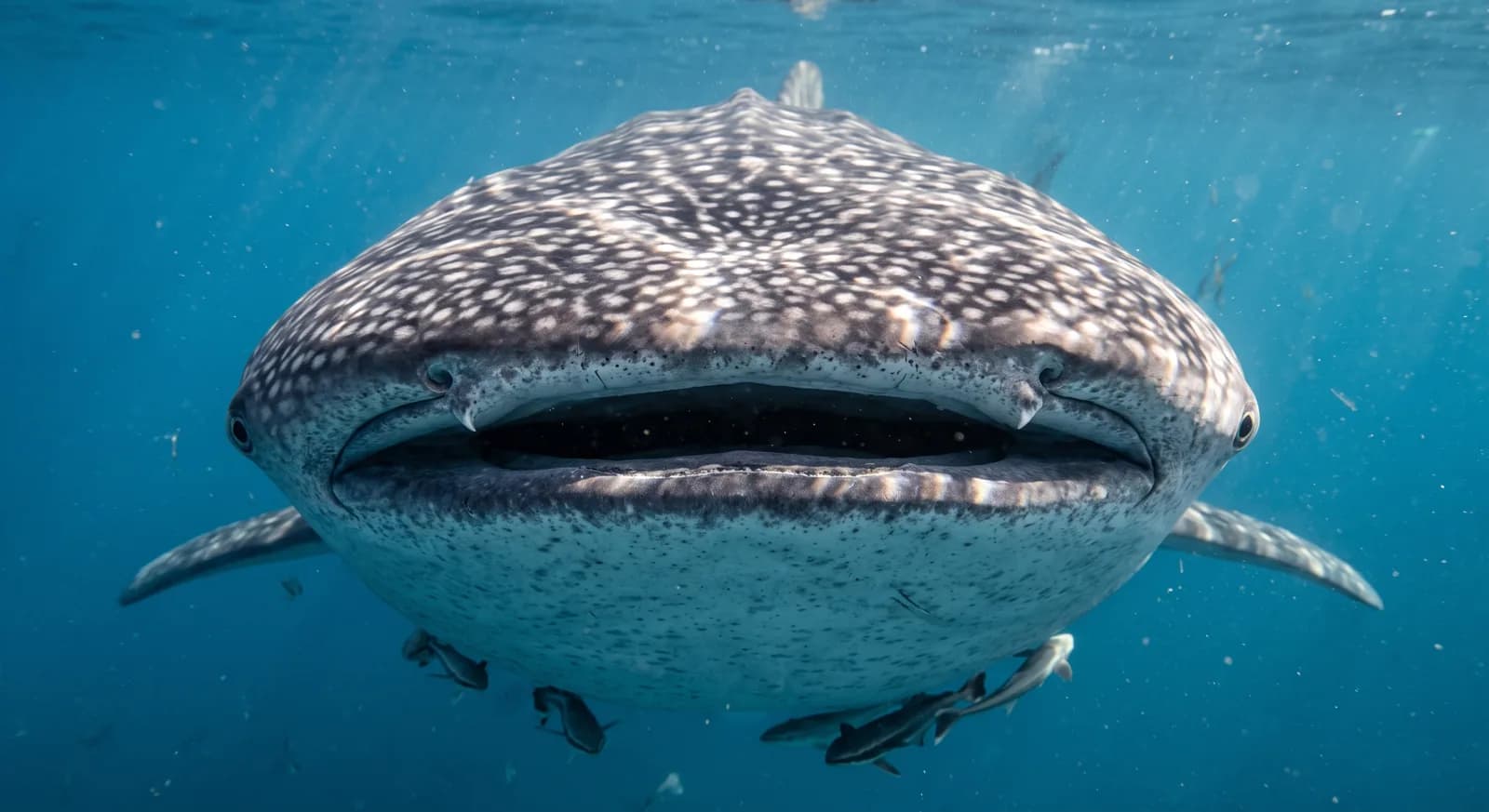 Endangered
Whale Shark
Rhincodon typus
 Endangered
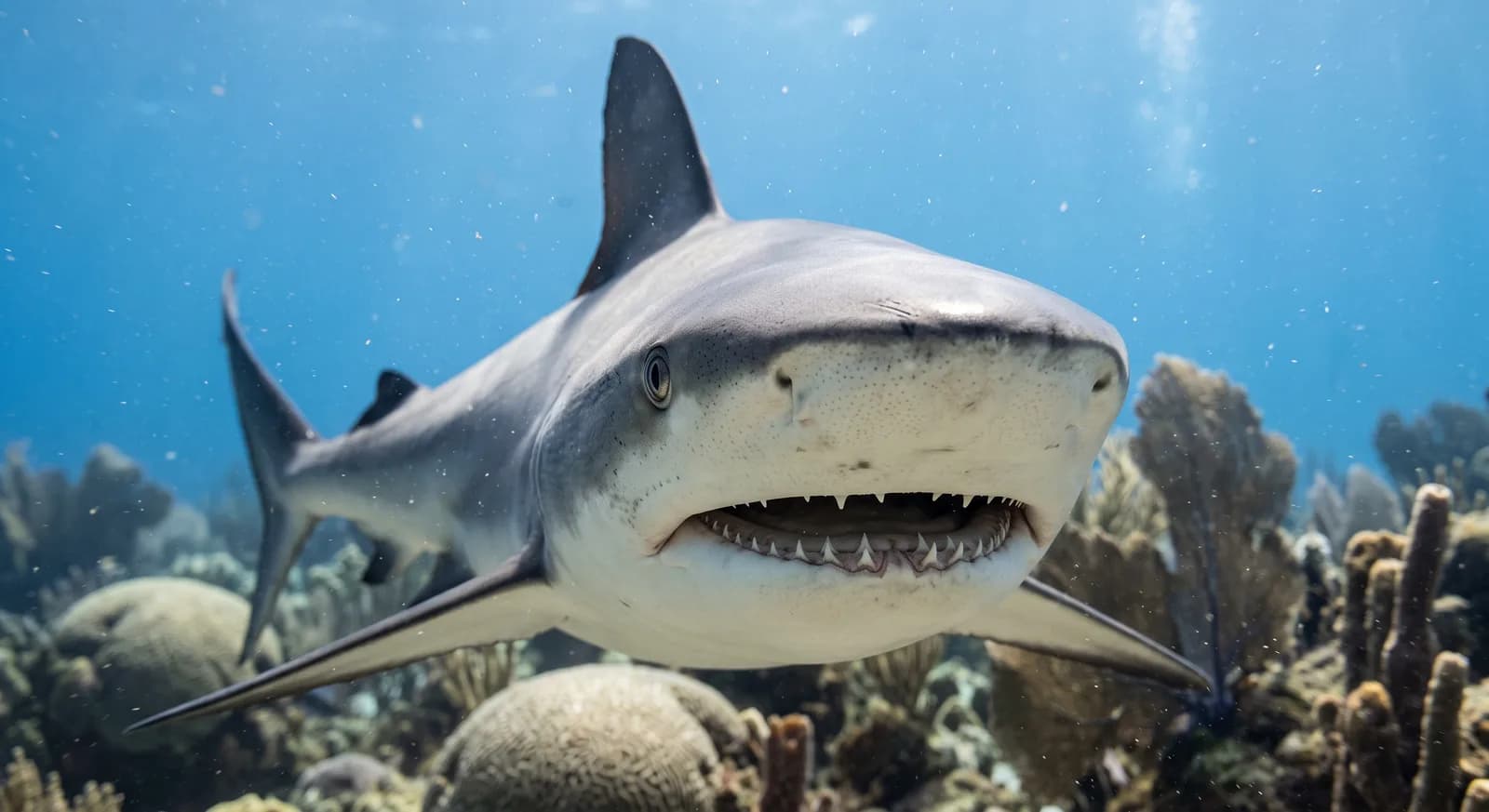
Grey Reef Shark
Carcharhinus amblyrhynchos
 Endangered
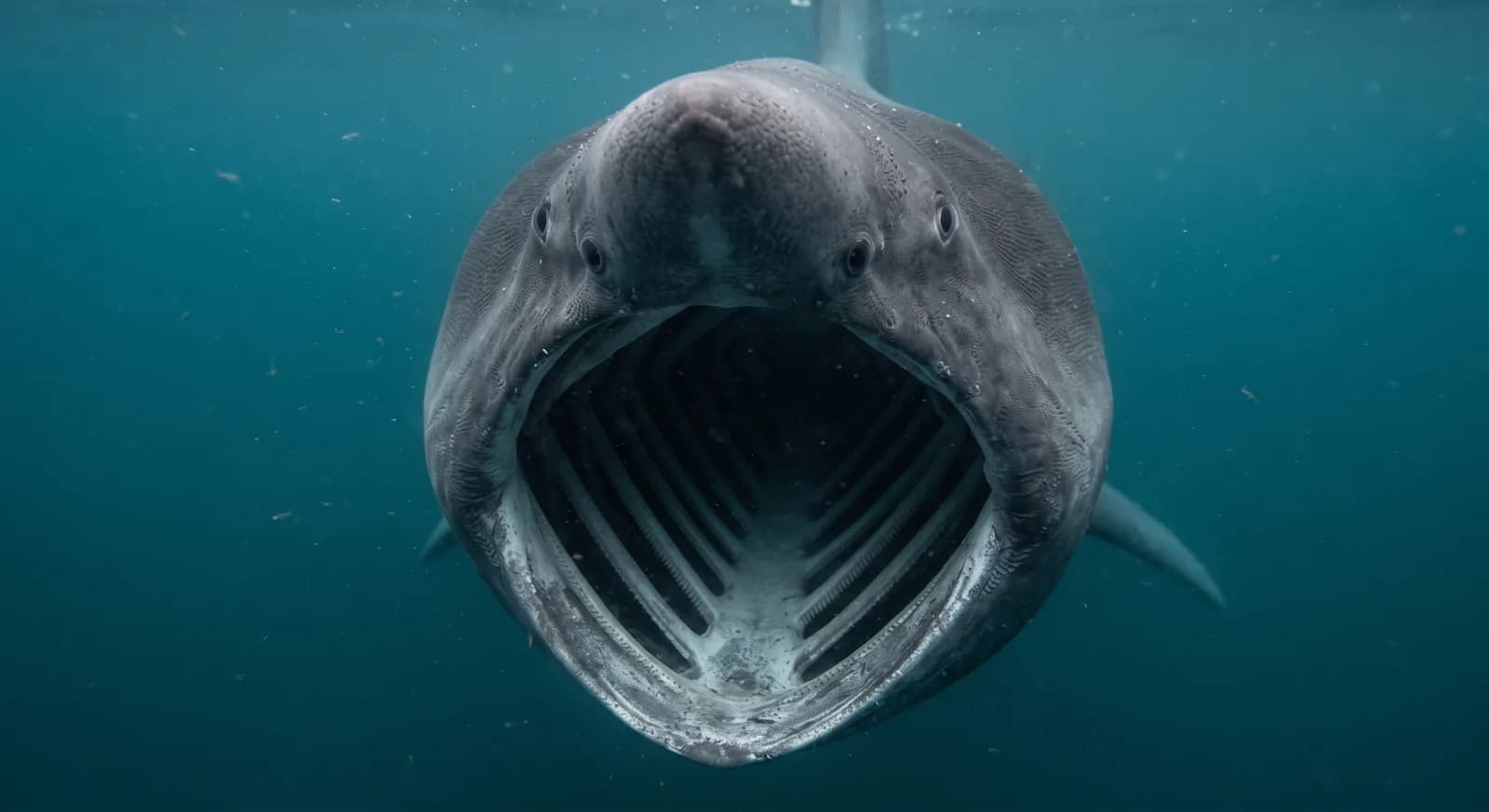
Basking Shark
Cetorhinus maximus
 Endangered
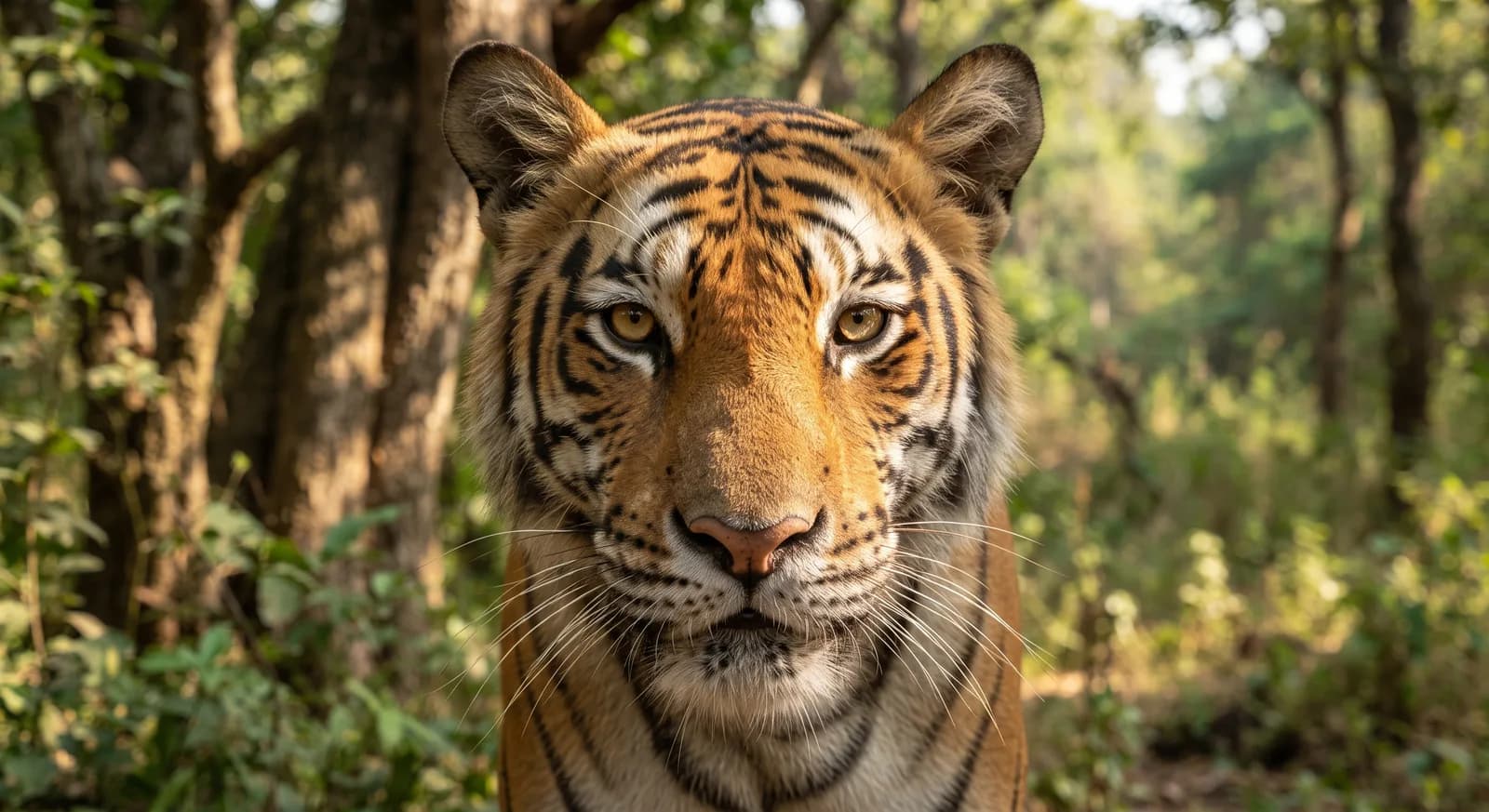
Tiger
Panthera tigris
 Endangered
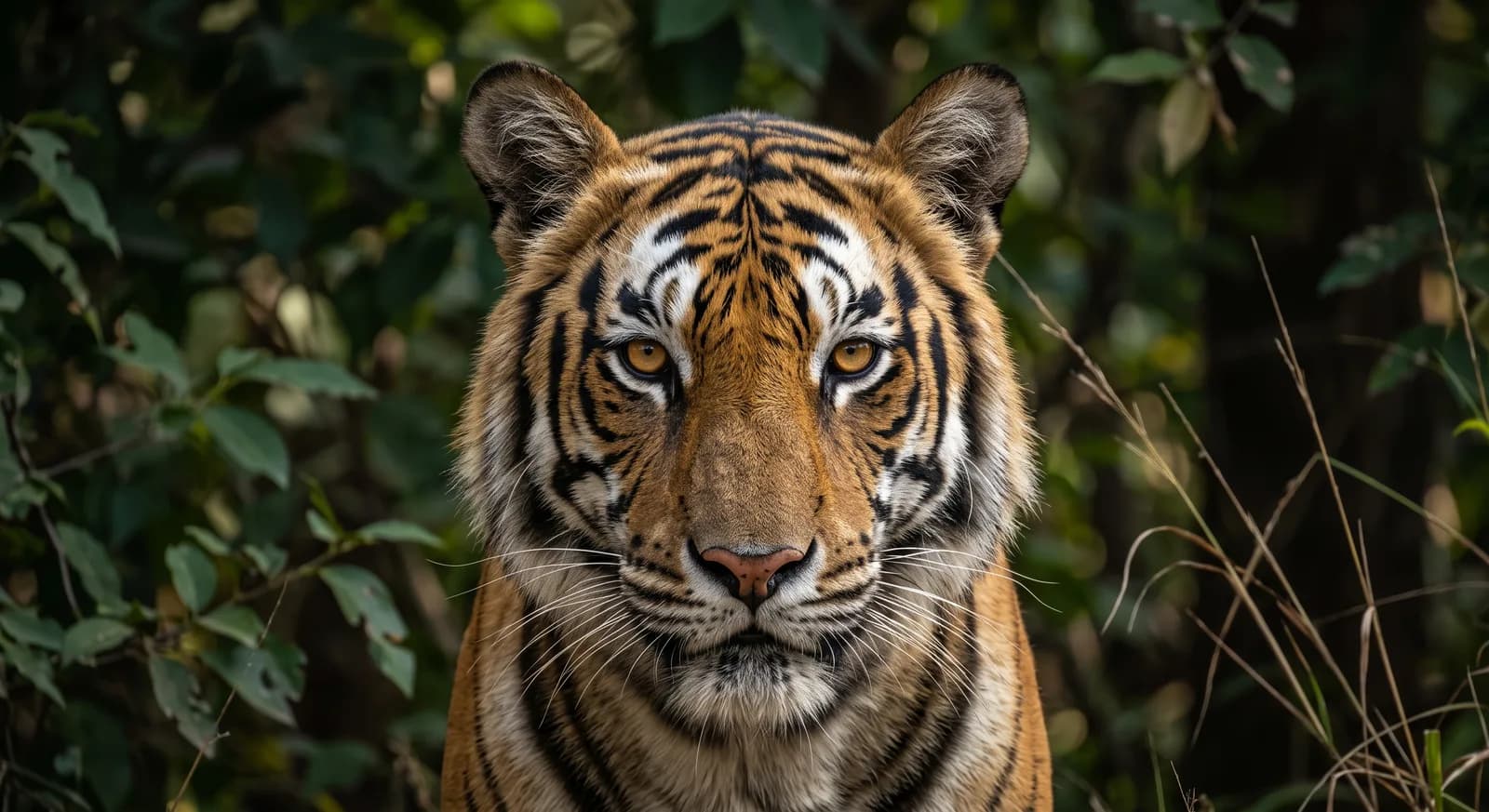
Bengal Tiger
Panthera tigris tigris
 Endangered
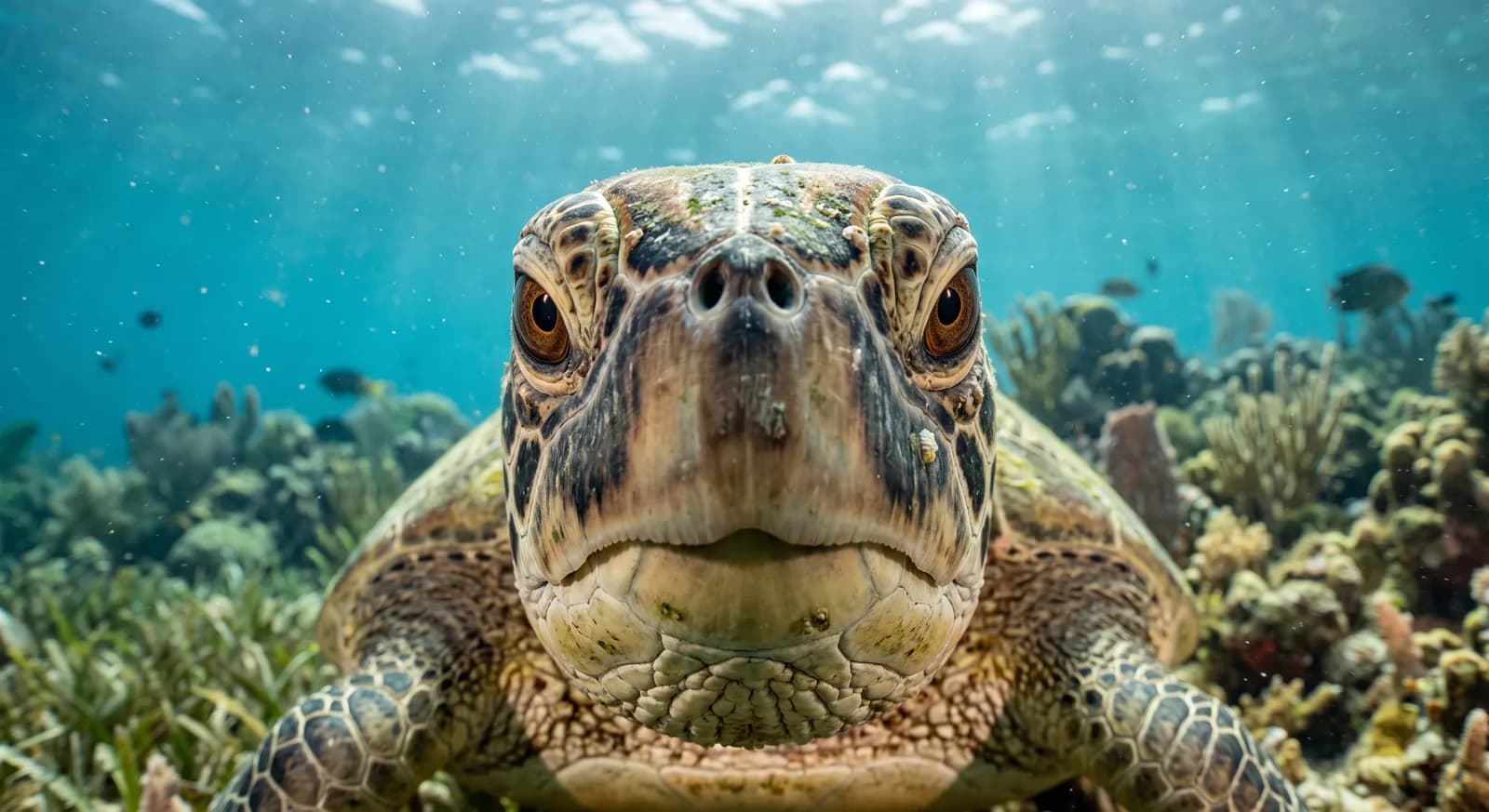
Green Turtle
Chelonia mydas
 Vulnerable
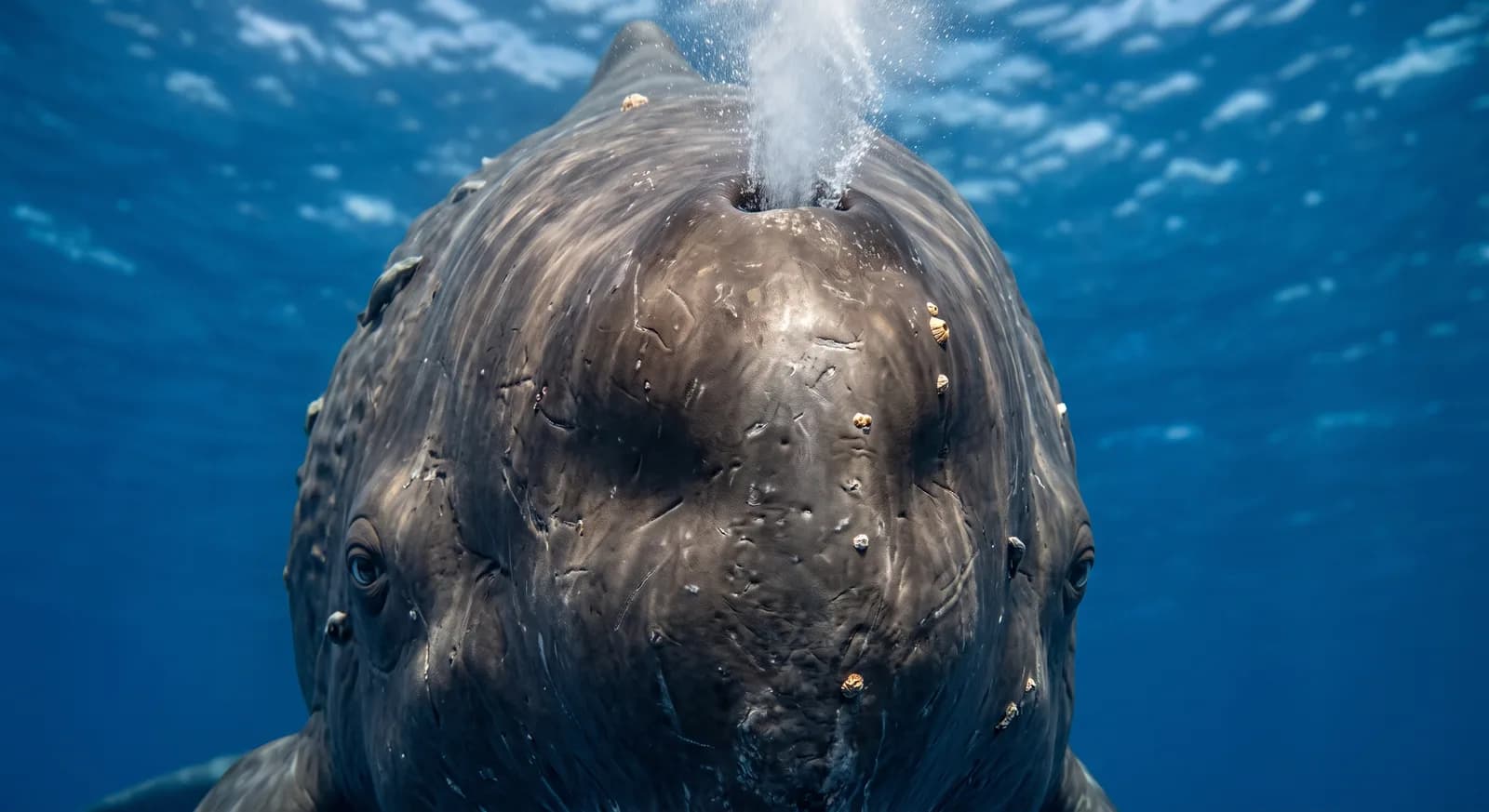
Sperm Whale
Physeter macrocephalus
 Vulnerable
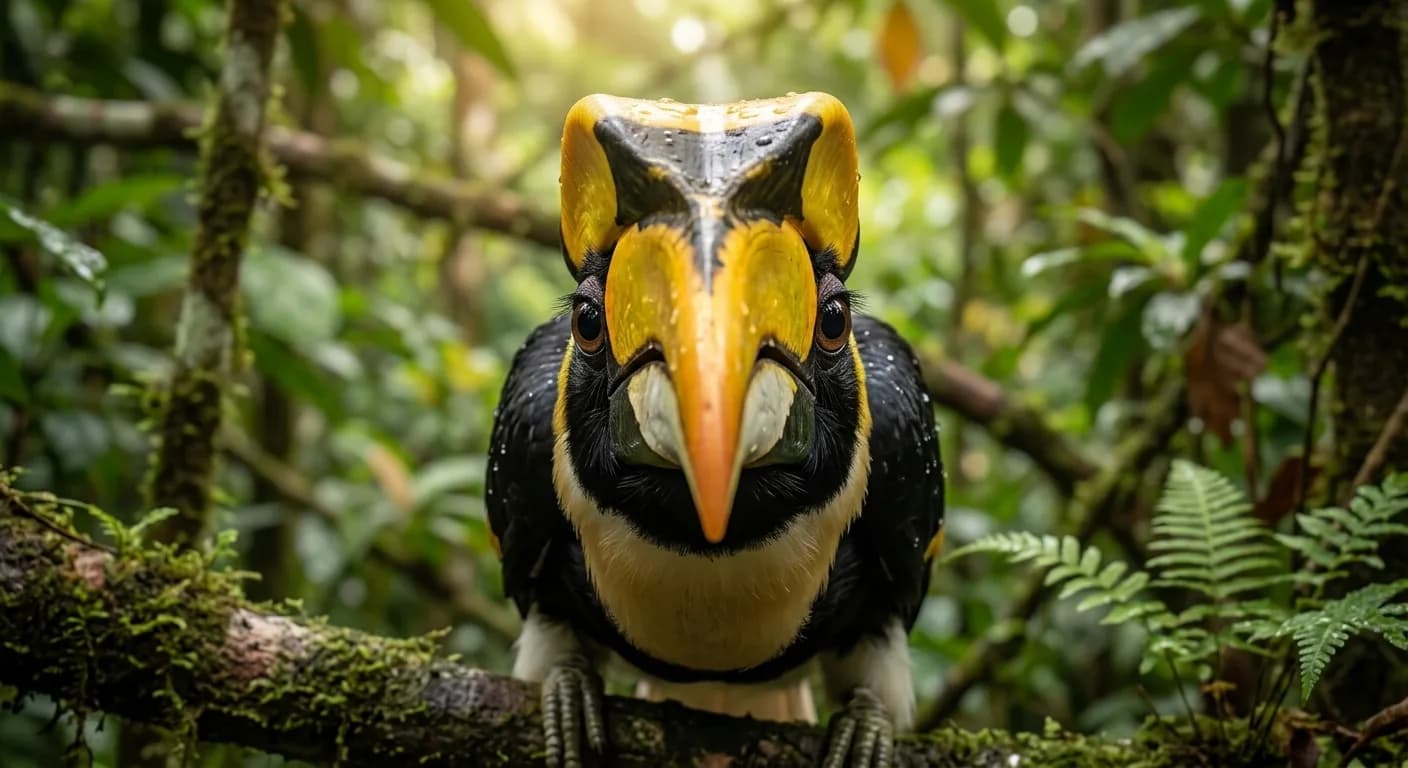
Great Hornbill
Buceros bicornis
 Vulnerable
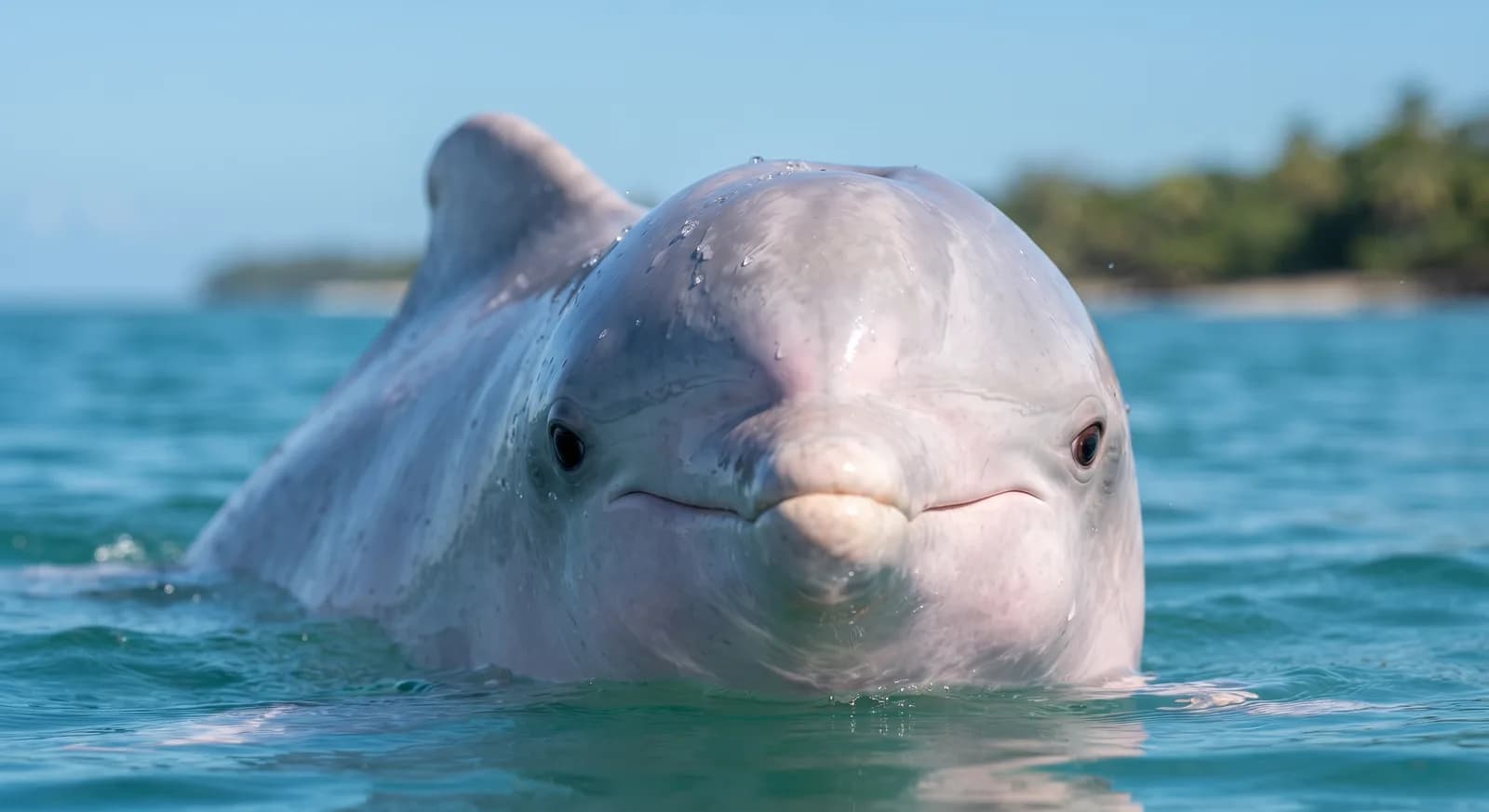
Indo-Pacific Humpback Dolphin
Sousa chinensis
Keep exploring
Based on what we already know about India.