Lithuania
Europa
Lithuania is the most southerly and most agricultural of the Baltic states, yet it keeps great wetlands and an exceptional coastline. The Curonian Spit, a tongue of sand almost a hundred kilometres long shared with Russia, is a World Heritage Site and one of the most impressive shifting dune formations in Europe, stabilised with pine plantations after centuries of deforestation. At its base, Cape Ventė has hosted since 1929 one of the oldest bird-ringing stations on the continent, sited exactly where the Baltic migratory corridor narrows. The Curonian Lagoon and the Nemunas delta form a wetland of flood meadows and reedbeds with spoonbills, herons and tens of thousands of wildfowl. Inland, Aukštaitija and Dzūkija add glacial lakes, pinewoods on sand and peat bogs with moose, wolves and beavers.
The nature of Lithuania
National animal: The white stork, national bird since 1973
Did you know?
Lithuania has one of the highest densities of white stork in the world, with more than thirteen thousand pairs spread across its villages and fields, often on poles put up by the residents themselves. The species was declared national bird in 1973 and the country marks Stork Day every 25 April, which in popular tradition sets the real beginning of spring.
Biodiversity profile
Climate
- •Continental humedo (Dfb), con influencia moderadora del Mar Baltico en la costa
Main biomes
- •Bosque boreal-templado mixto (pino, abeto, roble, abedul)
- •Turberas y humedales
- •Costa baltica con la Laguna de Curlandia (Kursiu Nerija), extenso sistema de dunas
- •Duna móvil costera
- •Laguna litoral
- •Delta fluvial
- •Pinar sobre arena
- •Turbera elevada
- •Lago glaciar
- •Pradera inundable
Marine and coastal ecosystems
- •Laguna de Curlandia (Patrimonio Mundial compartido con Rusia/Kaliningrado), con las dunas de arena mas altas de Europa
Flagship wildlife
- •Alce europeo
- •Lince euroasiatico
- •Ciguena blanca (Lituania tiene una de las mayores densidades de cria de Europa)
- •Aves migratorias en la Laguna de Curlandia
- •Cigüeña negra
- •Alce
- •Lobo gris
- •Castor europeo
- •Nutria paleártica
- •Espátula común
- •Grulla común
- •Pigargo europeo
- •Foca gris
Notable endemic species
- •Endemismo estricto limitado, tipico de la llanura del Baltico; el valor distintivo de Lituania reside en su excepcional densidad de cigüeñas blancas nidificantes, unas de las mas altas de toda Europa
Notable threatened species
- •18,7% de los bosques de Lituania estan bajo proteccion formal, cifra intermedia entre Letonia (19,5%) y Suecia (12,3%)
Notable protected areas
- •Parque Nacional de la Laguna de Curlandia (Patrimonio Mundial, dunas costeras)
- •Parque Nacional de Aukstaitija
- •Parque Nacional de la Isla Curlandia
- •Parque Regional del Delta del Nemunas
- •Parque Nacional de Dzūkija
- •Reserva de Žuvintas
- •Cabo de Ventė
Main conservation threats
- •Presion de la industria forestal sobre bosques no protegidos
- •Erosion de dunas costeras en la Laguna de Curlandia
- •Drenaje de turberas para agricultura
Notable natural phenomena
- •Las dunas de la Laguna de Curlandia son las mas altas de Europa, formadas por procesos eolicos costeros de gran escala a lo largo de siglos
Conservation
Žuvintas, protected since 1937, is the country's oldest reserve and a benchmark centre for waterbird monitoring. The dunes of the Curonian Spit need constant maintenance against erosion and tourist pressure.
Where and when to watch wildlife
Cape Ventė between September and October for the migration and the ringing sessions. The Nemunas delta in April during the spring floods. Inland villages between April and August for storks on the nest.
Sources: kliimaministeerium.ee - Forestry Estonia biodiversity (comparativa regional Baltico)
Parks and reserves
Espolon de Curlandia (Curonian Spit)
A 98 km peninsula of sand dunes built up over 5,000 years, which has buried whole villages beneath the moving sand
View parkNational ParkDzūkija
Lithuania's largest national park, with pine woods on glacial sands and villages that live by foraging.
View parkNational ParkAukštaitija National Park
Lithuania's oldest national park, a mosaic of more than a hundred lakes, forests and traditional villages.
View parkNational ParkTrakai Histórico
Lithuania's only historical national park, with the island castle of Trakai and the Karaim community.
View parkNational ParkŽemaitija
Lake Plateliai and the forests of Samogitia, with a secret Soviet missile base turned into a museum.
View parkEspecies documentadas en Lithuania
467 species found
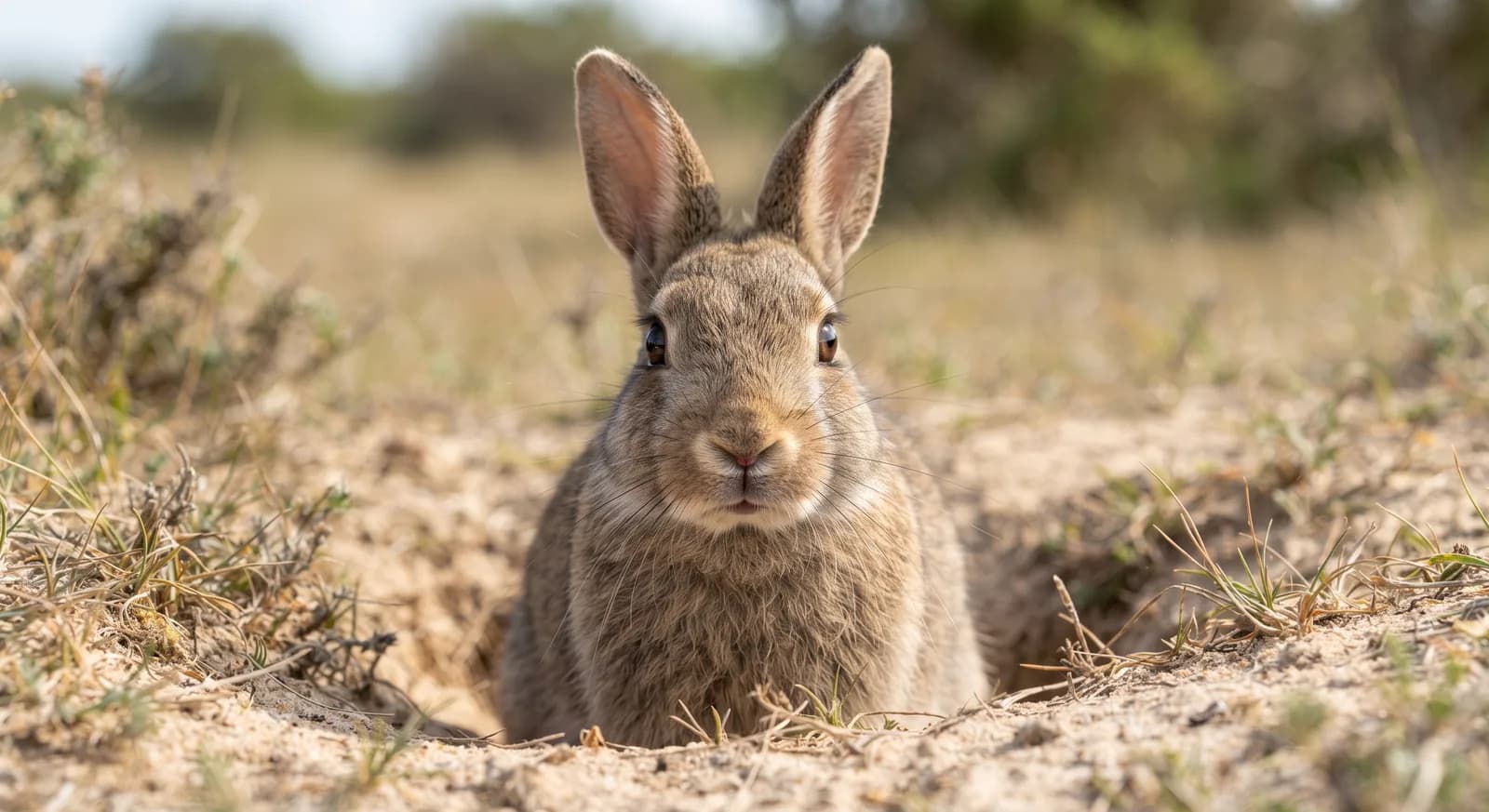 Near Threatened
European Rabbit
Oryctolagus cuniculus
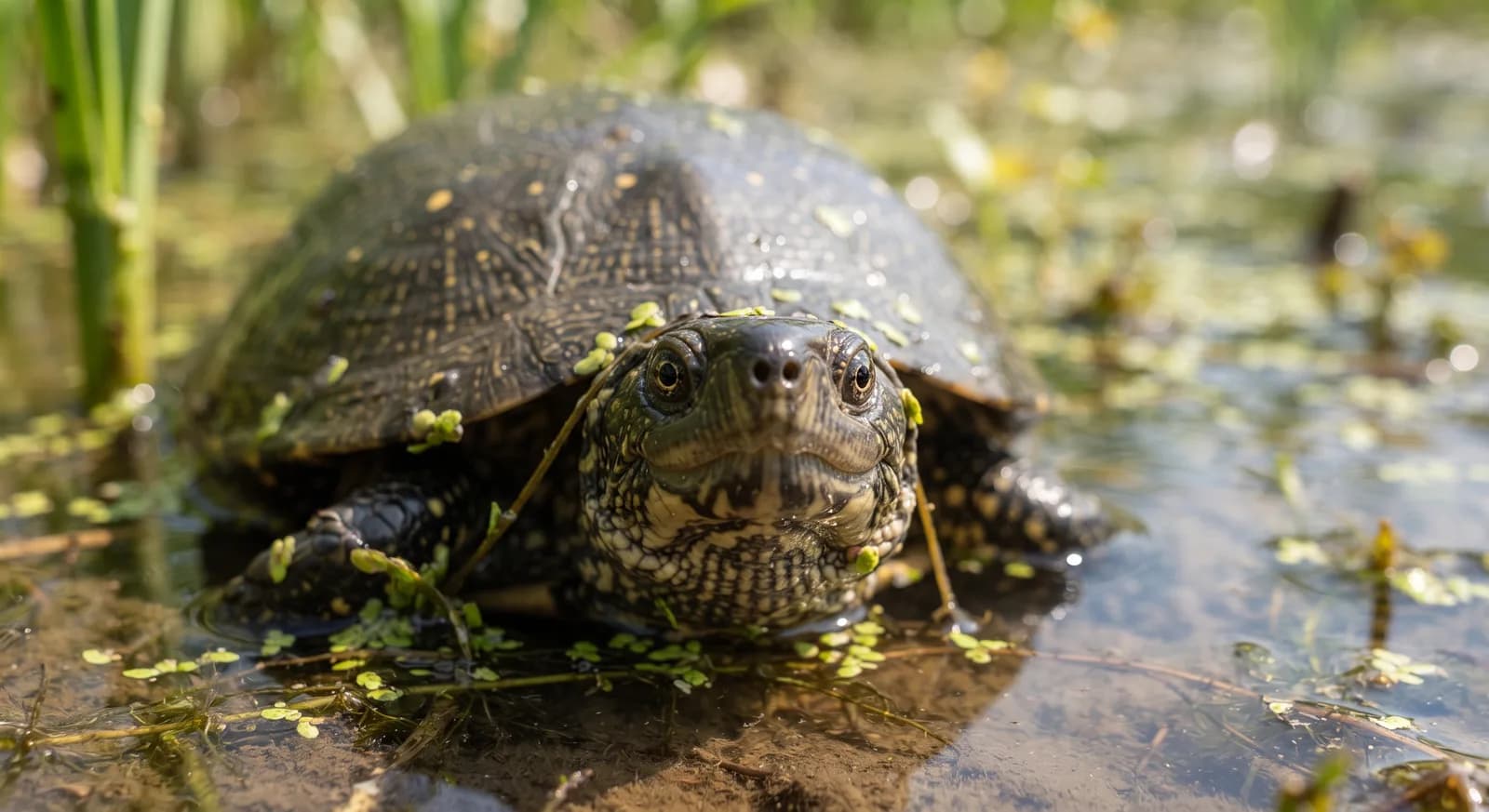 Near Threatened
European Pond Turtle
Emys orbicularis
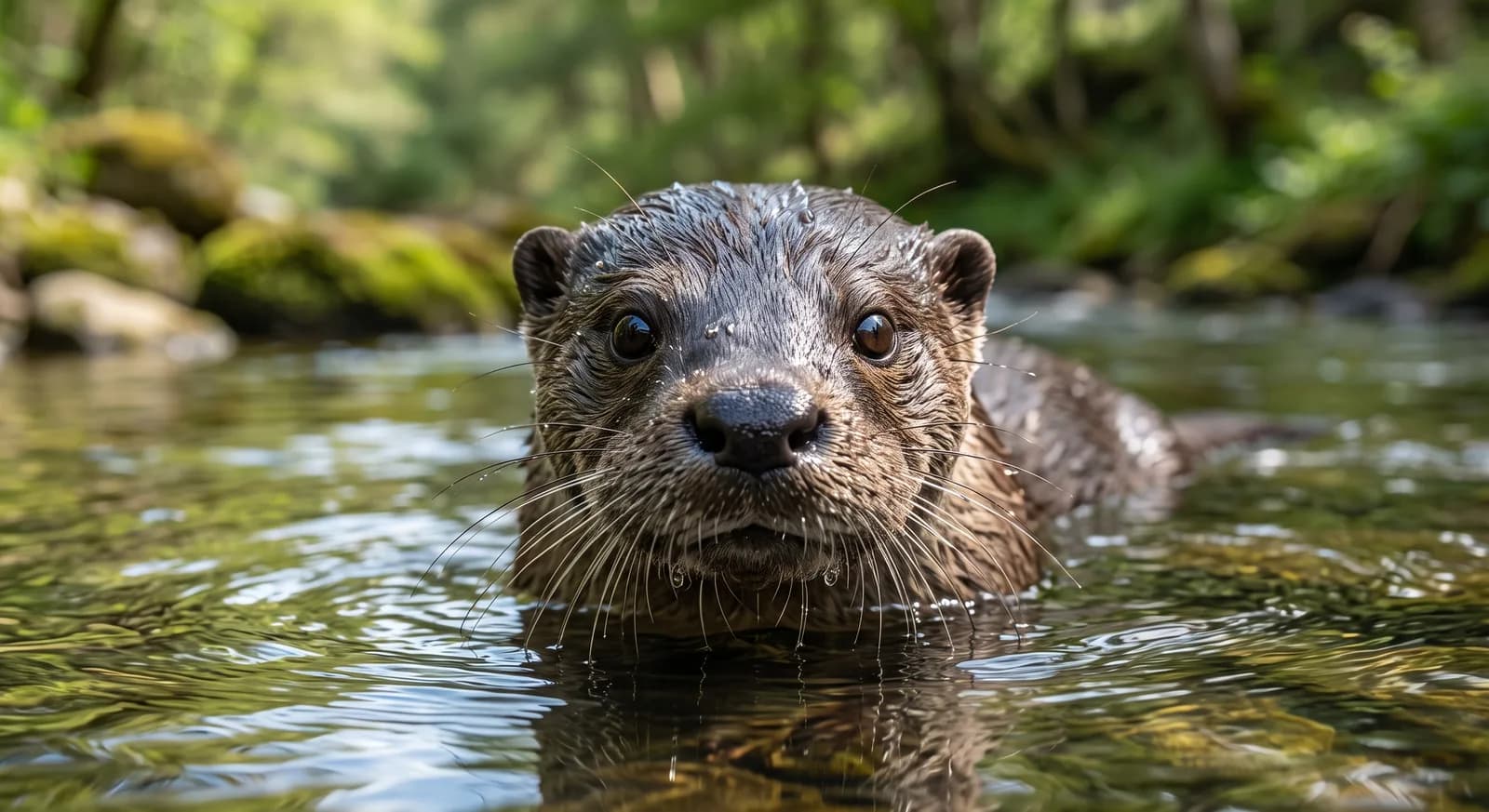 Near Threatened
European Otter
Lutra lutra
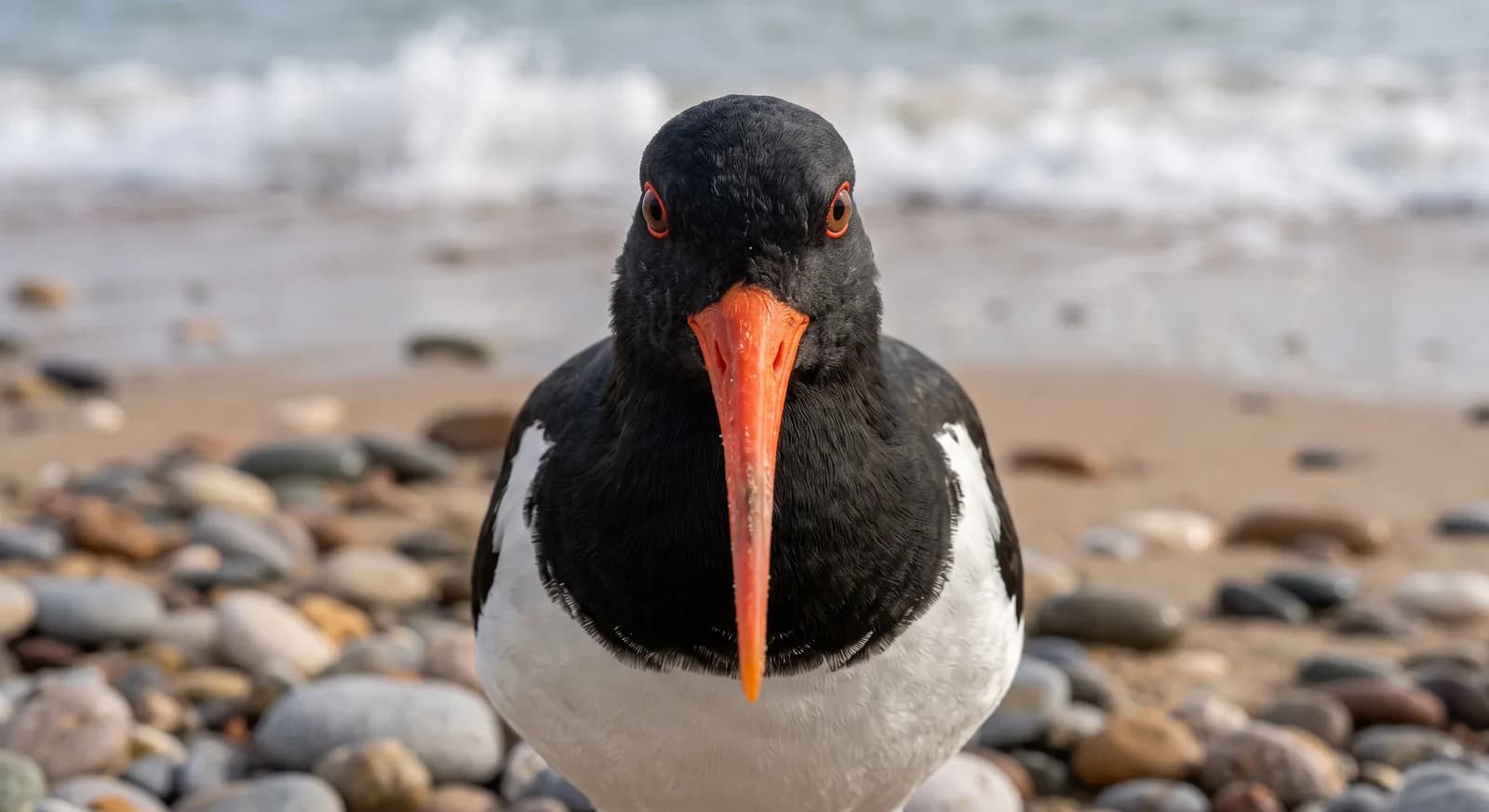 Near Threatened
Eurasian Oystercatcher
Haematopus ostralegus
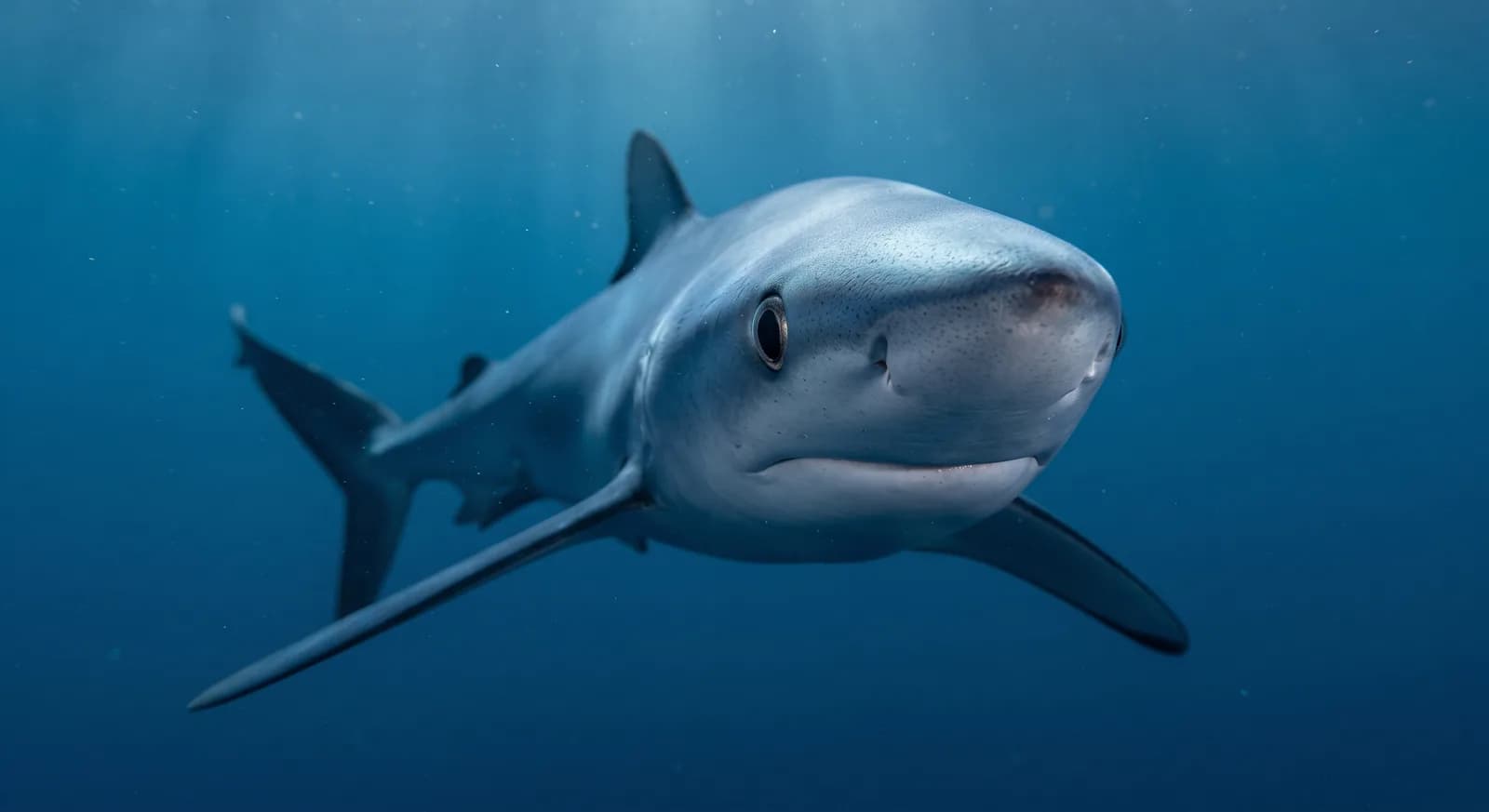 Near Threatened
Blue Shark
Prionace glauca
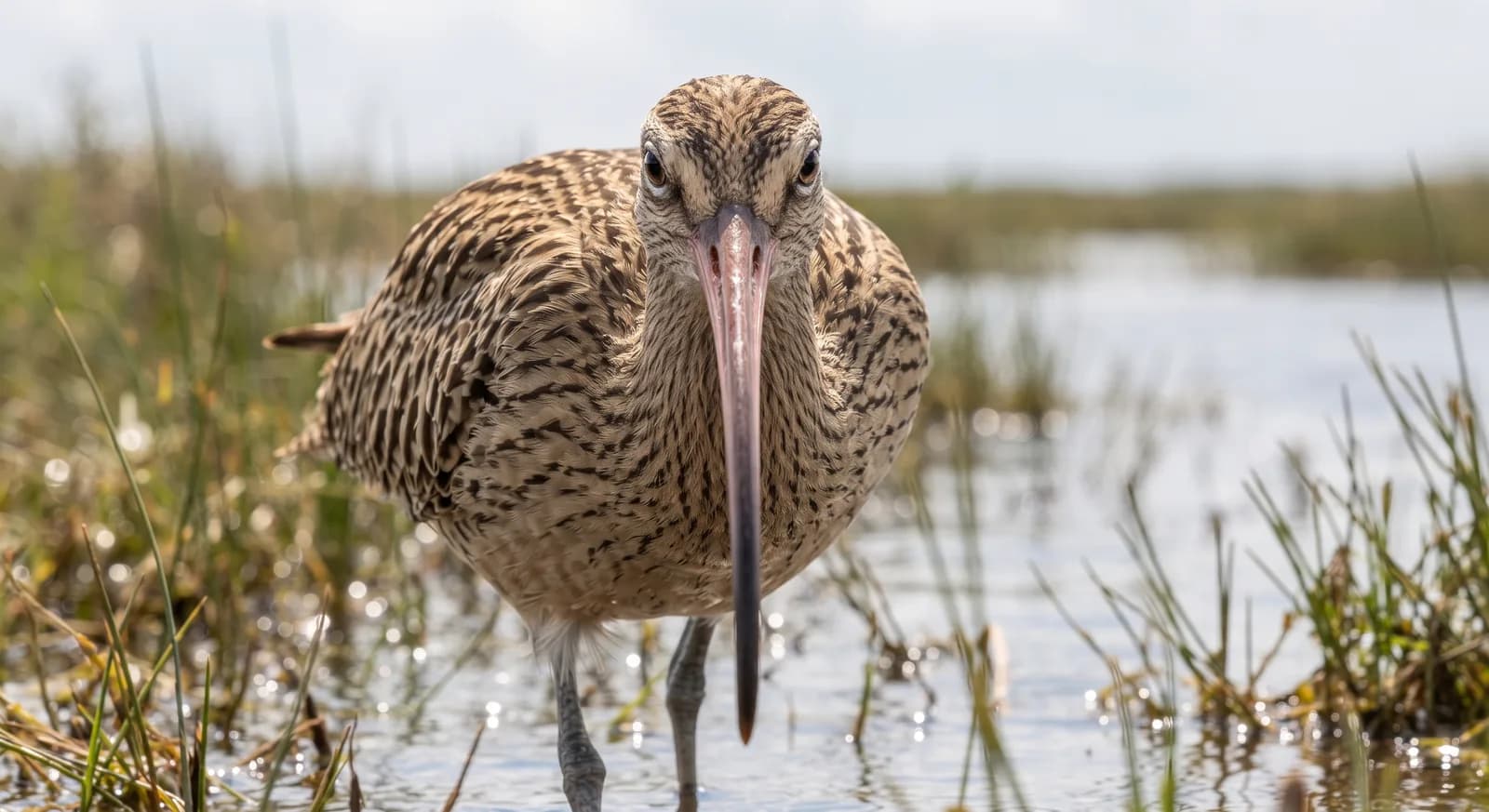 Near Threatened
Eurasian Curlew
Numenius arquata
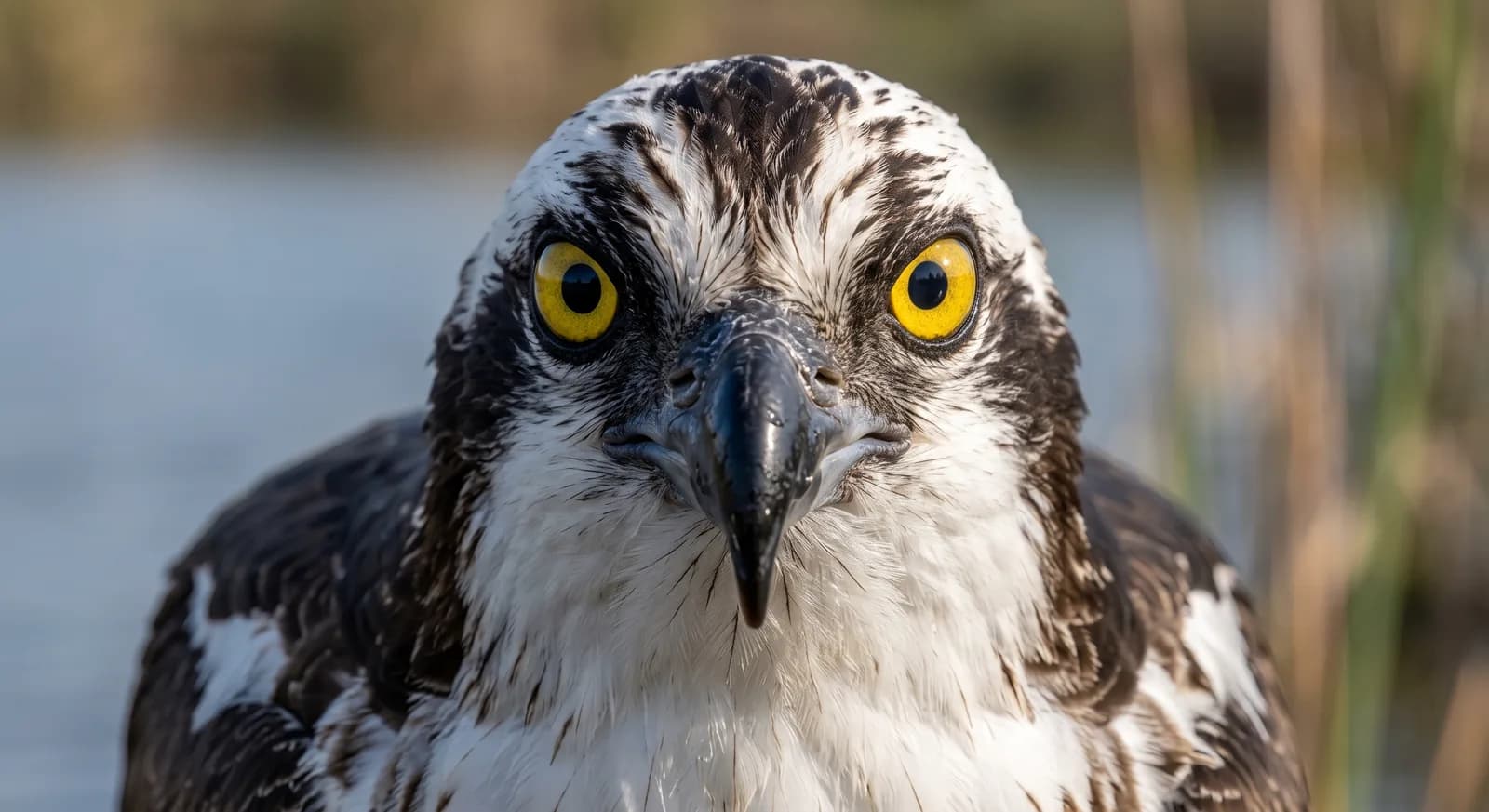 Least Concern
Osprey
Pandion haliaetus
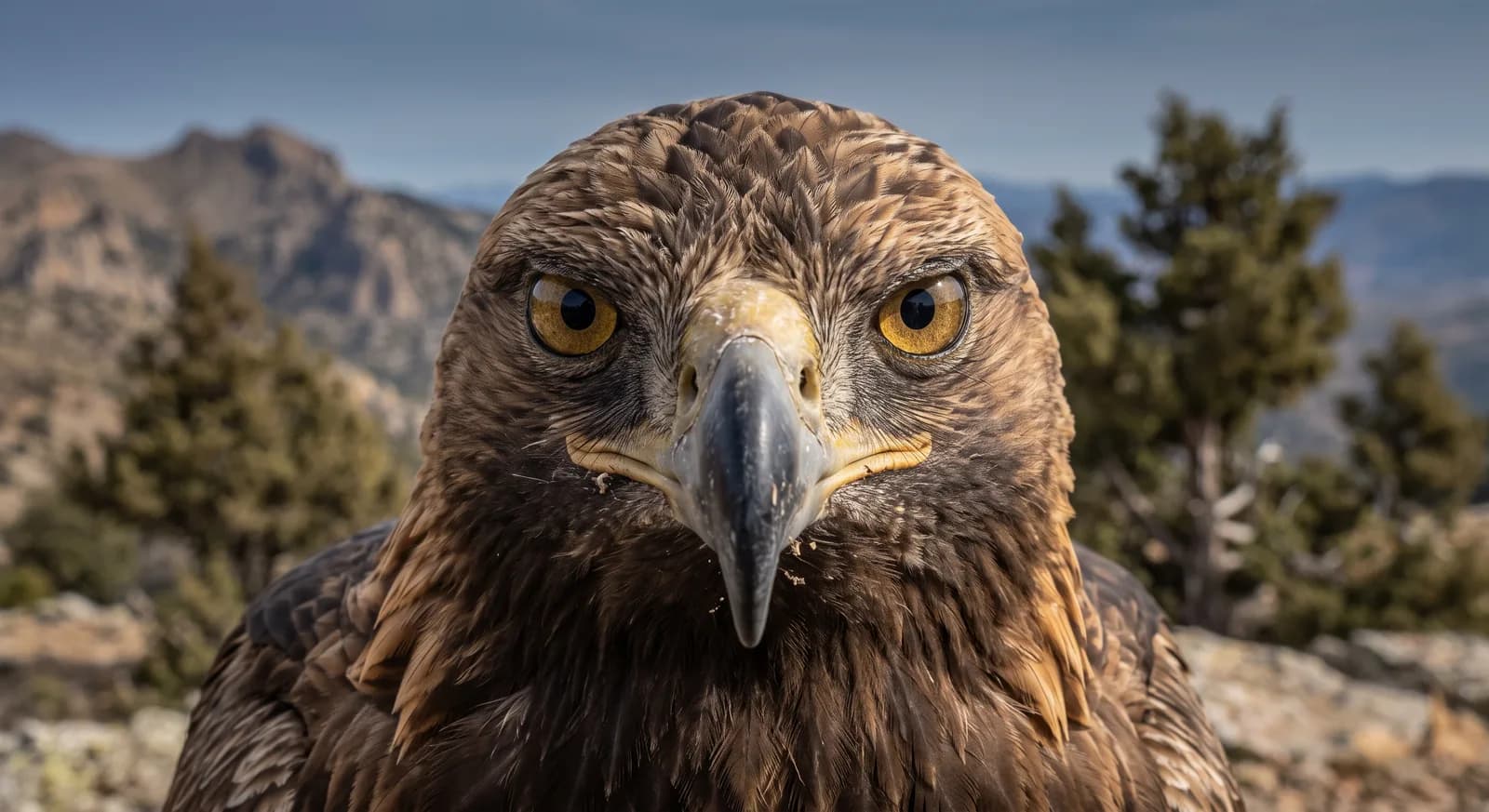 Least Concern
Golden Eagle
Aquila chrysaetos
 Least Concern
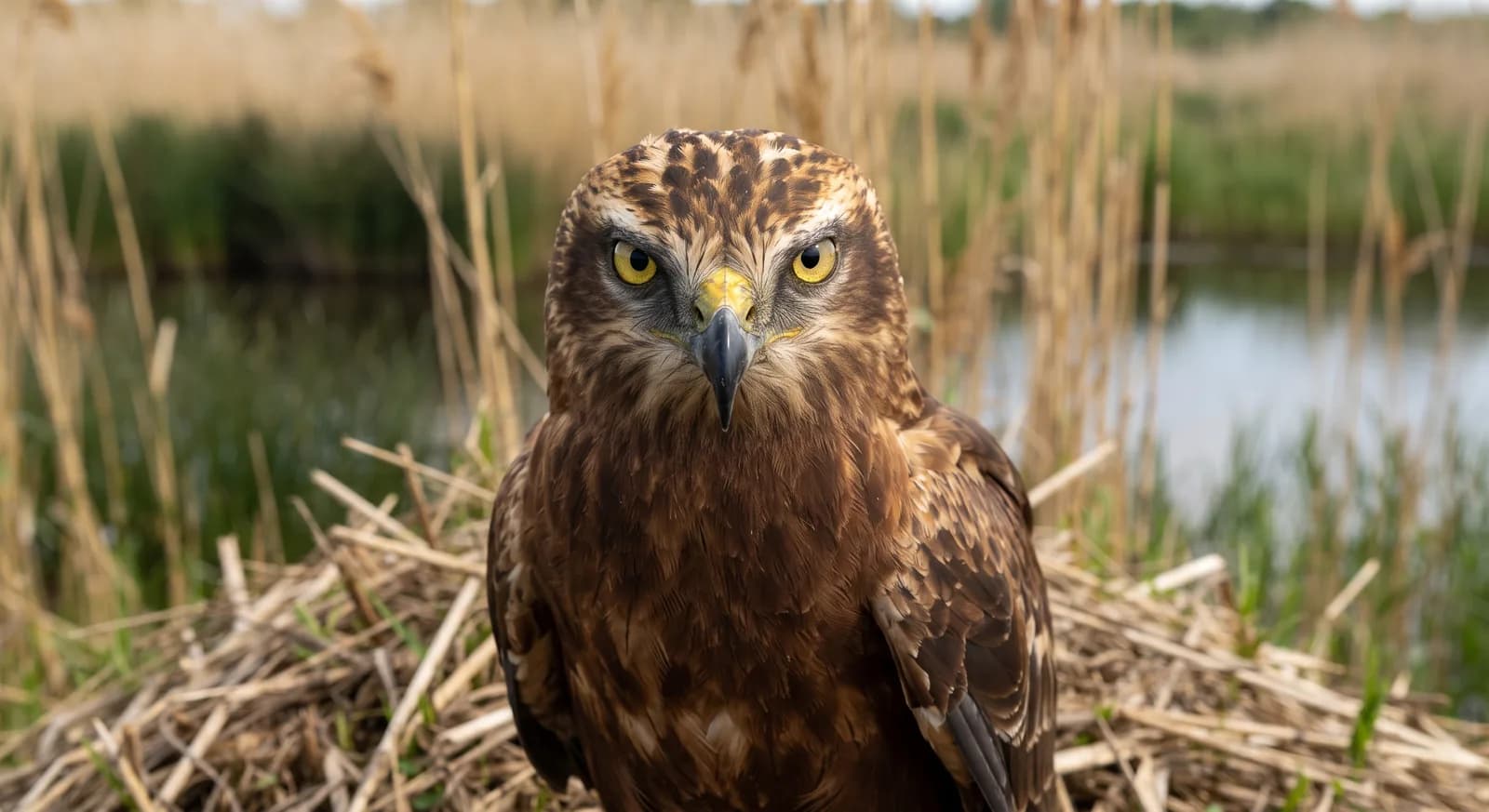
Western Marsh Harrier
Circus aeruginosus
 Least Concern
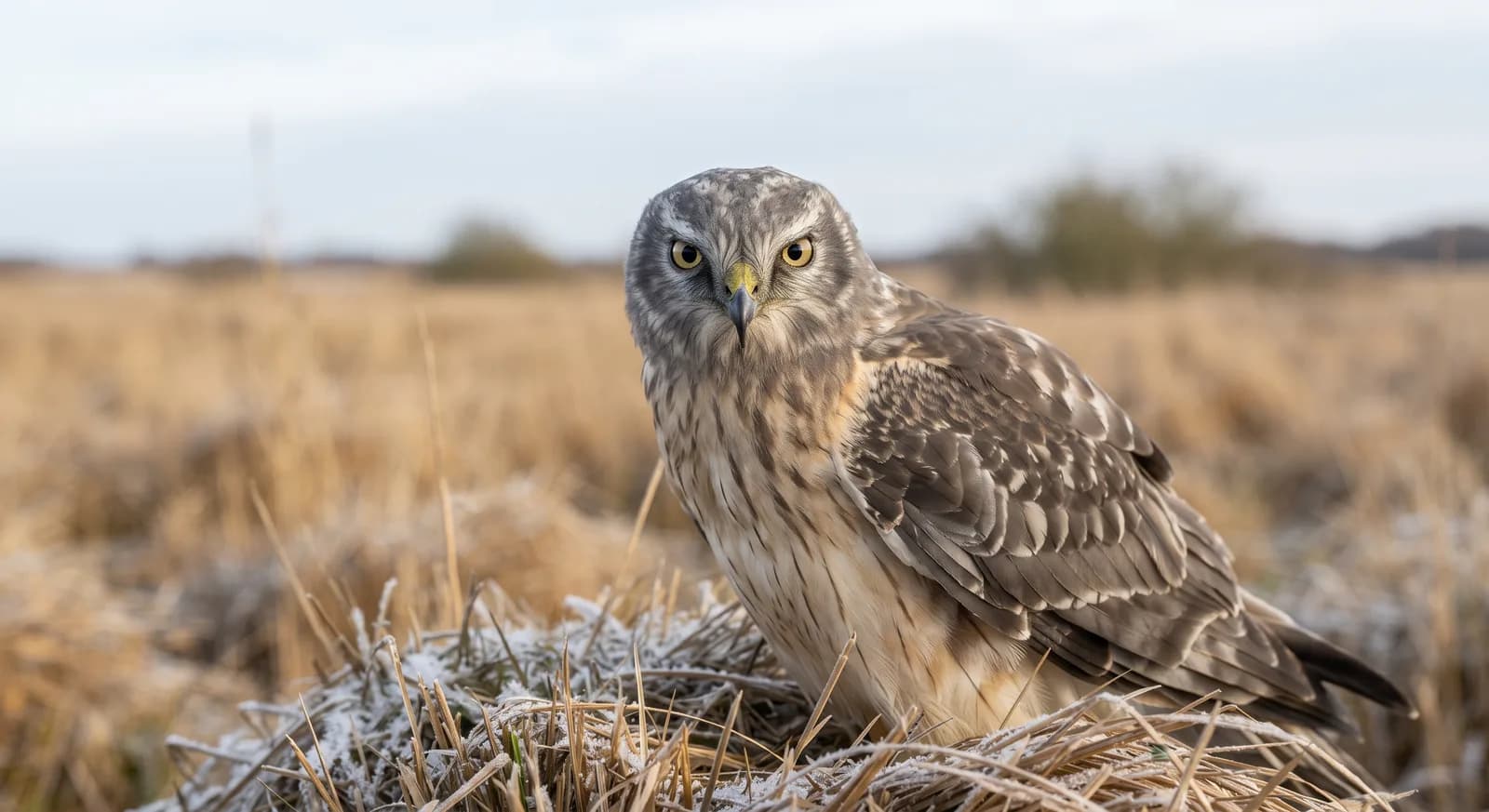
Hen Harrier
Circus cyaneus
 Least Concern
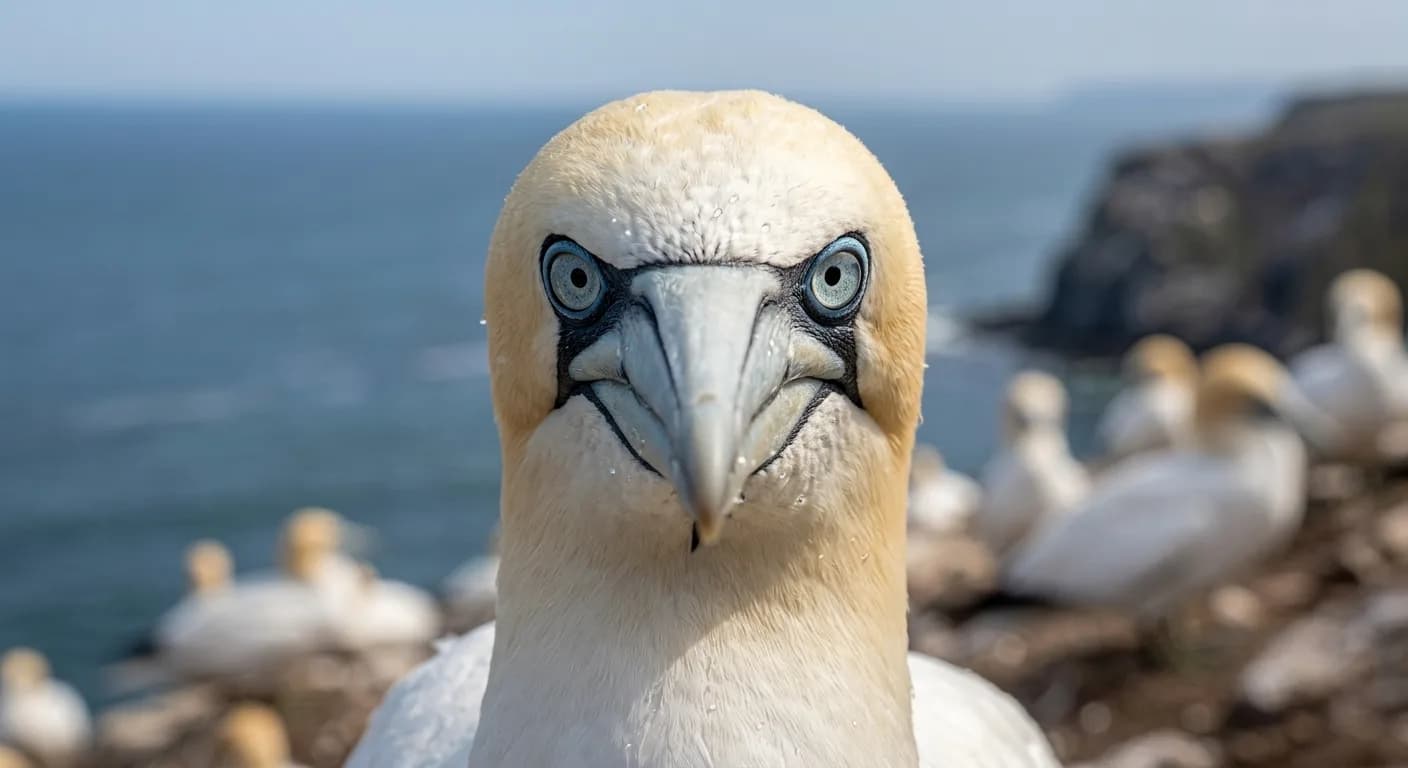
Northern Gannet
Morus bassanus
 Least Concern
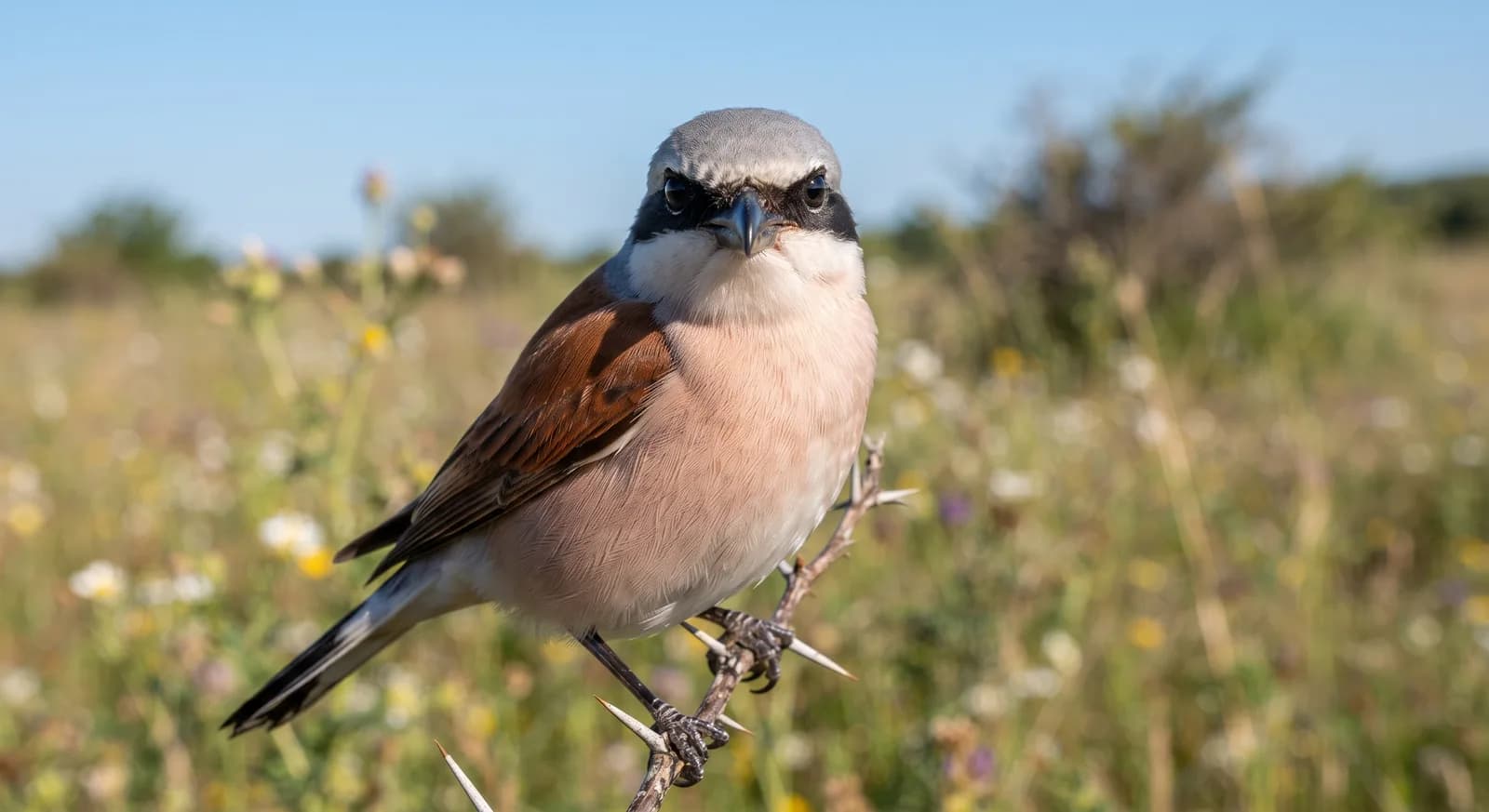
Red-backed Shrike
Lanius collurio
Keep exploring
Based on what we already know about Lithuania.