Mexico
América del Norte
Mexico is one of the planet's megadiverse countries and the point where the fauna and flora of North America meet those of the American tropics. Its two Sierra Madre ranges enclose a highland of scrub and pine-oak forest holding more pine and oak species than anywhere else in the world, while the south harbours rainforest and cloud forest. Baja California combines desert with coastal lagoons where gray whales calve after crossing the whole Pacific, and the Yucatán peninsula hides beneath its limestone platform the largest flooded cave system on the planet. The Gulf of California, with its high productivity, was called the aquarium of the world by Jacques Cousteau.
The nature of Mexico
National animal: The golden eagle, the national bird, on the coat of arms and the flag; the Xoloitzcuintle is the national dog
Did you know?
Every autumn, hundreds of millions of monarch butterflies travel up to four thousand kilometres from Canada and the United States to a handful of oyamel fir forests in Michoacán and the State of Mexico, where they cover the trees until the branches bend. The extraordinary part is that no single butterfly makes the round trip: it takes several generations, and even so the granddaughters and great-granddaughters return to the same stands they have never seen.
Biodiversity profile
Climate
- •Arido y semiarido (BWh/BSh) en el norte (desiertos de Sonora y Chihuahua)
- •Templado de montaña en el Eje Volcanico Transversal
- •Tropical con estacion seca (Aw) y humedo (Af) en el sur y sureste (selva Lacandona, peninsula de Yucatan)
- •Mediterraneo en zonas puntuales de Baja California
Main biomes
- •Desierto (Sonora, Chihuahua)
- •Bosque de pino-encino en sierras templadas
- •Selva tropical humeda (Lacandona, Chiapas)
- •Bosque mesofilo de montaña (bosque de niebla)
- •Manglares en ambas costas
- •Karst calizo en el sureste (20% del territorio)
- •Bosque de oyamel
- •Selva húmeda tropical
- •Desierto de Sonora y Chihuahua
- •Bosque de niebla
- •Cenote y cueva inundada
- •Manglar costero
- •Golfo de California
Marine and coastal ecosystems
- •Arrecifes de coral del Caribe mexicano (extremo sur del Sistema Arrecifal Mesoamericano)
- •Golfo de California ("acuario del mundo" segun Jacques Cousteau)
- •Lagunas de reproduccion de la ballena gris (Baja California Sur)
Flagship wildlife
- •Jaguar
- •Mariposa monarca (migracion masiva a los bosques de oyamel)
- •Ajolote (exclusivo de los sistemas lacustres cercanos a Ciudad de Mexico)
- •Quetzal
- •Vaquita marina (cetaceo mas amenazado del mundo, endemico del Golfo de California)
- •Guacamayo militar
- •Ballena gris
- •Águila real
- •Tortuga golfina
- •Lobo mexicano
- •Tiburón ballena
Notable endemic species
- •Aprox. 50% de las especies del pais son endemicas segun Geo-Mexico
- •30% de las 564 especies de mamiferos y 45% de las 864 especies de reptiles son endemicas (segundo lugar mundial en diversidad de reptiles)
- •Ajolote (endemico de los canales de Xochimilco y zonas aledañas)
- •Vaquita marina (endemica y en peligro critico del norte del Golfo de California)
- •Conejo de los volcanes
- •Berrendo peninsular
- •Cacomixtle
Notable threatened species
- •Vaquita marina (En Peligro Critico, posiblemente menos de 10 individuos, la especie de cetaceo mas amenazada del planeta)
- •Ajolote (En Peligro Critico en su habitat silvestre por contaminacion y perdida de humedales)
- •Jaguar (Casi Amenazado, poblacion mexicana en recuperacion parcial)
Notable protected areas
- •Reserva de la Biosfera Mariposa Monarca (Patrimonio Mundial)
- •Reserva de la Biosfera Sian Ka'an (Yucatan, Patrimonio Mundial)
- •Reserva de la Biosfera El Vizcaino (lagunas de reproduccion de la ballena gris)
- •Reserva de la Biosfera de la Mariposa Monarca
- •Reserva de la Biosfera de Sian Ka'an
- •Reserva de El Vizcaíno
- •Reserva de la Biosfera de Calakmul
- •Islas Revillagigedo
- •Reserva de El Triunfo
Main conservation threats
- •Cambio climatico proyectado a afectar la totalidad de las 40 reservas de la biosfera analizadas en un estudio cientifico reciente (aumento de temperatura previsto en todas ellas para 2050)
- •Pesca ilegal con redes agalleras, principal causa del colapso poblacional de la vaquita marina
- •Contaminacion y perdida de humedales en la Cuenca de Mexico, amenaza critica para el ajolote silvestre
Notable natural phenomena
- •Migracion masiva anual de la mariposa monarca desde Canada y EEUU hasta los bosques de oyamel del centro de Mexico
- •Temporada de reproduccion invernal de la ballena gris en las lagunas de Baja California Sur
Conservation
The vaquita, a small porpoise found only in the northern Gulf of California, is the most endangered marine mammal in the world, with fewer than ten individuals left, a victim of the illegal nets used to catch totoaba. The axolotl survives in the canals of Xochimilco and is a worldwide scientific model for its ability to regenerate limbs and organs.
Where and when to watch wildlife
The Michoacán sanctuaries between November and March for the monarch. The Baja California lagoons between January and March for gray whales. Revillagigedo in winter for giant mantas and sharks.
Sources: ScienceDirect - Climate change threatens the most biodiverse regions of Mexico | BIOFIN - Mexico | Geo-Mexico - Mexico's mega-biodiversity | sig.conanp.gob.mx - Areas Naturales Protegidas Numeralia | Wikipedia - Protected natural areas of Mexico
Natural phenomena in Mexico
- Migración de mariposa monarca — Noviembre a marzo (pico dic-feb)
- Ballenas grises paren en las lagunas de Baja California — Diciembre a abril (pico ene-mar)
- Agregación de tiburones blancos en isla Guadalupe — Julio a noviembre (algunos años hasta enero)
- Migración del colibrí garganta rubí — Marzo a mayo (migración de primavera)
Parks and reserves
El Vizcaino
The largest biosphere reserve in Latin America; the world's breeding sanctuary of the grey whale
View parkBiosphere ReserveSian Ka'an
The largest protected area in the Mexican Caribbean; its Maya name means where the sky is born
View parkBiosphere ReserveCalakmul
Mexico's largest rainforest reserve; it holds one of the largest Maya cities ever found
View parkBiosphere ReserveEl Pinacate and Gran Desierto de Altar
A volcanic landscape NASA used to train the Apollo astronauts before they went to the Moon
View parkBiosphere ReserveMariposa Monarca
The overwintering site of the monarch butterfly, after a migration of up to 4,500 km from Canada
View parkNational ParkRevillagigedo Archipelago
The Mexican Galápagos; the largest fully protected marine reserve in North America
View parkNational ParkBahía de Loreto
Five islands and a stretch of the Gulf of California off Loreto, with one of the largest concentrations of cetaceans in the gulf.
View parkNational ParkCabo Pulmo
The northernmost coral reef in the eastern Pacific, famous for the greatest recovery of marine biomass ever documented.
View parkWorld Heritage Site (Natural)Islas y Áreas Protegidas del Golfo de California
244 islands, islets and coastal areas of the Gulf of California, a natural laboratory of speciation, on the List in Danger since 2019.
View parkNational ParkPalenque
Tropical rainforest in northern Chiapas wrapped around one of the great Maya cities, inscribed as a cultural property in 1987.
View parkDiving and snorkelling
Revillagigedo Islands (Socorro)
Four volcanic islands — Socorro, Clarión, San Benedicto and the Roca Partida stack — that are the peaks of an emergent underwater range. The abundance of large pelagics is their defining feature, and Roca Partida, a tiny stack surrounded by open ocean, is usually the site that impresses most.
View dive siteLiving coral reefCabo Pulmo National Park
One of the few living coral reefs in the American Pacific, recovered after 25 years of complete protection.
View dive siteMarine park reefChankanaab Reef (Cozumel)
A national park with a shore-accessible reef, ideal for beginners and with artificial underwater sculptures.
View dive siteDrift wallCozumel (Santa Rosa Wall)
A vertical drop beginning at around 15 m, with overhangs and swim-throughs that make it one of the classic walls of the Caribbean. It is always dived as a drift on the island's permanent current.
View dive siteWall reefPalancar Reef
A band some 5 km long of coral formations on the south-west of the island, with tunnels, caves and deep walls. It divides into several sectors — Gardens, Caves, Bricks, Horseshoe — of differing difficulty.
View dive siteAtoll/WreckBanco Chinchorro
The largest coral atoll in the northern hemisphere, a Biosphere Reserve with more than 90 historic wrecks and saltwater crocodiles.
View dive siteCenote/HaloclineCenote Angelita
An open cenote in which, at around 30 m, a layer of hydrogen sulphide separates the fresh water from the salt and forms a dense cloud. Branches and trunks of fallen trees rise from the bottom through that layer, so that the diver seems to float above a landscape of fog with trees emerging from it.
View dive siteCave/CenoteCenote Calavera
A cenote with vertical access through three skull-shaped openings, popular for its halocline and stalactite formations.
View dive siteCave/Coastal cenoteCenote Casa Cenote
An open cenote connected to the Caribbean with a visible halocline; relaxed diving ideal for beginners.
View dive siteCave/CenoteCenote Chac Mool
A cenote with a striking visible halocline between fresh and salt water, popular with photographers.
View dive siteFauna que puedes ver ahora
¿Qué merece la pena observar este mes en Mexico?
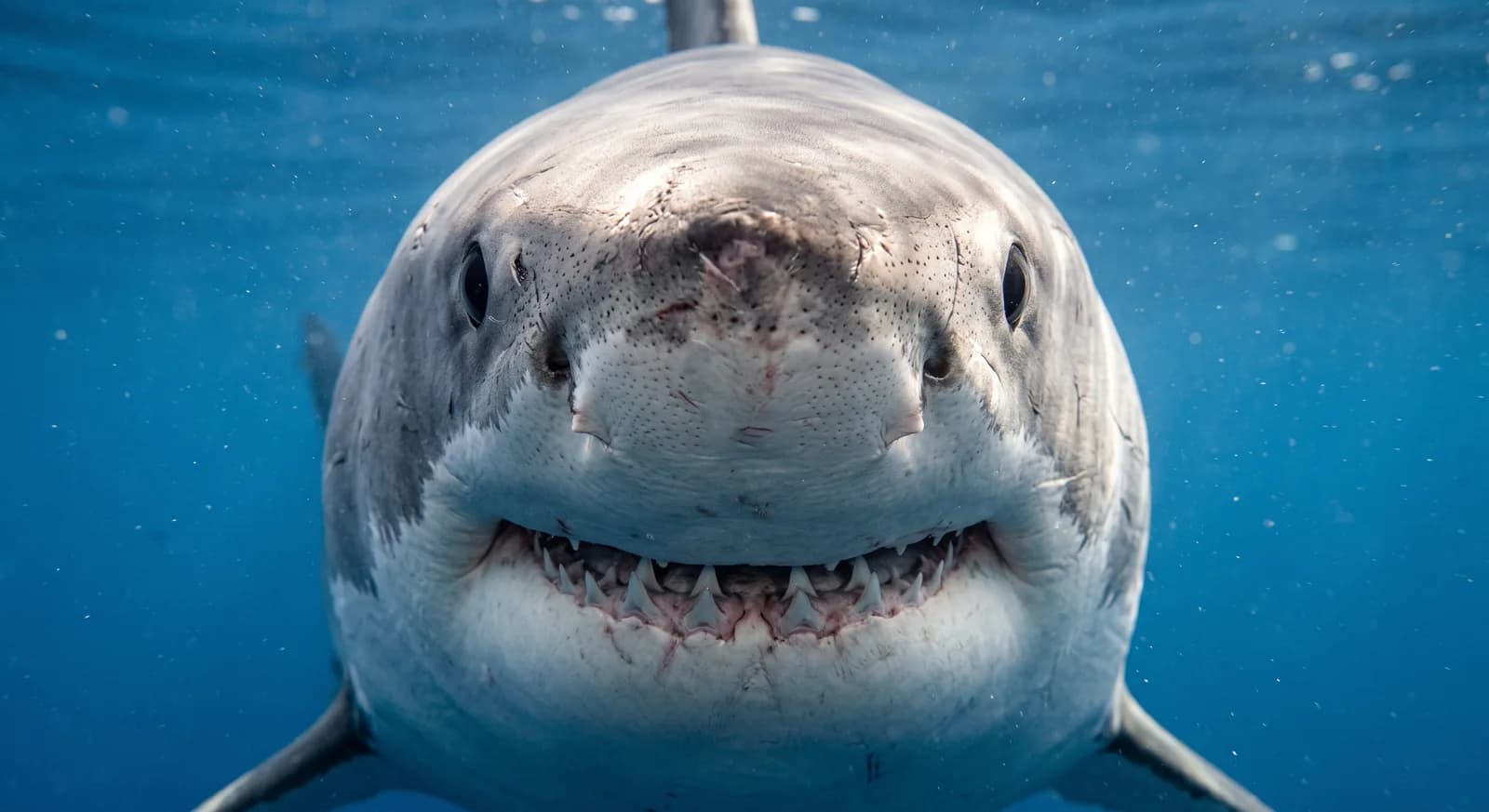 Vulnerable
Great White Shark
Carcharodon carcharias
Ahora es buena época: Agregación de tiburones blancos en isla Guadalupe (Julio a noviembre (algunos años hasta enero))
Países similares
¿A dónde más podría interesarme viajar?
Misma región: América del Norte
Misma región: América del Norte
Especies documentadas en Mexico
509 species found
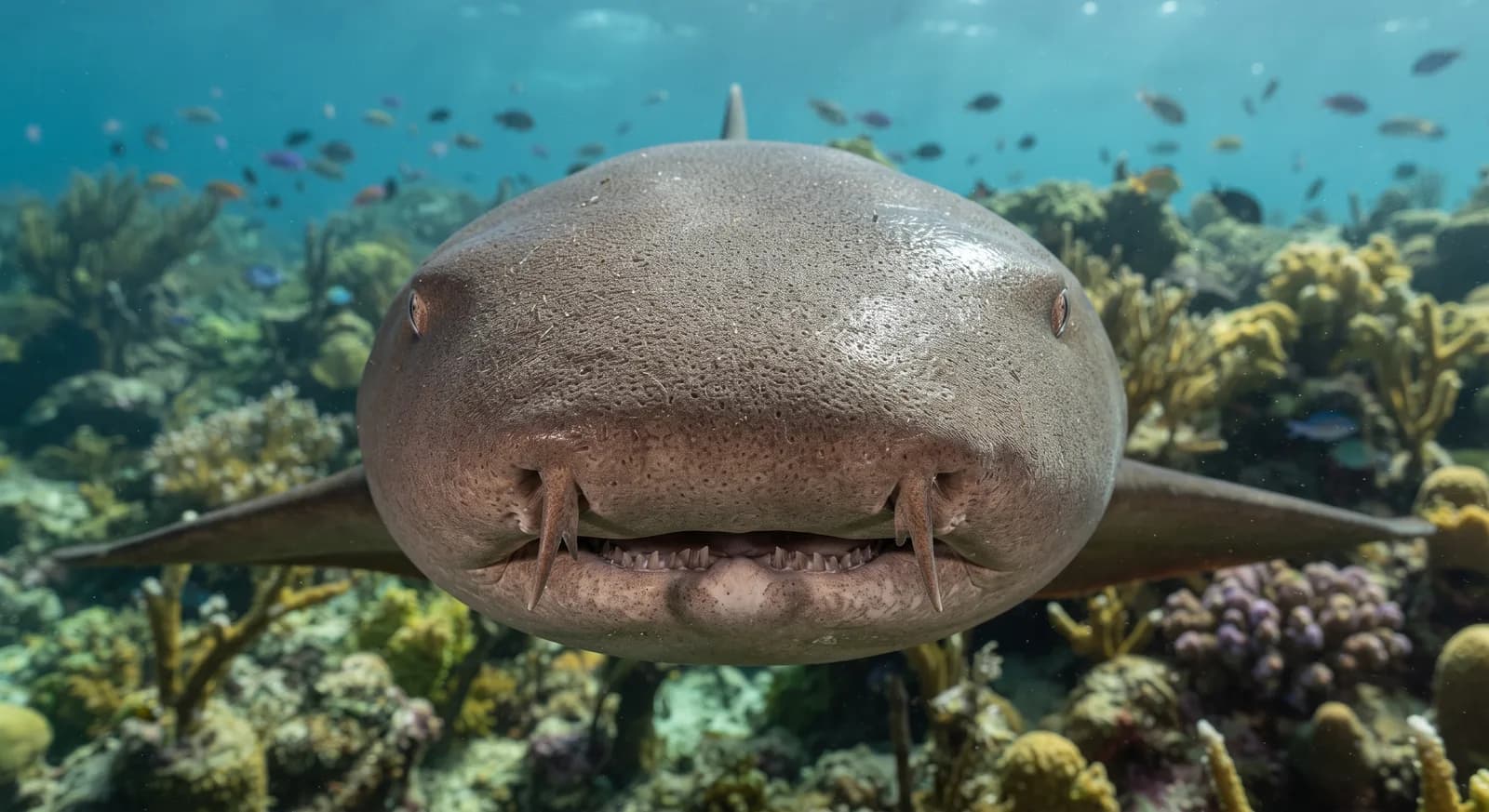 Vulnerable
Nurse Shark
Ginglymostoma cirratum
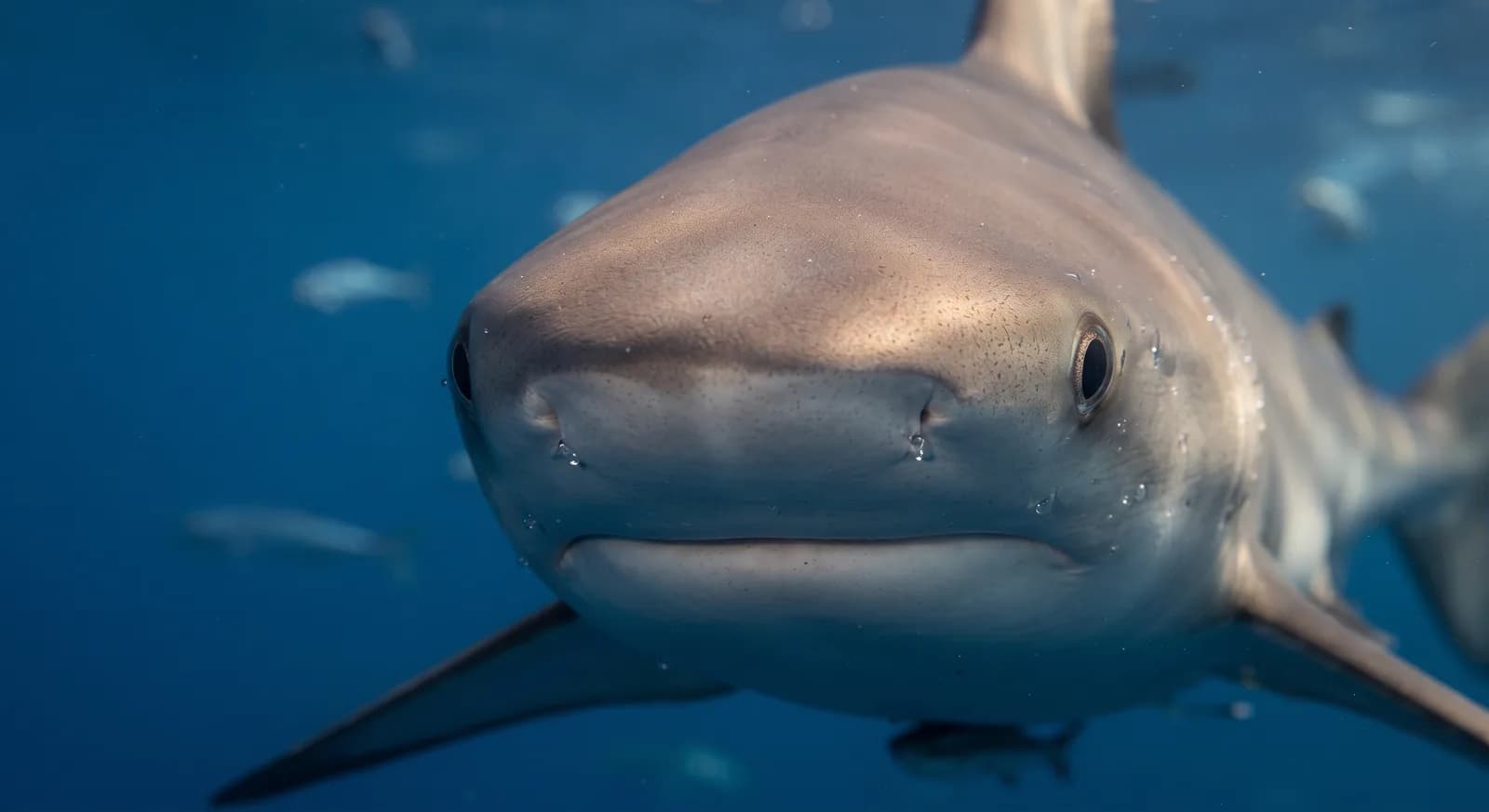 Vulnerable
Silky Shark
Carcharhinus falciformis
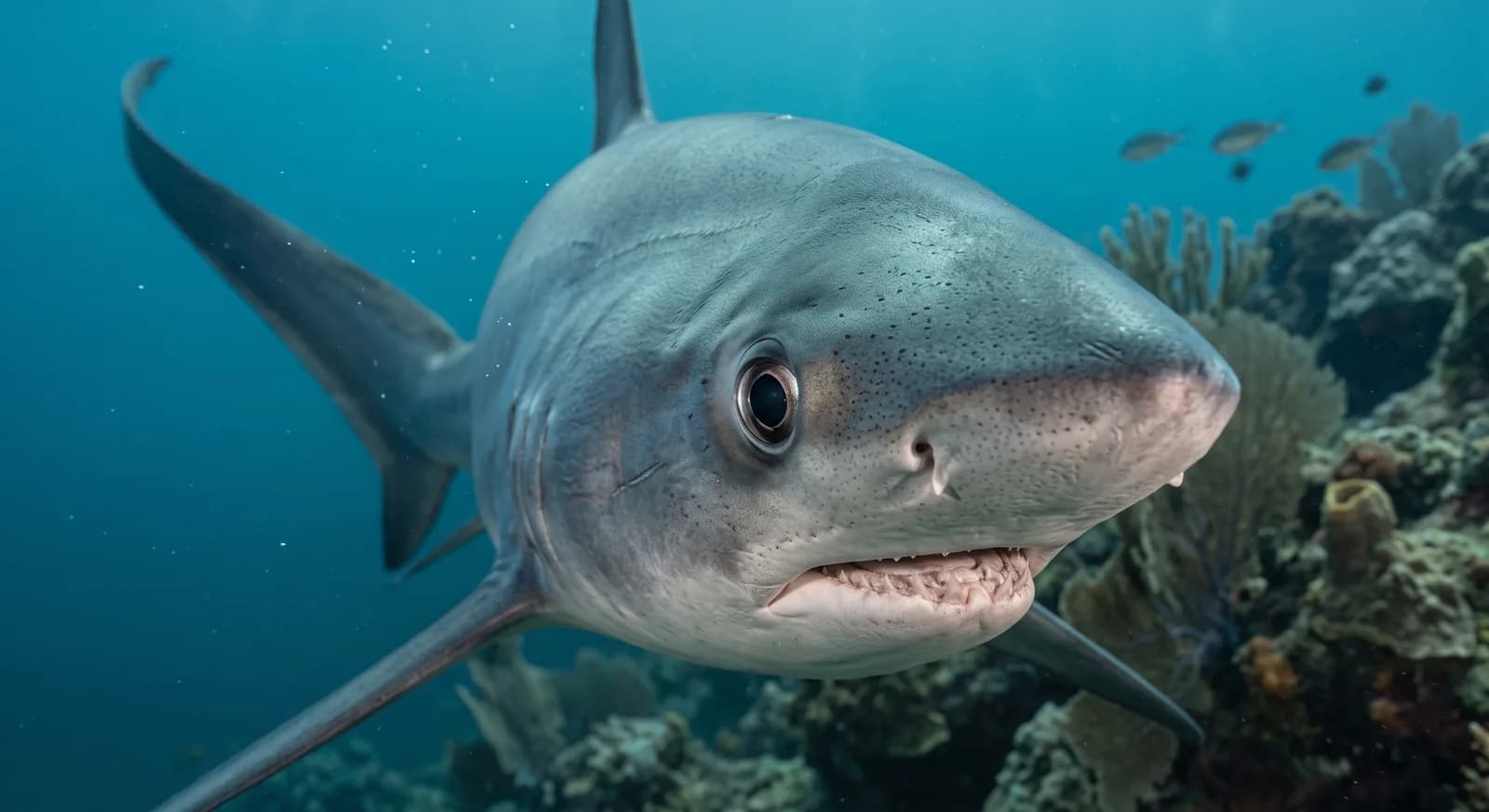 Vulnerable
Grayfish
Alopias vulpinus
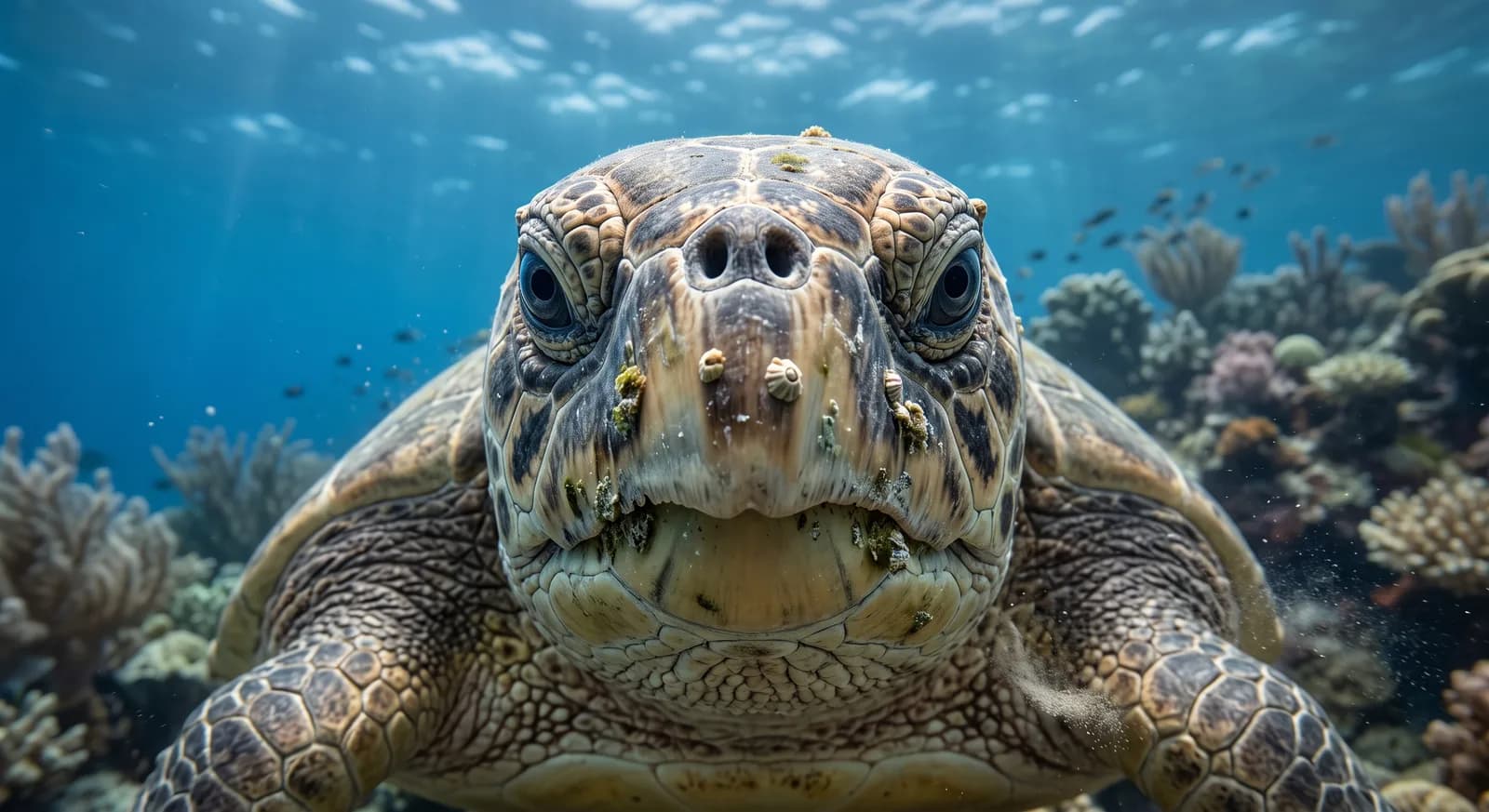 Vulnerable
Loggerhead Turtle
Caretta caretta
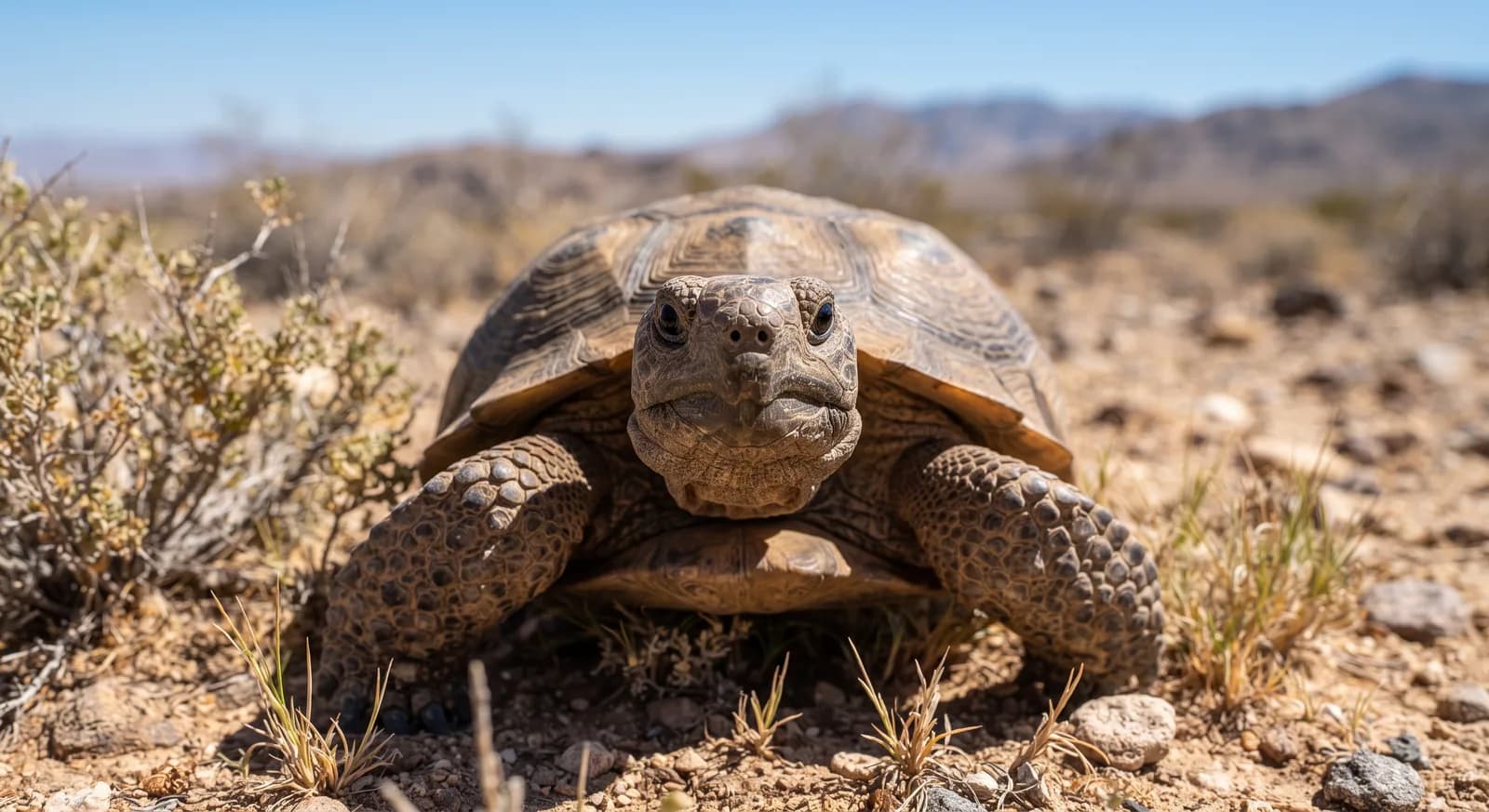 Vulnerable
Mojave Desert Tortoise
Gopherus agassizii
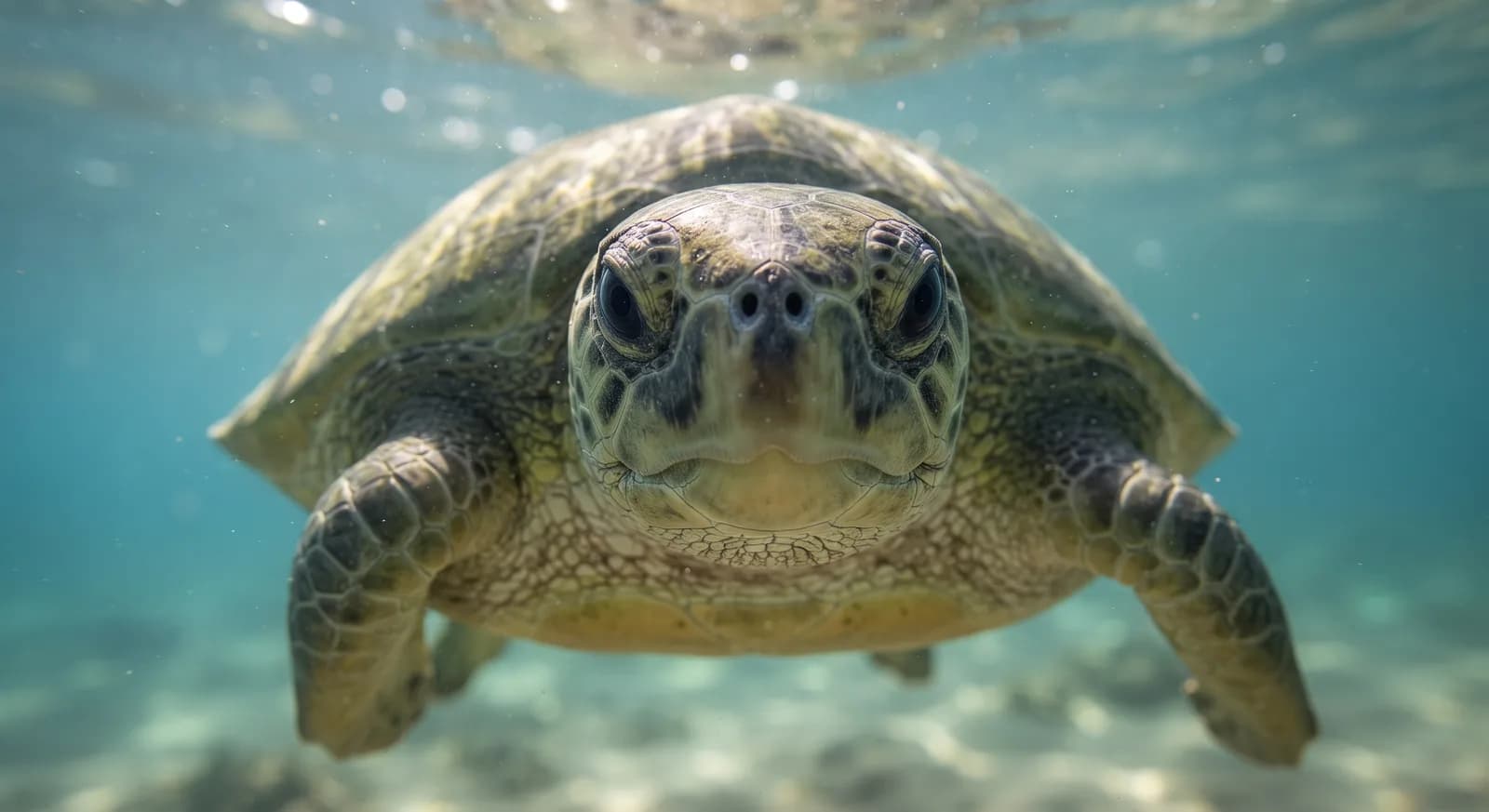 Vulnerable
Olive Ridley
Lepidochelys olivacea
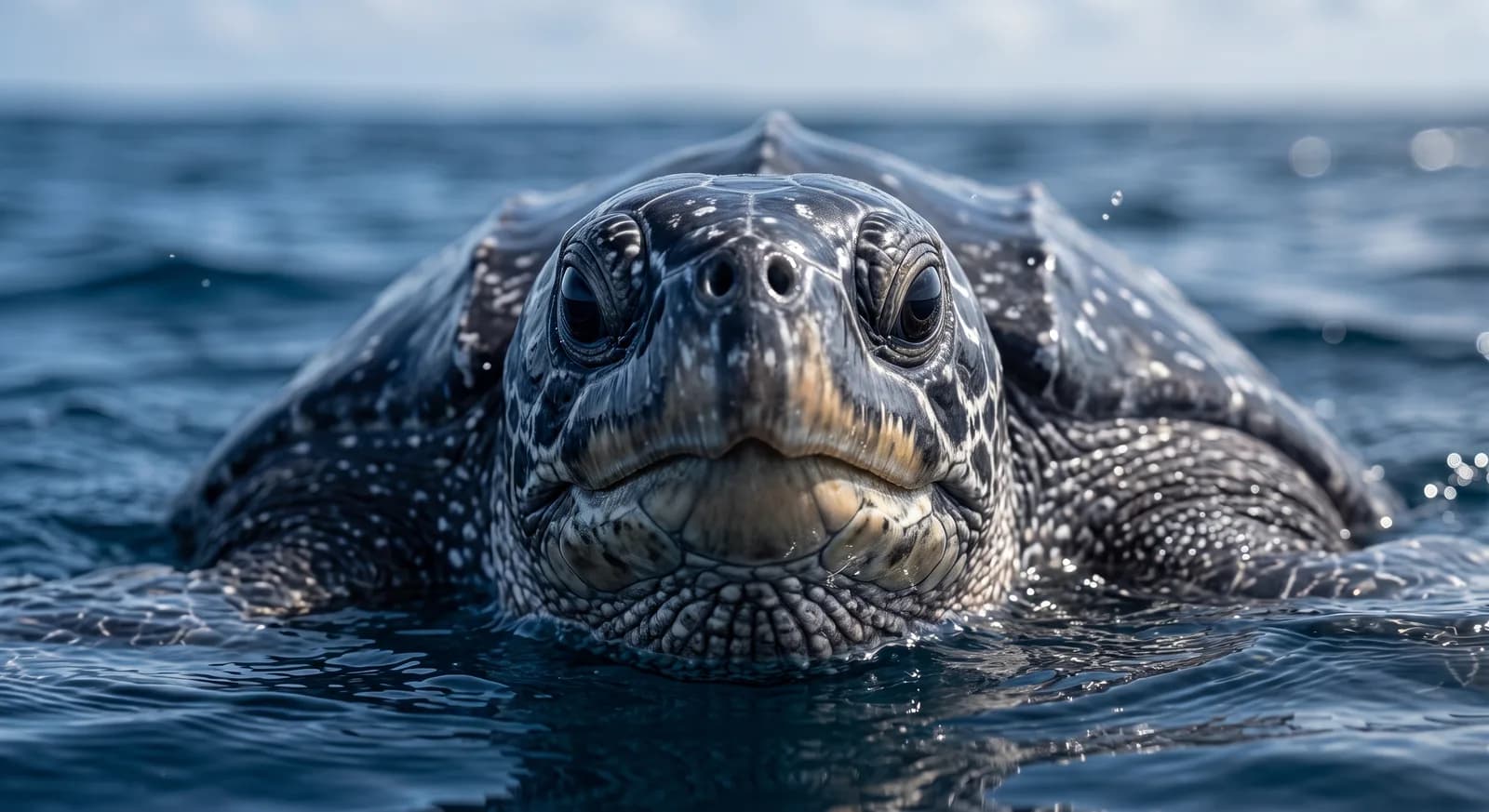 Vulnerable
Leatherback Sea Turtle
Dermochelys coriacea
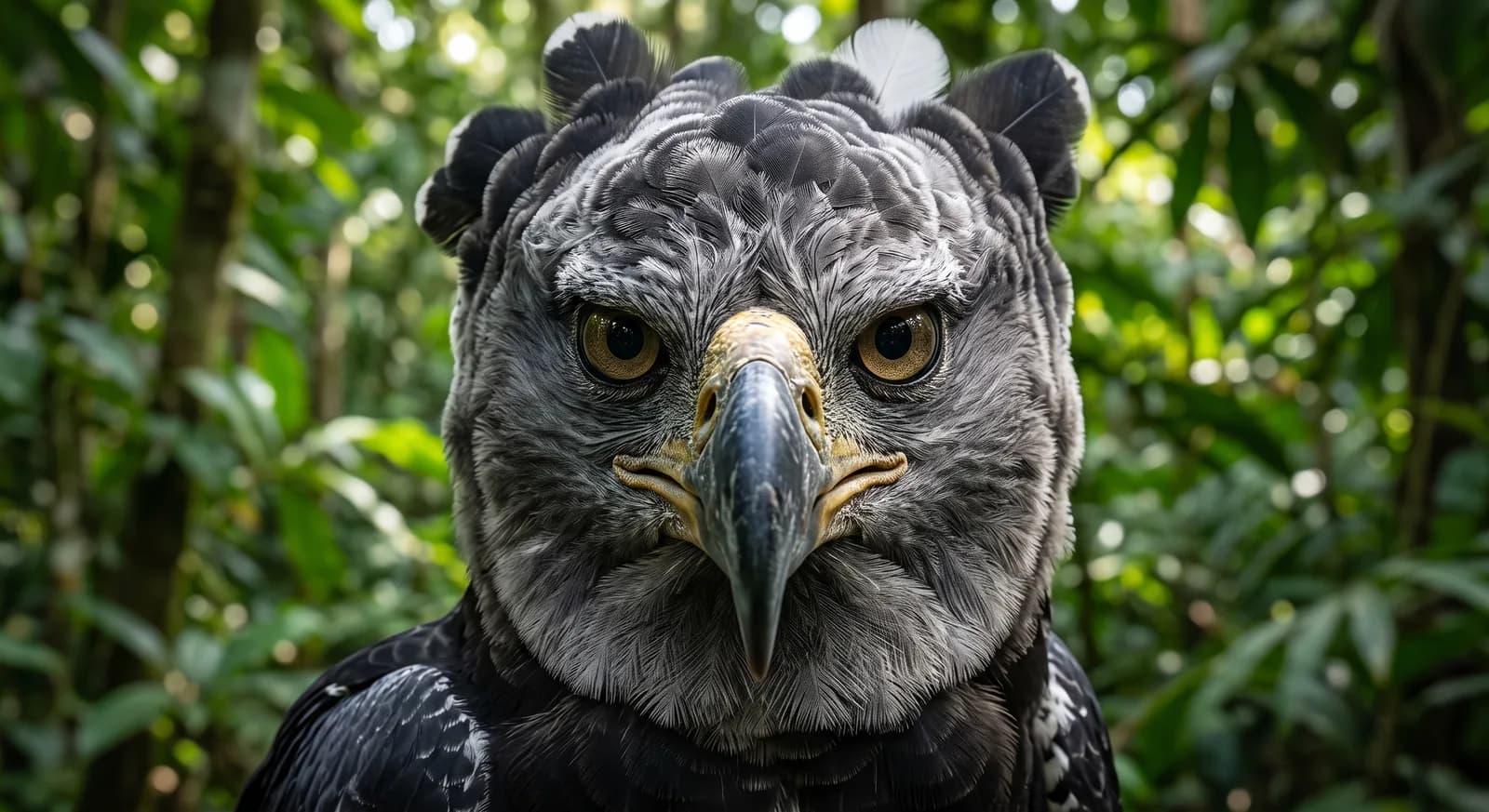 Near Threatened
Harpy Eagle
Harpia harpyja
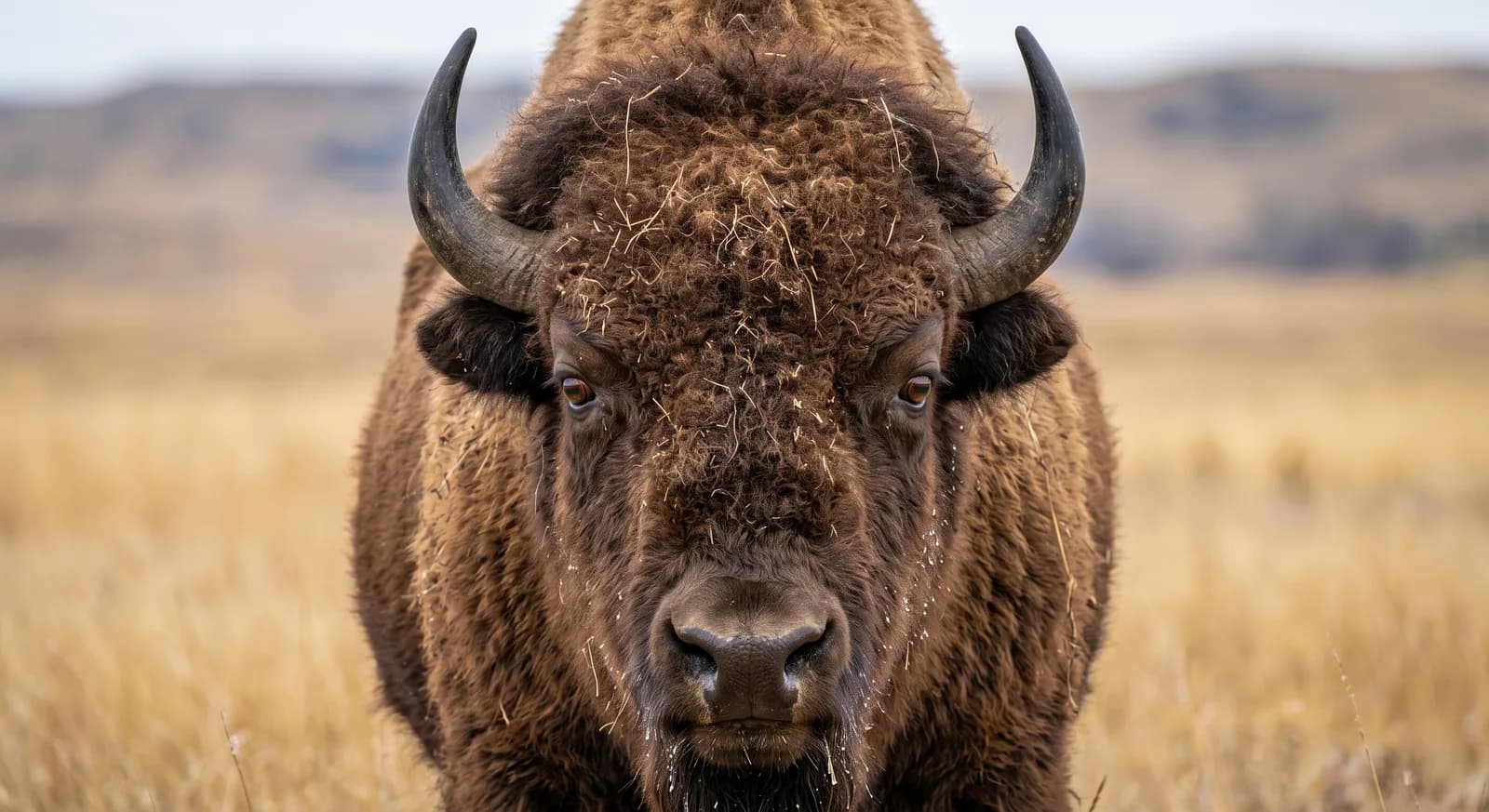 Near Threatened
American Bison
Bison bison
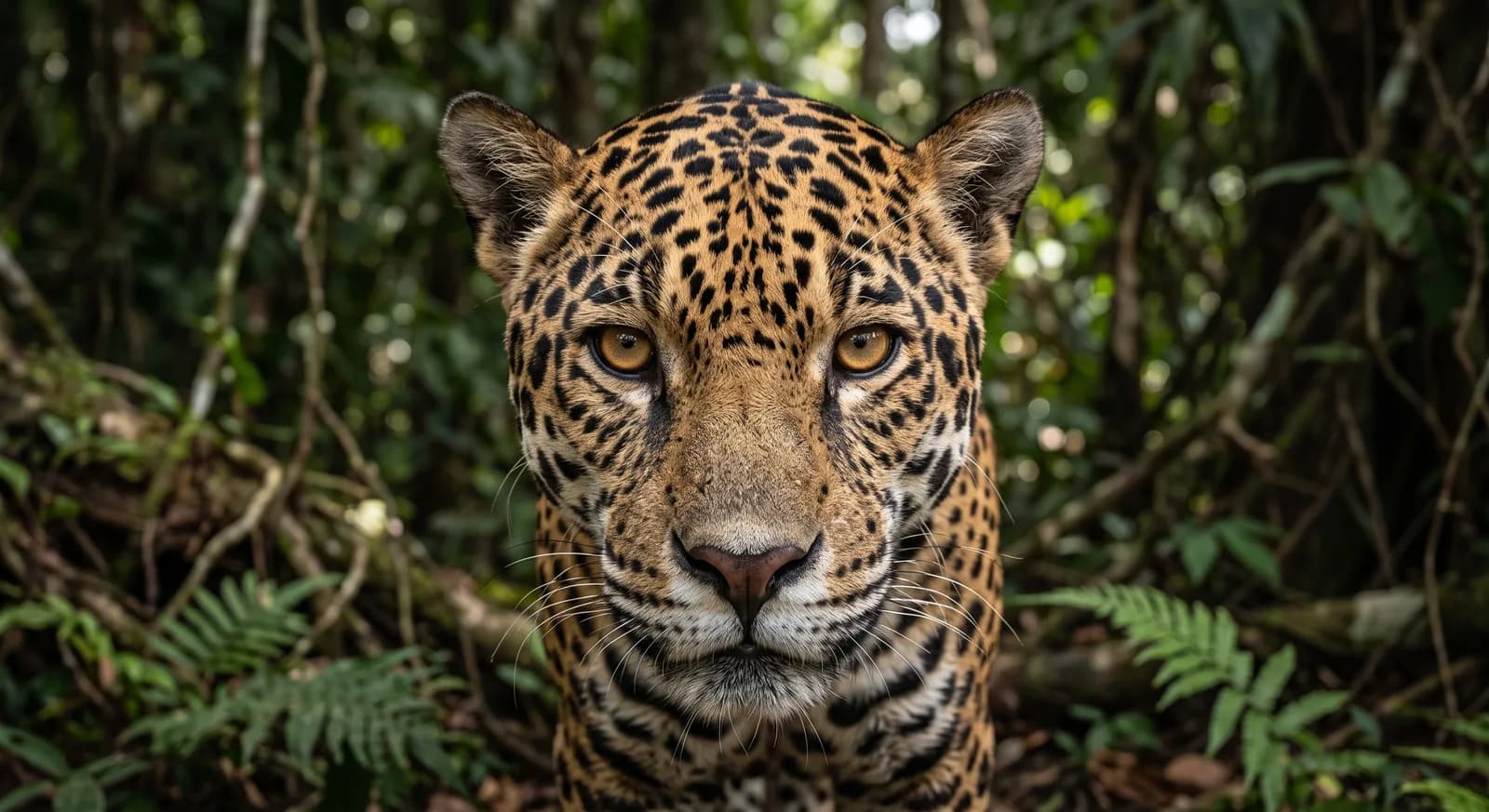 Near Threatened
Jaguar
Panthera onca
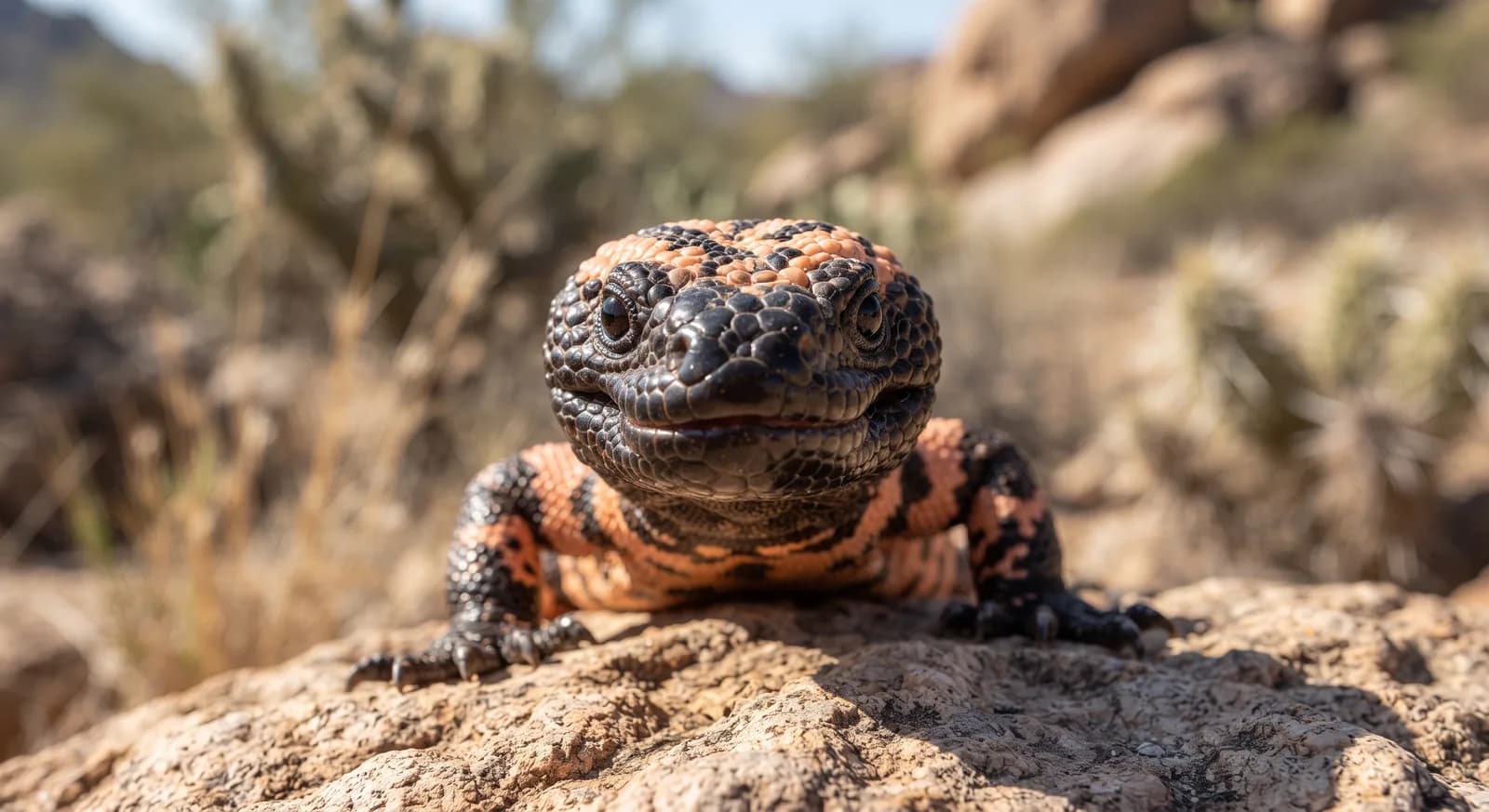 Near Threatened
Gila Monster
Heloderma suspectum
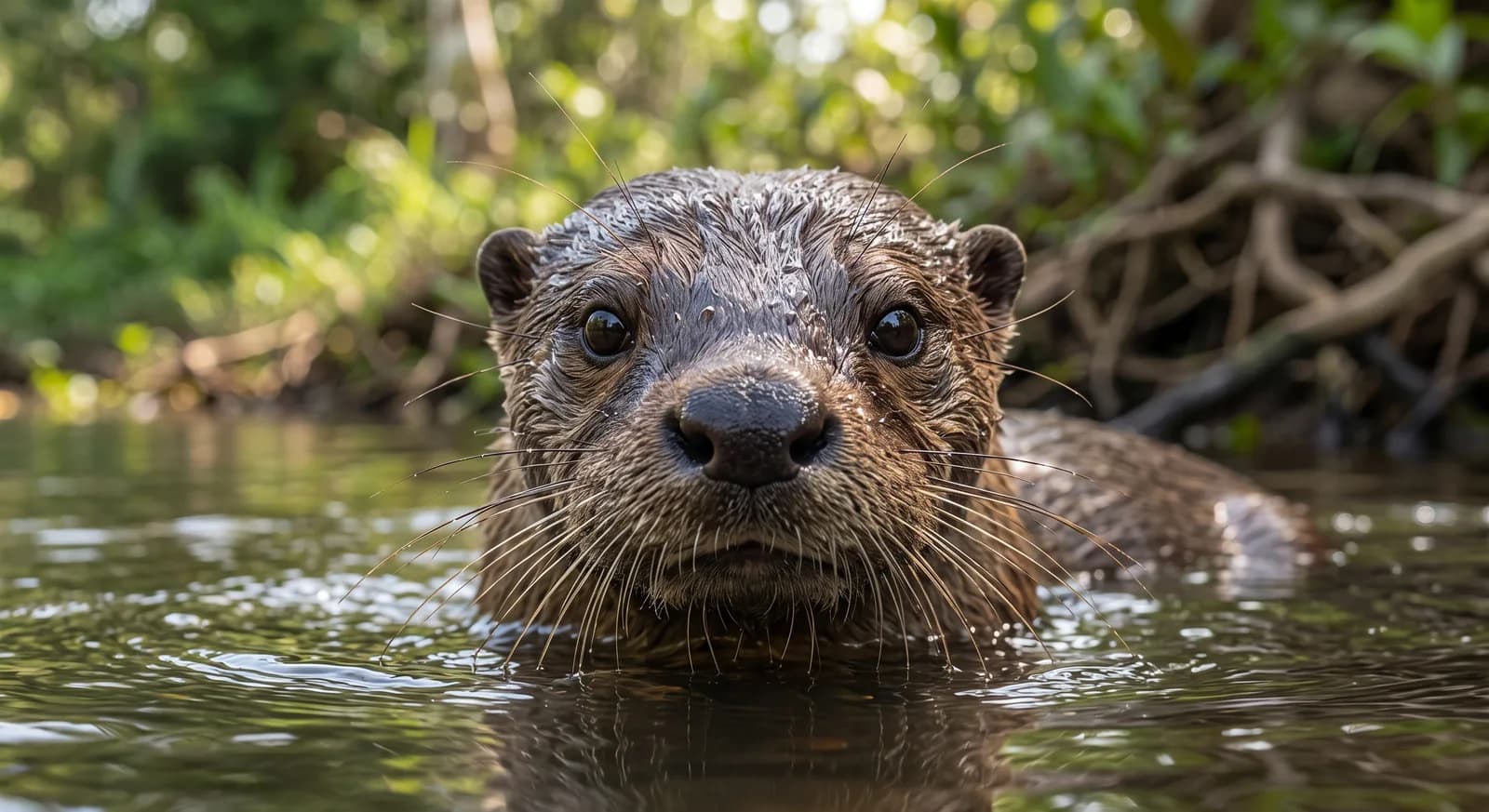 Near Threatened
Neotropical Otter
Lontra longicaudis
Keep exploring
Based on what we already know about Mexico.