Moldova
Europa
Moldova is one of the most intensively farmed countries in Europe: close to three quarters of its territory is agricultural land, so its wild nature survives concentrated in a few islands of forest and in the river corridors of the Prut and the Dniester. The Codrii, in the centre of the country, keep oak, beech and hornbeam woods that recall how the region was before the plough, with roe deer, wild boar, wildcats, badgers and a rich community of woodpeckers. In the south, the Lower Prut lakes form a Ramsar wetland connected to the Danube delta, where pelicans, pygmy cormorants and herons come in to feed. To the north, the limestone outcrops of the Dniester are the remains of reefs from a Miocene sea and hold singular cliff flora and colonies of martins and swifts.
The nature of Moldova
National animal: The aurochs, extinct, appears as the national heraldic emblem; the white stork is the symbolic bird
Did you know?
The coat of arms of Moldova is headed by an aurochs, the great wild ox that gave rise to all domestic cattle and that finally became extinct in Poland in 1627. The animal disappeared from these lands centuries ago, but it remains the country's emblem, one of the few cases in the world in which a national symbol represents a species that is completely extinct.
Biodiversity profile
Climate
- •Continental humedo (Dfb/Dfa), moderado, con veranos calidos y inviernos frescos, transicion hacia la estepa pontica
Main biomes
- •Estepa boscosa del este de Europa (bioma dominante, mosaico de bosque caducifolio y pastizal)
- •Bosque de ribera a lo largo del rio Dniester
- •Bosque templado de robles
- •Estepa póntica residual
- •Lago fluvial
- •Bosque de ribera
- •Roquedo calcáreo de arrecife fósil
- •Pradera inundable
Marine and coastal ecosystems
- •No aplica (pais practicamente sin litoral, con un pequeño acceso al Danubio)
Flagship wildlife
- •Ciervo rojo y corzo (bosques de ribera)
- •Aguila esteparia y otras rapaces de la estepa boscosa
- •Cigüeña blanca
- •Corzo
- •Jabalí
- •Gato montés europeo
- •Tejón europeo
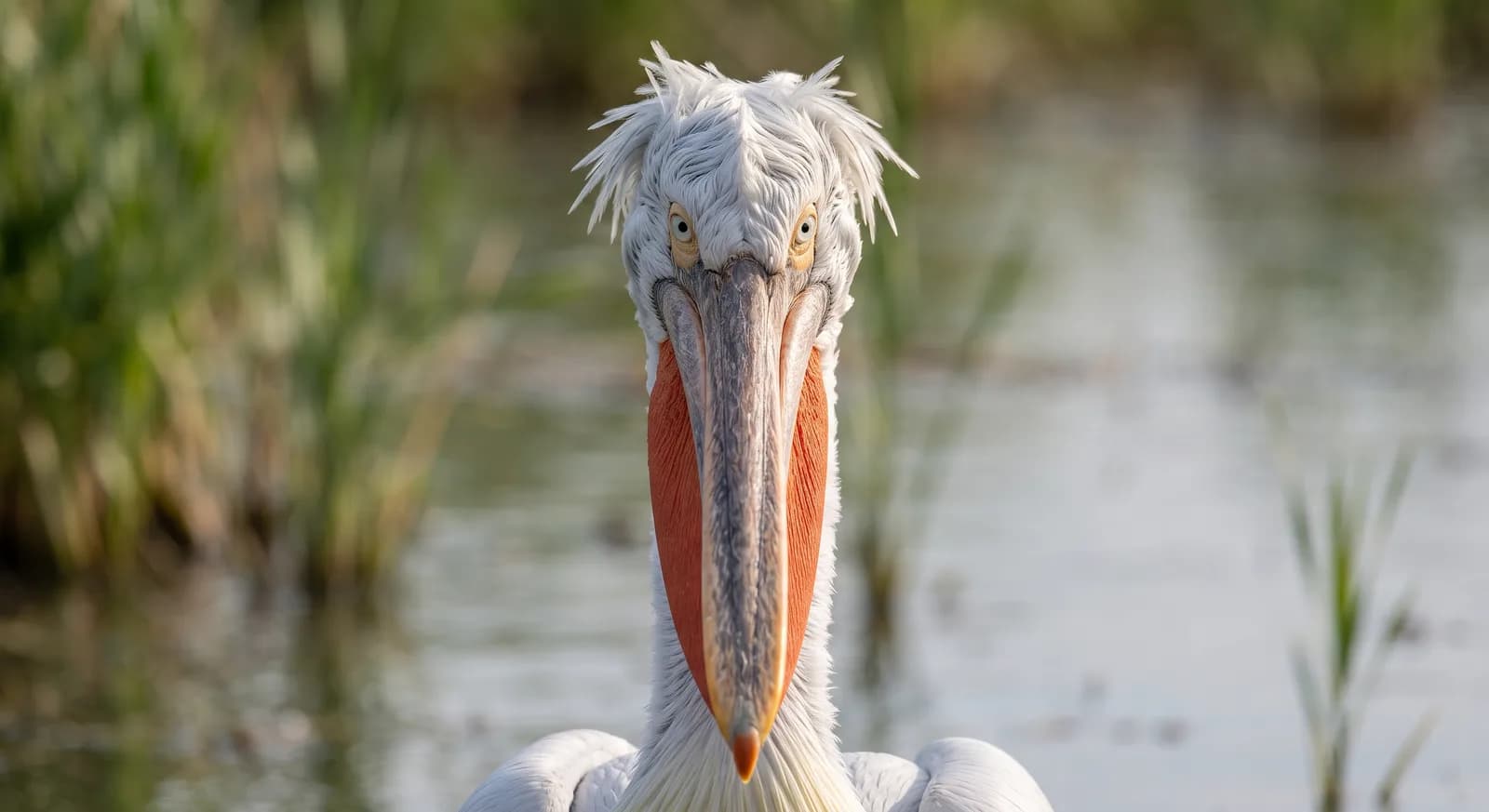
- •Pelícano ceñudo
- •Cormorán pigmeo
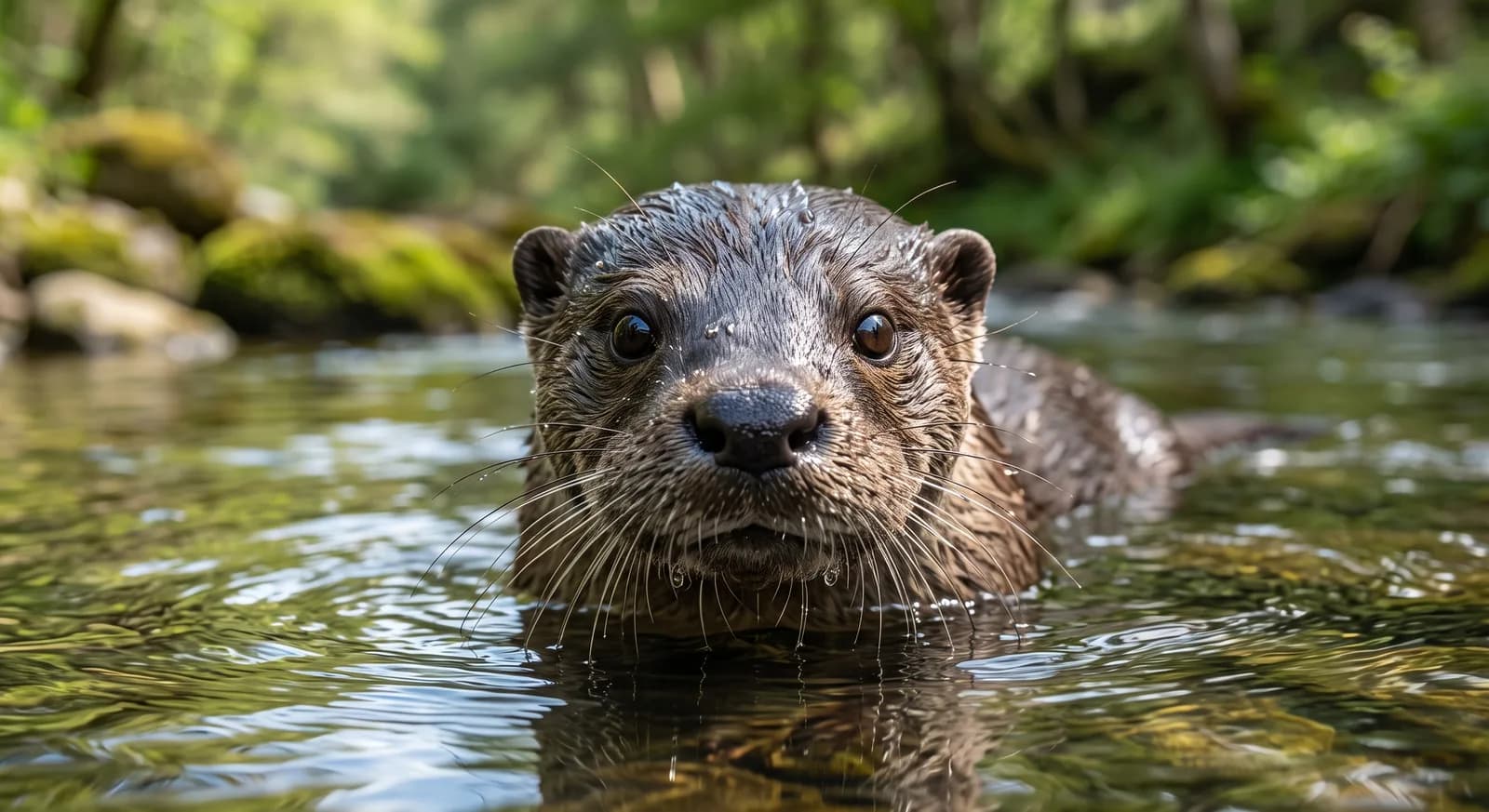
- •Nutria paleártica
- •Águila pomerana
- •Bisonte europeo
Notable endemic species
- •Moldavia comparte la ecoregion de estepa boscosa del este de Europa con Rusia, Ucrania, Rumania y Bulgaria, zona de transicion entre el bosque caducifolio templado del norte y la estepa arida del sur
Notable threatened species
- •Especies de estepa boscosa en declive por conversion historica casi total a tierra agricola, dado que la region alberga algunos de los suelos mas fertiles de Europa (chernozem)
- •Solo 5% de la ecoregion de estepa boscosa del este de Europa (compartida entre 5 paises) cuenta con proteccion formal
Notable protected areas
- •Zonas protegidas del valle del rio Dniester, compartidas en parte con Ucrania
- •Reserva Natural de Codrii
- •Reserva de Pădurea Domnească
- •Sitio Ramsar del Bajo Prut
- •Reserva de Iagorlîc
- •Valle del Dniéster en Ţipova
- •Orheiul Vechi
Main conservation threats
- •Conversion casi total de la estepa boscosa original a tierra de cultivo por la fertilidad excepcional de sus suelos chernozem
- •Fragmentacion de los escasos remanentes de bosque de ribera del Dniester
Conservation
The scant forest cover, around twelve per cent, and the erosion of agricultural soils are the country's great environmental problems. Pădurea Domnească keeps a nucleus of European bison descended from animals brought from Poland.
Where and when to watch wildlife
The Codrii in spring for woodland birds and the flowering of the understorey. The Lower Prut between April and September for pelicans and herons. The Dniester cliffs in summer for crag martins.
Moldavia presenta datos de biodiversidad especificos limitados en las fuentes consultadas, en parte por su reducido tamaño y su fuerte transformacion agricola historica.
Sources: Wikipedia - East European forest steppe | One Earth - East European Forest Steppe | CEOBS - Ukraine conflict environmental briefing Nature (referencia a la cuenca del Dniester compartida)
Especies documentadas en Moldova
407 species found
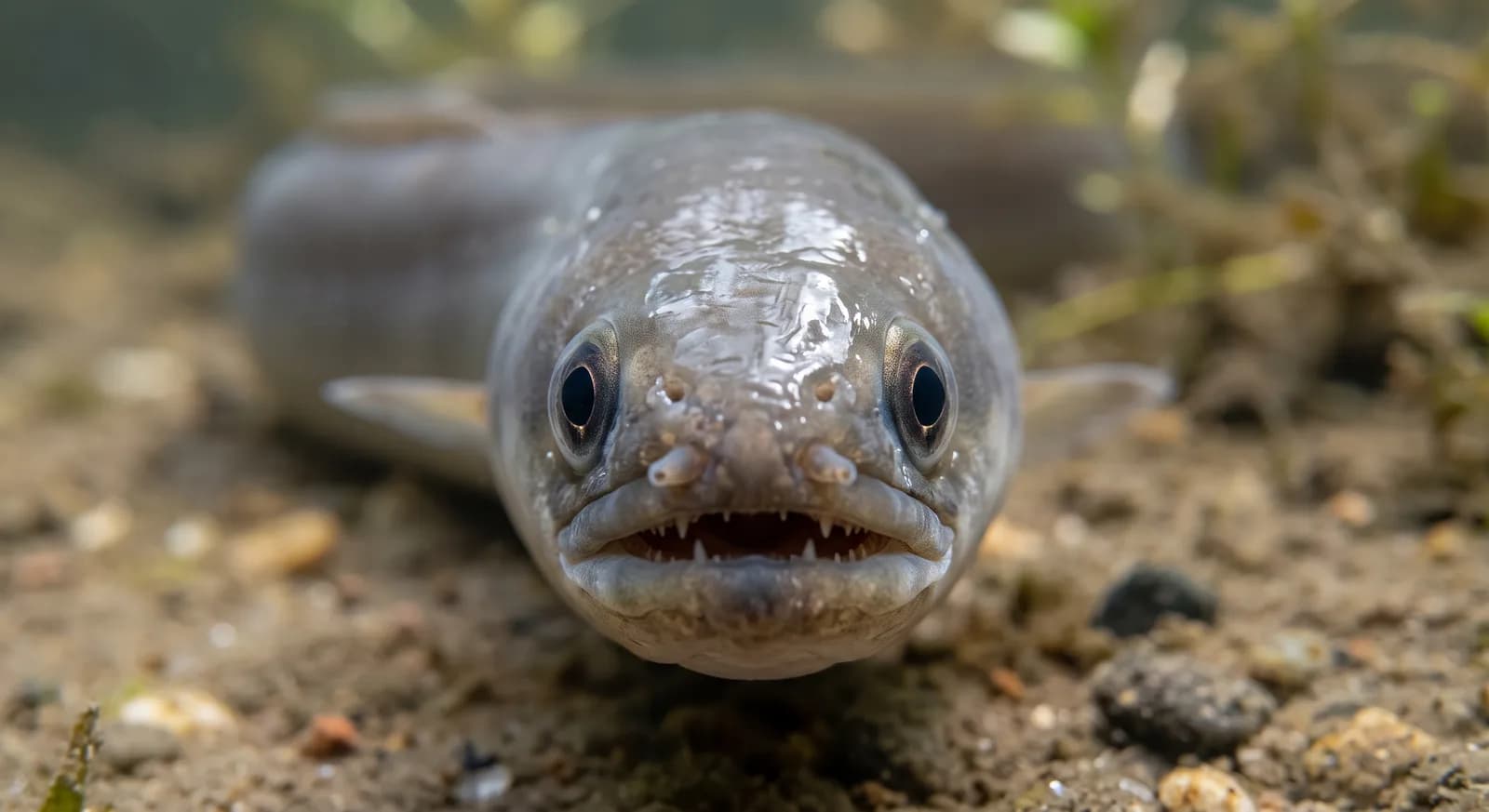 Critically Endangered
European Eel
Anguilla anguilla
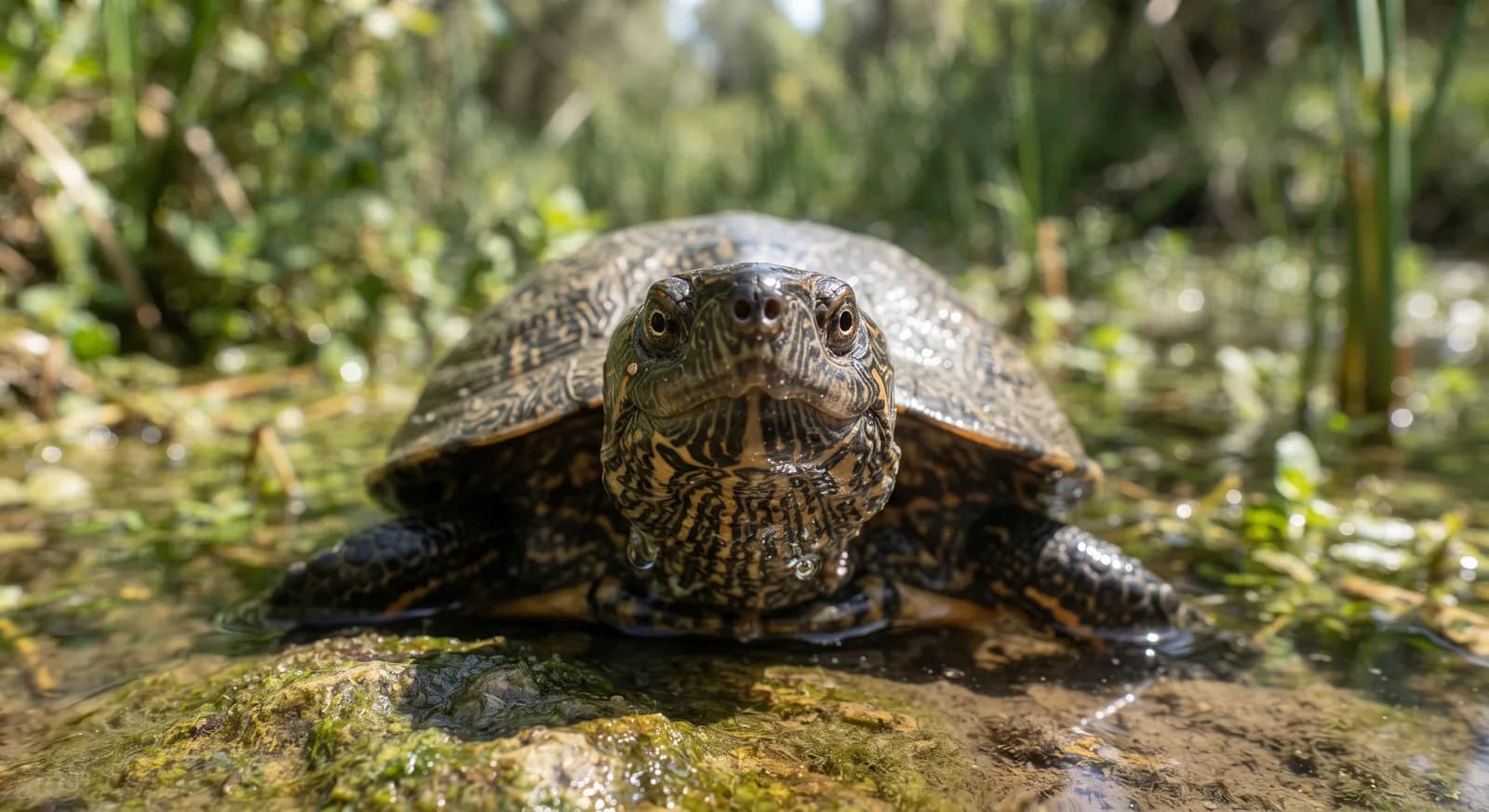 Vulnerable
Spanish Terrapin
Mauremys leprosa
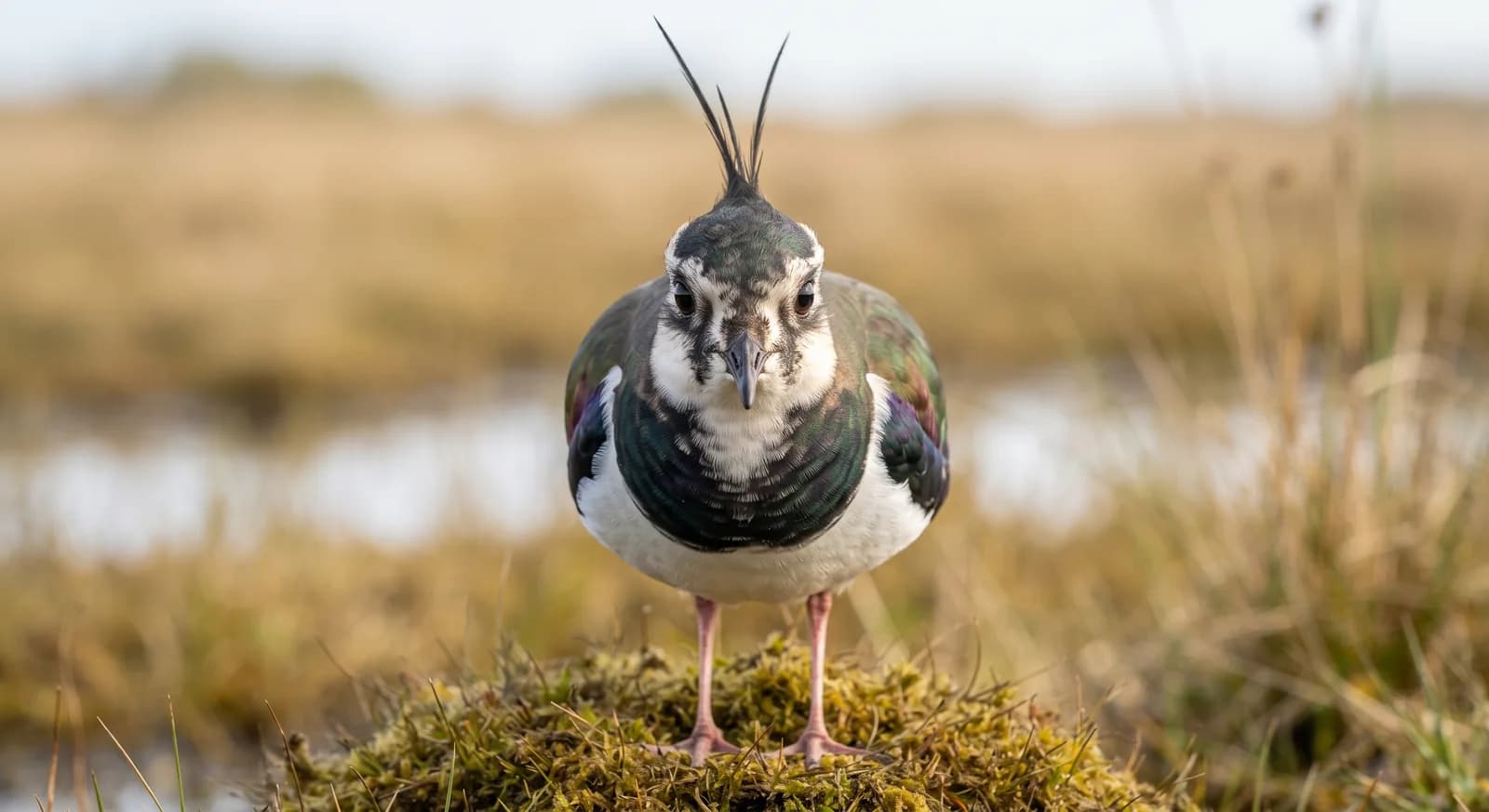 Near Threatened
Northern Lapwing
Vanellus vanellus
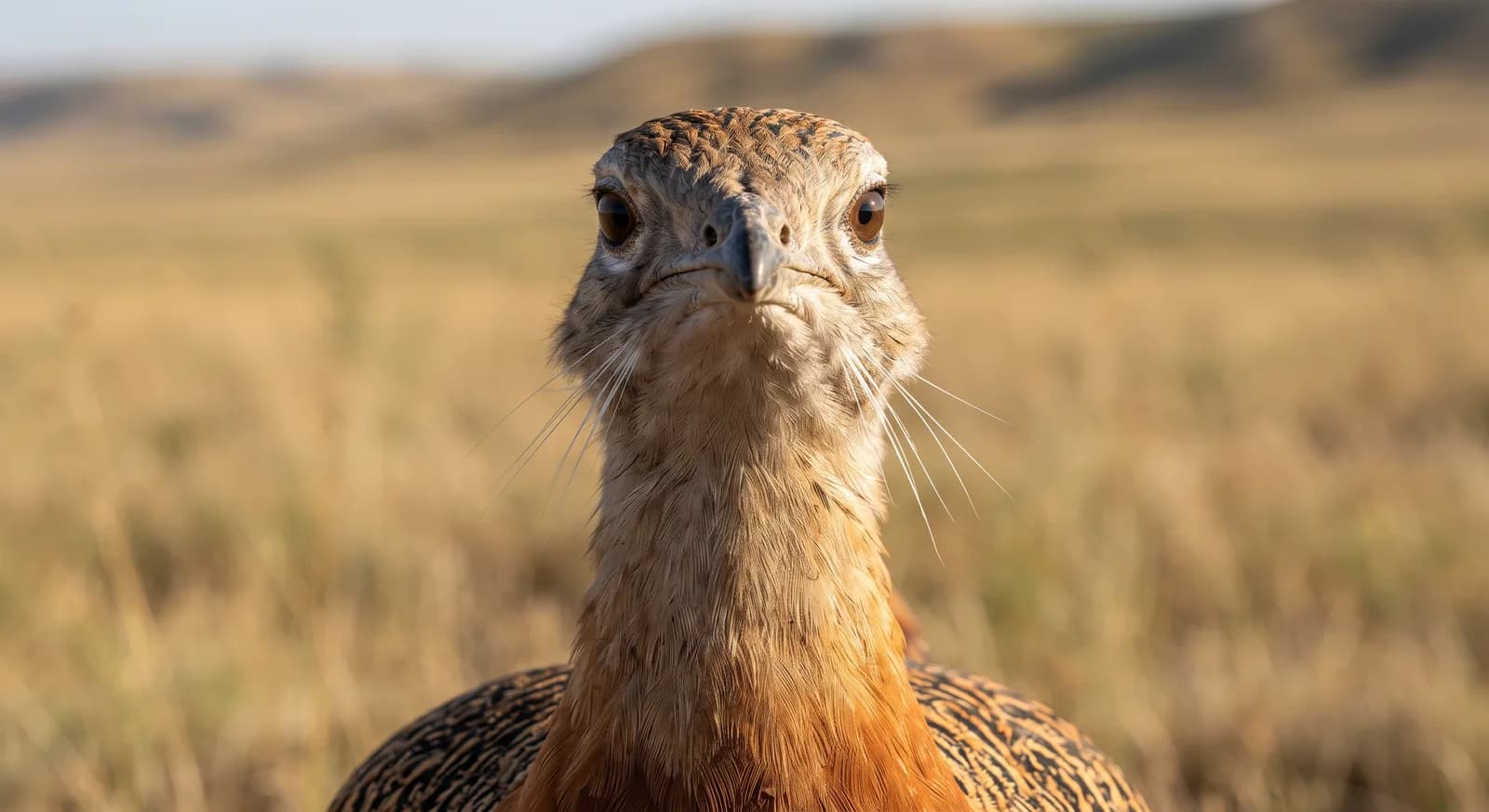 Near Threatened
Great Bustard
Otis tarda
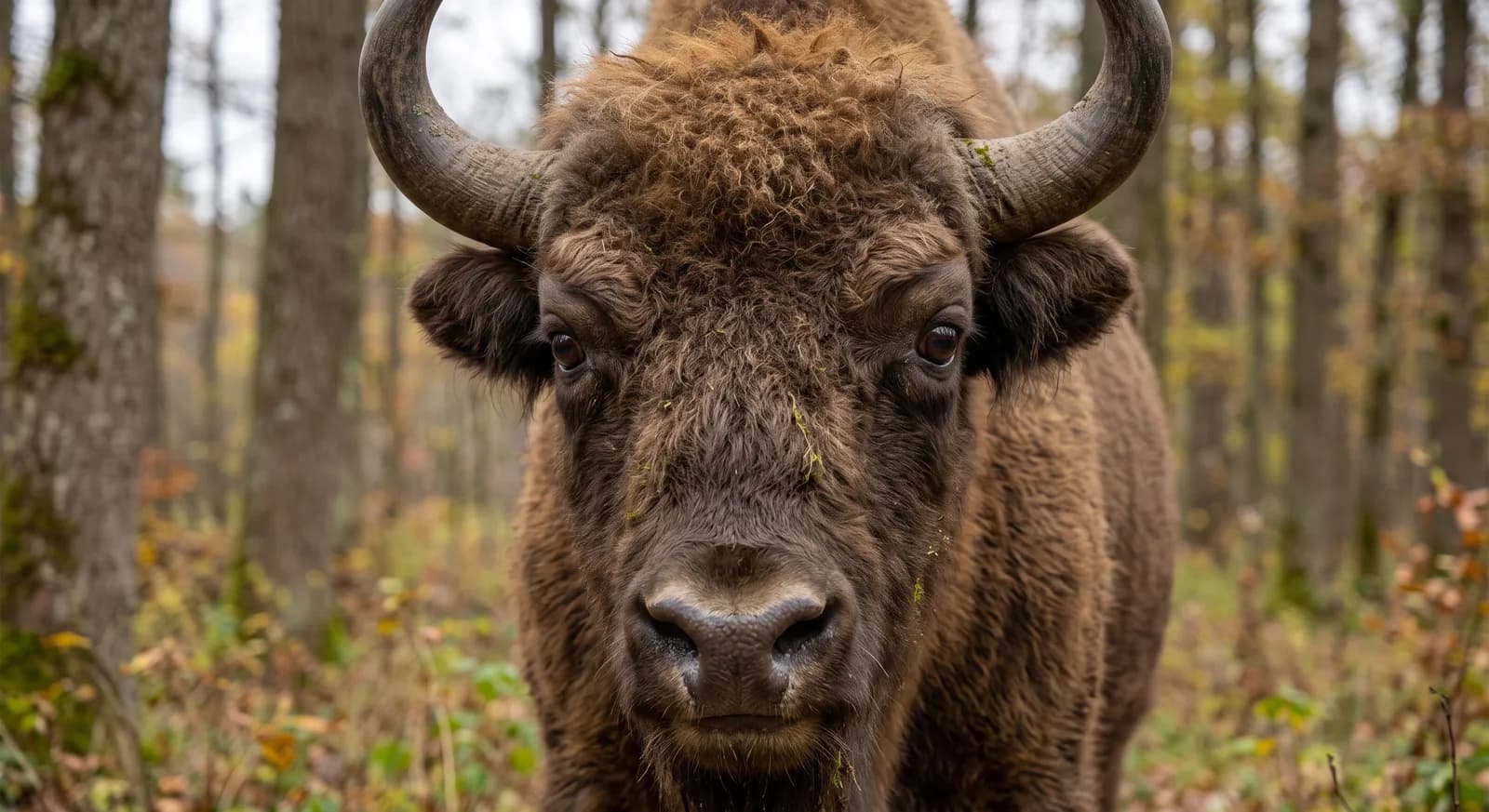 Near Threatened
European Bison
Bison bonasus
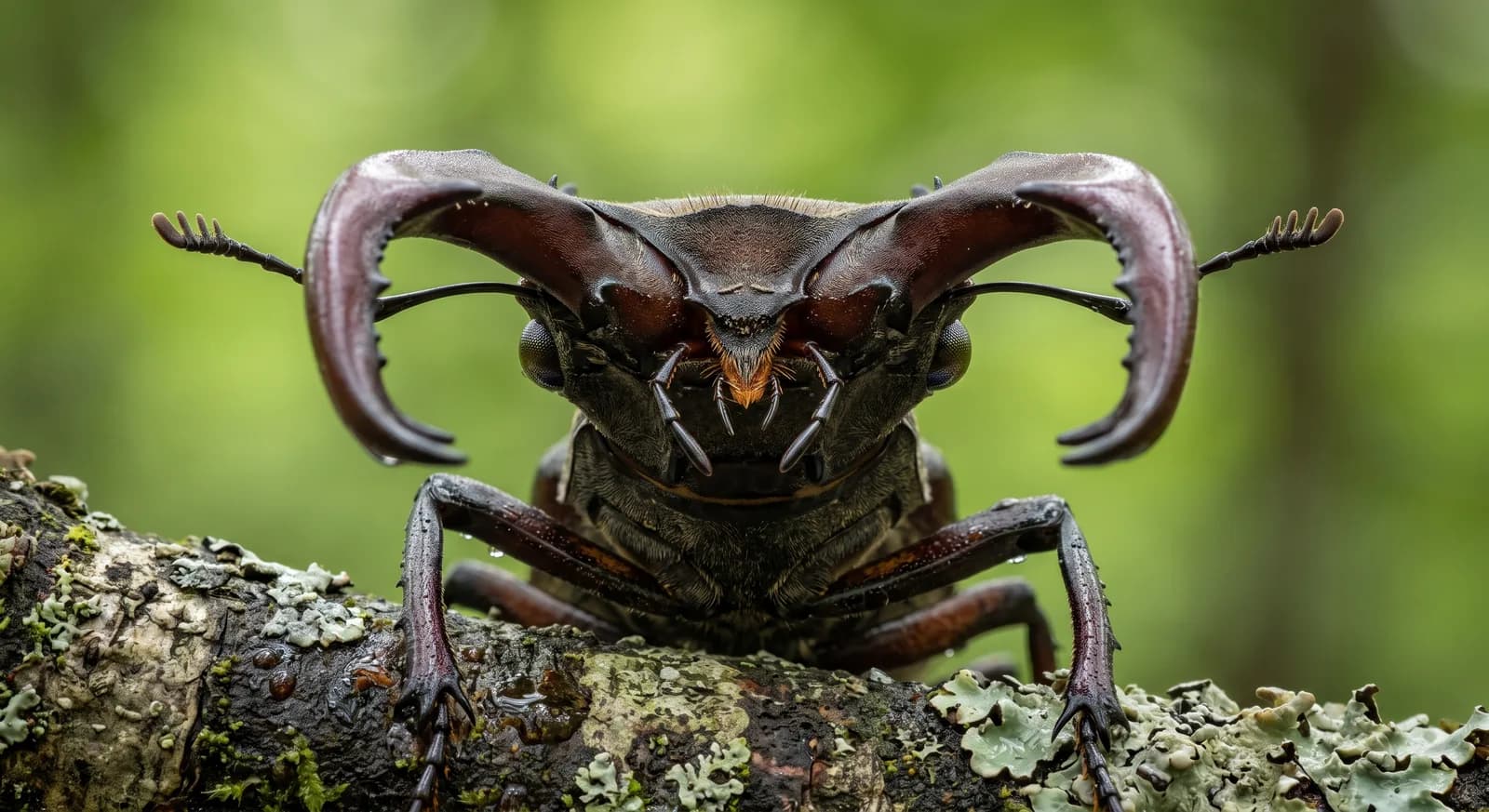 Near Threatened
Stag Beetle
Lucanus cervus
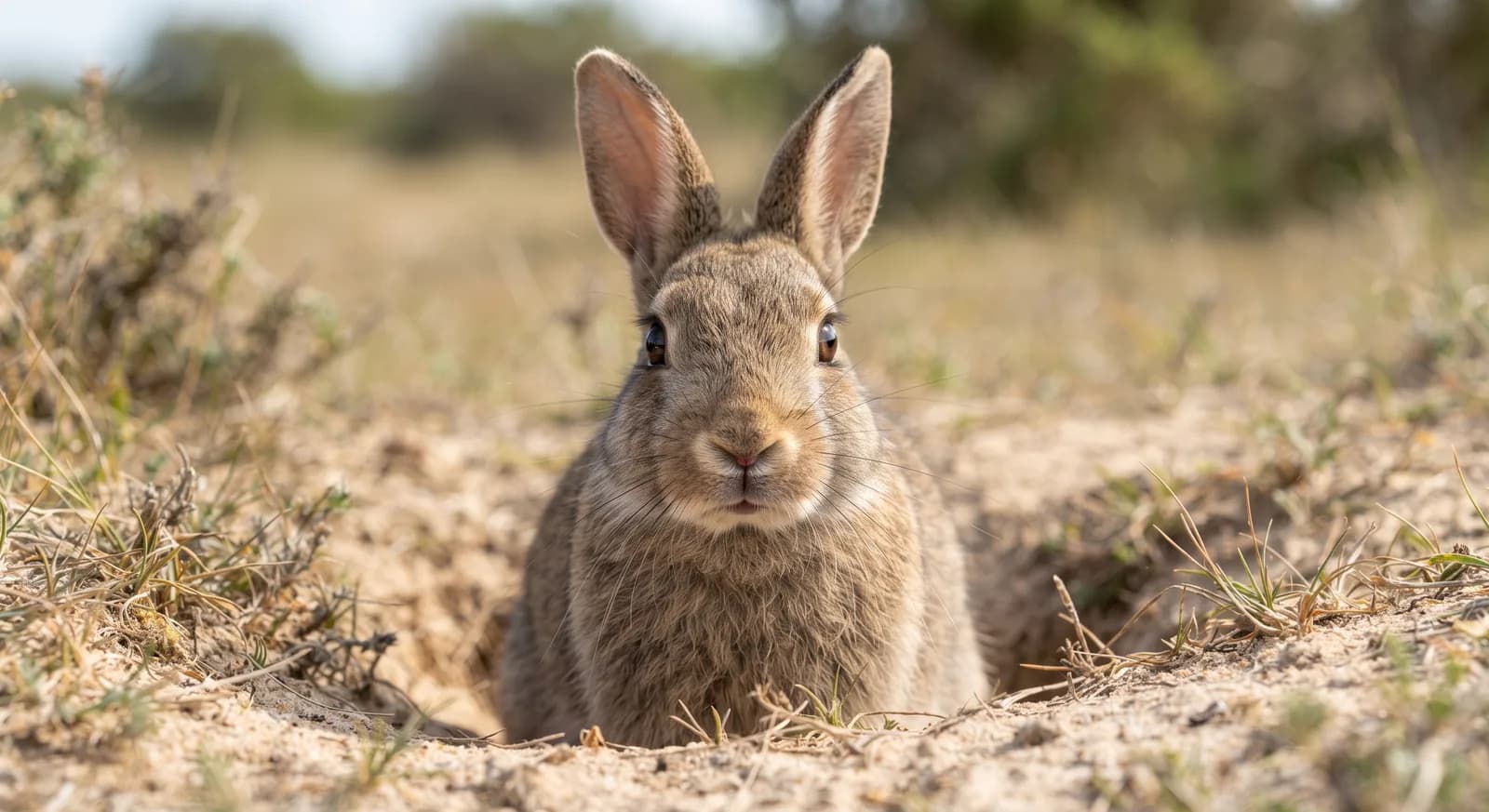 Near Threatened
European Rabbit
Oryctolagus cuniculus
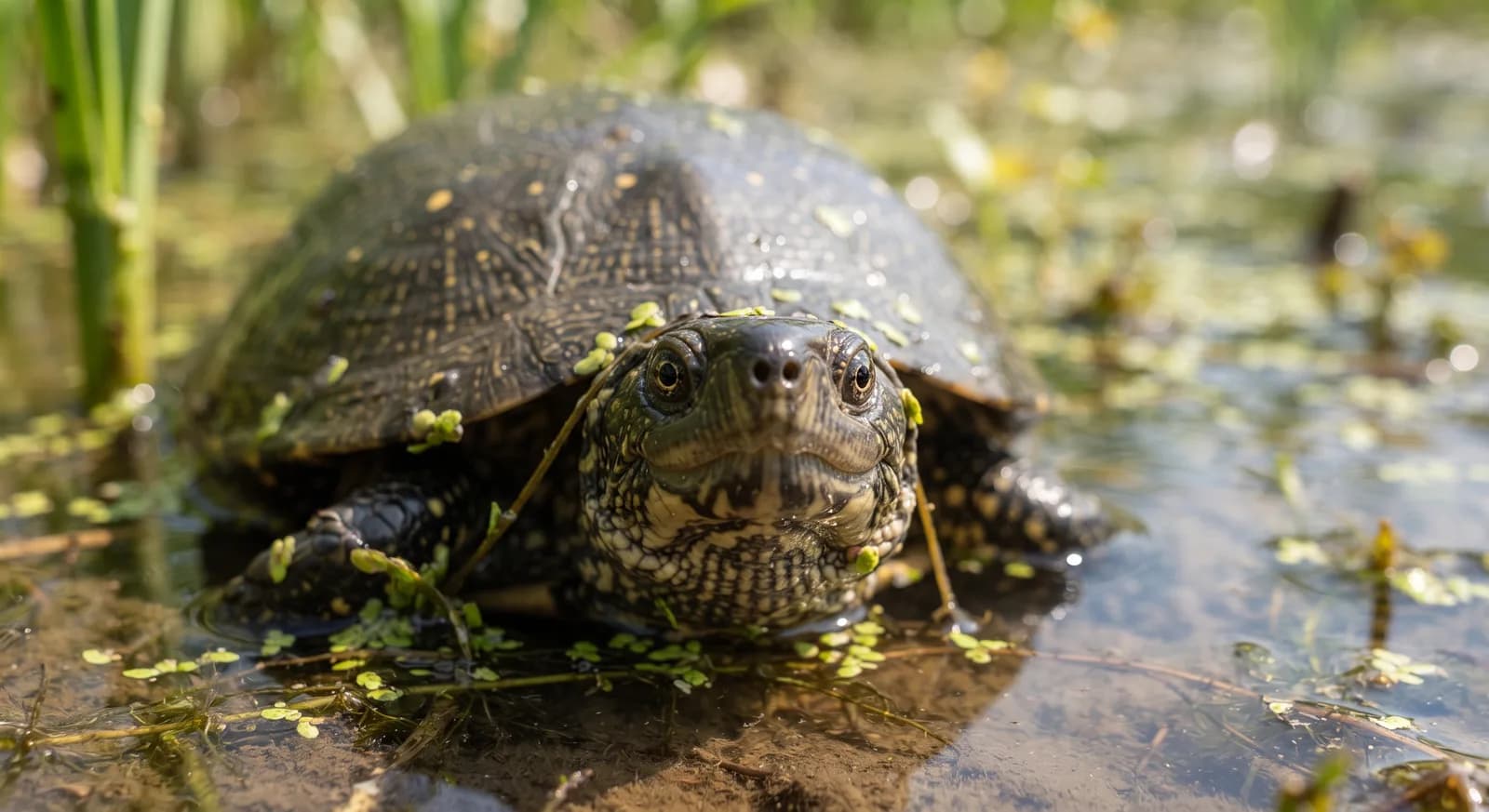 Near Threatened
European Pond Turtle
Emys orbicularis
 Near Threatened
European Otter
Lutra lutra
 Near Threatened
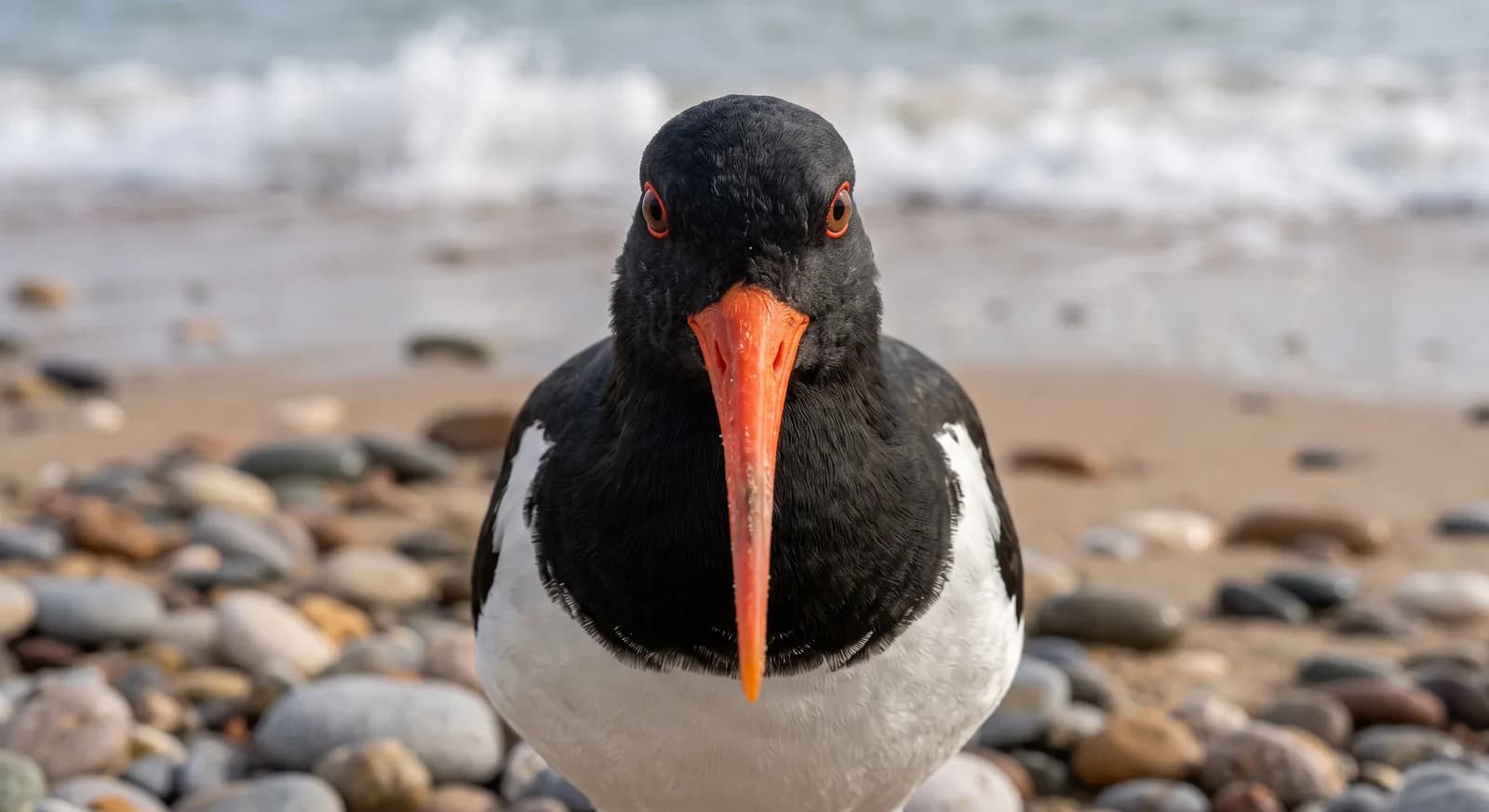
Eurasian Oystercatcher
Haematopus ostralegus
 Near Threatened
Dalmatian Pelican
Pelecanus crispus
 Near Threatened
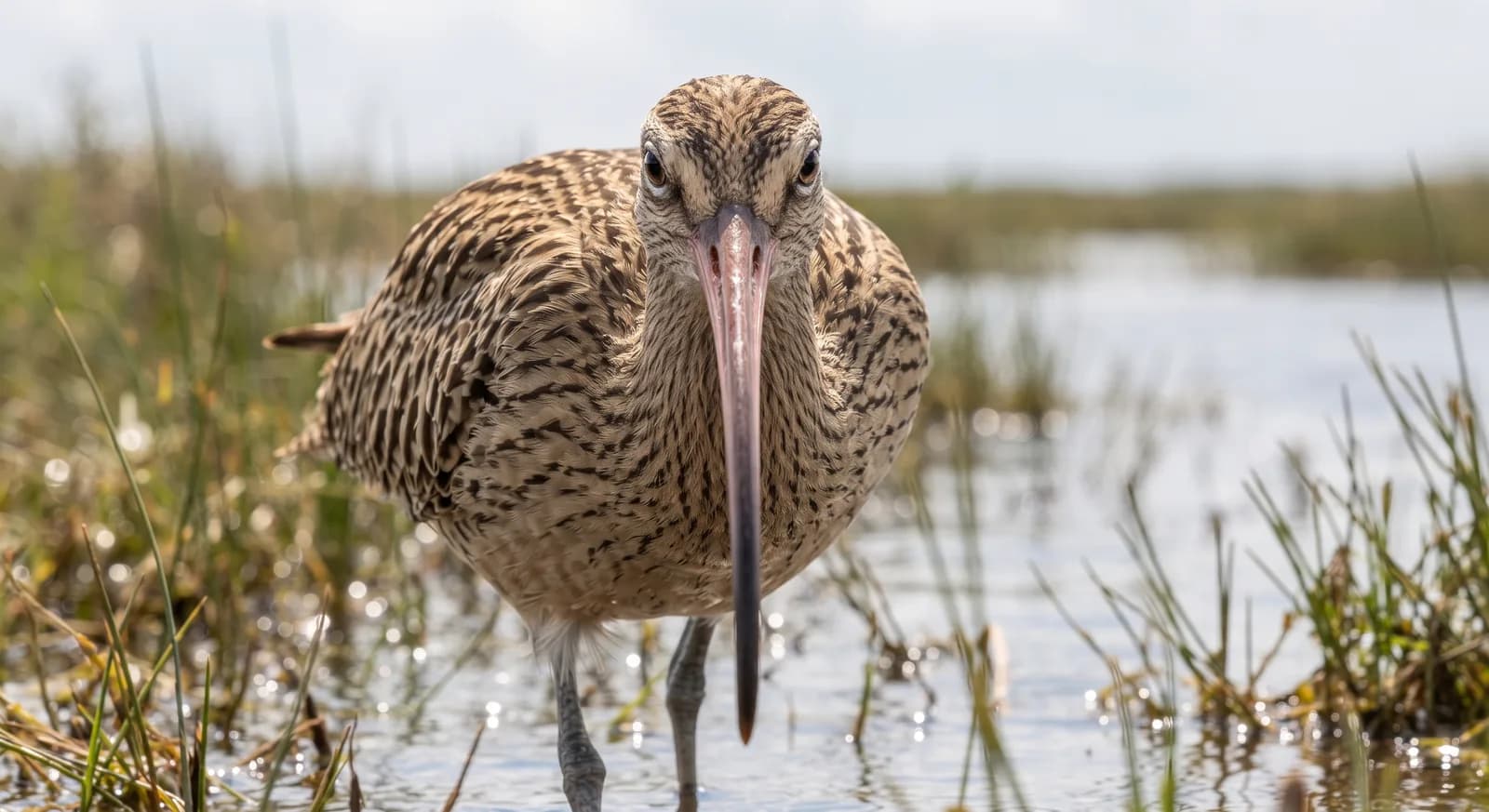
Eurasian Curlew
Numenius arquata
Keep exploring
Based on what we already know about Moldova.