South Africa
África
South Africa is one of the most biologically diverse countries on the planet and the only one that contains an entire floral kingdom within its borders: the Cape kingdom, with the fynbos, a humble-looking scrub that brings together thousands of plant species, most of them found nowhere else, in the smallest area of any floral kingdom in the world. To that are added the Kruger and the savannahs of the northeast, the semi-desert of the Karoo, the Drakensberg mountains, the Knysna forest and two oceans meeting at its southern tip, the cold Atlantic and the warm Indian. That confluence generates spectacular marine life, with southern right whales coming close inshore to calve, great white sharks, African penguin colonies and giant kelp forests.
The nature of South Africa
National animal: The springbok is the national animal, the blue crane the national bird and the galjoen the national fish
Did you know?
Every austral winter, billions of sardines move up the east coast of South Africa in shoals that can be several kilometres long and tens of metres deep. Behind them come common dolphins that herd them into tight bait balls, sharks, whales and thousands of Cape gannets diving from the air. It is probably the largest concentration of animal biomass on the move anywhere on the planet.
Biodiversity profile
Climate
- •Mediterraneo (Csb) en el suroeste (Fynbos)
- •Semiarido y desertico (BSk/BWk) en el noroeste (Karoo, Kalahari)
- •Tropical con estacion seca (Aw) en el noreste (sabana)
- •Templado oceanico en la costa sureste
Main biomes
- •Fynbos (Reino Floral del Cabo, el mas pequeño de los 6 reinos floristicos del mundo, contenido enteramente en un solo pais)
- •Karoo Suculento (desierto de mayor diversidad de suculentas del mundo)
- •Sabana (bioma mas extenso del pais, un tercio del territorio)
- •Bosque costero de KwaZulu-Cabo
- •Fynbos del reino floral de El Cabo
- •Sabana de bushveld
- •Semidesierto del Karoo
- •Bosque afromontano
- •Bosque de algas gigantes
- •Pradera de altiplano
- •Litoral de dos océanos
Marine and coastal ecosystems
- •Zona de transicion entre los biomas marinos Atlantico e Indo-Pacifico, con alta diversidad de especies en ambas costas
- •Corriente fria de Benguela (oeste) y calida de Agulhas (este)
Flagship wildlife
- •Los "Cinco Grandes" (leon, elefante, rinoceronte, bufalo, leopardo)
- •Pinguino africano (endemico de la costa suroeste)
- •Suricato
- •Oryx gemsbok
- •Springbok
- •Ballena franca austral
- •Tiburón blanco
- •Pingüino de El Cabo
- •León africano
- •Rinoceronte blanco
- •Elefante africano de sabana
- •Grulla azul
- •Perro salvaje africano
- •Alcatraz de El Cabo
Notable endemic species
- •67% de la flora indigena (13.642 de 20.248 taxones) es endemica de Sudafrica, con alta concentracion en el Fynbos
- •El Reino Floral del Cabo alberga 9.383 especies de plantas vasculares en solo 90.760 km2, de las cuales 68% son endemicas, unico reino floristico del mundo contenido en un solo pais
- •Aprox. 50% de endemismo en reptiles (410 especies) y 63% en anfibios (131 especies)
- •Grulla azul
- •Rana fantasma de la Mesa
- •Antílope bontebok
- •Topo dorado de Van Zyl
- •Ñu negro
Notable threatened species
- •Rinoceronte negro (En Peligro Critico) y rinoceronte blanco (Casi Amenazado), Sudafrica alberga la mayoria de la poblacion mundial de ambas especies, bajo fuerte presion de caza furtiva por el cuerno
- •El Fynbos podria reducirse entre 51% y 65% de su extension actual bajo escenarios de cambio climatico
- •Aumento del 2% en especies vegetales en riesgo de extincion entre 2017 y 2024
Notable protected areas
- •Parque Nacional Kruger (uno de los mayores santuarios de vida silvestre de Africa)
- •Areas Protegidas de la Region Floristica del Cabo (Patrimonio Mundial, Fynbos)
- •Parque Nacional Addo Elephant
- •Parque Nacional de la Montaña de la Mesa
- •Parque Transfronterizo de Kgalagadi
- •Parque del Humedal de iSimangaliso
- •Parque uKhahlamba-Drakensberg
- •Parque Nacional de Addo
Main conservation threats
- •Caza furtiva de rinocerontes por el cuerno, con Sudafrica como principal foco mundial de esta crisis
- •Especies vegetales invasoras que compiten con la flora nativa del Fynbos
- •Cambio climatico, con reduccion proyectada severa del area del bioma Fynbos
Notable natural phenomena
- •El Fynbos requiere quemarse periodicamente (cada 6-45 años) para regenerarse, un ciclo de fuego al que muchas especies han adaptado estrategias reproductivas unicas
Conservation
South Africa saved the southern white rhinoceros, reduced to fewer than a hundred animals at the start of the twentieth century, and today holds most of the world population, under very intense poaching pressure. The bontebok and the black wildebeest also recovered from critical lows.
Where and when to watch wildlife
Hermanus and the south coast between June and November for the southern right whale. The KwaZulu-Natal coast in June and July for the sardine run. Kruger between May and September for large mammals.
Sources: SANBI - National Biodiversity Assessment Plants | BotSoc - Introducing South Africa's biodiversity hotspots | PMC - Modelling Aspalathus linearis climate change Cape Floristic Region | Grokipedia - Wildlife of South Africa
Natural phenomena in South Africa
- Sardine Run en Sudáfrica — Junio a julio (a veces hasta agosto)
Parks and reserves
Ai-Ais Richtersveld
One of the few hot deserts in the world inscribed as a UNESCO World Heritage Site, with the greatest diversity of succulent plants on the planet
View parkWorld Heritage Site (Natural)Domo de Vredefort
The oldest and largest confirmed meteorite impact crater on Earth, 2,023 million years old.
View parkNational ParkDrakensberg (uKhahlamba)
The great basalt wall of southern Africa, a mixed property for its landscape and for the largest body of San rock art on the continent.
View parkWetland ParkiSimangaliso
The first World Heritage Site declared in South Africa after the end of apartheid, in 1999
View parkNature ParkiSimangaliso Wetland Park
South Africa's first World Heritage property: lagoons, dunes and reefs along the KwaZulu-Natal coast.
View parkNational ParkMapungubwe
Seat of the first and richest pre-colonial kingdom in southern Africa (11th-13th centuries), with gold objects older than Great Zimbabwe
View parkWorld Heritage Site (Natural)Montañas Barberton Makhonjwa
The best-preserved rocks from the earliest days of the Earth, between 3,600 and 3,250 million years old.
View parkWorld Heritage Site (Natural)Región Floral del Cabo
One of the six floral kingdoms on the planet, home to the fynbos and to a density of plant species with no equivalent anywhere.
View parkNational ParkTable Mountain
It holds the fynbos, one of the six floral kingdoms of the planet and the smallest and richest in species per unit area
View parkNational ParkKruger National Park
One of the largest parks in Africa and a classic place to complete the Big Five in a single trip.
View parkDiving and snorkelling
Cape Vidal
The access point for the annual Sardine Run, one of the greatest displays of marine biomass on the planet.
View dive siteTropical reefSodwana Bay
South Africa's only genuinely tropical dive site and the southernmost coral reef on the continent. The sites are named by their distance from the launch point: Two Mile, Five Mile, Seven Mile, Nine Mile.
View dive siteRocky reefAliwal Shoal
An ancient sandstone reef with caves, gullies and pinnacles, about 40 minutes from Durban. Its best-known feature is The Cathedral, an amphitheatre-shaped sandy depression where grey nurse sharks gather by the dozen in season. The depth is around 25 m and it is manageable at Open Water level.
View dive siteDeep rocky reefProtea Banks
A reef on the edge of the continental shelf. It is dived without a cage, which makes it, along with Aliwal Shoal, one of the most direct shark destinations in the world. The area also protects three submarine canyons and a spawning ground for commercial fish.
View dive siteCold-water kelp forestCape Town Kelp Forest
Giant kelp forests in cold Atlantic water, made famous by the documentary My Octopus Teacher.
View dive siteTemperate estuaryKnysna Estuary (seahorses)
The only known habitat of the Knysna seahorse, an endemic and endangered species.
View dive sitePelagic/CageFalse Bay (tiburón blanco)
One of the historically finest places in the world to watch great white sharks from a cage.
View dive sitePaíses similares
¿A dónde más podría interesarme viajar?
Misma región: África Austral
Misma región: África Austral
Misma región: África Austral
Misma región: África Austral
Especies documentadas en South Africa
434 species found
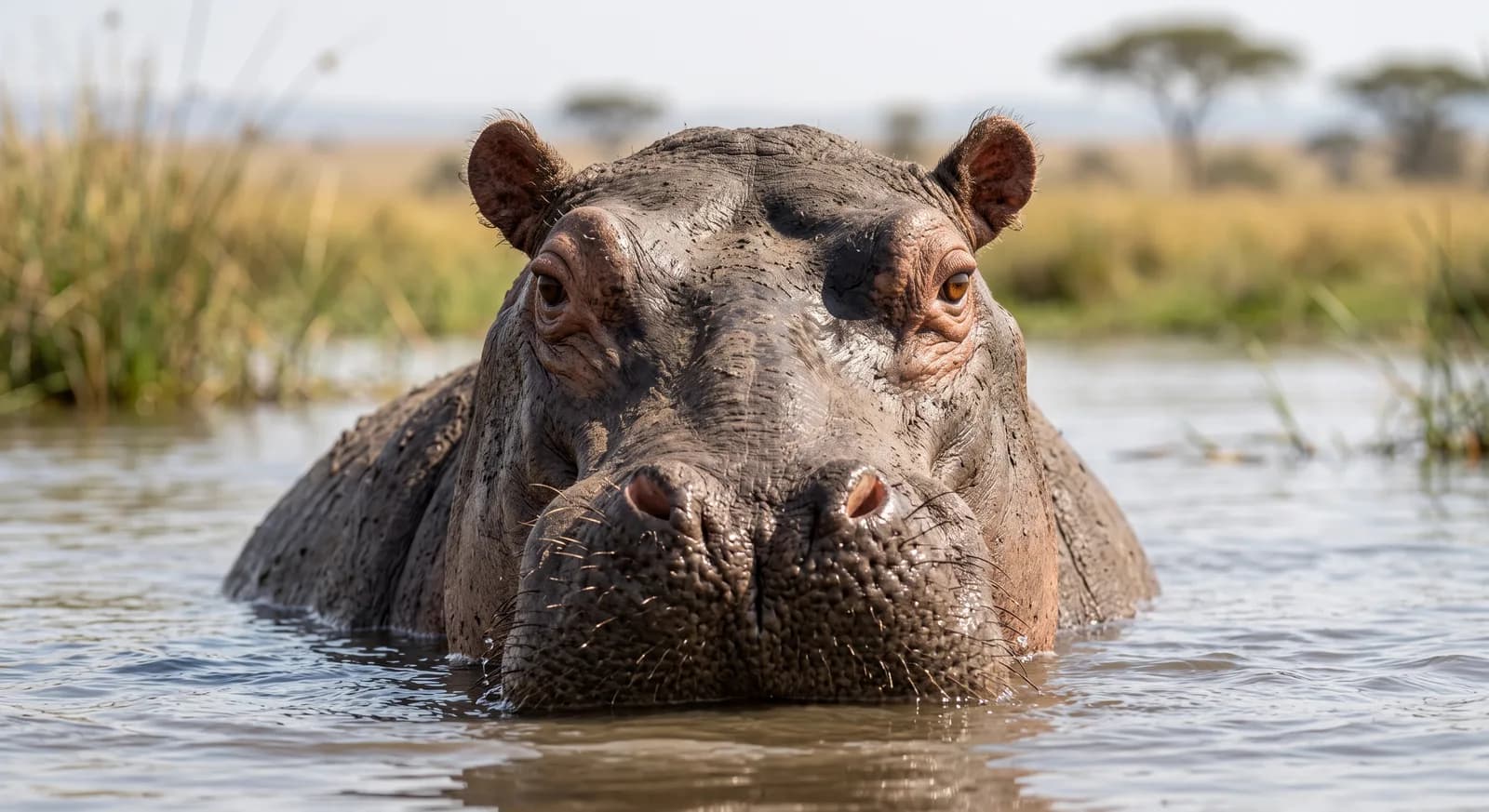 Vulnerable
Common Hippopotamus
Hippopotamus amphibius
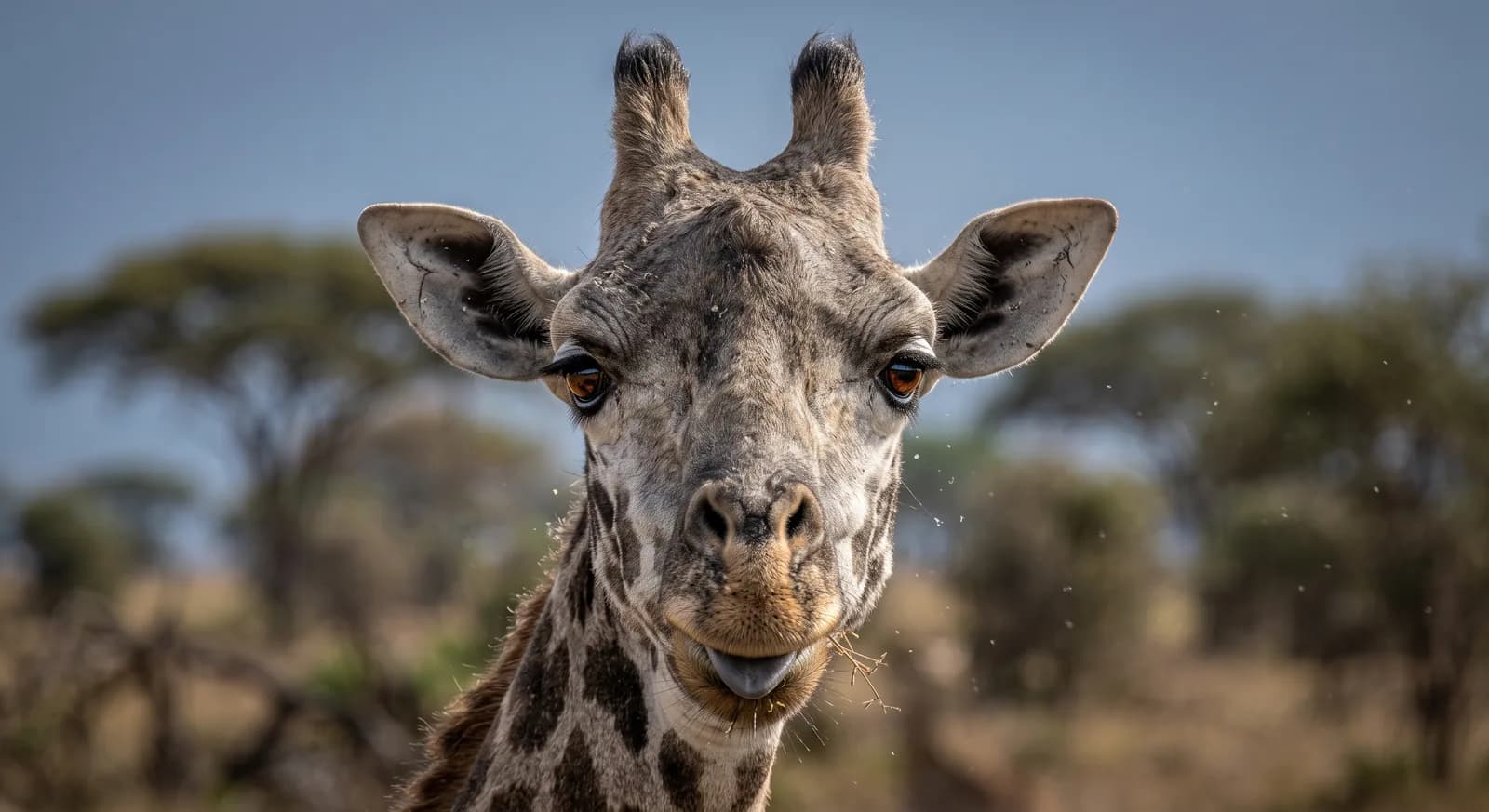 Vulnerable
Giraffe
Giraffa camelopardalis
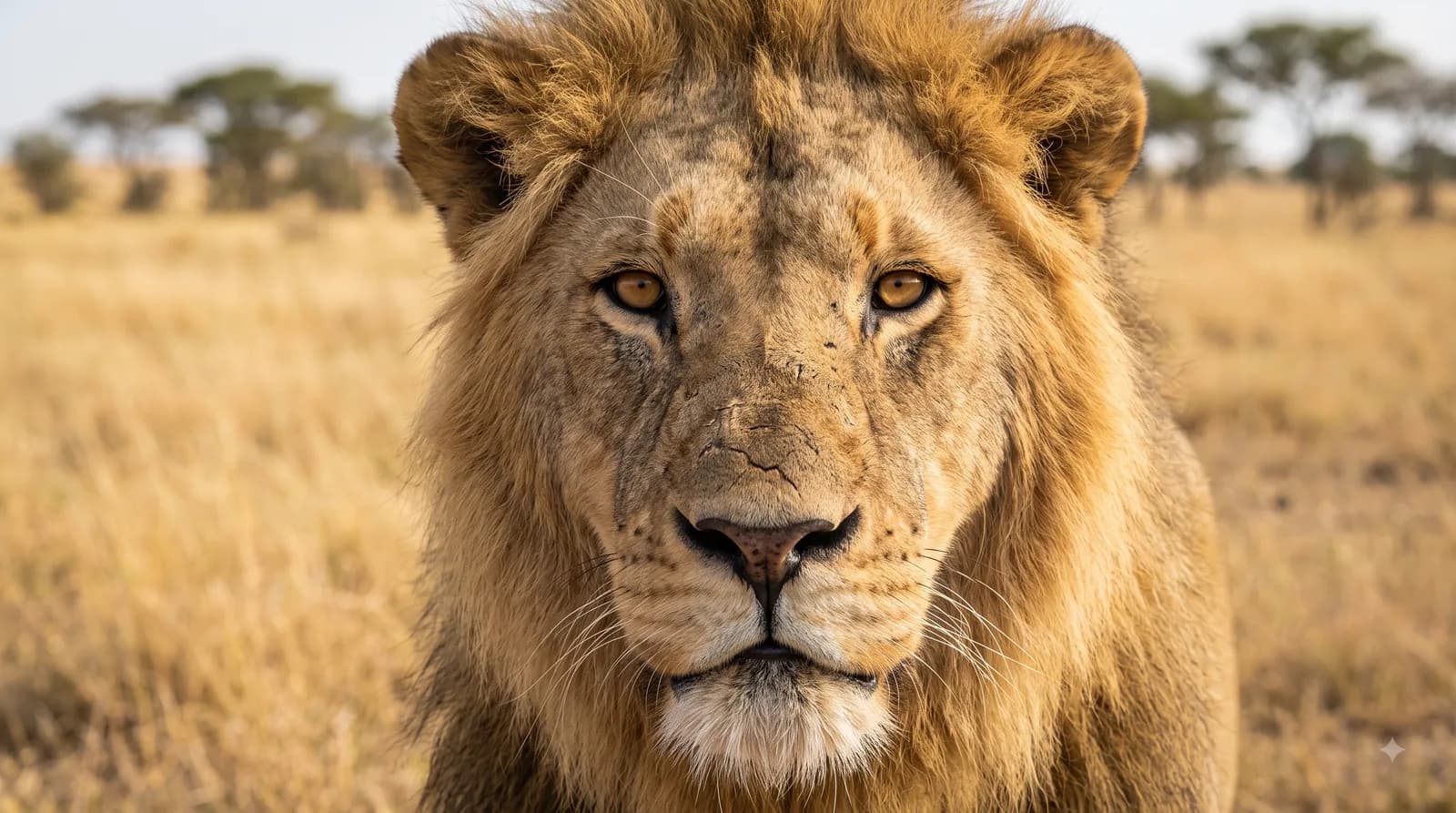 Vulnerable
Lion
Panthera leo
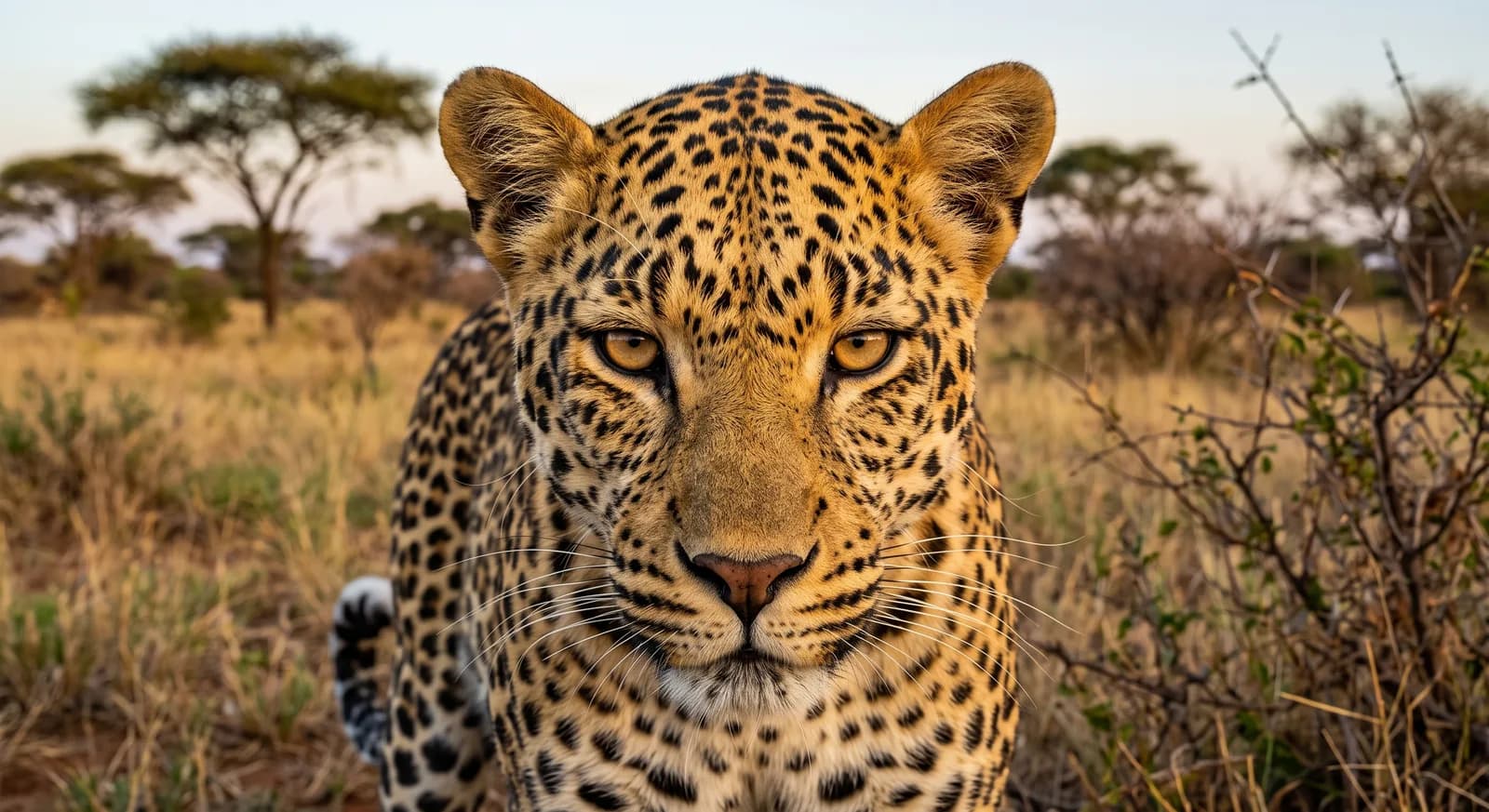 Vulnerable
Leopard
Panthera pardus
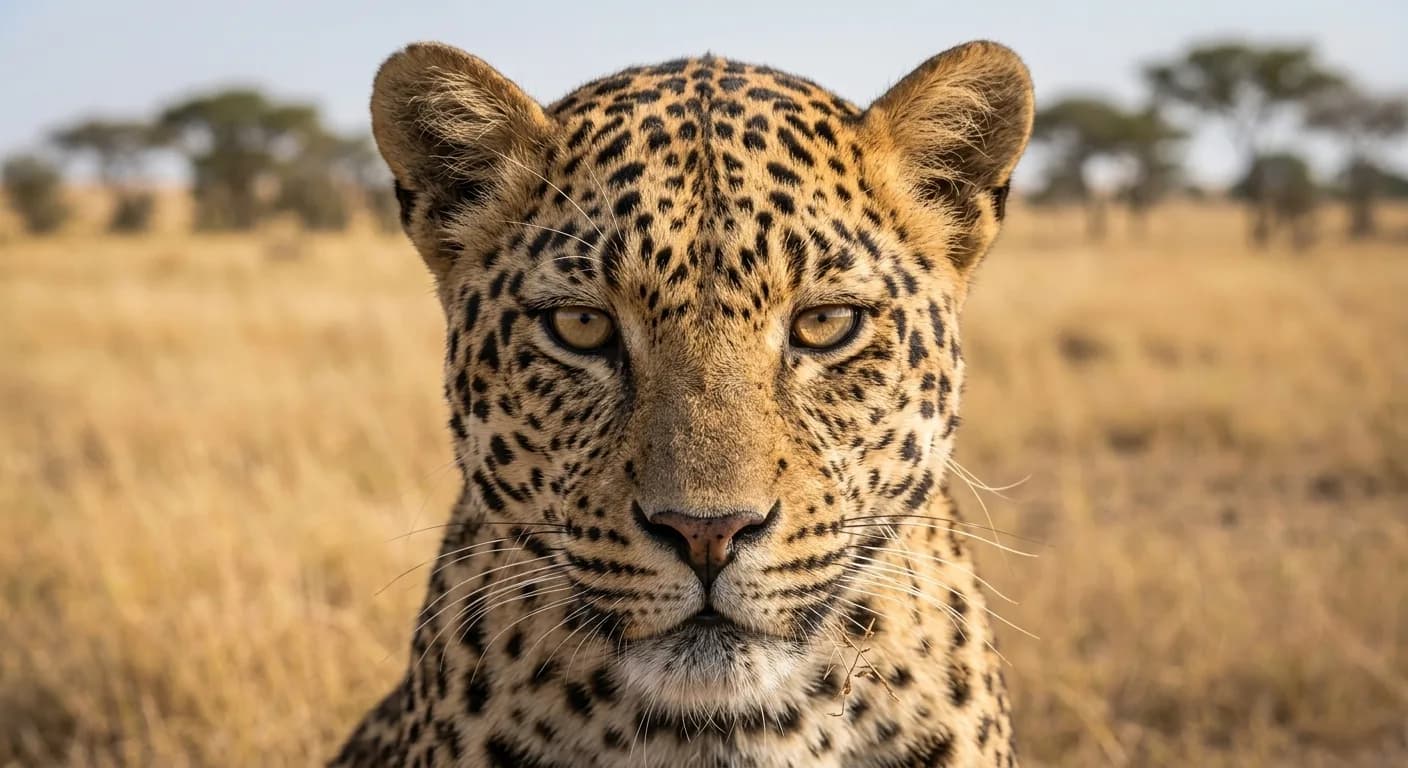 Vulnerable
African Leopard
Panthera pardus pardus
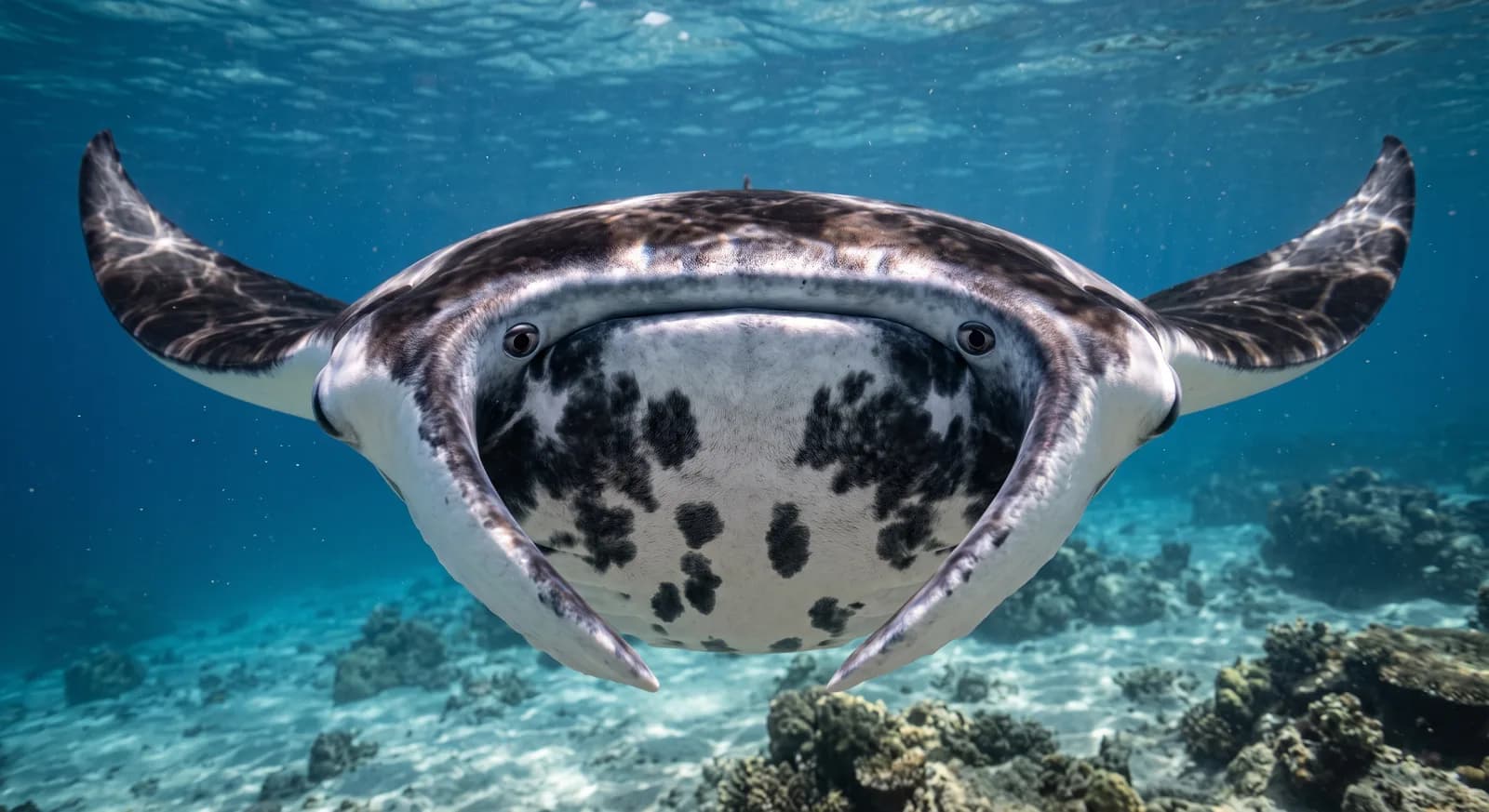 Vulnerable
Reef Manta Ray
Mobula alfredi
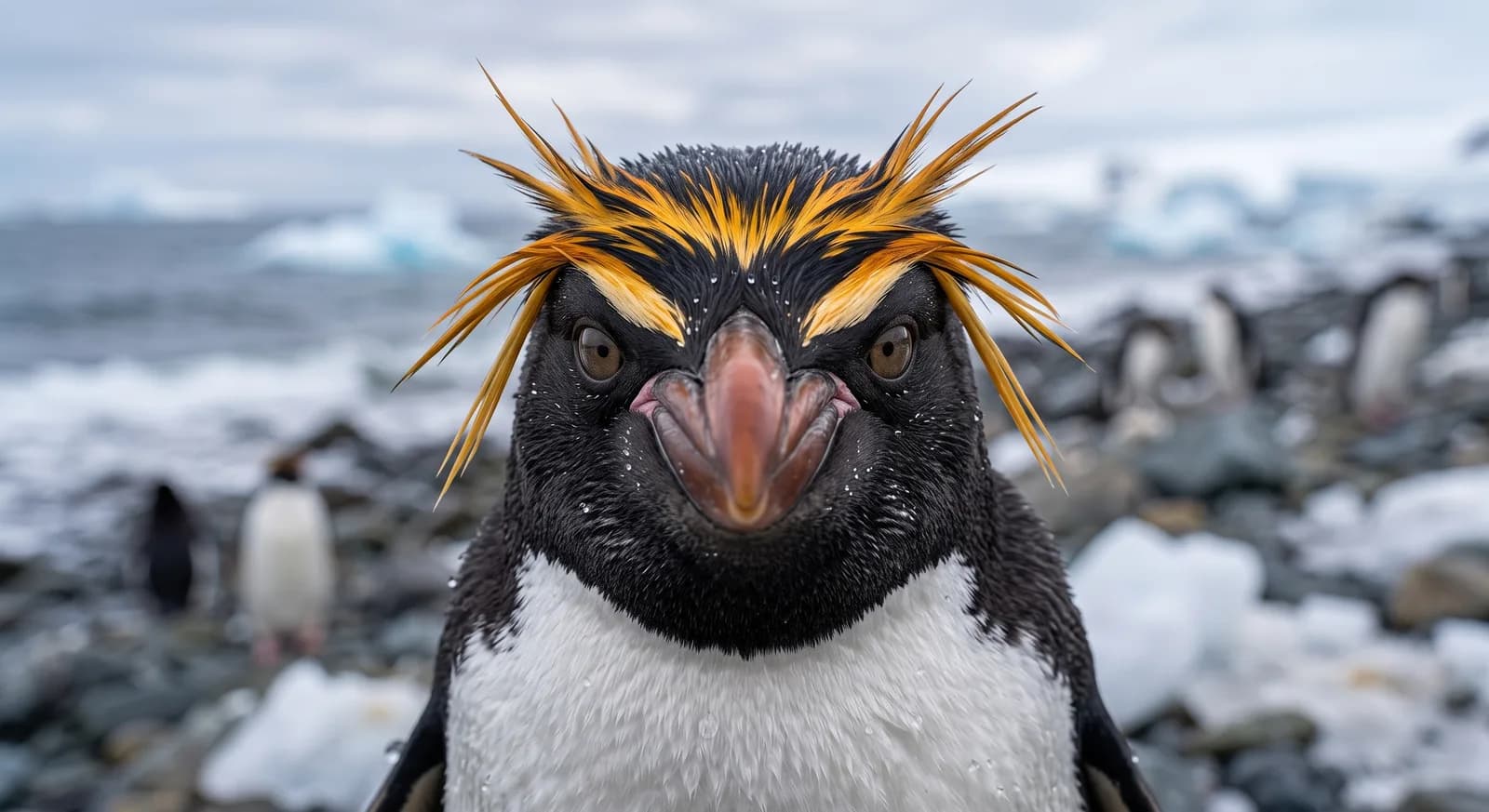 Vulnerable
Macaroni Penguin
Eudyptes chrysolophus
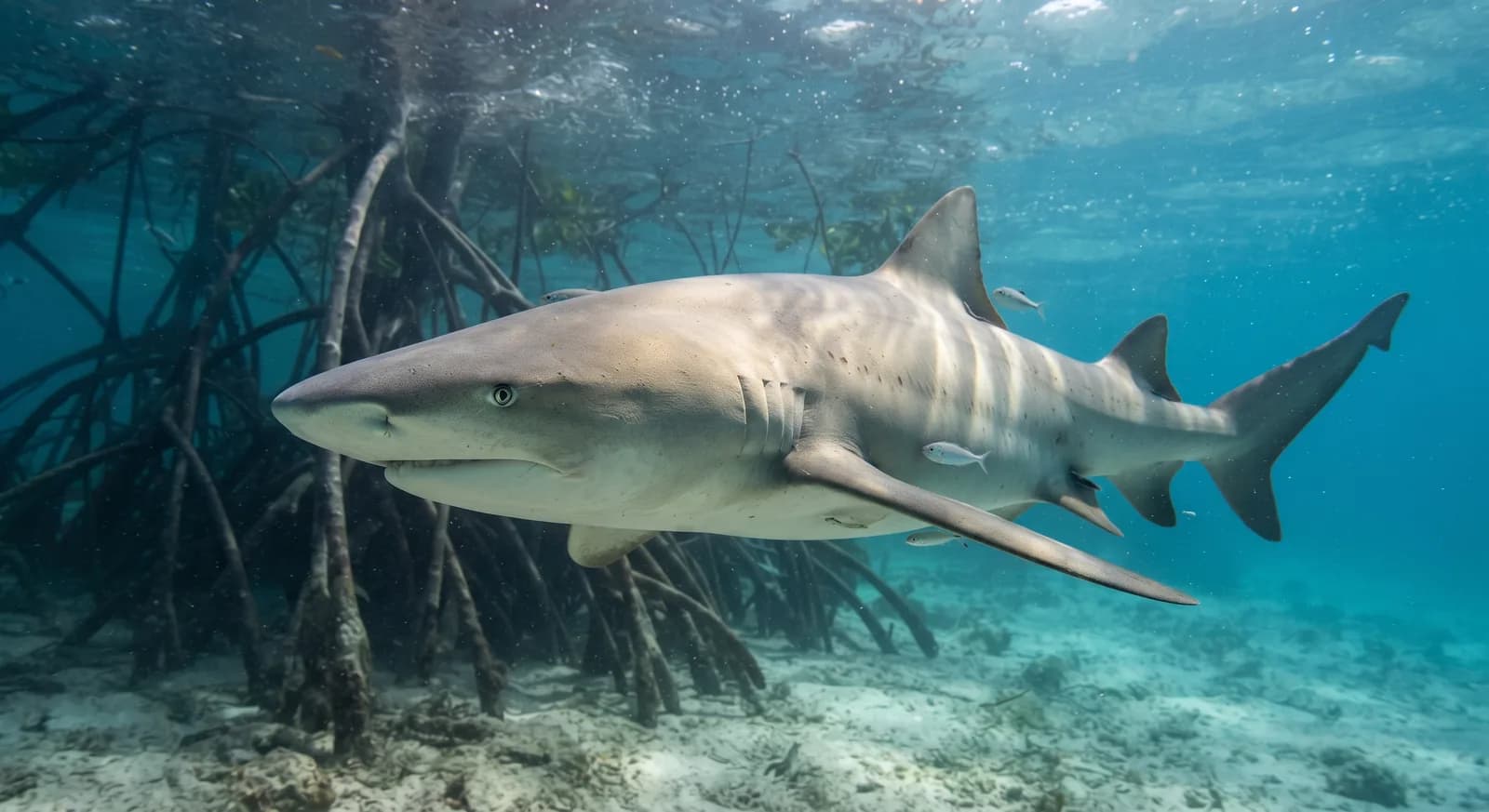 Vulnerable
Lemon Shark
Negaprion brevirostris
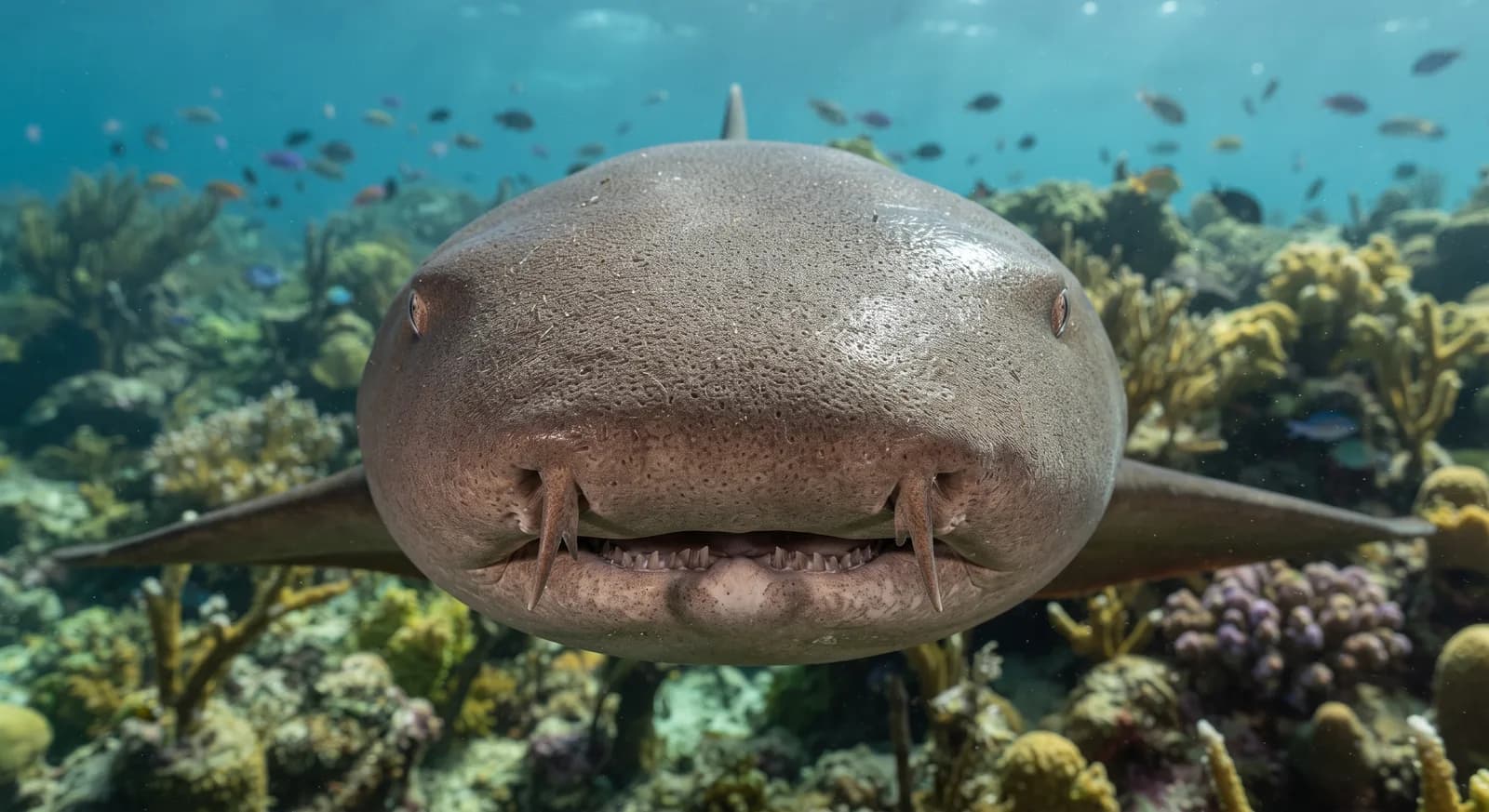 Vulnerable
Nurse Shark
Ginglymostoma cirratum
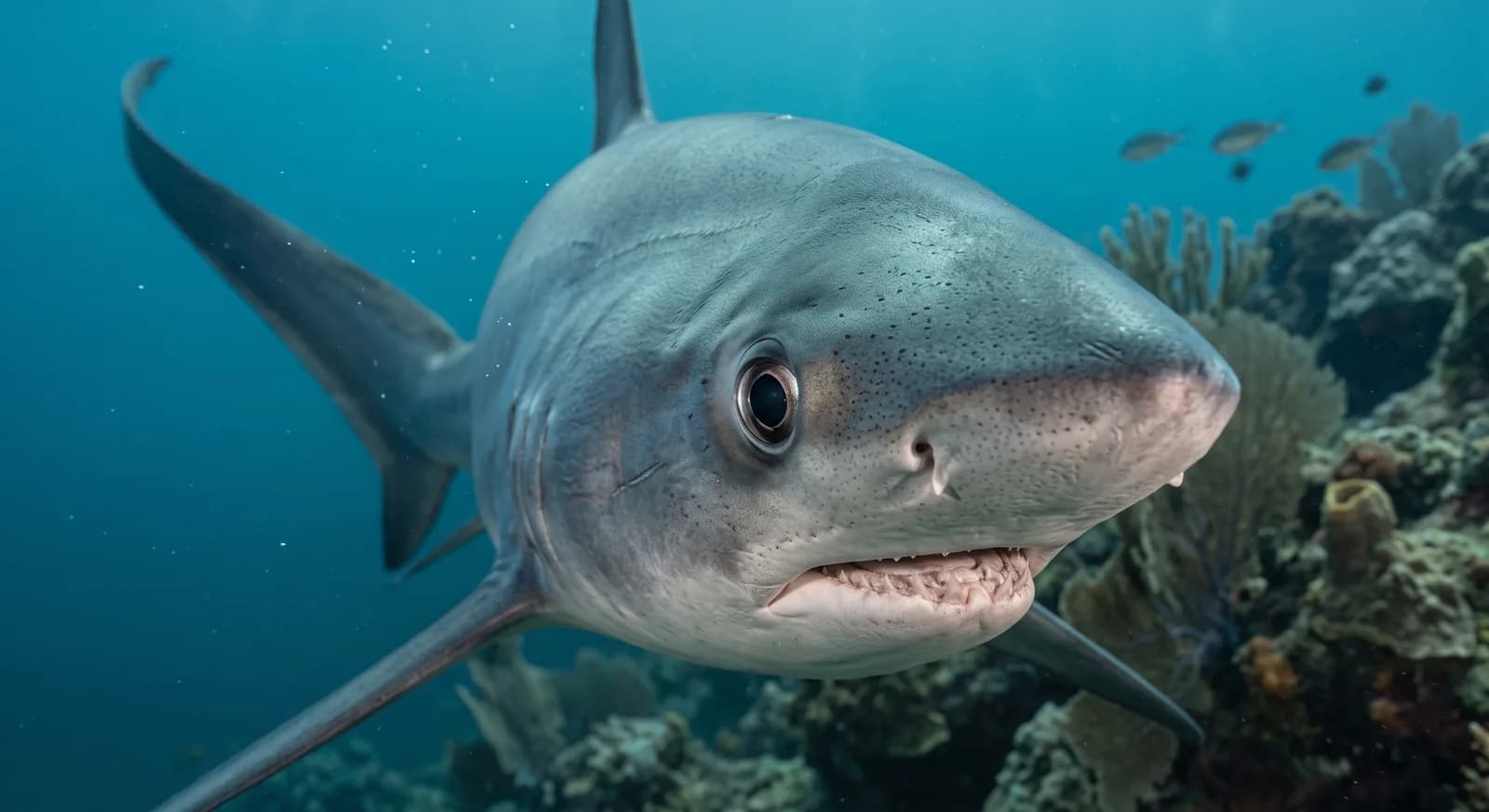 Vulnerable
Grayfish
Alopias vulpinus
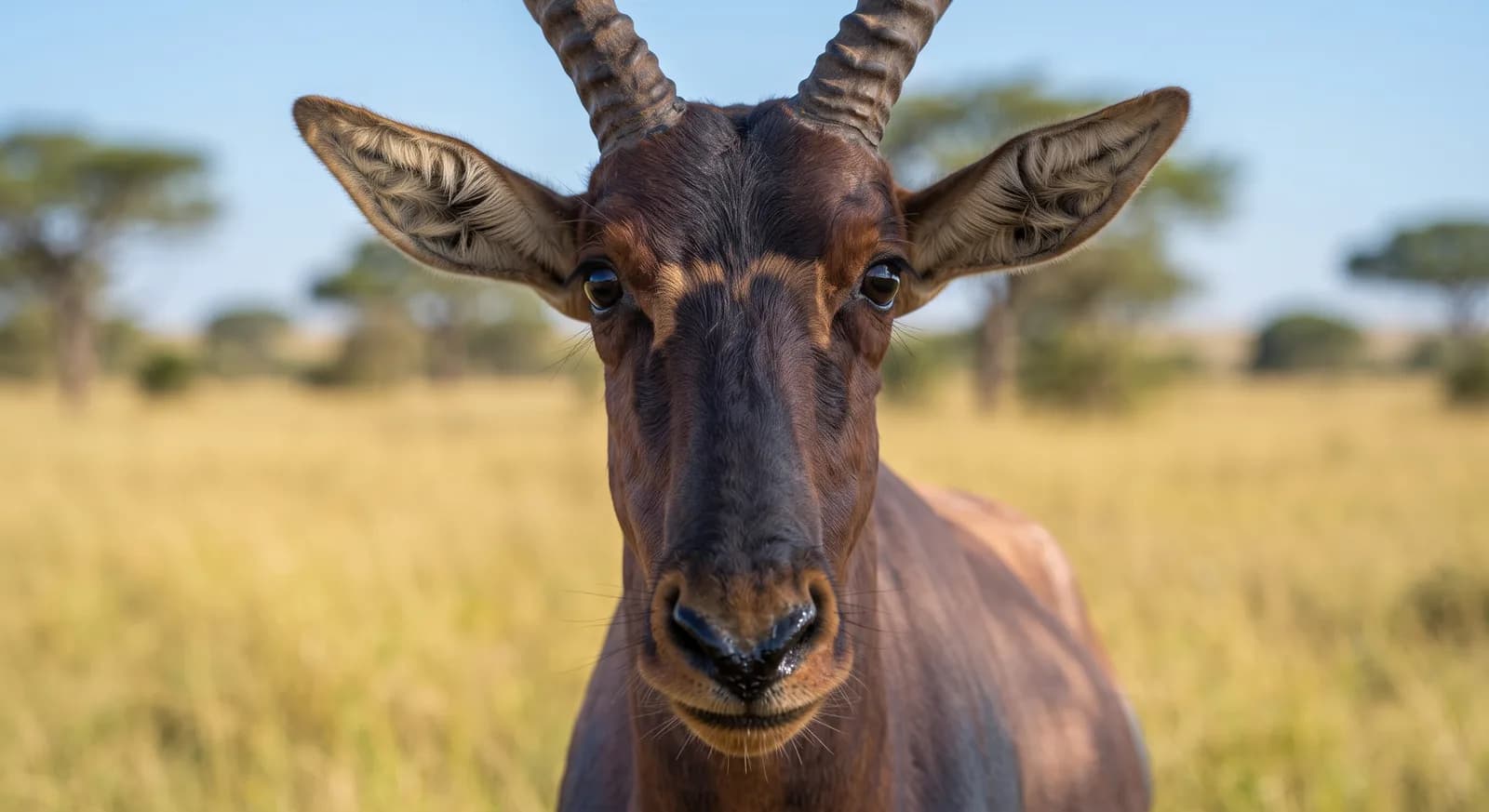 Vulnerable
Topi
Damaliscus lunatus
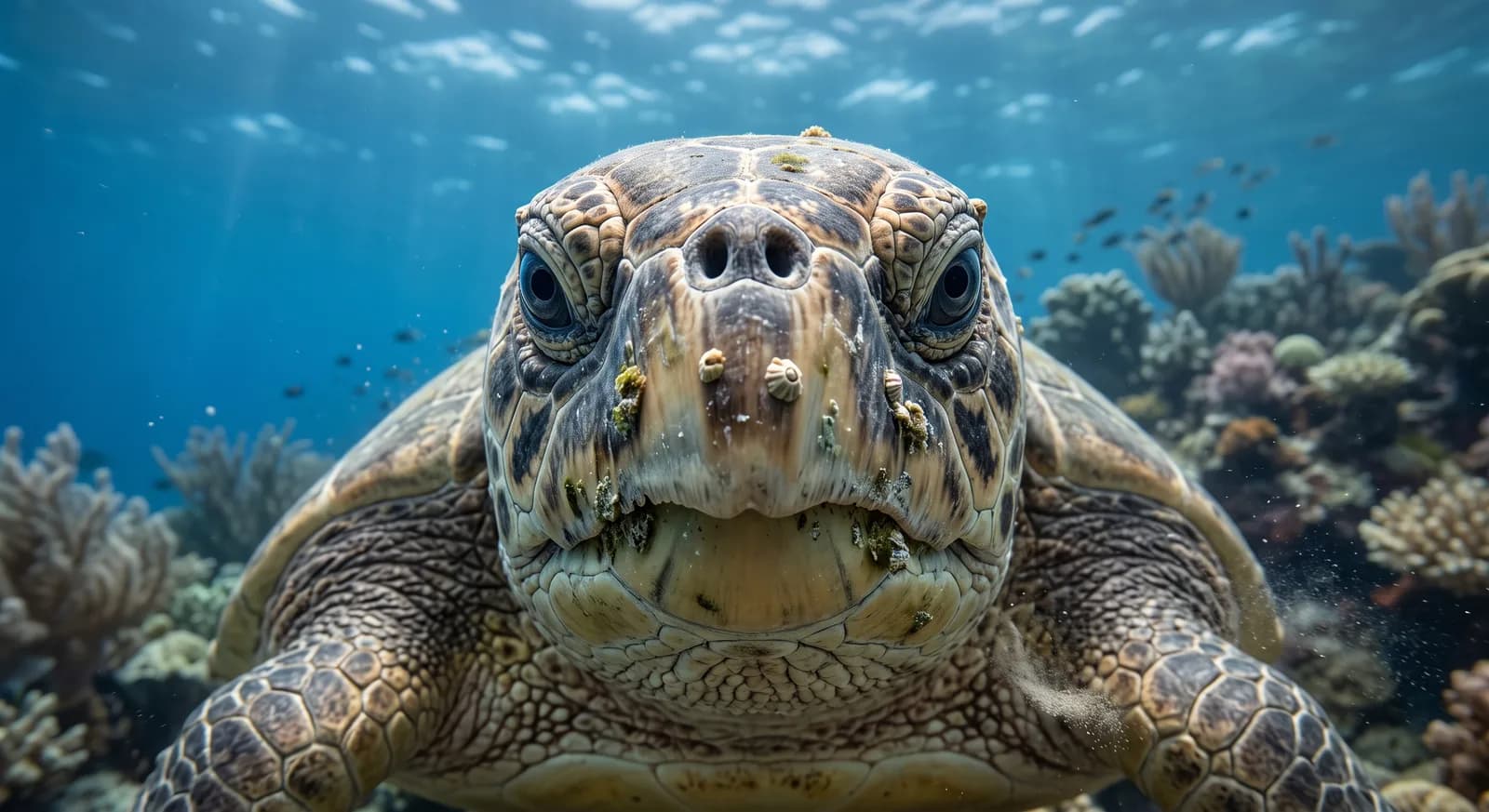 Vulnerable
Loggerhead Turtle
Caretta caretta
Keep exploring
Based on what we already know about South Africa.