 Not Evaluated
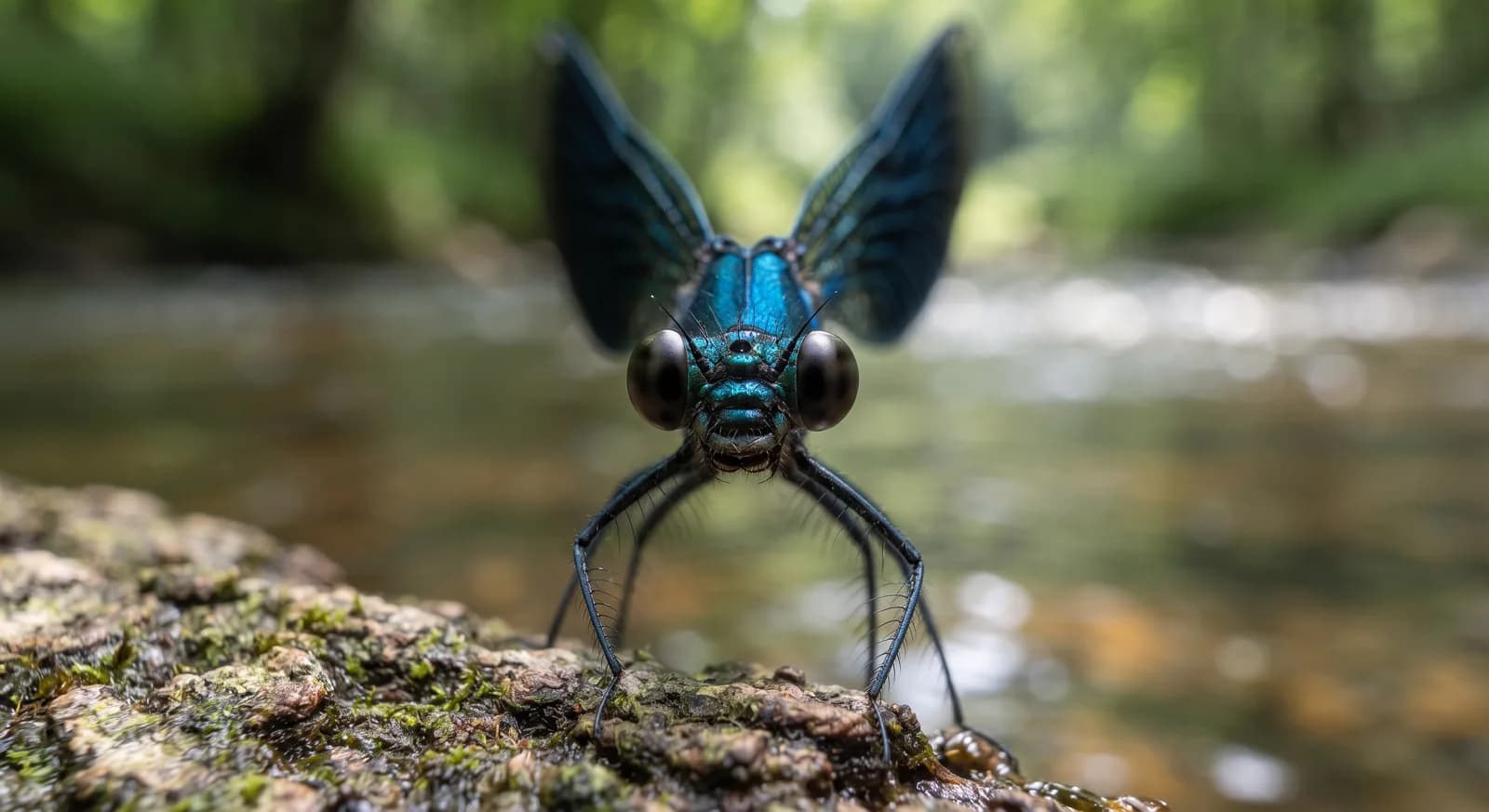
Beautiful Demoiselle
Calopteryx virgo
54 countries153 parks
Species group · Insects
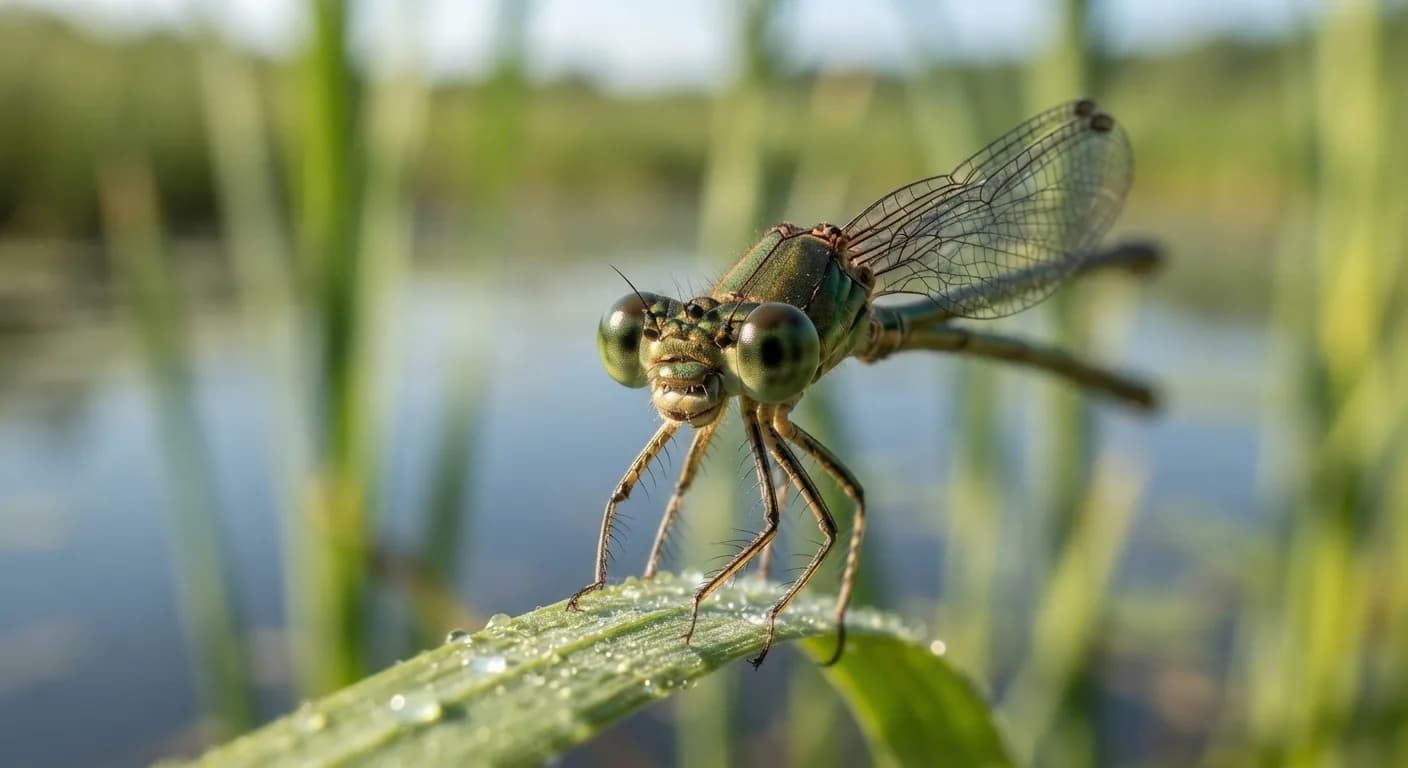
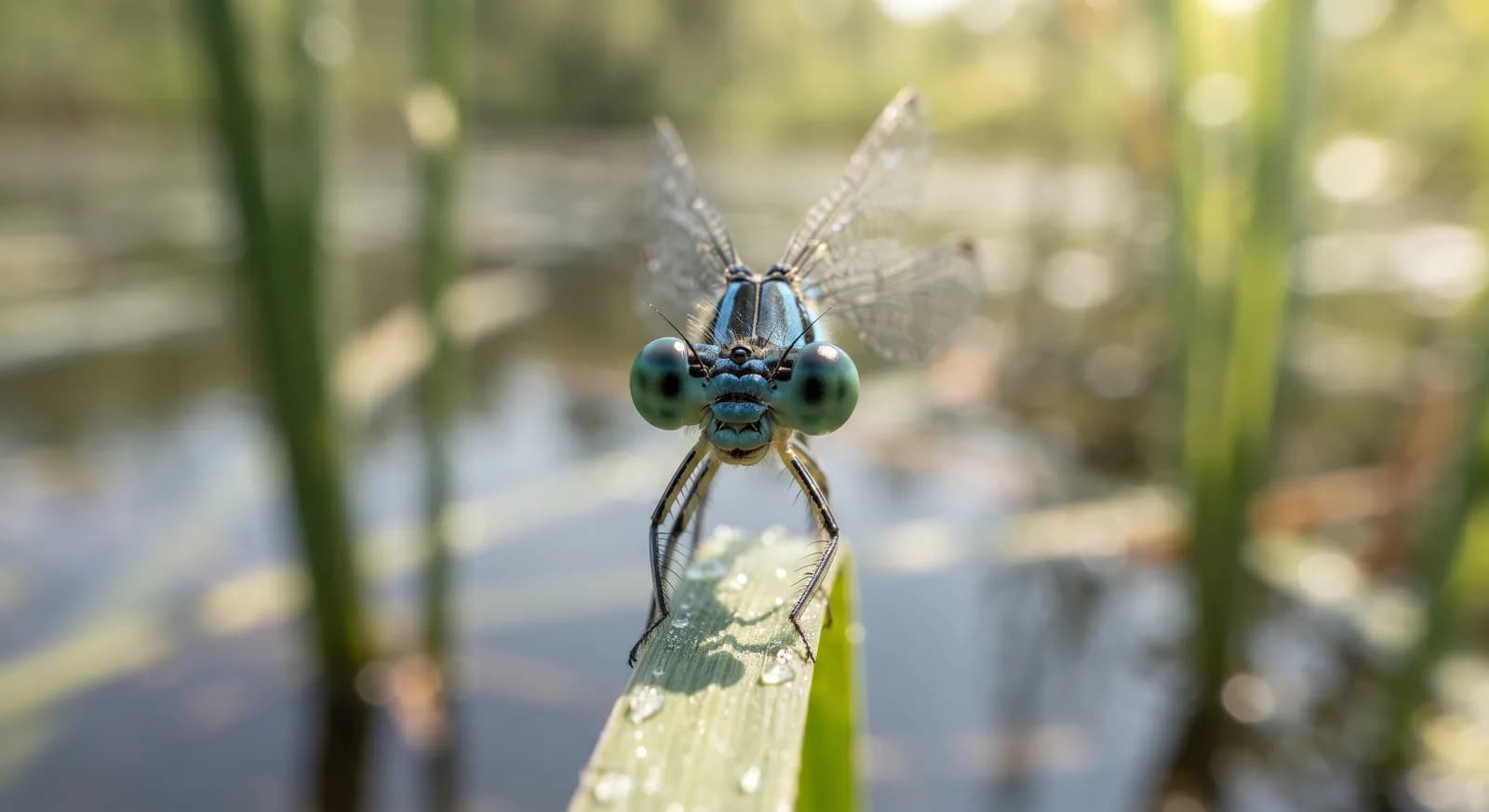
WAnimals has 3 species of damselfly, spread across 3 families (Calopterygidae, Coenagrionidae, Lestidae).
Ranges calculated from the profiles that record the figure, not from all 3.
Each one has its own full profile. This group does not replace them: it brings them together.
No species documented in this group is genuinely at risk according to the IUCN, with the data available today.
Recorded in 56 countries. The ones with the most species in the group:
The male performs a courtship dance before the female, opening and closing his wings and showing her the spot in the stream where she will be able to lay her eggs.
From
Like the rest of the dragonflies and damselflies, the male can use his copulatory organ to remove the sperm of previous males before mating.
From
Its presence indicates good-quality water with bankside vegetation: it disappears from channelised or unshaded stretches.
From
Its genus, Lestes, comes from the Greek lestes, thief or pirate.
From
Unlike most damselflies, it holds its wings partly open when perched, a characteristic trait of the whole family Lestidae.
From
In central and northern Europe it is the commonest lestid, but on the Iberian Peninsula it is scarce.
From
Its one unique diagnostic feature is a strongly marked dorsal projection on the pronotum, visible with a ten-times hand lens.
From
·
It is one of the most widespread and abundant dragonflies and damselflies in Europe, from Ireland and north-western Iberia to Japan.
From