 Not Evaluated
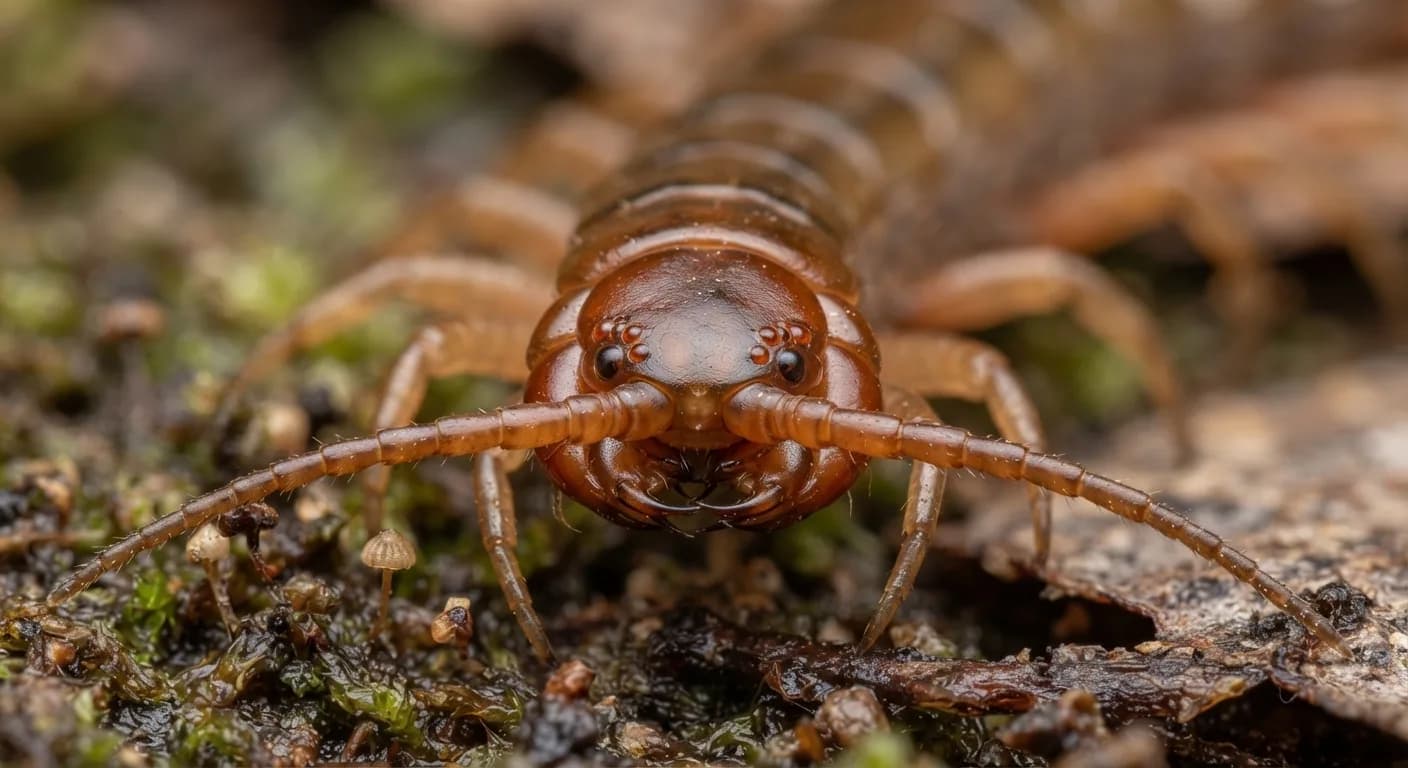
Brown Centipede
Lithobius forficatus
45 countries
Species group · Centipedes
WAnimals has 3 species of centipede, spread across 2 families (Lithobiidae, Scolopendridae).
Ranges calculated from the profiles that record the figure, not from all 3.
Each one has its own full profile. This group does not replace them: it brings them together.
No species documented in this group is genuinely at risk according to the IUCN, with the data available today.
Recorded in 70 countries. The ones with the most species in the group:
Its name means literally "life among the stones", from the Greek lithos, stone, and bios, life.
From
It is identified by its reaction on being uncovered: it dashes for cover at full speed, far faster than other large Lithobius.
From
Its bite can barely pierce human skin, but its venomous forcipules are highly effective against spiders, slugs, worms and flies.
From
It eats large arthropods, spiders, amphibians, lizards and occasionally small mammals such as bats.
From
The mother actively tends her young for about three months after they hatch, coiling her body around them.
From
It can reach 28 to 30 cm long, making it the largest centipede in the world.
From
It is one of the largest centipedes in Europe, and its bite, though painful, is rarely a serious risk to a healthy adult.
From
Its forcipules are not jaws: they are the first pair of legs turned into venomous fangs, a feature unique to centipedes.
·
From