Skip to content
WAnimals
  • Map
  • Species
  • Parks
  • Diving
Log inCreate account
WAnimals

The guide for travellers and animal lovers: discover, plan and share your wild adventures around the world.

Discover wildlife

  • Species
  • Ecosystems
  • Glossary
  • Tags

Explore places

  • Map
  • Countries
  • Parks
  • Diving

Plan experiences

  • Guides

Learn

  • Blog

Resources

  • About us
  • How we build our profiles
  • Help centre
  • Contact
  • Install the app

Follow us

Account

  • Log in
  • Create account

© 2026 WAnimals. All rights reserved.

Terms of servicePrivacyCookiesLegal notice
MapSpeciesParksDiving
  1. Home
  2. Species
  3. Species groups
  4. Damselflies

Species group · Insects

Damselflies

WAnimals has 3 species of damselfly, spread across 3 families (Calopterygidae, Coenagrionidae, Lestidae).

3 species
3 families
56 countries
153 parks
Length
1.4 cm – 4.9 cm
Lifespan
2 years

Ranges calculated from the profiles that record the figure, not from all 3.

All 3 species of damselflies on WAnimals

Each one has its own full profile. This group does not replace them: it brings them together.

Conservation status

2 Least Concern1 Not Evaluated

No species documented in this group is genuinely at risk according to the IUCN, with the data available today.

Where they live

Recorded in 56 countries. The ones with the most species in the group:

Where to see them

Did you know…?

  • The male performs a courtship dance before the female, opening and closing his wings and showing her the spot in the stream where she will be able to lay her eggs.

    From

  • Like the rest of the dragonflies and damselflies, the male can use his copulatory organ to remove the sperm of previous males before mating.

    From

  • Its presence indicates good-quality water with bankside vegetation: it disappears from channelised or unshaded stretches.

    From

  • Its genus, Lestes, comes from the Greek lestes, thief or pirate.

    From

  • Unlike most damselflies, it holds its wings partly open when perched, a characteristic trait of the whole family Lestidae.

    From

  • In central and northern Europe it is the commonest lestid, but on the Iberian Peninsula it is scarce.

    From

  • Its one unique diagnostic feature is a strongly marked dorsal projection on the pronotum, visible with a ten-times hand lens.

    From

Ecosystems

·

It is one of the most widespread and abundant dragonflies and damselflies in Europe, from Ireland and north-western Iberia to Japan.

From
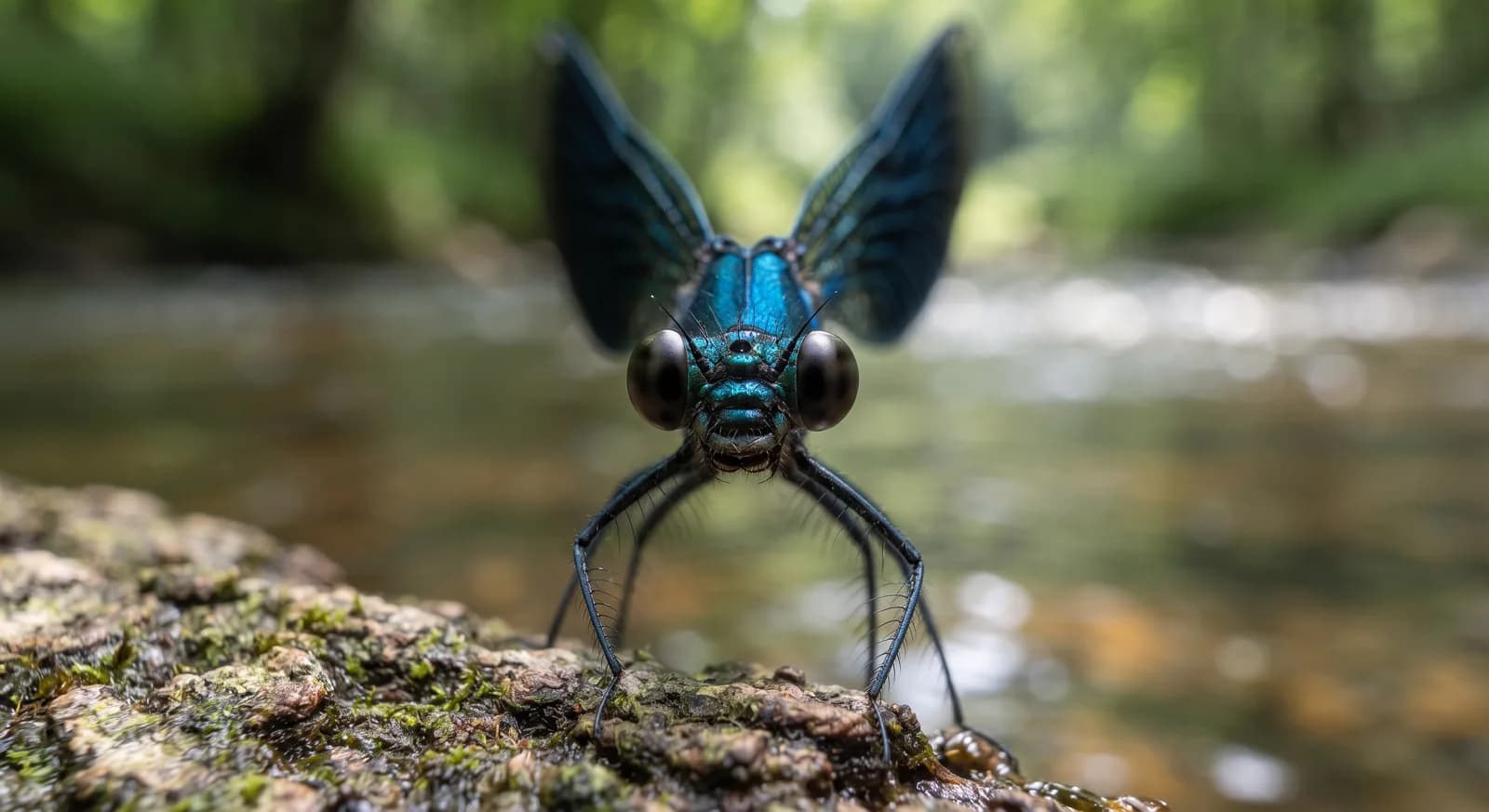
Beautiful DemoiselleNot Evaluated

Beautiful Demoiselle

Calopteryx virgo

54 countries153 parks
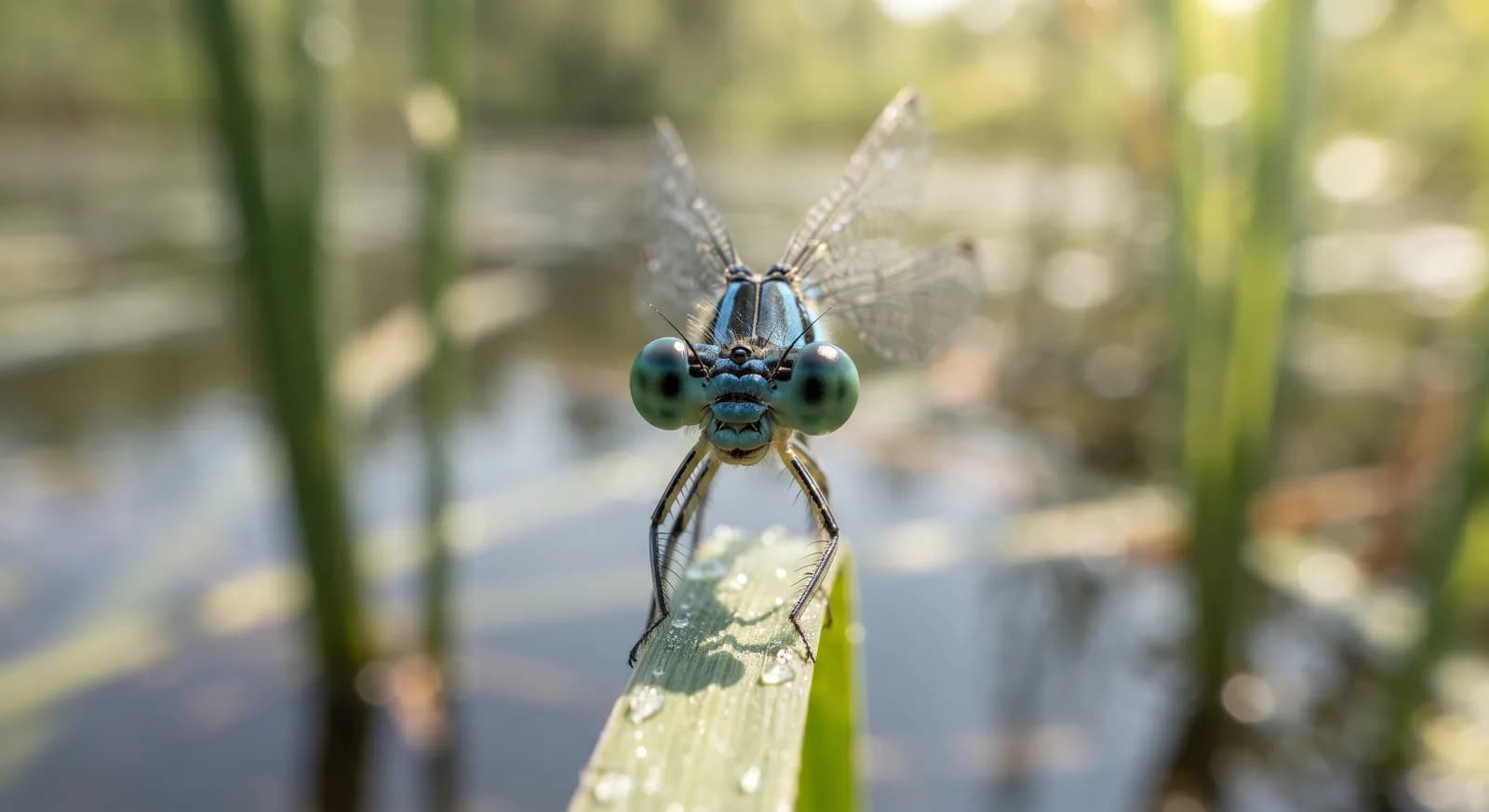
Common SpreadwingLeast Concern

Common Spreadwing

Lestes sponsa

45 countries139 parks
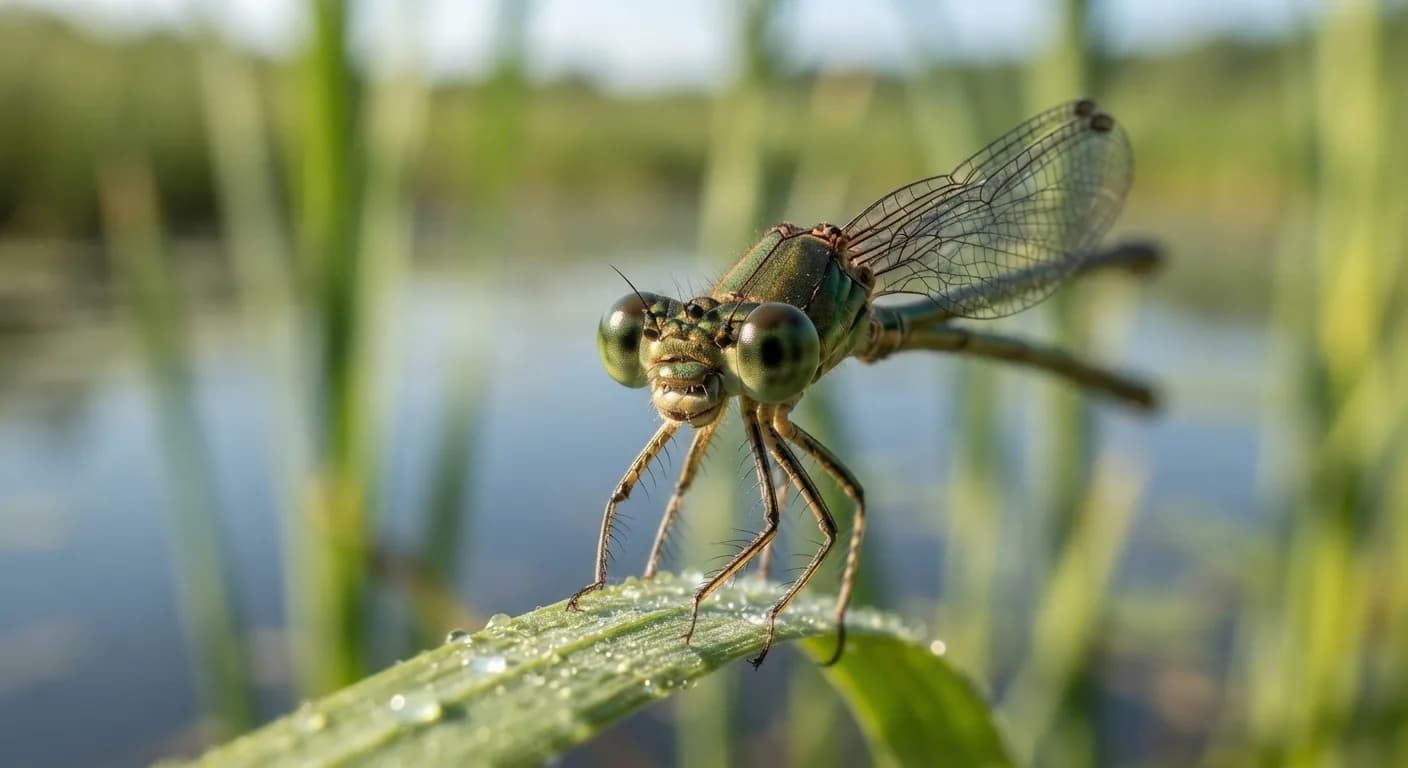
Blue-Tailed DamselflyLeast Concern

Blue-Tailed Damselfly

Ischnura elegans

45 countries
Albania3
Andorra3
Armenia3
Austria3
Azerbaijan3
Belarus3
Belgium3
Bosnia and Herzegovina3
Bulgaria3
Croatia3
Czechia3
Denmark3
Estonia3
Finland3
France3
Georgia3
Germany3
Greece3
Hungary3
Ireland3
Italy3
Latvia3
Liechtenstein3
Lithuania3
Abisko2 species
Aggtelek2 species
Aiako Harria2 species
Aiguestortes i Estany de Sant Maurici2 species
Aizkorri-Aratz2 species
Aralar2 species
Archipelago (Saaristomeri)2 species
Armañón2 species
Aukštaitija National Park2 species
Balaton-felvidék2 species
Bannau Brycheiniog (Brecon Beacons)2 species
Bardenas Reales2 species
Beautiful Demoiselle
Common Spreadwing
Common Spreadwing
Common Spreadwing
Blue-Tailed Damselfly
Freshwater3
See every species group
Explore the species one by one
This page in other languages: Español · Deutsch · Français · Português · Italiano
Blue-Tailed Damselfly