Skip to content
WAnimals
  • Map
  • Species
  • Parks
  • Diving
Log inCreate account
WAnimals

The guide for travellers and animal lovers: discover, plan and share your wild adventures around the world.

Discover wildlife

  • Species
  • Ecosystems
  • Glossary
  • Tags

Explore places

  • Map
  • Countries
  • Parks
  • Diving

Plan experiences

  • Guides

Learn

  • Blog

Resources

  • About us
  • How we build our profiles
  • Help centre
  • Contact
  • Install the app

Follow us

Account

  • Log in
  • Create account

© 2026 WAnimals. All rights reserved.

Terms of servicePrivacyCookiesLegal notice
MapSpeciesParksDiving
  1. Home
  2. Species
  3. Iberian Scarce Swallowtail

Insects · Lepidoptera · Papilionidae

Iberian Scarce Swallowtail

Iphiclides feisthamelii

Not Evaluated

It has not yet been assessed against the IUCN criteria.

Spotted something wrong?

The Iberian scarce swallowtail is a large butterfly with a creamy white ground striped in black and two long tails on the hindwings. It glides along sunny slopes, and its caterpillar feeds on blackthorn, plum and almond.

Size

6 cm – 9 cm

Life expectancy

1 year

Diet

Herbivore

Feeds mainly on plants.

Activity

Diurnal

Active mainly during the day.

Social structure

Solitary

Lives and hunts alone, joining others only to breed.

Grassland
26countries108parks5same family

Fun facts

  • GeneralA large striped butterfly with tails on its wings; it soars for long spells along the ridges.
  • It practises hilltopping: the males gather on summits and on the highest points of the ground, where they wait for females, behaviour that means it is often seen on cols and ridges.
  • It is the sister species of the European scarce swallowtail, Iphiclides podalirius, from which it separated relatively recently and with which it hybridises in southern France.
  • It is told apart from the scarce swallowtail of the rest of Europe, Iphiclides podalirius, by its almost white rather than yellowish ground colour; it was long considered a subspecies of it, and its separation as a species in its own right is still debated.
  • It glides for long stretches without beating its wings, riding the currents along the hillsides — a very characteristic flight, recognisable from a distance.
  • The tails on the hindwings, together with the blue and orange spots at their base, form a false head: the bird strikes there and the butterfly escapes losing only a scrap of wing.
  • The caterpillar is green, flattened and slug-like, and eats the leaves of blackthorn, almond and other stone-fruit trees.
  • It is one of the most common and most visible butterflies of the interior of the Iberian Peninsula in spring.

Life cycle and biology

Skeleton type
Invertebrate - chitin exoskeleton (insect)
Habitat and environment
Sunny slopes with blackthorn and fruit trees
Size at birth
The caterpillar does not exceed 4 cm, the shortest of all the European species in the family; it is thick and stocky, green with dorsal markings
Sexual maturity
Two to three generations a year: two in mountain and inland areas and up to three in low-lying southern areas; the individuals of the later generations are larger and paler
Gestation / incubation
The caterpillars hatch within a few days, between one and four weeks depending on the temperature, and after 40-45 days they form the chrysalis beside the food plant; the last generation overwinters inside the chrysalis, fastened with silk threads to a thick stem
Litter / clutch size
The female lays one or two eggs at a time on the food plant, chiefly species of the genus Prunus (almond, peach, plum, blackthorn, cherry) and also Pyrus, Malus and Crataegus

Sources consulted: Tolman y Lewington, Butterflies of Britain and Europe · Wiemers et al., checklist de mariposas europeas · Asociación Zerynthia · Ficha de especie de Iphiclides feisthamelii (Natusfera/iNaturalist) · Waste Magazine · Sierra de Baza, ficha Iphiclides feisthamelii · fichas naturalistas ibericas · Ficha de especie de Iphiclides feisthamelii · Sierra de Baza · Guadarramistas

Where to find it

Best time: Adults on the wing from March or April until October or November depending on the climate, up to 2,000 m in altitude; often seen taking salts near watercourses and on thistle flowers

Loading map…

Where to see it

Parks and dive sites where this species has been documented — showing 10 of 108.

Related species

Other species in the catalogue with the most in common with Iberian Scarce Swallowtail — same habitat, park, country, tags or family.

Same taxonomic family
Shares a park
Shares a park
Shares a park

Keep exploring

Based on what we already know about iberian scarce swallowtail.

Share an experience, a fun fact or a tip for seeing the iberian scarce swallowtail.
See full glossary
This page in other languages: Español · Deutsch · Français · Português · Italiano

The pins mark the parks where its presence is documented.

See its range on the interactive map→
Gran ParadisoItaly
VanoiseFrance
Stelvio (Stilfserjoch)Italy
ÉcrinsFrance
MercantourFrance
TriglavSlovenia
Picos de EuropaSpain
Ordesa y Monte PerdidoSpain
Aigüestortes i Estany de Sant MauriciSpain
Peneda-GerêsPortugal
See all 108 parks
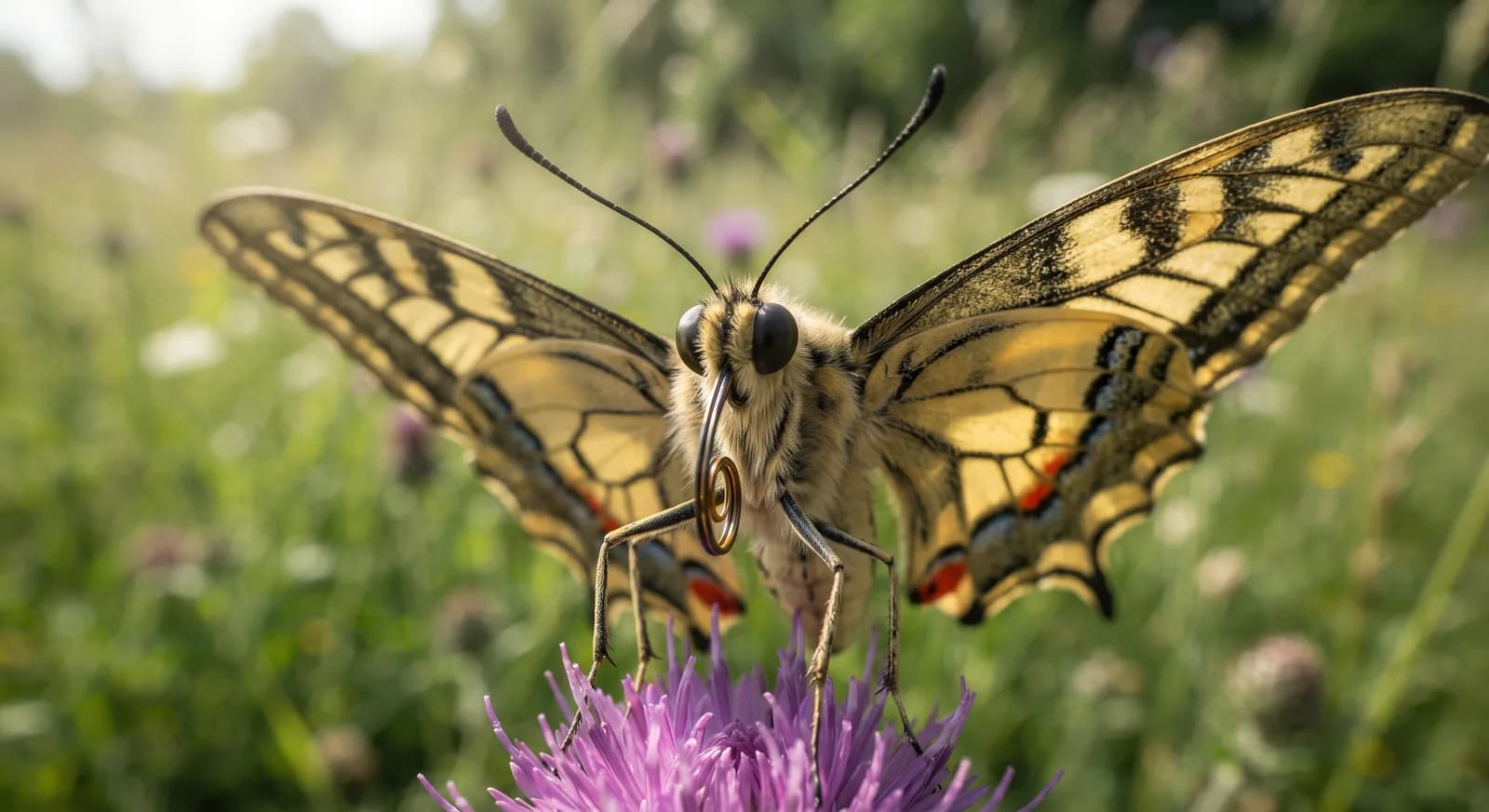
SwallowtailLeast Concern

Swallowtail

Papilio machaon

ApolloLeast Concern

Apollo

Parnassius apollo

Not Evaluated

Spanish Festoon

Zerynthia rumina

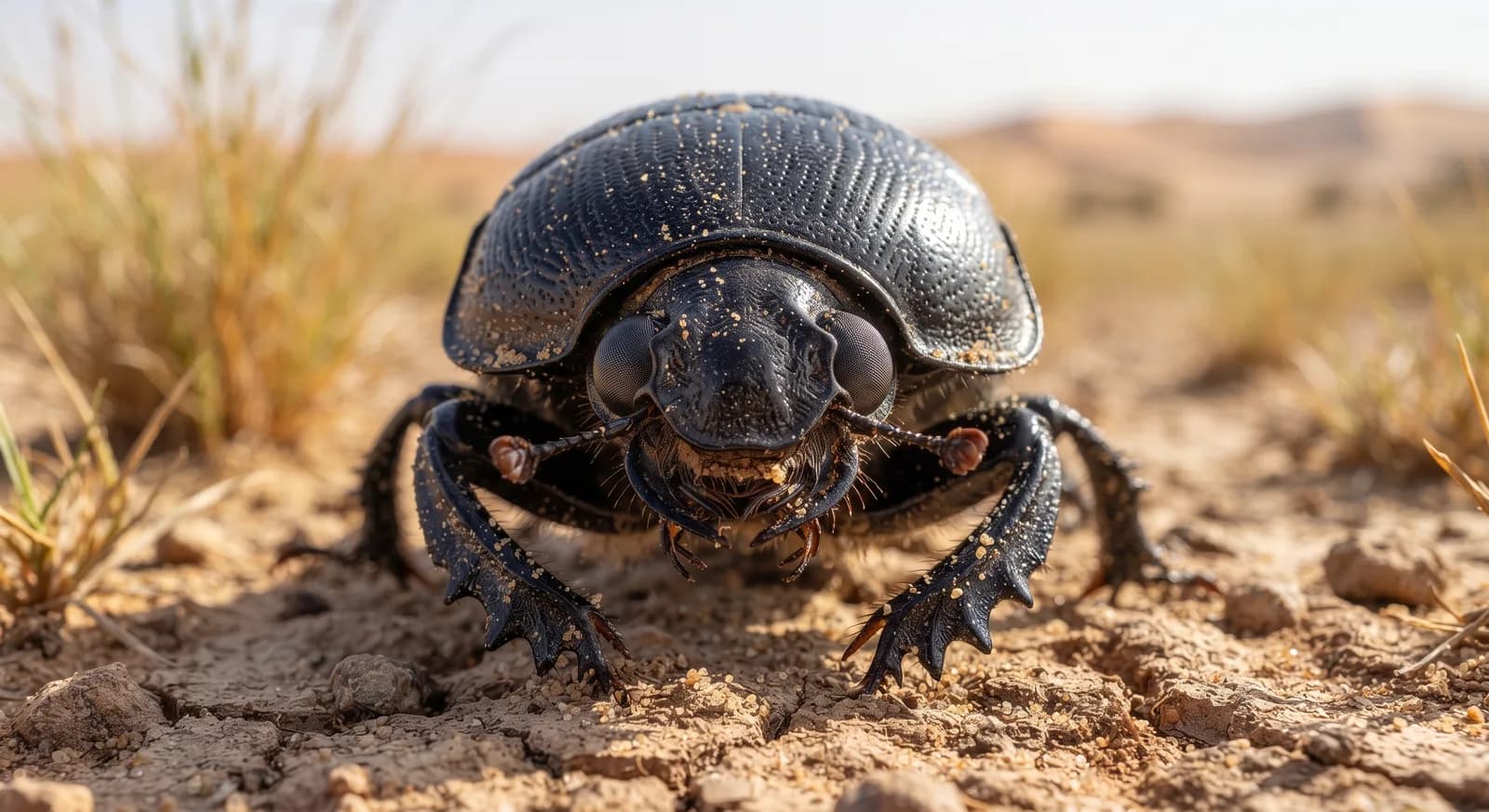
Sacred ScarabNot Evaluated

Sacred Scarab

Scarabaeus sacer

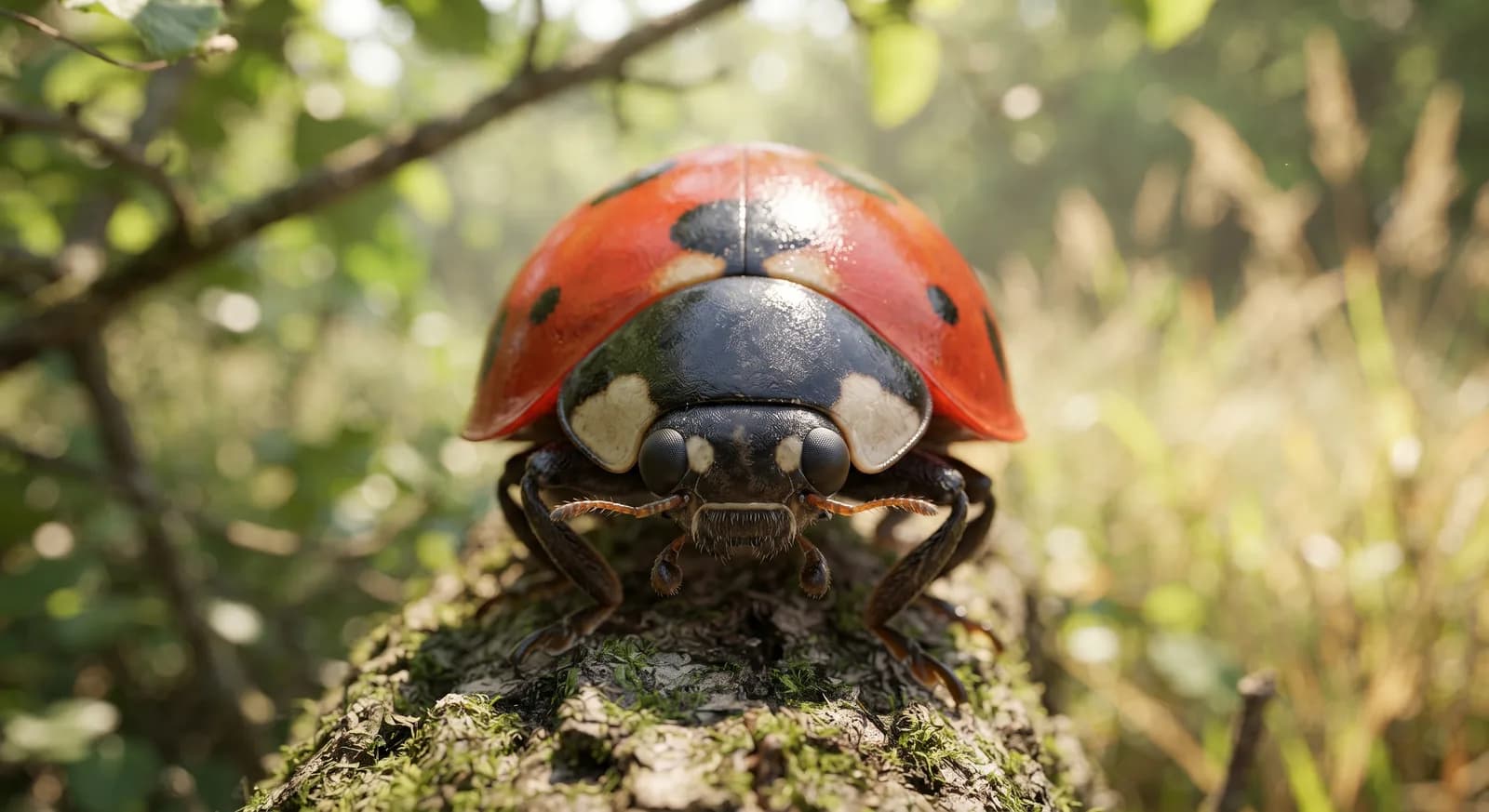
Seven-spotted Lady BeetleNot Evaluated

Seven-spotted Lady Beetle

Coccinella septempunctata

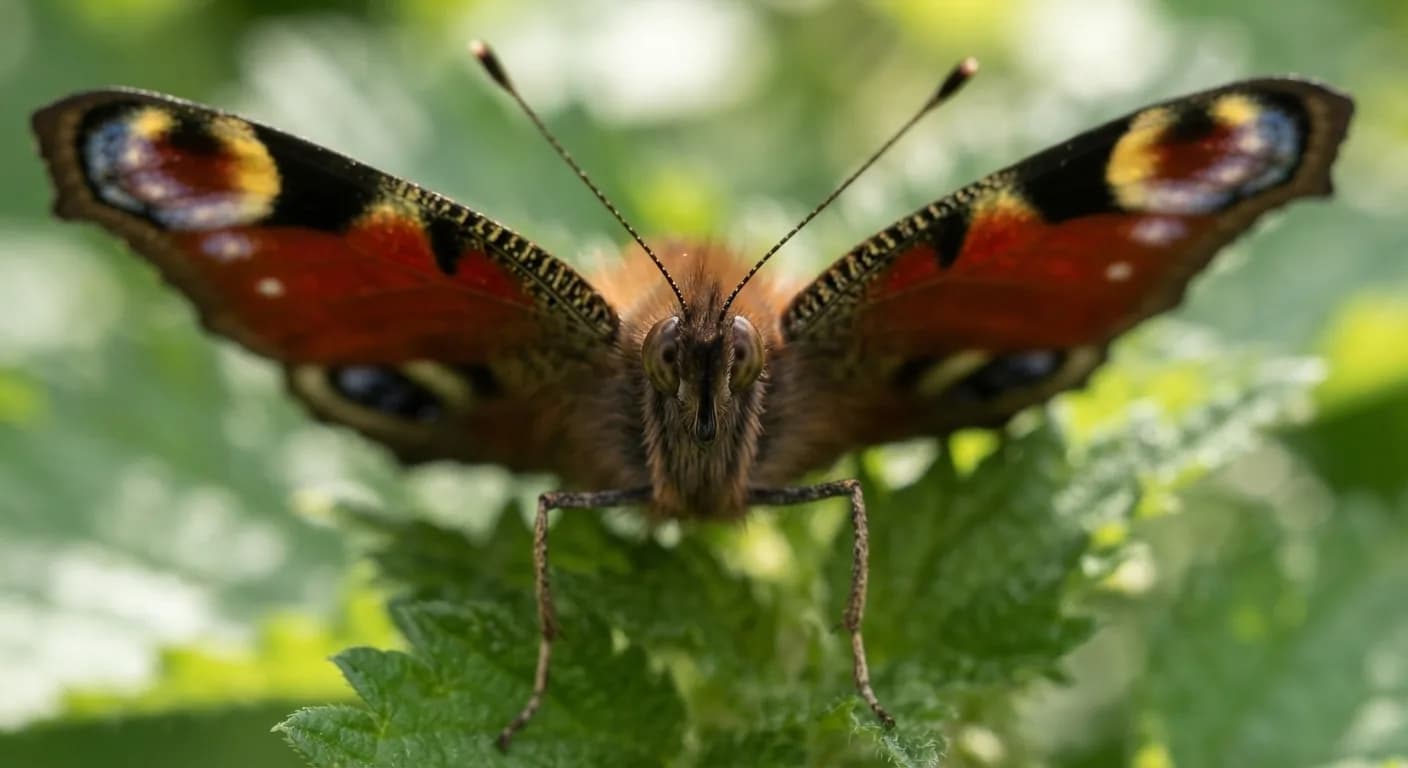
PeacockLeast Concern

Peacock

Aglais io

CountriesSpain
ParksGran ParadisoItaly
TagsHerbivore
Herbivore
Diurnal
Solitary
Insect
Grassland

Europe21

Africa5

Spain
Italy
France
Greece
Morocco
Portugal
Albania
Andorra
Bosnia and Herzegovina
Bulgaria
Croatia
Cyprus
France
Gibraltar
Greece
Italy
Kosovo
Malta
Monaco
Montenegro
North Macedonia
Portugal
Romania
San Marino
Serbia
Slovenia
Spain
Algeria
Egypt
Libya
Morocco
Tunisia