Skip to content
WAnimals
  • Map
  • Species
  • Parks
  • Diving
Log inCreate account
WAnimals

The guide for travellers and animal lovers: discover, plan and share your wild adventures around the world.

Discover wildlife

  • Species
  • Ecosystems
  • Glossary
  • Tags

Explore places

  • Map
  • Countries
  • Parks
  • Diving

Plan experiences

  • Guides

Learn

  • Blog

Resources

  • Help centre
  • Contact
  • Install the app

Follow us

Account

  • Log in
  • Create account

© 2026 WAnimals. All rights reserved.

About usHow we build our profilesTerms of servicePrivacyLegal notice
MapSpeciesParksDiving
  1. Home
  2. Species
  3. Apollo

One of the 15 butterflies on WAnimals

Apollo (Parnassius apollo)

Insects · Lepidoptera · Papilionidae

Apollo

Parnassius apollo

Least Concern

The species is abundant and widely distributed; it faces no significant short-term risk.

Spotted something wrong?

Size

6.4 cm – 8.4 cm

Life expectancy

1 year

Diet

Herbivore

Feeds mainly on plants.

Activity

Diurnal

Active mainly during the day.

Social structure

Solitary

Lives and hunts alone, joining others only to breed.

Sighting difficulty

Easy

Mountain
32countries6parks5same family

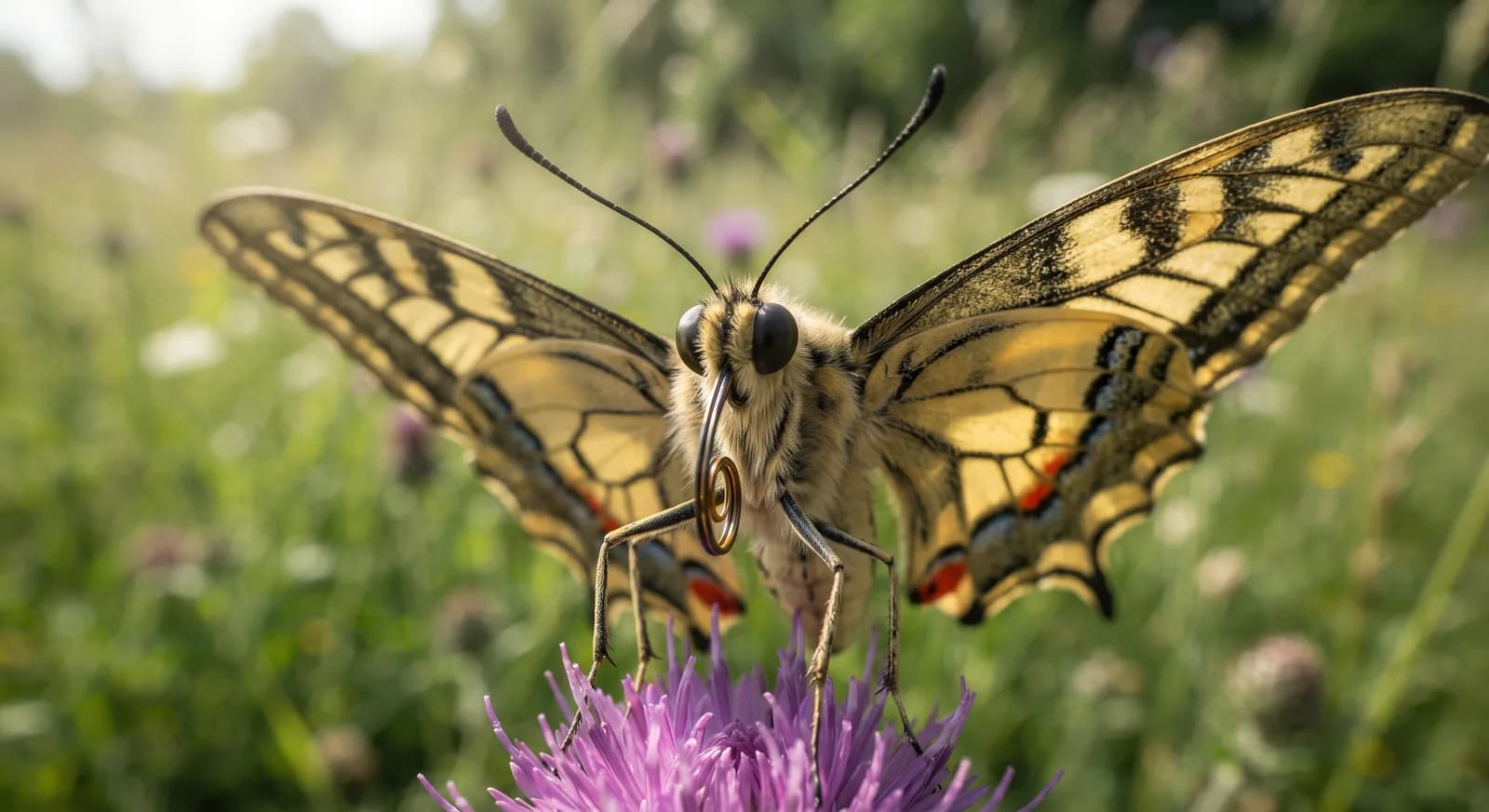
AI-generated images: illustrations, not photographs.

Fun facts

  • GeneralProtected across Europe; its populations sit isolated on mountaintops, like islands.
  • The caterpillars feed almost exclusively on stonecrops of the genus Sedum, and overwinter as larvae.
  • More than two hundred subspecies have been described, varying in size, wing shape and density of black spots from place to place.
  • The red spots on the hindwing fade in the sun, so in older individuals they are more orange.
  • It is listed in Appendix II of CITES and of the Bern Convention and in Annex IV of the Habitats Directive; in Poland it is critically endangered and in the Czech Republic it is extinct.

Life cycle and biology

Skeleton type
Invertebrate - chitin exoskeleton (insect)
Habitat and environment
Stony pasture and rocky ground high in the mountains
Size at birth
The caterpillar is wholly black and velvety, with rows of yellow or orange spots along the flanks and fine black hairs rising from warts; it reaches 5 cm
Sexual maturity
During copulation the male secretes a substance that solidifies and seals the female's genital opening, forming a membrane called a sphragis, which prevents her from mating again with another male. Just before laying, the membrane loses its firmness and allows her to lay. It is a feature unique among the butterflies of Europe
Gestation / incubation
An unusual case: the caterpillar forms completely inside the egg and overwinters in there, emerging at the start of spring. The chrysalis forms in May or June, among stones or under moss in a loosely spun cocoon, and the metamorphosis lasts from 10 days to several weeks
Litter / clutch size
The eggs are laid on or beside the food plants, stonecrops of the genera Sedum (mainly Sedum album) and Sempervivum

Sources consulted: https://es.wikipedia.org/wiki/Parnassius_apollo; Sierra de Baza; ficha de especie de Parnassius apollo; Ficha de especie de Parnassius apollo (Natusfera/iNaturalist); Sierra de Baza, ficha Parnassius apollo; Biopedia; Asturnatura, ficha Parnassius apollo; MITECO, ficha de especie de interes comunitario; Guadarramistas, ficha Parnassius apollo; MITECO

Where to find it

Best time: It flies from June to August in mountain meadows with stony patches; in the Iberian Peninsula it reaches 2,400 m in the main mountain ranges

Loading map…

Where to see it

Parks and dive sites where this species has been documented.

Related species

Other species in the catalogue with the most in common with Apollo — same habitat, park, country, tags or family.

Same taxonomic family
Shares a park
Shares a park
Shares a park
Shares a park

Related guides

Keep exploring

Based on what we already know about apollo.

Comments

Share an experience, a fun fact or a tip for seeing the apollo.

Be the first to comment.

See full glossary
This page in other languages: Español · Deutsch · Français · Português · Italiano

The pins mark the parks where its presence is documented.

See its range on the interactive map→
Gran ParadisoItaly
VanoiseFrance
EcrinsFrance
MercantourFrance
Ordesa y Monte PerdidoSpain
QueyrasFrance
SwallowtailLeast Concern

Swallowtail

Papilio machaon

Not Evaluated

Iberian Scarce Swallowtail

Iphiclides feisthamelii

Western CapercaillieLeast Concern

Western Capercaillie

Tetrao urogallus

Black GrouseLeast Concern

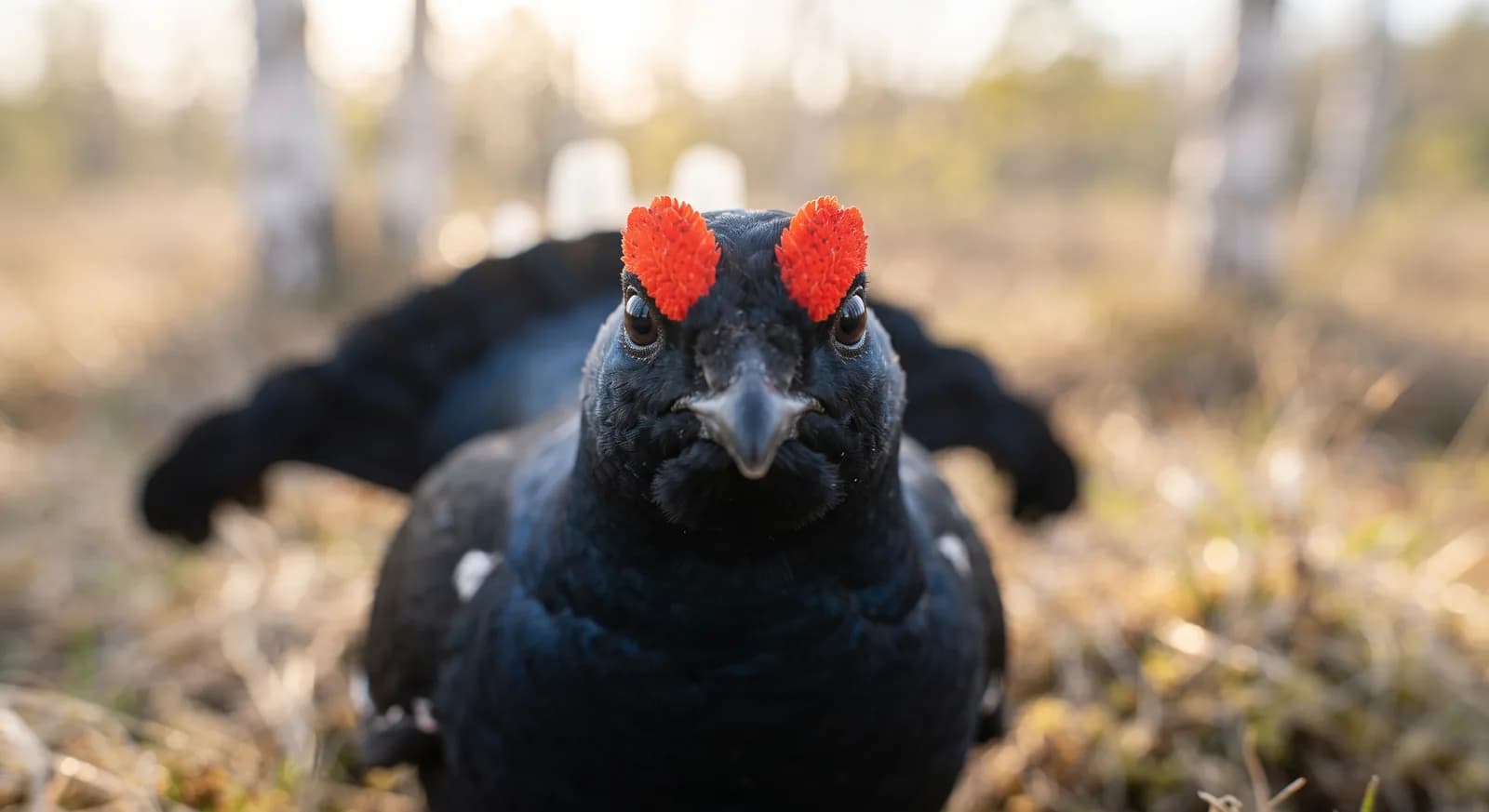
Black Grouse

Lyrurus tetrix

Alpine MarmotLeast Concern

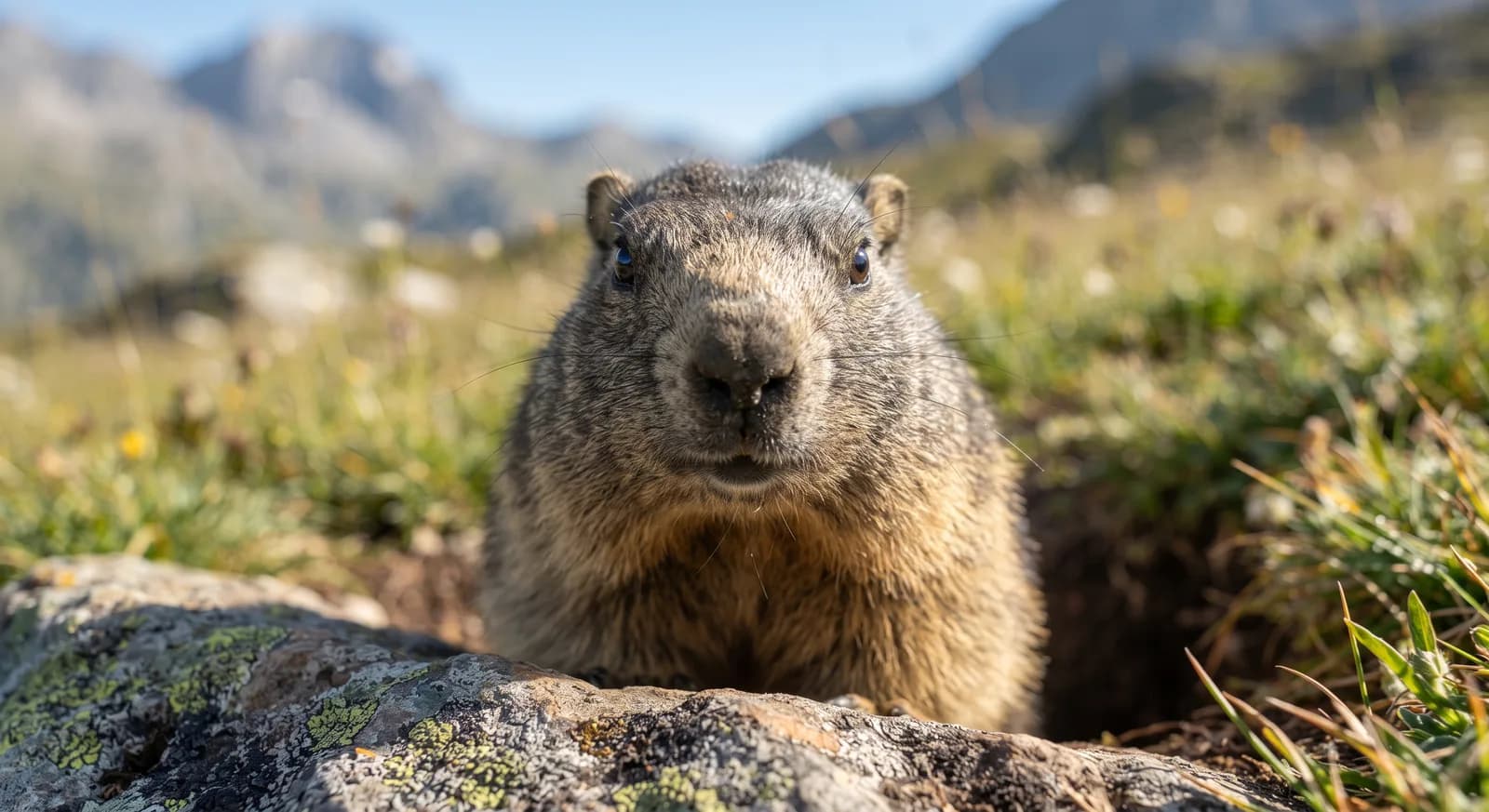
Alpine Marmot

Marmota marmota

Least Concern

Alpine Ibex

Capra ibex

Where to see Apollo6 places
CountriesFrance
ParksGran ParadisoItaly
TagsHerbivore
Herbivore
Diurnal
Solitary
Insect
Mountain

Europe26

Asia6

France
Italy
Spain
Albania
Andorra
Armenia
Albania
Andorra
Austria
Belarus
Bosnia and Herzegovina
Bulgaria
Croatia
Czechia
Finland
France
Germany
Greece
Italy
Liechtenstein
Montenegro
North Macedonia
Norway
Poland
Romania
Serbia
Slovakia
Slovenia
Spain
Sweden
Switzerland
Ukraine
Armenia
Georgia
Kazakhstan
Mongolia
Russia
Türkiye