Skip to content
WAnimals
  • Map
  • Species
  • Parks
  • Diving
Log inCreate account
WAnimals

The guide for travellers and animal lovers: discover, plan and share your wild adventures around the world.

Discover wildlife

  • Species
  • Ecosystems
  • Glossary
  • Tags

Explore places

  • Map
  • Countries
  • Parks
  • Diving

Plan experiences

  • Guides

Learn

  • Blog

Resources

  • About us
  • How we build our profiles
  • Help centre
  • Contact
  • Install the app

Follow us

Account

  • Log in
  • Create account

© 2026 WAnimals. All rights reserved.

Terms of servicePrivacyCookiesLegal notice
MapSpeciesParksDiving
  1. Home
  2. Species
  3. Pill Millipede

One of the 4 millipedes on WAnimals

Millipedes · Glomerida · Glomeridae

Pill Millipede

Glomeris marginata

Not Evaluated

It has not yet been assessed against the IUCN criteria.

Spotted something wrong?

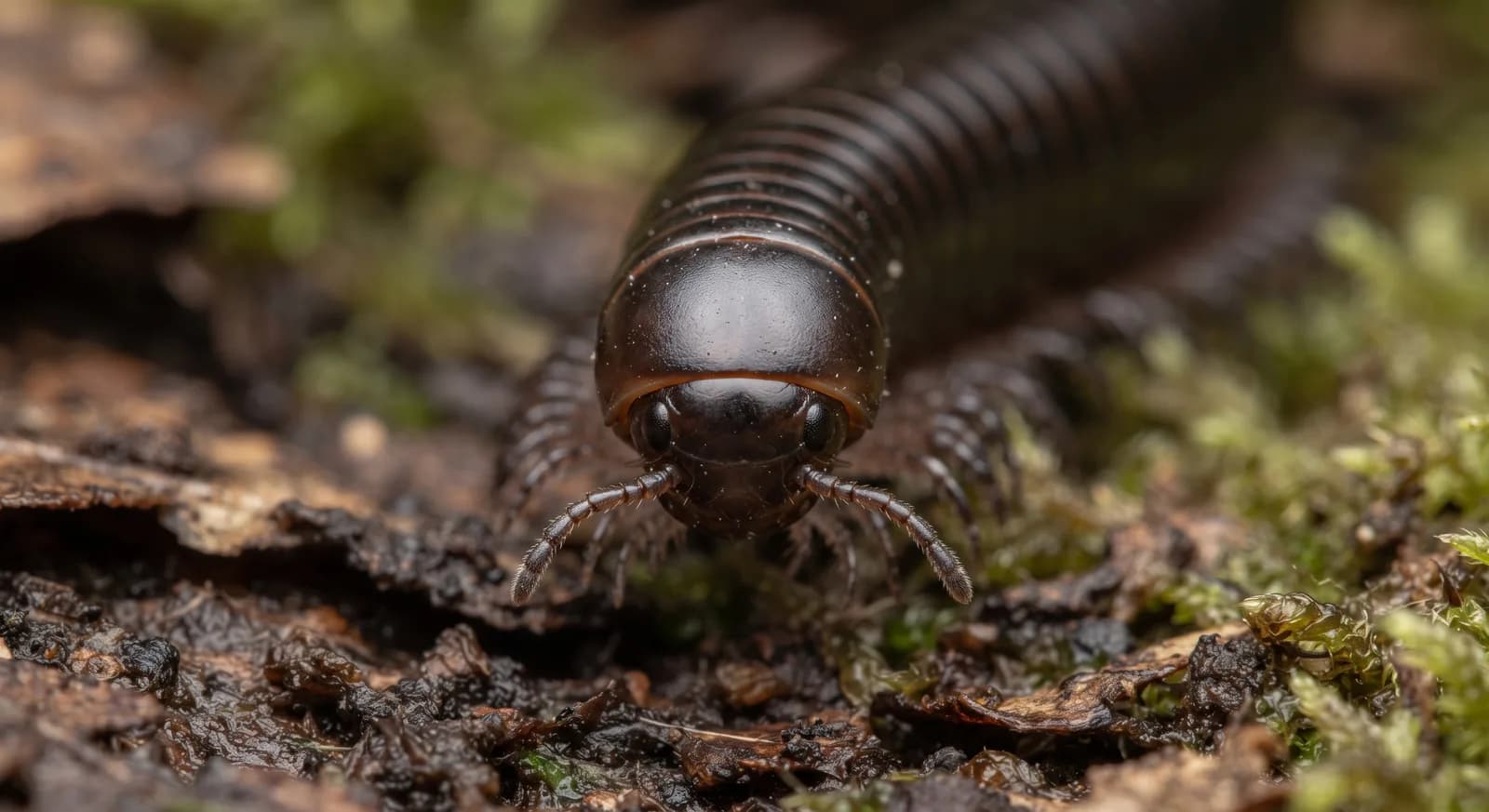
A pill millipede, with a short, domed body, glossy black with pale plate margins, which lives in the damp leaf litter of European woodland eating decaying leaves. When disturbed it rolls into a perfect, airtight ball.

Size

1 cm – 2 cm

Life expectancy

7 years

Diet

Herbivore

Feeds mainly on plants.

Activity

Nocturnal

Active mainly at night.

Social structure

Solitary

Lives and hunts alone, joining others only to breed.

Temperate forest
16countries85parks

Fun facts

  • It is constantly mistaken for the common pill woodlouse, which is a crustacean: the pill millipede has two pairs of legs per segment and fewer dorsal plates, and its ball is smoother and glossier.
  • It secretes from pores along its back a sticky, toxic fluid that can immobilise a spider attempting to attack it.
  • Its role in breaking down leaf litter is considerable: it processes a substantial fraction of the leaves that fall in a beech wood each autumn.
  • It rolls into a perfect ball at the slightest disturbance, just like the common pill woodlouse. It is a classic case of convergence: two very different groups — a myriapod and a crustacean — arriving at the same solution.
  • They can be told apart by the legs: the woodlouse has seven pairs and this millipede many more, although fewer than other millipedes.
  • It secretes a sticky defensive fluid containing quinazolinones, compounds that act as a sedative on the wolf spiders that try to eat it.
  • It is an important decomposer: it shreds leaf litter and speeds its recycling, and its droppings add humus.
  • It can live seven years, a long time for a soil arthropod, and matures slowly.

Life cycle and biology

Habitat and environment
Damp leaf litter of deciduous woodland and hedgerows of Europe

Sources consulted: Villers (1789) · Schildknecht et al. · Blower, Millipedes (Synopses of the British Fauna)

Where to find it

Loading map…

Where to see it

Parks and dive sites where this species has been documented — showing 10 of 85.

Related species

Other species in the catalogue with the most in common with Pill Millipede — same habitat, park, country, tags or family.

Shares a park
Shares a park
Shares a park
Shares a park
Shares a park
Shares a park

Keep exploring

Based on what we already know about pill millipede.

Share an experience, a fun fact or a tip for seeing the pill millipede.
See full glossary
This page in other languages: Español · Deutsch · Français · Português · Italiano

The pins mark the parks where its presence is documented.
See its range on the interactive map→
Lake DistrictUnited Kingdom
CairngormsUnited Kingdom
Snowdonia (Eryri)United Kingdom
KillarneyIreland
Picos de EuropaSpain
Ordesa y Monte PerdidoSpain
Aiguestortes i Estany de Sant MauriciSpain
Peneda-GeresPortugal
Abruzzo, Lazio and MoliseItaly
Alta MurgiaItaly
See all 85 parks
Vulnerable

Greater Capricorn Beetle

Cerambyx cerdo

Not Evaluated

Megarian Banded Centipede

Scolopendra cingulata

Common MillipedeNot Evaluated

Common Millipede

Julus terrestris

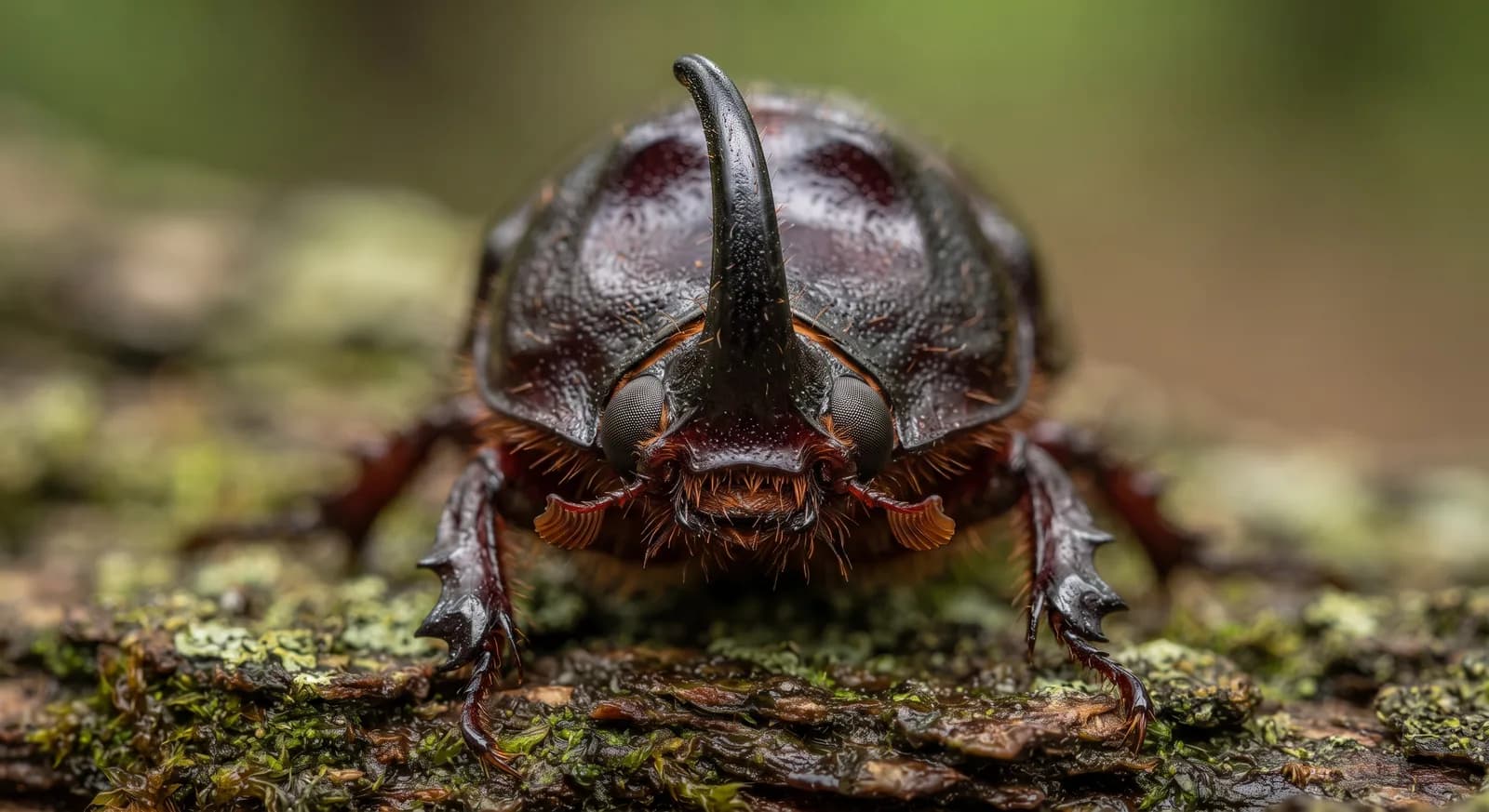
European Rhinoceros BeetleNot Evaluated

European Rhinoceros Beetle

Oryctes nasicornis

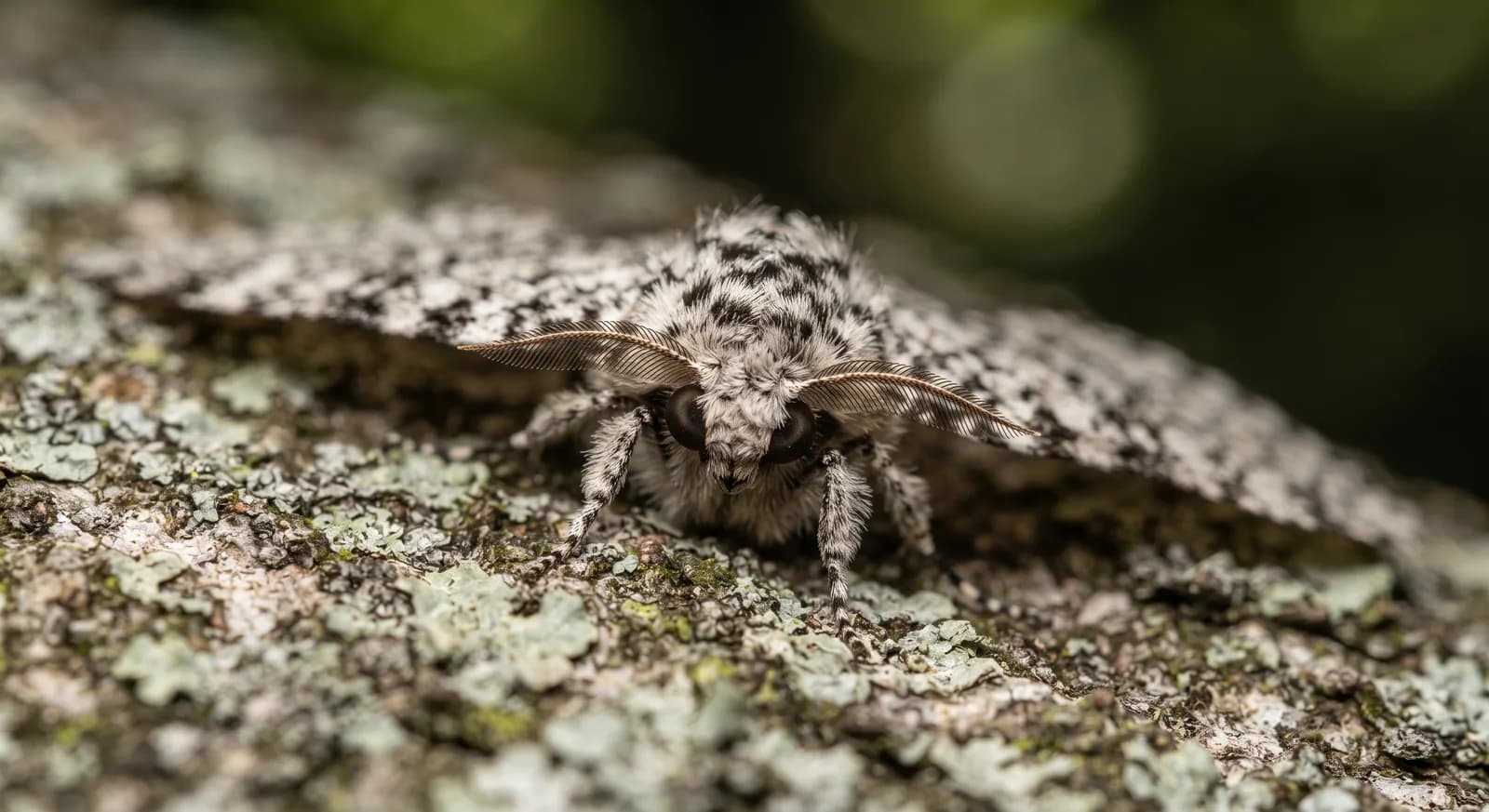
Peppered MothNot Evaluated

Peppered Moth

Biston betularia

Not Evaluated

Spanish Moon Moth

Graellsia isabellae

CountriesSpain
ParksLake DistrictUnited Kingdom
TagsHerbivore
Herbivore
Nocturnal
Solitary
Temperate forest
Myriapod
Spain
Italy
United Kingdom
Germany
Ireland
Portugal
Andorra
Austria
Belgium
Denmark
France
Germany
Ireland
Italy
Liechtenstein
Luxembourg
Monaco
Netherlands
Portugal
Spain
Switzerland
United Kingdom