Skip to content
WAnimals
  • Map
  • Species
  • Parks
  • Diving
Log inCreate account
WAnimals

The guide for travellers and animal lovers: discover, plan and share your wild adventures around the world.

Discover wildlife

  • Species
  • Ecosystems
  • Glossary
  • Tags

Explore places

  • Map
  • Countries
  • Parks
  • Diving

Plan experiences

  • Guides

Learn

  • Blog

Resources

  • About us
  • How we build our profiles
  • Help centre
  • Contact
  • Install the app

Follow us

Account

  • Log in
  • Create account

© 2026 WAnimals. All rights reserved.

Terms of servicePrivacyCookiesLegal notice
MapSpeciesParksDiving
  1. Home
  2. Species
  3. Spanish Sparrow

One of the 4 sparrows on WAnimals

Birds · Passeriformes · Passeridae

Spanish Sparrow

Passer hispaniolensis

Least Concern

The species is abundant and widely distributed; it faces no significant short-term risk.

Spotted something wrong?

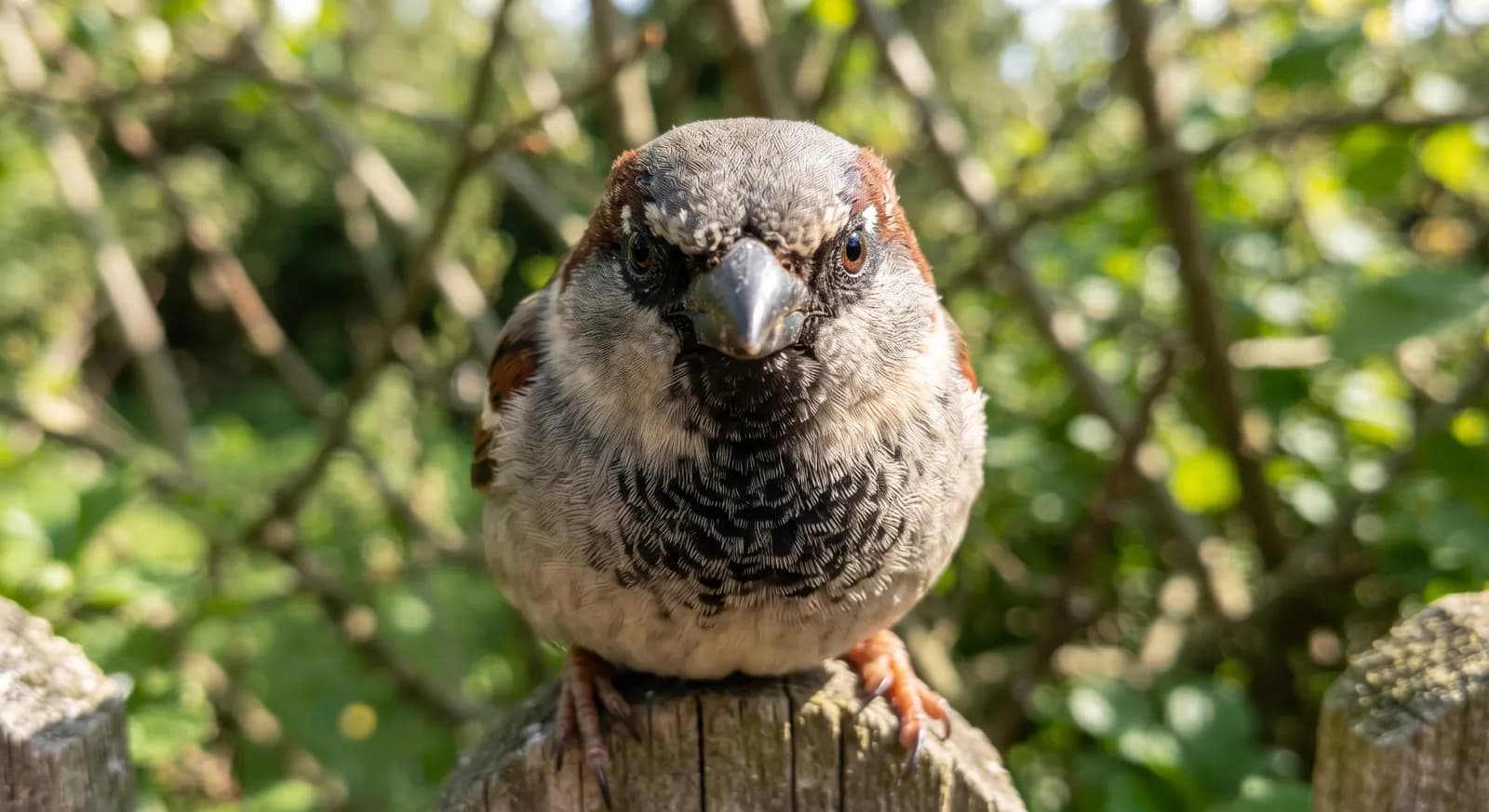
The Spanish sparrow is a close relative of the house sparrow, told apart by the breast and flanks densely streaked with black and the male's intensely chestnut crown. In Spain it breeds in large colonies in Extremadura, Andalusia, the Ebro valley and the Canary Islands, often placing its nests among the sticks of stork or raptor nests. Its winter concentrations can gather hundreds of thousands of birds.

Weight

22 g – 38 g

Size

15 cm – 16 cm

Life expectancy

10 years

Diet

Herbivore

Feeds mainly on plants.

Activity

Diurnal

Active mainly during the day.

Social structure

Colony

Lives in large concentrations, often for breeding reasons.

Temperate forestGrassland
15countries27parks3same family

Fun facts

  • GeneralIt forms huge colonies in trees, with dozens of nests in one tree.
  • It often nests in the outer walls of the nests of white storks and large raptors: dozens of pairs build their nests among the sticks of another bird's nest, sheltered from predators thanks to the main occupant.
  • It hybridises with the house sparrow wherever the two overlap, and in some parts of the Mediterranean that hybridisation has given rise to stable populations of intermediate appearance.

Life cycle and biology

Skeleton type
Vertebrate - internal bony skeleton (bird)
Habitat and environment
Copses, groves beside crops, olive groves and farmland of the Mediterranean basin and western Asia
Sexual maturity
12 months
Gestation / incubation
13 days of incubation
Litter / clutch size
5 eggs

Sources consulted: Wikipedia (es): Passer hispaniolensis

Where to find it

Loading map…

The pins mark the parks where its presence is documented.

Where to see it

Parks and dive sites where this species has been documented — showing 10 of 27.

Related species

Other species in the catalogue with the most in common with Spanish Sparrow — same habitat, park, country, tags or family.

Same taxonomic family
Shares a park
Shares a park
Shares a park

Keep exploring

Based on what we already know about spanish sparrow.
Share an experience, a fun fact or a tip for seeing the spanish sparrow.
See full glossary
This page in other languages: Español · Deutsch · Français · Português · Italiano
See its range on the interactive map→
Doñana National ParkSpain
TeideSpain
IchkeulTunisia
CabañerosSpain
GarajonaySpain
TimanfayaSpain
PrespaGreece
MonfragueSpain
Duero InternacionalPortugal
Ria FormosaPortugal
See all 27 parks
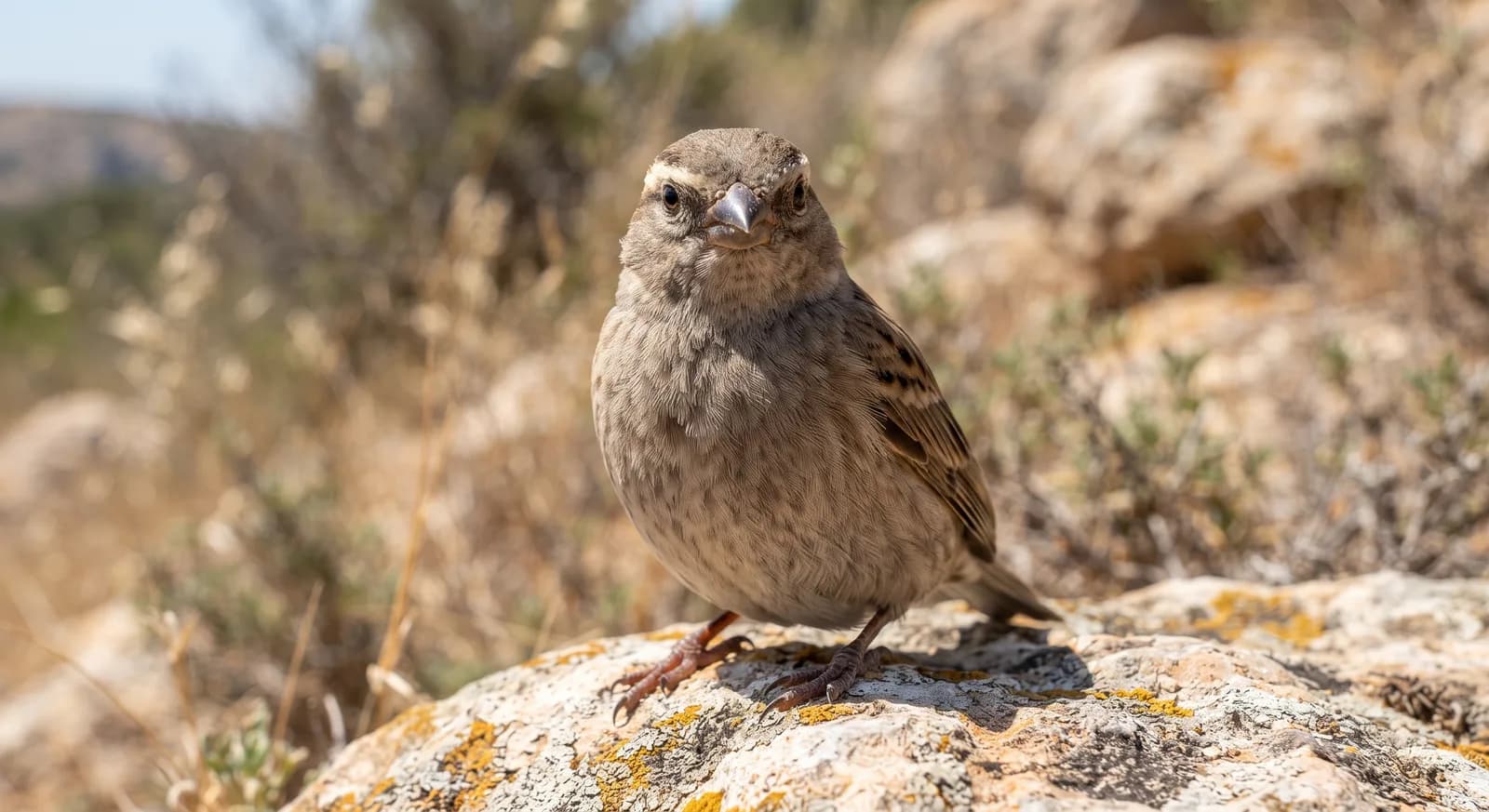
Rock SparrowLeast Concern

Rock Sparrow

Petronia petronia

House SparrowLeast Concern

House Sparrow

Passer domesticus

Least Concern

Eurasian Tree Sparrow

Passer montanus

Least Concern

Common Vole

Microtus arvalis

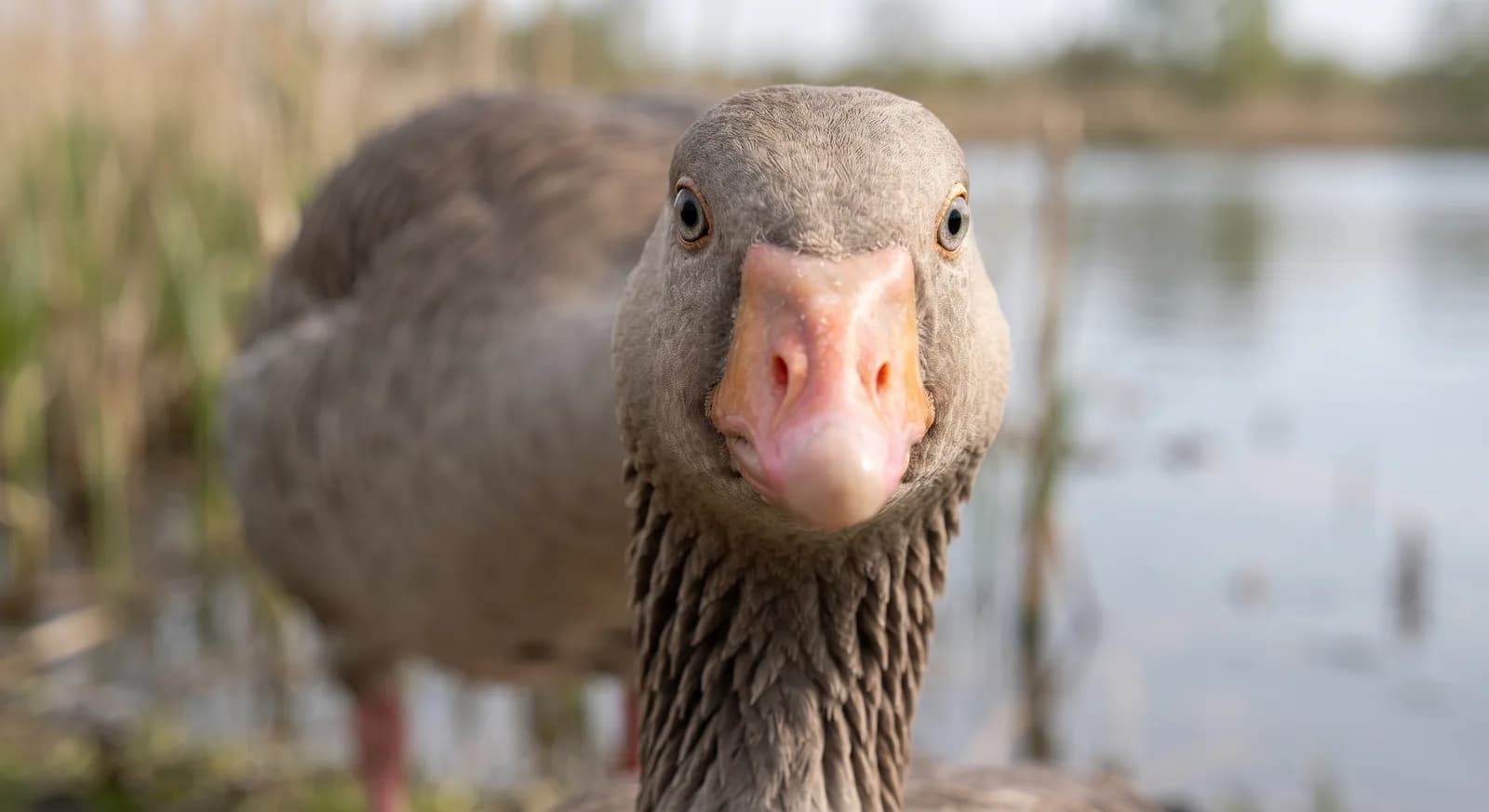
Greylag GooseLeast Concern

Greylag Goose

Anser anser

Least Concern

Eurasian Collared Dove

Streptopelia decaocto

CountriesSpain
ParksDoñana National ParkSpain
TagsHerbivore
Herbivore
Diurnal
Colonial
Bird
Temperate forest
Grassland

Europe6

Africa5

Asia4

Spain
Italy
Portugal
Morocco
Türkiye
Tunisia
Cyprus
Greece
Italy
Portugal
Spain
Vatican City
Algeria
Egypt
Libya
Morocco
Tunisia
Afghanistan
Iran
Kazakhstan
Türkiye