 Least Concern
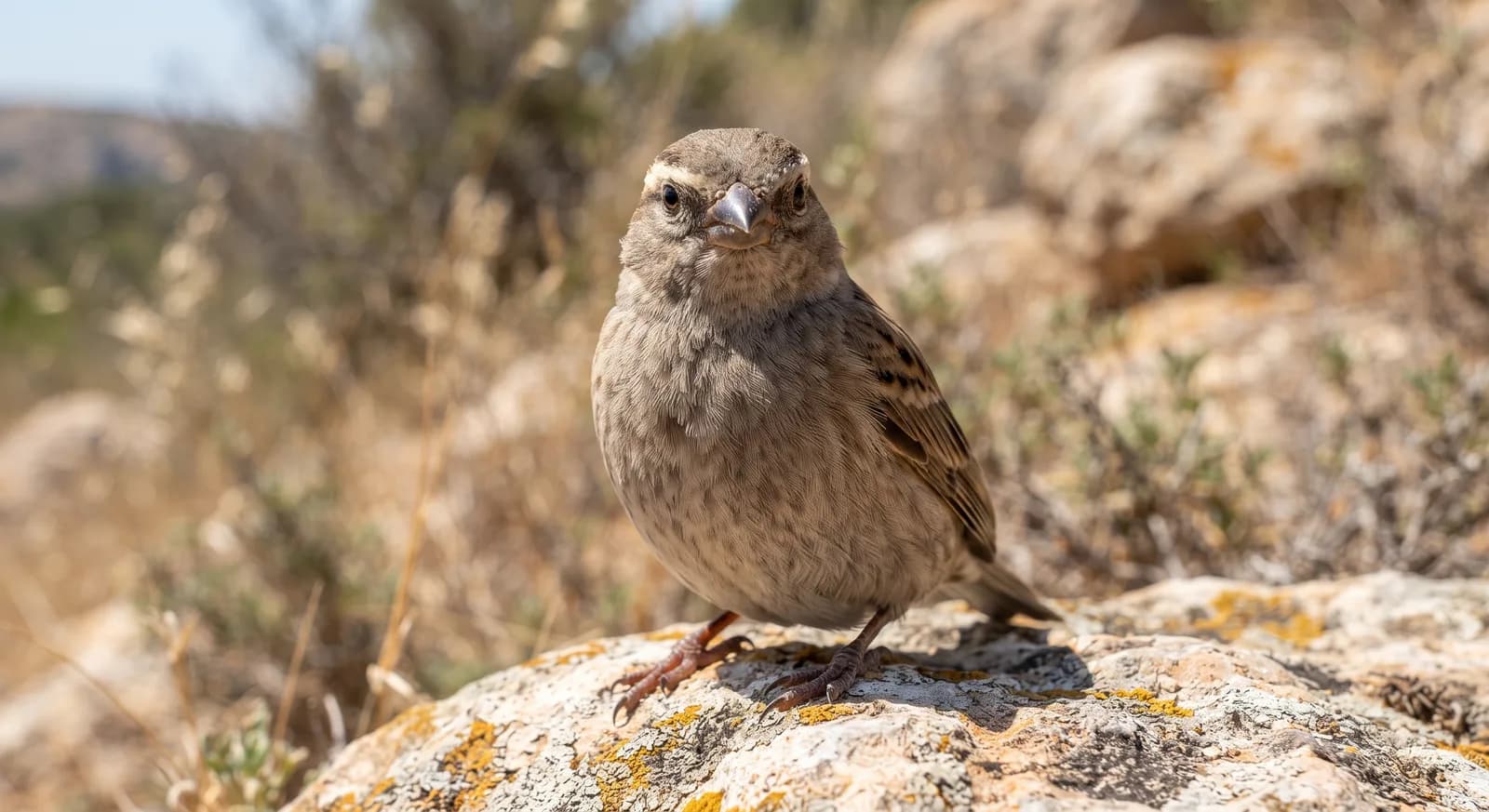
Rock Sparrow
Petronia petronia
One of the 4 sparrows on WAnimals
Birds · Passeriformes · Passeridae
Passer montanus
The species is abundant and widely distributed; it faces no significant short-term risk.
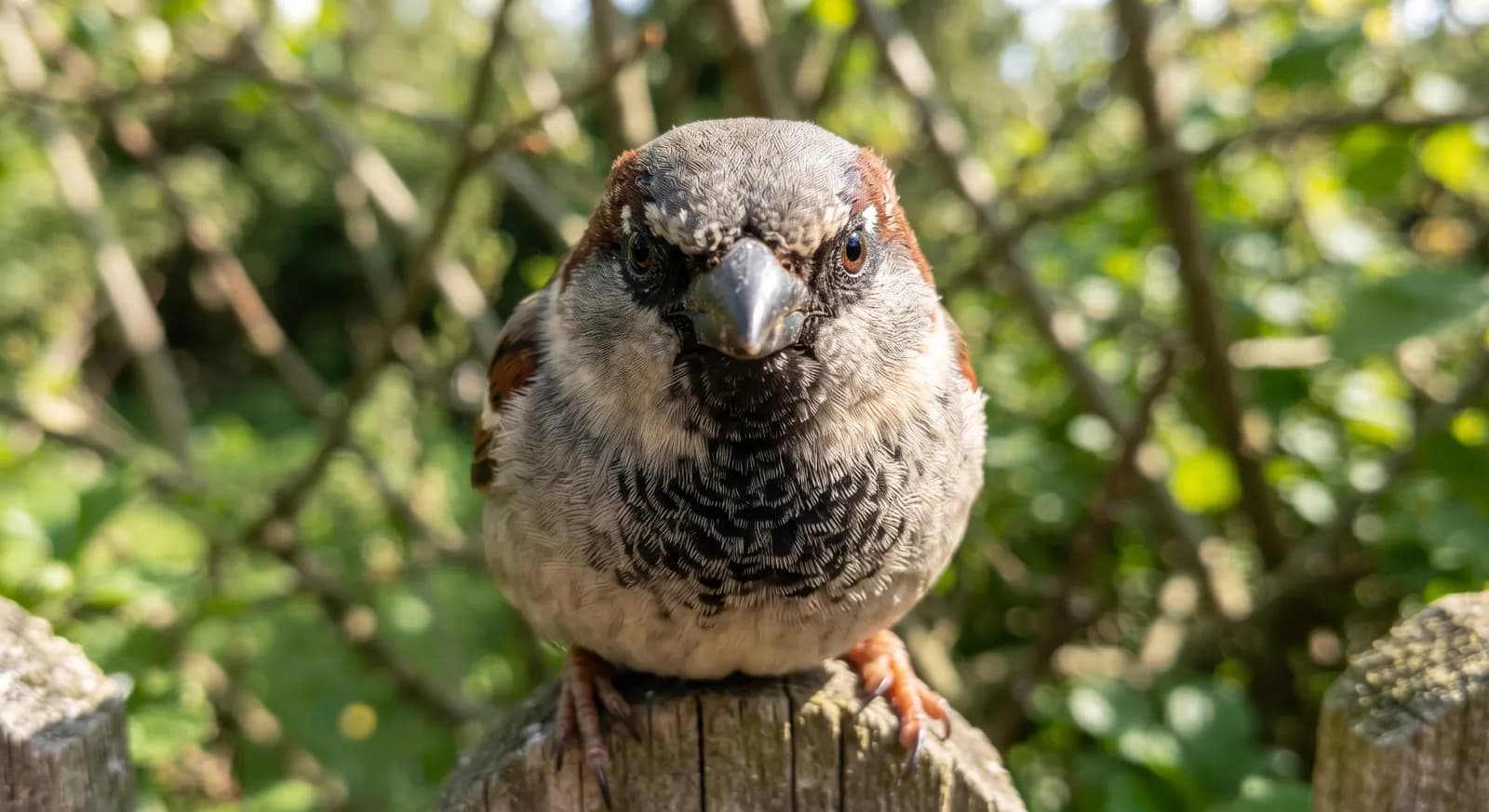
The smallest and most delicate of the European sparrows. It is told apart from the house sparrow by its intensely chestnut crown and nape and by a kidney-shaped black patch on each white cheek. It is the only species in its genus with no sexual dimorphism in the plumage.
Weight
20 g – 25 g
Size
12.5 cm – 14 cm
Life expectancy
5 years
Diet
Herbivore
Feeds mainly on plants.
Activity
Diurnal
Active mainly during the day.
Social structure
Colony
Lives in large concentrations, often for breeding reasons.
Sighting difficulty
Easy
Estimated population
More than 2.5 million individuals in Spain
Sources consulted: SEO/BirdLife (ficha y III Atlas, Hernández 2022); García-Navas 2016, Enciclopedia Virtual de los Vertebrados Españoles (MNCN-CSIC); Sánchez-Aguado 1984, Ardeola 31(1); IUCN Red List; Audubon Field Guide
Best time: All year round; it is resident in Spain
Parks and dive sites where this species has been documented — showing 10 of 255.
Other species in the catalogue with the most in common with Eurasian Tree Sparrow — same habitat, park, country, tags or family.
Based on what we already know about eurasian tree sparrow.
Share an experience, a fun fact or a tip for seeing the eurasian tree sparrow.
Be the first to comment.
The pins mark the parks where its presence is documented.