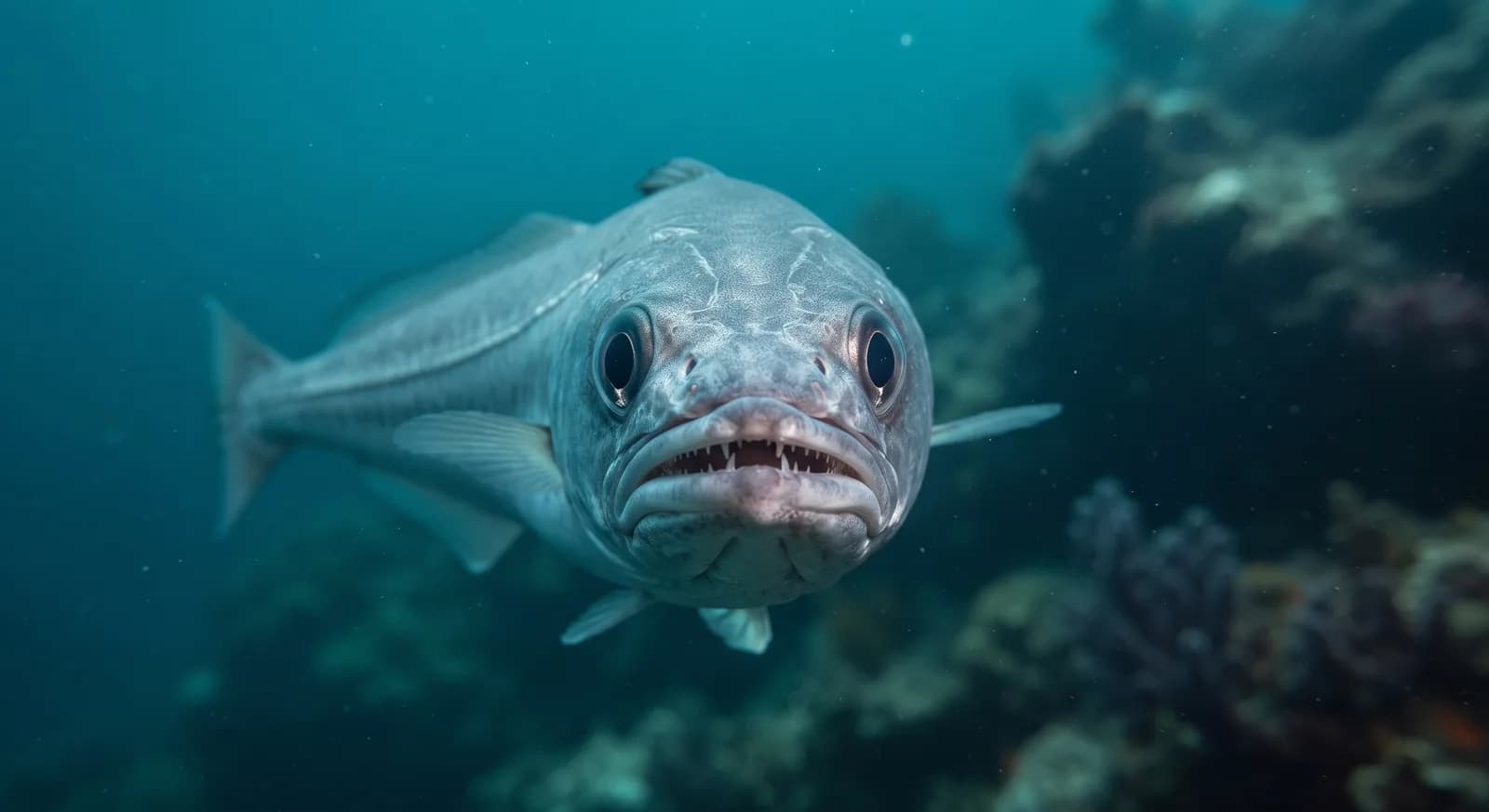
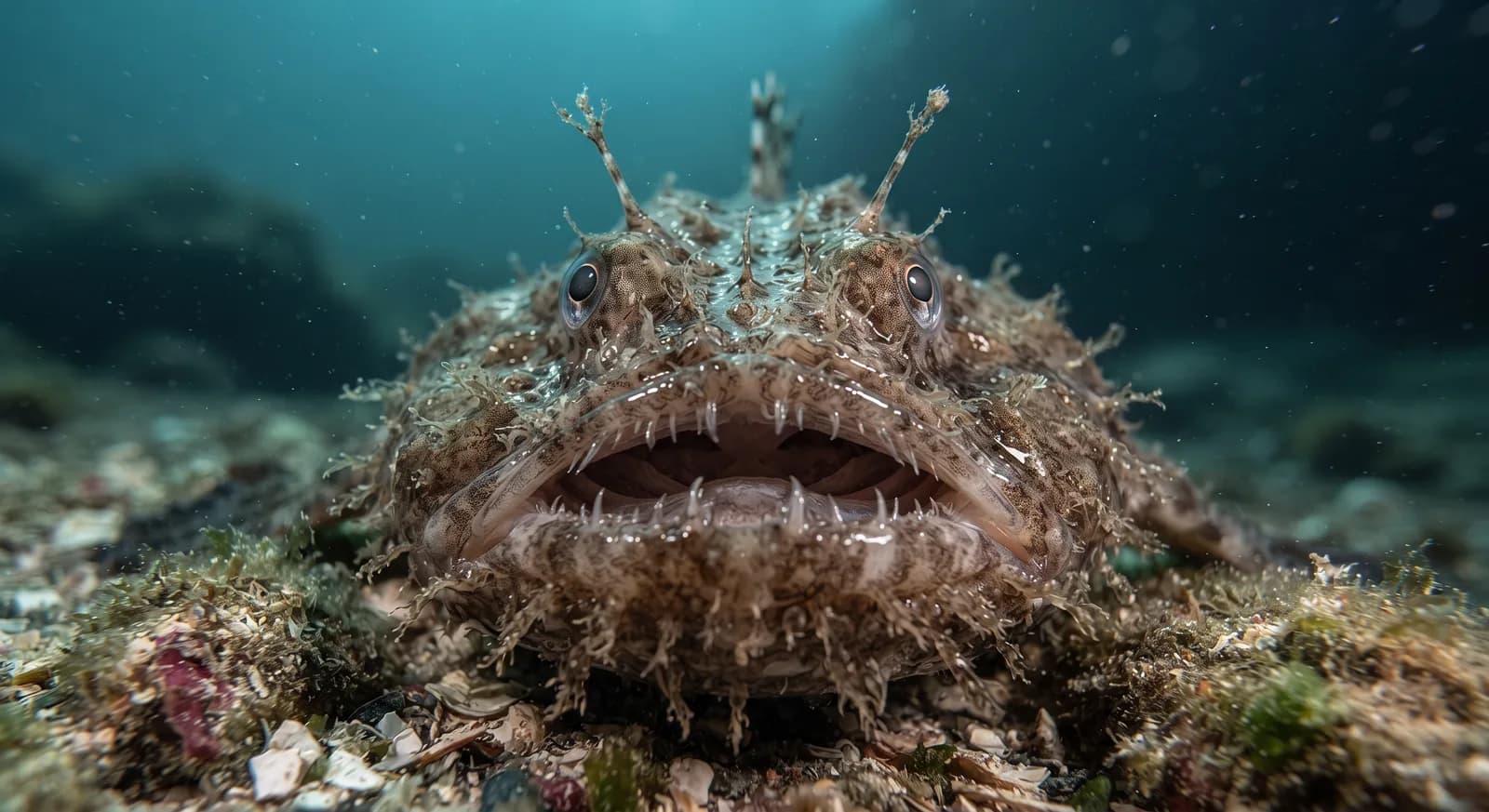
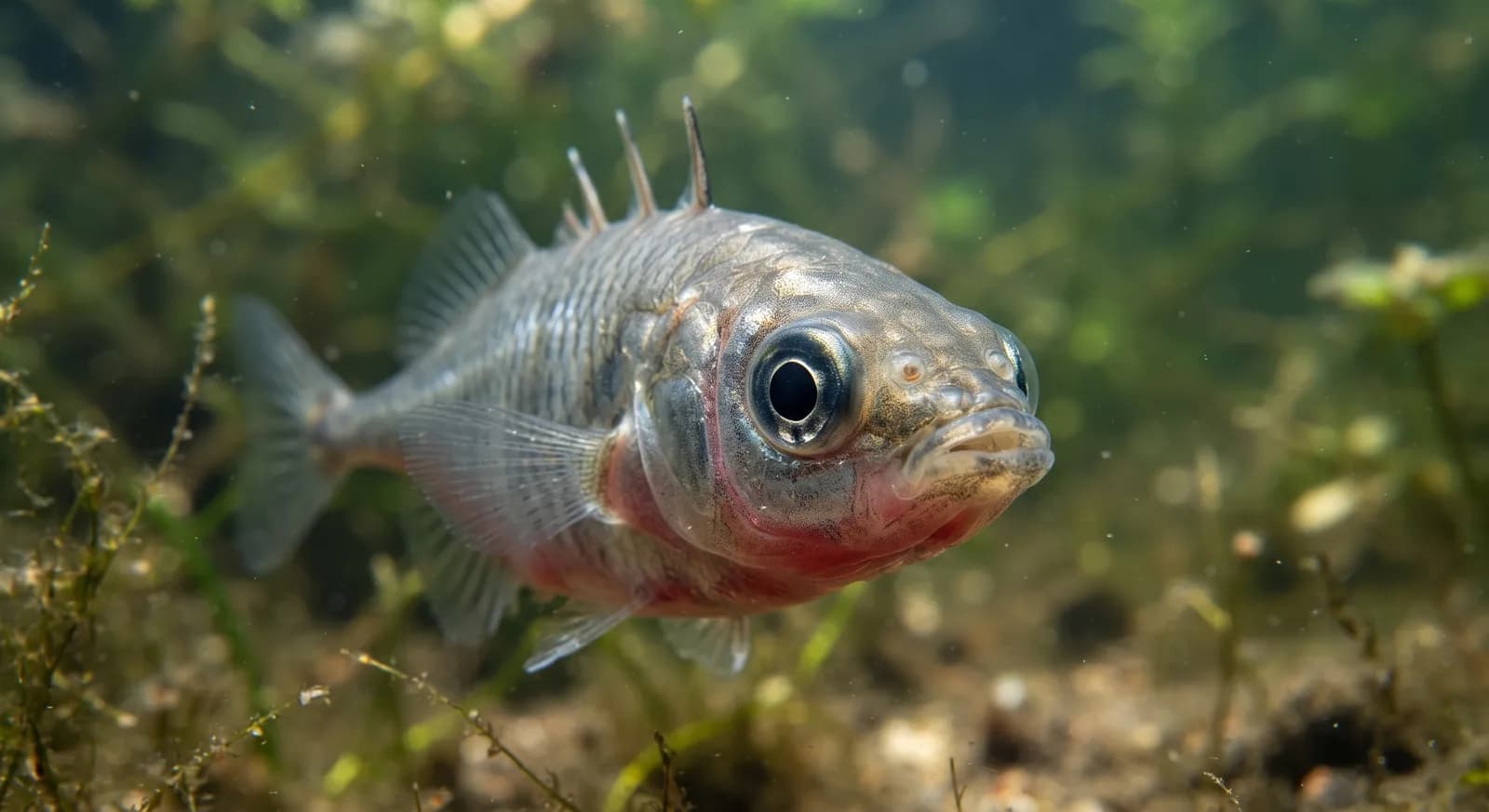
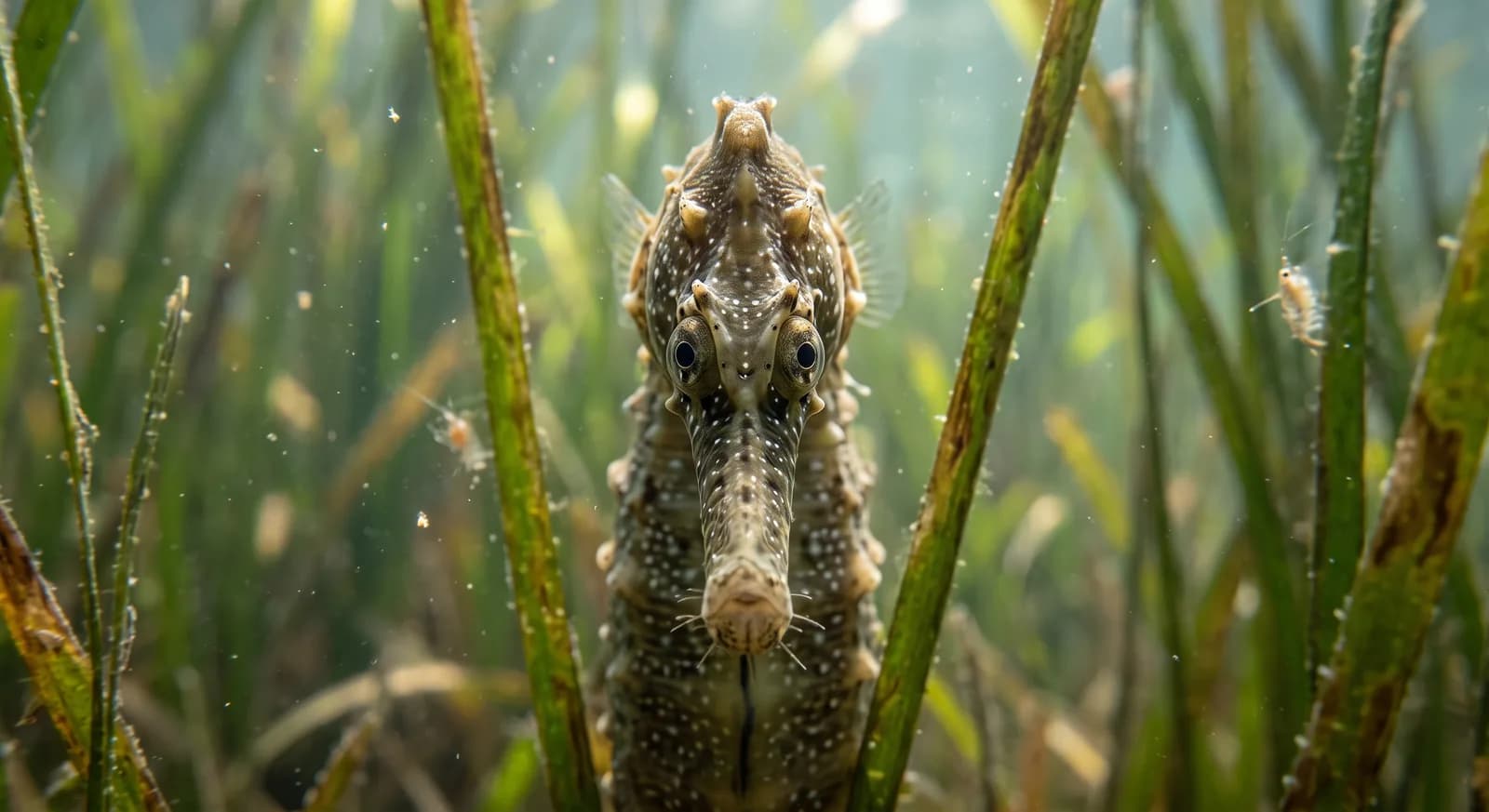
Least Concern
Mediterranean Moray
Muraena helena
Bony fish · Perciformes · Mullidae
Mullus surmuletus
The species is abundant and widely distributed; it faces no significant short-term risk.
Its two long chin barbels, rich in sensory receptors, let it find prey buried in the sand. It was a luxury delicacy in ancient Rome, where the way it changed colour as it died was regarded as a spectacle.
Weight
200 g – 1 kg
Size
25 cm – 40 cm
Life expectancy
8 years
Diet
Carnivore
Feeds mainly on other animals.
Activity
Diurnal
Active mainly during the day.
Social structure
Solitary
Lives and hunts alone, joining others only to breed.
Sources consulted: Academia.edu (Edremit Bay study) · Journal of Applied Ichthyology (English Channel study) · FishBase · AnAge (genomics.senescence.info) · Springer Marine Biology (Majorca study) · Waterworlds · Grokipedia
Best time: From May to August, during spawning; the rest of the year it is seen over sand and rock, rooting through the sediment with its barbels.
Parks and dive sites where this species has been documented — showing 20 of 116.
Other species in the catalogue with the most in common with Striped Red Mullet — same habitat, park, country, tags or family.
Based on what we already know about striped red mullet.
The pins mark the parks and dive sites where its presence is documented.