Skip to content
WAnimals
  • Map
  • Species
  • Parks
  • Diving
Log inCreate account
WAnimals

The guide for travellers and animal lovers: discover, plan and share your wild adventures around the world.

Discover wildlife

  • Species
  • Ecosystems
  • Glossary
  • Tags

Explore places

  • Map
  • Countries
  • Parks
  • Diving

Plan experiences

  • Guides

Learn

  • Blog

Resources

  • Help centre
  • Contact
  • Install the app

Follow us

Account

  • Log in
  • Create account

© 2026 WAnimals. All rights reserved.

About usHow we build our profilesTerms of servicePrivacyLegal notice
MapSpeciesParksDiving
  1. Home
  2. countries
  3. United Kingdom

United Kingdom

Europe

Capital: LondonMay to September

658

Documented species

20

Parks and reserves

9

Dive sites

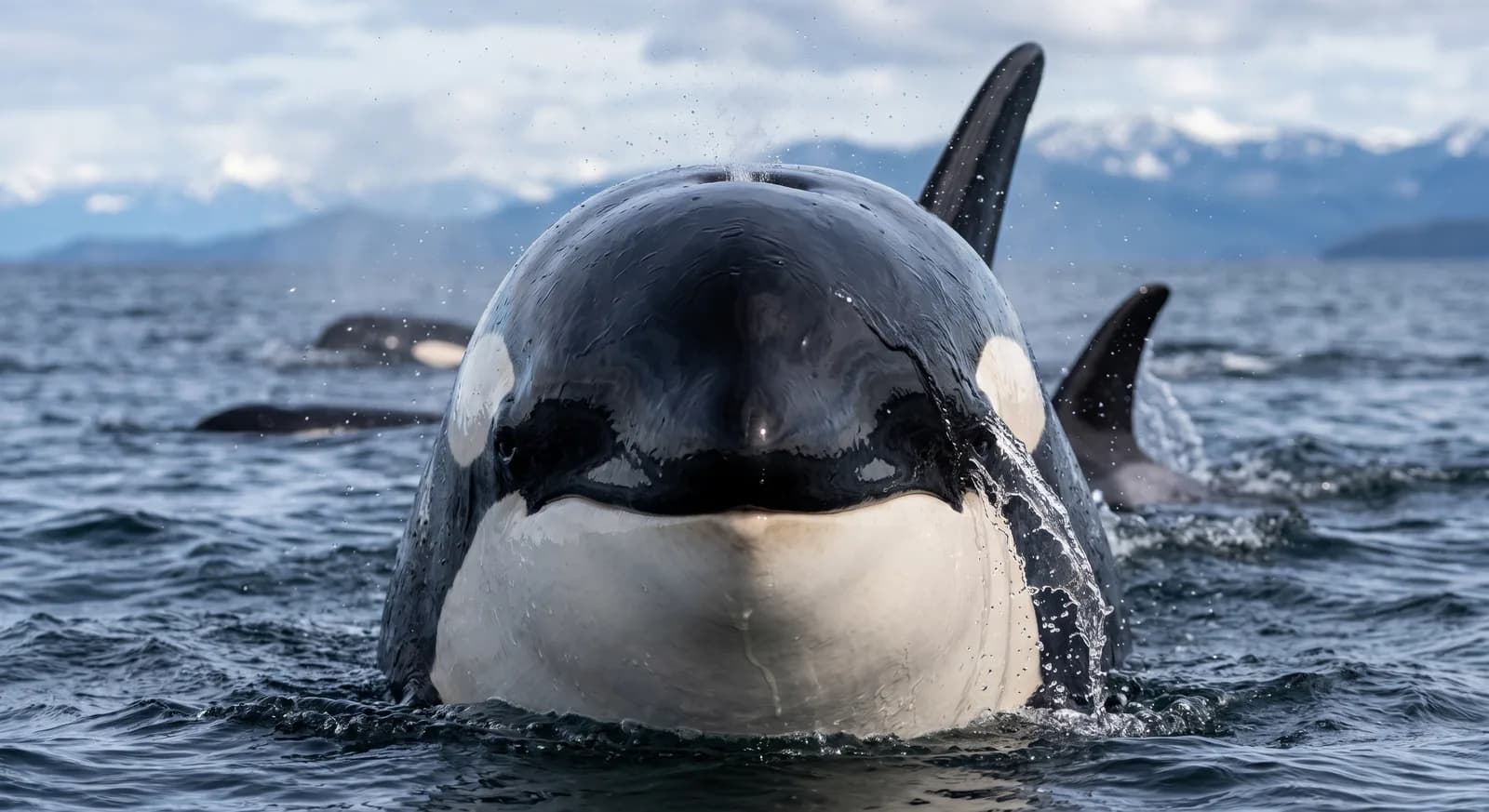
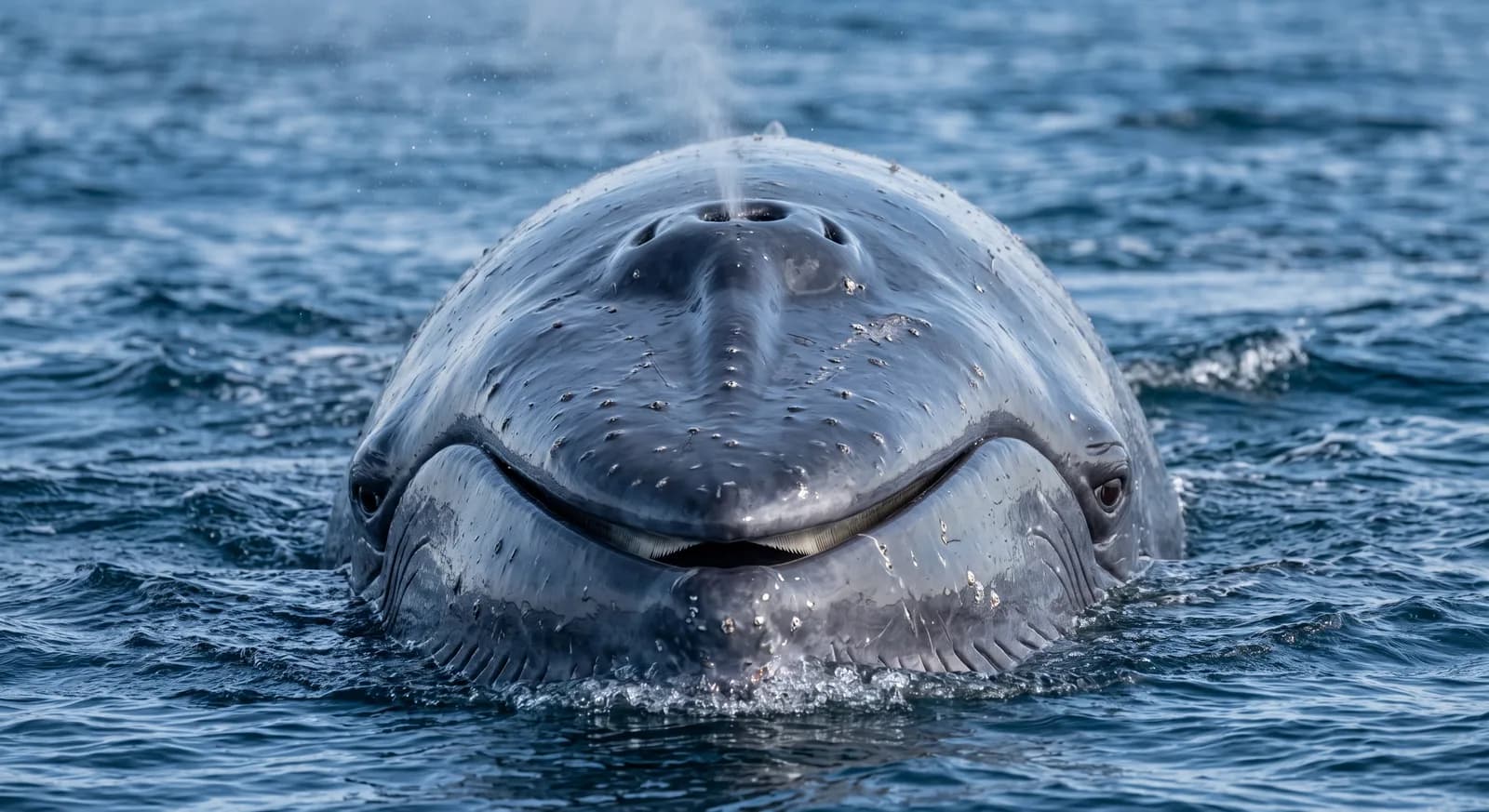
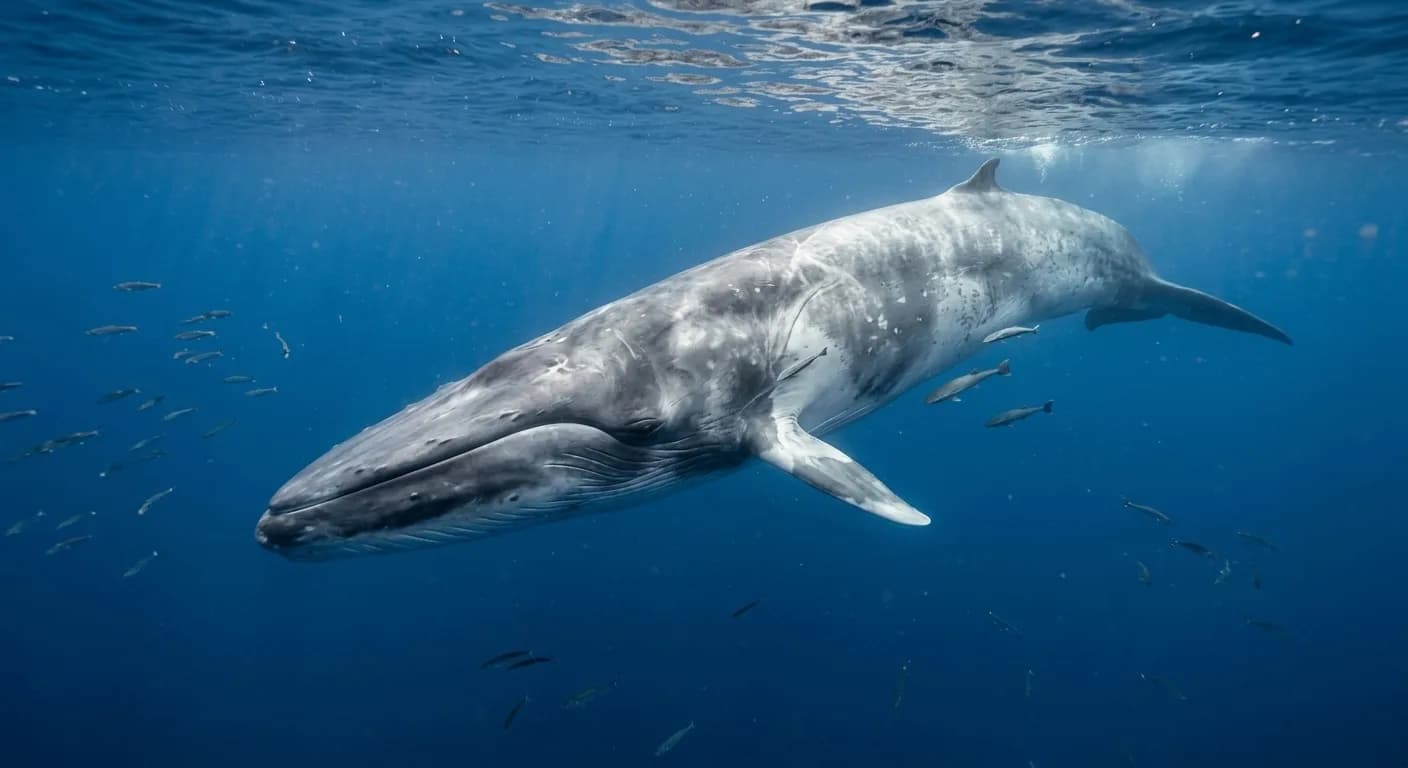
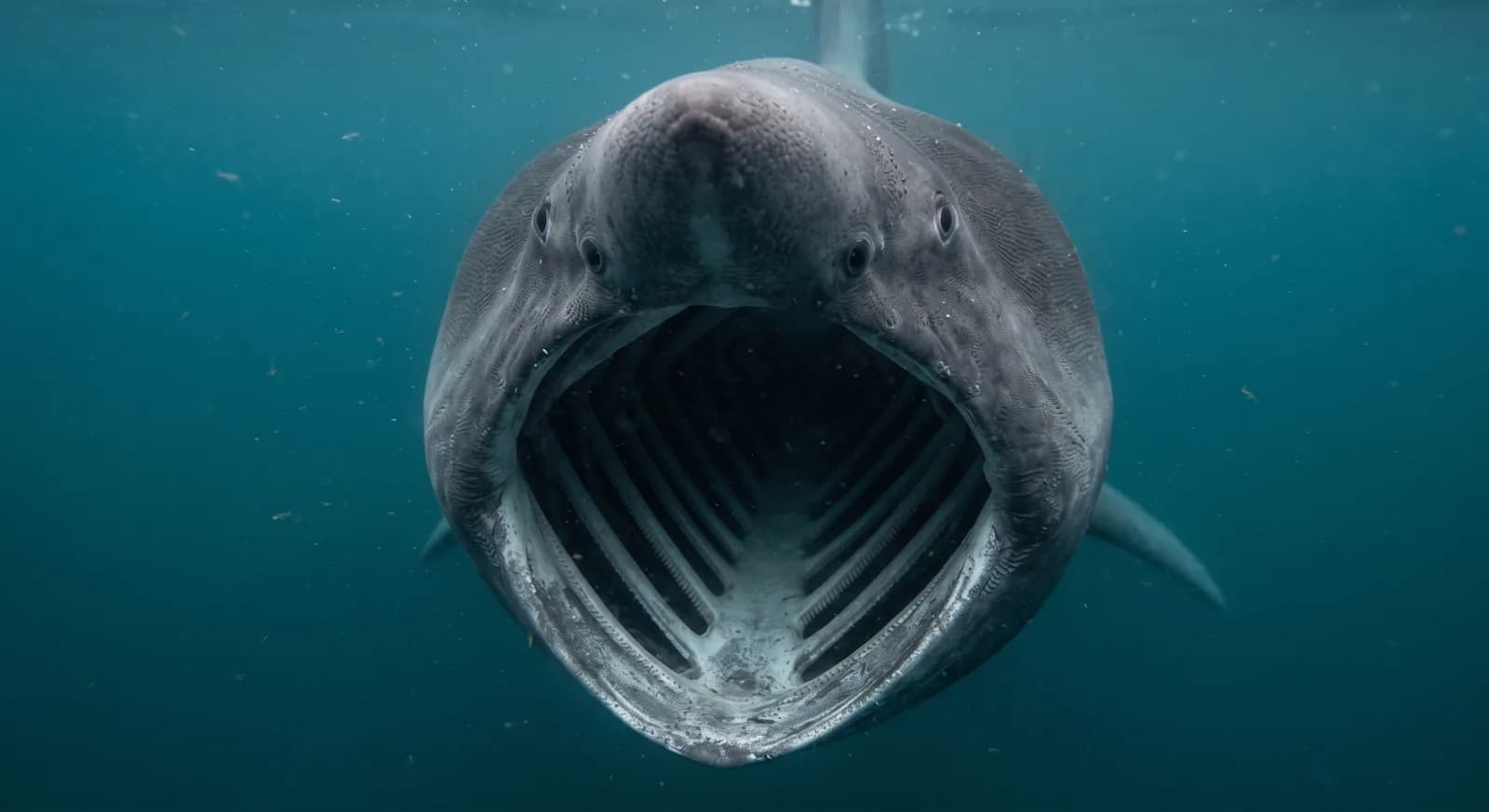
The United Kingdom is an archipelago with an impoverished land fauna, the consequence of millennia of deforestation and the early loss of its large carnivores, but extraordinarily rich along the coast. Its cliffs and islands hold seabird colonies of global importance: gannets, puffins, guillemots and skuas gather in summer in Scotland, Wales and the islands of the North Atlantic. Inland, heather moorland, Highland grassland, relict Caledonian pine forest and the wetlands of the Broads and the Fens dominate. The Scottish wildcat is on the brink of extinction and the red squirrel is losing ground to the North American grey squirrel, while the beaver, the red kite and the white-tailed eagle have returned through reintroduction. The waters of the Hebrides and Shetland bring together orcas, white-beaked dolphins and basking sharks in summer.

Nature in the United Kingdom

National animal: The lion is the emblem of England and the unicorn that of Scotland; the European robin was voted Britain's national bird

Did you know?

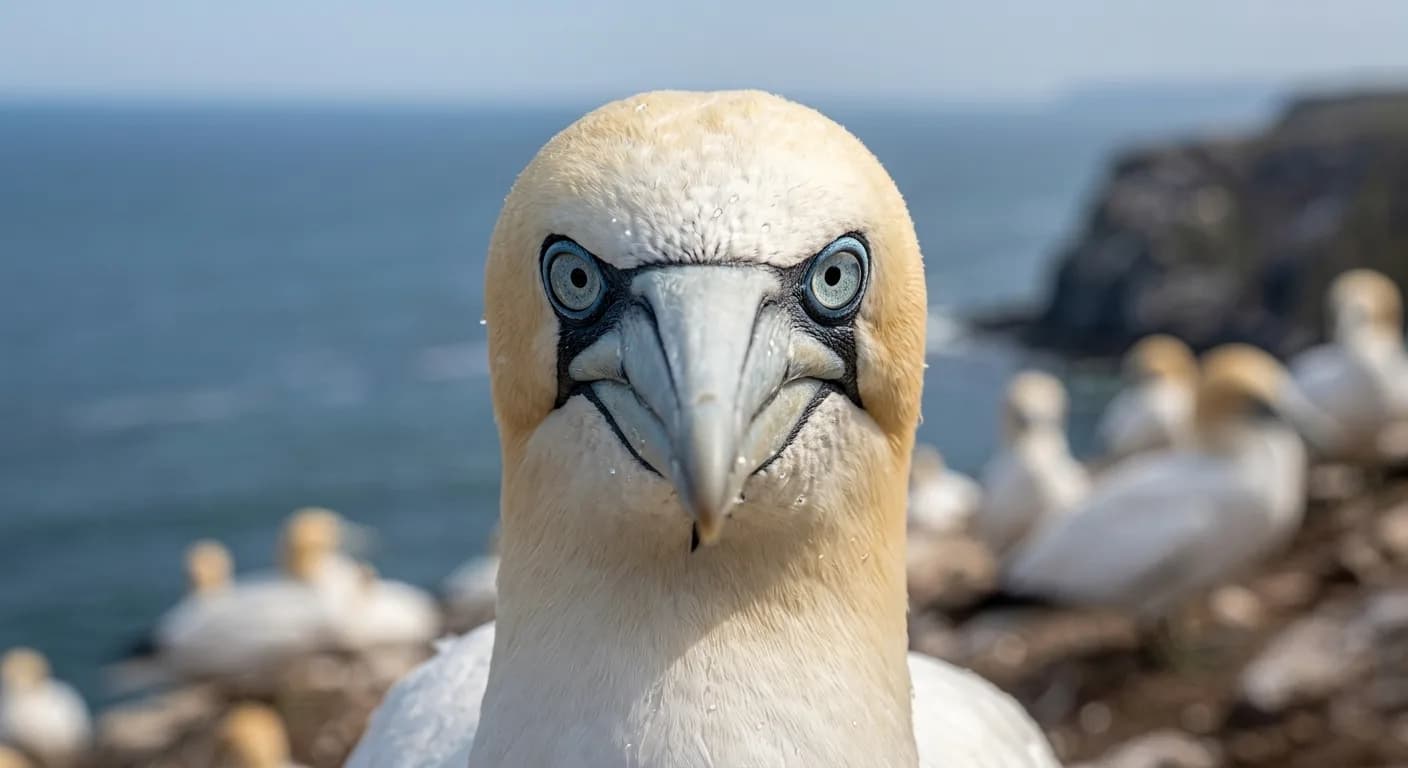
Bass Rock, a volcanic stack off the east coast of Scotland, holds one of the largest northern gannet colonies in the world, with of the order of 150,000 birds packed onto a few hectares. The link is so close that the species carries the name of the place in its scientific name, Morus bassanus, and the rock can be seen turning white from the shore.

Biodiversity profile

Conservation

The Scottish wildcat is in a critical situation because of hybridisation with domestic cats, and a reinforcement programme using captive-bred animals has begun. In parallel, the country leads large-scale rewilding projects such as Knepp.

Where and when to watch wildlife

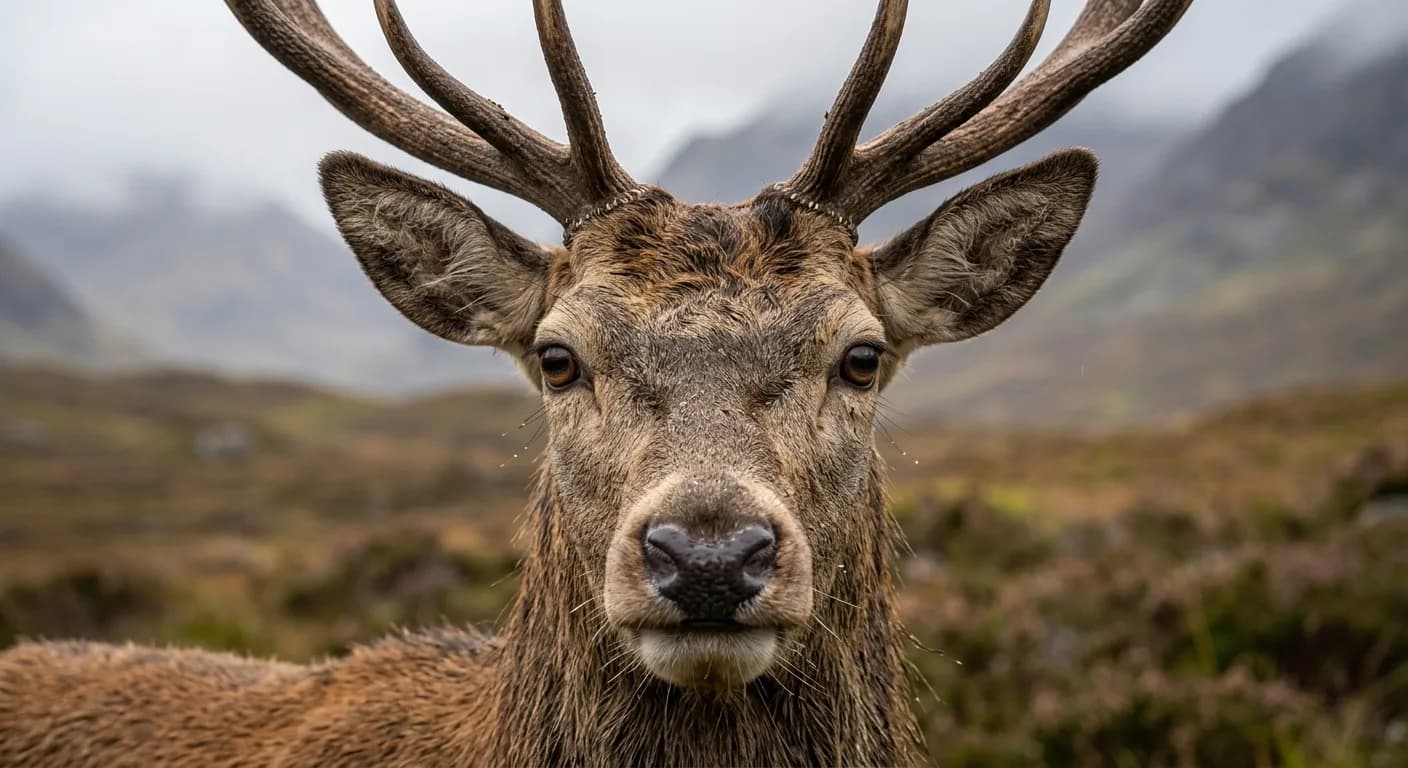
Seabird colonies between May and July on the Farne Islands, Bass Rock and Skomer. The Cairngorms in September and October for the red deer rut. The Hebrides in summer for basking sharks and orcas.

Natural phenomena in the United Kingdom

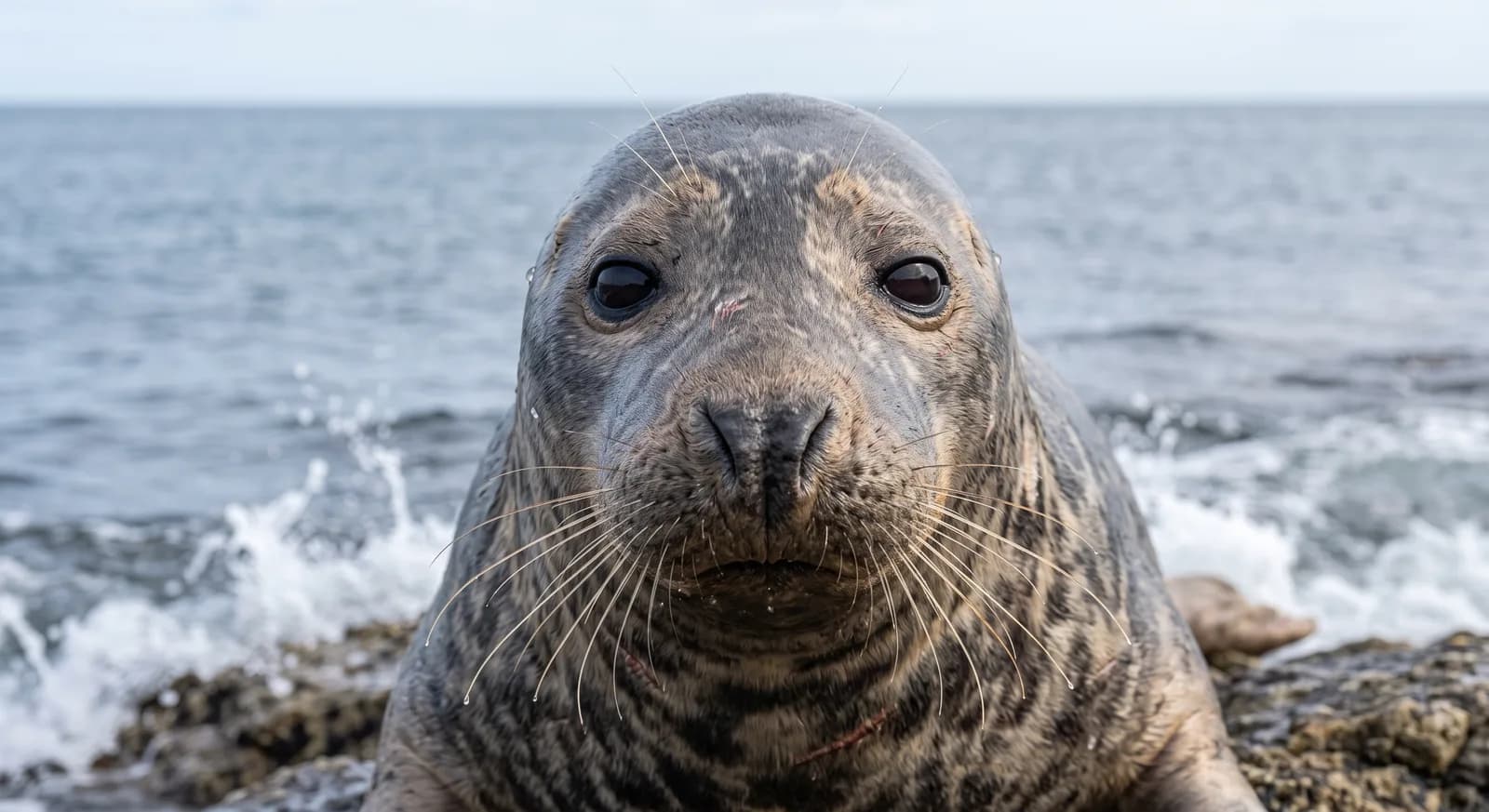
  • Grey seal pupping at Donna Nook — Late October to December (peak in late November)
  • Red deer rut in Scotland — September to November (peak late Sep-Oct)
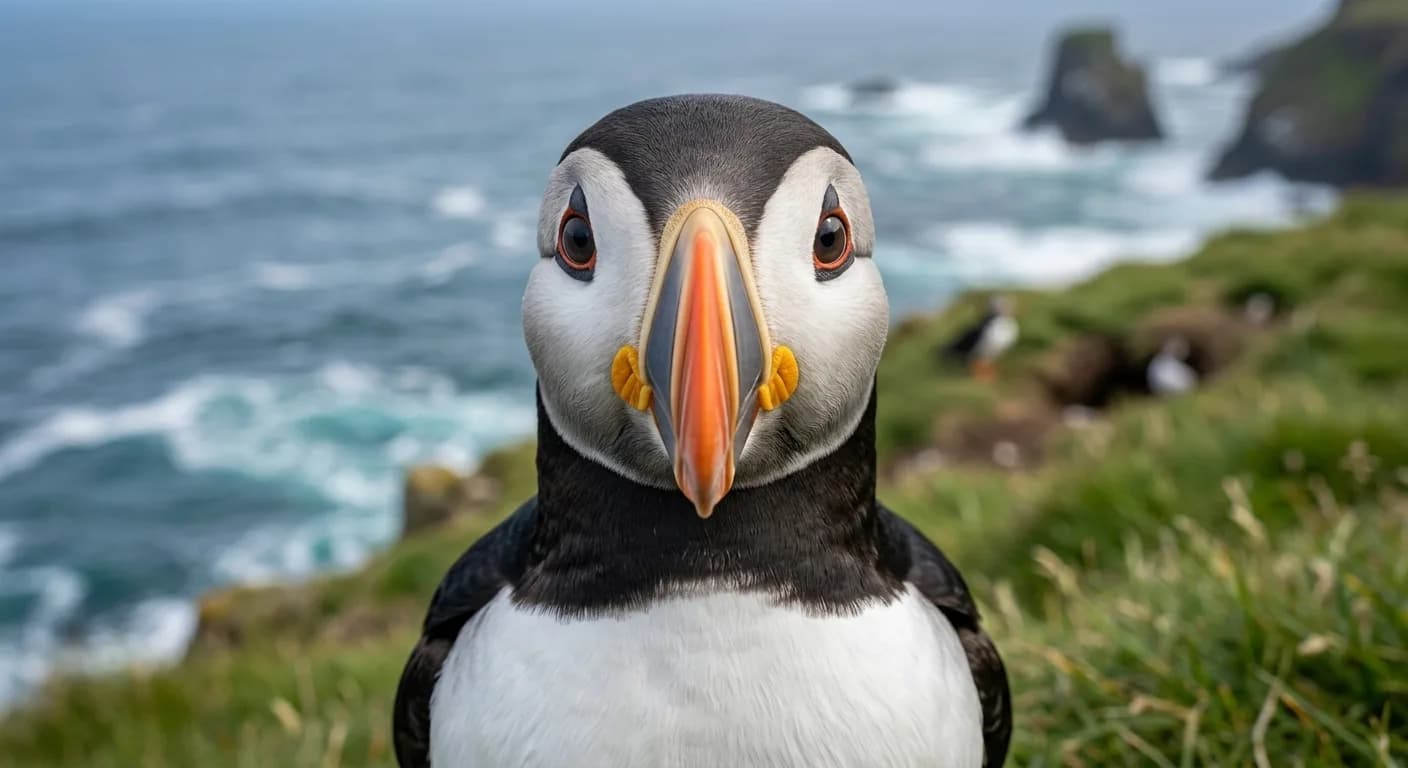
  • Puffin colonies in Scotland and Iceland — April to August (peak May-July)
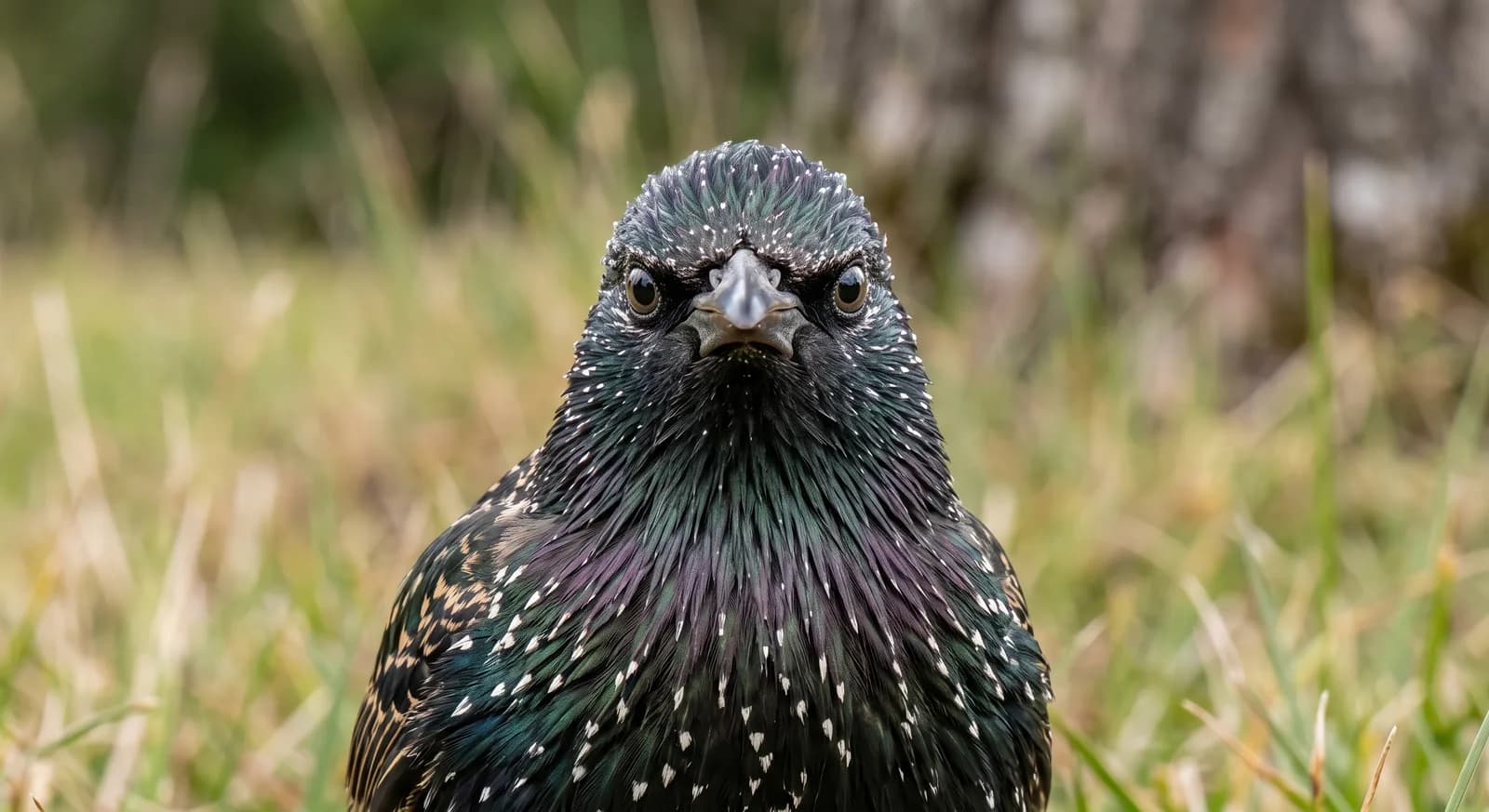
  • Starling murmurations in the United Kingdom — October to March (peak Nov-Jan)
  • Northern gannet colony on Bass Rock — Late February to October (peak Jun-Aug)
Parks and reserves

World Heritage Site (Natural)

Giant's Causeway

Forty thousand basalt columns on the Antrim coast, formed as lava flows cooled some sixty million years ago.

See park
World Heritage Site (Natural)

Dorset and East Devon Coast

The Jurassic Coast: 185 million years of Earth history exposed along 155 kilometres of cliffs.

See park
World Heritage Site (Natural)

Henderson Island

A raised coral atoll in the Pacific, virtually untouched on land and with the highest density of plastic in the world on its beaches.

See park
World Heritage Site (Natural)

Gough and Inaccessible Islands

Two of the least disturbed temperate islands on the planet, with one of the largest seabird colonies in the world.

See park
National Park

Northumberland

Crossed by Hadrian's Wall, the northernmost fortified frontier of the Roman Empire

See park
World Heritage Site (Mixed)

St Kilda

The United Kingdom's only mixed property: a volcanic archipelago uninhabited since 1930, with the largest seabird colony in Europe.

See park
National Park

Bannau Brycheiniog (Brecon Beacons)

It recovered its traditional Welsh name in 2023, leaving behind the colonial English name Brecon Beacons

See park
National Park (protected landscape)

Cairngorms

Britain's largest national park; relict Caledonian forest

See park
National Park

Dartmoor

Granite moorland studded with prehistoric stone circles, with more megalithic monuments than any other region in England

See park
National Park

Exmoor

One of the few places in England with official Dark Sky Reserve status from the International Dark-Sky Association

See park
National Park (protected landscape)

Lake District

England's largest park; an inhabited landscape of farmland and lakes

See park
National Park

Loch Lomond and The Trossachs

Scotland's first national park; Loch Lomond is the largest freshwater lake in Great Britain by surface area

See park
National Park

New Forest

A Norman royal hunting ground since 1079, with semi-wild ponies grazing freely by customary right for centuries

See park
National Park

North York Moors

The largest continuous expanse of heather moorland in England, a semi-natural landscape maintained by grazing and burning.

See park
National Park

Peak District

The first national park declared in the United Kingdom, the cradle of the modern right-to-roam movement

See park
National Park

Pembrokeshire Coast

The only national park in the United Kingdom devoted mainly to the coast; a 300 km path along the cliffs

See park
National Park (protected landscape)

Snowdonia (Eryri)

The mountains of Wales, and the peak of Snowdon/Yr Wyddfa

See park
National Park

South Downs

England's newest national park, on the chalk hills of the south and the white cliffs of the Channel.

See park
National Park

The Broads

An entirely man-made wetland: the lakes are medieval peat diggings flooded as sea level rose.

See park
National Park

Yorkshire Dales

A limestone karst landscape with the greatest concentration of caves and cave systems in Britain

See park

Diving and snorkelling

Wreck

Scapa Flow

A deep natural anchorage that was the base of the British Grand Fleet in both world wars. On 21 June 1919, Rear Admiral Ludwig von Reuter ordered the scuttling of the German High Seas Fleet interned there — 74 ships — wrongly convinced that the peace negotiations had broken down and that the British were about to seize the vessels. Some 50 ships went to the bottom within hours.

See dive site
Cold rocky reef

Farne Islands

A wildlife reserve famous for interactive diving with playful grey seals.

See dive site
Remote volcanic/Nesting

Ascension Island

A remote volcanic island halfway between Africa and South America, with one of the largest green turtle colonies in the Atlantic.

See dive site
Cold rocky reef/Wreck

Farne Islands (Longstone)

The northern end of the Farne archipelago, with the historic Longstone lighthouse and a large seal colony.

See dive site
Wreck/Rocky reef

Isles of Scilly

An archipelago with more shipwrecks per square mile than almost anywhere else in the world, because of its treacherous reefs.

See dive site
Cold freshwater lake

Loch Ness

The most famous loch in the world for its legendary monster; water darkened by peat sediment, a challenge for dark-water divers.

See dive site
Rocky reef/Reserve

Lundy Island

The first Marine Conservation Zone designated in the United Kingdom (2010), with a notable population of curious grey seals.

See dive site
Wreck/Rocky reef

Plymouth Sound (wrecks)

A historic Royal Navy bay with several ships deliberately scuttled as artificial diving reefs.

See dive site
Cold rocky reef

St Abbs

A voluntary marine reserve on the east coast of Scotland, a benchmark for cold-water diving in the United Kingdom.

See dive site

Wildlife you can see now

What is worth looking out for this month in the United Kingdom?

Grey SealLeast Concern

Grey Seal

Halichoerus grypus

Now is a good time: Grey seal pupping at Donna Nook (Late October to December (peak in late November))

Red DeerLeast Concern

Red Deer

Cervus elaphus

Now is a good time: Red deer rut in Scotland (September to November (peak late Sep-Oct))

Common StarlingLeast Concern

Common Starling

Sturnus vulgaris

Now is a good time: Starling murmurations in the United Kingdom (October to March (peak Nov-Jan))

Now is a good time: Northern gannet colony on Bass Rock (Late February to October (peak Jun-Aug))

Similar countries

Where else might I want to travel?

France

Same region: Western Europe

Ireland

Same region: Western Europe

Germany

Same region: Western Europe

Netherlands

Same region: Western Europe

Species documented in the United Kingdom

Filter
Class
Family
Habitat
Diet
Conservation

658 species found

Related guides

  • Birds of prey in the United Kingdom11 species
  • Threatened birds of the United Kingdom10 species
  • Molluscs in the United Kingdom7 species

Keep exploring

Based on what we already know about United Kingdom.

ParkGiant's CausewayDivingScapa Flow

Explore on the map

Interactive map

This page in other languages: Español · Deutsch · Français · Português · Italiano
Northern GannetLeast Concern

Northern Gannet

Morus bassanus

Freshwater Pearl MusselEndangered

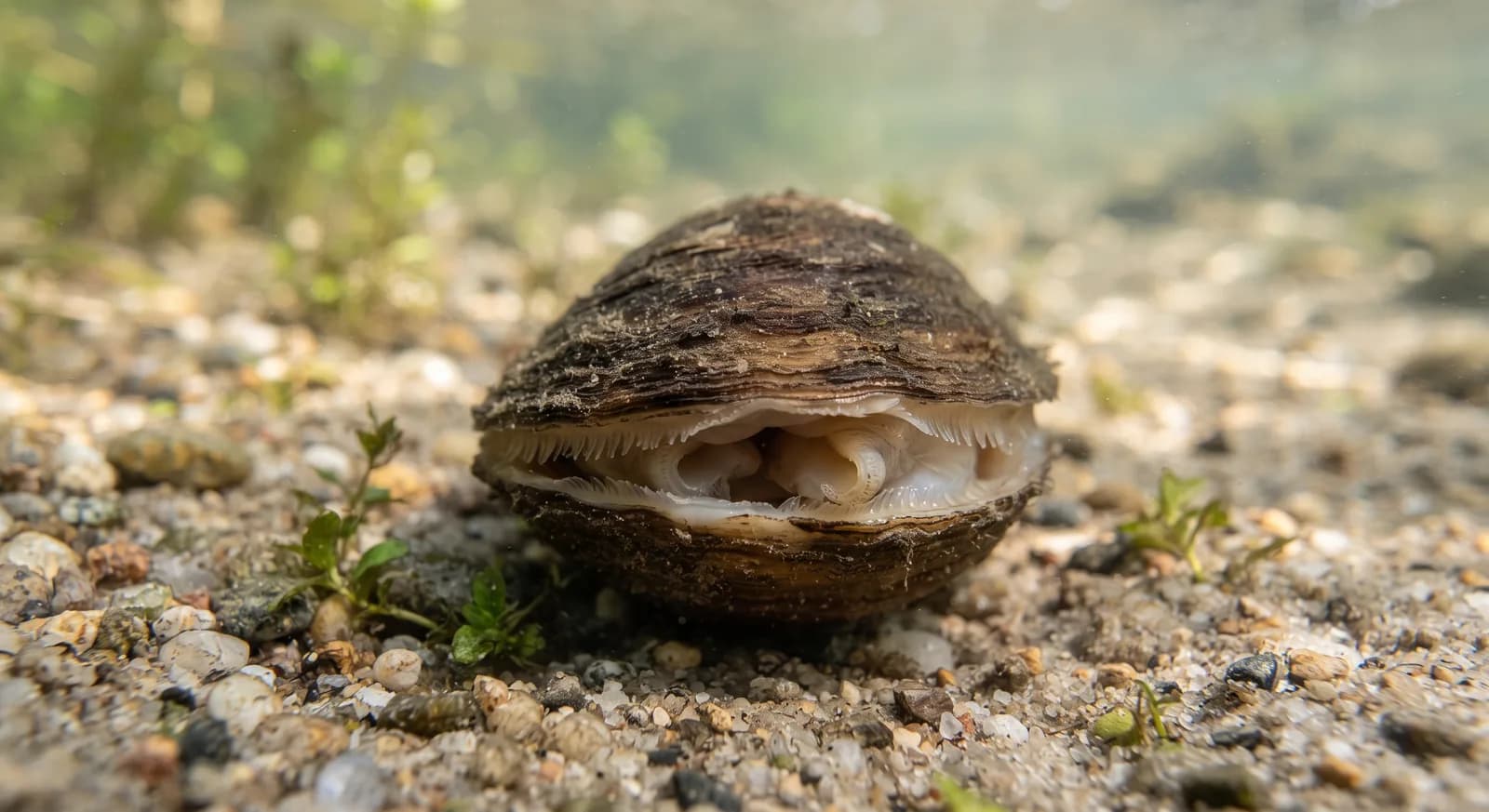
Freshwater Pearl Mussel

Margaritifera margaritifera

Killer WhaleEndangered

Killer Whale

Orcinus orca

Sei WhaleEndangered

Sei Whale

Balaenoptera borealis

Fin WhaleEndangered

Fin Whale

Balaenoptera physalus

Basking SharkEndangered

Basking Shark

Cetorhinus maximus

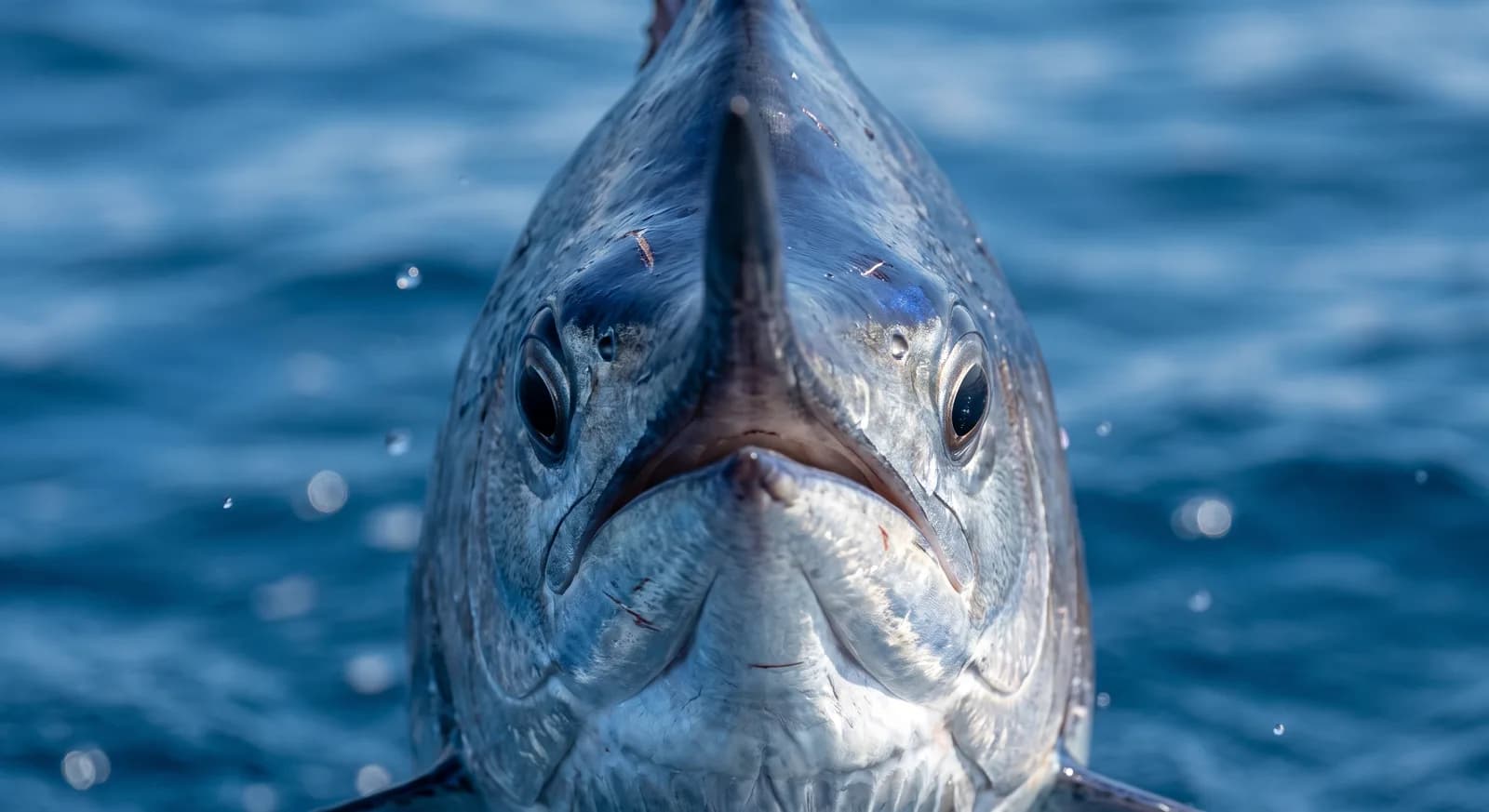
Blue MarlinVulnerable

Blue Marlin

Makaira nigricans

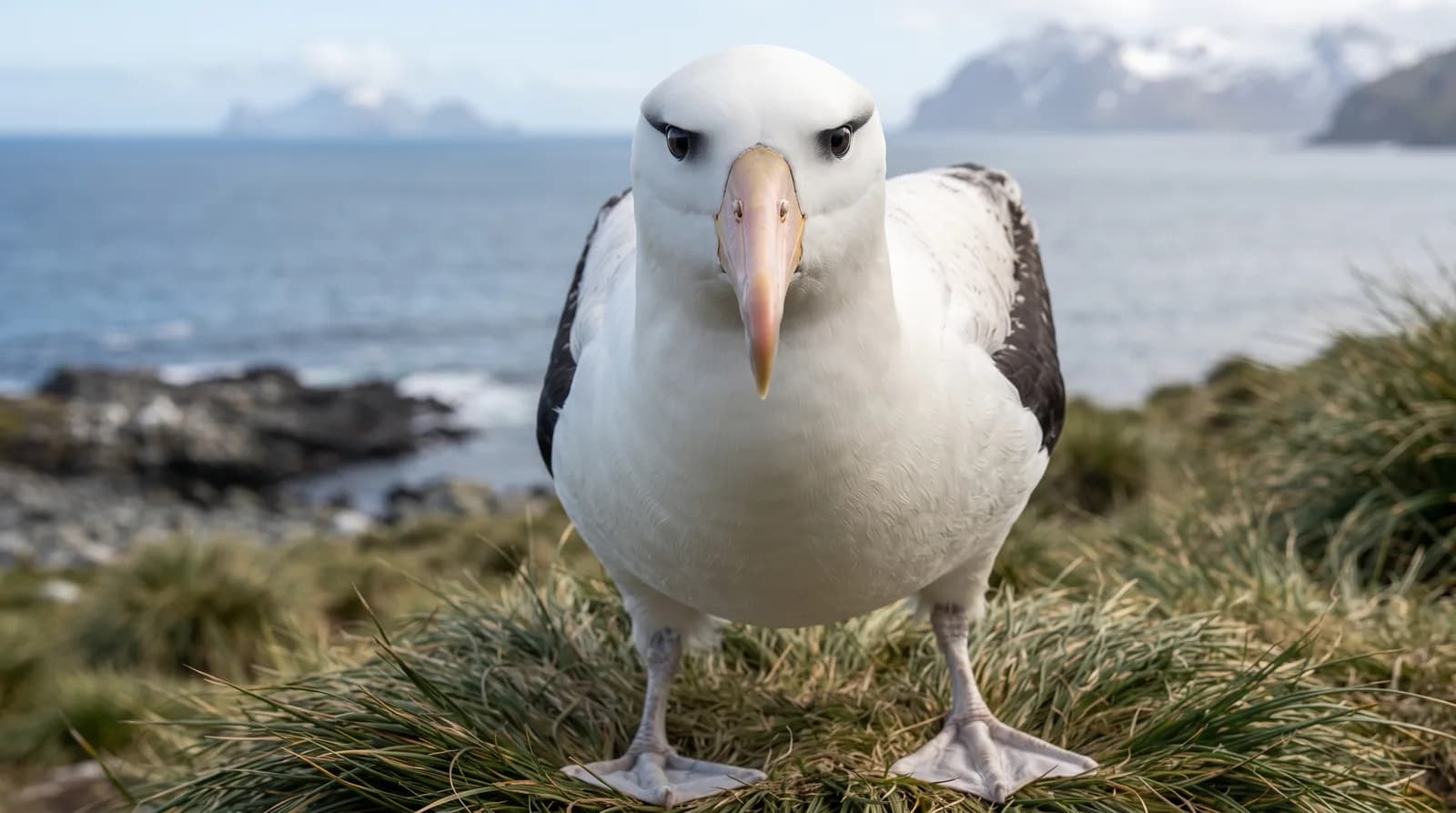
Wandering AlbatrossVulnerable

Wandering Albatross

Diomedea exulans

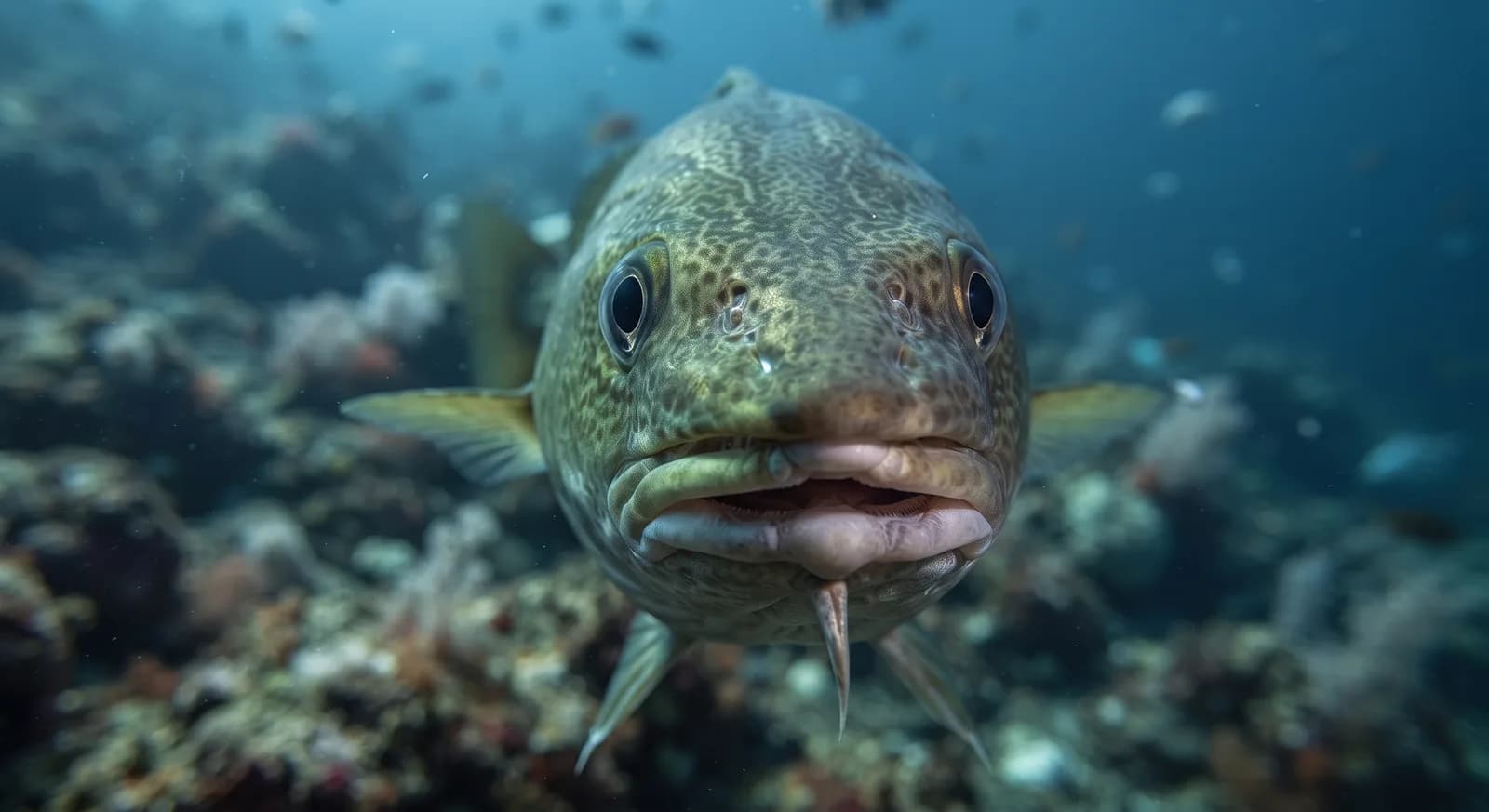
CodVulnerable

Cod

Gadus morhua

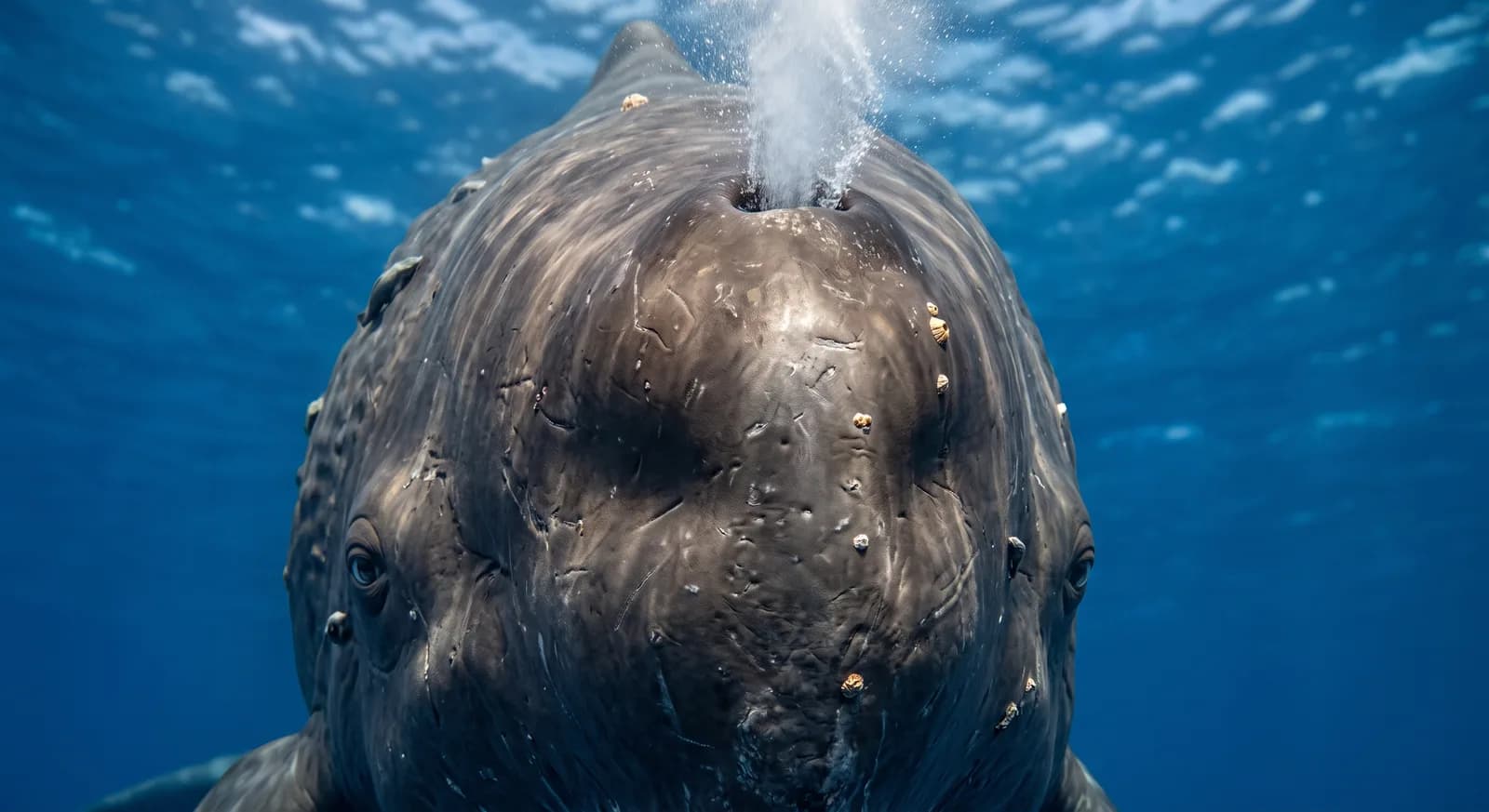
Sperm WhaleVulnerable

Sperm Whale

Physeter macrocephalus

Southern Elephant SealVulnerable

Southern Elephant Seal

Mirounga leonina

Atlantic PuffinVulnerable

Atlantic Puffin

Fratercula arctica

Great White SharkVulnerable

Great White Shark

Carcharodon carcharias

Page 2 of 55
Temperate forest
Mountain
Grassland
Freshwater