Species group · Birds
Plovers
WAnimals has 6 species of plover, all in the family Charadriidae.
- 6 species
- 1 family
- 127 countries
- 107 parks
- Weight
- 43 g – 320 g
- Length
- 15 cm – 31 cm
- Lifespan
- 12 – 25 years
Ranges calculated from the entries that record the figure, not from all 6.
All 6 species of plovers on WAnimals
Each one has its own full entry. This group does not replace them: it brings them together.
 Least Concern
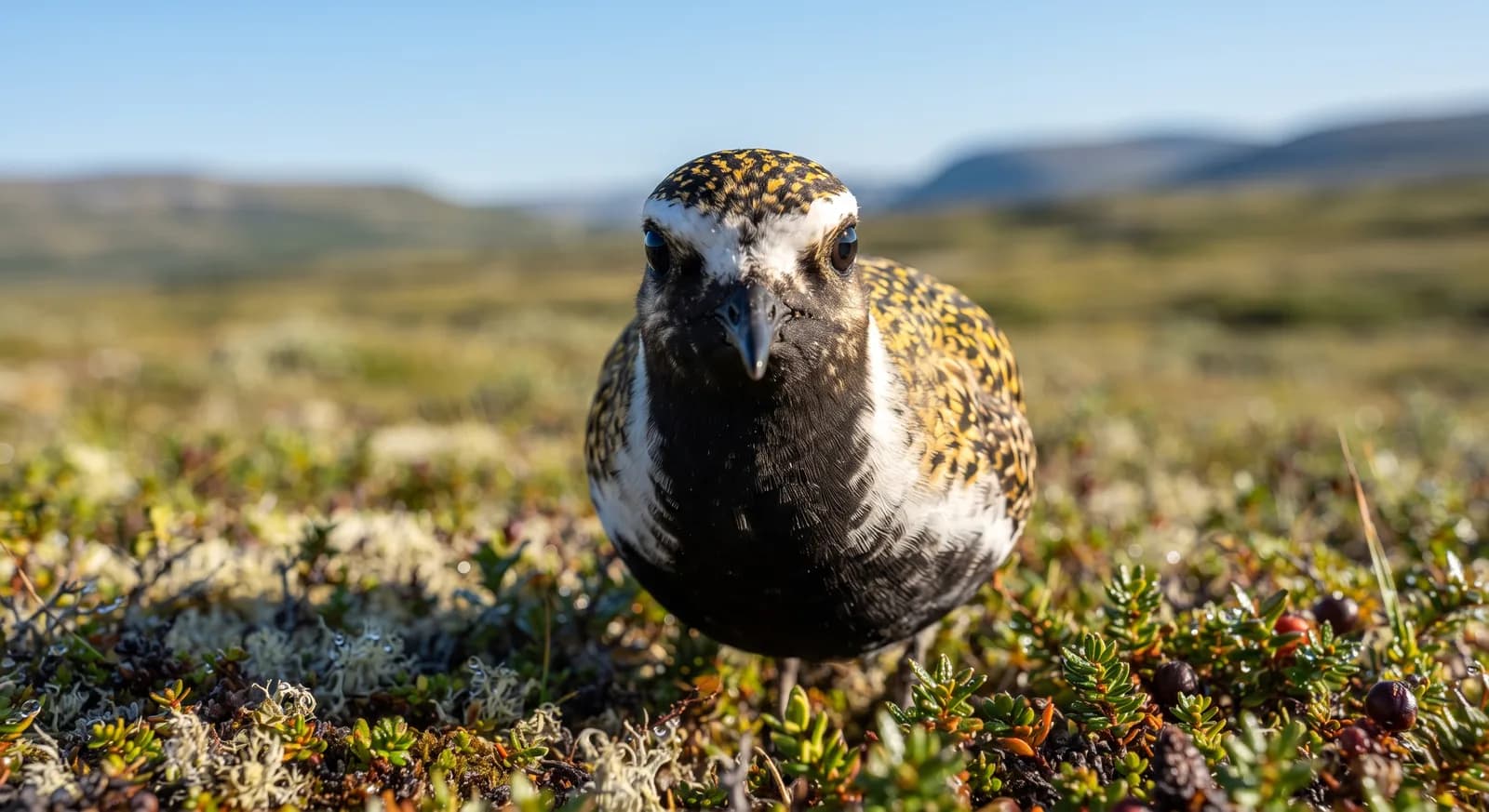
European Golden Plover
Pluvialis apricaria
Grey Plover
Pluvialis squatarola
American Golden Plover
Pluvialis dominica
Dotterel
Charadrius morinellus
Pacific Golden Plover
Pluvialis fulva
Piping Plover
Charadrius melodus
Conservation status
No species documented in this group is genuinely at risk according to the IUCN, with the data available today.
See the global conservation statusWhere they live
Recorded in 127 countries. The ones with the most species in the group:
Where to see them
Did you know…
It was the unwitting cause of the Guinness Book of Records: an argument over whether the European golden plover was the fastest game bird in Europe led the managing director of the Guinness brewery to commission a book that would settle that sort of pub dispute.
Its winter flocks perform coordinated flights of thousands of birds, often mixed with lapwings, wheeling in unison and flashing alternately their dark backs and pale bellies.
It travels as much as 10,000 km between the tundra and the marshes of Europe and Africa.
From Grey Plover
It is one of the most widely distributed wintering waders in the world: it is found in winter from the North Sea to Australia, South Africa and Chile.
From Grey Plover
It feeds at night as well when the tide allows, locating prey by the noise and vibration they make in the mud, and that ability lets it exploit the whole tidal cycle.
From Grey Plover
Its autumn migration includes a non-stop flight of more than four thousand kilometres over the western Atlantic, from north-eastern Canada to northern South America, over open water the whole way.
The outward and return routes are different: in spring it comes back through the interior of the continent, across the Great Plains, forming an enormous elliptical circuit.
It was one of the species decimated by commercial hunting in North America at the end of the nineteenth century, when whole flocks were shot on migration to be sold in city markets.