Bony fish · Scorpaeniformes · Synanceiidae
Stonefish
Synanceia verrucosa
It has not yet been assessed against the IUCN criteria. See full glossary
The stonefish is considered the most venomous fish in the world. Its warty skin and irregular colouring make it indistinguishable from an algae-covered rock, on which it lies motionless for hours, half buried, waiting for a fish to come within reach so that it can swallow it in a fraction of a second.
Size
25 cm – 40 cm
Diet
Carnivore
Feeds mainly on other animals.
Social structure
Solitary
Lives and hunts alone, joining others only to breed.
Sighting difficulty
Unknown
Fun facts
- GeneralThe most venomous fish in the world; it disguises itself as an algae-covered rock and waits motionless for its prey.
- defensaIt is one of the most venomous fish known, and its camouflage is so effective that it is all but indistinguishable from an algae-covered rock.
- Its thirteen dorsal spines are connected to venom glands and work by pressure: they pierce and discharge on their own when someone steps on them, without the fish having to attack.
- There is a specific antivenom, and the recommended first aid is to immerse the area in very hot water, because the toxins break down with heat.
- It can survive for up to twenty-four hours out of water, which multiplies the risk of treading on it on the shore after low tide.
- It is the most venomous fish known. The venom sits in thirteen erectile dorsal spines, each with two sacs, and is injected by pressure when something steps on or squeezes the animal: it is not an attack but a passive defence.
- It is not a fish that bites or gives chase: it partially buries itself and waits motionless, camouflaged as an algae-covered stone, sometimes for hours.
- Its strike is among the fastest in the animal kingdom: it engulfs its prey by suction in a matter of milliseconds.
- An antivenom has existed since 1959, developed in Australia, and it is among the most frequently administered in that country.
- The venom is heat-labile: very hot water on the wound degrades it, and that is the recommended first aid while medical attention is sought.
Life cycle & biology
- Skeleton type
- Vertebrate - internal bony skeleton (fish)
- Habitat & environment
- Coral reefs and shallow sandy bottoms
Sources consulted: FishBase (Froese & Pauly, eds.); Australian Venom Research Unit; CSL; Lista Roja de la UICN
Where to find it
See its range on the interactive mapWhere to watch it
Parques y spots de buceo donde se ha documentado esta especie — se muestran 20 de 269 documentados.
Related species
Other species in the catalogue with the most in common with Stonefish — same habitat, park, country, tags or family.
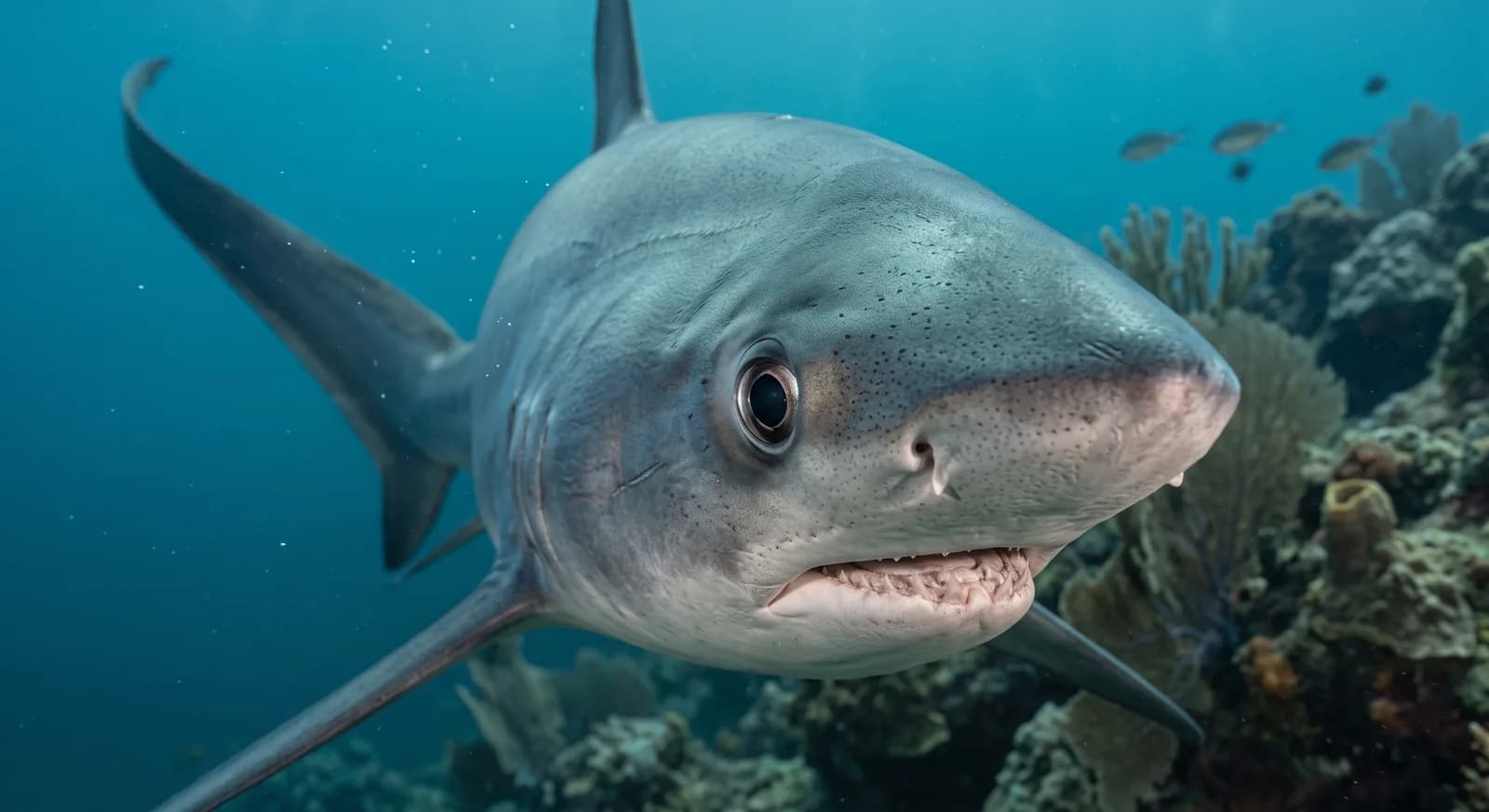 Vulnerable
Grayfish
Alopias vulpinus
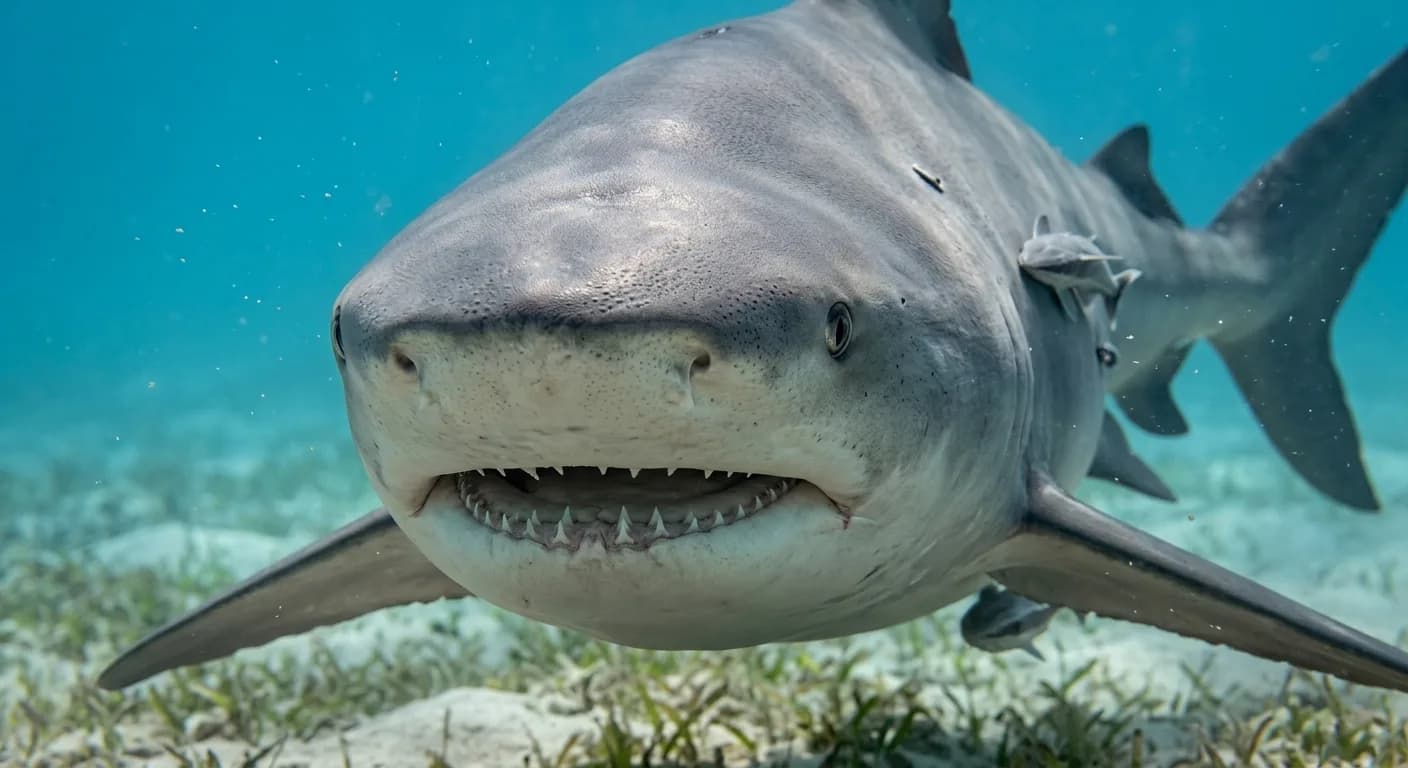 Near Threatened
Bull Shark
Carcharhinus leucas
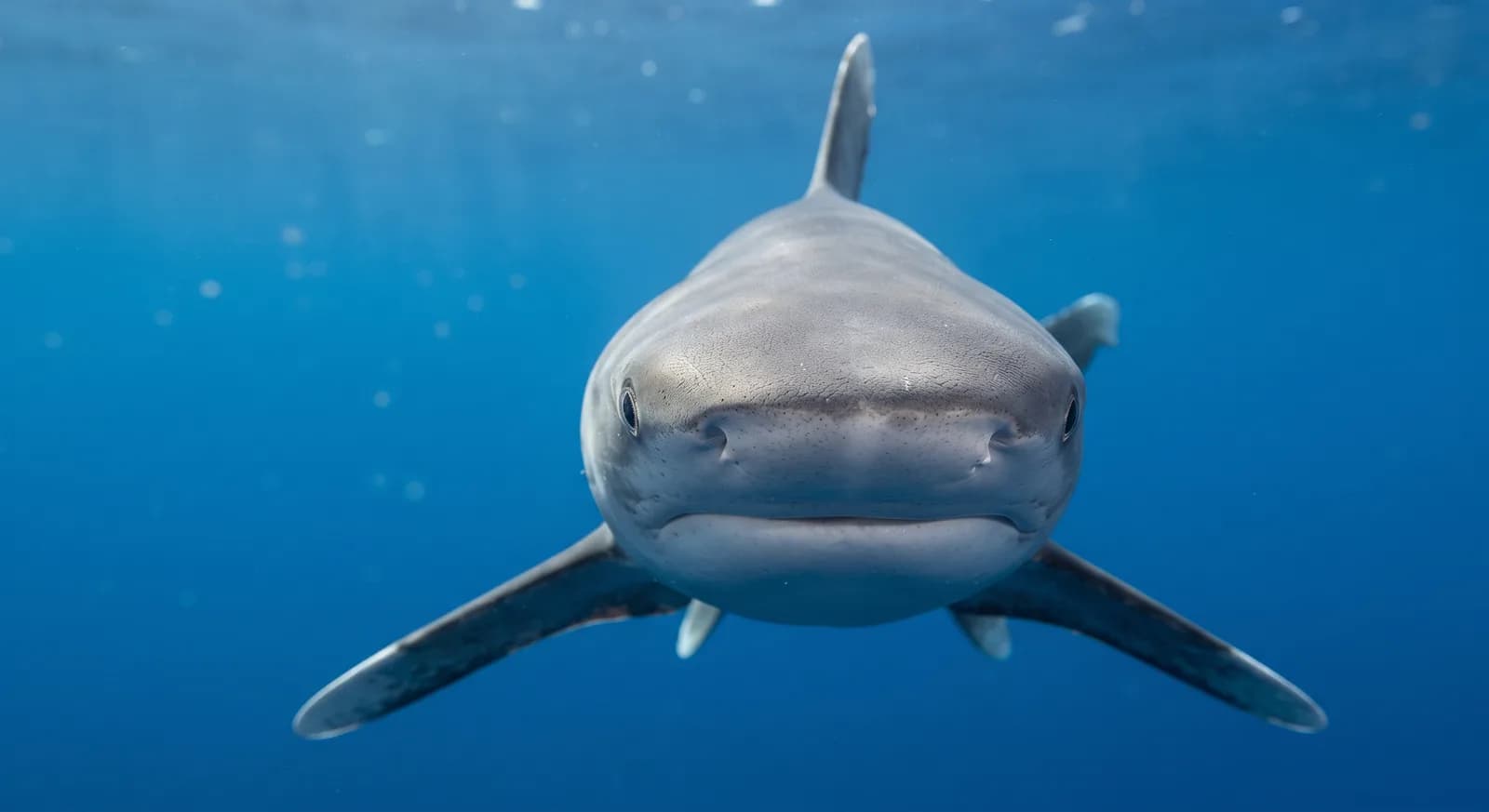
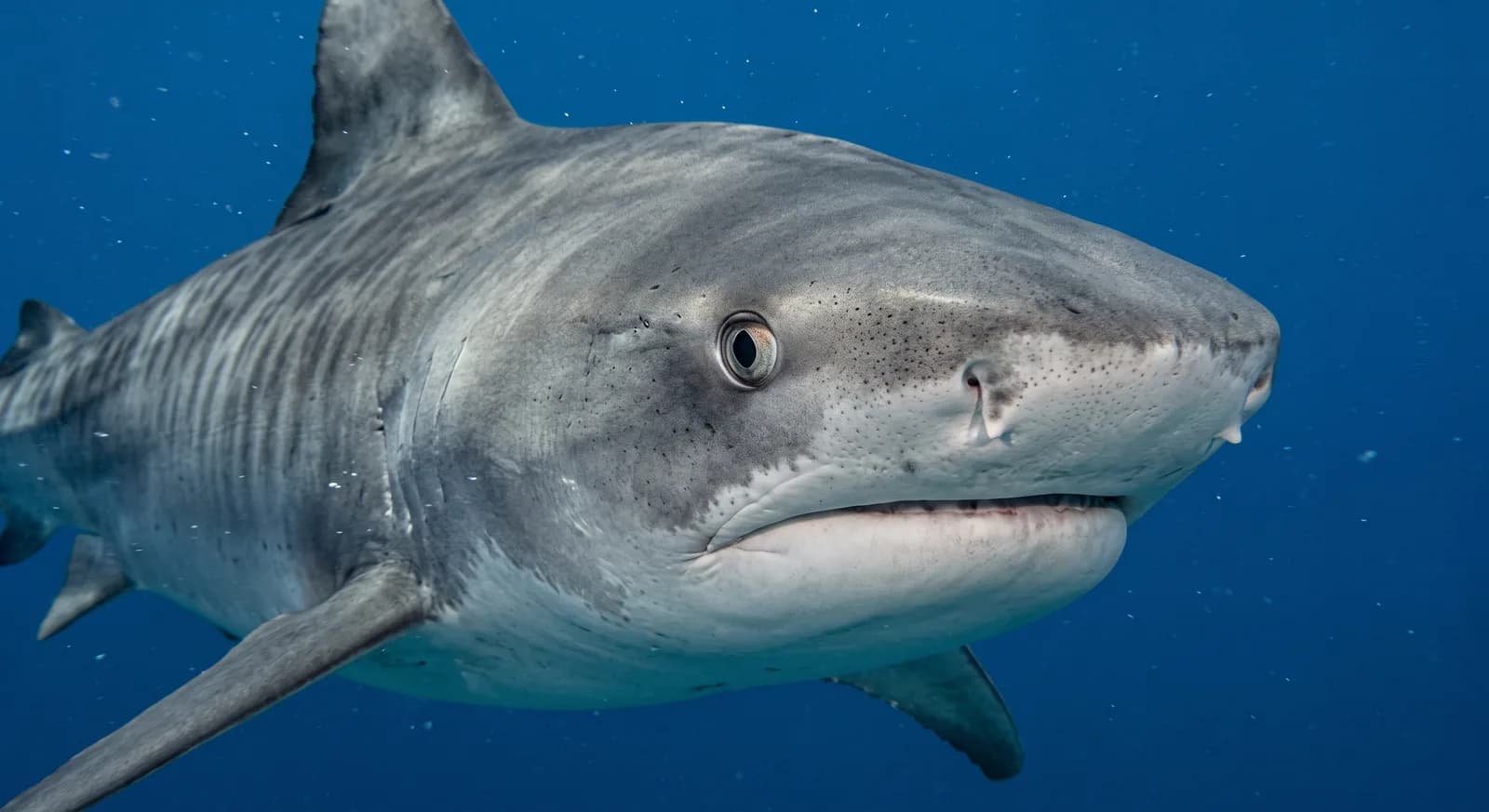 Near Threatened
Tiger Shark
Galeocerdo cuvier
Blacktip Reef Shark
Carcharhinus melanopterus
 Critically Endangered
Great Hammerhead
Sphyrna mokarran
Keep exploring
Based on what we already know about stonefish.
Comments
Share an experience, a fun fact or a tip for seeing the stonefish.
Be the first to comment.