Kenya
África
Kenya is the classic showcase of African wildlife and at the same time a country of extreme contrasts: from the glacier of Mount Kenya, right on the equator, to the northern deserts around Lake Turkana, the largest desert lake in the world. The Great Rift Valley crosses it from north to south and lines up alkaline lakes such as Nakuru and Bogoria, whose shallow waters, loaded with cyanobacteria, feed enormous concentrations of lesser flamingo. The Maasai Mara, a continuation of the Serengeti, receives the great wildebeest and zebra migration each year with its dramatic crossings of the Mara river. In the north, Samburu holds species adapted to aridity that are not seen in the south, such as the Grévy's zebra and the gerenuk, and the Indian Ocean coast contributes reefs, mangroves and turtles.
The nature of Kenya
National animal: The African lion, the country's national animal
Did you know?
At the Ol Pejeta conservancy live the last two northern white rhinoceroses left on the planet, mother and daughter, both female and guarded around the clock. With the death of the last male in 2018 the subspecies became functionally extinct, and its only chance of continuity now rests on assisted reproduction using collected eggs and frozen sperm.
Biodiversity profile
Climate
- •Tropical con estacion seca (Aw) en la mayor parte del territorio
- •Semiarido y arido (BSh/BWh) en el norte y noreste
- •Templado de montaña en las tierras altas centrales (Monte Kenia)
Main biomes
- •Sabana de acacia-commiphora (Masai Mara, Amboseli, Tsavo)
- •Bosque montano (Monte Kenia, Aberdares)
- •Bosque costero del este de Africa (hotspot compartido con Tanzania)
- •Semidesierto en el norte
- •Sabana de acacias
- •Lago alcalino del Rift
- •Bosque afromontano
- •Semidesierto del norte
- •Arrecife de coral índico
- •Manglar costero
- •Páramo afroalpino
Marine and coastal ecosystems
- •Costa del Oceano Indico con arrecifes de coral y manglares (parte del hotspot de Bosques Costeros de Africa Oriental)
Flagship wildlife
- •Leon africano
- •Elefante de sabana
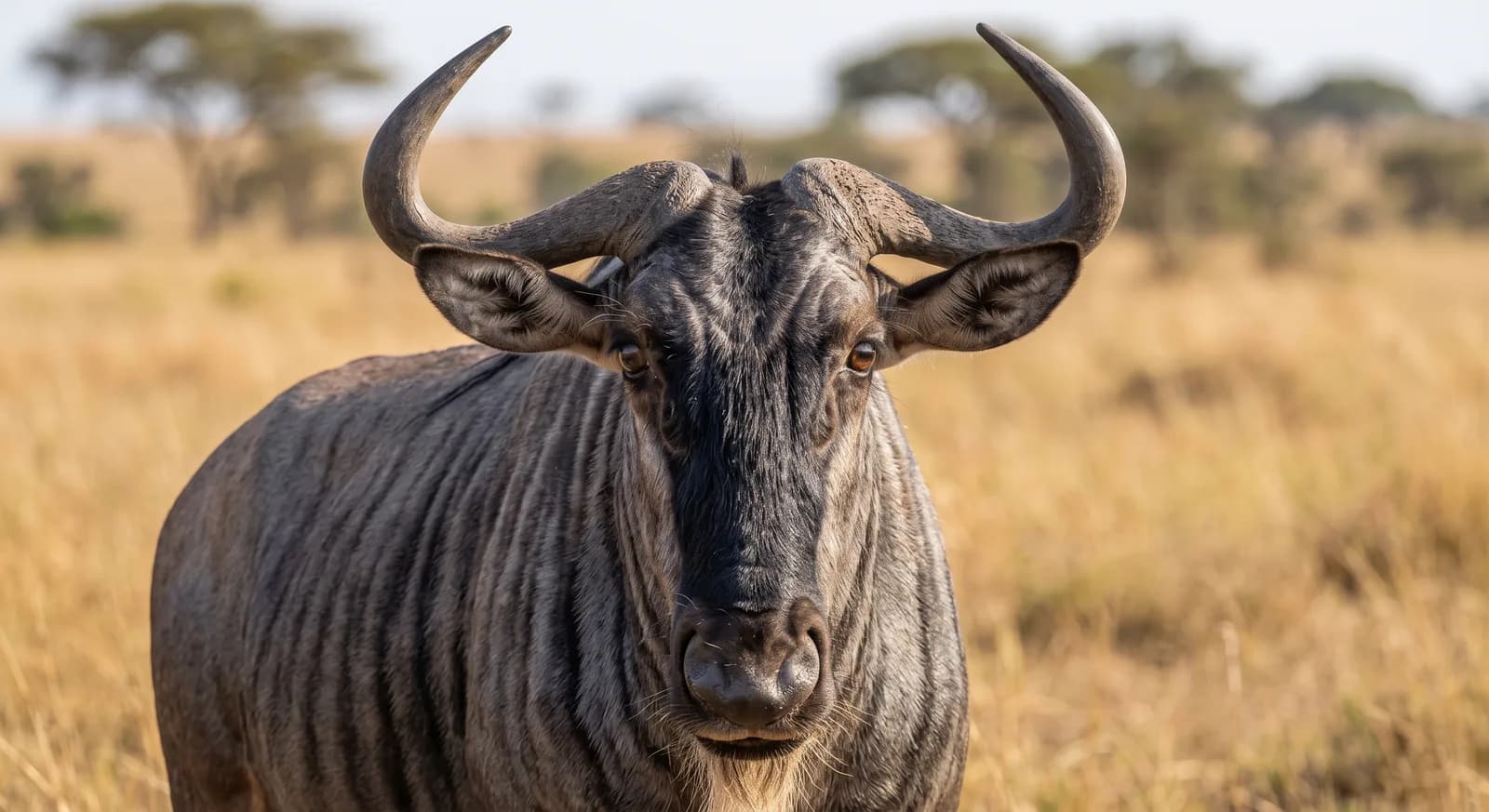
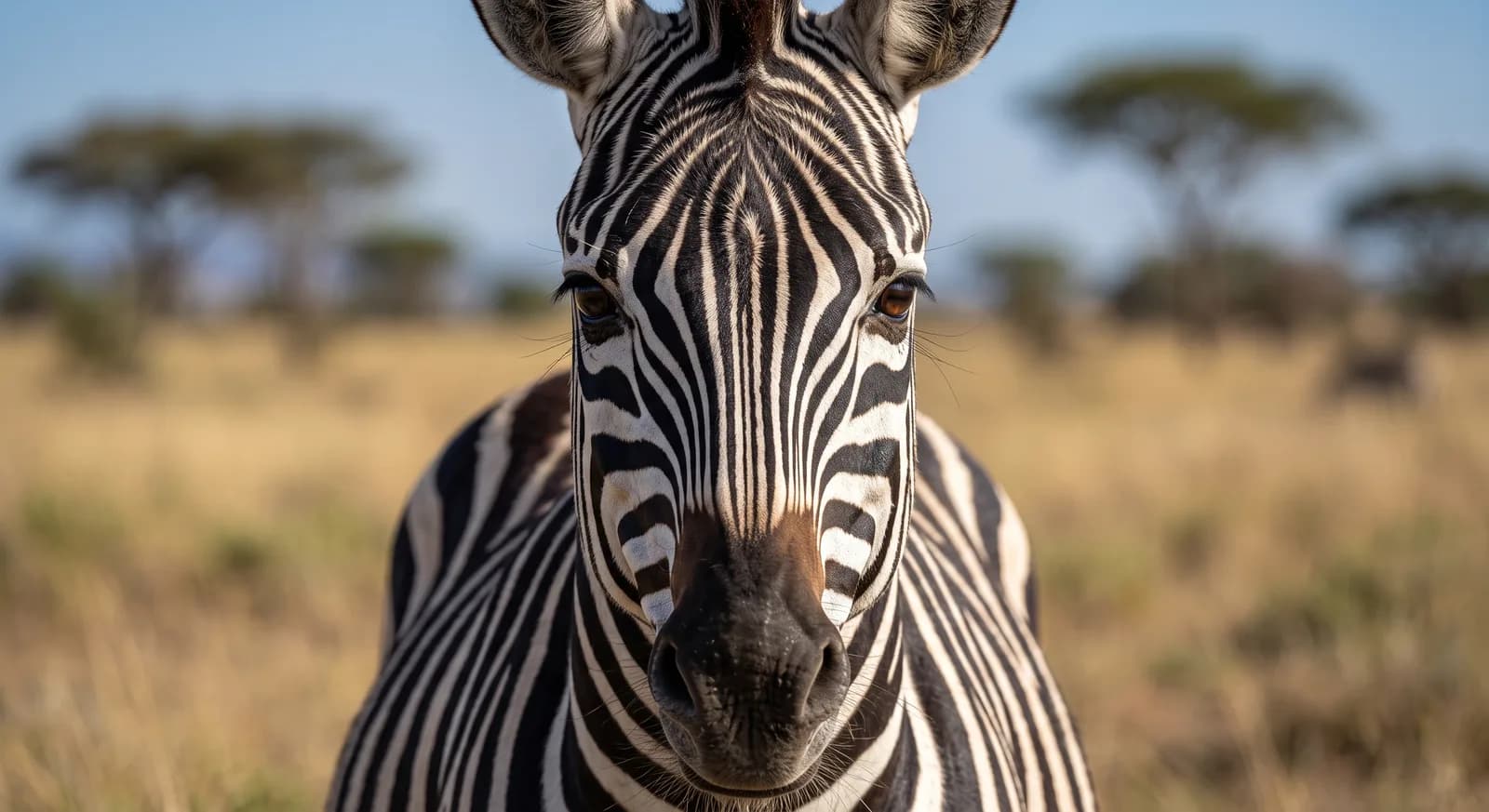
- •Gran migracion de ñus y cebras (Masai Mara-Serengeti)
- •Rinoceronte negro (poblacion en recuperacion)
- •Rinoceronte blanco del norte
- •Ñu azul
- •Elefante africano de sabana
- •Flamenco enano
- •Cebra de Grevy
- •Gerenuk
- •Guepardo
- •Jirafa reticulada
Notable endemic species
- •Kenia forma parte de 4 hotspots de biodiversidad reconocidos junto con sus vecinos regionales (Afromontano Oriental, Bosques Costeros de Africa Oriental, Cuerno de Africa, Maputaland-Pondoland-Albany en menor medida)
- •Hirola, endemica de la frontera Kenia-Somalia, unica poblacion silvestre mundial cerca del rio Tana
- •Antílope hirola
- •Ardilla de Tana
- •Colobo rojo del río Tana
Notable threatened species
- •11 especies de herpetofauna (3 anfibios, 8 reptiles, incluidas 3 endemicas) en riesgo de extincion local por cambio climatico segun estudio reciente, con mas del 80% de su area de distribucion actualmente fuera de areas protegidas
- •Hirola (En Peligro Critico)
- •La red de areas protegidas de Kenia necesitaria expandirse entre 16% y 19% del territorio nacional para proteger efectivamente su herpetofauna bajo escenarios de cambio climatico
Notable protected areas
- •Reserva Nacional Masai Mara (Gran Migracion)
- •Parque Nacional Amboseli (vistas del Kilimanjaro)
- •Parques Nacionales de Tsavo (Este y Oeste)
- •Reserva Nacional del Masái Mara
- •Parque Nacional de Amboseli
- •Parque Nacional del Monte Kenia
- •Reserva Nacional de Samburu
- •Parque Nacional de Tsavo
- •Lago Nakuru
Main conservation threats
- •Cambio climatico sobre la herpetofauna, con mas del 80% de especies insuficientemente protegidas dentro de la red actual de areas protegidas
- •Conflicto humano-fauna en zonas de expansion agricola y ganadera
- •Caza furtiva de elefantes y rinocerontes por marfil y cuerno
Notable natural phenomena
- •La Gran Migracion anual de mas de 1,5 millones de ñus y cebras entre el Serengeti (Tanzania) y el Masai Mara (Kenia) es uno de los fenomenos de vida silvestre mas espectaculares del planeta
Conservation
Kenya banned sport hunting in 1977 and has developed a model of community conservancies that today protects more ground than the national parks themselves. The hirola, an antelope of the country's east, is one of the most endangered mammals in Africa.
Where and when to watch wildlife
The Maasai Mara between July and October for the migration and the river crossings. Amboseli in the dry season for elephants with Kilimanjaro behind them. Bogoria and Nakuru for flamingos depending on the water level.
Sources: PMC - Expanding Protected Areas Safeguard Kenya's Herpetofauna Climate Change | eac.int - Biodiversity East African Community | One Earth - Southern Acacia-Commiphora Bushlands
Natural phenomena in Kenya
- Gran Migración: cruce del río Mara — Julio a octubre
Parks and reserves
Monte Kenia
Africa's second-highest peak, a stratovolcano with glaciers on the equator and a unique afroalpine flora.
View parkNational ReserveLago Bogoria
An alkaline Rift lake with geysers and hot springs, where hundreds of thousands of lesser flamingos gather.
View parkWorld Heritage Site (Natural)Parques Nacionales del Lago Turkana
The largest desert lake in the world and the most saline in Africa, on the List of World Heritage in Danger since 2018.
View parkNational ParkSibiloi
The "cradle of humankind": the Koobi Fora sites, which have contributed more to palaeoenvironmental knowledge than any other site in Africa.
View parkNational ParkAmboseli
The best views of Kilimanjaro from Kenya; home to some of the largest surviving tuskers in Africa
View parkNational ParkLake Nakuru
Once famous for its millions of flamingos; today a key sanctuary for the white and black rhinoceros
View parkNational ParkAberdare
Home to the world's first tree hotels, raised platforms for watching wildlife from the safety of height
View parkNational ParkColinas de Chyulu
One of the youngest volcanic ranges in Africa, barely 500 years old, with lava-tube caves among the longest in the world
View parkNational ParkHells Gate
One of the few parks in Africa where you may walk or cycle among zebras and giraffes without a vehicle or an armed guard
View parkNational ParkMeru
The setting of the book and film Born Free, about Elsa the lioness, raised and returned to the wild by Joy Adamson
View parkDiving and snorkelling
Kisite-Mpunguti Marine Park
A marine park on the Tanzanian border, with one of the best documented dolphin populations in Kenya.
View dive siteCoral reefMalindi Marine Park
One of the first marine parks in East Africa (1968), with well-protected coastal coral reefs.
View dive siteReef/Tidal channelWatamu Marine Park
One of the oldest marine parks in Africa (1968), with protected seagrass meadows and coral reefs.
View dive siteReef/Tidal channelWatamu Turtle Watch
A stretch of coast with a long-running sea turtle rescue and release programme, complementary to the Watamu park.
View dive siteFauna que puedes ver ahora
¿Qué merece la pena observar este mes en Kenya?
 Least Concern
Common Wildebeest
Connochaetes taurinus
Ahora es buena época: Gran Migración: cruce del río Mara (Julio a octubre)
 Least Concern
Plains Zebra
Equus quagga
Ahora es buena época: Gran Migración: cruce del río Mara (Julio a octubre)
Especies documentadas en Kenya
370 species found
 Endangered
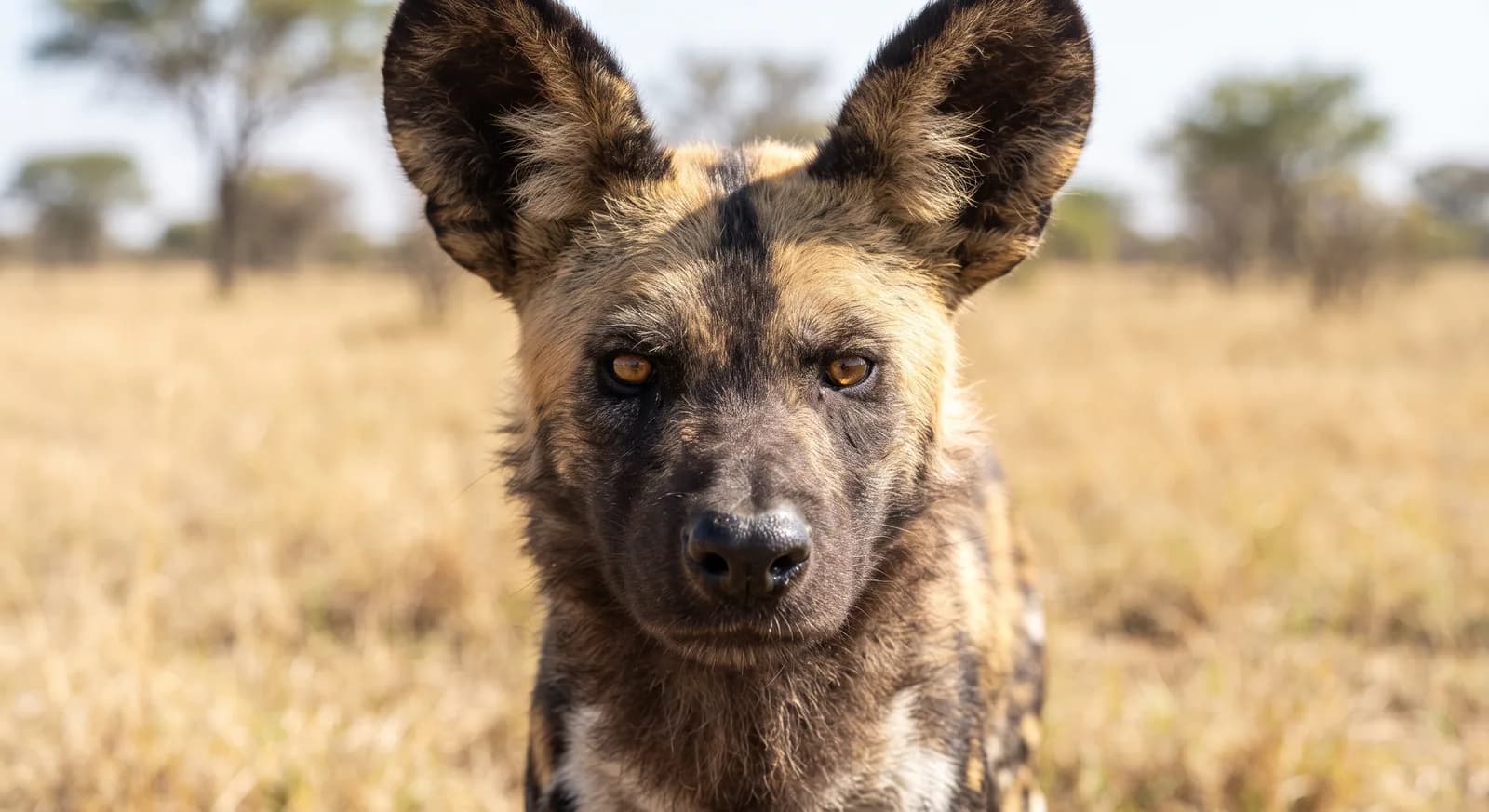
African Wild Dog
Lycaon pictus
 Endangered
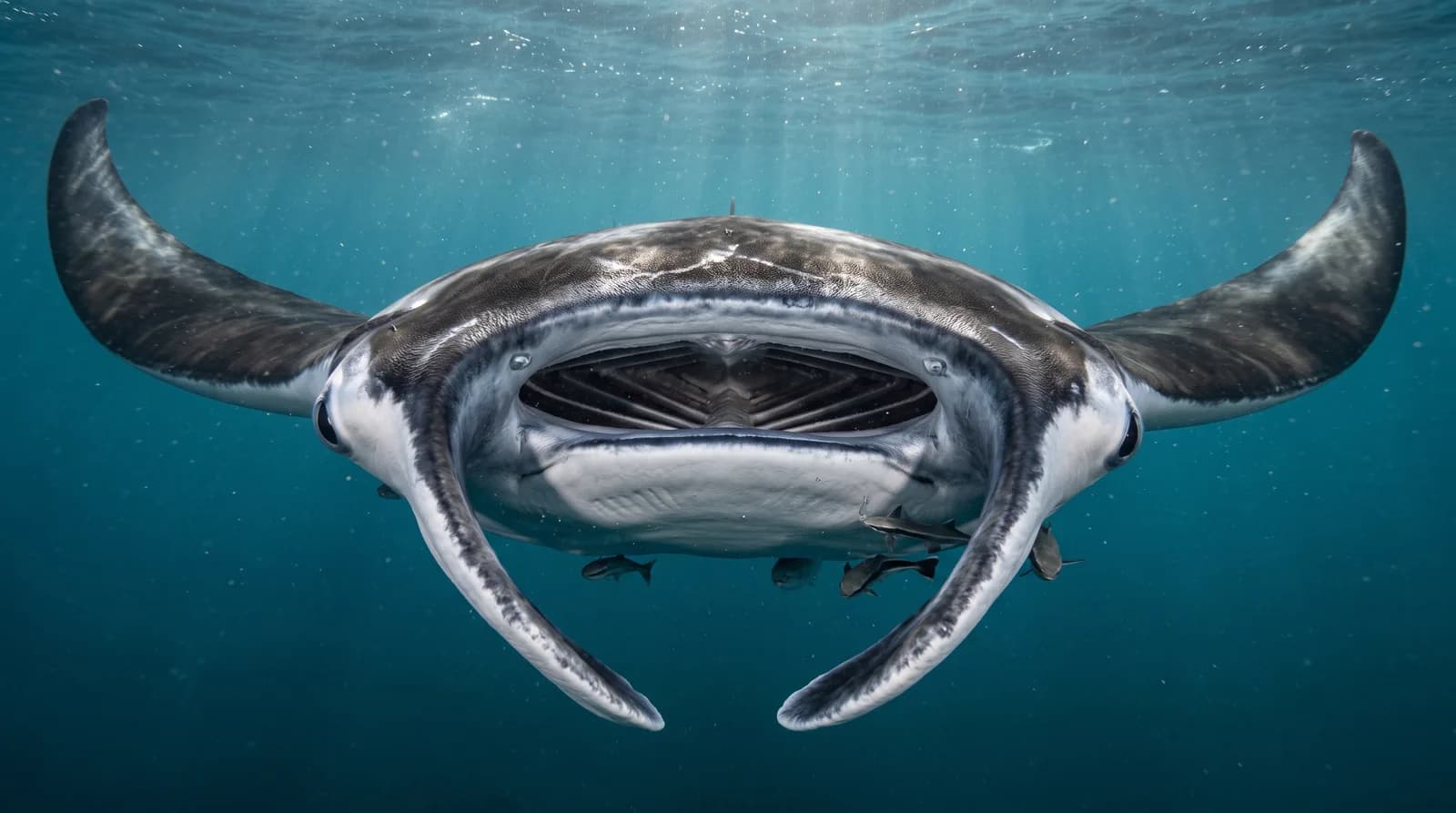
Giant Manta
Mobula birostris
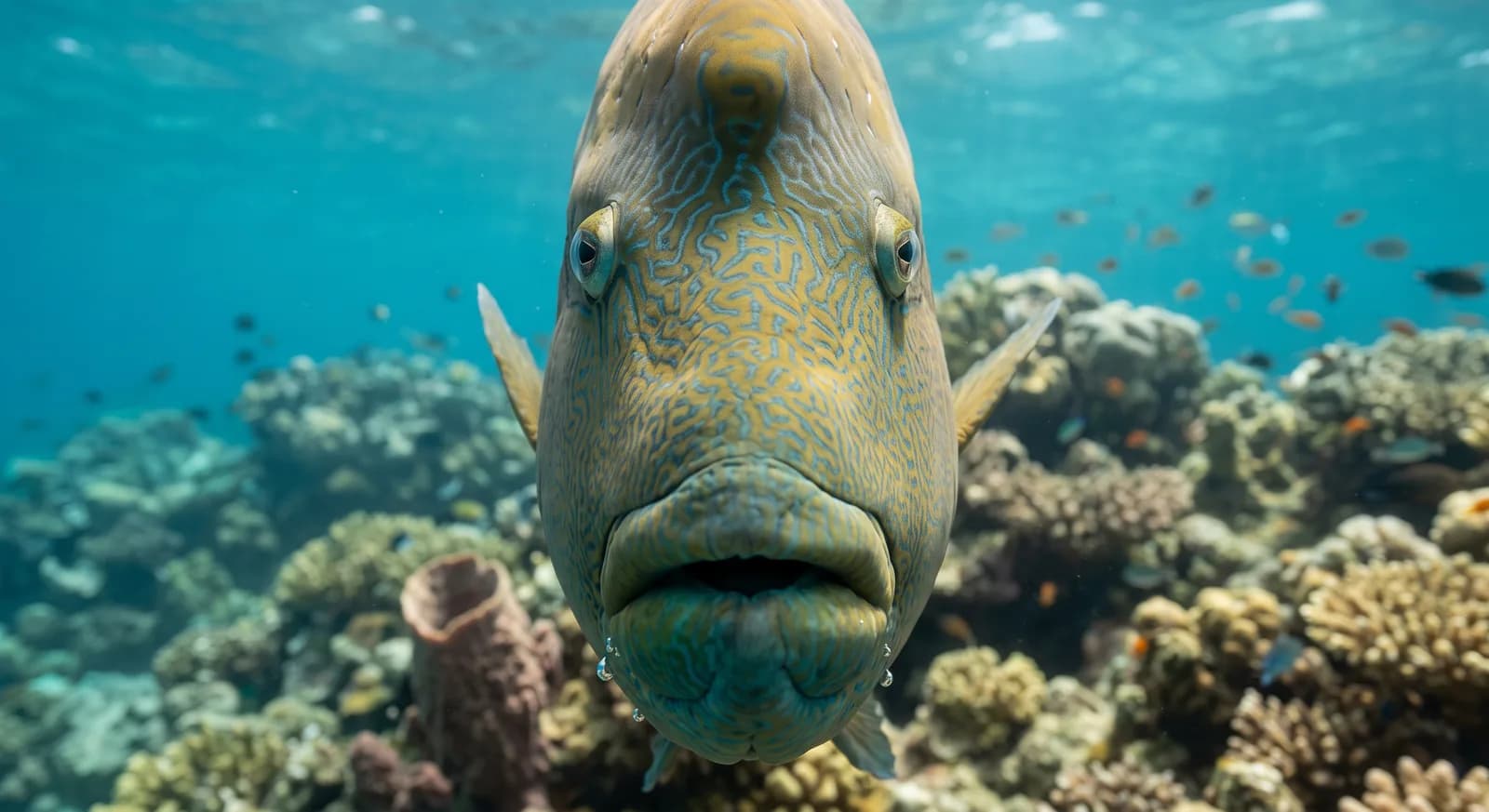 Endangered
Humphead Wrasse
Cheilinus undulatus
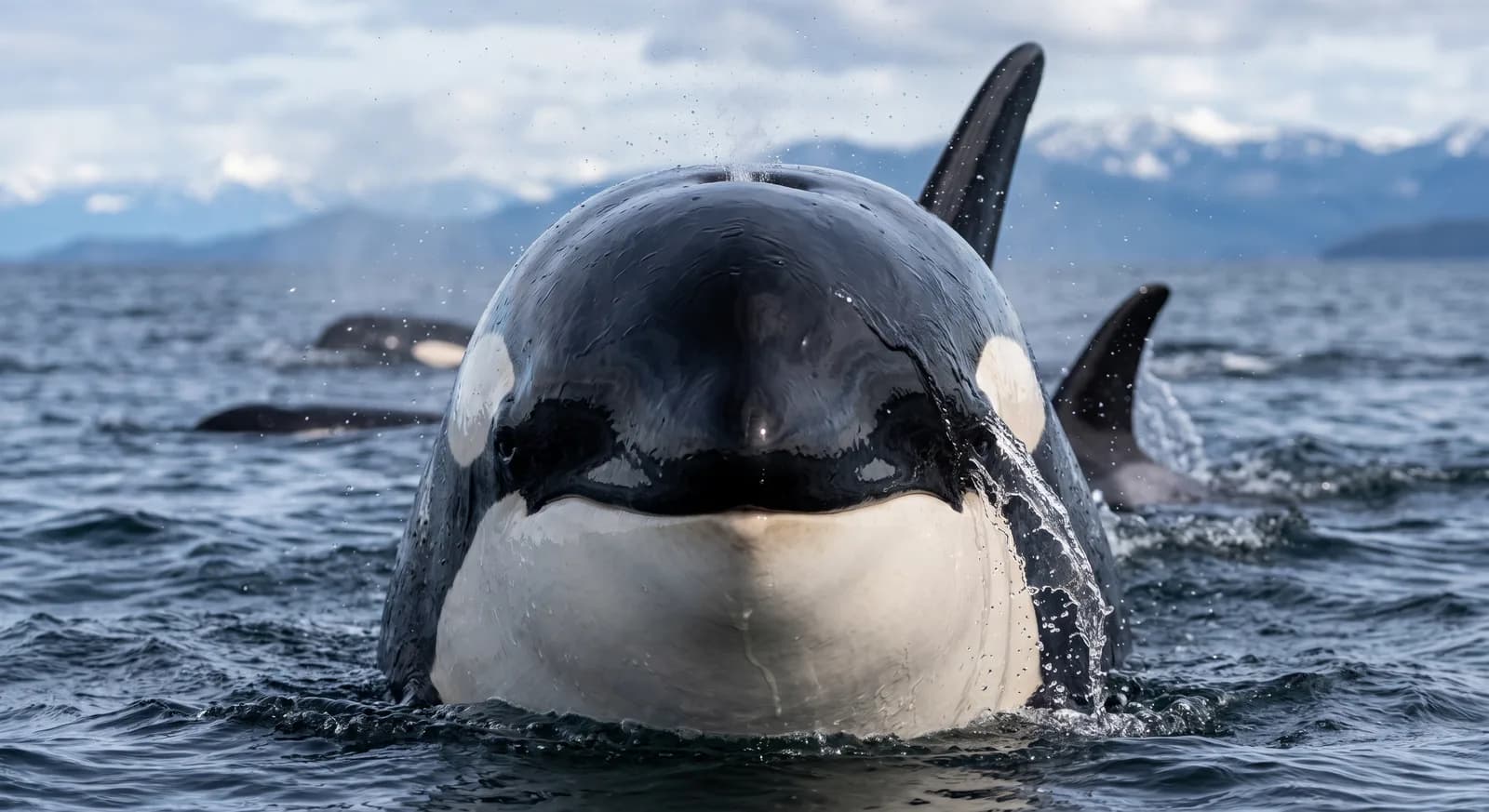 Endangered
Killer Whale
Orcinus orca
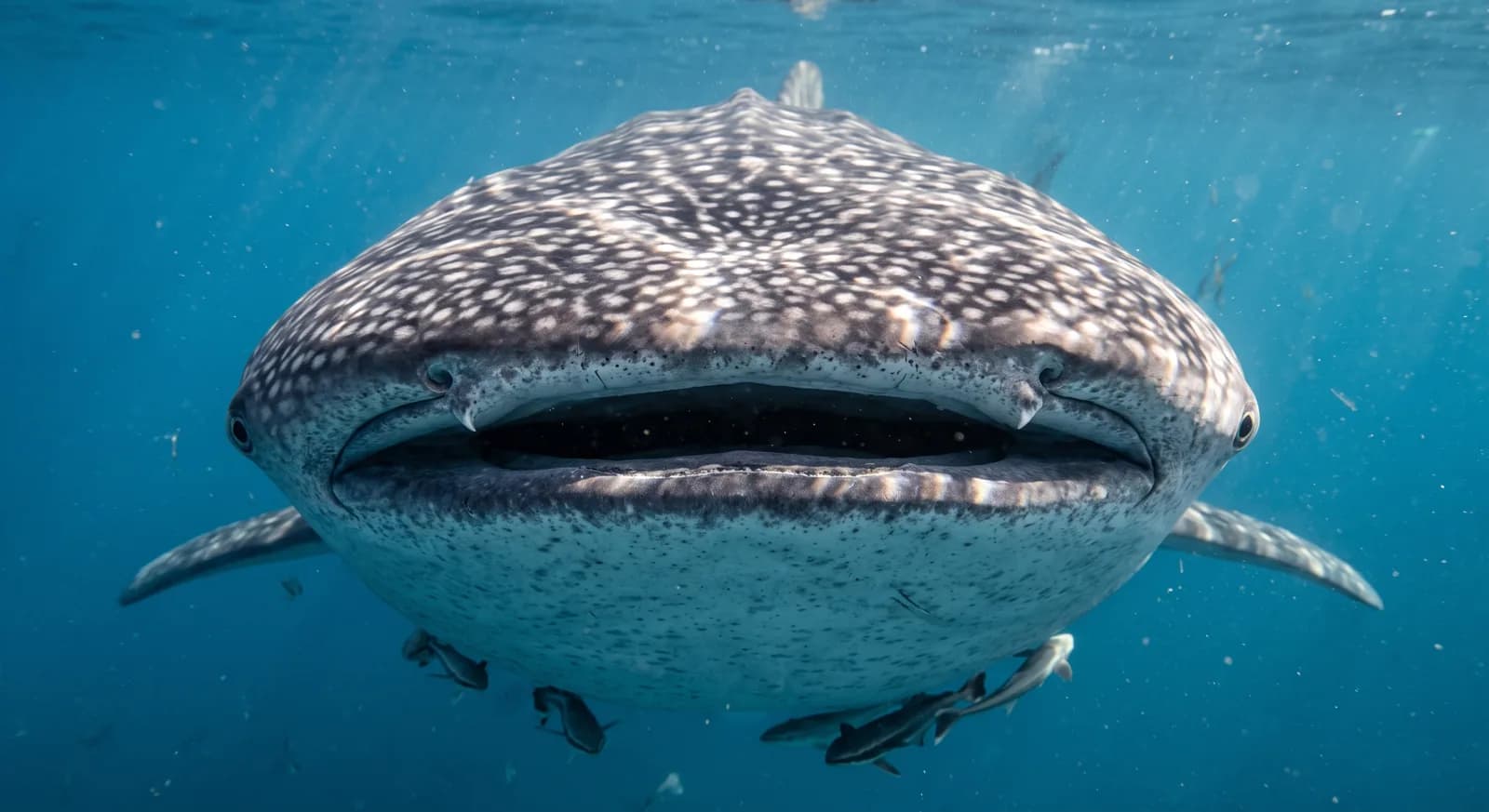 Endangered
Whale Shark
Rhincodon typus
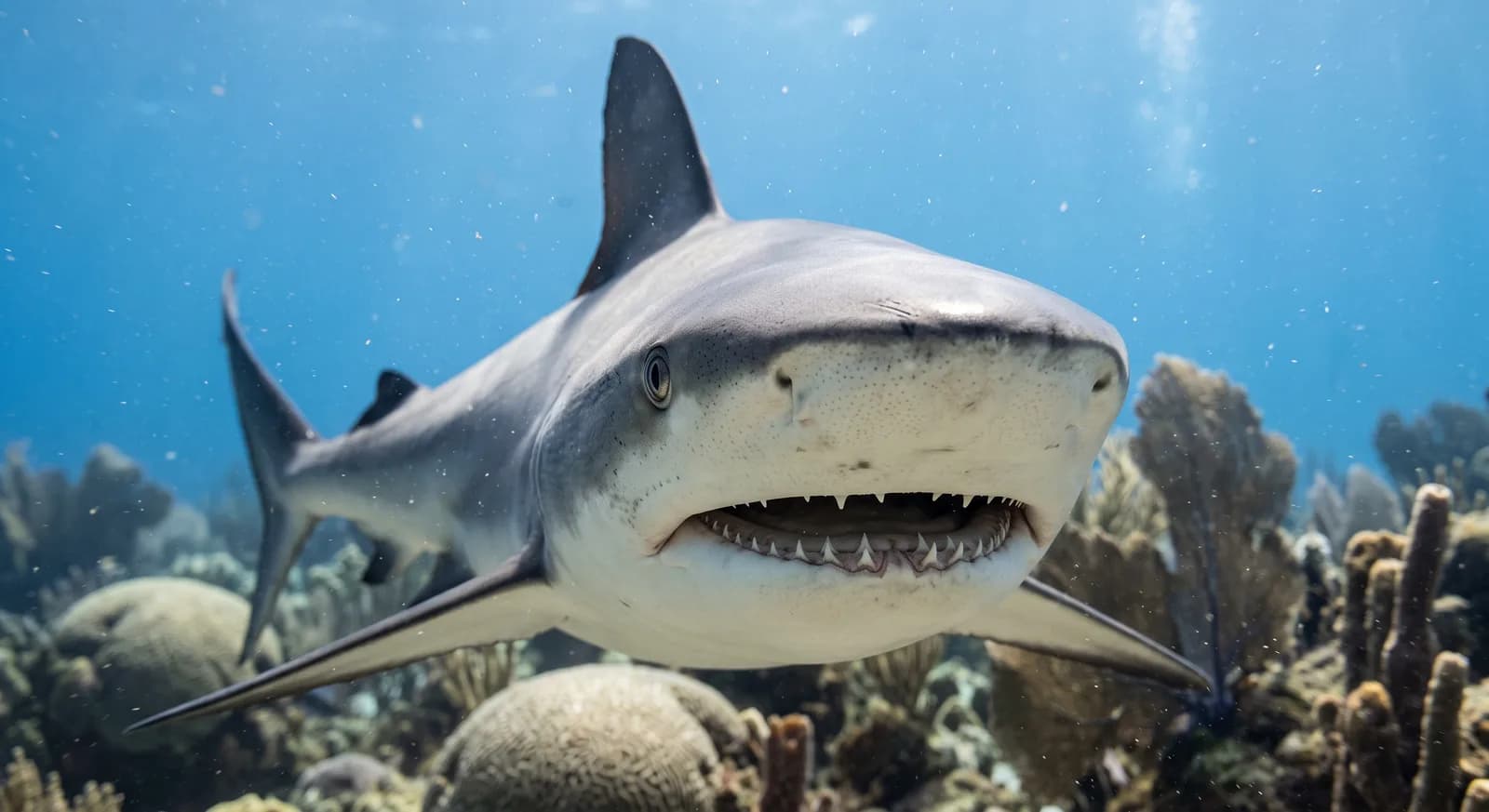 Endangered
Grey Reef Shark
Carcharhinus amblyrhynchos
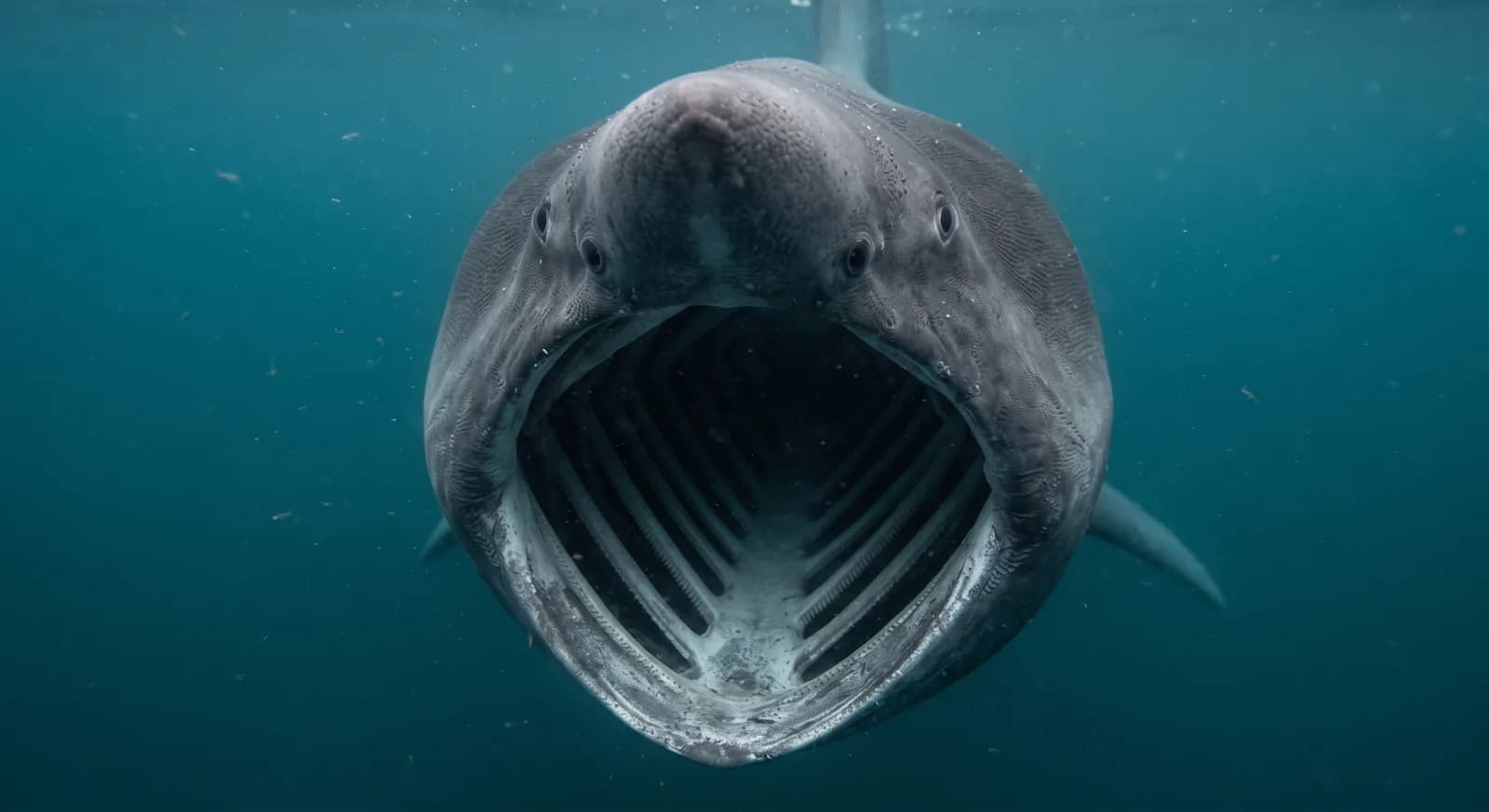 Endangered
Basking Shark
Cetorhinus maximus
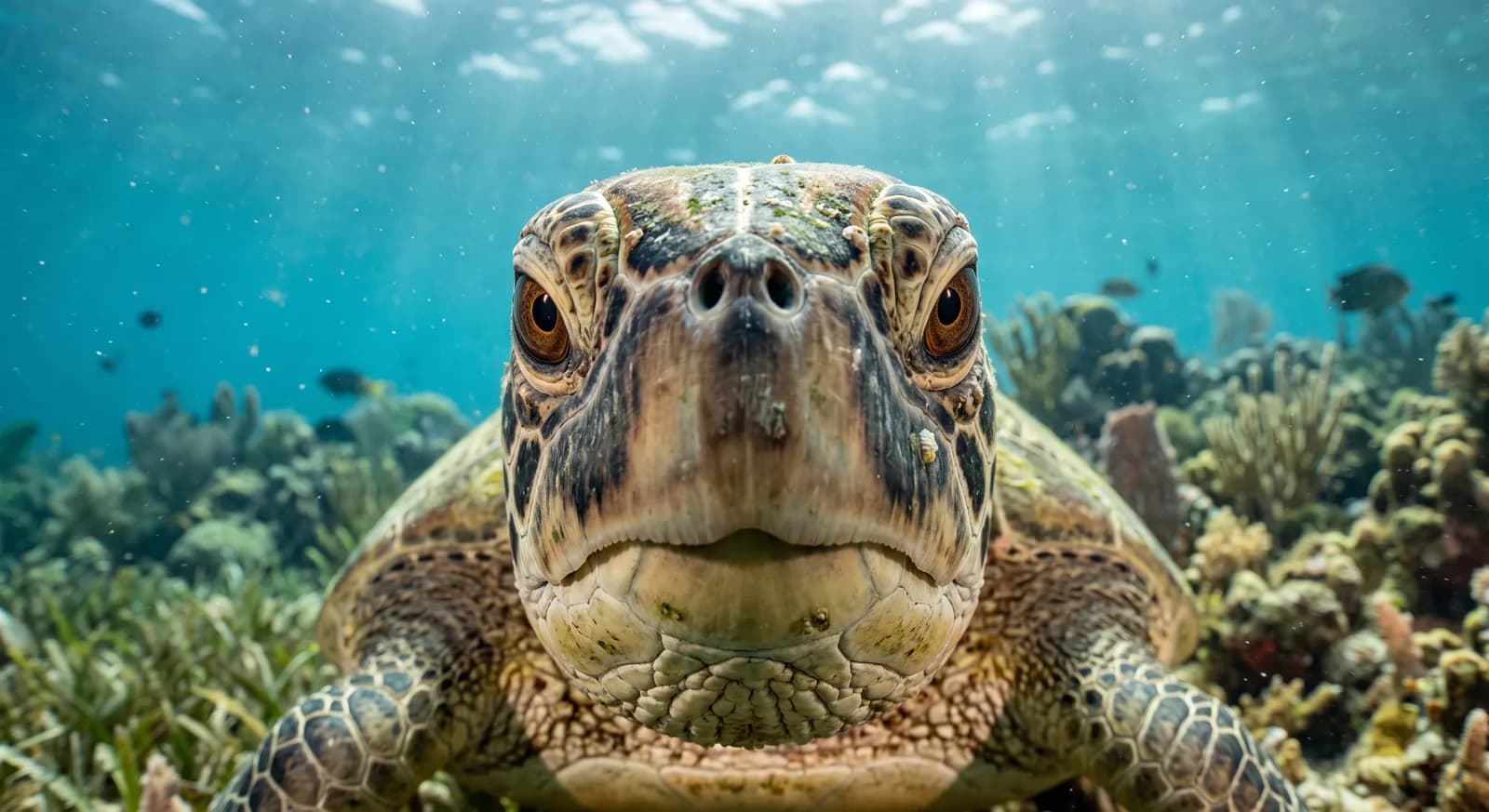 Endangered
Green Turtle
Chelonia mydas
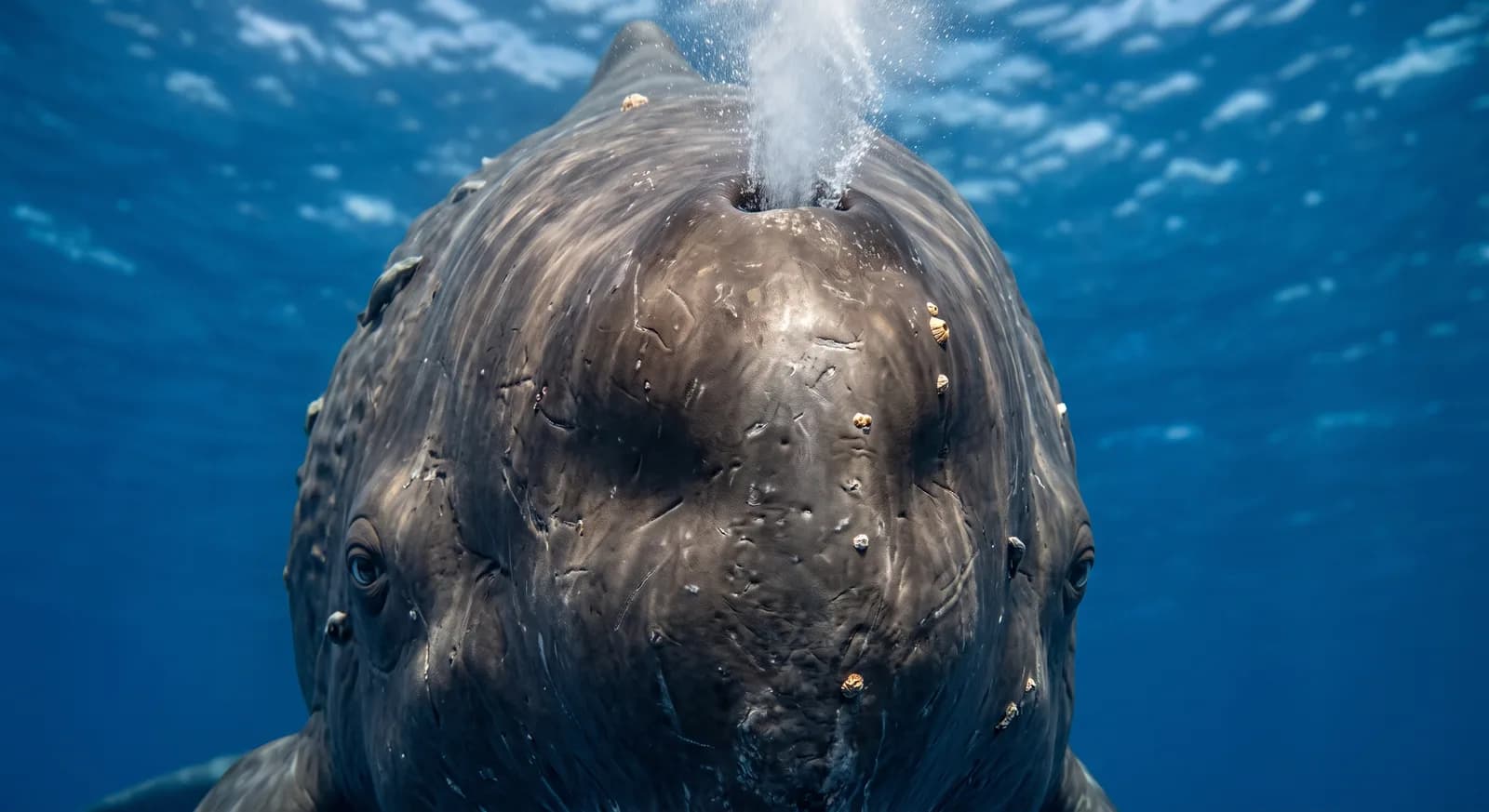 Vulnerable
Sperm Whale
Physeter macrocephalus
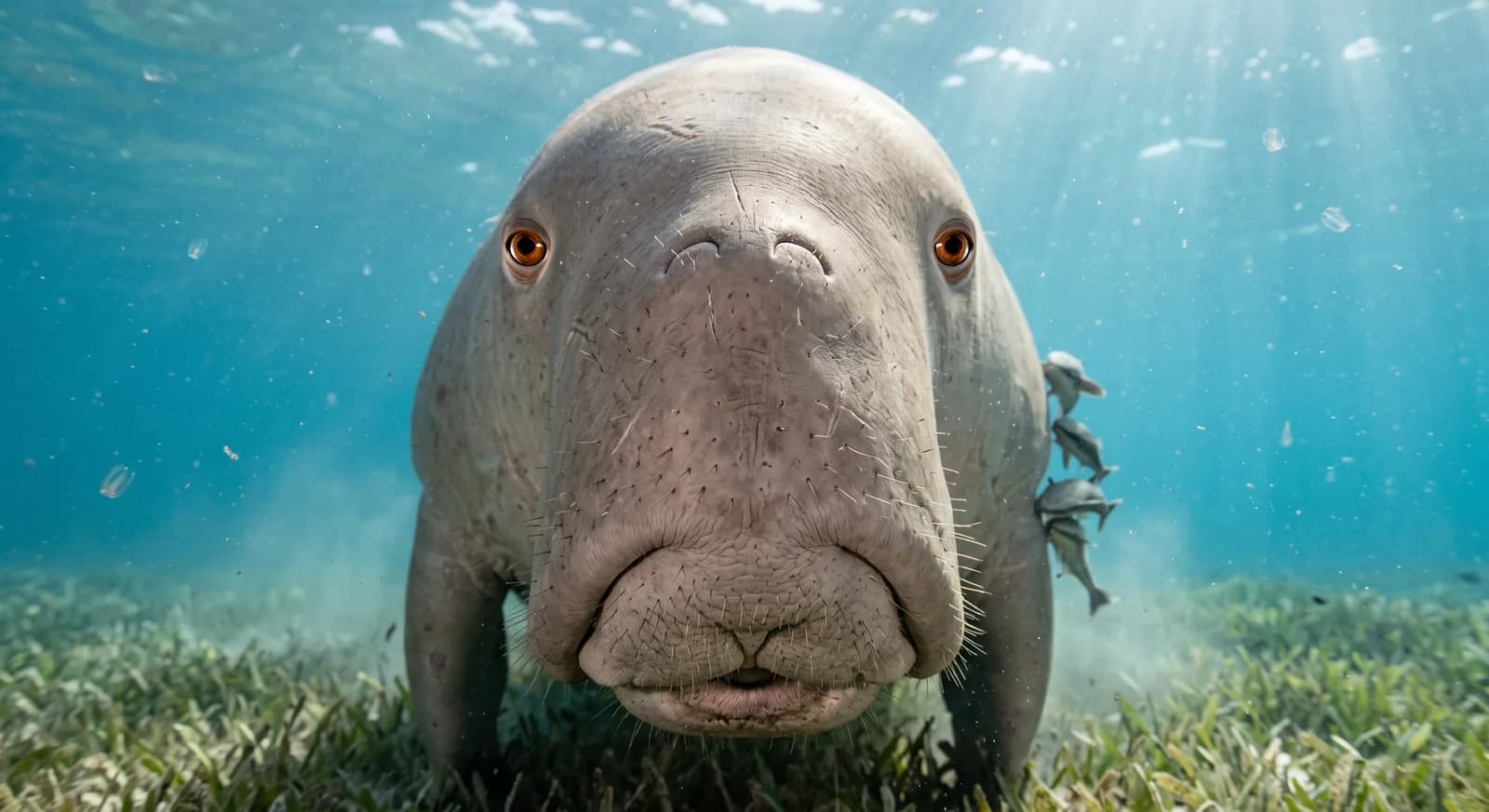 Vulnerable
Dugong
Dugong dugon
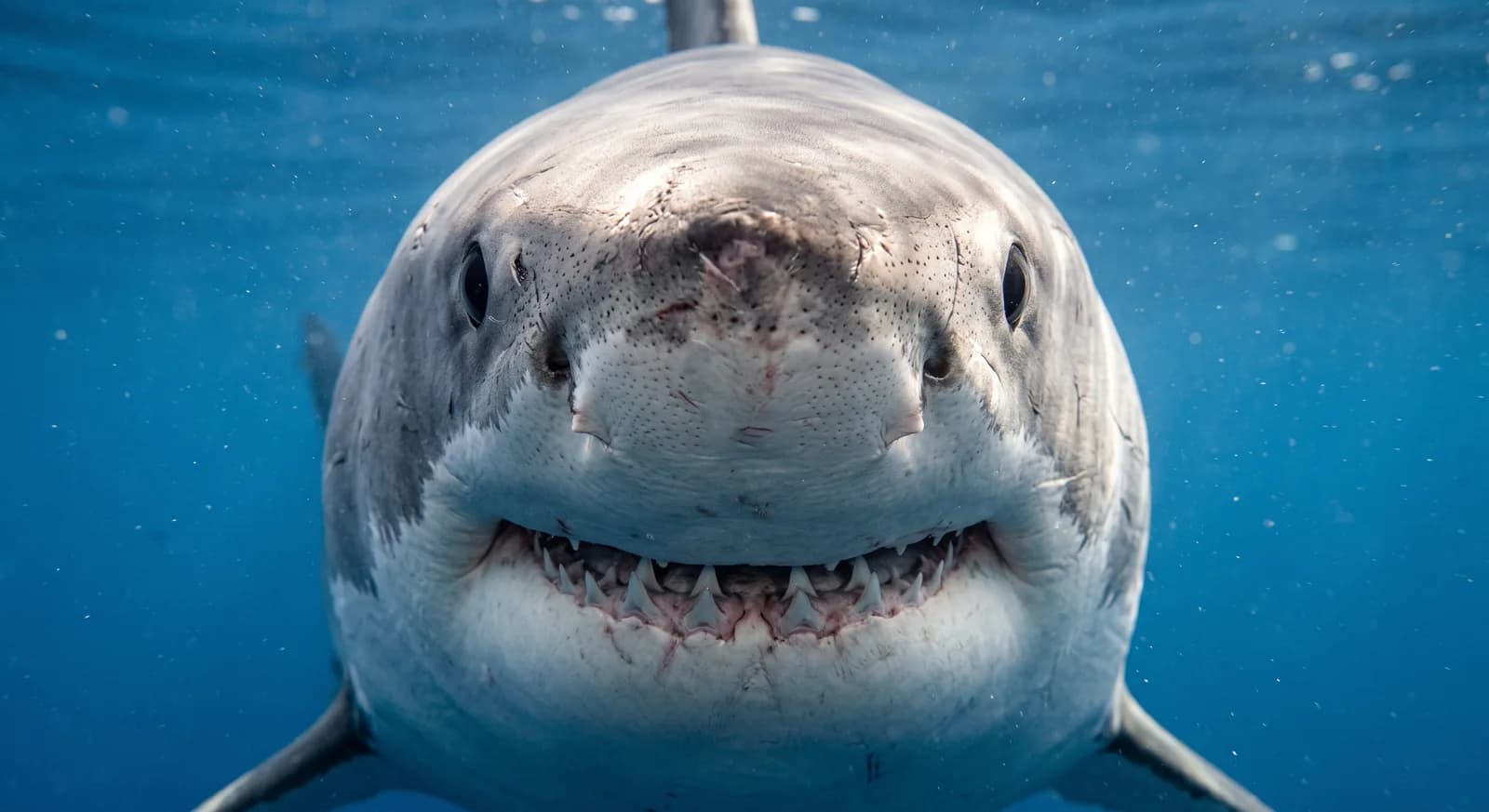 Vulnerable
Great White Shark
Carcharodon carcharias
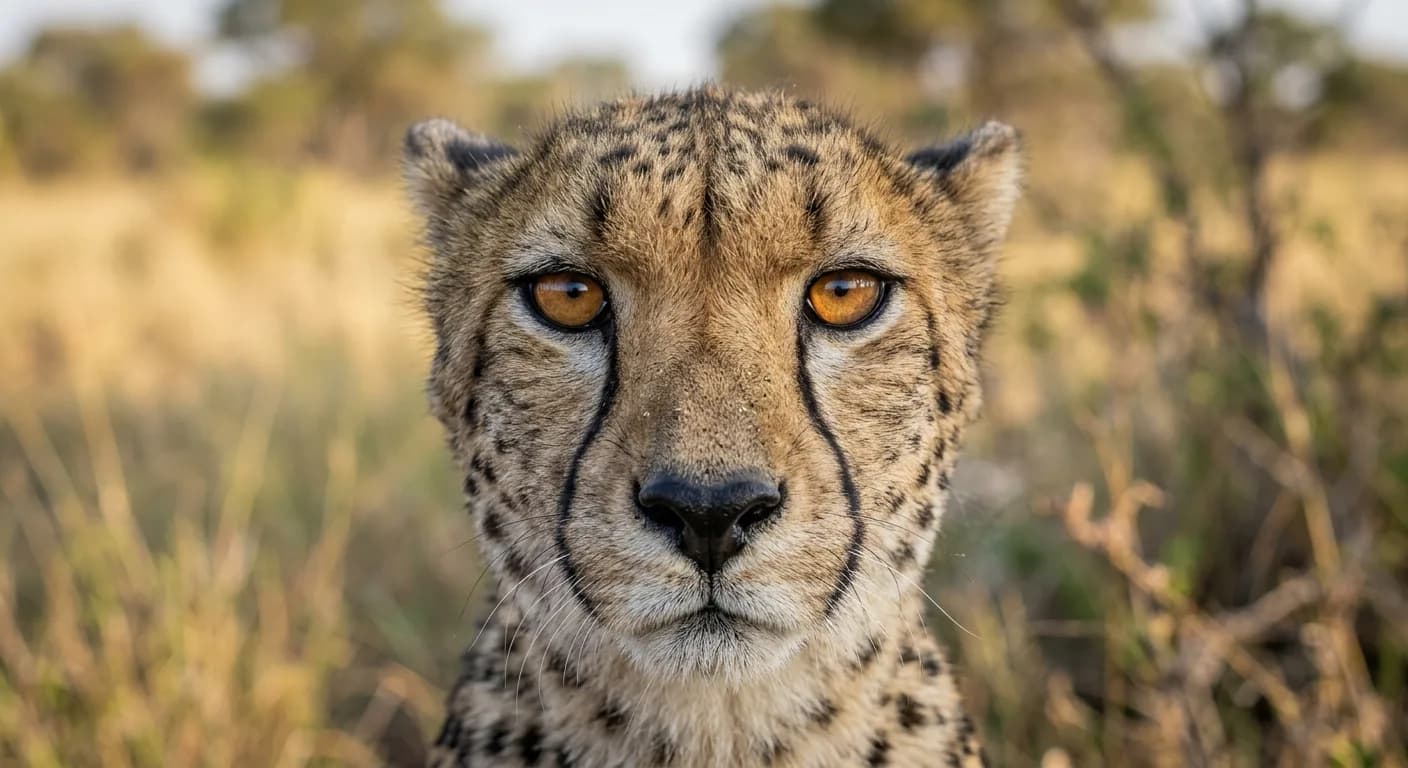 Vulnerable
Cheetah
Acinonyx jubatus
Keep exploring
Based on what we already know about Kenya.