Nepal
Asia
Nepal compresses one of the most extreme altitudinal gradients on the planet into less than two hundred kilometres of width: from the subtropical plains of the Terai, little more than sixty metres above sea level, to Everest, at almost eight thousand nine hundred. That sequence strings together sal forests and elephant grass plains in the south, rhododendron and oak woods in the middle belt, conifers and birch in the high mountains, and finally rock, glaciers and permanent snow. In the Terai, Chitwan and Bardia hold Indian rhinoceroses, tigers, elephants and gharials; in the heights live the snow leopard, the red panda and the blue sheep. The country has committed to a model of community forests that has reversed deforestation across wide areas.
The nature of Nepal
National animal: The cow is the national animal and the Himalayan monal the national bird
Did you know?
In the 1990s, the vultures of South Asia collapsed with unprecedented speed: more than ninety-five per cent disappeared in little over a decade because a veterinary anti-inflammatory given to livestock caused them kidney failure when they fed on the dead animals. Nepal banned the drug and created vulture restaurants, feeding stations offering only drug-free carcasses, and its populations have begun to recover.
Biodiversity profile
Climate
- •Tropical monzonico (Am) en el Terai (llanuras del sur)
- •Templado de montaña en las colinas centrales
- •Alpino y de tundra en el Himalaya alto (incluye el Everest)
Main biomes
- •Selva y sabana tropical del Terai
- •Bosque templado de montaña
- •Bosque alpino y de coniferas
- •Pastizales y matorral de alta montaña por encima del limite forestal
- •Pradera de hierba elefante del Terai
- •Selva subtropical de sal
- •Bosque de rododendros
- •Alta montaña himalaya
- •Glaciar
- •Bosque de coníferas de altura
- •Río de deshielo
Marine and coastal ecosystems
- •No aplica (pais sin litoral)
Flagship wildlife
- •Tigre de Bengala
- •Rinoceronte indio unicornio
- •Leopardo de las nieves
- •Panda rojo
- •Grulla sarus
- •Rinoceronte indio
- •Elefante asiático
- •Buitre dorsiblanco bengalí
- •Monal del Himalaya
- •Cocodrilo gavial
- •Delfín del Ganges
- •Pantano azul
Notable endemic species
- •Nepal ocupa solo el 0,1% de la superficie global pero alberga mas del 3% de la flora mundial y el 1% de la fauna mundial
- •9,3% de las aves del mundo, 4,5% de mamiferos y 4% de mariposas registradas en el pais, reflejo del extremo gradiente altitudinal desde el Terai tropical hasta las cumbres del Himalaya
- •Faisán koklás nepalí
- •Rana del Himalaya nepalí
Notable threatened species
- •Rinoceronte indio unicornio (Vulnerable, poblacion en recuperacion en el Parque Nacional Chitwan)
- •Tigre de Bengala (En Peligro, poblacion en el Terai)
- •Leopardo de las nieves (Vulnerable, en las alturas del Himalaya)
Notable protected areas
- •Parque Nacional Chitwan (Patrimonio Mundial, rinoceronte indio y tigre de Bengala)
- •Parque Nacional Sagarmatha (region del Everest, Patrimonio Mundial)
- •Parque Nacional de Chitwan
- •Parque Nacional de Bardia
- •Parque Nacional de Sagarmatha
- •Área de Conservación del Annapurna
- •Parque Nacional de Langtang
- •Parque Nacional de Shey Phoksundo
Main conservation threats
- •Rapido cambio a lo largo de gradientes ambientales que genera alta diversidad beta pero tambien alta fragilidad frente a perturbaciones
- •Presion demografica creciente sobre habitats de baja altitud (Terai)
- •Cambio climatico sobre ecosistemas de alta montaña y glaciares del Himalaya
Notable natural phenomena
- •Gradiente altitudinal mas extremo del mundo, desde el Terai tropical (menos de 100 msnm) hasta la cumbre del Everest (8.849 msnm)
Conservation
Nepal has almost tripled its tiger population in little more than a decade, from little over a hundred to some three hundred and fifty animals, and has strung together several years without rhinoceros poaching. Community forest management is its main conservation tool.
Where and when to watch wildlife
Chitwan and Bardia between February and May for rhinoceroses and tigers. Annapurna and Langtang in spring for rhododendrons in bloom and mountain birds. The heights of Dolpo in winter for snow leopard.
Sources: National Trust for Nature Conservation (NTNC) Nepal - Species | pmfias.com - Biodiversity Hotspots India (referencia regional al Himalaya)
Parks and reserves
Chitwan National Park
Subtropical forest at the foot of the Himalaya, home to the Bengal tiger and one of the last refuges of the Asian rhinoceros.
View parkNational ParkSagarmatha
It protects Mount Everest, the highest mountain on Earth
View parkConservation AreaAnnapurna
Nepal's largest protected area; it holds the deepest valley in the world, the Kali Gandaki gorge
View parkNational ParkBardiya
The largest and wildest national park of the Nepalese Terai, with one of the fastest-growing Bengal tiger populations in the world
View parkNational ParkKhaptad
Held sacred by followers of the ascetic and philosopher Khaptad Baba, who lived as a hermit on the plateau for more than 50 years
View parkNational ParkLangtang
The first national park in the Himalayas to protect an area inhabited by Buddhist Tamang communities; devastated by an avalanche in the 2015 earthquake
View parkNational ParkMakalu Barun
The only protected area in the world with an altitudinal range of more than 8,000 metres, from tropical forest to the summit of Makalu
View parkNational ParkParsa
The eastern extension of the Chitwan ecosystem; home to a successful Bengal tiger reintroduction programme since 2017
View parkNational ParkShey Phoksundo
Nepal's largest national park; it holds the deepest lake in the country, an intense turquoise held sacred in Tibetan Buddhism
View parkPaíses similares
¿A dónde más podría interesarme viajar?
Misma región: Sur de Asia
Misma región: Sur de Asia
Misma región: Sur de Asia
Misma región: Sur de Asia
Especies documentadas en Nepal
146 species found
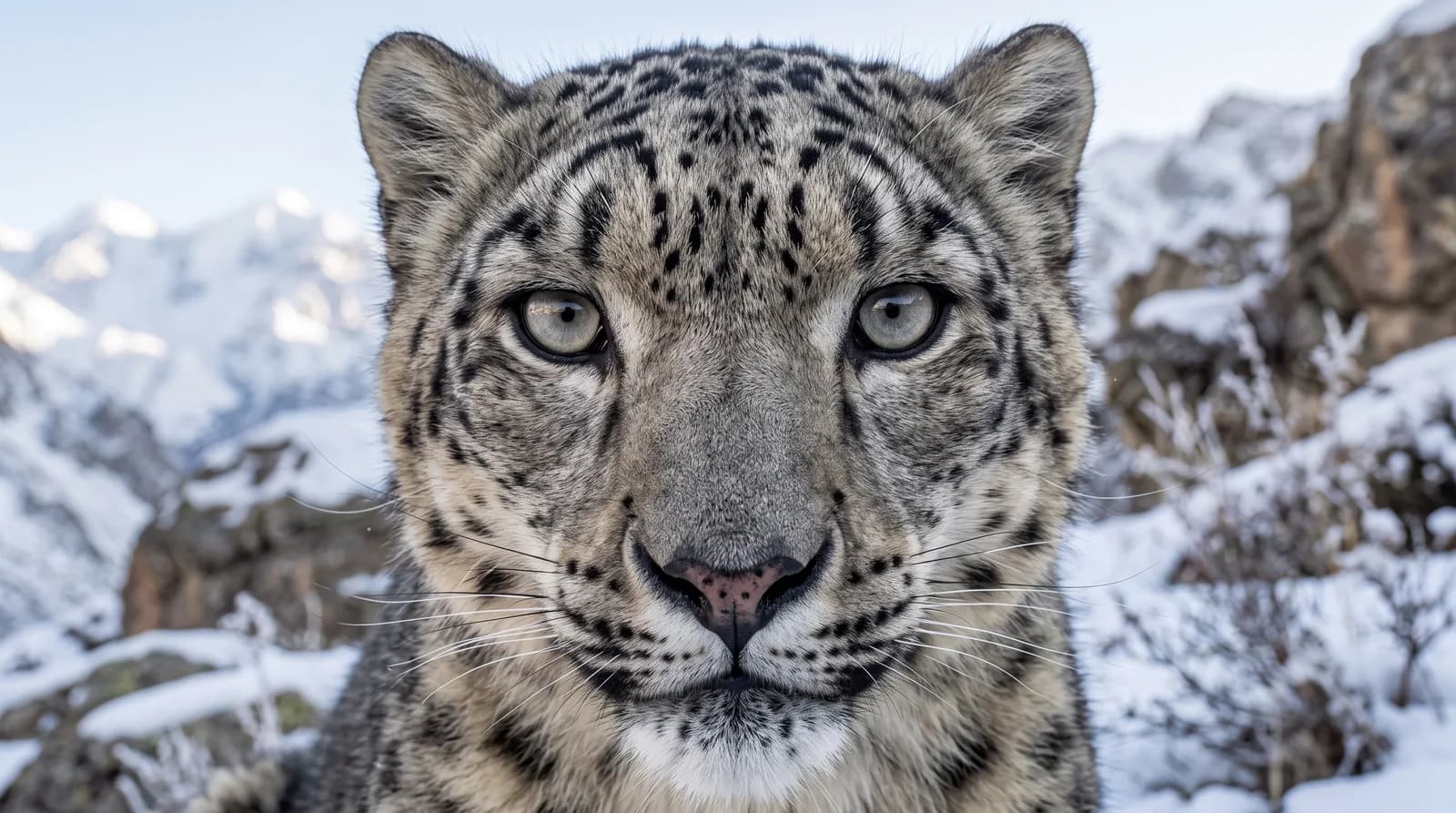 Vulnerable
Snow Leopard
Panthera uncia
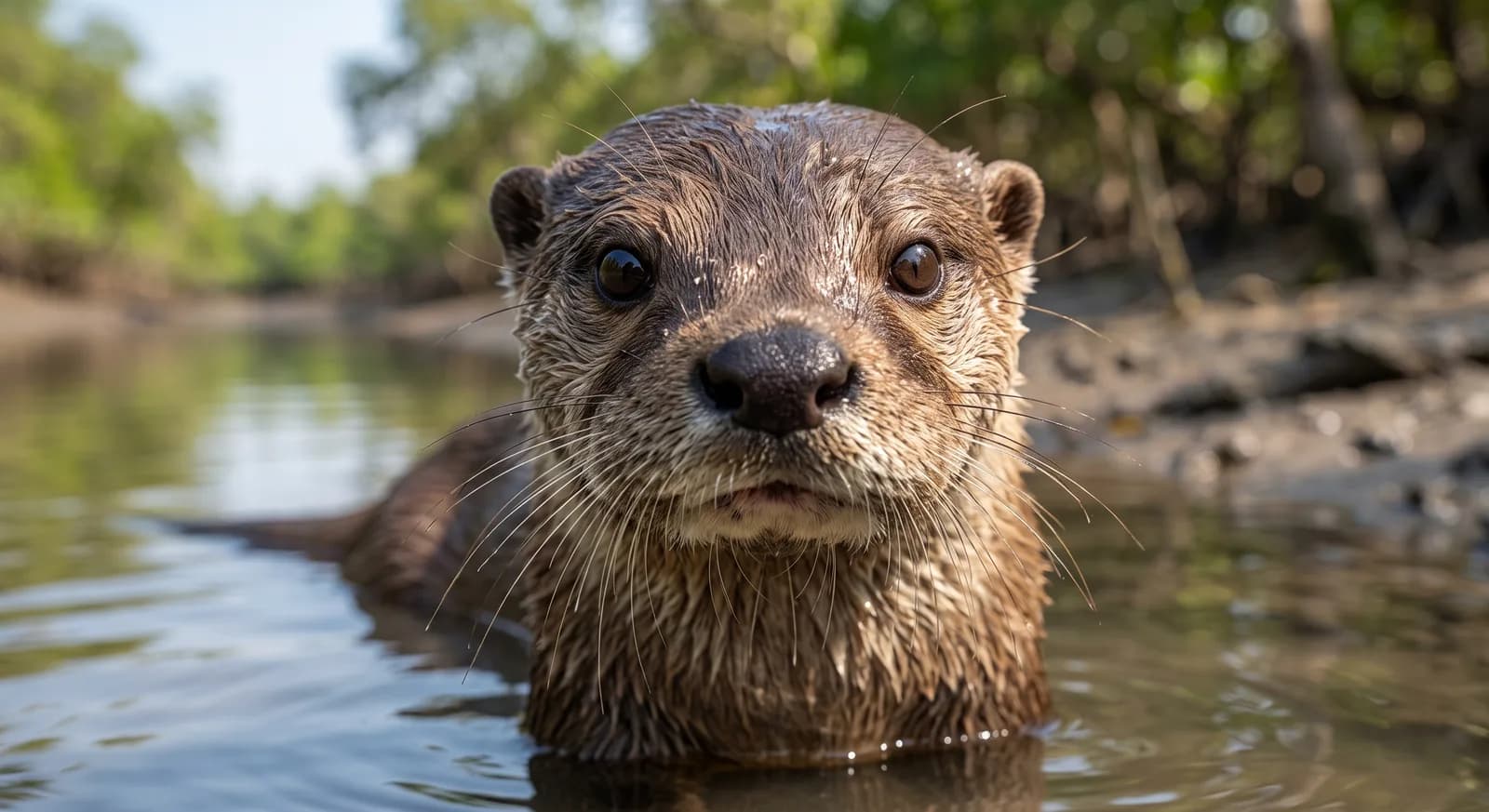 Vulnerable
Smooth-coated Otter
Lutrogale perspicillata
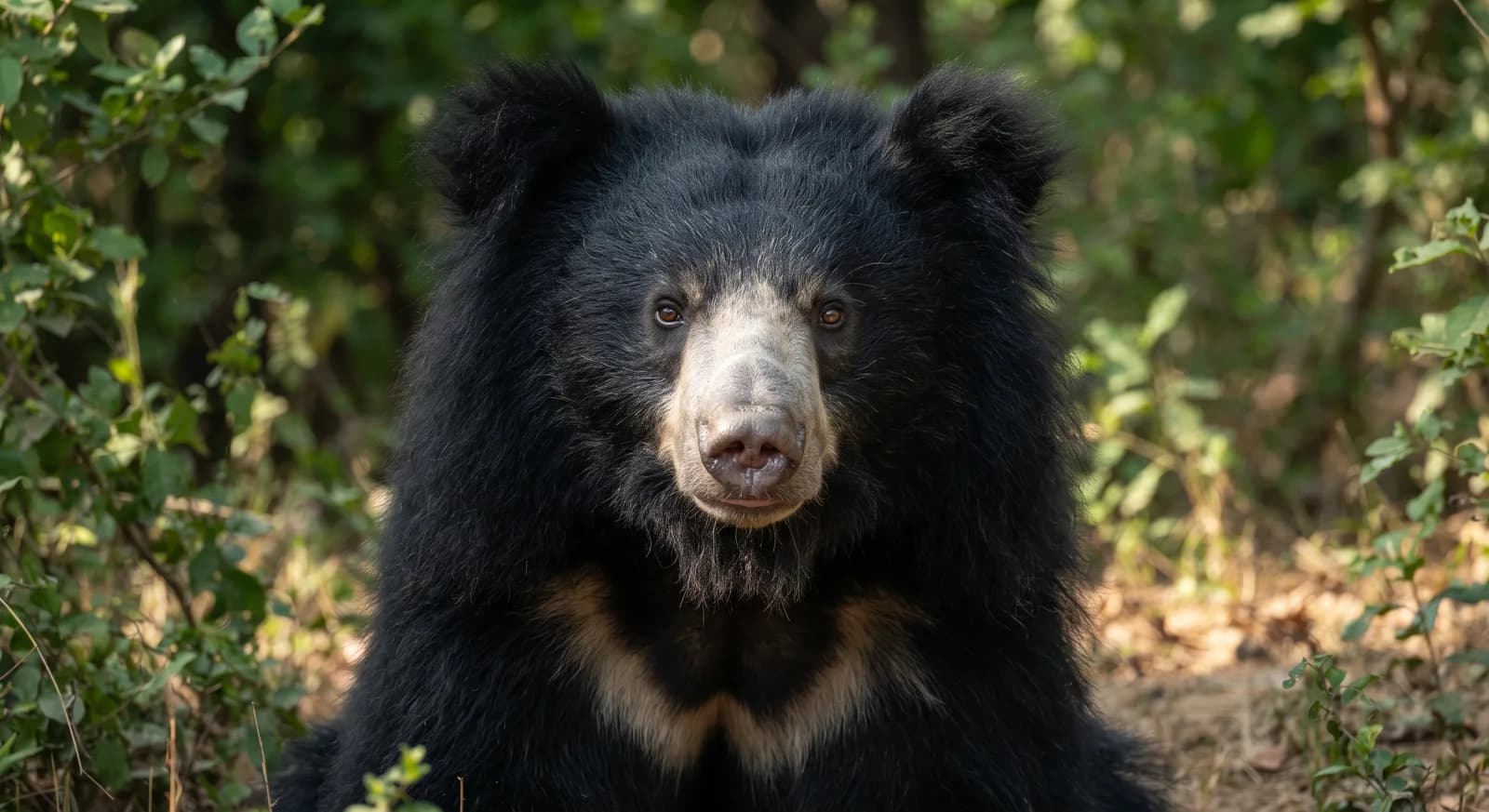 Vulnerable
Sloth Bear
Melursus ursinus
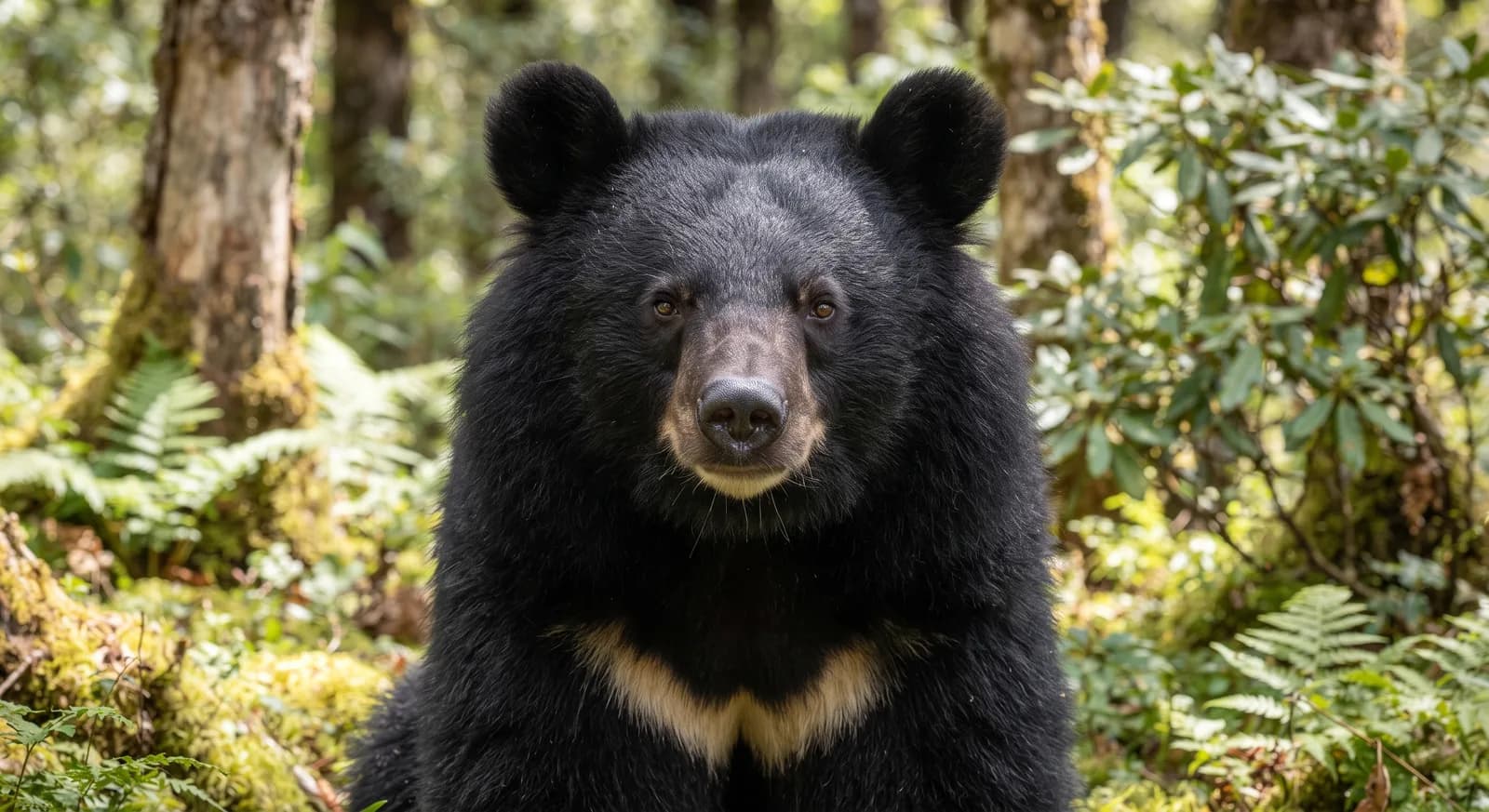 Vulnerable
Asiatic Black Bear
Ursus thibetanus
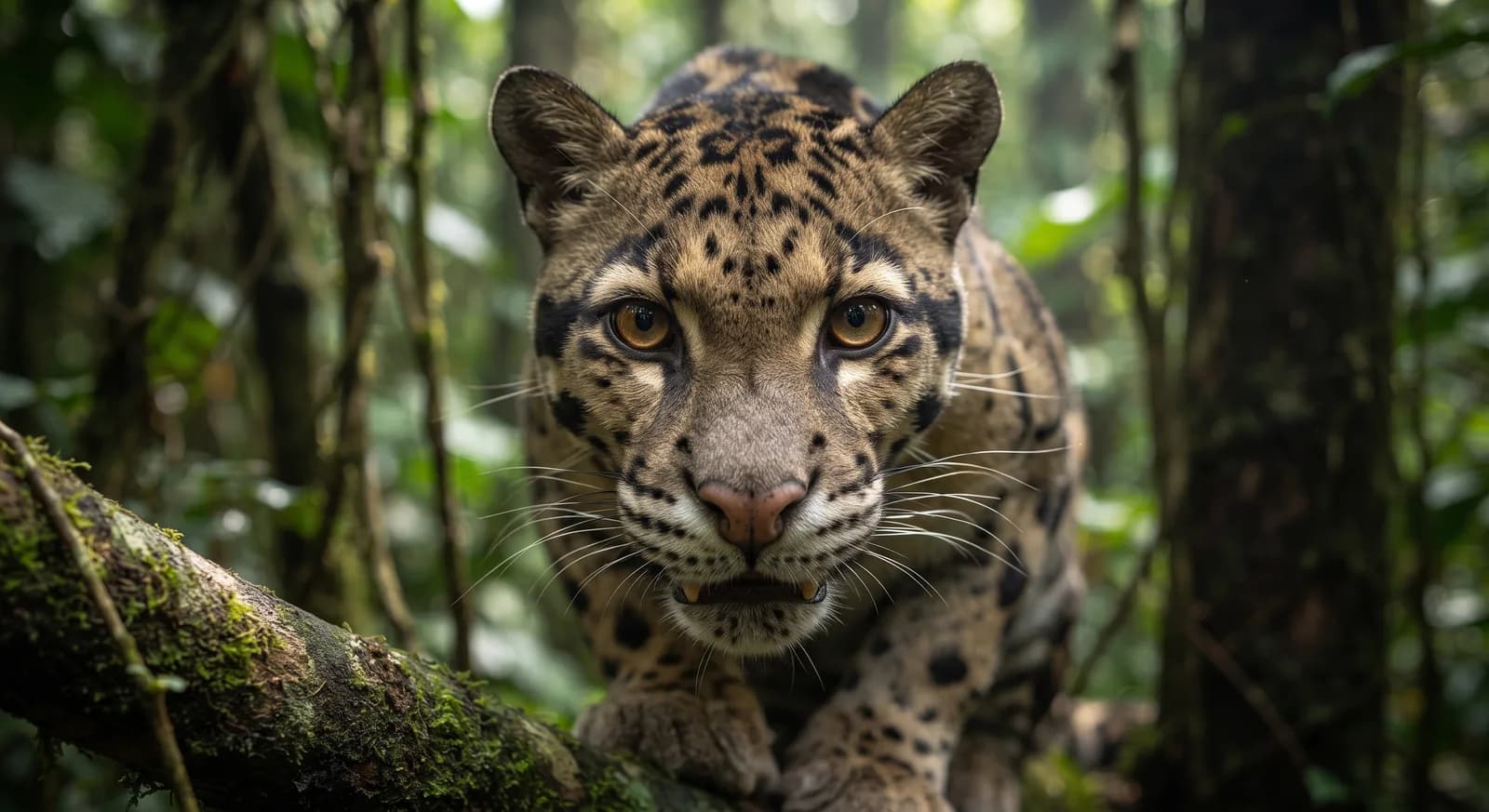 Vulnerable
Clouded Leopard
Neofelis nebulosa
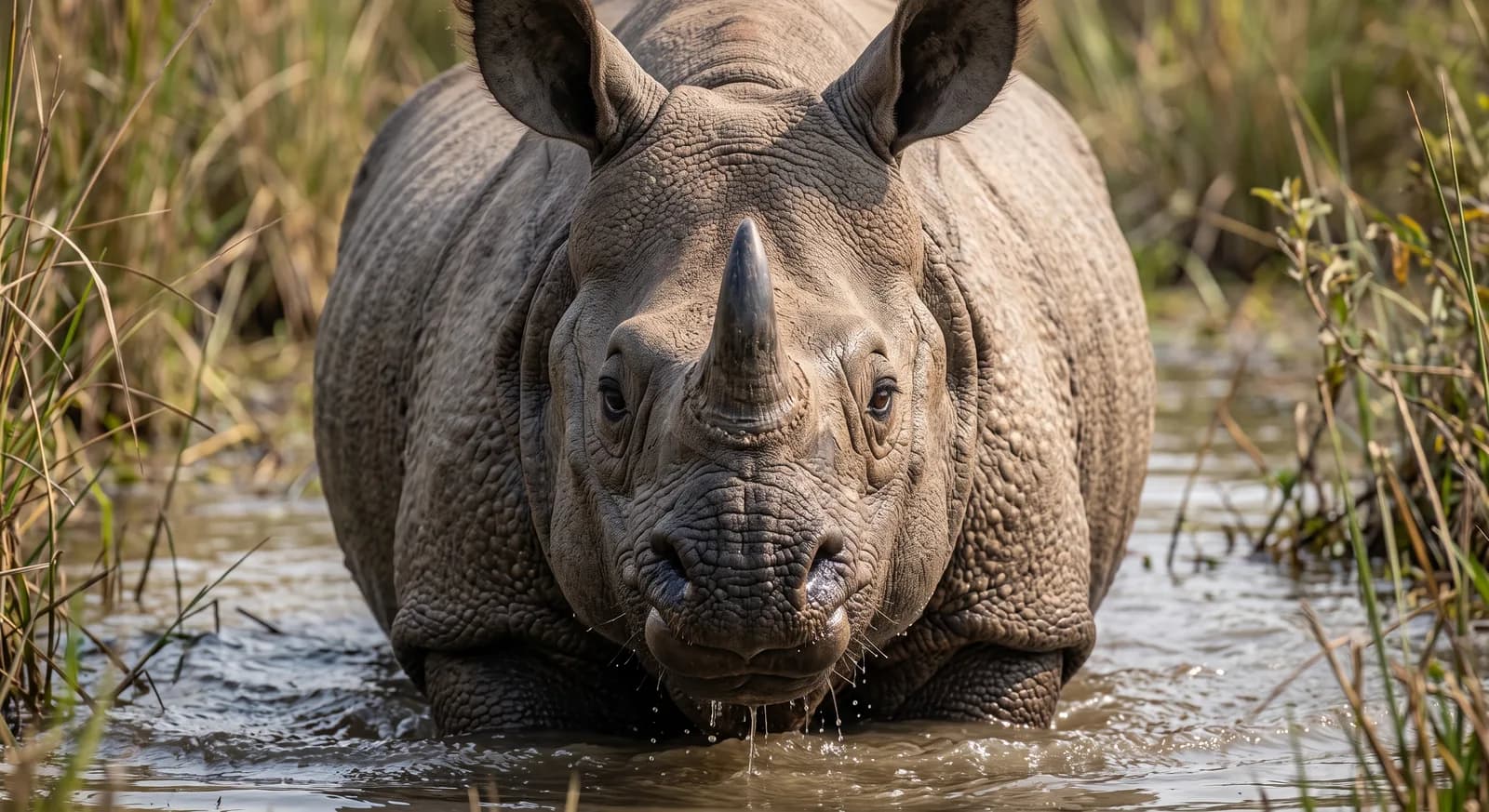 Vulnerable
Greater One-horned Rhino
Rhinoceros unicornis
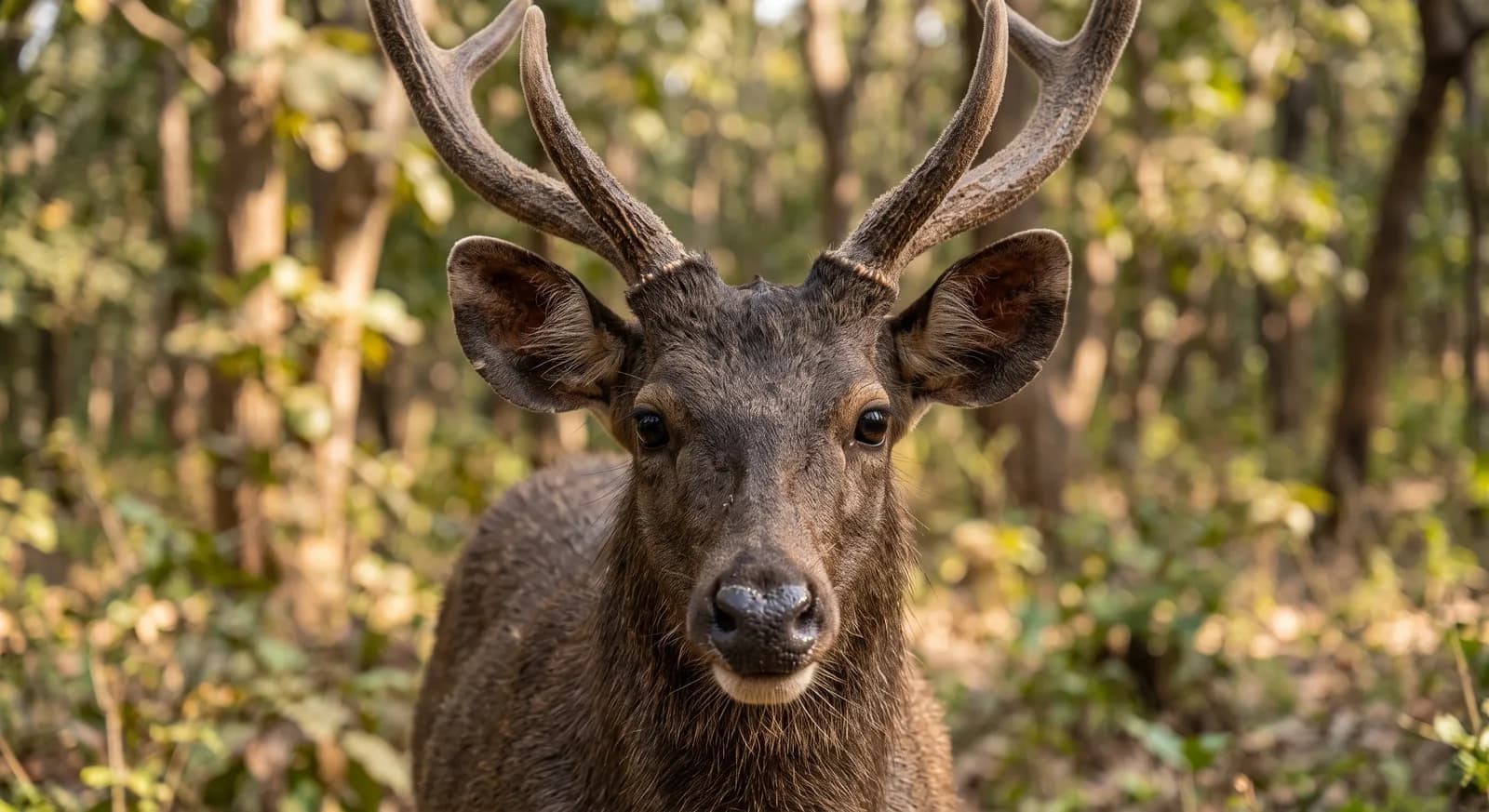 Vulnerable
Sambar
Rusa unicolor
 Vulnerable
Takin
Budorcas taxicolor
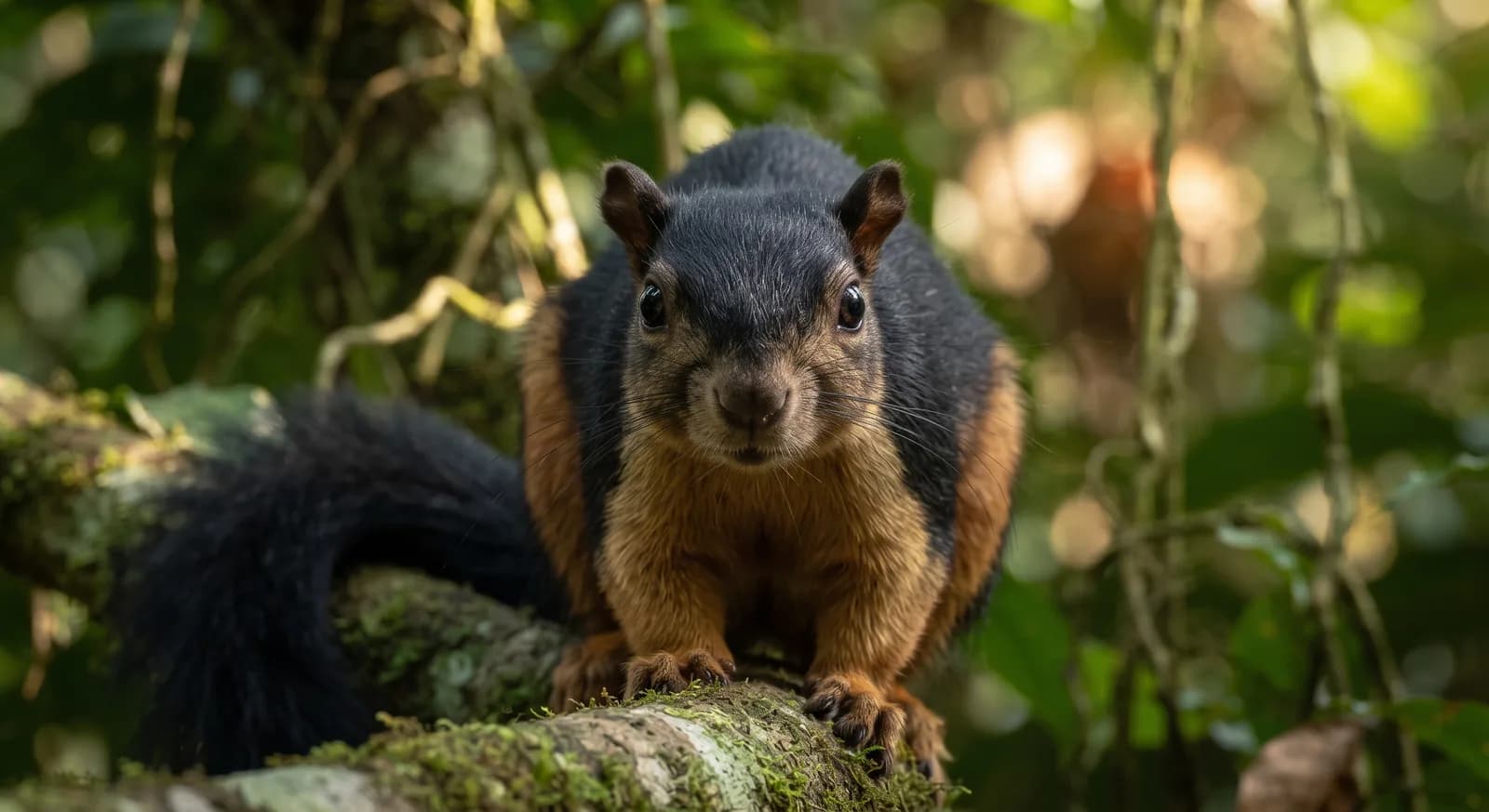 Near Threatened
Black Giant Squirrel
Ratufa bicolor
 Near Threatened
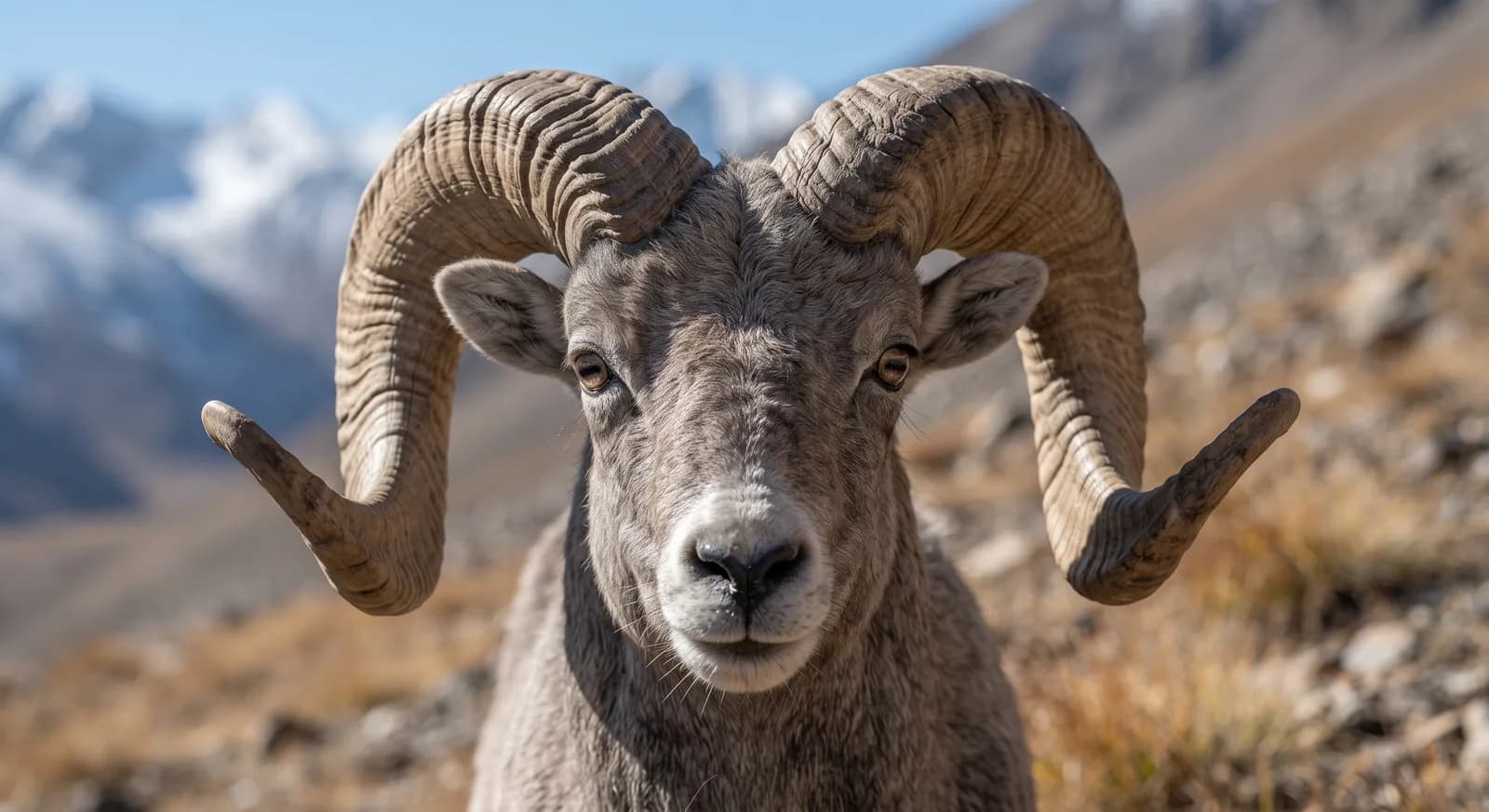
Argali
Ovis ammon
 Near Threatened
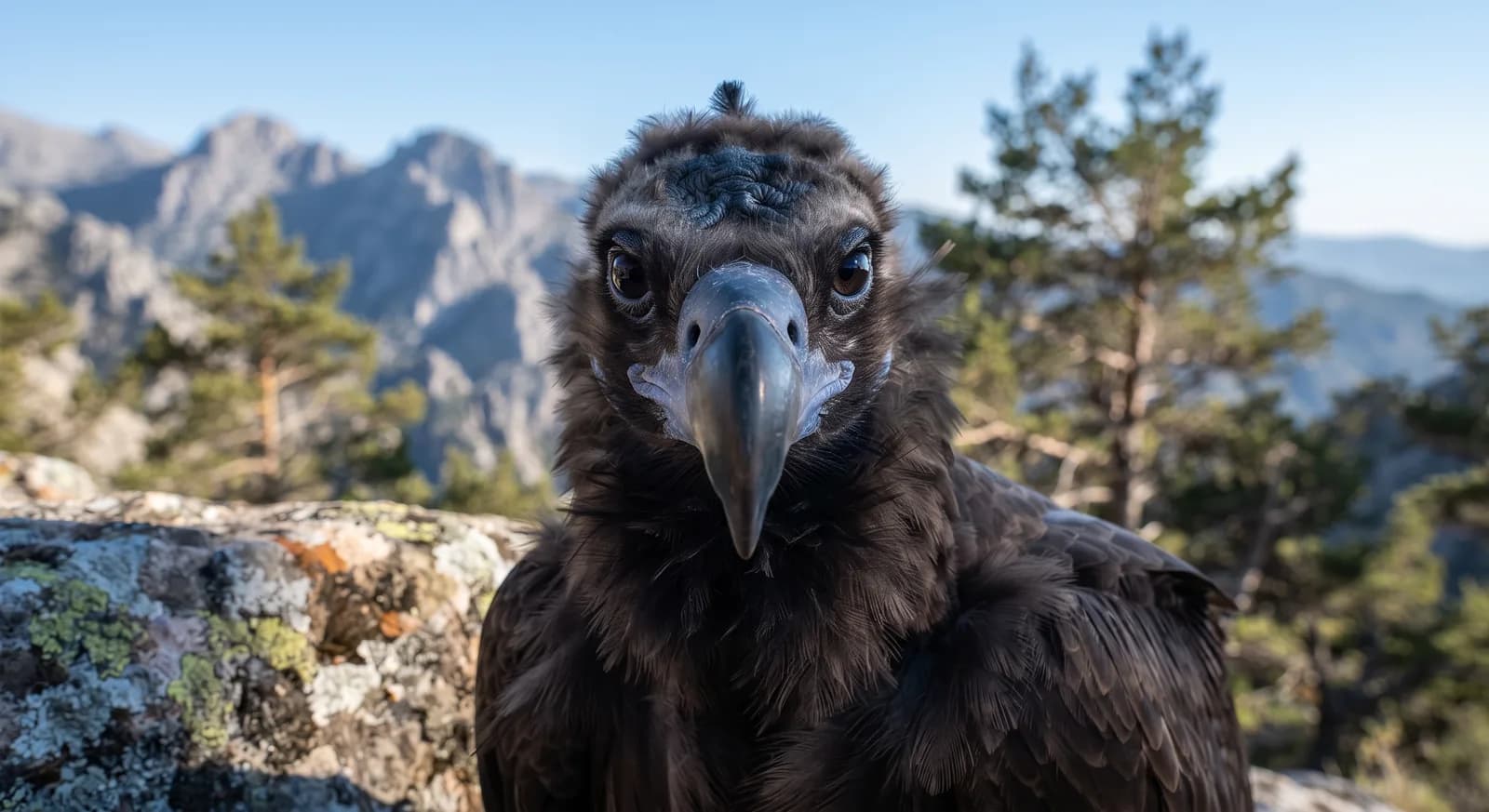
Cinereous Vulture
Aegypius monachus
 Near Threatened
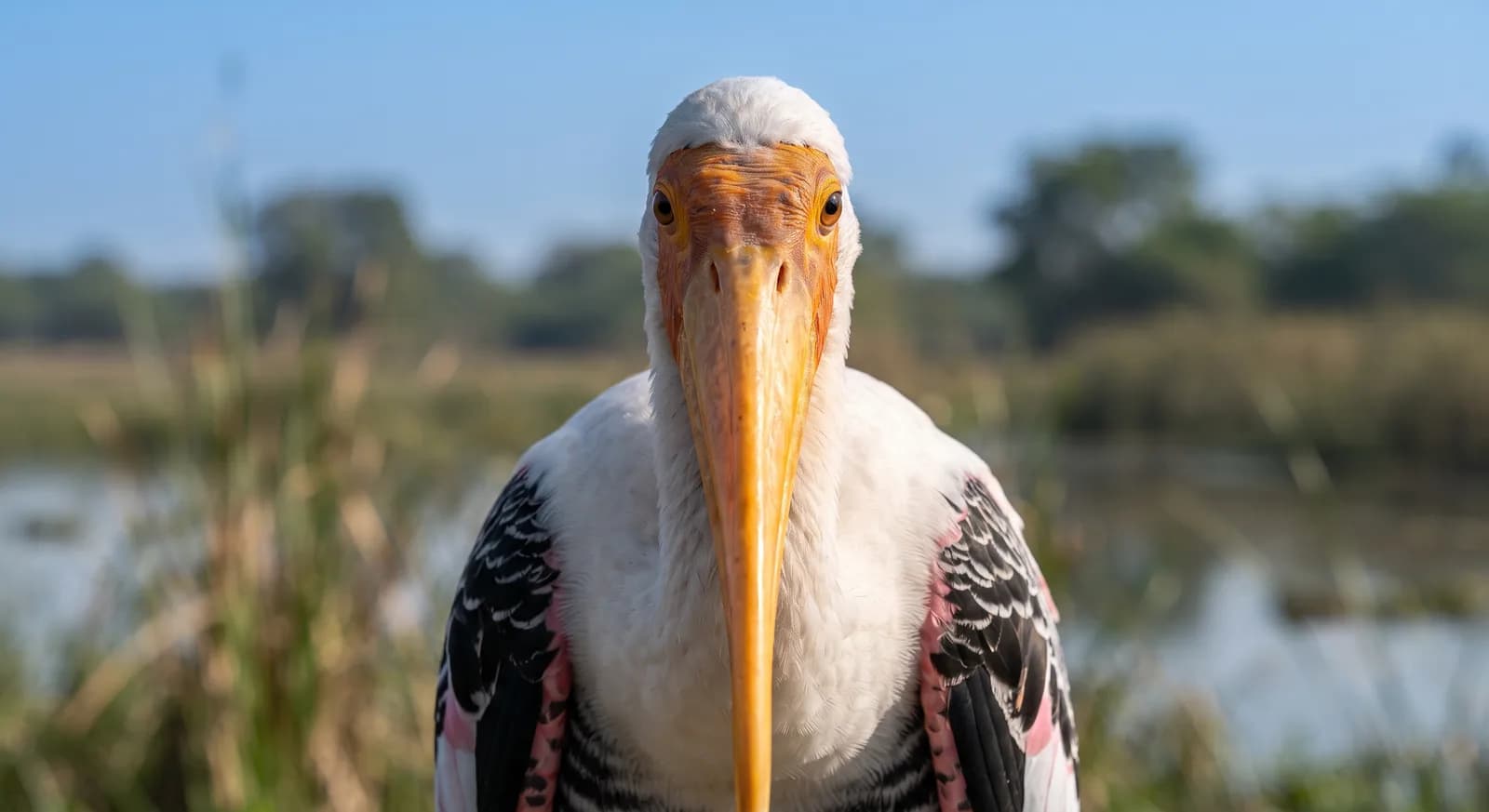
Painted Stork
Mycteria leucocephala
Keep exploring
Based on what we already know about Nepal.